 JAZZPROFILES lives in the music 1,765 Jazz Artists fully Profiled!
Takao Uematsu
Last updated October 21, 2026
Listen on Spotify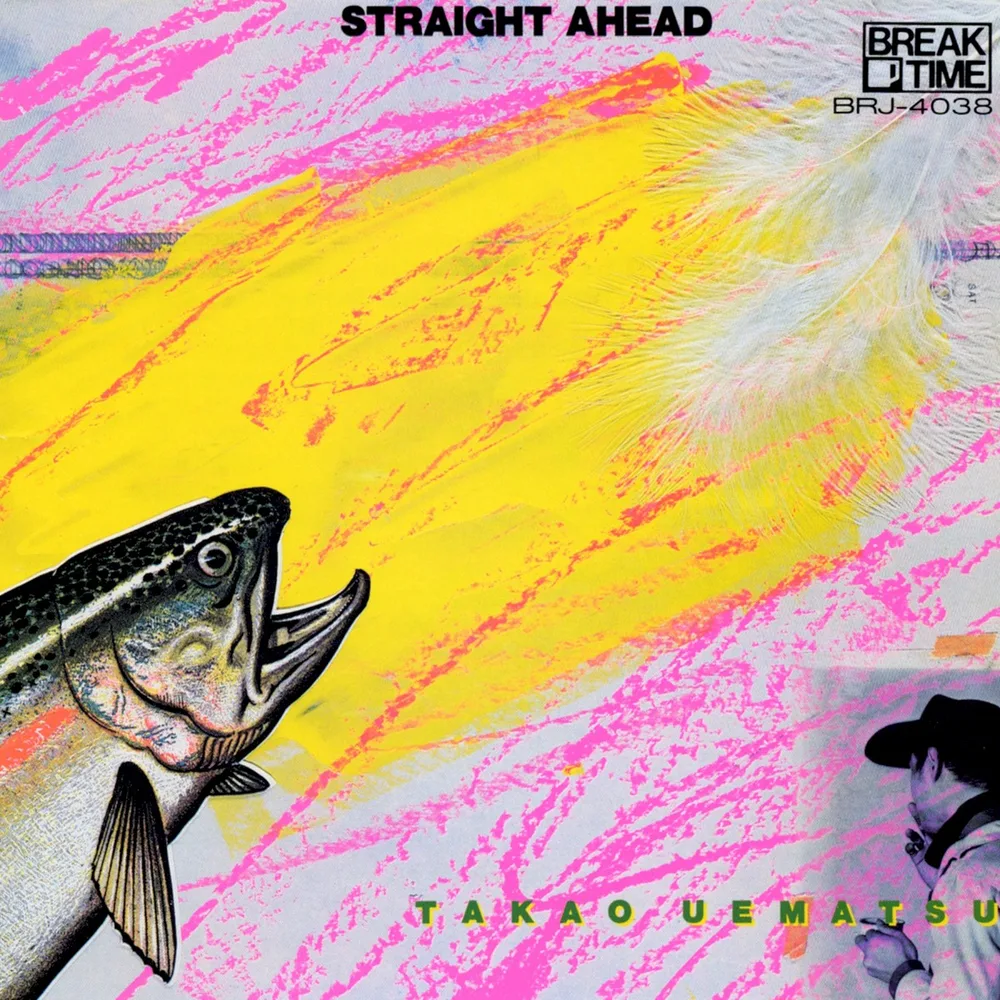
Cover of Straight Ahead (Trio Records PAP-9100, 1977), one of the albums recommended in the profile. Standard copyright, all rights reserved, held by Trio Records and its successor rights holders. This is not a Creative Commons or public-domain image; it is an album cover shown as an honestly disclosed editorial identification image. — https://musicbrainz.org/release/af08b152-ee2c-468d-9599-29e438be50d0 (image: https://coverartarchive.org/release/af08b152-ee2c-468d-9599-29e438be50d0/front-1200)
Takao Uematsu (植松孝夫) is a Tokyo-born tenor saxophonist whose name sits on a run of Japanese jazz records from the early 1970s that collectors have kept in print, and whose career then ran through four more decades of sideman work. He was born on April 16, 1947, turned professional in 1966 at the age of 19, and played in the Count Buffaloes and in the guitarist Kiyoshi Sugimoto's quartet before joining the drummer George Otsuka's quartet in 1969.
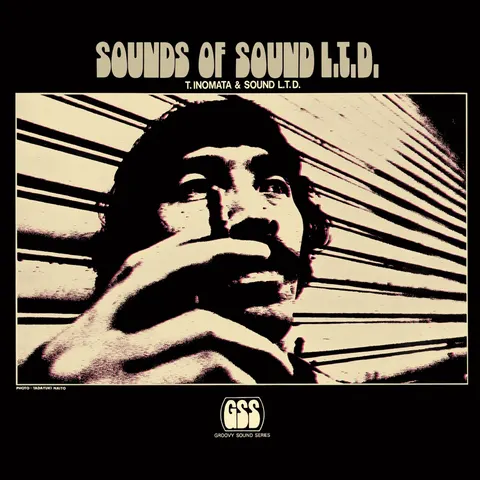
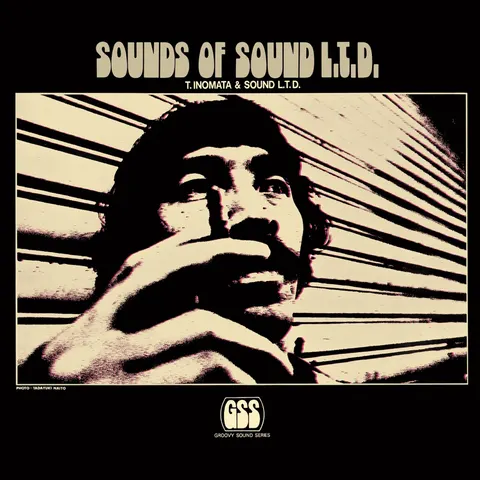
His earliest recordings are from 1970 and come from two directions at once. In the spring he was a tenor saxophonist in Takeshi Inomata's big band Sound Limited, which recorded Sounds of Sound L.T.D. for Columbia on March 25 to 27 and Sound Ltd. for Express in April, with Shunzo Ohno on trumpet, Ryo Kawasaki on electric guitar and Toshiaki Yokota on flute. He is credited on soprano as well as tenor on the band's next record, New Rock in Europe, cut on June 22, 1970. On November 19 he led his own session, Debut, for Three Blind Mice, the Tokyo label founded that same year. The date was billed as a quartet and quintet: Uematsu on tenor, Takashi Imai on trombone, Sadayasu Fujii on Fender piano, Yoshio Suzuki on bass and Otsuka on drums, playing "Inside Parts," "Stella by Starlight," "T.I." and "Sleep, My Love." It has stayed in print in one form or another ever since, most recently as a 2025 remaster on vinyl and on hybrid SACD.
The leader's chair was not where he spent most of the decade. In late 1970 he recorded A Part, a Terumasa Hino date with the American bassist Reggie Workman, on tenor and bass clarinet, and in 1971 he joined Hino's quintet. On November 6, 1971 that band, with Hino, Uematsu, Kiyoshi Sugimoto, Yoshio Ikeda on bass and Motohiko Hino on drums, played the Berlin Jazz Festival, released in Japan as Hino at Berlin Jazz Festival '71. He is on the sextet record Fuji, cut at Victor Studio on March 8, 1972 with Mikio Masuda on electric piano, and on Reminicent Suite, which Hino recorded with the pianist Mal Waldron, Isao Suzuki on bass and Motohiko Hino on drums at Victor Studio on August 14, 1972. He returned for Hino's 1974 CBS/Sony records Into Eternity and Journey Into My Mind.
Elsewhere in that stretch he was on George Otsuka's Sea Breeze (Union, recorded February 8, 1971), playing tenor and soprano beside Ohno, the pianist Hideo Ichikawa and the bassist Takashi Mizuhashi, and on Kazumi Watanabe's first record, Infinite (Express, recorded in May 1971), with Yoshio Suzuki, Motohiko Hino and Ichikawa. Also in 1971 he shared a sleeve with the tenor saxophonist Takeru Muraoka on Ride and Tie (Express), four tracks running from ten to thirteen minutes, with Yoshio Suzuki, Motohiko Hino and Hiromasa Suzuki on electric piano.
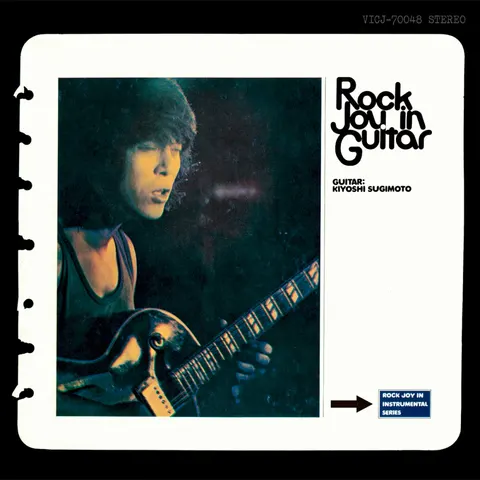
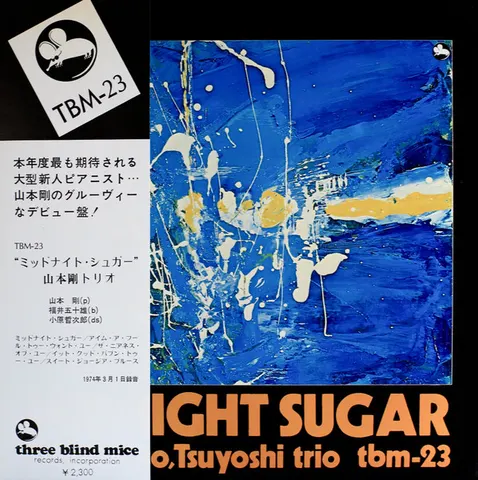
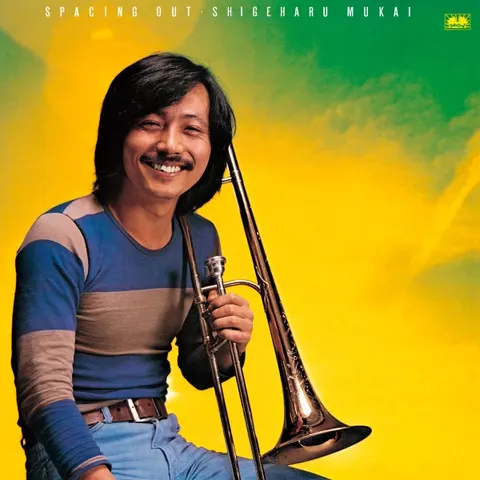
The Sugimoto connection produced Babylonia Wind (Columbia, 1972), a live set from the Roppongi club Mingos Musico (Kiva, October 25, 1973) and Our Time (Columbia, recorded between December 1974 and January 1975). For Three Blind Mice he was on guitarist Sunao Wada's Blues World (March 25, 1974), on side B of Now's the Time (March 26, 1974, Toshi Center Hall, a shared date that also gathered Tsuyoshi Yamamoto's trio and Otsuka's quintet), and on three Tee & Company albums recorded in 1977, Sonnet, Dragon Garden and Spanish Flower, where he plays tenor and bass clarinet alongside Masaru Imada, Masayuki Takayanagi and Nobuyoshi Ino. He also played on Mikio Masuda's Trace (East Wind, June 1974) and on Shigeharu Mukai's Hip Cruiser (Better Days, October 1978).
His second leader album, Straight Ahead, was recorded on October 12, 1977 at Onkio Haus in Tokyo and released by Trio Records as PAP-9100. It is a fusion date in the sense the decade used the word: Masuda on piano, electric piano and synthesizer, Motohiko Hamase on electric and acoustic bass, Arihide Kurata on drums, Tatsuji Yokoyama on percussion and Hitoshi Okano on trumpet, with Takeshi Shibuya directing the session. Uematsu wrote three of the six tracks, "White Fire," "Mysterious Jump" and "Samba to Kiki"; Masuda contributed "Fancy Free," and the programme is completed by "Afro Blue" and "Invitation." The record was reissued in 2010, 2017 (Solid Records), 2018 (Octave Lab), 2020 and 2026. "White Fire" has outlived it: it opens the BBE compilation J Jazz: Deep Modern Jazz From Japan 1969-1984 (2018), and in August 2016 he recorded it again, on tenor, for pianist Hajime Yoshizawa's Double Moon.
Japanese profiles of him describe a break of several years in the 1980s. He appears in 1983 on Kazuo Yashiro's Funks and in 1984 on the rock band the Fools' Weed War, and from 1986 he became a regular in the horn section behind the singer Maki Asakawa, on Amerika no Yoru (アメリカの夜, 1986, with Toshiyuki Honda), Koboreru Ogon no Suna (こぼれる黄金の砂, 1987), Underground (1987, on baritone saxophone), Nothing At All To Lose (1988), the live Yoru no Carnival (夜のカーニバル, 1989), Kuroi Kukan (黒い空間, 1994, recorded live at Bungeiza Le Pilier on December 31, 1992), Konna Fu ni Sugite Yuku no Nara (こんな風に過ぎて行くのなら, 1996) and a 2022 live-selection box set. Asakawa also produced his third album as a leader, Come From With (Eastworld, August 26, 1992), a seven-track quartet record with Takeshi Shibuya on piano and organ, a bassist credited as Bobby Watson and Hiro Tsunoda on drums, built from standards such as "Cry Me a River," "Sonny Is Blue" and "A Song for You." It reached vinyl for the first time in 2024 on C.A.E. Record.
Other late sideman work includes a saxophone feature on Motohiko Hino and Urbanightrops' Wild Talk (1990), the vocal date Getting To Know You (Insights, released in 1994 from a Roppongi session of May 22, 1985), on which he is billed alongside the singer Takako Ueno and Tsuyoshi Yamamoto's trio, and the blues musician George Yanagi's Storage (1994). In 2018 he led a quartet at Shinjuku Pit Inn in Tokyo with Kanoko Kitajima on piano, Riku Takahashi on bass, Shogo Hamada on drums and the flutist Maoyo Sakai as guest. The Japanese listing for that appearance also names him in two-tenor settings with Kohsuke Mine and in work with pianist Takehiro Honda; fan accounts place him in Honda's 1990s sextet EASE, though no release credit documents either pairing.
Uematsu is a tenor player of weight and warmth whose playing on Debut is routinely placed in the line of Joe Henderson: a dark, singing tone, long-lined phrasing, and a technical command that kept him busy in studios and bands of very different temperament. Reissue copy for Debut makes that comparison directly, and reviewers of the album describe it as post-bop.
The range of the discography is wider than that single label. Debut is acoustic post-bop with a Fender piano. Ride and Tie is soul-jazz and jazz-funk built on twelve-minute grooves, with Hiromasa Suzuki on electric piano. Straight Ahead sits in fusion, with synthesizer and percussion, a samba in "Samba to Kiki" and a reading of "Afro Blue." The Tee & Company records and Babylonia Wind belong to the modal, spiritual end of the period, and both Tee & Company's "Spanish Flower" and Sugimoto's "Babylonia Wind" were later chosen by the compilers of Spiritual Jazz 8: Japan, Part Two (Jazzman, 2018). Come From With is the other pole: a late-night ballad record.
He doubled on soprano saxophone (Sea Breeze, New Rock in Europe), bass clarinet (A Part, Spanish Flower, Dragon Garden) and, once, baritone saxophone (Maki Asakawa's Underground), and he wrote the material that has lasted on his own records: "White Fire," "Mysterious Jump" and "Samba to Kiki."
- Debut (1970, Three Blind Mice TBM-3) - The first leader session, recorded November 19, 1970 with Takashi Imai, Sadayasu Fujii, Yoshio Suzuki and George Otsuka. YouTube - Debut, full album Listen
- Ride and Tie (1971, Express ETJ-9002, with Takeru Muraoka) - Two tenors, an electric piano and twelve-minute grooves. YouTube - Ride and Tie, full album Listen · Buy
- Hino at Berlin Jazz Festival '71 (1971, Victor SMJX-10128, Terumasa Hino Quintet) - Uematsu on tenor in the live quintet, recorded November 6, 1971. YouTube - full album Listen
- Babylonia Wind (1972, Columbia XMS-10037-J, Kiyoshi Sugimoto Quintet) - A modal quintet record later picked for Jazzman's Spiritual Jazz 8. YouTube - Babylonia Wind Listen
- Straight Ahead (1977, Trio Records PAP-9100) - His fusion statement, with Mikio Masuda, Motohiko Hamase, Arihide Kurata, Tatsuji Yokoyama and Hitoshi Okano. Spotify - Straight Ahead Listen · Buy
- Spanish Flower (1978, Three Blind Mice TBM-5008, Tee & Company) - Tenor and bass clarinet in the title piece. YouTube - Spanish Flower, full album Listen
- Come From With (1992, Eastworld TOCT-6632) - The late quartet album produced by Maki Asakawa, reissued on vinyl in 2024. YouTube - Come From With, full album Listen · Buy
Takao Uematsu (植松孝夫): Full Discography
Japanese jazz tenor saxophonist who also plays soprano saxophone and bass clarinet. Born April 16, 1947, Tokyo. Discogs artist 880146.
Name variations on record: Uematsu Takao, T. Uematsu, Camel Uematsu, 植松孝夫.
Group affiliations: Terumasa Hino Quintet and Sextet, George Otsuka Quintet, Takeshi Inomata & Sound Limited, Kiyoshi Sugimoto Quintet, Sunao Wada Quintet, Tee & Company, The Fools, Urbanightrops, Takao Uematsu Quartet/Quintet.
Discogs lists a separate artist 15059234, Takao Uematsu (2), whose only credit is a 1998 album by the Japanese ensemble ロバの音楽座; it is a different person and is excluded here.
Leader
| Album | Year | Label | Personnel | Notes | Listen | Buy |
|---|---|---|---|---|---|---|
| Debut (デビュー), billed Takao Uematsu Quartet/Quintet (植松孝夫四重奏団/五重奏団) | 1970 | Three Blind Mice, TBM-3 (LP) | Takao Uematsu (tenor saxophone), Takashi Imai (trombone), Sadayasu Fujii (Fender piano), Yoshio Suzuki (bass), George Otsuka (drums) | Recorded November 19, 1970. Four tracks: "Inside Parts," "Stella by Starlight," "T.I.," "Sleep, My Love." The first pressing was issued without an obi strip. | YouTube | Amazon |
| Debut (reissues) | 1977, 2001, 2013, 2019, 2025 | Three Blind Mice TBM-2503 (LP, 1977); Three Blind Mice TBM-CD-1803 (CD, 2001); Think! Records THCD-218 (CD, 2013); Craftman Records CMRS-0046 (CD, 2019); Three Blind Mice MHJL 421 (LP, 2025) and MHCL 10183 (hybrid SACD, 2025, Sony Music Direct) | As above | The 2025 editions are remastered and limited. | YouTube | Amazon |
| Straight Ahead | 1977 | Trio Records, PAP-9100 (LP) | Takao Uematsu (tenor saxophone), Hitoshi Okano (trumpet), Mikio Masuda (piano, electric piano, synthesizer), Motohiko Hamase (electric and acoustic bass), Arihide Kurata (drums), Tatsuji Yokoyama (percussion) | Recorded October 12, 1977 at Onkio Haus, Tokyo; directed by Takeshi Shibuya. Six tracks: "White Fire" (Uematsu), "Mysterious Jump" (Uematsu), "Fancy Free" (Masuda), "Afro Blue" (Oscar Brown Jr.), "Invitation" (Bronislaw Kaper), "Samba to Kiki" (Uematsu). | Spotify | Amazon |
| Straight Ahead (reissues) | 2010, 2017, 2018, 2020, 2026 | Art Union ARTD-5551 (CD, 2010); Solid Records SOLID-1026 (LP, 2017); Octave Lab OTLCD2358 (CD, 2018); Trio Records UVWA-1021 (CD, 2020); Ultra-Vybe UVWA-4026 (CD, 2026) | As above | The 2018, 2020 and 2026 CDs are limited, remastered editions. | Spotify | Amazon |
| Come From With | 1992 | Eastworld, TOCT-6632 (CD, released August 26, 1992) | Takao Uematsu (tenor saxophone), Takeshi Shibuya (piano, organ), Bobby Watson (bass), Hiro Tsunoda (drums); produced by Maki Asakawa | Seven tracks: "No Certain Terms," "Cry Me a River," "What's Happen," "I Love You More Than You'll Ever Know," "Sonny Is Blue," "JA's Love," "A Song for You." | YouTube | Amazon |
| Come From With (reissues) | 1995, 2024 | Eastworld TOCT-9317 (CD, 1995); C.A.E. Record CAER-1003 (LP, 2024) and CAER-1006 (CD, 2024) | As above | The 2024 LP is the first vinyl edition. | YouTube | Amazon |
Co-Leader
| Album | Year | Label | Co-billed with | Personnel | Notes | Listen | Buy |
|---|---|---|---|---|---|---|---|
| Ride and Tie | 1971 | Express, ETJ-9002 (LP) | Takeru Muraoka | Takeru Muraoka (tenor saxophone), Takao Uematsu (tenor saxophone), Hiromasa Suzuki (electric piano), Yoshio Suzuki (bass), Motohiko Hino (drums) | Four tracks: "C.C. Rider" (12:02), "Hot Sunday" (11:10), "Happy Birth" (10:34), "Listen Here" (12:54). Reissued on CD by Think! Records (DTHK-007, 2011) and on remastered LP by Express (UPJY-9262, 2023). | YouTube | Amazon |
| Getting To Know You | 1994 | Insights, 25CJ-2 (CD, released November 21, 1994) | Takako Ueno and the Tsuyoshi Yamamoto Trio | Takako Ueno (vocals), Takao Uematsu (tenor saxophone), Tsuyoshi Yamamoto (piano), Tsutomu Okada (bass), Jo Jones Jr. (drums) | Recorded at Roppongi, Tokyo, on May 22, 1985. Nine standards including "A Foggy Day," "Getting to Know You," "I've Got a Crush on You" and "God Bless the Child." | YouTube - Getting to Know You | Amazon |
Guest, sideman and compilation appearances
Chronological. Sixty-two releases and master entries carry his name on Discogs artist 880146; the leader and co-leader entries above are Debut, Straight Ahead, Come From With, Ride and Tie and Getting To Know You, and the remainder are below.
| Year | Release | Actual leader | Label | Credit | Listen | Buy |
|---|---|---|---|---|---|---|
| 1970 | Jazz Adventure in Drums (ジャズ・アドベンチャー・イン・ドラム) | Various (drum showcase) | Victor World Group, SMJX-10095 | Tenor saxophone on A3 and A4; composer credit on A4, "Walking Alone." Drummers across the set include George Otsuka, Akira Ishikawa, Takeshi Inomata and Motohiko Hino. | not found | Amazon |
| 1970 | Sounds of Sound L.T.D. (サウンド・オブ・サウンド・リミテッド) | Takeshi Inomata & Sound Limited | Columbia, HS-7001-CT | Tenor saxophone. Recorded March 25 to 27, 1970 at Tokyo Studio Centre. | YouTube - Theme / Mustache | Amazon |
| 1970 | Sensational Jazz '70: Vol. 1/2 (センセーショナル・ジャズ'70) | Various | Columbia, PSS-10025 to 6-J | Tenor saxophone on D2, "Mustache." Recorded April 30, 1970 at Shibuya Public Hall. | not found | Amazon |
| 1970 | Sound Ltd. | Takeshi Inomata & Sound Limited | Express, EP-7761 | Tenor saxophone. Recorded April 4, 11 and 25, 1970; with Shunzo Ohno, Ryo Kawasaki and Toshiaki Yokota. | YouTube - It Better End Soon | Amazon |
| 1970 | What's Happening? (ホワッツ・ハプニング) | Takao Naoi (直居隆雄) | Union Records, ULP-2001 | Tenor saxophone and bass clarinet. With Hiromasa Suzuki (electric piano), Akira Ishikawa (drums) and Kunimitsu Inaba (electric bass); arranged by Masahiko Satoh and Naoi. | not found | Amazon |
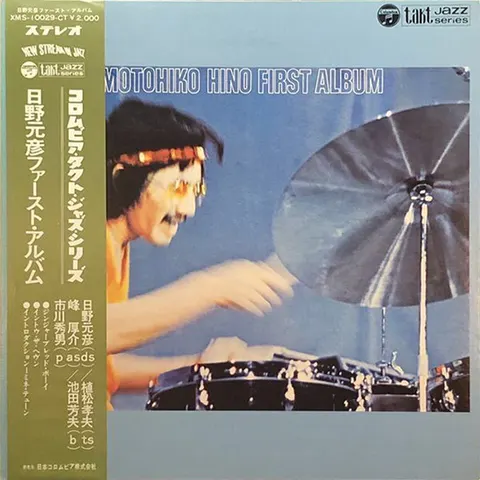
| 1971 | First Album (ファースト・アルバム) | Motohiko Hino | Columbia, XMS-10029-CT | Tenor saxophone on A1, "Gingerbread Boy," and B1, "Introduction - Mine Tune." Recorded September 6 to 8, 1970 at Tokyo Studio Center; released February 10, 1971. | YouTube - Gingerbread Boy | Amazon |
| 1971 | A Part (A パート), billed Terumasa Hino Meets Reggie Workman | Terumasa Hino and Reggie Workman | Canyon, CAJ-1005 | Tenor saxophone and bass clarinet. Recorded November 1 and 8 and December 3, 1970; with Reggie Workman (bass), Kiyoshi Sugimoto (guitar), Hideo Ichikawa (piano, electric piano), Motohiko Hino (drums) and Yuji Imamura (congas). | YouTube | Amazon |
| 1971 | Sea Breeze (シー・ブリーズ) | George Otsuka Quintet | Union Records, ULP-2002 | Tenor and soprano saxophones. Recorded February 8, 1971; with Shunzo Ohno (trumpet, flugelhorn), Hideo Ichikawa (electric piano), Takashi Mizuhashi (bass) and George Otsuka (drums). | YouTube | Amazon |
| 1971 | New Rock in Europe - Sound Ltd. 2 | Takeshi Inomata & Sound Limited | Express, EP-7776 | Tenor and soprano saxophones. Recorded June 22, 1970 at Toshiba Music Industries 1st Studio, in cooperation with the television programme Young 720. | YouTube | Amazon |
| 1971 | Infinite | Kazumi Watanabe | Express, ETP-9038 (released September 25, 1971) | Tenor saxophone. Recorded May 1971 at Teichiku Studio 19; with Yoshio Suzuki (bass), Motohiko Hino (drums), Hideo Ichikawa (electric piano). Subtitled "Kazumi Watanabe First." | YouTube | Amazon |
| 1971 | Hino at Berlin Jazz Festival '71 (ベルリン・ジャズ・フェスティバルの日野皓正) | Terumasa Hino Quintet | Victor World Group, SMJX-10128 | Tenor saxophone. Recorded live at the Berlin Jazz Festival on November 6, 1971; with Terumasa Hino (trumpet), Kiyoshi Sugimoto (guitar), Yoshio Ikeda (bass) and Motohiko Hino (drums). | YouTube | Amazon |
| 1972 | Fuji (藤) | Terumasa Hino Sextet | Victor, SMJX-10135 | Tenor saxophone. Recorded March 8, 1972 at Victor Studio; with Kiyoshi Sugimoto (guitar), Mikio Masuda (electric piano), Yoshio Ikeda (bass) and Motohiko Hino (drums). | YouTube | Amazon |
| 1972 | Babylonia Wind (バビロニア・ウインド) | Kiyoshi Sugimoto Quintet | Columbia, XMS-10037-J | Tenor saxophone; with Kiyoshi Sugimoto (guitar), Hideo Ichikawa (electric piano), Yoshio Ikeda (bass) and Motohiko Hino (drums). | YouTube | Amazon |
| 1973 | Reminicent Suite (as spelled on the sleeve) | Mal Waldron and Terumasa Hino | Victor, SMJX-10155 | Tenor saxophone. Recorded August 14, 1972 at Victor Studio, Tokyo; with Mal Waldron (piano), Isao Suzuki (bass), Motohiko Hino (drums) and Yuji Imamura (percussion). | YouTube | Amazon |
| 1973 | ライブ - 六本木 Mingos Musicoにて収録 (Live at Mingos Musico, Roppongi) | Kiyoshi Sugimoto Quintet | Kiva, KV-102 (released October 25, 1973) | Tenor saxophone. Live at Mingos Musico, Roppongi; with Kiyoshi Sugimoto (guitar), Masayoshi Yoneda (electric piano), Tamio Kawabata (bass) and Arihide Kurata (drums). | YouTube | Amazon |
| 1974 | Trace | Mikio Masuda | East Wind, EW-7004 | Saxophone on B1. Recorded June 9 and 12, 1974 at Victor Studio, Tokyo; with Mikio Masuda (piano), Terumasa Hino (flugelhorn on one track), Hideo Miyata (flute), Tsutomu Okada (bass) and Motohiko Hino (drums). | not found | Amazon |
| 1974 | Into Eternity | Terumasa Hino | CBS/Sony, SOPI 14-15 | Tenor saxophone on B1, "Ode to Workman," and C1, "Horizon." Recorded May 28 to June 1, 1974 at CBS/Sony Studio No. 1, Roppongi. | YouTube | Amazon |
| 1974 | Journey Into My Mind | Terumasa Hino | CBS/Sony, SOPL 240 | Tenor saxophone on B1, "Reve Provencale." Recorded December 19 and 20, 1973 at Iino Hall and Mouri Studio. | not found | Amazon |
| 1974 | Blues World | Sunao Wada Quartet/Quintet | Three Blind Mice, TBM-25 | Tenor saxophone. Recorded March 25, 1974; with Sunao Wada (guitar), Ushio Sakai (Hammond organ), Mitsuaki Furuno (bass) and Arihide Kurata (drums). | YouTube | Amazon |
| 1974 | Now's the Time | Isao Suzuki and Sunao Wada with the Tsuyoshi Yamamoto Trio and George Otsuka Quintet +2 | Three Blind Mice, TBM-29 | Tenor saxophone on side B. Recorded March 26, 1974 at Toshi Center Hall, Tokyo; the set also features Yoshio Otomo and Mori Kenji (alto saxophone), Mabumi Yamaguchi (tenor saxophone), Isoo Fukui and Mitsuaki Furuno (bass), Tetsujiro Obara and George Otsuka (drums). | YouTube | Amazon |
| 1975 | NHK Transcription Programme (No. 137): Modern Jazz in Japan | Various | NHK, TR 137/1 - TR 137/2 (2 LP, broadcast use) | Tenor saxophone on B1, "Castaly," B2, "Long Nail," D1, "Go On," and D2, "George's Second." | not found | Amazon |
| 1975 | Our Time | Kiyoshi Sugimoto | Columbia, KZ-7505 | Saxophone. Recorded December 28, 1974 and January 10 and 28, 1975 at Nippon Columbia No. 1 Studio; with Hiromasa Suzuki and Hideo Ichikawa (keyboards), Tsunehide Matsuki (harmonica) and Akira Ishikawa, Motohiko Hino and Shuichi Murakami (drums). | YouTube | Amazon |
| 1976 | Invitation | Hideo Ichikawa | RCA, RVL-5503 | Tenor saxophone on A1 to A3, recorded August 3, 1973 (the rest of the album was recorded August 20, 1976); with Shunzo Ohno (trumpet). | YouTube | Amazon |
| 1977 | Sonnet (ソネット) | Tee & Company | Three Blind Mice, TBM-5004 | Tenor saxophone. Recorded November 13, 1977; with Masaru Imada (piano, electric piano), Masayuki Takayanagi (electric guitar), Nobuyoshi Ino and Hideto Kanai (bass), Hiroshi Murakami (drums), Yuji Imamura (percussion) and Mori Kenji (soprano and tenor saxophone). | YouTube | Amazon |
| 1978 | Dragon Garden (ドラゴン・ガーデン) | Tee & Company | Three Blind Mice, TBM-5006 | Tenor saxophone on A, "Dragon Garden." Recorded at AOI Studio and Epicurus Studio, Tokyo, on November 15 and 28 and December 1, 1977. | YouTube | Amazon |
| 1978 | Kaleidoscope (カレイドスコープ) | Mickie Yoshino and Kazumi Watanabe | Denon, YX-7575-ND (released August 25, 1978) | Tenor saxophone on A1, "Maiden Voyage," A2, "The World Is a Ghetto," and B1, "Kaleidoscope." | YouTube | Amazon |
| 1978 | Spanish Flower (スパニッシュ・フラワー) | Tee & Company | Three Blind Mice, TBM-5008 | Tenor saxophone on "A Tree Frog"; tenor saxophone and bass clarinet on "Spanish Flower." Recorded November 13 and 14, 1977 at AOI Studio, Tokyo. | YouTube | Amazon |
| 1979 | Horizon | Terumasa Hino | CBS/Sony, 25AP 1731 | Tenor saxophone. A compilation of tracks from Journey Into My Mind and Into Eternity. | not found | Amazon |
| 1979 | Hip Cruiser (ヒップ・クルーザー) | Shigeharu Mukai | Better Days, YX-7588-ND (released February 1979) | Tenor saxophone on A1, "Nimuoro Neina," A2, "Hip Cruiser," A3, "Coral Eyes," B2, "The Way," B3, "V-1 Funk," and B4, "Manipura." Recorded October 2 to 6, 1978 at Nippon Columbia 1 Studio. | YouTube - Nimuoro Neina | Amazon |
| 1983 | Funks | Kazuo Yashiro & The Sharply-Up | Carnival, RJL-8042 | Tenor saxophone. | not found | Amazon |
| 1984 | Weed War | The Fools | BaLcony Records, GIRLS 1 | Saxophone. | not found | Amazon |
| 1986 | Amerika no Yoru (アメリカの夜) | Maki Asakawa (浅川マキ) | Eastworld, WTP-90388 (released March 1, 1986) | Tenor saxophone. Recorded November 25, 1985 to January 7, 1986; Toshiyuki Honda arranged and played soprano and alto saxophones and keyboards, with Soichi Noriki on piano and organ. | YouTube | Amazon |
| 1987 | Koboreru Ogon no Suna - What It Be Like (こぼれる黄金の砂) | Maki Asakawa | Eastworld, WTP-90451 (released February 25, 1987) | Tenor saxophone on A5 and B2. With Takeshi Shibuya and Hoppy Kamiyama (keyboards), Hiro Tsunoda (percussion) and Cecil Monroe (drums, percussion). | not found | Amazon |
| 1987 | Underground | Maki Asakawa | Eastworld, CT32-5089 (CD, released December 25, 1987) | Baritone saxophone on tracks 1, 5 and 6. With Bobby Watson (bass, keyboards, producer), Ricky Lawson (drums) and Tony Maiden (guitar). | not found | Amazon |
| 1988 | Nothing At All To Lose (as billed on Discogs) | Maki Asakawa | Eastworld, RT28-5369 (released December 21, 1988) | Tenor saxophone. Recorded September 25 to October 15, 1988 at Toshiba-EMI 3rd Studio, with Bobby Watson, Tony Maiden and Andre Fischer, and Toshiyuki Honda on alto and soprano saxophones and keyboards. | not found | Amazon |
| 1988 | Sonnet - Spanish Flower (2 CD) | Tee & Company | Three Blind Mice, TBM CD 5004 / 5004-8 | Tenor saxophone, and bass clarinet on 2-1 to 2-3. CD reissue of the 1977 albums, digitally transferred June 7, 1988. | not found | Amazon |
| 1988 | Julia | Julia | Whynot, 28EL5035 (released June 21, 1988) | Tenor saxophone. With Soichi Noriki (keyboards), Mitsuaki Furuno (bass) and Hiroshi Murakami (drums). | not found | Amazon |
| 1989 | Yoru no Carnival (夜のカーニバル) | Maki Asakawa | Eastworld, CT32-5421 (CD, released April 26, 1989) | Tenor saxophone. Live recordings at Kinokuniya Hall (July 3 and 4, 1987), Bungeiza (December 24 and 25, 1988) and Seibu Kodo; with Akira Sakata (alto saxophone), Shigeharu Mukai (trombone), Takeshi Shibuya (piano) and Tamio Kawabata (bass). | not found | Amazon |
| 1990 | Wild Talk | Motohiko Hino & Urbanightrops | Meldac, MECA-30002 (CD, released May 21, 1990) | Saxophone. Guests include Terumasa Hino (trumpet), Hidefumi Toki (saxophone) and Paul Jackson (electric bass); Soichi Noriki on keyboards. | YouTube | Amazon |
| 1994 | Storage | George Yanagi | MCA Records, MVCD-14 (CD, released August 24, 1994) | Saxophone on tracks 1 and 7. | not found | Amazon |
| 1994 | Kuroi Kukan (黒い空間) | Maki Asakawa | Eastworld, TOCT-8654 (CD, released December 21, 1994) | Tenor saxophone on tracks 3 to 10, recorded live at Bungeiza Le Pilier on December 31, 1992. | not found | Amazon |
| 1996 | Konna Fu ni Sugite Yuku no Nara (こんな風に過ぎて行くのなら) | Maki Asakawa | Eastworld, TOCT-9489 (CD, released June 26, 1996) | Tenor saxophone. | not found | Amazon |
| 1996 | Yellow Peril - Revenge of Jap Jazz Vol. 02 | Various | P-Vine Records, PCD-5115 | Compilation; track-level appearance. | not found | Amazon |
| 2000 | Sonnet (CD reissue) | Tee & Company | Three Blind Mice, TBM CD 1804 (released November 26, 2000) | Tenor saxophone on tracks 1 and 5 (originally from the 1977 Sonnet and Dragon Garden). | YouTube | Amazon |
| 2000 | Dragon Garden (CD reissue) | Tee & Company | Three Blind Mice, TBM-CD 1805 (released November 26, 2000) | Tenor saxophone and bass clarinet. | YouTube | Amazon |
| 2005 | Shibuya Jazz Classics: Nobukazu Takemura Collection, Three Blind Mice Issue | Nobukazu Takemura (compiler) | Solid Records, CDSOL-1110/1 (2 CD) | Tenor saxophone on 2-7, "Spanish Flower." | not found | Amazon |
| 2008 | Something Blue | Various | Blue Note / Somethin' Else, TOCJ-66467 (CD, released December 24, 2008) | Tenor saxophone on track 2, "Blue Bossa," recorded May 19, 1971 and taken from Kazumi Watanabe's Infinite. | not found | Amazon |
| 2010 | Groovy Indeed! Trio Records 1971-1981 | Various | art union, ARTD-5553 (CD) | Compilation; track-level appearance. | not found | Amazon |
| 2010 | The Pieces of Trio Records Mixed by Hiroko Otsuka | Hiroko Otsuka (mix) | art union, ARTD-5547 (CD) | Compilation; track-level appearance. | not found | Amazon |
| 2011 | ESP DJ Classics Vol. 9: Spiritual Shelter | Kyoto Jazz Massive (compiler) | ESP DJ Classics, ESP-DJCD-009 (CD) | Compilation; track-level appearance. | not found | Amazon |
| 2017 | Double Moon | Hajime Yoshizawa | Village Again Association, ZLCP-0318 (CD) | Tenor saxophone on tracks 1, 3, 4 and 5; composer credit on track 4, "White Fire." Recorded August 2016, with Yoshihito Koizumi (bass), Masanori Amakura (drums) and Tomoki Sanders (tenor saxophone, percussion). | not found | Amazon |
| 2018 | Spiritual Jazz 8: Japan, Part Two (Esoteric, Modal and Progressive Jazz from Japan 1961-1983) | Various | Jazzman, JMANLP 097 (LP, released March 16, 2018) | Tenor saxophone and bass clarinet on B2, "Spanish Flower" (Tee & Company), and tenor saxophone on C2, "Babylonia Wind" (Kiyoshi Sugimoto). | YouTube | Amazon |
| 2018 | J Jazz: Deep Modern Jazz from Japan 1969-1984 | Various | BBE, BBE434CCD (CD, released February 23, 2018) | Track 4, "White Fire" (tenor saxophone, composer), and track 9, "Long Neal" (tenor saxophone). | not found | Amazon |
| 2020 | Japanese Groove Disc Guide / 和モノ A to Z Presents "Blow Up" Trio | Chintam (Blow Up) | Solid Records, CDSOL-1945 (CD) | Compilation; track-level appearance. | not found | Amazon |
| 2022 | 浅川マキの世界2 - ライヴ・セレクションBox (The World of Maki Asakawa 2, Live Selection Box) | Maki Asakawa | Universal Music Group, UPCY-90174/9 (6 CD, limited) | Tenor saxophone on discs 4 to 6 (4-1 to 6-13); with Toshiyuki Honda, Shigeharu Mukai, Toshinori Kondo, Yosuke Yamashita, Kiyoshi Sugimoto and Takeshi Shibuya among the musicians. | not found | Amazon |
Sources
- Discogs: Takao Uematsu, artist 880146
- Discogs: Debut, Three Blind Mice TBM-3
- Discogs: Ride and Tie, Express ETJ-9002
- Discogs: Straight Ahead, Trio Records PAP-9100
- Discogs: Come From With, Eastworld TOCT-6632
- Discogs: Getting To Know You, Insights 25CJ-2
- Discogs: Hino at Berlin Jazz Festival '71
- Discogs: Fuji, Terumasa Hino Sextet
- Discogs: Sea Breeze, George Otsuka Quintet
- Discogs: Infinite, Kazumi Watanabe
- Discogs: Spanish Flower, Tee & Company
- George Otsuka - the drummer in whose quartet he made his name from 1969; drums on Debut (1970), leader of Sea Breeze (1971, on which Uematsu plays tenor and soprano) and of the quintet on Now's the Time (1974).
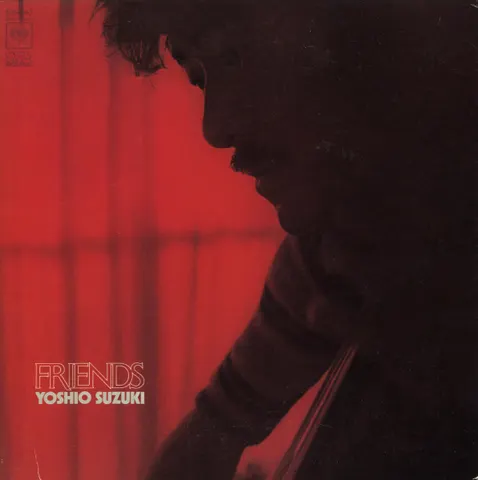
- Yoshio Suzuki - bass on Debut, Ride and Tie and Kazumi Watanabe's Infinite.
- Takeru Muraoka - co-billed tenor saxophonist on Ride and Tie (1971).
- Motohiko Hino - drums on Ride and Tie, Infinite, the Terumasa Hino quintet and sextet records, Trace, Reminicent Suite and Wild Talk; Uematsu is also on his First Album (1971).
- Terumasa Hino - bandleader on A Part (1971), Hino at Berlin Jazz Festival '71, Fuji (1972), Reminicent Suite (1973), Journey Into My Mind and Into Eternity (both 1974).
- Hiromasa Suzuki - electric piano on Ride and Tie (1971) and on Takao Naoi's What's Happening? (1970), and keyboards on Kiyoshi Sugimoto's Our Time (1975).
- Kiyoshi Sugimoto - guitar in the Hino quintet and sextet, and leader of Babylonia Wind (1972), the Mingos Musico live album (1973) and Our Time (1975).
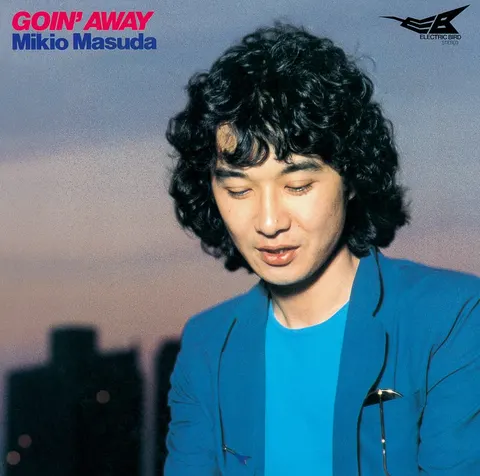
- Mikio Masuda - electric piano on Fuji and keyboards and writer on Straight Ahead (1977); Uematsu is on his Trace (1974).
- Takeshi Inomata - leader of the Sound Limited big band on three 1970 and 1971 albums.
- Shunzo Ohno - trumpet in Sound Limited and on Sea Breeze, and on pianist Hideo Ichikawa's Invitation, which includes Uematsu on three tracks recorded in 1973.
- Ryo Kawasaki - electric guitar in Sound Limited (1970).
- Kazumi Watanabe - leader of Infinite (1971); Uematsu is also on the Mickie Yoshino and Watanabe album Kaleidoscope (1978).
- Mal Waldron - piano on Reminicent Suite (1973), co-billed with Terumasa Hino.
- Isao Suzuki - bass on Reminicent Suite, and co-leader with Sunao Wada of Now's the Time (1974).
- Tsuyoshi Yamamoto - pianist on Now's the Time (1974) and, with his trio, on Getting To Know You (1994).
- Takako Ueno - vocals on Getting To Know You (Insights, released 1994 from a May 22, 1985 session), on which Uematsu plays tenor saxophone with Tsuyoshi Yamamoto's trio.
- Shigeharu Mukai - leader of Hip Cruiser (1979) and trombonist on Maki Asakawa's Yoru no Carnival (1989) and the 2022 live box.
- Masaru Imada, Masayuki Takayanagi and Nobuyoshi Ino - fellow members of Tee & Company on Sonnet, Dragon Garden and Spanish Flower (1977 sessions).
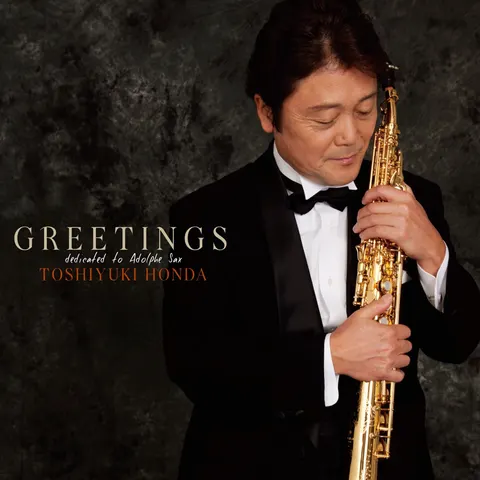
- Toshiyuki Honda - alto and soprano saxophonist, arranger and keyboardist on Maki Asakawa's Amerika no Yoru (1986) and Nothing At All To Lose (1988).
- Souichi Noriki - keyboards on Julia's Julia (1988) and Wild Talk (1990), and piano and organ on Asakawa's Amerika no Yoru (1986).
- Hidefumi Toki - saxophonist on Wild Talk (1990).
- Tamio Kawabata - bassist on the Kiva live record by the Kiyoshi Sugimoto Quintet (1973) and on Asakawa's Yoru no Carnival (1989) and Kuroi Kukan (1994).
- Akira Sakata, Toshinori Kondo and Yosuke Yamashita - fellow musicians in Maki Asakawa's circle, on Yoru no Carnival (1989) and the 2022 live box (Kondo and Yamashita).
- Tsunehide Matsuki - harmonica on Kiyoshi Sugimoto's Our Time (1975).
- Akira Ishikawa - drums on Takao Naoi's What's Happening? (1970) and Our Time (1975); also a drummer on the 1970 compilation Jazz Adventure in Drums.
- Isoo Fukui and Tetsujiro Obara - bass and drums on tracks of Now's the Time (1974).
- Maki Asakawa - the singer whose records he played on from 1986 and who produced Come From With.
- Takeshi Shibuya - piano and organ on Come From With, directing Straight Ahead, and pianist on Asakawa's Yoru no Carnival.
- Motohiko Hamase, Arihide Kurata, Tatsuji Yokoyama and Hitoshi Okano - the rest of the Straight Ahead band (1977).
- Hajime Yoshizawa - pianist and leader of Double Moon (2017), on which Uematsu plays tenor and "White Fire" returns.
- Kohsuke Mine and Takehiro Honda - named in a Japanese concert listing and in fan accounts as partners in his later work (two-tenor settings, and Honda's sextet EASE); no release credit documents it.
- Hiroshi Murakami - drummer on Tee & Company's Sonnet (1977) and on the album Julia (1988).
- Mabumi Yamaguchi - the other tenor saxophonist on Now's the Time (Three Blind Mice, 1974), recorded March 26, 1974.
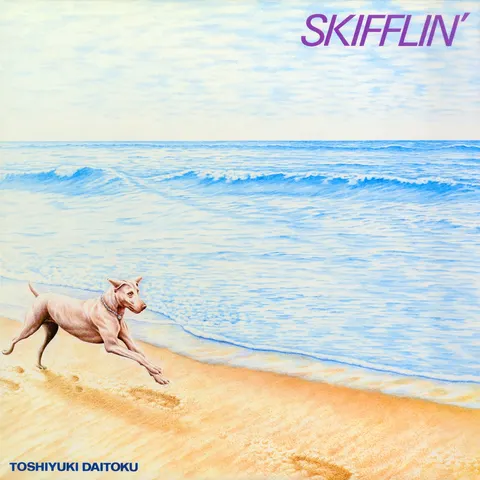
- Toshiyuki Daitoku - Fender-piano player on side B of Now's the Time (Three Blind Mice, 1974), the 26-minute title piece on which Uematsu is one of the tenor saxophonists.
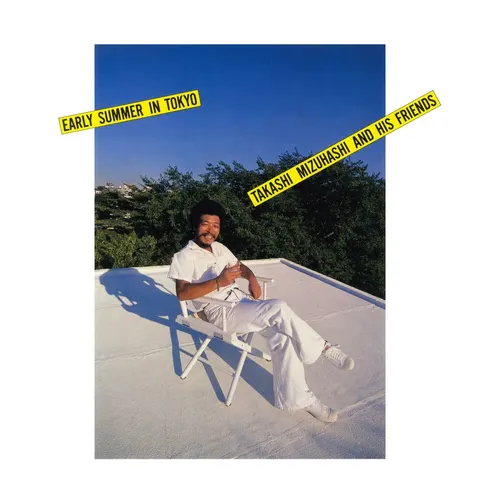
- Takashi Mizuhashi - bassist on George Otsuka's Sea Breeze (Union, recorded 8 February 1971), on which Uematsu plays tenor and soprano saxophones.
- Shigenori Kamiya - electric guitarist beside Uematsu's tenor saxophone on Sound Limited's Sounds of Sound L.T.D. and Sound Ltd. (1970) and New Rock in Europe: Sound Ltd. 2 (1971).
- Jun Suzuki - bassist on the Takeshi Inomata and Sound Limited albums Sounds of Sound L.T.D., Sound Ltd. and New Rock in Europe, on which Uematsu plays tenor saxophone.
- Shigemichi Domoto - trombonist beside Uematsu in Sound Limited on Sounds of Sound L.T.D., Sound Ltd. and New Rock in Europe.
- Takao Naoi - guitarist and leader of What's Happening? (Union, 1970), on which Uematsu plays tenor saxophone and bass clarinet; Naoi remembers it as a jazz-rock record made when he was 23.
- Yuji Imamura - percussion beside Uematsu on Terumasa Hino's A Part (recorded late 1970), on Reminicent Suite with Mal Waldron (recorded August 14, 1972) and on the Tee & Company albums (1977).
- Tsutomu Okada - bassist beside Uematsu on Mikio Masuda's Trace (1974), Hino's Horizon (1979) and Getting to Know You (recorded 1985).
More Jazz-Funk Artists
See all 194 Jazz-Funk artists →More Japanese Jazz Artists
See all 262 Japanese artists →- Spotify artist page
- Discogs: Takao Uematsu
- Wikidata: Q30529463
- Takao Uematsu on JazzProfiles.com
- r/JapaneseJazz
- Wikipedia (German): Takao Uematsu
- Wikidata: Takao Uematsu, Q30529463
- Tower Records Japan: 植松孝夫 artist profile
- Shinjuku Pit Inn schedule blog, June 30, 2018: Takao Uematsu Quartet +1 (biography)
- Discogs: Takao Uematsu, artist 880146
- Discogs: Debut, Three Blind Mice TBM-3, 1970
- Discogs: Ride and Tie, Express ETJ-9002, 1971
- Discogs: Straight Ahead, Trio Records PAP-9100, 1977
- Discogs: Come From With, Eastworld TOCT-6632, 1992
- Billboard JAPAN: Debut, 2025 reissue (MHCL-10183)
- Wikipedia: Three Blind Mice (record label)