 JAZZPROFILES lives in the music 1,765 Jazz Artists fully Profiled!
Toshiaki Yokota
Last updated October 21, 2026
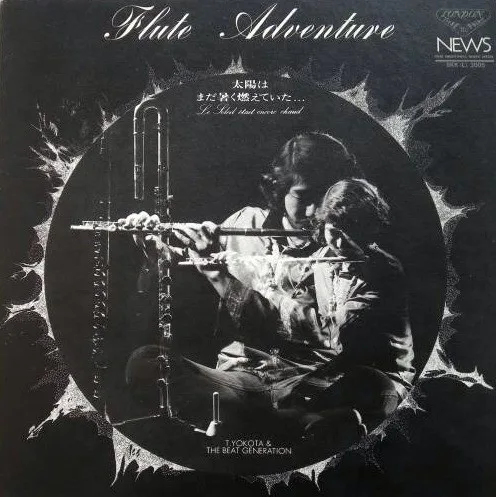
Cover of Flute Adventure: Le Soleil Etait Encore Chaud (London Records, 1970), one of the albums recommended below. Album artwork, shown for identification; it is not a photograph of the artist and is not Creative Commons. Standard copyright, all rights reserved, held by London Records or its successor. This is not a Creative Commons or public-domain image; it is an album cover shown as an honestly disclosed editorial identification image. — https://musicbrainz.org/release/14237ca0-880f-4762-a17a-f3e7008e0a09 (image from the Cover Art Archive)
Toshiaki Yokota (横田年昭) is a Tokyo-born flutist whose name sits at the center of Japan's early-1970s jazz-rock moment. He was born in Tokyo in 1944, and Discogs describes him as the lead flutist of drummer Takeshi Inomata's brass-heavy Sound Limited, as well as the leader of his own group, The Beat Generation (ビート・ジェネレーション). Both halves of that description show up on disc in the same year, 1970.
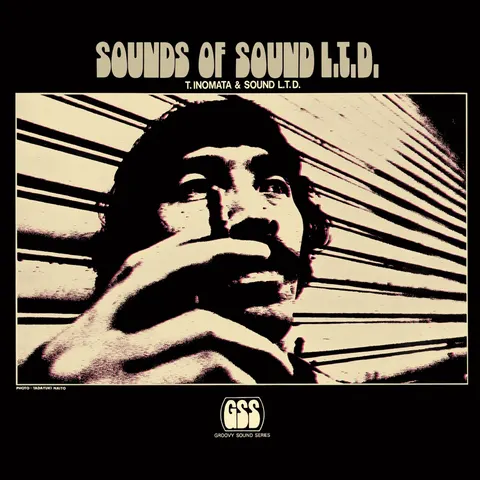
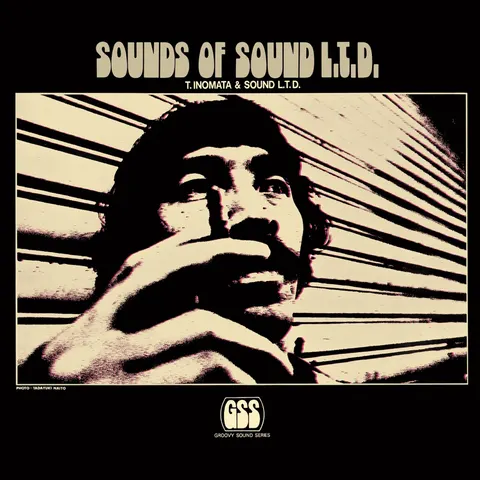
Sound Limited came first. Inomata's band, formed at the turn of the decade, recorded its debut Sounds of Sound L.T.D. for Columbia over three days, March 25 to 27, 1970, at Tokyo Studio Centre, with Ryo Kawasaki and Shigenori Kamiya on electric guitars, Shunzo Ohno and Takashi Kumagai on trumpets, Takao Uematsu on tenor saxophone, Yusuke Hoguchi on organ and Yokota on flute. The band went on to the Express label's Sound Ltd. (1970), on which he is credited on flute and recorder, and to New Rock in Europe: Sound Ltd. 2 (1971), where he doubles alto and bass flute. On Innocent Canon (King, recorded February 21, 1971) he plays bass, alto and block flutes and piccolo. He is also one of the flutists on Inomata's Jazz Rock in Stravinsky (Liberty, 1970).
His own records followed in a rush. Exciting Flute (Express EP-7766) was recorded on May 17 and June 3, 1970, and is a program of rock and pop material of the day, among them "Let It Be," "Bridge Over Troubled Water," "Born to Be Wild" and "Spinning Wheel," played by a jazz big-band-sized group. Its arrangements are credited to Hideo Ichikawa, Norio Maeda and Yokota himself, and the band includes Takeshi Inomata and Sadakazu Tabata on drums, Masaru Imada and Ichikawa on piano, Sadanori Nakamure on guitar and Tadayuki Harada on baritone saxophone. Élévation (高翔, Express EP-8009), billed to Yokota and The Beat Generation, treated "Easy to Be Hard," "And When I Die" and "What'd I Say" in the same spirit, with arrangements by Masahiko Satoh, Inomata on drums and Nakamure on guitar. An undated Toshiba LP, Young Flute, reuses much of the Exciting Flute repertoire, with Yukio Eto as a second flutist alongside the Pop Philharmonic.
The record he is remembered for is Flute Adventure: Le Soleil Etait Encore Chaud (太陽はまだ暑く燃えていた…), issued in 1970 on London Records (SKK(L)3005) as Toshiaki Yokota and The Beat Generation. A side-long suite on the first side is followed by a Brazilian second side built around "Orfeu Negro" and "Samba de Orfeu," and the sleeve carries liner notes by Norio Awazu (粟津則雄). Yokota plays Indian flute, alto flute and bass flute, with Nakamure and Kimio Mizutani on guitars, Hideo Ichikawa on piano, Masaoki Terakawa and Kinio Sato on bass, Antonio Ishida on drums and a percussion group of Eiji Narushima, Larry Sunaga and Pedro Umemura. Record Collector's Paul Bowler, reviewing the Parisian label Superfly's 2015 limited vinyl reissue (SRLP 020), wrote that it had gathered a cult reputation and described Yokota's flute as soaring and birdlike. A guest selector on the Superfly Records blog called him one of the best flutists of the Japanese jazz-rock era.
In 1971 he turned up in three more settings. He is the flutist on Primitive Community (原始共同体, Toshiba TP-8066), a percussion-heavy session with six percussionists, Shunzo Ohno on trumpet, Kimio Mizutani on guitar and Chito Kawachi on drums, a record YouTube uploaders bill as Toshiaki Yokota and Primitive Community. He plays flute and soprano saxophone on the psychedelic rock album Love Will Make a Better You by Love Live Life + One (King), and he continued with Sound Limited. In 1977 he was one of the instrumentalists paired with Inomata, one at a time, for the duet album The Dialogue (Audio Lab), recorded at Iino Hall on November 28 and 29.
The late 1970s and 1980s widen the picture. He composed and performed on SF Discorama: Death in the Cosmos (Victor, 1978), a science-fiction audio drama directed by the novelist Sakyo Komatsu, and he wrote and arranged the soundtrack album Iga Nimpoh-Cho (Epic, 1982), on which Ryudo Uzaki sings. For Asian Mirage (Eastworld, 1983), made as the duo East Pulse with the multi-instrumentalist Chito Kawachi, he composed and arranged music around Asian instruments; a Fond/Sound write-up quotes his composer's notes as saying he played thirteen different flutes on it. He also guested on other people's records, among them Jun Hatano's And Now (CBS/Sony, 1979), Shoukichi Kina and Champloose's Blood Line (1980, credited on angklung and woodwind), Mio Takaki's Nada (1982), the Denon folk album Taiko (1983) and Takashi Sato's Nuit du Samedi et Matin du Dimanche (1985).
A concert on November 5, 1988 at Tessenkai in Omotesando, Tokyo, documented on video, shows him in a quieter register: a program of earthen flutes and bamboo instruments with Chito Kawachi and Yujin Harada on percussion. His name also appears on a pair of 1969 Victor releases from the kayokyoku world, one of them an EP built around the theme of the TBS television drama Sign wa V (サインはV); they belong to a different side of the Tokyo studio scene than the jazz records that make up the bulk of his discography.
Yokota's central move was to take the flute, an instrument that jazz-rock bands of the period mostly used as a color, and make it the lead voice over a fully electric rhythm section. On Exciting Flute and Élévation he does that through the pop and rock repertoire of 1970, carried by big-band-scale writing from Maeda, Satoh and Ichikawa. On Flute Adventure he drops the covers for his own long-form writing.
Record Collector's account of Flute Adventure lists garage-rock guitar, Latin percussion, tabla, tribal voices, free jazz and Brazilian music among its ingredients, with "Cimmerie" described as Japanese acid folk and "Bal de Pendus" as having a free-jazz punch. The first-side suite is said to take its inspiration from a poem by Arthur Rimbaud. A Fond/Sound review of Asian Mirage describes him as an artist who began as a quasi-spiritual jazz player and then moved toward Asian instruments, a path that matches the 1971 Primitive Community percussion session and the 1988 earthen-flute concert.
His instrument list is wide for a jazz flutist: Indian flute, alto and bass flutes, piccolo, recorder, soprano saxophone on one 1971 album and, on Blood Line, angklung.
- Flute Adventure: Le Soleil Etait Encore Chaud (1970, London SKK(L)3005, with The Beat Generation) - The cult record: a suite on one side, Brazilian material on the other, with Sadanori Nakamure and Kimio Mizutani on guitars. YouTube - Flute Adventure, full album Listen
- Élévation (1970, Express EP-8009, with The Beat Generation) - The rock-and-soul program arranged by Masahiko Satoh. YouTube - Elevation, full album Listen
- Exciting Flute (1970, Express EP-7766) - Pop and rock covers for flute and a large band, recorded May 17 and June 3, 1970. YouTube - Exciting Flute, full album Listen
- Primitive Community (1971, Toshiba TP-8066) - A percussion-led jazz-rock session with Shunzo Ohno on trumpet. YouTube - "Forbidden Ritual" Listen
- Sounds of Sound L.T.D. (1970, Columbia HS-7001-CT, Takeshi Inomata and Sound Limited) - The band's debut, recorded March 25 to 27, 1970, with Yokota on flute. YouTube - Sounds of Sound L.T.D., full album Listen
- Asian Mirage (1983, Eastworld TEC-2018, as East Pulse with Chito Kawachi) - Composed and arranged by Yokota around Asian instruments. YouTube - East Pulse: Asian Mirage Listen
Toshiaki Yokota (横田年昭): Full Discography
Japanese jazz flutist, composer and arranger. Born 1944, Tokyo. Discogs artist 661584, real name 横田年昭.
Name variations on record: T. Yokota, Toshi Yokota, トシアキ・ヨコタ, 横田年昭. His own group is billed as The Beat Generation (ビート・ジェネレーション).
Group affiliations: The Beat Generation, Takeshi Inomata and Sound Limited, Love Live Life, East Pulse.
Leader
| Album | Year | Label | Personnel | Notes | Listen | Buy |
|---|---|---|---|---|---|---|
| Exciting Flute (エキサイティング・フルート) | 1970 | Express, EP-7766 | Toshiaki Yokota (flute, arranger); Shigeo Suzuki (alto saxophone); Kosuke Ichihara (tenor saxophone); Tadayuki Harada (baritone saxophone); Koji Hatori (trumpet); Bunji Murata (flugelhorn); Teruhiko Kataoka (trombone); Takeshi Aoki (bass trombone); Masaru Imada and Hideo Ichikawa (piano); Sadanori Nakamure and Masayuki Kamiya (electric guitars); Masaoki Terakawa and Jun Suzuki (electric bass); Takeshi Inomata and Sadakazu Tabata (drums); Larry Sunaga (percussion) | Recorded May 17 and June 3, 1970. Twelve tracks: "The Maltese Melody", "Vehicle", "Let It Be", "Raindrops Keep Fallin' on My Head", "Born to Be Wild", "Bridge Over Troubled Water", "Venus", "Spinning Wheel", "Travelin' Band", "Little Green Bag" (listed as "Little Green Band"), "Up Around the Bend", "Rain". Arranged by Hideo Ichikawa, Norio Maeda and Yokota. Credited to The Beat Generation as performer. | Full album on YouTube | Amazon |
| Flute Adventure: Le Soleil Etait Encore Chaud (太陽はまだ暑く燃えていた…), with The Beat Generation | 1970 | London Records, SKK(L)3005 | Toshiaki Yokota (Indian flute, alto flute, bass flute); Sadanori Nakamure (guitar); Kimio Mizutani (electric guitar); Nobuyuki Murakami (村上信幸, guitar); Hideo Ichikawa (piano); Masaoki Terakawa and Kinio Sato (bass); Antonio Ishida (drums); Eiji Narushima, Larry Sunaga and Pedro Umemura (percussion) | Side one is a single suite, "Le Soleil Etait Encore Chaud"; the other side is "Ofelia" (オルフェア), "Samba de Orfeu", "Orfeu Negro" (黒いオルフェ) and "Reza / Ending Samba" (祈り/エンディング・サンバ). On the Superfly reissue the suite is split into "Clair Deluge", "Cimmerie", "Bal des Pendus" and "Nuit de l'Enfer". Liner notes by Norio Awazu (粟津則雄). Reissued on vinyl by Superfly (Paris), SRLP 020, on November 18, 2015, as an eight-track gatefold LP with obi strip. | Full album on YouTube | Amazon |
| Élévation (高翔), with The Beat Generation | 1970 | Express, EP-8009 | Toshiaki Yokota (flute); Sadanori Nakamure (guitar); Hideo Ichikawa (keyboards); Jun Suzuki (bass); Takeshi Inomata (drums); Larry Sunaga (percussion) | Arranged by Masahiko Satoh. Nine tracks: "Elevation 1ere Partie", "On the Road", "Easy to Be Hard", "And When I Die", "Curved Navel", "What'd I Say", "How Long Have I Been Waiting for You", "You Are My Way of Life", "Elevation 2eme Partie". | Full album on YouTube | Amazon |
| Young Flute (明日に架ける橋 ヤング・フルート) | undated | Toshiba Records, NW-5018 | Toshiaki Yokota and Yukio Eto (flutes); The Beat Generation and Pop Philharmonic (ensembles) | Twelve pop standards including "Bridge Over Troubled Water", "Spinning Wheel", "Venus", "Born to Be Wild", "The Maltese Melody", "A Summer Place" and "Cry Me a River". No release year is given on Discogs. | not found | Amazon |
| SF Discorama: Death in the Cosmos (小松左京 宇宙に逝く) | 1978 | Victor, KVX-1042 | Toshiaki Yokota (composer, performer); Elevation (エレヴァシオン, performers) | Science-fiction audio drama directed by Sakyo Komatsu, with voice cast and sound effects by Sound Craft. Six tracks, from "Prologue" to "Epilogue (To the Cosmos)". Comes with an insert. | not found | Amazon |
| Iga Nimpoh-Cho (伊賀忍法帖) | 1982 | Epic, 25·3H-75 | Toshiaki Yokota (music, arrangement); Ryudo Uzaki (music, vocals); Yoko Aki (lyrics) | Soundtrack album, ten tracks including "愛のテーマ" and "黒の騎馬隊". | not found | Amazon |
| Asian Mirage (as East Pulse, with Chito Kawachi) | 1983 | Eastworld, TEC-2018 | Toshiaki Yokota (flutes, composer, arranger); Chito Kawachi (composer, multi-instrumentalist) | Four tracks plus "Suite: Asian Encounters": "Peace in the Indus", "Dream of the Red Stone Temple", "Dance and Mantra", "Ryu-Jin: Sea God". Issued by Eastworld in Japan. | On YouTube | Amazon |
Group release
| Album | Year | Label | Co-billed with | Personnel | Notes | Listen | Buy |
|---|---|---|---|---|---|---|---|
| Primitive Community (原始共同体) | 1971 | Toshiba Records, TP-8066 | Primitive Community | Toshiaki Yokota (flute); Shunzo Ohno (trumpet); Kimio Mizutani (guitar); Kimio Koizumi (bass); Yusuke Hoguchi (organ); Chito Kawachi (drums); Fujio Saito, Larry Sunaga, Minoru Ishiyama, Pedro Umemura, Tadaomi Anai and Yoshinori Nohmi (percussion) | Six tracks: "禁じられた儀式", "悪魔の涙", "ハリクリシュナ", "サバンナ", "フライング", "ブラック・ナルシス". Discogs files the group under its own entity and credits Yokota on flute. | Forbidden Ritual on YouTube | Amazon |
Sound Limited and Takeshi Inomata
| Year | Release | Actual leader | Label | Yokota's credit | Listen | Buy |
|---|---|---|---|---|---|---|
| 1970 | Sound Ltd. | Takeshi Inomata and Sound Limited | Express, EP-7761 | Flute, recorder | not found | Amazon |
| 1970 | Sounds of Sound L.T.D. | Takeshi Inomata and Sound Limited | Columbia, HS-7001-CT | Flute; recorded at Tokyo Studio Centre, March 25 to 27, 1970 | Full album on YouTube | Amazon |
| 1970 | Jazz Rock in Stravinsky | Takeshi Inomata and His Group | Liberty, LPC-8027 | Flute (with Takashi Asahi; Yukio Eto on piccolo) | not found | Amazon |
| 1971 | New Rock in Europe: Sound Ltd. 2 | Takeshi Inomata and Sound Limited | Express, EP-7776 | Flute, alto flute, bass flute | not found | Amazon |
| 1971 | Innocent Canon | Takeshi Inomata and Sound Limited | King Records, SKK 3011 | Flute (bass, alto, block), piccolo; recorded February 21, 1971 | not found | Amazon |
| 1977 | The Dialogue | Takeshi Inomata | Audio Lab, ALJ-1059 | Flute (one of seven instrumentalists in duet with Inomata); recorded at Iino Hall, November 28 and 29, 1977 | Full album on YouTube | Amazon |
Other sideman and compilation appearances
Chronological.
| Year | Release | Actual leader | Label | Yokota's credit | Listen | Buy |
|---|---|---|---|---|---|---|
| 1969 | 裸足のままで (7 inch single) | Keiko Mari | Victor, SV-850 | Billed as an artist; kayokyoku release | not found | not found |
| 1969 | サインはV (7 inch EP) | Keiko Mari | Victor, BX-69 | Billed as an artist; theme of the TBS television drama | not found | not found |
| 1971 | Love Will Make a Better You | Love Live Life + One | King Records, SKK 3009 | Flute, soprano saxophone (with Kosuke Ichihara); psychedelic rock album | Full album on YouTube | Amazon |
| 1971 | Maki II (浅川マキ II) | Maki Asakawa | Express | Credited on the Discogs artist page | not found | not found |
| 1971 | Manha de Carnaval (黒いオルフェ) (7 inch) | see Discogs | Barclay | Credited on the Discogs artist page | not found | not found |
| 1971 | 4 Channel Stereo Demonstration | Various | King Records | Credited on the Discogs artist page | not found | not found |
| 1972 | Young A Go Go | see Discogs | CBS/Sony | Credited on the Discogs artist page | not found | not found |
| 1976 | Love Sounds - First Live | see Discogs | Canyon | Credited on the Discogs artist page | not found | not found |
| 1977 | ライヴ = Live | Akira Fuse | King Records, SKW-117~8 | Flute | not found | not found |
| 1977 | In Zaire (7 inch) | see Discogs | Express | Credited on the Discogs artist page | not found | not found |
| 1979 | And Now | Jun Hatano | CBS/Sony, 25AH 727 | Flute | not found | not found |
| 1980 | Blood Line | Shoukichi Kina and Champloose | Time Records, 28MZ1001 | Angklung, woodwind | not found | not found |
| 1982 | ナーダ = Nada | Mio Takaki | Canyon, C28A0221 | Flute | not found | not found |
| 1983 | 太鼓 = Taiko | 川田公子 | Denon, WF-7005-ND | Flute | not found | not found |
| 1984 | From Tokorozawa With Love | see Discogs | Boogie Woogie | Credited on the Discogs artist page | not found | not found |
| 1985 | Nuit du Samedi et Matin du Dimanche | Takashi Sato | Eastworld, WTP-90321 | Flute (with Nozomu Nakatani) | not found | not found |
| 1990 to 2024 | Further compilation and soundtrack credits, including たそがれ清兵衛 (2003), Wax Poetics Japan Compiled Series: Soul Bamboo, King of JP Jazz 70's (King Records, 2011) and Japanese Jazz Spectacle Vol. II (King Records Masters, 2022) | Various | Various | Listed on the Discogs artist page | not found | not found |
Sources
- Discogs: Toshiaki Yokota, artist 661584
- Discogs: Exciting Flute, Express EP-7766
- Discogs: Flute Adventure, London SKK(L)3005
- Discogs: Élévation, Express EP-8009
- Discogs: Primitive Community, Toshiba TP-8066
- Discogs: Asian Mirage, Eastworld TEC-2018
- Discogs: Iga Nimpoh-Cho, Epic 25·3H-75
- Discogs: SF Discorama, Victor KVX-1042
- Discogs: Sounds of Sound L.T.D., Columbia HS-7001-CT
- Wikidata: Toshiaki Yokota, Q37785374
- Wikipedia (German): Toshiaki Yokota
- Record Collector, Issue 447: Flute Adventure review
- Takeshi Inomata - the drummer and bandleader of Sound Limited, in which Yokota played flute on Sounds of Sound L.T.D. (1970), Sound Ltd. (1970), New Rock in Europe (1971) and Innocent Canon (1971); also the drummer on Yokota's own Exciting Flute and Élévation (both 1970), and his duet partner on The Dialogue (1977).
- Norio Maeda - one of the three credited arrangers of Exciting Flute (1970), alongside Hideo Ichikawa and Yokota.
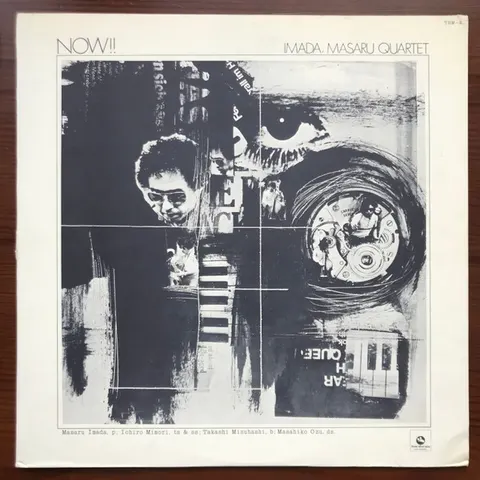
- Masaru Imada - pianist on Exciting Flute (1970).
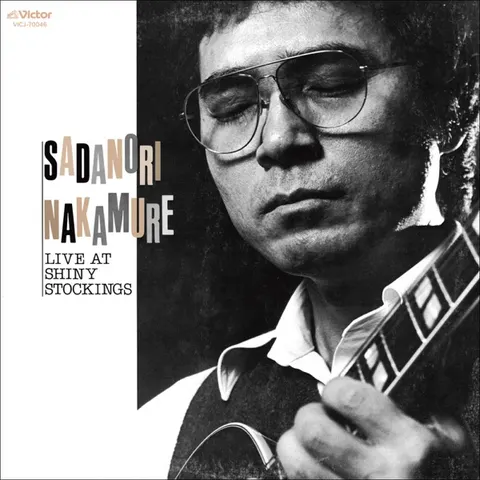
- Sadanori Nakamure - guitarist on all three of Yokota's 1970 leader records: Exciting Flute, Flute Adventure and Élévation.
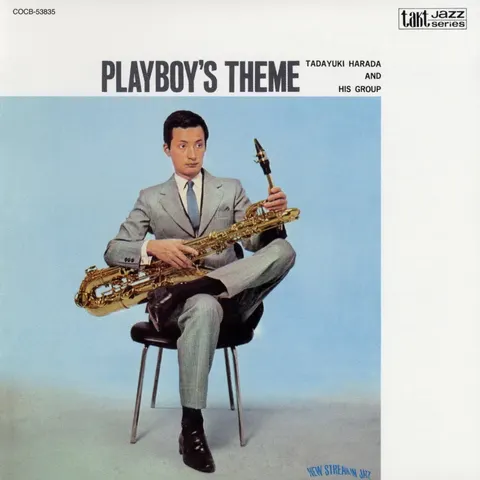
- Tadayuki Harada - baritone saxophonist on Exciting Flute (1970).
- Masahiko Satoh - arranger of Élévation (1970).
- Ryo Kawasaki - electric guitarist alongside Yokota on Sounds of Sound L.T.D. (1970).
- Shunzo Ohno - trumpeter alongside Yokota on Sounds of Sound L.T.D. (1970) and on Primitive Community (1971).
- Takao Uematsu - tenor saxophonist on Sounds of Sound L.T.D. and New Rock in Europe.
- Konosuke Saijo - tenor saxophonist who, like Yokota, is one of the instrumentalists on Inomata's The Dialogue (1977).
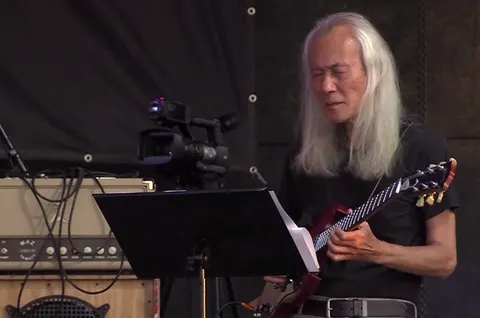
- Hideo Ichikawa, Kimio Mizutani, Masaoki Terakawa, Larry Sunaga - recurring members of the studio bands behind Yokota's 1970 records.
- Chito Kawachi - his partner in East Pulse (Asian Mirage, 1983) and drummer on Primitive Community (1971).
- Ryudo Uzaki - vocalist on the soundtrack album Iga Nimpoh-Cho (1982), for which Yokota wrote and arranged the music.
- Shigenori Kamiya - guitarist beside Yokota's flute in Sound Limited (1970 to 1971) and on the Exciting Up-tight Band's Young A Go Go (1972), where Kamiya also plays organ and arranges.
- Jun Suzuki - bassist on Yokota's Exciting Flute and Elevation (both 1970), and on the Sound Limited albums Sounds of Sound L.T.D. and Sound Ltd., on which Yokota plays flute.
- Masaoki Terakawa - bassist, with Kinio Sato, on Flute Adventure (London SKK(L) 3005, 1970); on tracks A1, A3, A4, B1 and B6 of Exciting Flute (Express EP-7766, 1970); and on Love Live Life's Love Will Make a Better You (1971), with Yokota on flute and soprano saxophone.
- Shigemichi Domoto - trombonist in the horn sections of the four Sound Limited albums on which Yokota plays flute, and on Jazz Rock in Stravinsky.
More Jazz Fusion Artists
See all 351 Jazz Fusion artists →More Japanese Jazz Artists
See all 262 Japanese artists →- Discogs: Toshiaki Yokota
- Wikidata: Toshiaki Yokota (Q37785374)
- Wikipedia (German): Toshiaki Yokota
- MusicBrainz: Toshiaki Yokota
- YouTube: Toshiaki Yokota
- Toshiaki Yokota on JazzProfiles.com
- r/JapaneseJazz
- Discogs: Toshiaki Yokota, artist 661584
- Discogs: Exciting Flute, Express EP-7766, 1970
- Discogs: Flute Adventure, London SKK(L)3005, 1970
- Discogs: Élévation, Express EP-8009, 1970
- Discogs: Primitive Community, Toshiba TP-8066, 1971
- Discogs: Takeshi Inomata and Sound Limited, Sounds of Sound L.T.D., Columbia HS-7001-CT
- Discogs: East Pulse, Asian Mirage, Eastworld TEC-2018
- Wikidata: Toshiaki Yokota, Q37785374
- Wikipedia (German): Toshiaki Yokota
- Wikipedia (Dutch): Toshiaki Yokota
- Record Collector, Issue 447: review of Flute Adventure (Paul Bowler, 2015)
- Fond/Sound: East Pulse, Asian Mirage (1983)
- Superfly Records: Top 5 by Yusuke Ogawa
- Sound Shelter: Flute Adventure reissue, Superfly SRLP020