 JAZZPROFILES lives in the music 1,765 Jazz Artists fully Profiled!
Hiroshi Murakami
Last updated October 21, 2026
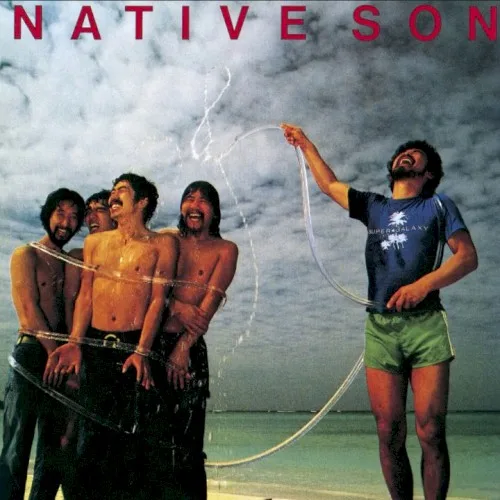
Cover of *Native Son* (JVC, 1979), the debut album of the band Hiroshi Murakami co-founded. Standard copyright, all rights reserved, held by JVC (Victor Entertainment). This is not a Creative Commons or public-domain image; it is an album cover shown as an honestly disclosed editorial identification image. — https://coverartarchive.org/release/eff0341a-ca86-4229-b003-46a8c71fdc71 (Cover Art Archive front image for the MusicBrainz release https://musicbrainz.org/release/eff0341a-ca86-4229-b003-46a8c71fdc71)
Hiroshi Murakami (村上寛, Murakami Hiroshi in Japanese order) was born on 14 March 1948 in Hamacho, in the Nihonbashi district of Tokyo's Chuo ward, the youngest of five children. His father ran a kimono shop that served geisha, and an aunt kept a traditional restaurant. He says the first drummer he saw up close was a friend of one of his older brothers, a man named Hasegawa, who came to the house and tapped on things with brushes. Murakami started lessons with him in high school. At Seijo Gakuen he played in a rock band called Susie Q, covering the Rolling Stones and the Animals, and entered the first Yamaha Light Music Contest in the rock division. The pianist Takehiro Honda, already a working professional, was talked into joining them; the band came second in a year when no first prize was awarded.
That meeting set the course. In 1967, still a teenager and enrolled at Seijo University, Murakami made his professional debut in Honda's trio, playing daytime sessions at Shinjuku Pit Inn and, in the evenings, a cabaret in Fussa, in western Tokyo, where the audience was mostly American servicemen. He later studied with Masahiko Togashi and took lessons at the Yamaha school in Ebisu, where the pianist Masabumi Kikuchi also taught. His first drum heroes were Roy Haynes, Tony Williams, Elvin Jones and Jack DeJohnette. A live recording of Honda's band at Kinokuniya Hall in Tokyo on 26 September 1969, with Kohsuke Mine on alto saxophone, was issued in 2022 as Destruction and Lyricism, and the Honda trio album Hey Jude (Columbia, 1970) dates from the same period.
In 1969 he joined Kikuchi's sextet, which also had Mine, and in 1970 and 1971 he was on the albums that made the Japanese jazz boom of those years. The first was Eastward, recorded in February 1970 at Kawaguchi Shimin Kaikan in Saitama with Kikuchi on piano and the American bassist Gary Peacock, who was then living in Japan. Murakami has said it was his first recording session, that the three rehearsed at Kikuchi's home, and that Peacock taught him about feel, about relaxing the body while playing, and about the basics of polyrhythm. They went on to make five albums together over about sixteen months: Eastward, shakuhachi master Hozan Yamamoto's Silver World (recorded in October 1970), the Peacock quartet record Voices (5 April 1971, with Togashi as a second drummer), First Encounter with the pianist Mal Waldron (8 March 1971) and Sadao Watanabe's Paysages (22 June 1971).
Between those dates he was everywhere. On 4 and 5 August 1970 he drummed on Mine, the first record released by the label Three Blind Mice, led by Kohsuke Mine. He played on Kikuchi's Poo-Sun and the sextet's Re-confirmation and Masabumi Kikuchi In Concert. When Waldron toured Japan in 1971 he was the drummer for One for Lady and Left Alone with the singer Kimiko Kasai, and on 5 August 1971 he was one of two drummers (with Yoshiyuki Nakamura) behind Joe Henderson, Terumasa Hino, Kikuchi, Mine and bassist Yoshio Suzuki at Tokyo Toshi Center Hall, a concert issued as In Concert. Henderson and the singer Johnny Hartman were among the visiting Americans he accompanied in these years. In 1972 he spent three or four months in Watanabe's quartet, then returned to Kikuchi until the pianist left for New York in 1973.
Murakami followed that year and stayed in the United States for roughly three years, with a short return to Japan for a Watanabe tour. Before leaving he recorded Suzuki's first leader album, Friends, on 10 and 11 May 1973 with Mine and Honda. In New York he stayed first with the guitarist Yoshiaki Masuo, lived in lower Manhattan and later uptown, and played weekend gigs. In interviews he recalls hearing Tony Williams at the Village Vanguard and the electric Miles Davis band, and finding the New York scene freer and more enjoyable than Tokyo's.
Back in Japan he worked with the pianist Tsuyoshi Yamamoto (Daahoud, recorded in November 1975, and Blues to East, July 1977), with Kunihiko Sugano (Shiny Stockings, The Shadow of Your Smile and Date in Date, 1976 and 1977) and in Tee & Company, whose Sonnet was cut for Three Blind Mice on 13 November 1977 with Masaru Imada, Nobuyoshi Ino and Takao Uematsu. In April 1978 he made his first record as a leader, Dancing Sphinx (Showboat), recorded at Rockwell Studio in Minami Hakone and credited to Hiroshi Murakami and Dancing Sphinx. He wrote five of the six pieces, Kiyoshi Sugimoto plays guitar, and the sleeve thanks Honda and Mine for taking part; the pianist Mikio Masuda is named among the players in Murakami's interview with ARBAN magazine. The album's "Phoebus" was reissued in 2021 on BBE's J Jazz Volume 3.
The same year Honda and Mine formed the fusion band Native Son, and Murakami was its drummer. Its self-titled debut was recorded in November and December 1978 and released by JVC in 1979, with Tamio Kawabata on electric bass and Motonobu Ohde on guitar, and Savanna Hot-line followed the same year. The live double album Coast to Coast (1980) was taped at the Baked Potato in Los Angeles and the Bottom Line and Seventh Avenue South in New York, with Hiroshi Fukumura on trombone. Murakami composed two pieces on Shining (1982) and played on the Polydor album Resort, recorded in April 1983, where he also arranged one piece.
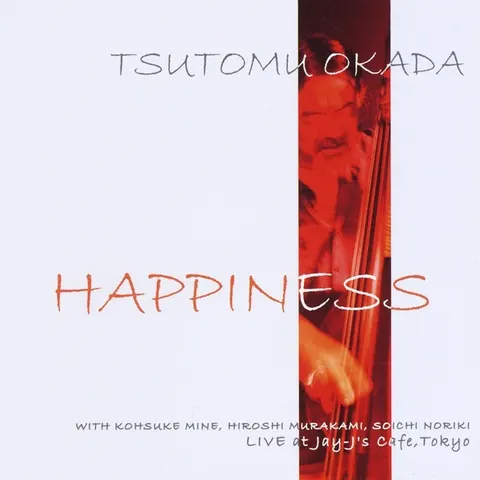
In 1989 he formed Four Sounds, a quartet with the pianist Fumio Itabashi, the bassist Ino and Mine on tenor saxophone and bass clarinet, and produced its records for the T-Friends label: Live at Mobs (1989) and Ma-Pa (recorded April 1990), which includes two of his compositions. He is also credited as producer of The Hokkaido Band's 5 Minutes Ago (1991). From 1997 to 1999 he was the regular drummer on NHK-BS's jazz-club television programme Jazz Kissa. Later work includes the pianist Kei Akagi's Palette (2001) with Ino and Mine, the bassist Tsutomu Okada's quartet records Happiness (2007) and Zan Zaux (2010), Masahiko Satoh's trio on Based on Bach (2009) and later releases, and Mine's With Your Soul (2011). His second album as a leader, VIVO! (2006), is all his own compositions, with Mine, Satoh and the bassist Shinichi Kato.
He turned 78 this March. His own blog schedules, which run into 2018, show him leading a band, a trio and a quartet at clubs in Tokyo and Yokohama, and his name is on Satoh trio releases issued as late as 2023.
Murakami came up in the Tokyo jazz boom of 1969 to 1973, and his first drum heroes were Roy Haynes, Tony Williams, Elvin Jones and Jack DeJohnette. The partnership with Gary Peacock shaped him more than any teacher: in his own account Peacock taught him to feel the tempo, to play without needless tension in the body, and the basics of polyrhythm, and he calls those two years a major asset to his career. Discogs files Eastward, First Encounter and Voices as post-bop (with Voices also tagged avant-garde), which is the setting for his early playing behind Kikuchi's piano.
From 1978 the catalogue turns to fusion and jazz-funk. Dancing Sphinx is filed under jazz-funk and fusion, and Native Son, built on Honda's Fender Rhodes and clavinet and Mine's tenor and soprano saxophones, is the band most listeners know him from. He has said that while he was in the United States he heard the band Stuff and Steve Gadd, and that the same kind of music was being played in Japan when he came home. The later records, Four Sounds in 1989 and 1990, the Okada quartet and the Satoh trio, are mainstream acoustic jazz in which he plays standards and originals alike.
- Eastward (1970, CBS/Sony SONP-50237J, Gary Peacock Trio) - His first recording: Peacock on bass, Kikuchi on piano, recorded at Kawaguchi Shimin Kaikan in February 1970. YouTube - Eastward, full album Listen · Buy
- Mine (1970, Three Blind Mice TBM-1, Kosuke Mine Quintet) - The first Three Blind Mice release, cut at Aoi Studio on 4 and 5 August 1970, with Mine, trombonist Takashi Imai and pianist Hideo Ichikawa. YouTube - Mine, full album Listen · Buy
- First Encounter (1971, Victor SMJX-10122, Mal Waldron and Gary Peacock) - A piano trio recorded in Tokyo on 8 March 1971 during Waldron's Japanese tour. YouTube - First Encounter, full album Listen · Buy
- I Love You (1971, Trio Records RSP-9021, Takehiro Honda) - The Honda trio with Yoshio Suzuki on bass, recorded on 30 April 1971. Apple Music - I Love You (Remaster) Listen · Buy
- Dancing Sphinx (1978, Showboat 3SB-1011, Hiroshi Murakami and Dancing Sphinx) - His first album as leader, recorded in April 1978. YouTube - Dancing Sphinx, full album · Spotify - Phoebus · Bandcamp - Phoebus (BBE) Listen
- Native Son (1979, JVC VIJ-6301, Native Son) - The band's debut, with Honda, Mine, Kawabata and Ohde, recorded in late 1978. YouTube - Native Son, full album Listen · Buy
- Coast to Coast (Live in USA) (1980, JVC VIJ-9005/9006, Native Son) - Live in Los Angeles and New York with Fukumura added on trombone. Discogs - Coast to Coast Buy
- Ma-Pa (1990, T-Friends TFC0004, Four Sounds) - The quartet of Itabashi, Ino, Mine and Murakami, recorded in April 1990. Discogs - Ma-Pa
Hiroshi Murakami (村上寛) - Full Discography
Japanese jazz drummer and composer. Born 14 March 1948, Tokyo. Discogs artist 471194.
Name variations on record: H. Murakami, H.Murakami, Murakami Hiroshi, Хироши Мураками, 村上 寛, 村上寛.
Group affiliations: Native Son, Four Sounds, Hiroshi Murakami & Dancing Sphinx, Masahiko Sato Trio, Tsuyoshi Yamamoto Trio, Tee & Company, Gary Peacock Trio, Kosuke Mine Quartet and Quintet, Masabumi Kikuchi Sextet and Quintet, Kunihiko Sugano Quartet, Takehiro Honda Trio, The 4 (The Quartet), Masaru Imada + Kenji Kohsei Quartet, Ryo Kawasaki Trio.
Leader (own-name releases)
| Album | Year | Label | Personnel | Notes | Listen | Buy |
|---|---|---|---|---|---|---|
| Dancing Sphinx (as Hiroshi Murakami & Dancing Sphinx) | 1978 | Showboat, 3SB-1011 | Hiroshi Murakami (drums), Kiyoshi Sugimoto (guitar) | Six tracks: "Dancing Sphinx", "Maya", "Phoebus", "Neptune Lady", "Baby, It's Trivial", "Deabolo". Murakami wrote five of them and is credited with voice on "Phoebus". Recorded at Rockwell Studio, Minami Hakone, in April 1978 and remixed at Media Studio, Tokyo. The sleeve thanks Takehiro Honda and Kosuke Mine for appearing. "Phoebus" was reissued on BBE's J Jazz Volume 3 (2021) and "Baby, It's Trivial" on the Wamono A to Z Blow Up Trio compilation (Solid Records, 2020). | YouTube - full album · Spotify - Phoebus | Amazon |
| VIVO! | 2006 | label not given | Hiroshi Murakami (drums), Kosuke Mine (saxophone), Masahiko Satoh (piano, arrangements), Shinichi Kato (bass) | His second album as a leader; all the music is his own compositions, with Satoh arranging and finishing the pieces. | not found | not found |
Native Son (co-founded 1978, with Takehiro Honda and Kosuke Mine)
| Album | Year | Label | Personnel | Notes | Listen | Buy |
|---|---|---|---|---|---|---|
| Native Son | 1979 | JVC, VIJ-6301 | Takehiro Honda (Fender Rhodes, Yamaha CP-70, clavinet, Solina, celesta), Kosuke Mine (tenor and soprano saxophones), Motonobu Ohde (electric guitar), Tamio Kawabata (electric bass), Hiroshi Murakami (drums), Damiao Gomes De Souza (cuica, one track) | Eight tracks including "Bump Cruising", "Heat Zone", "Wind Surfing" and "Super Safari". Recorded 29 November and 5, 6, 8 and 9 December 1978. | YouTube - full album | Amazon |
| Savanna Hot-line | 1979 | JVC, VIJ-6309 | Honda (keyboards), Mine (saxophones), Ohde (guitar), Kawabata (bass), Murakami (drums) | Six tracks. Recorded August and September 1979 at Victor Studio, Tokyo. | not found | Amazon |
| Coast to Coast (Live in USA) | 1980 | JVC, VIJ-9005 / VIJ-9006 | Honda (keyboards), Mine (saxophones), Hiroshi Fukumura (trombone), Motonobu Ohde (guitar), Romy Kinoshita (bass), Murakami (drums) | Nine tracks on a double LP. Recorded live at the Baked Potato in Los Angeles, the Bottom Line in New York and the Seventh Avenue South in New York. | not found | Amazon |
| Shining | 1982 | JVC, VIJ-28016 | Honda (keyboards), Mine (saxophone), Fukumura (trombone), Ohde (guitars), Romy Kinoshita (bass), Murakami (drums, percussion) | Six tracks. Murakami composed "Shining" and "Tit for Tat". | not found | Amazon |
| In New York | 1983 | Victor, VHM58008 | Honda, Mine, Fukumura, Ohde, Kinoshita, Murakami | Video disc (VHD). Five tracks recorded live at the Bottom Line, New York, on 21 September 1980, drawn from the Coast to Coast material. | not found | not found |
| Resort | 1983 | Polydor, 28MX 2066 | Honda (keyboards), Mine (saxophone), Fukumura (trombone), Ohde (guitar), Gregg Lee (bass), Murakami (drums) | Seven tracks. Recorded April 1983. Murakami arranged "Freepoint to Nassau". | not found | Amazon |
| Wind Surfing | 1983 | JVC, VIJ-28031 | Honda, Mine, Fukumura, Ohde, Kawabata and Kinoshita (basses), Murakami (drums, percussion) | Compilation LP of material from the first three albums. | not found | not found |
| Super Best | 1984 | JVC, VDP-84 | Honda, Mine, Fukumura, Ohde, Kawabata, Kinoshita, Murakami | Compilation CD of ten tracks from the first three albums. | not found | not found |
Four Sounds (formed 1989; Murakami also produced)
| Album | Year | Label | Personnel | Notes | Listen | Buy |
|---|---|---|---|---|---|---|
| Live at Mobs | 1989 | T-Friends, TFC 0001 | Fumio Itabashi (piano), Nobuyoshi Ino (bass), Kohsuke Mine (tenor saxophone, bass clarinet), Hiroshi Murakami (drums, producer) | Six tracks: "8848", "Yarning Baku", "Blue Plam", "On My Mind", "二人三脚" and "You Don't Know What Love Is". | not found | not found |
| Ma-Pa | 1990 | T-Friends, TFC0004 | Itabashi (piano), Ino (bass), Mine (tenor saxophone), Murakami (drums, producer) | Eight tracks. Murakami wrote "O'Kustes" and "My Lover Has Gone". Recorded in April 1990. | not found | not found |
Guest and sideman appearances (chronological)
| Album | Year | Leader | Label | Role | Listen | Buy |
|---|---|---|---|---|---|---|
| Hey Jude | 1970 | Takehiro Honda Trio | Columbia, YSS-10050-CT | Drums, with Honda (piano) and Eijiro Hagiwara (bass). | not found | Amazon |
| Eastward | 1970 | Gary Peacock Trio | CBS/Sony, SONP-50237 J | Drums, with Peacock (bass) and Masabumi Kikuchi (piano). Recorded at Kawaguchi Shimin Kaikan, February 1970. | YouTube | Amazon |
| Guitar Workshop | 1970 | Kiyoshi Sugimoto, Ryo Kawasaki, Yoshiaki Masuo, Masayuki Takayanagi and others | Union Records, UPS-2015-J | Drums on several tracks, including "Lonesome Balloon" and "Young Blood". | not found | not found |
| Collaboration | 1970 | Masabumi Kikuchi Sextet and Sadao Watanabe Quartet | Philips, FS-5052 to 5053 | Drums. | not found | Amazon |
| Mine | 1970 | Kosuke Mine Quintet | Three Blind Mice, TBM-1 | Drums, with Mine (alto, soprano), Takashi Imai (trombone), Hideo Ichikawa (electric piano) and Takashi Mizuhashi (bass). Recorded 4 and 5 August 1970 at Aoi Studio, Tokyo; the label's first release. | YouTube - full album | Amazon |
| Poo-Sun | 1970 | Masabumi Kikuchi | Philips, FX-8506 | Drums. | Apple Music | Amazon |
| Re-confirmation | 1970 | Masabumi Kikuchi Sextet | Philips, FX-8501 | Drums. | not found | Amazon |
| Silver World (銀界) | 1971 | Hozan Yamamoto | Philips, FX-8509 | Drums, with Gary Peacock (bass) and Masabumi Kikuchi (piano). Recorded 15 and 20 October 1970 at Victor Studio. | not found | Amazon |
| All About Dancing Mist | 1971 | Masabumi Kikuchi | Philips, FS-5072 to 5073 | Drums, including the sides with Joe Henderson. | not found | Amazon |
| Masabumi Kikuchi In Concert | 1971 | Masabumi Kikuchi Sextet | Philips, FX-8515 | Drums. | YouTube - full album | not found |
| I Love You | 1971 | Takehiro Honda | Trio Records, RSP-9021 | Drums, with Honda (piano) and Yoshio Suzuki (bass). Recorded 30 April 1971. | Apple Music - I Love You (Remaster) | Amazon |
| First Encounter | 1971 | Mal Waldron and Gary Peacock | Victor World Group, SMJX-10122 | Drums, in a trio with Waldron (piano) and Peacock (bass). Recorded in Tokyo on 8 March 1971; reissued unofficially by Alternative Fox in 2020. | YouTube - full album | Amazon |
| One for Lady | 1971 | Kimiko Kasai and Mal Waldron | Victor World Group, SMJX-10119 | Drums, with Waldron (piano and arrangements) and Yoshio Suzuki (bass). Recorded 13 February 1971 at Victor Studio. | not found | Amazon |
| Left Alone (レフト・アローン) | 1971 | Kimiko Kasai and Mal Waldron | Victor World Group, JET-2069 | Drums on "Left Alone" and "Lover Man". | not found | Amazon |
| In Concert | 1971 | Joe Henderson, Masabumi Kikuchi, Terumasa Hino | Philips, FX-8520 | Drums, with Yoshiyuki Nakamura as second drummer, Kohsuke Mine (alto, soprano), Yoshio Suzuki (bass). Recorded 5 August 1971 at Tokyo Toshi Center Hall. | not found | Amazon |
| Voices | 1971 | Gary Peacock Quartet | CBS/Sony, SOPC 57126-J | Drums on five of six tracks (Masahiko Togashi on four others), with Kikuchi (piano). Recorded 5 April 1971 at Mohri Studio, Tokyo. | not found | Amazon |
| Yellow Carcass in the Blue | 1971 | Kimiko Kasai with Kosuke Mine Quartet | Three Blind Mice, TBM-8 | Drums. | not found | Amazon |
| Paysages (ペイザージュ) | 1971 | Sadao Watanabe | CBS/Sony, SOPC 57135-J | Drums, with Masahiko Togashi (drums, percussion), Peacock (bass) and Kikuchi (piano). Recorded 22 June 1971 at CBS/Sony Studio 1. | not found | Amazon |
| 2nd Album | 1971 | Kosuke Mine Quintet | Three Blind Mice, TBM-4 | Drums. | not found | Amazon |
| Daguri | 1973 | Kosuke Mine Quintet | Victor, MJ-7145 | Drums. | not found | Amazon |
| End for the Beginning | 1973 | Masabumi Kikuchi Quintet | Philips, FX-8527 | Drums. | Apple Music | Amazon |
| Friends | 1973 | Yoshio Suzuki | CBS/Sony, SOPL-192 | Drums, with Suzuki (bass), Kohsuke Mine (saxophones) and Takehiro Honda (piano). Recorded 10 and 11 May 1973 at CBS/Sony Studio 1. | YouTube playlist | Amazon |
| Hartman Sings Trane's Favorites | 1973 | Johnny Hartman | Capitol, ECP-88108 | Drums. | not found | Amazon |
| Misty Burton | 1973 | Ann Burton with the Kenn McCarthy Trio | Epic, ECPM-20 | Drums. | not found | Amazon |
| What's New | 1973 | Kimiko Kasai | CBS/Sony, SOPL-183 | Drums. | not found | Amazon |
| Daahoud | 1976 | Tsuyoshi Yamamoto Trio | East Wind, EW-8033 | Drums, with Yamamoto (piano) and Tsutomu Okada (bass). Recorded 16 and 17 November 1975 at Onkio Haus, Tokyo. | not found | Amazon |
| Let's Swing Now | 1976 | Seiichi Nakamura, Kazumi Watanabe, Yuri Tashiro, Sadayasu Fujii and others | Victor, SJV-880 | Drums. | not found | not found |
| Pamoja | 1976 | Sadao Watanabe | East Wind, EW-8022 | Drums. | not found | Amazon |
| Prelude to a Kiss | 1976 | Sadayasu Fujii | Nadja / Trio Records, PA-7168 | Drums. | not found | not found |
| Shiny Stockings | 1976 | Kunihiko Sugano Quartet featuring Hideyuki Kikuchi | Philips, FS-7013 | Drums. | not found | Amazon |
| The Shadow of Your Smile | 1976 | Kunihiko Sugano with Strings | Philips, FS-7016 | Drums. | not found | Amazon |
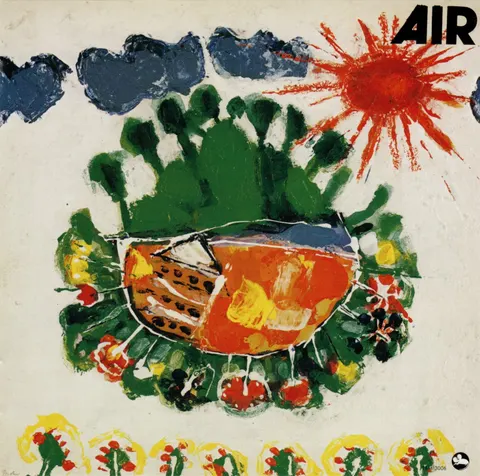
| Air | 1977 | Yuji Imamura and Air | Three Blind Mice, TBM-3006 | Drums, tambourine, cowbell and percussion. | not found | Amazon |
| Date in Date | 1977 | Kunihiko Sugano | Nadja, PA-7173 | Drums. | not found | Amazon |
| Sonnet | 1977 | Tee & Company | Three Blind Mice, TBM-5004 | Drums, with Masaru Imada (piano), Nobuyoshi Ino and Hideto Kanai (basses), Takao Uematsu (tenor saxophone), Yuji Imamura (percussion). Recorded 13 November 1977. | not found | Amazon |
| All of a Glow | 1978 | Masaru Imada + Kenji Kohsei Quartet | Seven Seas, SKS-3004 | Drums, with Imada and Kohsei (pianos) and Nobuyoshi Ino (bass). Recorded 2 and 3 April 1978 at King Studio. | not found | Amazon |
| Blues to East | 1978 | Tsuyoshi Yamamoto Trio | Philips, RJD-1 | Drums, with Yamamoto (piano) and Tsutomu Okada (bass). Recorded 9 July 1977 at Victor Studio; direct-cut edition. | not found | Amazon |
| Dragon Garden | 1978 | Tee & Company | Three Blind Mice, TBM-5006 | Drums on the title piece. | not found | Amazon |
| Moritat | 1978 | Minami Yasuda | Philips, RJ-7428 | Drums. | not found | Amazon |
| Spanish Flower | 1978 | Tee & Company | Three Blind Mice, TBM-5008 | Drums. | not found | Amazon |
| Introducing | 1983 | Sumiko Yoseyama | Union Jazz, GU-2006 | Drums. | not found | Amazon |
| Square Game | 1984 | The 4 (The Quartet) | Polydor, 28MX 1159 | Drums. | not found | Amazon |
| Bass Cookin' | 1985 | Various (bass-led sessions) | Paddle Wheel, K28P-6359 | Drums, guest. | not found | not found |
| Satin Doll | 1986 | Tsuyoshi Yamamoto Trio | Philips, 32JD-89 | Drums on this CD compilation of two 1978 albums. | not found | Amazon |
| Julia | 1988 | Julia | Whynot, 28EL5035 | Drums. | not found | not found |
| 夜しか泳げない | 1990 | Sion | Baidis, TECN-28007 | Drums. | not found | not found |
| Mukai on the Wing - Live Recording | 1991 | Shigeharu Mukai | Pro Arte Musicae, PAMJ-1001 | Drums, with Mukai (trombone), Mabumi Yamaguchi (tenor saxophone), Shigeo Fukuda (piano) and Mitsuaki Furuno (bass). Recorded 24 and 25 January 1991 at Buddy, Ekoda, Tokyo. | not found | Amazon |
| For Trane | 1995 | Johnny Hartman | Blue Note, CDP 7243 8 35346 2 3 | Drums, on a compilation drawn from the 1973 sessions. | not found | Amazon |
| Colgen Color | 1997 | Hiromasa Suzuki Trio | Star Record, STAR-97001 | Credited as musician. | not found | not found |
| Palette | 2001 | Kei Akagi | One Voice, VACV-1040 | Drums, with Akagi (piano), Nobuyoshi Ino and Tomokazu Sugimoto (basses), Tamaya Honda (drums), Kohsuke Mine (tenor saxophone, bass clarinet). Recorded March 2001 at Sony Music Studios, Tokyo. | not found | Amazon |
| Moon and Breeze | 2004 | Yoshio Suzuki | One Voice, VACV-1047 | Drums. | not found | Amazon |
| Shibuya Jazz Classics - Nobukazu Takemura Collection | 2005 | Nobukazu Takemura (compilation) | Solid Records, CDSOL-1110/1 | Drums on "Be Still, My Soul" and "Spanish Flower". | not found | not found |
| Earthian All Star Ensemble | 2007 | Takehiro Honda | Fun House / BMG, BVCJ-37538 | Drums; he also wrote "Soque Heilian". | not found | Amazon |
| Happiness | 2007 | Tsutomu Okada | Toast, TBCJ-07121 | Drums, with Okada (bass), Soichi Noriki (piano) and Kohsuke Mine (tenor saxophone). | not found | Amazon |
| Based on Bach | 2009 | Masahiko Sato Trio | BAJ Records, BJSP 0003 | Drums and percussion, with Satoh (piano, percussion) and Shinichi Kato (bass). Recorded 11 and 12 February 2009. | not found | Amazon |
| Zan Zaux | 2010 | Tsutomu Okada | Toast, TBCJ-10041 | Drums, with Okada (bass), Soichi Noriki (piano) and Kohsuke Mine (tenor saxophone). Recorded at Jazz Inn Lovely, Nagoya. | not found | Amazon |
| Edo Gigaku | 2011 | Masahiko Sato Trio | BAJ Records, BJSP 0006 | Drums. | not found | Amazon |
| With Your Soul | 2011 | Kosuke Mine Quartet | Song X Jazz, SONG X 008 | Drums, with Mine (tenor saxophone), Eriko Shimizu (piano) and Tomokazu Sugimoto (bass). Recorded 7 and 8 June 2011. | not found | Amazon |
| 童心戯楽 (Doushin Gigaku) | 2014 | Masahiko Sato Trio | BAJ Records, BJSP 0009 | Drums. | not found | Amazon |
| Pitter Patter | 2016 | Mariko Kajiwara | Gate One, Gate-00021 | Drums, with Junichiro Ohkuchi (piano), Shinji Hashimoto (guitar) and Satoshi Kosugi (bass). | not found | Amazon |
| 標準伎楽 (Hyojun Gigaku) | 2016 | Masahiko Sato Trio | BAJ Records, BJSP-0011 | Drums. | not found | Amazon |
| 破壊と叙情 (Destruction and Lyricism) | 2022 | Takehiro Honda | Owl Wing Record, OWL-045 | Drums. A live concert recorded 26 September 1969 at Kinokuniya Hall, Tokyo, with Kohsuke Mine (alto), Takashi Imai (trombone), Tetsuo Fushimi (trumpet) and Eijiro Hagiwara (bass); the booklet includes a conversation between Murakami and Tamaya Honda. | not found | Amazon |
| Nouvelle Cuisine (Live at "Studio F") | 2023 | Masahiko Satoh Trio and Solo | Studio Songs, YZSO-10129 | Drums, with Satoh (piano) and Ikuo Sakurai (bass). Recorded 20 October 1990 at Studio F, Kasahara, Tajimi. | not found | Amazon |
| This Is CD-4 We Love Jazz | undated | 五十嵐武要クインテット / Takehiro Honda Trio | Trio Records, TD-3 | Drums. | not found | not found |
Producer, composer and arranger credits
| Album | Year | Artist | Label | Credit |
|---|---|---|---|---|
| Live at Mobs | 1989 | Four Sounds | T-Friends, TFC 0001 | Producer (also drums). |
| Ma-Pa | 1990 | Four Sounds | T-Friends, TFC0004 | Producer (also drums; composer of two tracks). |
| 5 Minutes Ago | 1991 | The Hokkaido Band | T-Friends, TFC-0005 | Producer. |
| Aqua Marine | 1986 | Native Son | Polydor, H32P 20071 | Arranger of "Freeport to Nassau". |
Compilations and other appearances
Chronological list of compilation and track-only appearances: Jazz in Tokyo '69 (Columbia, 1970, "Hey Jude"), Summer Jazz in Tokyo (Canyon, 1970), Nemu Jazz Inn (Yamaha, 1973), NHK Transcription Programme No. 137, No. 162 and 163, and No. 181 (NHK, 1975 to 1980; No. 181 carries Native Son's "Sexy Lady", "Breezin' and Dreamin'" and "Super Safari"), Jazz of Japan Live Under the Sky '77 (Flying Disk, 1977, "Orange Sunshine" and "Our Delight"), Jazz Minus One Vol. 9 (Tam, 1978), Fusion Paradise Orange Selection (Universal, 2002, "Super Safari"), Spiritual Jazz 8 - Japan: Part Two (Jazzman, 2018, Tee & Company's "Spanish Flower"), J Jazz: Deep Modern Jazz From Japan 1969-1983, Volume 2 (BBE, 2019, "Mother of the Future" and "Daguri"), Japanese Groove Disc Guide / 和モノ A to Z Presents Blow Up Trio (Solid Records, 2020, "Baby, It's Trivial") and J Jazz: Deep Modern Jazz From Japan, Volume 3 (BBE, 2021, "Phoebus"). Listen: J Jazz Volume 3 on Bandcamp · Wamono Blow Up Trio on Bandcamp.
Sources
- Takehiro Honda - pianist and the first bandleader he worked for (professional debut, 1967); Hey Jude (1970), I Love You (1971), the Native Son albums, and Honda's 1969 Kinokuniya Hall concert issued as Destruction and Lyricism (2022).
- Kohsuke Mine - saxophonist; Mine (1970), Daguri (1973), the Native Son albums, Four Sounds, Palette, Happiness, Zan Zaux and With Your Soul.
- Masabumi Kikuchi - pianist and leader of the sextet he joined in 1969; Poo-Sun, Re-confirmation, Masabumi Kikuchi In Concert and End for the Beginning, plus Eastward and the Peacock sessions.
- Gary Peacock - bassist; Eastward, Voices, First Encounter, Silver World and Paysages, 1970 and 1971.
- Mal Waldron - pianist; First Encounter, One for Lady and Left Alone, 1971.
- Sadao Watanabe - altoist; Paysages (1971), a short stint in his quartet in 1972 and later tours.
- Kimiko Kasai - singer; One for Lady and Left Alone with Waldron, and Yellow Carcass in the Blue with the Mine quartet (all 1971).
- Yoshio Suzuki - bassist; I Love You, Friends (1973) and the Kikuchi sextet records.
- Hozan Yamamoto - shakuhachi player; Silver World (1971).
- Tsuyoshi Yamamoto - pianist; Daahoud and Blues to East.
- Kunihiko Sugano - pianist; three records in 1976 and 1977.
- Masaru Imada - pianist; All of a Glow (1978) and Tee & Company's Sonnet (1977).
- Kiyoshi Sugimoto - guitarist; Dancing Sphinx (1978) and the 1970 album Guitar Workshop.
- Tamio Kawabata and Hiroshi Fukumura - Native Son's bassist (on the first two albums) and trombonist (from Coast to Coast).
- Fumio Itabashi and Nobuyoshi Ino - pianist and bassist of Four Sounds; Ino is also on Palette and Sonnet.
- Kei Akagi - pianist; Palette (2001).
- Masahiko Satoh - pianist; the Satoh trio's Based on Bach (2009), Edo Gigaku (2011), Doushin Gigaku (2014), Hyojun Gigaku (2016) and Nouvelle Cuisine (issued 2023, recorded in 1990 with the bassist Ikuo Sakurai).
- Shigeharu Mukai - trombonist; Mukai on the Wing (1991).
- Tsutomu Okada - bassist; Daahoud, Blues to East, Happiness and Zan Zaux.
- Mabumi Yamaguchi - tenor saxophone on Shigeharu Mukai's Mukai on the Wing - Live Recording (1991), on which Murakami plays drums.
- Osamu Kawakami - bassist on Kunihiko Sugano's Shiny Stockings (1976) and Date In Daté (recorded live July 18, 1976), and on Sadayasu Fujii's Prelude To A Kiss (recorded live October 20, 1976), all with Murakami on drums.
- Takashi Mizuhashi - bassist on Kohsuke Mine's Mine (Three Blind Mice TBM-1, August 1970), on which Murakami plays drums.
- Masahiro Kikuchi - pianist beside Murakami on Kimiko Kasai's Yellow Carcass in the Blue (1971) and What's New (1973, with Yoshio Suzuki on bass), and the second keyboardist in the Kikuchi sextet on Re-confirmation, Collaboration and Masabumi Kikuchi In Concert.
- Yuji Imamura - drummer in Imamura's group Air, on its 1977 Three Blind Mice album (TBM-3006), and with him on the Tee & Company albums (1977 and 1978) and Jazz Minus One Vol. 9 (1978).
More Jazz Fusion Artists
See all 351 Jazz Fusion artists →More Japanese Jazz Artists
See all 262 Japanese artists →- Apple Music artist page
- Discogs: Hiroshi Murakami
- Ameblo blog (村上寛)
- ARBAN: 村上寛 interview series
- JazzTokyo: Gary Peacock memorial piece by Hiroshi Murakami
- Hiroshi Murakami on JazzProfiles.com
- r/JapaneseJazz
- Wikipedia (Japanese): 村上寛
- Wikipedia (English): Hiroshi Murakami
- Wikidata: Hiroshi Murakami (Q11522773)
- ARBAN, Testimony series: 村上寛 (Ogawa Takao, 28 March 2019)
- JazzTokyo no. 270: ゲイリーさんとの思い出 (3 October 2020)
- Discogs: Hiroshi Murakami, artist 471194
- Discogs: Eastward (Gary Peacock Trio)
- Discogs: Mine (Kosuke Mine Quintet)
- Discogs: Dancing Sphinx
- Discogs: Native Son
- Discogs: Ma-Pa (Four Sounds)
- Cover Art Archive: Native Son (JVC, 1979)