 JAZZPROFILES lives in the music 1,765 Jazz Artists fully Profiled!
Jun Suzuki
Last updated October 21, 2026
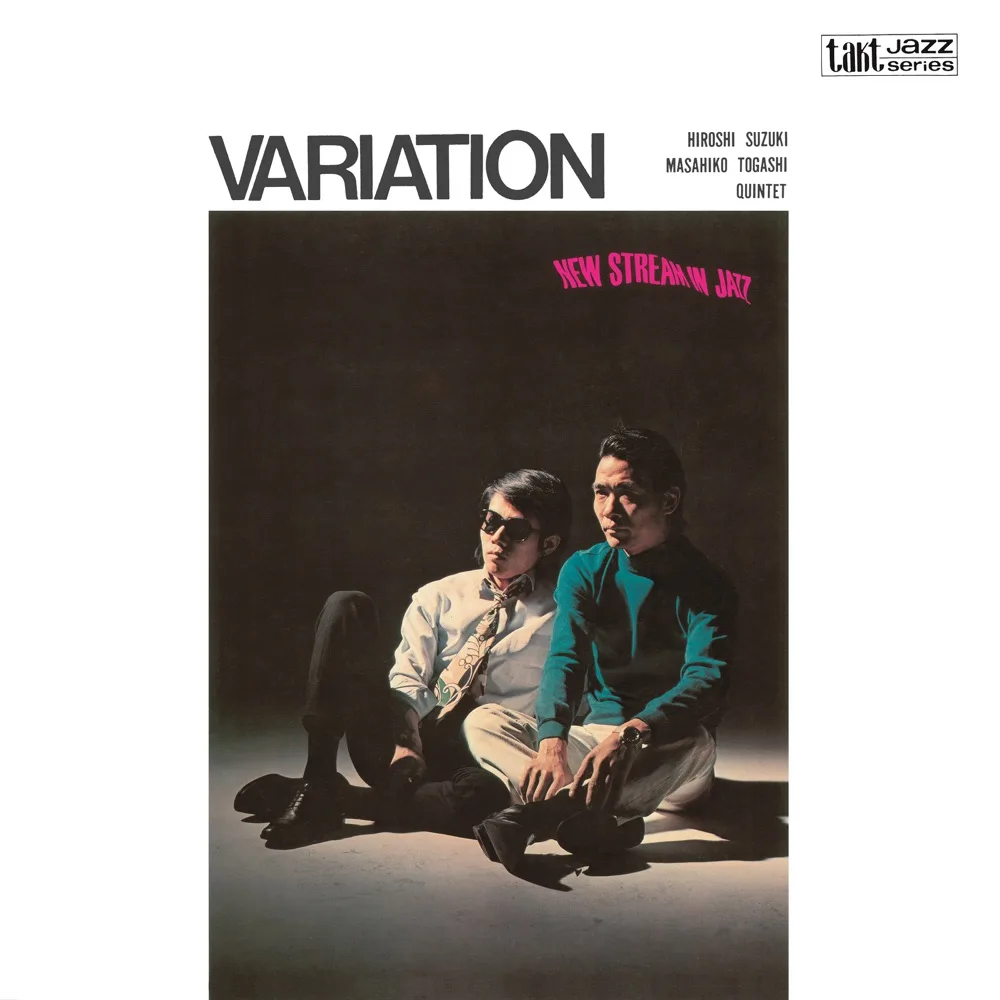
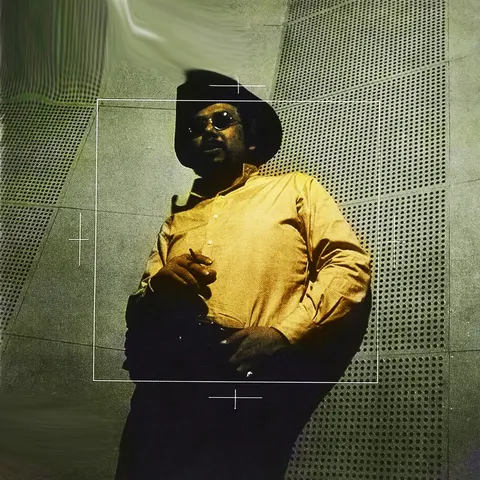
Cover of *Variation* (Columbia, 1969), the Hiroshi Suzuki and Masahiko Togashi Quintet album on which Jun Suzuki plays bass. It is one of the albums recommended in this profile; it does not show Jun Suzuki. Standard copyright, all rights reserved, held by Nippon Columbia Co., Ltd. This is not a Creative Commons or public-domain image; it is an album cover shown as an honestly disclosed editorial identification image. — https://music.apple.com/us/album/variation/1752085001 (Apple Music artwork, 1000 x 1000 version)
Jun Suzuki (鈴木淳) is a Japanese bassist whose name runs through Tokyo recording sessions from 1968 into the late 1970s, from free improvisation and jazz-rock big bands to folk-rock and television-era pop. He played both double bass and electric bass. He never led a record of his own, and little has been written about him: no interview, obituary or biography is readily available, so what follows rests on sleeve credits, label and retailer listings, Wikipedia entries for other musicians, and the website of the drummer he worked for. His birth date, birthplace and present status have not been published.
His earliest dated credits are from 1968. On 25 April of that year he was one of three bassists in the studio orchestra that Norio Maeda conducted at Sogetsu Hall in Tokyo for Jazz Rock Relax (Express), with Akira Ishikawa's group in the band, and the same year he plays bass on Ishikawa's Rhythm and Blues in Rock 'N' Roll (Victor). The drummer Takeshi Inomata became his most frequent leader. Inomata's own website, in its history of the Maeda and Inomata trio WE3, names 鈴木淳 as the trio's second bassist: when the first, Tatsuro Takimoto, fell ill, Jun Suzuki joined, and within a year the chair passed to Yasuo Arakawa, who stayed. The site gives no dates for his stretch and shows a photograph of him from the 1972 LP 四季 (Shiki).
On 20 January and 3 February 1969 he recorded Variation with the trombonist Hiroshi Suzuki, the drummer Masahiko Togashi, the pianist Yuji Ohno and the trumpeter Tetsuo Fushimi. Columbia issued it on 10 May 1969 in its Takt Jazz Series, and Discogs files it under contemporary jazz and free improvisation. Nippon Columbia's own listing for its announced clear-vinyl reissue (COJY-9601, due 3 November 2026) prints the quintet with 鈴木 淳 on bass. Its opening tune, "Castle Cats", is also credited to him on the live double album All Japan Jazz Festival '69 (Columbia), recorded at Tokyo Koseinenkin Hall by the Swing Journal All-Stars '69, and he is credited on bass for "Memphis Underground" at the Hibiya Open-Air Concert Hall on 30 August 1969, a track the Apple Music edition of Jazz in Tokyo '69 gives to the Takeshi Inomata Quintet.
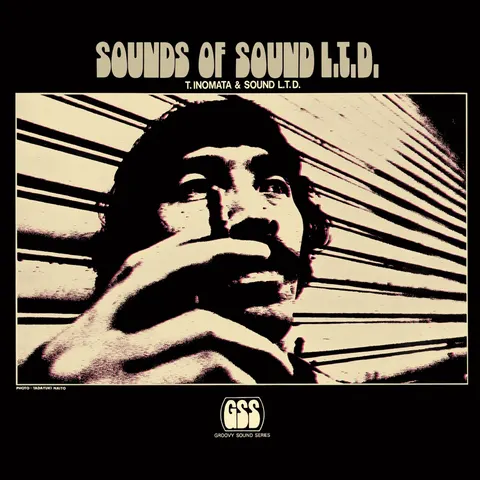
Inomata's big band Sound Limited made 1970 his busiest year on record. On 25 to 27 March the group recorded Sounds of Sound L.T.D. for Columbia at Tokyo Studio Centre, with Ryo Kawasaki and Shigenori Kamiya on electric guitars, Toshiaki Yokota on flute, Takao Uematsu on tenor saxophone, Shunzo Ohno on trumpet and Suzuki on electric bass, printed on the sleeve as 鈴木淳. In April the band cut Sound Ltd. for Express, on which he is credited on both electric bass and stand-up bass. On 30 April he is credited for "Mustache" at the Sensational Jazz '70 concert at Shibuya Public Hall, and on 22 June the band recorded New Rock in Europe for Express. Hit! Hit! Hit! for Victor, the Express album Guts the Drum and Jazz Rock in Stravinsky (Maeda's arrangements of Petrushka and The Rite of Spring for twenty-six credited musicians) also date from this stretch. Innocent Canon, recorded on 21 February 1971, credits him with electric bass, Fender bass, solo whistling and melodica. Later that year came Inomata Meets Rock, recorded in Hawaii on 25 April 1971, and the two albums by The Third, Inomata's big band with Maeda conducting, Hare Krishna (recorded 6 and 10 April 1971) and Morning Glory (December 1971). In 1972 he is the bassist on Drum Battle Rock Now, Inomata's four-drummer rock record.
He also appears on records Maeda made under his own name: Five Sax / Close to You (Columbia, 1971), Revolution (Columbia, 1972), a small-band set built on Bach fugues and preludes on which his sleeve credit reads 鈴木淳, and Jazz in Symphony (Columbia, 1973). Other jazz-leaning credits include Exciting Flute and Élévation for the flutist Toshiaki Yokota (both 1970), Bamboo (1970), on which he plays bass behind the shakuhachi player Minoru Muraoka and a group of traditional instruments, and Possibility of the Bass (Express, 1970), where he is the rhythm bassist among five bassists and the NHK Symphony Orchestra Bass Quartet around Masanaga Harada.
His name appears on a sleeve billing only once. Bass Deluxe (Philips), an LP of thirteen standards and themes, credits Yasuo Arakawa, Masaoki Terakawa, Isao Eto and 鈴木淳 as its four bassists, and he plays on three tracks: "Yesterday", "Softly, As in a Morning Sunrise" and "So What". In 1976 he plays contrabass on four tracks of Jimmy Takeuchi's double album Jimmy's Jazz Shop (Toshiba), and in July 1977 he is one of two electric bassists on Dead Heat (Victor) by ランナバウツ, with Akira Ishikawa on drums. Outside jazz, Discogs credits him with bass on folk-rock and pop sessions through the 1970s, among them records by Alice, Off Course and Kaguyahime. From the 1980s the entries are reissues and compilations.
Two Wikipedia articles mention a bassist named 鈴木淳 in passing. The Japanese article on the bassist Masaoki Terakawa gives the same split of bass credits on the CBS/Sony album The Drum Battle that Discogs shows, with 鈴木淳 on one track. The Japanese article on the bassist Tsugutoshi Goto says that, on the introduction of the drummer Chito Kawachi, Goto went to the home of 鈴木淳 to study upright bass and music reading; Kawachi is one of the four drummers on Drum Battle Rock Now, on which Suzuki plays bass. Japanese Wikipedia's page for the name also lists, among the people called 鈴木淳, a jazz bassist and studio musician who heads a bass school, and has no article for him. No published source ties that description to a particular list of recordings.
The name is among the commonest in Japan and attracts namesakes. The composer 鈴木淳 (1934 to 2021), whose songs include "Koyubi no Omoide" and who wrote for enka and kayokyoku singers, is a different person, as is the rock bassist 鈴木淳 (born 1968) who has played with The Pillows. Songwriting credits for the first appear under Jun Suzuki's Discogs entry and are not counted here.
No interview or liner note describing his approach has been found, so this section stays with what the records show. He moves between instruments in step with the period. His acoustic credits (stand-up bass on Sound Ltd., contrabass on Jimmy's Jazz Shop, rhythm bass on Possibility of the Bass) sit beside electric-bass credits from 1970 onward, and on Innocent Canon the sleeve adds a Fender bass, solo whistling and melodica to his part.
The settings range across the Japanese jazz scene of 1968 to 1977. Variation is filed by Discogs as free improvisation, Sound Limited and The Third as jazz-rock and jazz-funk, Jimmy's Jazz Shop as cool jazz and swing. In the same years he is a working studio bassist for folk, pop and kayokyoku dates, which is why he is best understood as a sideman of the Tokyo session world rather than a bandleader with a recognisable catalogue of his own.
- Variation (1969, Columbia XMS-10014-CT, Hiroshi Suzuki and Masahiko Togashi Quintet) - Recorded 20 January and 3 February 1969 with Yuji Ohno and Tetsuo Fushimi; the album on which Nippon Columbia's listing prints him on bass. YouTube - Variation, full album · Apple Music - Variation Listen
- Sounds of Sound L.T.D. (1970, Columbia HS-7001-CT, Takeshi Inomata and Sound Limited) - The debut of the big band, recorded 25 to 27 March 1970, with Jun Suzuki on electric bass. Apple Music - Sounds of Sound L.T.D. · YouTube - full album Listen
- Innocent Canon (1971, King SKK 3011, Takeshi Inomata and Sound Limited) - Recorded 21 February 1971; the credit that adds whistling and melodica to his bass. Apple Music - innocent canon Listen · Buy
- Revolution (1972, Columbia Q(B)-9019, Norio Maeda) - Bach fugues and preludes reworked by a small band, with Takeshi Inomata on drums. Apple Music - Revolution (2012 reissue) Listen
- Inomata Meets Rock (1971, Polydor MR-5006, Takeshi Inomata and Sound Limited) - Recorded in Hawaii on 25 April 1971, sharing the bass chair with Yasuo Arakawa. YouTube - Inomata Meets Rock, full album Listen · Buy
Jun Suzuki (鈴木淳) - Full Discography
Japanese double bassist and electric bassist active in the Tokyo studio and jazz scene from at least 1968. No leader album is known; his name appears on the billing of one record, the four-bassist Bass Deluxe, and everywhere else he is a credited sideman. Discogs artist 1071072 (listed there as Jun Suzuki (3), real name 鈴木淳). Birth date, birthplace and current status are not published.
Name variations on record: J. Suzuki, 鈴木 淳, 鈴木淳.
Group affiliations on Discogs: Takeshi Inomata & Sound Limited, The Sound Limited, Inomata Takeshi Quintet, Hiroshi Suzuki Masahiko Togashi Quintet.
Namesakes excluded. The Discogs entry also carries songwriting credits on about two dozen kayokyoku, enka and easy-listening records (for singers such as Ken Kuroki, Hiroshi Mizuhara, Keiko Fuji and Sachiko Kobayashi). Those belong to the composer 鈴木淳 (1934 to 2021, real name Junjiro Fujita), a different person, and are not listed here. Discogs also lists FLCL Original Sound Track No. 3 by The Pillows against his name, but the bassist credited on that record is a separate Discogs entry, the rock bassist 鈴木淳 (born 1968); it is not listed here either.
Billed on the sleeve
| Album | Year | Label | Billed as | Credit | Personnel | Notes | Listen | Buy |
|---|---|---|---|---|---|---|---|---|
| Bass Deluxe = ベース・デラックス | n.d. | Philips FS-8086 | Yasuo Arakawa, Masaoki Terakawa, Isao Eto, Jun Suzuki | bass (tracks A6, A7, B7) | not itemised on the release record | Four bassists share a pop-and-jazz programme of thirteen standards and themes ("Mission: Impossible", "Work Song", "So What"). Jun Suzuki plays on A6 "Yesterday", A7 "Softly, As in a Morning Sunrise" and B7 "So What" (sleeve credit 鈴木淳), arranged by 林一. It is the only record on Discogs where his name appears on the billing. | not found | Amazon |
Jazz, jazz-rock and fusion sessions (sideman)
Chronological. Personnel is read from each Discogs release record; where Jun Suzuki plays on only some tracks, only the musicians credited on those tracks are listed.
| Album | Year | Label | Billed as | Credit | Personnel | Notes | Listen | Buy |
|---|---|---|---|---|---|---|---|---|
| Jazz Rock Relax = ジャズ・ロック・リラックス | 1968 | Express EP-8002 | All Stars Orchestra, Norio Maeda | bass | 清水万季夫 (alto saxophone); Isao Eto (bass); Masaoki Terakawa (bass); Akira Ishikawa (drums); Kiyoshi Sugimoto (guitar); Hiromasa Suzuki (piano); Jiro Inagaki (saxophone); Kosuke Ichihara (saxophone); Akira Miyazawa (tenor saxophone); Akira Tanaka (trombone); Hiroshi Suzuki (trombone); 岡田定雄 (trombone); 市原靖 (trombone); Akio Mitsui (trumpet); Takehisa Suzuki (trumpet); Toshio Mori (trumpet); テリイ・サンフィールド (trumpet) | Recorded 25 April 1968 at Sogetsu Hall, Tokyo. Norio Maeda conducts an all-star studio orchestra with Akira Ishikawa's group; three bassists are credited (Isao Eto, Jun Suzuki, Masaoki Terakawa). Discogs files it under jazz-rock. | not found | Amazon |
| Variation = ヴァリェイション | 1969 | Columbia XMS-10014-CT | Hiroshi Suzuki Masahiko Togashi Quintet | bass | Masahiko Togashi (drums); Yuji Ohno (piano); Hiroshi Suzuki (trombone); Tetsuo Fushimi (trumpet) | Recorded 20 January and 3 February 1969, released 10 May 1969 on Columbia's Takt Jazz Series (gatefold). Five tracks: "Castle Cats", "Variation", "Suzu No Uta", "Alfie", "Passion". Discogs files it under contemporary jazz and free improvisation. The label's own listing prints the quintet as Hiroshi Suzuki (trombone), Masahiko Togashi (drums), Yuji Ohno (piano), 鈴木淳 (bass) and Tetsuo Fushimi (trumpet), and has announced a clear-vinyl reissue (COJY-9601) for 3 November 2026. | Full album on YouTube · Apple Music | Amazon |
| All Japan Jazz Festival '69 = 全日本ジャズ・フェスティバル'69 | 1969 | Columbia PSS-10005〜6-J | Various | bass (track C2, Castle Cats = キャッスル・キャッツ) | not itemised on the release record | Swing Journal All-Stars '69, recorded live at Tokyo Koseinenkin Hall. Jun Suzuki is credited on bass for track C2, "Castle Cats" (the same tune that opens Variation). The Discogs record does not itemise the rest of the band. | not found | Amazon |
| Bamboo = バンブー | 1970 | United Artists Records SKK(U) 3001 | Minoru Muraoka | bass (tracks A1 to A4) | Masako Hirayama (biwa); Kisaku Katada (drum [鼓]); Kimiko Yamanouchi (koto); Minoru Muraoka (shakuhachi); Hiromitsu Katada (wadaiko [和太鼓セット]) | Shakuhachi player Minoru Muraoka with the New Dimension Group on side A (koto, biwa, wadaiko and tsuzumi plus Jun Suzuki on bass, tracks A1 to A4, sleeve credit 鈴木淳), arranged by Takashi Ikeda; side B is by The New Emotions. | Apple Music (2007 reissue) | Amazon |
| Sound Ltd. | 1970 | Express EP-7761 | Takeshi Inomata & Sound Limited | electric bass, bass [stand up] | Takeshi Inomata (drums); Ryo Kawasaki (electric guitar); Shigenori Kamiya (electric guitar); Toshiaki Yokota (flute, recorder); Yusuke Hoguchi (organ [hammond]); Takao Uematsu (tenor saxophone); Shigemichi Domoto (trombone); Takashi Imai (trombone); Shunzo Ohno (trumpet); Takashi Kumagai (trumpet) | Recorded 4, 11 and 25 April 1970. Credited on electric bass and stand-up bass. Nine tracks including "South California Purples" and "God Bless the Child". | not found | Amazon |
| Sounds Of Sound L.T.D. = サウンド・オブ・サウンド・リミテッド | 1970 | Columbia HS-7001-CT | Takeshi Inomata & Sound Limited | electric bass | Ryo Kawasaki (electric guitar); Shigenori Kamiya (electric guitar); Toshiaki Yokota (flute); Yusuke Hoguchi (organ); Takao Uematsu (tenor saxophone); Shigemichi Domoto (trombone); Takashi Imai (trombone); Shunzo Ohno (trumpet); Takashi Kumagai (trumpet) | Recorded at Tokyo Studio Centre, 25 to 27 March 1970. Seven tracks. Credited on electric bass (sleeve credit 鈴木淳). Nippon Columbia reissued the album on vinyl in 2023 (HMJY-124) and its listing prints the same personnel. | Apple Music · YouTube | Amazon |
| Jazz Adventure In Drums = ジャズ・アドベンチャー・イン・ドラム | 1970 | Victor World Group SMJX-10095 | Various | bass (tracks B2) | Takeshi Inomata (drums); Norio Maeda (piano) | A drum-led anthology; each track has a different drummer and rhythm section. Jun Suzuki is credited on bass for track B2, "Sloba", with Takeshi Inomata on drums and Norio Maeda on piano. | not found | Amazon |
| Jazz In Tokyo '69 = ジャズ・イン・トーキョー'69 | 1970 | Columbia PSS-10011~12-CT | Various | bass (track D1, メンフィス・アンダーグラウンド = Memphis Underground) | not itemised on the release record | Recorded live at Hibiya Open-Air Concert Hall, 30 August 1969. Jun Suzuki is credited on bass for track D1, "Memphis Underground", which the Apple Music edition attributes to the Takeshi Inomata Quintet. Other tracks feature other bands. | Apple Music | Amazon |
| The Drum Battle | 1970 | CBS/Sony SONP 50258-L | Soulful Congress | bass (tracks B4) | Akira Ishikawa (drums); Sadakazu Tabata (drums); Takeshi Inomata (drums); Masahiko Satoh (piano) | Three drummers (Takeshi Inomata, Akira Ishikawa, Sadakazu Tabata) each lead sides with different rhythm sections. Jun Suzuki is credited on bass for track B4 only. The Japanese Wikipedia discography of bassist Masaoki Terakawa lists the same split of bass credits. | not found | Amazon |
| Hit! Hit! Hit! | 1970 | Victor SPX-1020 | Takeshi Inomata & Sound Limited | electric bass | Tadayuki Harada (baritone saxophone, saxophone); Takeshi Inomata (drums); Kimio Mizutani (electric guitar); Osamu Nakajima (percussion); Shigehito Ohara (piano, electric piano, organ); Jake H. Concepcion (soprano saxophone, alto saxophone); Tadataka Nakazawa (trombone); Shunzo Ohno (trumpet, flugelhorn); Takehisa Suzuki (trumpet, flugelhorn, piccolo trumpet) | Twelve tracks of pop and rock themes of the day arranged by Norio Maeda, among them "Black Magic Woman" and "Immigrant Song". Credited on electric bass. | Full album on YouTube | Amazon |
| Possibility Of The Bass | 1970 | Express EP-8006 | Masanaga Harada | bass [rythm bass] | Mitsuru Onozaki (bass [1st bass]); Hiroaki Naka (bass [2nd bass]); Michio Setogawa (bass [3rd bass]); Masahiko Tanaka (bass [4th bass]); Chico Kikuchi (drums); Jimmy Takeuchi (drums) | A bass-themed album built around Masanaga Harada, with four more bassists (1st to 4th bass) and the NHK Symphony Orchestra Bass Quartet. Jun Suzuki is credited on rhythm bass. | not found | Amazon |
| エキサイティング・フルート = Exciting Flute | 1970 | Express EP-7766 | Toshiaki Yokota | electric bass (tracks A-2,5 B-1,3,4,5) | Shigeo Suzuki (alto saxophone); Takeshi Inomata (drums); Masayuki Kamiya (electric guitar); Toshiaki Yokota (flute); Masaru Imada (piano); Takeshi Aoki (bass trombone); Norio Maeda (arrangements) | Recorded 17 May and 3 June 1970. Jun Suzuki plays electric bass on tracks A2, A5, B1, B3, B4 and B5 (the 3 June session, with Takeshi Inomata on drums); Masaoki Terakawa plays on the 17 May session. | not found | Amazon |
| 高翔 = Élévation | 1970 | Express EP-8009 | Toshiaki Yokota, The Beat Generation | bass | Takeshi Inomata (drums); Toshiaki Yokota (flute); Sadanori Nakamure (guitar); Hideo Ichikawa (keyboards); Larry Sunaga (percussion) | Nine-track set arranged by Masahiko Satoh. Credited on bass. The Discogs entry bills it as Toshiaki Yokota with The Beat Generation. | not found | Amazon |
| Jazz Rock in Stravinsky | 1970 | Liberty LPC-8027 | Takeshi Inomata And His Group | electric bass | Yasuo Arakawa (acoustic bass [stand up bass]); Tadayuki Harada (baritone saxophone); Makio Shimizu (clarinet, bass clarinet); Shigeo Suzuki (clarinet, soprano saxophone); Takeshi Inomata (drums); Sadanori Nakamure (electric guitar [rhythm]); Kousei Mizutani (electric guitar [solid guitar]); Takashi Asahi (flute); Toshiaki Yokota (flute); Katsuyoshi Kurosawa (horn); Koji Yamaguchi (horn); Keisuke Egusa (keyboards [keyboard instrument]); Iguchi Hiroyuki (oboe); Kenji Shiraishi (percussion [keyboard percussion]); Yasukazu Amemiya (percussion [keyboard percussion]); Osamu Nakajima (percussion [latin]); Yukio Eto (piccolo flute); Shigemichi Domoto (trombone); Takashi Imai (trombone); Yoshitsugu Nishimura (trombone); Kunitoshi Shinohara (trumpet); Shunzo Ohno (trumpet); Takehisa Suzuki (trumpet); Tetsuo Fushimi (trumpet) | Norio Maeda's arrangements of Stravinsky's Petrushka (side A) and The Rite of Spring (side B), played by a 26-piece band. Credited on electric bass; Yasuo Arakawa plays acoustic bass. | not found | Amazon |
| Sensational Jazz '70: Vol. 1/2 = センセーショナル・ジャズ'70 | 1970 | Columbia PSS-10025〜6-J | Various | bass (track D2, Mustache = マスターシュ) | not itemised on the release record | Recorded 30 April 1970 at Shibuya Public Hall. Jun Suzuki is credited on bass for track D2, "Mustache" (the Takeshi Inomata and Sound Limited number). | Apple Music (Vol. 2, includes Mustache) | Amazon |
| Hare Krishna / The Third First Album = ハレ・クリシュナ/ザ・サード・ファースト・アルバム | 1971 | Express ETP-9032 | The Third | electric bass, bass | Makio Shimizu (alto saxophone); Tadayuki Harada (baritone saxophone); Takeshi Inomata (drums, leader); Sadanori Nakamure (electric guitar); Kimio Mizutani (electric guitar [solid]); Norio Maeda (electric piano [fender], organ [hammond]); Osamu Nakajima (percussion); Jake H. Concepcion (saxophone); Shigeo Suzuki (saxophone); Ichiro Mimori (tenor saxophone); Haruo Yamashita (trombone); Kiji Nishimura (trombone); Shigemichi Domoto (trombone); Tadataka Nakazawa (trombone); Shunzo Ohno (trumpet); Takehisa Suzuki (trumpet); Teruyuki Fukushima (trumpet); Tetsuo Fushimi (trumpet) | Recorded 6 and 10 April 1971. A large-band record led by Takeshi Inomata with Norio Maeda conducting; six tracks including "Wichita Lineman" and "The Fool on the Hill". Credited on electric bass and bass. | not found | Amazon |
| Fantastic Sounds In Shino Flute (幽玄の世界) | 1971 | Express ETP-9019 | 藤舎推峰, Norio Maeda | bass | Makio Shimizu (bass clarinet, alto saxophone); Takeshi Inomata (drums); Kimio Mizutani (electric guitar); Shigehito Ohara (electric piano); 藤舎推峰 (flute); Norio Maeda (organ); Shigemichi Domoto (trombone); Shunzo Ohno (trumpet); Takehisa Suzuki (trumpet) | Recorded 4 and 5 November 1970. Shino-bue (Japanese flute) player 藤舎推峰 with Norio Maeda conducting and Takeshi Inomata and Sound Limited as the band; includes a three-movement concerto for shino flute and rock band. Credited on bass. | not found | Amazon |
| *New Rock In Europe - Sound Ltd. 2 * | 1971 | Express EP-7776 | Takeshi Inomata & Sound Limited | electric bass | Shigenori Kamiya (electric guitar); Kimio Mizutani (electric guitar, percussion); Toshiaki Yokota (flute, alto flute, bass flute); Yusuke Hoguchi (organ [hammond]); Takao Uematsu (tenor saxophone, soprano saxophone); Shigemichi Domoto (trombone, bass trombone); Takashi Imai (trombone, bass trombone); Shunzo Ohno (trumpet, flugelhorn) | Recorded 22 June 1970 at Toshiba Music Industries 1st Studio, for the TBS television programme Young 720. Credited on electric bass (sleeve credit 鈴木淳). Eight tracks including "Mustache" and "Hurdy Gurdy Man". | not found | Amazon |
| Inomata Meets Rock | 1971 | Polydor MR-5006 | Takeshi Inomata & Sound Limited | electric bass (tracks A1, A5, B3 to B6) | Tadayuki Harada (baritone saxophone); Takeshi Inomata (drums); Kimio Mizutani (electric guitar); Masaru Imada (piano); Koji Nishimura (trombone); Takehisa Suzuki (trumpet) | Recorded in Hawaii, 25 April 1971. Twelve tracks. Jun Suzuki shares the bass chair with Yasuo Arakawa and plays on A1, A5 and B3 to B6. | Full album on YouTube | Amazon |
| Guts The Drum ガッツ・ザ・ドラム | 1971 | Express ETP-8130 | Takeshi Inomata, The Sound Of Modern Craft | electric bass | Takeshi Inomata (drum); Kimio Mizutani (electric guitar); Shigehito Ohara (keyboards); Osamu Nakajima (percussion); Jake H. Concepcion (saxophone); Tadataka Nakazawa (trombone); Keiji Yoshida (trumpet); Takehisa Suzuki (trumpet) | Thirteen tracks in three parts, including "Put Your Hand in the Hand" and "Gimme Shelter". Credited on electric bass. A white-label promotional pressing of the same album also exists (Discogs release 34427755). | not found | Amazon |
| Five Sax/Close to You | 1971 | Columbia XMS-10034-CT | Norio Maeda | bass | Jake H. Concepcion (alto saxophone, flute, clarinet, soprano saxophone, vocals); Shigeo Suzuki (alto saxophone, flute, soprano saxophone, alto flute, vocals); Makio Shimizu (alto saxophone, flute, soprano saxophone, vocals); Tadayuki Harada (bass saxophone, bass clarinet, vocals); Takeshi Inomata (drums); Sadanori Nakamure (guitar); Ichiro Mimori (tenor saxophone, flute, soprano saxophone, vocals) | Norio Maeda leads five reed players (Jake H. Concepcion, Shigeo Suzuki, Makio Shimizu, Ichiro Mimori, Tadayuki Harada) with Takeshi Inomata on drums. Credited on bass. | not found | Amazon |
| Rhapsody In Seventies / Concerto For Salendro And Pelog By Piano And Orchestra | 1971 | King Records Custom NAS-281 | Taku Izumi, 飯田三郎 | electric bass (tracks A) | Takeshi Inomata (drums); Naoya Matsuoka (piano) | Recorded live at Hibiya Public Hall in 1971. Jun Suzuki plays electric bass on side A, "Rhapsody in Seventies", with Takeshi Inomata on drums and the Tokyo Symphony Orchestra. | not found | Amazon |
| Innocent Canon | 1971 | King Records SKK 3011 | Takeshi Inomata & Sound Limited | electric bass, electric bass [fender], whistling [solo], melodica [pianica] | Takeshi Inomata (drums); Kimio Mizutani (electric guitar, acoustic guitar [folk], sitar); Shigehito Ohara (electric piano, organ [hammond], piano); Toshiaki Yokota (flute [bass, alto, block], piccolo flute); Osamu Nakajima (percussion); Jake H. Concepcion (soprano saxophone, alto saxophone, tenor saxophone, flute); Shigemichi Domoto (trombone, vibraphone); Shunzo Ohno (trumpet, flugelhorn); Takehisa Suzuki (trumpet, trumpet [piccolo], flugelhorn) | Recorded 21 February 1971. Seven tracks. Credited on electric bass, Fender bass, solo whistling and melodica (sleeve credit 鈴木淳). | Apple Music | Amazon |
| Mr. Drum/Lowdown | 1971 | Columbia YS-10105-CT | Mr. Drum & The Sound Machine | bass | Jake H. Concepcion (alto saxophone); Yasuo Arakawa (bass); Takeshi Inomata (drum); Kimio Mizutani (guitar); Sadanori Nakamure (guitar); Osamu Nakajima (percussion); Shunzo Ohno (trumpet); Tetsuo Fushimi (trumpet) | Mr. Drum & The Sound Machine, with Takeshi Inomata on drums and Norio Maeda on piano and arrangements; two bassists (Jun Suzuki and Yasuo Arakawa). Discogs files it under jazz-rock. | not found | Amazon |
| Drum Battle Rock Now | 1972 | RCA R4J-7017 | Takeshi Inomata & Sound Limited | bass | Chito Kawachi (drums); Masao Suzuki (drums); Seiji Tanaka (drums); Takeshi Inomata (drums); Kimio Mizutani (guitar); Yusuke Hoguchi (organ) | Four drummers (Takeshi Inomata, Chito Kawachi, Masao Suzuki, Seiji Tanaka) over a rock rhythm section; ten tracks including "Black Night" and "Theme from Shaft". Credited on bass. | not found | Amazon |
| Morning Glory / The Third 2 | 1972 | Express ETP-9527Z | The Third | bass | Takeshi Inomata (drums, leader); Kimio Mizutani (electric guitar); Sadanori Nakamure (electric guitar); Osamu Nakajima (percussion); Norio Maeda (piano, organ); Ichiro Mimori (saxophone); Jake H. Concepcion (saxophone); Makio Shimizu (saxophone); Shigeo Suzuki (saxophone); Tadayuki Harada (saxophone); Haruo Yamashita (trombone); Shigemichi Domoto (trombone, tuba); Tadataka Nakazawa (trombone); Yoshitsugu Nishimura (trombone); Kenji Yoshida (trumpet); Shunzo Ohno (trumpet); Takehisa Suzuki (trumpet); Teruyuki Fukushima (trumpet); Tetsuo Fushimi (trumpet) | Recorded 20 and 26 December 1971 at Mouri Studio. Five tracks including "The Chant of Morning Glory" and "Sleeper". Credited on bass (printed as J. Suzuki). | not found | Amazon |
| Revolution = レボリューション | 1972 | Columbia Q(B)-9019 | Norio Maeda | bass, electric bass | Takeshi Inomata (drums); Masanori Nakamure (electric guitar, acoustic guitar); Teruyuki Fukushima (trumpet, flugelhorn) | Norio Maeda's small band (Takeshi Inomata on drums, a guitarist, Teruyuki Fukushima on trumpet) reworking Bach fugues and preludes; ten tracks. Credited on bass and electric bass (sleeve credit 鈴木淳). A 2012 Nippon Columbia CD reissue (COCB-54036) lists 鈴木淳 among the players. | Apple Music (2012 reissue) | Amazon |
| Jazz In Symphony | 1973 | Columbia NCB-8007 | Norio Maeda | bass | Takeshi Inomata (drums); Kiyoshi Sugimoto (guitar); Sadanori Nakamure (guitar); Kentaro Haneda (keyboards); Jiro Inagaki (saxophone); Tetsuo Fushimi (trumpet) | Norio Maeda's trio and jazz combo with the Nippon Philharmonic Pops Orchestra in a jazz treatment of Tchaikovsky's Sixth Symphony. Credited on bass. | not found | Amazon |
| Jimmy's Jazz Shop | 1976 | Toshiba Records TP-60172~3 | Jimmy Takeuchi | contrabass (tracks A1 to A4) | Jimmy Takeuchi (drums); フランキー堺 (drums); Shoji Yokouchi (electric guitar); Hideo Ichikawa (piano); Kosuke Ichihara (tenor saxophone); Tetsuo Fushimi (trumpet) | Double album. Jun Suzuki plays contrabass on A1 to A4; Kunimitsu Inaba plays the other sides. Discogs files it under cool jazz and swing. | not found | Amazon |
| Dead Heat (Rock & Jazz On The Circuit) | 1977 | Victor KVX-1002 | ランナバウツ | electric bass | Jake H. Concepcion (alto saxophone, soprano saxophone, tenor saxophone); Katsuyuki Sugimoto (bass trombone); Akira Ishikawa (drums); Michio Nagaoka (electric bass); Meikan Hai (electric guitar); Osamu Nakajima (percussion); Kazuo Usui (trombone); Michio Kagiwada (trombone); Masanobu Arao (trumpet); Takehisa Suzuki (trumpet); Tetsuo Fushimi (trumpet) | Recorded 12 and 15 July 1977 at Victor Studio. Two electric bassists (Jun Suzuki, Michio Nagaoka), with Akira Ishikawa on drums and Hideo Ichikawa writing and arranging. Discogs files it under jazz-rock and funk. | not found | Amazon |
| Drum Festival By Big 4 | n.d. | Teichiku Records MX-4010 | Takeshi Inomata, Akira Ishikawa, Sadakazu Tabata, Kiyoshi Tanaka, Takeshi Inomata & Sound Limited | bass | Takeshi Inomata (drums [fl]); Kiyoshi Tanaka (drums [fr]); Sadakazu Tabata (drums [rl]); Akira Ishikawa (drums [rr]); Kimio Mizutani (electric guitar); Jake H. Concepcion (flute, saxophone); Shigehito Ohara (keyboards); Tadataka Nakazawa (trombone); Kenji Yoshida (trumpet); Takehisa Suzuki (trumpet) | Four-channel quadraphonic drum showcase. Credited on bass (sleeve credit 鈴木淳). Twelve tracks, arranged by Norio Maeda. | not found | Amazon |
| Rocking Drum Battle By Big 4 = 4大ドラマーロック・ドラム・バトル | n.d. | Teichiku Records CDX-2501 | Takeshi Inomata, Akira Ishikawa, Sadakazu Tabata, Kiyoshi Tanaka | bass | Akira Ishikawa (drums); Kiyoshi Tanaka (drums); Sadakazu Tabata (drums); Takeshi Inomata (drums); Kimio Mizutani (electric guitar); Jake H. Concepcion (flute, saxophone); Shigehito Ohara (keyboards, electric piano); Kenji Yoshida (trumpet); Tadataka Nakazawa (trumpet); Takehisa Suzuki (trumpet) | Four drummers (Takeshi Inomata, Akira Ishikawa, Sadakazu Tabata, Kiyoshi Tanaka) over one band; eight rock and pop covers. Credited on bass. | not found | Amazon |
Studio sessions in pop, folk, electone and other styles
Bass credits on records outside jazz, as attributed to the same Discogs entry. The name is common, so these are listed without further claims about the sessions.
| Album | Year | Label | Billed as | Credit | Notes | Listen | Buy |
|---|---|---|---|---|---|---|---|
| Rhythm And Blues In Rock 'N' Roll | 1968 | Victor SJV-344 | Akira Ishikawa, 石川晶とミッド・ナイト・サウンズ | bass | Easy Listening, Group Sounds, Kayōkyoku | not found | Amazon |
| Electone Revolution Series "New Hits" = エレクトーン・レヴォリューション ニュー・ヒット | 1970 | CBS/Sony SOND 66055 | Fumiko Kikuchi | bass | Experimental, Easy Listening | not found | Amazon |
| 花嫁 | 1971 | Express EP-1274 | Norihiko Hashida And Climax | electric bass | Folk Rock | not found | Amazon |
| World Popular Song Festival '71 With Electone/第2回世界歌謡祭入賞曲特集 | 1971 | Yamaha Music Foundation UGD-2004 | Various | bass | Easy Listening, Contemporary Jazz | not found | Amazon |
| 市川染五郎の青春 His Youthful Days | 1971 | Capitol Records CPC-8041 | 市川染五郎 | electric bass | Musical, Folk | not found | Amazon |
| いずみたくリサイタル | 1971 | Express EP-8072 | Taku Izumi, Saori Yuki, Duke Aces | rhythm section | Kayōkyoku, Vocal | not found | Amazon |
| Onion | 1972 | Express ETP-9053 | Lily | bass | Folk Rock, Psychedelic Rock, Ballad | not found | Amazon |
| 素晴らしいコーラスの世界 = Wonderful World Of Chorus Sounds | 1972 | Express ETP-8189 | Hiroshi Okazaki, Keiko Saijo | electric bass | Theme, Vocal, Soundtrack, Easy Listening | not found | Amazon |
| 走っておいで恋人よ = Come Runnin' Sweetheart | 1972 | Express ETP-2616 | Alice | bass | Folk Rock, Kayōkyoku | not found | Amazon |
| Session | 1972 | Yamaha YM-1009 | Okihiko Sugano | electric bass (tracks A1, B4) | not found | Amazon | |
| 花唄 | 1972 | Toho Records AR-1005 | 阿世知守 | electric bass | not found | Amazon | |
| Now Mozart | 1972 | Express ETP-9512Z | Modern Classic Ensemble, Singers Three | bass | not found | Amazon | |
| 決別の時 | 1973 | Union Records (3) ULP-2011 | スケッチ・ブック | electric bass (tracks A1, B4) | Folk Rock | not found | Amazon |
| 津軽じょんがら節 / ジミー民謡を叩く! = Jimmy Takeuchi VS Japanese Folk Music | 1974 | Toshiba Records TP-60004 | Jimmy Takeuchi & His Exciters | electric bass, acoustic bass | Funk, Min'yō, Fusion | not found | Amazon |
| この道をゆけば ⁄ オフ・コース・ラウンド 2 = Goin' My Way Off Course Round 2 | 1974 | Express ETP-8293 | Off Course | bass | Folk Rock, Soft Rock, Soul, Kayōkyoku | not found | Amazon |
| Loves Theme 愛のテーマ | 1974 | King Records SKA 92 | Takeshi Terauchi | electric bass | Easy Listening, Instrumental | not found | Amazon |
| Drum Drum Drum - This Is Rock Drum!! After The Beatles | 1975 | Toshiba Records TP-60051 | Jimmy Takeuchi | bass | Easy Listening, Soul-Jazz, Pop Rock | not found | Amazon |
| ロング・リサイタル’76 = Long Recital '76 | 1977 | Toshiba Records TP-60190-1 | Fubuki Koshiji | electric bass | Chanson | not found | Amazon |
| かぐや姫・今日 = Kaguyahime Today | 1978 | Panam GWS-4001 | Kaguyahime | bass | Kayōkyoku, Soft Rock | not found | Amazon |
| G線上のアリア/ポップ・クラシックへの誘い | 1980 | Toshiba Records TP-40133, 34 | Shoji Yokouchi, Shigeru Toyama, Modern Classic Ensemble | bass (tracks Side C/D) | not found | Amazon | |
| 虫のシンフォニー | 1985 | Canyon D30H0002 | Seiji Yokoyama | bass | Jazz-Funk | not found | Amazon |
| Alice Singles | 1998 | Express TOCT-10253-5 | Alice | bass (track 1-1, 走っておいで恋人よ); bass (track 1-2, さよなら昨日までの悲しい思い出) | Folk, Folk Rock, Kayōkyoku | not found | Amazon |
| 伊勢正三の世界 (Panamレーベルの時代) | 2021 | Panam CRCP-20579/80 | Shozo Ise | contrabass (tracks 1-7, 1-8, 1-10) | Kayōkyoku, Folk Rock, City Pop, Folk, Ballad, Vocal | not found | Amazon |
Compilations
| Album | Year | Label | Billed as | Credit | Notes | Listen | Buy |
|---|---|---|---|---|---|---|---|
| Shibuya Jazz Classics - Sleep Walker Collection - Columbia Issue | 2003 | Solid Records (6) CDSOL-1074 | Sleep Walker | bass (track 8, Castle Cats) | CD compilation of Nippon Columbia jazz recordings; track 8 is "Castle Cats" from Variation (1969). | not found | Amazon |
Sources
- Discogs: Jun Suzuki (3), artist 1071072
- Discogs: Hiroshi Suzuki, Masahiko Togashi Quintet, Variation
- Discogs: Takeshi Inomata and Sound Limited, Sounds of Sound L.T.D.
- Discogs: Takeshi Inomata and Sound Limited, Innocent Canon
- Discogs: Norio Maeda, Revolution
- Discogs: Bass Deluxe, Philips FS-8086
- Record Day: Hiroshi Suzuki and Masahiko Togashi Quintet, Variation, COJY-9601 (Nippon Columbia listing with 鈴木淳 on bass)
- deejay.de: Takeshi Inomata and Sound Limited, Sounds of Sound L.T.D., HMJY-124 (personnel as listed)
- Billboard JAPAN: Norio Maeda, Revolution, COCB-54036 (credit line naming 鈴木淳)
- Takeshi Inomata - the drummer on most of his best-known records: Sound Limited (Sounds of Sound L.T.D., Sound Ltd., New Rock in Europe, Innocent Canon, Inomata Meets Rock, Drum Battle Rock Now), The Third, and Norio Maeda's albums. Inomata's own site names him as WE3's second bassist.
- Norio Maeda - conductor of Jazz Rock Relax (1968) and leader of Five Sax / Close to You (1971), Revolution (1972) and Jazz in Symphony (1973), all with Suzuki on bass; arranger of several Sound Limited records.
- Hiroshi Suzuki, Masahiko Togashi and Yuji Ohno - co-leaders and pianist of Variation (1969); the fifth member was the trumpeter Tetsuo Fushimi.
- Shunzo Ohno, Takao Uematsu, Ryo Kawasaki and Shigenori Kamiya - trumpet, tenor saxophone and the two guitarists on Sounds of Sound L.T.D. (1970); Ohno, Uematsu and Kamiya are also on New Rock in Europe.
- Toshiaki Yokota - flutist on Sounds of Sound L.T.D. and Sound Ltd., and leader of Exciting Flute and Élévation (both 1970), where Suzuki plays bass.
- Tadayuki Harada - baritone saxophonist on Hit! Hit! Hit!, Inomata Meets Rock, Five Sax / Close to You and the 1971 The Third album.
- Sadanori Nakamure - guitarist on Élévation, Mr. Drum / Lowdown, the two The Third albums and Jazz in Symphony.
- Masaru Imada - pianist on Exciting Flute (1970) and Inomata Meets Rock (1971).
- Akira Ishikawa - drummer on Rhythm and Blues in Rock 'N' Roll (1968), Jazz Rock Relax (1968), the Drum Festival albums and Dead Heat (1977).
- Minoru Muraoka - shakuhachi player on Bamboo (1970), with Suzuki on bass for side A.
- Masanaga Harada - leader of the bass album Possibility of the Bass (1970), on which Suzuki is the rhythm bassist.
- Yasuo Arakawa, Masaoki Terakawa and Isao Eto - his fellow bassists on Bass Deluxe; Arakawa and Terakawa also share bass duties with him on several Inomata and Maeda records.
- Kimio Mizutani, Osamu Nakajima, Jake H. Concepcion and Takehisa Suzuki - guitarist, percussionist, saxophonist and trumpeter who recur alongside him on the Inomata and Maeda sessions.
- Shigemichi Domoto - trombonist (also tuba and bass trombone) on the Sound Limited albums, Jazz Rock in Stravinsky, Fantastic Sounds in Shino Flute and the first two Third albums, all of which credit Suzuki on bass.
More Free Jazz Artists
See all 298 Free Jazz artists →More Japanese Jazz Artists
See all 262 Japanese artists →- Discogs: Jun Suzuki (3)
- Apple Music: Variation
- Apple Music: Sounds of Sound L.T.D.
- Japanese Wikipedia: 鈴木淳 (name page)
- Jun Suzuki on JazzProfiles.com
- r/JapaneseJazz
- Discogs: Jun Suzuki (3), artist 1071072
- Discogs: Hiroshi Suzuki, Masahiko Togashi Quintet, Variation, Columbia XMS-10014-CT, 1969
- Discogs: Takeshi Inomata and Sound Limited, Sounds of Sound L.T.D., Columbia HS-7001-CT, 1970
- Discogs: Takeshi Inomata and Sound Limited, Innocent Canon, King SKK 3011, 1971
- Discogs: Norio Maeda, Revolution, Columbia Q(B)-9019, 1972
- Discogs: Bass Deluxe, Philips FS-8086
- Record Day: Variation, COJY-9601 (Nippon Columbia listing, personnel with 鈴木 淳 on bass)
- deejay.de: Takeshi Inomata and Sound Limited, Sounds of Sound L.T.D., HMJY-124 (personnel as listed)
- Billboard JAPAN: Norio Maeda, Revolution, COCB-54036 (credit line naming 鈴木淳)
- Takeshi Inomata official site: WE3 history (archived)
- Japanese Wikipedia: 寺川正興 (Masaoki Terakawa)
- Japanese Wikipedia: 後藤次利 (Tsugutoshi Goto)
- Japanese Wikipedia: 鈴木淳 (作曲家)
- Japanese Wikipedia: 鈴木淳 (ベーシスト), the Pillows bassist