 JAZZPROFILES lives in the music 1,572 Jazz Artists fully Profiled!
 Tetsujiro Obara
Last updated August 30, 2026
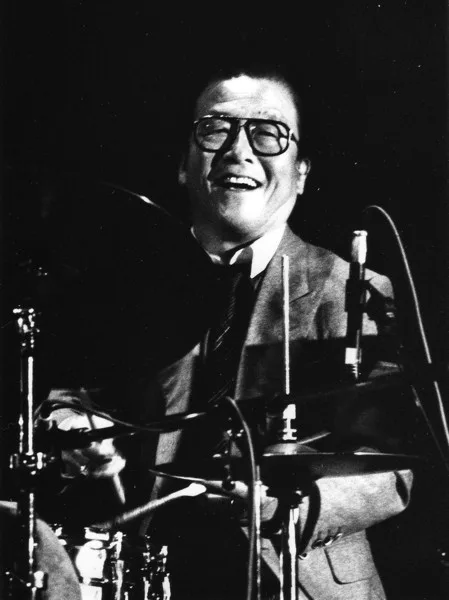
Cover art for Tetsujiro Obara's Discogs artist page — a live performance photo of the Japanese jazz drummer (1941-2016), best known as the longtime drummer in the Tsuyoshi Yamamoto Trio, used as a stand-in — no free-licensed (CC/public domain) photo of Obara could be located on Wikimedia Commons after a genuine search. Standard copyright, all rights reserved — held by the photo's original rights holder (uncredited on Discogs). This is not a Creative Commons-licensed image; it is used here as an honestly-disclosed editorial stand-in for a real photo. — Downloaded directly from Tetsujiro Obara's Discogs artist page (https://www.discogs.com/artist/1070336-Tetsujiro-Obara), hosted at i.discogs.com. Saved locally as portrait.jpg in this folder.
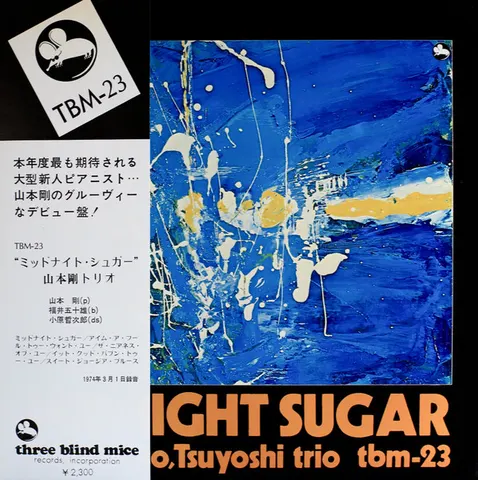
Tetsujiro Obara, born March 23, 1941, in Fukushima, was the drummer on Midnight Sugar (1974), pianist Tsuyoshi Yamamoto's award-winning debut album and one of the foundational records of the Three Blind Mice label, sitting alongside bassist Isoo Fukui as the rhythm section that shaped it. He recorded the trio's second album, Misty, the same year, and remained the group's drummer for years afterward, including a 1979 appearance at the Montreux Jazz Festival — genuine evidence of international standing beyond Japan.
He also led a side project of his own, Yama & Jiro's Wave, a trio with guitarist Akira Daiyoshi and Yamamoto himself, recording Girl Talk for Three Blind Mice in 1975. A more unusual entry in his catalog: a concert recorded August 23, 1975, at the Yoshijima Heritage House in Hida-Takayama, which sat unreleased for over four decades before finally appearing as the Hida-Takayama Jazz Session in 2018.
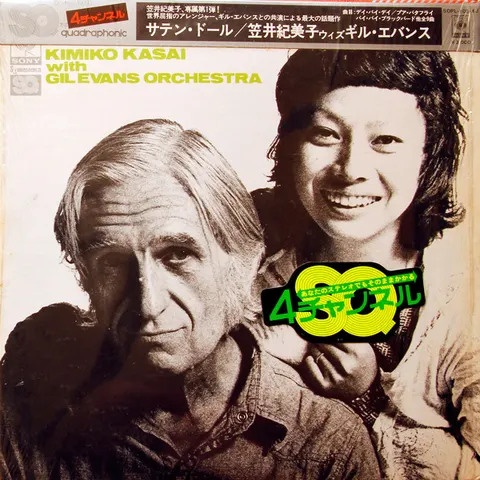
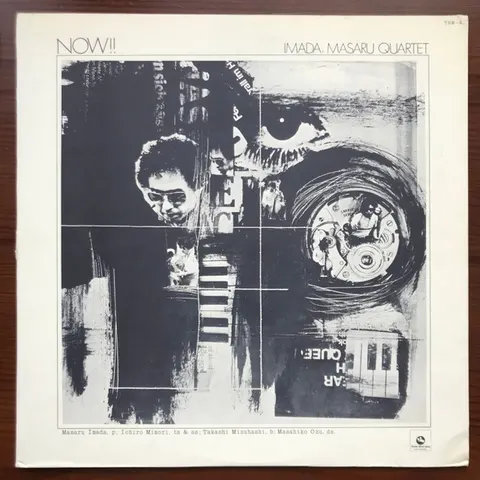
Like Fukui, Obara spent much of the 1970s as a fixture of the Masaru Imada Trio — Ascent (1974), Green Caterpillar and One for Duke (both 1975), Planets (1977), Blue Eyes (1979) — and recorded with visiting American musicians passing through Tokyo, including vocalist Abbey Lincoln (Live in Misty, 1973) and guitarist Barney Kessel (Live at Sometime and Shiny Stockings, both 1977). His earliest documented credit in this project's scope is on Kimiko Kasai's 1970 debut, Just Friends, and he was also a member of the Kosuke Mine Quintet.
He died on December 13, 2016, at 75.
Obara's playing is defined by the same qualities that made him indispensable to the Tsuyoshi Yamamoto Trio for years: a supportive, listening rhythm-section approach suited to piano-trio jazz, capable of adapting to the more soul-inflected feel of the Masaru Imada Trio and to backing visiting American soloists in a session-player context.
- Midnight Sugar (1974, Tsuyoshi Yamamoto Trio) - See build 27 (Isoo Fukui) for full context on this landmark record. Spotify Listen
- Girl Talk (1975, Yama & Jiro's Wave) - His own side-trio project. Spotify Listen
- Live in Montreux (1979, Tsuyoshi Yamamoto Trio) - The international festival credit.
- Hida-Takayama Jazz Session (recorded 1975, released 2018) - A rediscovered rarity.
Tetsujiro Obara: Full Discography
Discogs artist ID 1070336 (小原哲次郎). Identity confirmed via matching Discogs profile facts, cross-verified against build 27 (Isoo Fukui) — both artists' Discogs pages independently show the same 1974 Midnight Sugar and Misty credits, confirming a shared, accurately-documented session. 52 credits total: 2 Main, 46 Appearance, 4 UnofficialRelease.
As Leader / Co-Leader
| Album | Year | Label | Billed as | Buy |
|---|---|---|---|---|
| Gentle Three | 2008 | Jazzin | Kunimitsu Inaba, Sadanori Nakamure, Tetsujiro Obara | Amazon |
| Jazz | n.d. | Yamaha Music Foundation | Masahiro Kikuchi, Jun Nomura, Tetsujiro Obara | Amazon |
The essential session and the Tsuyoshi Yamamoto Trio tenure
| Album | Year | Notes | Listen |
|---|---|---|---|
| Midnight Sugar | 1974 | With Tsuyoshi Yamamoto and Isoo Fukui; see build 27 for full details | Spotify |
| Misty | 1974 | Spotify | |
| Sunny | 1975 | Minami with Yamamoto Tsuyoshi Trio | |
| Night and Day | 1976 | Koji Moriyama with the Tsuyoshi Yamamoto Trio | |
| Live in Montreux | 1979 | A real international festival credit | |
| Stardust: Standard Jazz Piano | 1979 | With Masaru Imada | |
| Hida-Takayama Jazz Session | 1975 / 2018 | Recorded August 23, 1975 at Yoshijima Heritage House, unreleased for over four decades before its 2018 issue |
Yama & Jiro's Wave
| Album | Year | Label | Notes | Listen |
|---|---|---|---|---|
| Girl Talk | 1975 | Three Blind Mice | Trio with guitarist Akira Daiyoshi and Tsuyoshi Yamamoto | Spotify |
Sideman — the Masaru Imada Trio (1973-1979)
| Album | Year | Notes |
|---|---|---|
| Yuh Sings for You | 1973 | With Eiji Kitamura |
| Yokohama Concert | 1973 | With Shigeko Toya |
| Ascent (Imada Masaru Recital Live) | 1974 | |
| Green Caterpillar | 1975 | Masaru Imada Trio +2 |
| One for Duke | 1975 | |
| Planets (First Planets on Blueroad) | 1977 | Masaru Imada Trio+1 |
| Blues-Blues-Blues | 1977 | Sunao Wada Quartet featuring Isao Suzuki and Masaru Imada |
| No Tears | 1978 | Ayako Hosokawa with the Masaru Imada Quartet |
| Blue Eyes | 1979 |
Sideman — American visitors and other dates
| Album | Year | Leader | Notes |
|---|---|---|---|
| Live in Misty | 1973 | Abbey Lincoln | |
| Live at Sometime / Shiny Stockings | 1977 | Barney Kessel | |
| A Tribute to the Great Hollywood Stars | 1977 | Junko & Barney (Kessel) | |
| He's Funny That Way | 1977 | Ann Burton | |
| Skylark / Some Other Spring | 1993 / 2022 | Ann Burton | |
| Just Friends | 1970 | Kimiko Kasai | Her debut as a leader — see build 22 |
| Blue City | 1974 | Isao Suzuki Quartet + 1 | See build 17 |
| Touch | 1976 | Isao Suzuki & His Fellows | |
| Plays the Bird | 1975 | Kenji Mori Trio |
Scale note
The tables above cover both leader/co-leader credits and the sideman work most relevant to his documented career and this project's other artists. A run of 1980s-90s vocal-jazz and pop session credits (Harumi Kaneko, Ami & Elmer, Keiko Yamami & Friends) was not individually catalogued.
- Tsuyoshi Yamamoto - His primary bandleader relationship, spanning Midnight Sugar (1974) through years of subsequent trio work.
- Isoo Fukui - Fellow rhythm-section member on Midnight Sugar and Misty.
- Akira Daiyoshi - Bandmate in Yama & Jiro's Wave.
- Masaru Imada - Extensive trio work, 1973-1979.
- Kimiko Kasai - Played on her 1970 debut, Just Friends.
- Abbey Lincoln and Barney Kessel - American visitors he backed in the mid-to-late 1970s.
More Mainstream Jazz Artists
See all 351 Mainstream Jazz artists →More Japanese Jazz Artists
See all 70 Japanese artists →- Tetsujiro Obara's full profile on JazzProfiles.com
- r/JapaneseJazz
- Discogs artist page
- Spotify — Girl Talk (Yama & Jiro's Wave)
- Tetsujiro Obara — Discogs artist 1070336 (profile and full paginated release list retrieved via the Discogs API)
- WebSearch synthesis of elusivedisc.com, dustygroove.com, and jazzchill.blogspot.com
- Spotify Web API catalog lookups