 JAZZPROFILES lives in the music 1,765 Jazz Artists fully Profiled!
Shigemichi Domoto
Last updated October 21, 2026
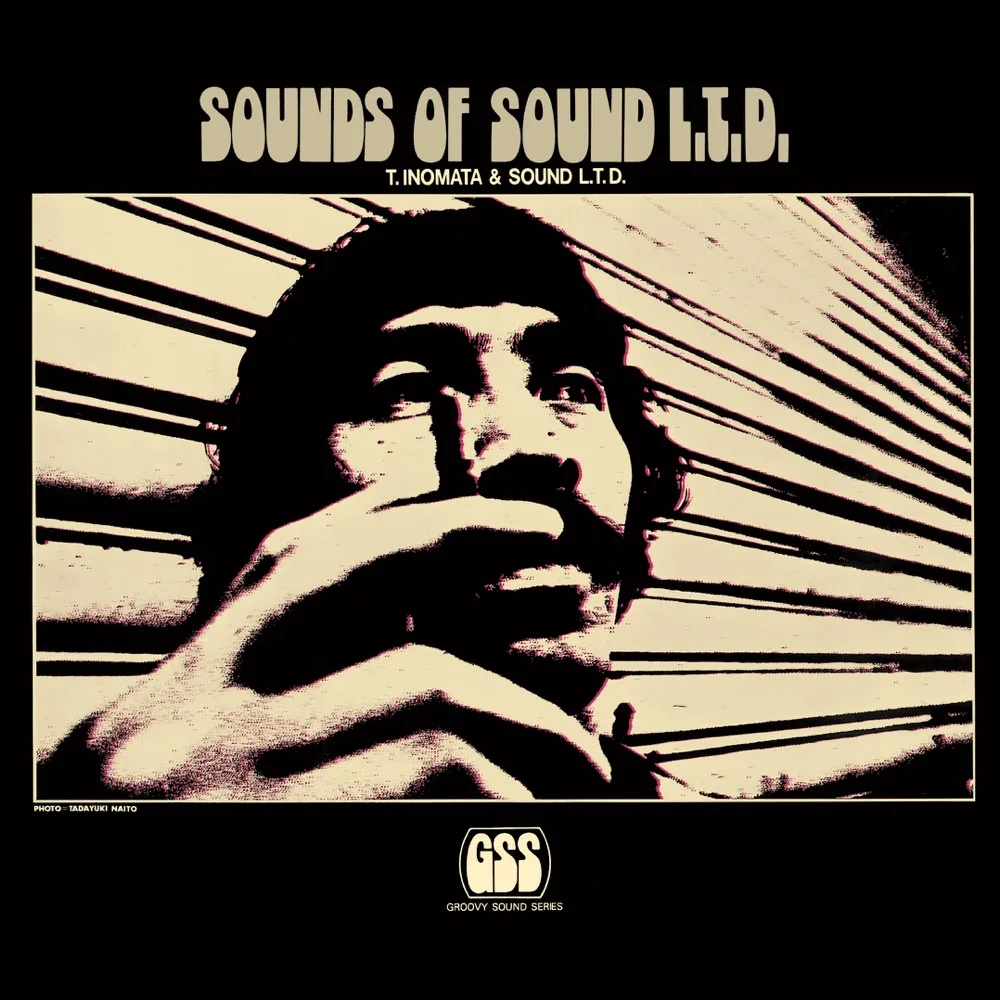
Cover of *Sounds of Sound L.T.D.* (Columbia, 1970) by Takeshi Inomata & Sound L.T.D., one of the albums on which Shigemichi Domoto plays trombone. It is not a photograph of him. Standard copyright, all rights reserved, held by Nippon Columbia. This is not a Creative Commons or public-domain image; it is an album cover shown as an honestly disclosed editorial identification image. — https://music.apple.com/jp/album/sounds-of-sound-l-t-d/1721496903 (Apple Music artwork, 1000 x 1000 version)
Shigemichi Domoto (堂本重道) is a Japanese trombonist who also played bass trombone and tuba, and whose documented recording career runs from 1970 to 1978. All of it is as a sideman, apart from one arranger credit. No album carries his name as leader, and the Discogs profile for him reads, in full, "Trombone player." No source found gives his date or place of birth, his training, or whether he is living, so none of those is stated here. What can be stated is the credit trail: Discogs lists 21 releases for him, the Jazz Shiryokan database lists six jazz albums under the instrument line "Trombone, Bass Trombone, Tuba," and Nippon Columbia's own pages for three of the records print his name.
The kanji 堂本重道 comes from those Columbia pages and from Discogs, which carries it as a name variation taken from sleeve credits. Individual sleeves also print the name as Shigemichi Dohmoto, Shigemichi Doumoto and S. Domoto. Every release he is credited on is a Japanese issue on a Japanese label, and the recording venues that are documented, among them Tokyo Studio Centre, CBS/Sony's No. 1 Studio, Shibuya Kokaido and the Hibiya open-air hall, are in Tokyo. That is the basis for describing him as a Japanese musician of the Tokyo studios of the 1970s, although his birthplace is not documented.
His earliest recorded work is for the drummer Takeshi Inomata's band Sound Limited. The notes that accompany Nippon Columbia's reissue of its debut say Inomata formed the band at the end of the 1960s under the influence of brass rock, aiming to fuse jazz and rock with a large, energetic ensemble of young players. That debut, Sounds of Sound L.T.D., was recorded at Tokyo Studio Centre on 25 to 27 March 1970 and issued by Columbia that August. Domoto and Takashi Imai make up its two-man trombone section, beside the trumpeters Shunzo Ohno and Takashi Kumagai, the tenor saxophonist Takao Uematsu, the flutist Toshiaki Yokota, the guitarists Ryo Kawasaki and Shigenori Kamiya, the organist Yusuke Hoguchi and the bassist Jun Suzuki. Nippon Columbia now describes the record as a landmark of Japanese jazz rock, says it appeared on the cover of the guide 和ジャズ・ディスク・ガイド, and reissued it on LP in 2014 in a run of 500 copies. Domoto is credited on three more Sound Limited albums, Sound Ltd. (recorded in April 1970), New Rock In Europe: Sound Ltd. 2 (recorded 22 June 1970 in co-operation with the TBS television programme Young 720, with Domoto credited on bass trombone as well as trombone) and Innocent Canon (recorded 21 February 1971, trombone and vibraphone). He is also on the live compilation Sensational Jazz '70, recorded at Shibuya Public Hall on 30 April 1970, where Sound Limited's "Mustache" is one of the eight sets.
He played with Jiro Inagaki's Soul Media that summer as well. On 21 July 1970 he and Imai were the trombones at the Hibiya Amphitheater concert that Columbia issued in November as Jazz & Rock "Out" (the album bills the band as Soul Big Media), and Nippon Columbia's page for the CD reissue calls it a standout example of early Japanese jazz rock. In April 1973 he was one of the three trombonists, with Kazuo Usui and Tadataka Nakazawa, on Hiromasa Suzuki's By The Red Stream, a composition for Inagaki's Big Soul Media that the reissue notes describe as an anti-war concept album blending jazz rock and free jazz.
Norio Maeda's arrangements carry the rest of the Inomata work. Domoto is on Jazz Rock in Stravinsky (Liberty, 1970), Maeda's version of Petrushka and The Rite of Spring, one ballet to a side, and on Fantastic Sounds In Shino Flute, recorded 4 and 5 November 1970 with the shino-bue player 藤舎推峰. Then came The Third, the big band that Discogs credits Inomata with leading and Maeda with arranging and conducting. He is one of four trombonists on Hare Krishna / The Third First Album (recorded 6 and 10 April 1971) and on Morning Glory / The Third 2 (recorded 20 and 26 December 1971 at Mouri Studio), where he is also credited on tuba. The concert of 4 December 1974 at Shibuya Kokaido was issued by RCA as two LPs, Dedicated To Duke Ellington and The Third Concert / Original Compositions By Norio Maeda, and on both Discogs lists him on tuba and bass trombone. The last credit with the band that Discogs lists is Take The "A" Train, recorded at Toshiba EMI No. 1 Studio on 13 September 1977.
The credit furthest from the Inomata circle is not a trombone part. On 10 May 1972 King Records issued Akira Fuse's single 愛すれど切なく / マイ・ウェイ, whose B-side is Fuse's Japanese-language "My Way," with lyrics by Jun Nakajima and accompaniment credited to Allstars Leon. Discogs credits the arrangement to Domoto, on the single and on King's four-track EP デラックス4. Japanese Wikipedia repeats the credit (arrangement 堂本重道) and says Fuse has sung the song on NHK's Kohaku Uta Gassen four times, in 1972, 2004, 2009 and 2025. It does not say which arrangement was used on those occasions.
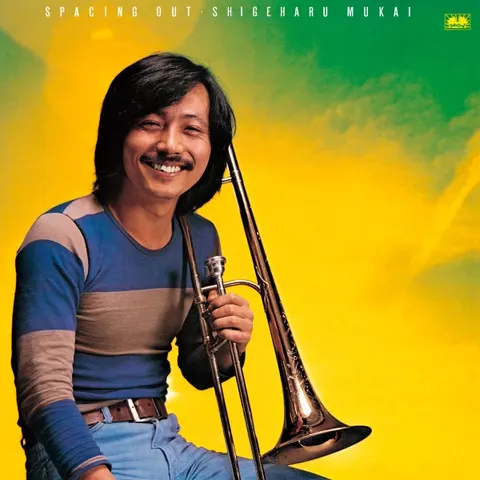
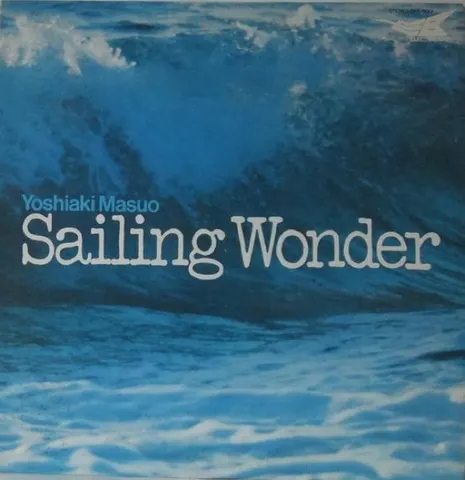
The remaining credits are session work. He plays trombone on two tracks of guitarist Yoshiaki Masuo's 24 (CBS/Sony, recorded 12 and 19 October 1970), one of them a piece credited to Masuo and Sadao Watanabe together; on Isao Eto's 1972 Polydor album with the Kenny Wood Orchestra, again arranged by Maeda; on two tracks of Saori Yuki's 1973 album ルーム・ライト; in a five-trombone section on Tadao Hayashi's harp album Finger Trip (Zen, 1978), with Inomata on drums; and as bass trombonist on Yumi Sato's ロンリーガール (Invitation, released 25 February 1978), whose horn section also has Shigeharu Mukai. The two 1978 albums are the latest releases carrying his name, and nothing found under it is dated later.
One further credit is in print but cannot be tied to him. Japanese Wikipedia's track listing for the group Lemon Pie's 1975 album 旅のスケッチ〜愛と冒険の旅〜 (Elec Records, AIL-13) credits arrangements on five tracks to a 堂本重道. The name is identical, but the listing does not say whether this is the trombonist, so it is left out of his credits.
What is not known is most of a life. No interview with him was found, and no birth date, birthplace, teacher or obituary. He has no article of his own on English or Japanese Wikipedia, which name him only in the personnel lists of other articles (Jiro Inagaki, the drummer Sadakazu Tabata and the song "My Way"), and no entry on Wikidata or MusicBrainz turned up. Whether he kept playing after 1978 is not documented.
What the sources allow is a description of the chairs he held, not of a personal style. In Sound Limited he is one of two trombones in a front line of two trombones, two trumpets, tenor saxophone and flute, with two electric guitars, organ, electric bass and drums behind them, the large jazz-rock ensemble that the reissue notes describe. In The Third he is one of four trombonists in a big band playing Maeda's arrangements, and on the Duke Ellington tribute concert of 1974 he takes the low parts, tuba and bass trombone. He adds vibraphone on Innocent Canon, which Discogs tags Jazz-Rock, Free Jazz and Soul-Jazz, and bass trombone on New Rock In Europe.
Across the 21 Discogs releases the styles listed are Jazz-Rock, Jazz-Funk, Free Jazz, Soul-Jazz, Post Bop, Hard Bop, Big Band, Contemporary Jazz and, on the Tadao Hayashi album, Easy Listening. Discogs lists Jazz among the genres of 18 of the 21; the other three are Akira Fuse's two 1972 King releases and Saori Yuki's 1973 album, which it files under Pop. His one arranger credit, the Fuse "My Way," therefore sits outside the jazz work. No statement by him about influences, teachers or approach was found, so none is asserted here.
- Sounds of Sound L.T.D. (1970, Columbia HS-7001-CT, Takeshi Inomata & Sound Limited) - Recorded 25 to 27 March 1970. Domoto and Takashi Imai are the trombones, and Nippon Columbia's own page for the reissue prints his name. Spotify - Sounds of Sound L.T.D. · YouTube - official video of "Theme / Mustache" Listen
- Jazz & Rock "Out" (1970, Columbia JPS-5215, Jiro Inagaki & Soul Media) - The Hibiya Amphitheater concert of 21 July 1970, with Domoto and Imai on trombones. Spotify - Jazz & Rock "Out" · Apple Music Listen
- Hare Krishna / The Third First Album (1971, Express ETP-9032, The Third) - The first album by Inomata's big band, one of four trombones. YouTube - full album Listen
- Morning Glory / The Third 2 (1972, Express ETP-9527Z, The Third) - Credited on trombone and tuba. YouTube - full album Listen · Buy
- By The Red Stream (1973, Columbia NCB-7019, Hiromasa Suzuki and Jiro Inagaki & Big Soul Media) - One of three trombones on Suzuki's four-part composition. Spotify - By The Red Stream · YouTube - official video Listen
- Dedicated To Duke Ellington (1975, RCA JRS-8501, The Third) - The Third's concert of 4 December 1974, on which he plays tuba and bass trombone. YouTube - full LP Listen
- Innocent Canon (1971, King SKK 3011, Takeshi Inomata & Sound Limited) - The Sound Limited album on which he is credited on vibraphone as well as trombone. Apple Music - Innocent Canon Listen · Buy
- 愛すれど切なく / マイ・ウェイ (1972, King BS-1517, Akira Fuse) - Fuse's Japanese "My Way" on the B-side, arranged by Domoto. Apple Music · YouTube Listen · Buy
Shigemichi Domoto (堂本重道) - Full Discography
Japanese trombonist, also credited on bass trombone and tuba. Discogs artist 1071076. He has no release under his own name: every credit below is as a band member, sideman or, once, arranger. Date and place of birth are not published, and nothing found after 1978 carries his name.
Name variations on record: 堂本重道, Shigemichi Dohmoto, Shigemichi Doumoto, S. Domoto.
Group affiliation on Discogs: Takeshi Inomata & Sound Limited.
Counts: Discogs lists 21 releases for him, all as sideman or arranger and all Japanese issues, from 1970 to 1978. The Jazz Shiryokan database lists six of the same albums as his "participating albums" and none as leader. Recording dates and venues are given where the release record states them. Listen links are given only where a matching release could be confirmed; the Buy column is a plain Amazon search link for the release.
Leader
No release is credited to him as leader.
Takeshi Inomata & Sound Limited (1970 to 1971)
Takeshi Inomata's horn-heavy jazz-rock band. Domoto is credited on four of its albums and on the live compilation that carries its set from April 1970. In the two-trombone section he shares the chair with Takashi Imai.
| Album | Year | Label | Personnel | Notes | Listen | Buy |
|---|---|---|---|---|---|---|
| Sounds of Sound L.T.D. (サウンド・オブ・サウンド・リミテッド) | 1970 | Columbia, HS-7001-CT | Takeshi Inomata (drums, music director); Jun Suzuki (electric bass); Ryo Kawasaki (electric guitar); Shigenori Kamiya (electric guitar); Toshiaki Yokota (flute); Yusuke Hoguchi (organ); Takao Uematsu (tenor saxophone); Shigemichi Domoto (trombone); Takashi Imai (trombone); Shunzo Ohno (trumpet); Takashi Kumagai (trumpet) | Recorded at Tokyo Studio Centre, 25 to 27 March 1970; first issued August 1970. Seven tracks: "Theme~Mustache", "Tak's Tune", "Joint", "Monster", "Lullaby For Yuh", "Scotland Scene", "Theme"; Discogs credits the writing to Takeshi Inomata on five of them, to Takashi Imai on "Joint" and to Norio Maeda on "Monster". Nippon Columbia's own page prints his name as 堂本重道 and calls the record a landmark of Japanese jazz rock; it reissued it on LP on 29 January 2014 (COJY-9279, limited to 500 copies). Discogs tags: Jazz / Jazz-Rock, Jazz-Funk. Discogs release 4204564. | Spotify · Apple Music · YouTube, official video of "Theme / Mustache" | Amazon |
| Sound Ltd. | 1970 | Express, EP-7761 | Norio Maeda (arranged by); Takashi Imai (arranged by, trombone); Takeshi Inomata (arranged by, drums); Jun Suzuki (electric bass, bass [stand up]); Ryo Kawasaki (electric guitar); Shigenori Kamiya (electric guitar); Toshiaki Yokota (flute, recorder); Yusuke Hoguchi (organ [hammond]); Takao Uematsu (tenor saxophone); Shigemichi Domoto (trombone); Shunzo Ohno (trumpet); Takashi Kumagai (trumpet) | Recorded 4, 11 and 25 April 1970. Nine tracks: "Overture", "South California Purples", "Sometimes In Winter", "Tag 5 Tune", "Tell All The People", "It Better End Soon", "God Bless The Child", "Pacific C-55", "Underture". Arrangements by Norio Maeda (five tracks), Takeshi Inomata (three) and Takashi Imai ("Tag 5 Tune"). Discogs tags: Jazz, Rock / Jazz-Rock, Jazz-Funk. Discogs release 3772670. | YouTube, "South California Purples" | Amazon |
| Sensational Jazz '70: Vol. 1/2 (センセーショナル・ジャズ'70, various artists) | 1970 | Columbia, PSS-10025-6-J (2 LPs) | Jun Suzuki (bass); Takeshi Inomata (drums); Toshiaki Yokota (flute); Ryo Kawasaki (guitar); Shigenori Kamiya (guitar); Yusuke Hoguchi (organ); Takao Uematsu (tenor saxophone); Shigemichi Domoto (trombone); Takashi Imai (trombone); Shunzo Ohno (trumpet); Takashi Kumagai (trumpet) | Live recording made on 30 April 1970 at Shibuya Public Hall, issued 28 July 1970. Discogs credits Domoto, on trombone, on side D track 2, "Mustache" (マスターシュ), played by Takeshi Inomata & Sound Limited. The eight sets on the concert were by Toshiyuki Miyama & The New Herd with Terumasa Hino, the Itaru Oki Trio, the Terumasa Hino Quintet with George Ohtsuka, the Mototeru Takagi Trio, Akira Ishikawa & Count Buffaloes, the Hiroshi Suzuki Sextet, Jiro Inagaki & Soul Media and Sound Limited. Nippon Columbia's J-DIGS series has since issued a Vol. 2 digitally. Discogs release 4093624. | Bandcamp, J-DIGS Vol. 2 | Amazon |
| New Rock In Europe - Sound Ltd. 2 | 1971 | Express, EP-7776 | Norio Maeda (arranged by); Shigeo Suzuki (arranged by); Takeshi Inomata (arranged by, drums, percussion); Jun Suzuki (electric bass); Shigenori Kamiya (electric guitar); Kimio Mizutani (electric guitar, percussion); Toshiaki Yokota (flute, alto flute, bass flute); Yusuke Hoguchi (organ [hammond]); Takao Uematsu (tenor saxophone, soprano saxophone); Shigemichi Domoto (trombone, bass trombone); Takashi Imai (trombone, bass trombone); Shunzo Ohno (trumpet, flugelhorn) | Recorded 22 June 1970 at Toshiba Music Industries 1st Studio, in co-operation with the TBS television programme Young 720. Domoto is credited on trombone and bass trombone. Eight tracks, among them "Something", "A Time For Us (Romeo And Juliet)", "Barabajagal", "Hurdy Gurdy Man" and "Greensleeves". Discogs tags: Jazz / Jazz-Funk. Discogs release 12437499. | YouTube, full album | Amazon |
| Innocent Canon | 1971 | King Records, SKK 3011 | Takeshi Inomata (drums); Jun Suzuki (electric bass, electric bass [fender], whistling [solo], melodica [pianica]); Kimio Mizutani (electric guitar, acoustic guitar [folk], sitar); Shigehito Ohara (electric piano, organ [hammond], piano); Toshiaki Yokota (flute [bass, alto, block], piccolo flute); Tenmei Kanoh (narrator); Osamu Nakajima (percussion); Jake H. Concepcion (soprano saxophone, alto saxophone, tenor saxophone, flute); Shigemichi Domoto (trombone, vibraphone); Shunzo Ohno (trumpet, flugelhorn); Takehisa Suzuki (trumpet, trumpet [piccolo], flugelhorn) | Recorded 21 February 1971. Domoto is credited on trombone and vibraphone. Seven tracks: "Introduction", "Janis's Death", "Go For Nothing", "Child And I", "Blue", "Alone", "Epilog"; the Apple Music edition prints single-character titles for the same seven. Discogs tags: Jazz-Rock, Free Jazz, Soul-Jazz. Discogs release 19055359. | Apple Music | Amazon |
| Jazz Rock in Stravinsky (as Takeshi Inomata And His Group) | 1970 | Liberty, LPC-8027 | Yasuo Arakawa (acoustic bass [stand up bass]); Norio Maeda (arranged by, conductor); Tadayuki Harada (baritone saxophone); Makio Shimizu (clarinet, bass clarinet); Shigeo Suzuki (clarinet, soprano saxophone); Takeshi Inomata (drums); Jun Suzuki (electric bass); Sadanori Nakamure (electric guitar [rhythm]); Kousei Mizutani (electric guitar [solid guitar]); Takashi Asahi (flute); Toshiaki Yokota (flute); Katsuyoshi Kurosawa (horn); Koji Yamaguchi (horn); Keisuke Egusa (keyboards [keyboard instrument]); Iguchi Hiroyuki (oboe); Kenji Shiraishi (percussion [keyboard percussion]); Yasukazu Amemiya (percussion [keyboard percussion]); Osamu Nakajima (percussion [latin]); Yukio Eto (piccolo flute); Shigemichi Domoto (trombone); Takashi Imai (trombone); Yoshitsugu Nishimura (trombone); Kunitoshi Shinohara (trumpet); Shunzo Ohno (trumpet); Takehisa Suzuki (trumpet); Tetsuo Fushimi (trumpet) | Norio Maeda's arrangements of Petrushka (14:40) and The Rite Of Spring (16:42), one ballet to a side. Domoto is one of three trombonists, with Takashi Imai and Yoshitsugu Nishimura. Discogs tags: Jazz, Rock / Jazz-Rock, Experimental. Discogs release 17892292. | YouTube, full album | Amazon |
| Fantastic Sounds In Shino Flute (幽玄の世界, 藤舎推峰 and Norio Maeda) | 1971 | Express, ETP-9019 | Norio Maeda (arranged by, conductor, organ); Jun Suzuki (bass); Makio Shimizu (bass clarinet, alto saxophone); Takeshi Inomata (drums); Kimio Mizutani (electric guitar); Shigehito Ohara (electric piano); 藤舎推峰 (flute); Shigemichi Domoto (trombone); Shunzo Ohno (trumpet); Takehisa Suzuki (trumpet) | Recorded 4 and 5 November 1970. The shino-bue player 藤舎推峰 with Norio Maeda arranging and conducting; Discogs lists Takeshi Inomata & Sound Limited as performer. Six tracks on side one and a three-movement Concerto For Shino Flute And Rock Band on side two. Discogs tags: Jazz, Rock, Funk / Soul; Acid Rock, Avant-garde Jazz, Jazz-Rock, Psychedelic, Jazz-Funk. Discogs release 11448335. | YouTube, full album | Amazon |
The Third (Takeshi Inomata and Norio Maeda, 1971 to 1977)
The big band that Discogs credits Takeshi Inomata with leading and Norio Maeda with arranging and conducting. Domoto is one of four trombonists on each of its albums and is credited on tuba on three of them.
| Album | Year | Label | Personnel | Notes | Listen | Buy |
|---|---|---|---|---|---|---|
| Hare Krishna / The Third First Album (ハレ・クリシュナ/ザ・サード・ファースト・アルバム) | 1971 | Express, ETP-9032 | Makio Shimizu (alto saxophone); Norio Maeda (arranged by, conductor, electric piano [fender], organ [hammond]); Tadayuki Harada (baritone saxophone); Takeshi Inomata (drums, leader); Jun Suzuki (electric bass, bass); Sadanori Nakamure (electric guitar); Kimio Mizutani (electric guitar [solid]); Osamu Nakajima (percussion); Jake H. Concepcion (saxophone); Shigeo Suzuki (saxophone); Ichiro Mimori (tenor saxophone); Haruo Yamashita (trombone); Kiji Nishimura (trombone); Shigemichi Domoto (trombone); Tadataka Nakazawa (trombone); Shunzo Ohno (trumpet); Takehisa Suzuki (trumpet); Teruyuki Fukushima (trumpet); Tetsuo Fushimi (trumpet) | Recorded 6 and 10 April 1971. Four trombones: Haruo Yamashita, Kiji Nishimura, Domoto and Tadataka Nakazawa. Six tracks: "Locrian Locomotion", "Wichita Lineman", "The Fool On The Hill", "Seven Four", "Didn't We", "Hare Krishna". Discogs tags: Jazz-Rock, Post Bop. Discogs release 7445709. | YouTube, full album | Amazon |
| Morning Glory / The Third 2 | 1972 | Express, ETP-9527Z (quadraphonic) | Jun Suzuki (bass); Norio Maeda (composed by, arranged by, piano, organ); Takeshi Inomata (drums, leader); Kimio Mizutani (electric guitar); Sadanori Nakamure (electric guitar); Osamu Nakajima (percussion); Ichiro Mimori (saxophone); Jake H. Concepcion (saxophone); Makio Shimizu (saxophone); Shigeo Suzuki (saxophone); Tadayuki Harada (saxophone); Haruo Yamashita (trombone); Shigemichi Domoto (trombone, tuba); Tadataka Nakazawa (trombone); Yoshitsugu Nishimura (trombone); Kenji Yoshida (trumpet); Shunzo Ohno (trumpet); Takehisa Suzuki (trumpet); Teruyuki Fukushima (trumpet); Tetsuo Fushimi (trumpet) | Recorded 20 and 26 December 1971 at Mouri Studio. Domoto is credited on trombone and on tuba. Five tracks: "The Chant Of Morning Glory", "In Quiet", "Song Of Cradle", "Sleeper", "Alone". Reissued in 1978 as Express ETJ-60007. Discogs tags: Jazz-Rock, Jazz-Funk, Post Bop, Contemporary Jazz. Discogs release 7445565. | YouTube, full album | Amazon |
| Dedicated To Duke Ellington / The Third Concert | 1975 | RCA, JRS-8501 (stereo); R4J-7083 (quadraphonic) | Shigeo Suzuki (alto saxophone, clarinet, flute); Jake H. Concepcion (alto saxophone, soprano saxophone, flute); Tadayuki Harada (baritone saxophone, bass clarinet); Yasuo Arakawa (bass); Norio Maeda (composed by, arranged by, piano); Takeshi Inomata (drums); Kimio Mizutani (guitar); Sadanori Nakamure (guitar); Osamu Nakajima (percussion); Ichiro Mimori (tenor saxophone, soprano saxophone, flute); Haruo Yamashita (trombone); Kiji Nishimura (trombone); Tadataka Nakazawa (trombone); Teruyuki Fukushima (trumpet, flugelhorn); Tetsuo Fushimi (trumpet, flugelhorn); Takehisa Suzuki (trumpet, flugelhorn, piccolo trumpet); Kenji Yoshida (trumpet); Shigemichi Domoto (tuba, bass trombone) | Recorded 4 December 1974 at Shibuya Kokaido, Tokyo; the first of two LPs from the same concert. Domoto is credited on tuba and bass trombone. Six tracks: "Take The 'A' Train", "Sophisticated Lady", "It Don't Mean A Thing If It Ain't Got That Swing", "Mood Indigo", "Caravan", "Skin Deep". Credits above are read from the quadraphonic edition, Discogs release 13391916. | YouTube, full LP | Amazon |
| The Third Concert / Original Compositions By Norio Maeda | 1975 | RCA, JRS-8502 | Shigeo Suzuki (alto saxophone, clarinet, flute); Jake H. Concepcion (alto saxophone, soprano saxophone, flute); Tadayuki Harada (baritone saxophone, bass clarinet); Yasuo Arakawa (bass); Norio Maeda (composed by, arranged by, piano); Takeshi Inomata (drums); Kimio Mizutani (guitar); Sadanori Nakamure (guitar); Osamu Nakajima (percussion); Konosuke Saijo (tenor saxophone); Ichiro Mimori (tenor saxophone, soprano saxophone, flute); Haruo Yamashita (trombone); Kiji Nishimura (trombone); Tadataka Nakazawa (trombone); Teruyuki Fukushima (trumpet, flugelhorn); Tetsuo Fushimi (trumpet, flugelhorn); Kenji Yoshida (trumpet); Takehisa Suzuki (trumpet, trumpet [piccolo], flugelhorn); Shigemichi Domoto (tuba, bass trombone) | The second LP from the 4 December 1974 concert, with Maeda's own pieces: "The Chant Of Morning Glory", "In Quiet", "6/8 + 3/4 = 11/2", "Lost World", "Cradle Song", "Resignation". Domoto is credited on tuba and bass trombone. Konosuke Saijo plays tenor saxophone on track B1. Discogs release 6482822. | not found | Amazon |
| Take The "A" Train | 1977 | Toshiba Records, LF-95011 | Shigeo Suzuki (alto saxophone); Norio Maeda (arranged by); Shunzo Sunahara (baritone saxophone); Yasuo Arakawa (bass); Takeshi Inomata (drums); Sadanori Nakamure (electric guitar, guitar); Kenji Yoshida (flugelhorn, trumpet); Takeru Shiroiso (flugelhorn, trumpet); Tetsuo Fushimi (flugelhorn, trumpet); Ichiro Mimori (tenor saxophone, soprano saxophone); Hirotaka Fukui (trombone); Michio Kagiwada (trombone); Shigemichi Domoto (trombone); Tadataka Nakazawa (trombone); Teruyuki Fukushima (trumpet) | Recorded 13 September 1977 at Toshiba EMI No. 1 Studio. Four tracks: "Take The 'A' Train", "Yurikago No Uta", "Kiraku Ni Ikoze", "Sophisticated Lady"; "Yurikago No Uta" and "Kiraku Ni Ikoze" are credited to Norio Maeda as writer. Four trombones: Hirotaka Fukui, Michio Kagiwada, Domoto and Tadataka Nakazawa. Discogs tags: Hard Bop, Big Band. Discogs release 2056543. | YouTube, full album | Amazon |
Jiro Inagaki & Soul Media (1970 and 1973)
Jiro Inagaki's jazz-rock band, billed as Soul Big Media or Big Soul Media on the two albums below. Domoto is a trombonist on both.
| Album | Year | Label | Personnel | Notes | Listen | Buy |
|---|---|---|---|---|---|---|
| Jazz & Rock "Out" (真夏の夜のロック) | 1970 | Columbia, JPS-5215 | Shigeo Suzuki (alto saxophone); Tadayuki Harada (baritone saxophone); Yasuo Arakawa (bass); Sadakazu Tabata (drums); Ryo Kawasaki (guitar); Masaru Imada (organ); Jiro Inagaki (tenor saxophone); Shigemichi Domoto (trombone); Takashi Imai (trombone); Shunzo Ohno (trumpet); Takehisa Suzuki (trumpet); Tetsuo Fushimi (trumpet) | Recorded live at the "Midsummer Night's Jazz & Rock" concert at Hibiya Amphitheater on 21 July 1970 and issued 25 November 1970. Nippon Columbia's page for its 2012 CD reissue (COCB-54008) names 堂本重道 and Takashi Imai on trombone. Eight tracks, including "Free Rock", "Freedom Jazz Dance", "Oh Happy Day" and "Spinning Wheel". Discogs tags: Jazz-Rock. Discogs release 18941098. | Spotify · Apple Music | Amazon |
| By The Red Stream (バイ・ザ・レッド・ストリーム) | 1973 | Columbia, NCB-7019 | Shigeo Suzuki (alto saxophone); Jiro Inagaki (alto saxophone, tenor saxophone); Tadayuki Harada (baritone saxophone); Yasuo Arakawa (bass); Hajime Ishimatsu (drums); Tsunehide Matsuki (guitar); Masaru Imada (piano, organ); Hiromasa Suzuki (piano, organ, composed by, arranged by, conductor); Kazuo Usui (trombone); Shigemichi Domoto (trombone); Tadataka Nakazawa (trombone); Takehisa Suzuki (trumpet); Takeshi Nomura (trumpet); Tetsuo Fushimi (trumpet) | Released 25 April 1973 as a Hiromasa Suzuki composition, arrangement and conducting date for Jiro Inagaki & Big Soul Media. Four tracks: "By The Red Stream", "Warm, Honest And Love", "There Is Not Any War To End The War", "Something Over The War". Three trombones: Kazuo Usui, Domoto and Tadataka Nakazawa. Nippon Columbia's page for the 2012 CD reissue (COCB-54006) lists 堂本重道 on trombone. Discogs tags: Jazz-Rock. Discogs release 17575675 (a promotional copy). | Spotify · Apple Music · YouTube, official video | Amazon |
Other jazz and jazz-leaning sessions (1970 to 1978)
The Artist column gives the leader or billed artist of each release.
| Album | Artist | Year | Label | Personnel | Notes | Listen | Buy |
|---|---|---|---|---|---|---|---|
| 24 | Yoshiaki Masuo | 1970 | CBS/Sony, SOPC 57103-J | Yoshio Suzuki (bass, percussion, cello, electric bass); Motohiko Hino (drums); Hiro Tsunoda (drums, percussion); Hideo Ichikawa (electric piano); Sadao Watanabe (flute, percussion); Yoshiaki Masuo (guitar); Shigemichi Domoto (trombone); Takashi Imai (trombone); Kazutoshi Ohkubo (trumpet); Takehito Fujioka (trumpet); Tetsuo Fushimi (trumpet) | Recorded 12 and 19 October 1970 at CBS/Sony No. 1 Studio, Tokyo. Domoto is credited on trombone on B2 "Dirty Mashy Joe" and B3 "Round Trip: Coming", where he and Takashi Imai are the trombones and Tetsuo Fushimi, Takehito Fujioka and Kazutoshi Ohkubo the trumpets. Sadao Watanabe plays flute and percussion on B1 and is credited, with Masuo, as composer of B3; Motohiko Hino drums on A1 and A3. Discogs tags: Jazz-Rock, Contemporary Jazz. Discogs release 5523362. | Apple Music | Amazon |
| 江藤勲ベース!ベース!ベース!さすらいの天使 | Isao Eto (江藤勲), billed as Isao Eto & Kenny Wood Orchestra | 1972 | Polydor, MR3200 | Shigeo Suzuki (alto saxophone, soprano saxophone, flute); Norio Maeda (arranged by); Hajime Ishimatsu (drums); Isao Eto (electric bass); Kimio Mizutani (guitar); Minoru Kuribayashi (organ [hammond organ]); Masayoshi Shirasu (trombone); Shigemichi Domoto (trombone); Tadataka Nakazawa (trombone); Akira Miyashita (trumpet); Masanobu Arao (trumpet) | Gatefold LP by the electric bassist Isao Eto and the Kenny Wood Orchestra, arranged by Norio Maeda; the 14 tracks are Japanese pop songs and Western pop numbers such as "Mamy Blue", "Imagine" and "Superstar". Three trombones: Masayoshi Shirasu, Domoto and Tadataka Nakazawa. Discogs tags: Jazz, Rock, Funk / Soul, Pop. Discogs release 37890021. | not found | Amazon |
| Finger Trip (フィンガー・トリップ) | Tadao Hayashi (林忠男) | 1978 | Zen, ZEN-1002 | Akitoshi Igarashi (alto saxophone); Fumio Hayashi (alto saxophone); Shoji Yokouchi (arranged by, guitar); Masao Shirako (baritone saxophone); Kunimitsu Inaba (bass); Hajime Ishimatsu (drums); Takeshi Inomata (drums); Tadao Hayashi (harp); Yuri Tashiro (organ); Younosuke Segami Group (percussion); Tomato Group (strings); Nobuo Tanabe (tenor saxophone); Satoru Oda (tenor saxophone); Akira Fujimoto (trombone); Kazuo Usui (trombone); Seiichi Tokura (trombone); Shigemichi Domoto (trombone); Shigeyuki Sugimoto (trombone) | Domoto is credited on trombone on A2 "This Masquerade" and B3 "So In Love", in a five-trombone section with Akira Fujimoto, Kazuo Usui, Seiichi Tokura and Shigeyuki Sugimoto. Takeshi Inomata drums on A1 to A3 and B5. His name is printed here as Shigemichi Doumoto. Discogs tags: Jazz / Easy Listening. Discogs release 2394651. | YouTube, "This Masquerade" | Amazon |
| ロンリーガール = Lonely Girl | Yumi Sato (佐藤由美) | 1978 | Invitation, VIH-6016 | Toshiaki Usui (acoustic guitar); Takeru Muraoka (alto saxophone, tenor saxophone); Ryoichi Kuniyoshi (arranged by); Shigemichi Domoto (bass trombone); Motoya Hamaguchi (congas, timbales, percussion); Yuichi Togashiki (drums); Kenji Takamizu (electric bass); Kenji Omura (electric guitar); 金 國囍 (keyboards, vibraphone, marimba); Nobu Saito (percussion); Shigeharu Mukai (trombone); Kenji Nakazawa (trumpet); Kenji Yoshida (trumpet); 佐藤由美 (vocals, chorus) | Released 25 February 1978. Domoto is credited on bass trombone; the horn section on the album also has Shigeharu Mukai on trombone. Ten tracks. Discogs tags: Jazz, Pop / City Pop, Ballad, Jazz-Funk. Discogs release 9787647. | YouTube, full album with two bonus tracks | Amazon |
Pop and vocal sessions
Discogs files these three releases under Pop. They are included because they carry an arranger credit and a trombone credit for him.
| Album | Artist | Year | Label | Credit | Notes | Listen | Buy |
|---|---|---|---|---|---|---|---|
| 愛すれど切なく / マイ・ウェイ | Akira Fuse (布施明) | 1972 | King Records, BS-1517 (7-inch single) | Shigemichi Domoto (arranged by, B-side) | Released 10 May 1972. The B-side is Fuse's Japanese-language "My Way" (マイ・ウェイ), with lyrics by Jun Nakajima and accompaniment credited to Allstars Leon; Discogs credits the arrangement to 堂本重道. Japanese Wikipedia repeats the arrangement credit and says Fuse has sung the song at NHK's Kohaku Uta Gassen four times, in 1972, 2004, 2009 and 2025. Discogs release 10905009. | Apple Music · YouTube | Amazon |
| デラックス4 | Akira Fuse (布施明) | 1972 | King Records, SS-423 (7-inch, 33 RPM) | Shigemichi Domoto (arranged by, B2 "My Way") | Four-track King Records EP: "愛すれど切なく", "海を見つめて", "何故" and "マイ・ウェイ". Arrangers on the other tracks are Hiroshi Miyagawa (A1, A2) and Ken-Ichiro Morioka (B1). Discogs release 5488945. | not found | Amazon |
| ルーム・ライト オリジナル・ア・ラ・カルト | Saori Yuki (由紀さおり) | 1973 | Express, ETP-8238 | Shigemichi Domoto (trombone, A3 "私は行ってしまう" and A5 "季節模様のセーター") | A large studio cast is credited on the album. On A3 the credited players include Takeru Muraoka (alto saxophone), Jun Fukamachi (piano), Akira Okazawa (electric bass), Takehisa Suzuki and Tetsuo Fushimi (trumpets); Tadataka Nakazawa is the second trombone on A5. Discogs release 30306887. | YouTube, "私は行ってしまう" | Amazon |
A further credit in print, not confirmed as the same person
Japanese Wikipedia's track listing for the group Lemon Pie's first album, 旅のスケッチ〜愛と冒険の旅〜 (Elec Records, AIL-13, 1 November 1975), credits arrangements on five tracks to a 堂本重道: "無人島", "友だちブギ", "妹みたいな女の子", "雨やどり" and "軽気球にのって". The name is the same, but the Wikipedia listing does not say whether this is the trombonist, and Discogs does not carry the credit under his entry, so it is not counted above.
- Takeshi Inomata - drummer and leader of Sound Limited and The Third; Domoto is on 13 releases that also credit him, from Sounds of Sound L.T.D. (1970) to Tadao Hayashi's Finger Trip (1978).
- Norio Maeda - arranger and conductor of The Third and of Jazz Rock in Stravinsky, Fantastic Sounds In Shino Flute and Isao Eto's 1972 Polydor album, and the writer credited on "Monster" from Sounds of Sound L.T.D.; Discogs lists him on 11 of Domoto's 21 releases.
- Shunzo Ohno - trumpeter in the same horn sections on the Sound Limited albums, Jazz & Rock "Out", Jazz Rock in Stravinsky, the first two The Third albums and Innocent Canon.
- Ryo Kawasaki - guitarist on Sounds of Sound L.T.D. and Sound Ltd. (1970) and on Jazz & Rock "Out", all with Domoto on trombone.
- Takao Uematsu - tenor saxophonist on Sounds of Sound L.T.D., Sound Ltd. and New Rock In Europe.
- Toshiaki Yokota - flutist on the four Sound Limited albums Domoto is on, and on Jazz Rock in Stravinsky.
- Shigenori Kamiya - guitarist on Sounds of Sound L.T.D., Sound Ltd. and New Rock In Europe.
- Jun Suzuki - bassist on the Sound Limited albums, Jazz Rock in Stravinsky, Fantastic Sounds In Shino Flute and the first two The Third albums.
- Sadanori Nakamure - guitarist on Jazz Rock in Stravinsky and on all five The Third releases.
- Tadayuki Harada - baritone saxophonist on Jazz Rock in Stravinsky, Jazz & Rock "Out", By The Red Stream, Saori Yuki's 1973 album and the four The Third releases of 1971 to 1975.
- Konosuke Saijo - tenor saxophonist on track B1 of The Third Concert / Original Compositions By Norio Maeda (RCA, 1975), an album on which Domoto plays tuba and bass trombone.
- Jiro Inagaki - leader of Soul Media; Domoto is a trombonist on Jazz & Rock "Out" (1970) and By The Red Stream (1973).
- Masaru Imada - organist on Jazz & Rock "Out" and pianist and organist on By The Red Stream.
- Hiromasa Suzuki - composer, arranger, conductor and keyboardist of By The Red Stream (1973), with Domoto among its three trombones.
- Tsunehide Matsuki - guitarist on By The Red Stream.
- Yoshiaki Masuo - guitarist and leader of 24 (CBS/Sony, 1970), on which Domoto plays trombone on B2 and B3.
- Yoshio Suzuki - bassist, cellist and percussionist on 24.
- Sadao Watanabe - credited, with Masuo, as composer of "Round Trip: Coming," the B3 track of 24 on which Domoto plays.
- Takeru Muraoka - saxophonist on Saori Yuki's 1973 album (alto saxophone on A3, a track Domoto plays on) and on Yumi Sato's ロンリーガール (1978).
- Shigeharu Mukai - trombonist in the horn section of ロンリーガール (1978), on which Domoto plays bass trombone.
- Jun Fukamachi - pianist, composer and arranger of "私は行ってしまう," A3 of Saori Yuki's 1973 album, a track on which Domoto plays trombone.
- Akira Okazawa - electric bassist on A3 and A4 of the same Saori Yuki album.
- Kunimitsu Inaba - bassist on Tadao Hayashi's Finger Trip (1978).
- Akitoshi Igarashi - alto saxophonist on A1 of Finger Trip.
- Shoji Yokouchi - arranger and guitarist on Finger Trip.
- Takashi Imai - his trombone partner on Sounds of Sound L.T.D., Sound Ltd., New Rock In Europe, Jazz Rock in Stravinsky, Jazz & Rock "Out" and 24, arranger of "Tag 5 Tune" on Sound Ltd. and the writer credited on "Joint" on Sounds of Sound L.T.D.
- Tadataka Nakazawa - fellow trombonist on eight of his 21 releases, among them both early The Third albums, Take The "A" Train, By The Red Stream and Isao Eto's 1972 album.
- Tetsuo Fushimi, Takehisa Suzuki, Shigeo Suzuki and Yasuo Arakawa - trumpeters, saxophonist and bassist who recur across the Inomata and Inagaki sessions.
- Akira Fuse - the singer whose 1972 single and EP carry Domoto's arrangement of the Japanese "My Way."
More Jazz Rock Artists
See all 104 Jazz Rock artists →More Japanese Jazz Artists
See all 262 Japanese artists →- Discogs: Shigemichi Domoto
- Jazz Shiryokan: 堂本重道
- Nippon Columbia: Sounds of Sound L.T.D. (COJY-9279)
- Nippon Columbia: Jazz & Rock "Out" (COCB-54008)
- Nippon Columbia: By The Red Stream (COCB-54006)
- Domoto on JazzProfiles.com
- r/JapaneseJazz
- Discogs: Shigemichi Domoto, artist 1071076
- Jazz Shiryokan, musician discography page for 堂本重道 (instruments and six participating albums)
- Nippon Columbia: Sounds of Sound L.T.D. LP reissue page, with personnel
- Nippon Columbia: Jazz & Rock "Out" CD page, with personnel
- Nippon Columbia: By The Red Stream CD page, with personnel
- J-DIGS on YouTube: Theme / Mustache, with personnel in the description
- J-DIGS on YouTube: By The Red Stream, with personnel in the description
- J-DIGS on Bandcamp: Sensational Jazz '70 Vol. 2
- deejay.de: Takeshi Inomata/Sound Limited, Sounds of Sound L.T.D. (HMJY-124)
- Elusive Disc: Takeshi Inomata, New Rock In Europe, with personnel
- Discogs: Takeshi Inomata & Sound Limited, Sounds Of Sound L.T.D.
- Discogs: The Third, Morning Glory / The Third 2
- Discogs: Akira Fuse, 愛すれど切なく / マイ・ウェイ, King BS-1517
- Japanese Wikipedia: マイ・ウェイ
- Japanese Wikipedia: 稲垣次郎
- Japanese Wikipedia: レモンパイ (バンド)