 JAZZPROFILES lives in the music 1,765 Jazz Artists fully Profiled!
Yoshio Otomo
Last updated October 21, 2026
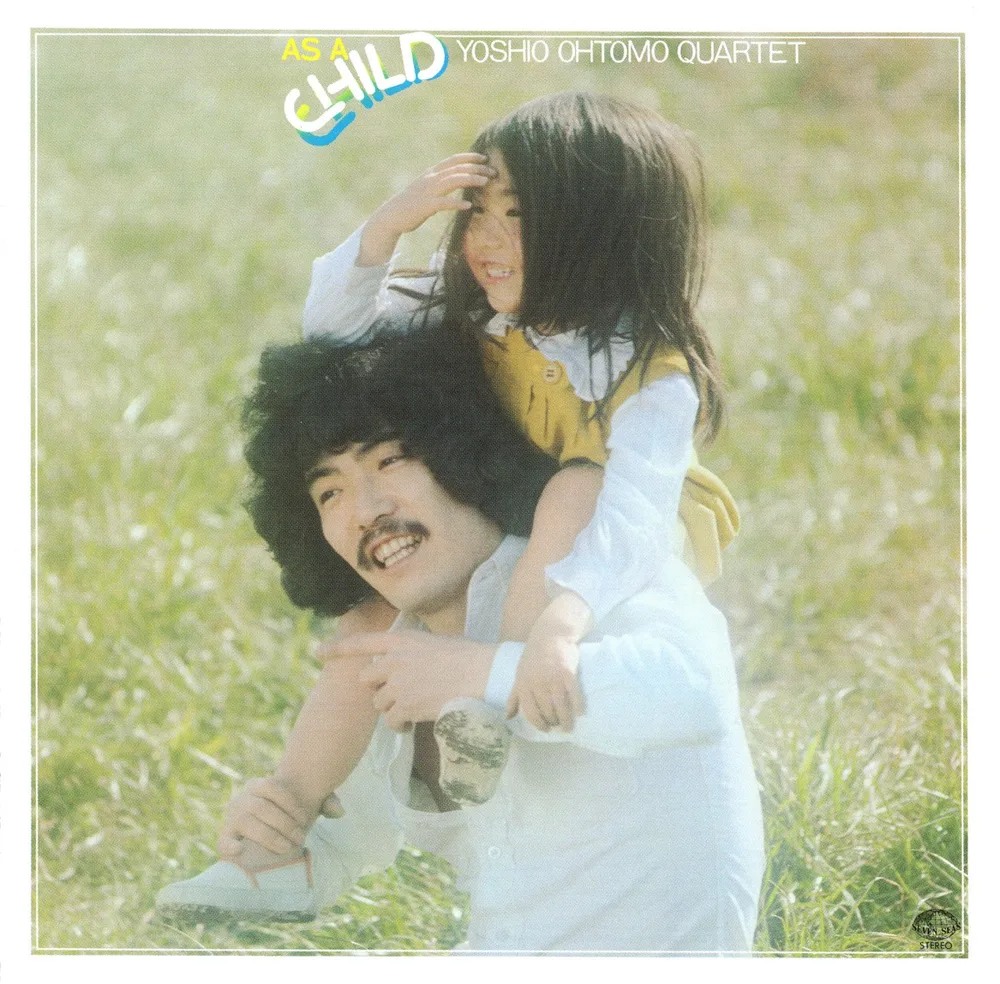
Yoshio Otomo with a child on the cover of As A Child (Seven Seas SKS-3003, 1978), issued under the name Yoshio Ohtomo Quartet. Standard copyright, all rights reserved, held by Seven Seas and its successor rights holders. This is not a Creative Commons or public-domain image; it is an album cover shown as an honestly disclosed editorial identification image. — https://musicbrainz.org/release/0dc30ace-f3cb-454b-a5bd-302cfe545c2d (image: https://coverartarchive.org/release/0dc30ace-f3cb-454b-a5bd-302cfe545c2d/front-1200)
Yoshio Otomo (大友義雄, also romanised Ohtomo) is a Tokyo alto and soprano saxophonist who has been working the city's clubs and studios since the early 1970s. He was born in Tokyo on March 31, 1947, the youngest of three brothers. His official biography says his mother was a teacher of kouta, the short shamisen songs of the Edo tradition, and that his brothers played flute and clarinet. He started on piano at about five, taught himself clarinet in junior high school and played in the brass band, then switched to saxophone on entering Gyosei High School (暁星高校), where he began playing jazz at school festivals.
At Nihon University's College of Art he met an older clarinetist, Eiji Hanaoka (花岡英二), and began playing jazz seriously. The pianist Fumio Itabashi noticed him and brought him into his quintet, which is how his official biography and the Japan Jazz Music Association both describe his entry into the Tokyo scene. The decisive influence was Sadao Watanabe: hearing Watanabe play live after his return from Berklee convinced him to turn professional, and he later joined the theory course Watanabe ran. By his own account he formed a group of his own in the mid-1960s, and his official biography says he became known for choosing young players who went on to make careers. The trombonist Shigeharu Mukai lists Otomo's group among the bands he worked in after moving to Tokyo in 1971.
His earliest recording credit on Discogs is a live album, South, cut at the jazz club Rob-Roy in Aoyama on February 19, 1974, behind the vocalist Minami Yasuda, with the Tsuyoshi Yamamoto trio of Isoo Fukui on bass and Tetsujiro Obara on drums. A month later he was on stage at Nihon Toshi Center Hall for the Three Blind Mice "5 Days in Jazz" recordings. On March 23 and 26, 1974 he played alto in the Takashi Mizuhashi quartet with Fumio Karashima on piano and Hideo Sekine on drums, and on the long closing track "Sugar" the tenor saxophonist Seiichi Nakamura and Mukai joined in. The label issued it as When a Man Loves a Woman. His official biography calls it his defining performance, and the Japan Jazz Music Association still describes it as a historic one. On March 26 he also played on the second side of Now's the Time, the George Otsuka quintet side of a shared Three Blind Mice record, next to the tenor saxophonists Takao Uematsu and Mabumi Yamaguchi and the alto saxophonist Kenji Mori. That August 28 he recorded Who Cares with the Mizuhashi quartet at Aoi Studio.
In 1975 he made a twin-alto record with Hidefumi Toki. Lover Man, billed to Yoshio Otomo/Hidefumi Toki Alto-Madness, was recorded on May 26, 1975 at Toshi Center Hall for Three Blind Mice, with Kazumi Watanabe on guitar, Nobuyoshi Ino on bass and the American drummer Steve Jackson. Its three tracks are "Scrapple From the Apple," "Lover Man" and a nineteen-minute blues, "Blues for T & O."
His own quartet records followed. Oh! Friends (Frasco, FS-7010) was recorded at Victor Studio on January 21 and 22, 1976 and presented by Pit Inn Music, with Junichiro Ohkuchi on piano, Satoshi Kosugi on bass and Fumio Watanabe on drums. Moon Ray (Three Blind Mice, TBM-3007) was recorded at Epicurus Studio on April 21 and 22, 1977, billed as the Yoshio Otomo Quartet with Tsuyoshi Yamamoto, and has Tamio Kawabata on bass and O. "Jess" Kurata on drums. Its five tracks are "Moon Ray," "Emily," "If I Should Lose You," "Love Comes Quietly" and Oliver Nelson's "Shufflin'." As A Child (Seven Seas, SKS-3003, 1978) changed the setting to an electric rhythm section of Toshiyuki Sekine on electric piano, Kosugi on electric bass and Akiyoshi Yoshino on drums, with Otomo on both alto and soprano.
From the late 1970s he was also a regular in big bands and studio sections. He is one of the two alto saxophonists on George Kawaguchi's Super George & The Super Band (recorded June 25 and 26, 1979), alongside Hidehiko Matsumoto, Yasuaki Shimizu and Isao Suzuki, and on Super Drums 2: Tribute to Gene Krupa (February 15 and 16, 1983) and the promotional DHL Presents George Kawaguchi Super Big Band (January 16 to 18, 1986), for which Hiromasa Suzuki and Norio Maeda wrote the arrangements and Tatsuya Takahashi is credited as leader and on tenor saxophone and clarinet. Earlier, in 1976, he was the alto saxophonist on Kawaguchi's two-drummer record with Motohiko Hino for Teichiku. On March 13 to 15, 1979 he played soprano saxophone on Itabashi's Nature at Nippon Columbia's 1st Studio, with Hiroshi Hatsuyama on vibraphone and Ryojiro Furusawa among the drummers.
The film work came in 1986. The Kadokawa film Cabaret produced a CBS/Sony soundtrack album on which the Yoshio Otomo Quartet is featured on three tracks, "K's Bar," "Into the Night" and "Peek-A-Boo," with Otomo credited as arranger on all three and as performer on two. His official biography says he served as music director of the film. The same year he was a guest on three tracks of Toshio Osumi's The Melodies of Love, on alto and soprano. In 1987 he is one of the alto players in the sax section of Mr. Soul Man, led by Nobuo Hara with arrangements by Maeda and Kiyoshi Sugimoto on guitar.
The later decades are mostly sideman work for other leaders. He plays on the pianist Ritsuko Endou's two albums with her band Funky Ritsuco Version!, Sunshine (Break Time, recorded January 27 and 28, 1992, on which he is also credited as musical supervisor) and FRV! (Denon, 1997). He is on Masaru Imada's NOWIN album Lovers in the Storm (Venus Records, 1996), on Shigeo Maruyama's large-ensemble records A Young Father's Song (1981), with Koichi Matsukaze and Kazutoki Umezu in the band, and Kick Off, recorded with Matsukaze at the 2nd Yamaha Jazz Festival in Hamamatsu on April 18, 1993, on the vocalist Kei Hoshino's In A Sentimental Mood (2006), and, most recently on Discogs, on the vocalist Sayoko Shimohsa's Keep Steppin' (Grace Notes, January 2020), with Yamamoto on piano and Osumi on drums.
In 2023 the Japan Jazz Music Association gave him one of its Jazz Awards (ジャズ大賞), shared that year with the bassist Sachio Akiyama and with Yamamoto; he announced the award on his official site on October 31, 2023. The association's profile describes him as a player of the "crying sax" (泣きのサックス), soulful, sometimes fierce and sometimes aching, and says he has a following overseas. His official profile lists performances in New Caledonia, China, Malaysia, France, South Korea, Cuba and Colombia. He teaches jazz saxophone in Tokyo, including at the Yamaha Music Avenue Shinjuku Rifra Plus school, and in August 2026, at 79, he was still updating his live schedule on his official site.
Otomo is an alto player first, with a bright, high tone and a shimmering upper register. The writer Kozo Watanabe, who first heard him at Shinjuku Pit Inn with the Mizuhashi quartet, wrote in a 2017 column on Moon Ray that his improvised phrasing resembled Sadao Watanabe's and that he was "very skilled." The official biography ties the style to Watanabe directly, and calls his sound soulful and emotional, which is where the "crying sax" tag comes from.
Discogs files Oh! Friends under hard bop and post-bop, Who Cares under post-bop and modal, and As A Child under bop and jazz-funk, which fits the range on the records: standards-heavy quartet dates for Three Blind Mice and Frasco, a modal-leaning studio session with Mizuhashi, a twin-alto set with Toki, an electric-piano quartet in 1978, and then forty years of section and guest work in big bands, vocal albums and fusion bands. His repertoire is the usual one of the period: "If I Should Lose You," "In A Sentimental Mood," "Emily" and "Green Dolphin Street" all turn up on his records.
- Moon Ray (1977, Three Blind Mice TBM-3007, Yoshio Otomo Quartet with Tsuyoshi Yamamoto) - Recorded April 21 and 22, 1977, with Yamamoto, Tamio Kawabata and O. "Jess" Kurata. Five tracks, including "If I Should Lose You" and Oliver Nelson's "Shufflin'." YouTube - Moon Ray, full album Listen
- Oh! Friends (1976, Frasco FS-7010) - His first leader album on Discogs, a hard-bop quartet with Junichiro Ohkuchi, Satoshi Kosugi and Fumio Watanabe, recorded at Victor Studio in January 1976. YouTube - Oh! Friends, full album Listen
- As A Child (1978, Seven Seas SKS-3003) - The electric-piano quartet date with Toshiyuki Sekine, Satoshi Kosugi and Akiyoshi Yoshino, with Otomo on alto and soprano. YouTube - As A Child, full album · Bandcamp - As A Child (SOUND FUJI) Listen
- Lover Man (1975, Three Blind Mice TBM-51, Yoshio Otomo/Hidefumi Toki Alto-Madness) - Two altos over Kazumi Watanabe, Nobuyoshi Ino and Steve Jackson, three long tracks recorded in one day. YouTube - Lover Man, full album Listen
- When a Man Loves a Woman (1974, Three Blind Mice, Takashi Mizuhashi Quartet +2) - The live recording from "5 Days in Jazz" that his official biography and the Japan Jazz Music Association both single out. YouTube - When a Man Loves a Woman, full album Listen
Yoshio Otomo (大友義雄): Full Discography
Japanese jazz alto and soprano saxophonist. Born March 31, 1947, Tokyo. Discogs artist 2048982.
Name variations on record: Otomo Yoshio, Y. Ohtomo, Y. Otomo, Y.Otomo, Yoshio Ohtomo, 大友義雄.
Group affiliations: Yoshio Otomo Quartet (Discogs artist 2048984), Yoshio Otomo/Hidefumi Toki Alto-Madness, Takashi Mizuhashi Quartet, Masaru Imada NOWIN, Kawaguchi Big Band, Shigeo Maruyama Suikyo-za Orchestra.
Leader
| Album | Year | Label | Personnel | Notes | Listen | Buy |
|---|---|---|---|---|---|---|
| Oh! Friends (billed Ohtomo Yoshio Quartet, 大友義雄クアルテット) | 1976 | Frasco, FS-7010 (LP) | Yoshio Otomo (alto saxophone), Junichiro Ohkuchi (piano), Satoshi Kosugi (bass), Fumio Watanabe (drums) | Recorded at Victor Studio on January 21 and 22, 1976; presented by Pit Inn Music. Five tracks: "Have A Nice Dream," "Pleiades," "In A Sentimental Mood," "You're My Everything," "Quiet Blue." | YouTube | Amazon |
| Moon Ray (billed Yoshio Otomo Quartet with Tsuyoshi Yamamoto) | 1977 | Three Blind Mice, TBM-3007 (LP; CD reissues on Think!, THCD-253, and Craftman Records) | Yoshio Otomo (alto saxophone), Tsuyoshi Yamamoto (piano), Tamio Kawabata (bass), O. "Jess" Kurata (drums) | Recorded April 21 and 22, 1977 at Epicurus Studio, Tokyo. Five tracks: "Moon Ray," "Emily," "If I Should Lose You," "Love Comes Quietly," "Shufflin'." | YouTube | Amazon |
| As A Child (billed Yoshio Ohtomo Quartet) | 1978 | Seven Seas, SKS-3003 (LP) | Yoshio Otomo (alto and soprano saxophones), Toshiyuki Sekine (electric piano), Satoshi Kosugi (electric bass), Akiyoshi Yoshino (drums) | Five tracks: "As A Child," "Happy Talk," "In A Little Spring Waltz," "Sentimental Steps," "All In Love Is Fair." Reissued on CD by King Records (KICJ 2268, 2012). | YouTube · Bandcamp | Amazon |
Co-leader
| Album | Year | Label | Co-billed with | Personnel | Notes | Listen | Buy |
|---|---|---|---|---|---|---|---|
| Lover Man (billed Yoshio Otomo/Hidefumi Toki Alto-Madness) | 1975 | Three Blind Mice, TBM-51 (LP; TBM CD 2551) | Hidefumi Toki | Yoshio Otomo and Hidefumi Toki (alto saxophones), Kazumi Watanabe (guitar), Nobuyoshi Ino (bass), Steve Jackson (drums) | Recorded May 26, 1975 at Toshi Center Hall, Tokyo. Three tracks: "Scrapple From The Apple" (10:58), "Lover Man" (10:40), "Blues For T & O" (19:00). Produced by Takeshi Fujii. | YouTube | Amazon |
Guest, sideman and compilation appearances
Chronological. Thirty-one releases carry his name on Discogs artist 2048982; the leader and co-leader entries are above and the remainder are below.
| Year | Release | Actual leader | Label | Credit | Listen | Buy |
|---|---|---|---|---|---|---|
| 1974 | South (Yasuda Minami Live At The Rob-Roy) | Yasuda Minami (vocals) | Bellwood Records, OFL-3002 | Alto saxophone, with the Tsuyoshi Yamamoto Trio (Isoo Fukui, bass; Tetsujiro Obara, drums). Recorded live at the jazz club Rob-Roy, Aoyama, Tokyo, on February 19, 1974. | not found | Amazon |
| 1974 | Live In "5 Days In Jazz 1974": When A Man Loves A Woman | Takashi Mizuhashi Quartet +2 | Three Blind Mice, TBM-28 | Alto saxophone, with Takashi Mizuhashi (bass), Fumio Karashima (piano), Hideo Sekine (drums); Seiichi Nakamura (tenor saxophone) and Shigeharu Mukai (trombone) on "Sugar." Recorded live at Nihon Toshi Center Hall, March 23 and 26, 1974. Tracks: "When A Man Loves A Woman," "So What," "Sugar." | YouTube | Amazon |
| 1974 | Now's The Time | Isao Suzuki and Sunao Wada with the Tsuyoshi Yamamoto Trio; George Otsuka Quintet +2 | Three Blind Mice, TBM-29 | Alto saxophone on side B, "Now's The Time" (26:28), with George Otsuka (drums), Mitsuaki Furuno (bass), Toshiyuki Daitoku (Fender piano), Kenji Mori (alto saxophone), Mabumi Yamaguchi and Takao Uematsu (tenor saxophones). Recorded March 26, 1974 at Toshi Center Hall, Tokyo. | not found | Amazon |
| 1974 | Who Cares (フー・ケアス) | Takashi Mizuhashi Quartet | Three Blind Mice, TBM-31 | Alto and tenor saxophones, with Takashi Mizuhashi (bass), Fumio Karashima (piano), Hideo Sekine (drums). Recorded August 28, 1974 at Aoi Studio, Tokyo. | not found | Amazon |
| 1975 | Day Dream | Yoshiko Goto with Takashi Mizuhashi Quartet | Three Blind Mice, TBM-40 | Alto saxophone, with Mizuhashi (bass), Hideo Sekine (drums), Junichiro Ohkuchi (piano). Recorded February 17 and 18, 1975 at Aoi Studio, Tokyo. | not found | Amazon |
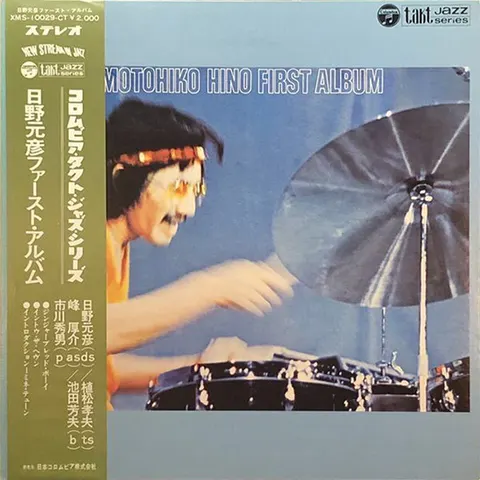
| 1976 | G. Kawaguchi Vs. M. Hino | George Kawaguchi and Motohiko Hino | Teichiku Records, GM-5005 | Alto saxophone, with Tetsuo Fushimi (trumpet), Hideo Ichikawa (piano), Takashi Mizuhashi (bass). | not found | Amazon |
| 1979 | Super George & The Super Band | George Kawaguchi & The Super Band | Paddle Wheel, GP 3201 | Alto saxophone, with Genji Sawai (alto saxophone), Hidehiko Matsumoto and Yasuaki Shimizu (tenor saxophones), Isao Suzuki (bass). Recorded June 25 and 26, 1979. | YouTube | Amazon |
| 1979 | Nature | Fumio Itabashi | Better Days, YX-7593-ND (BD) | Soprano saxophone, with Hiroshi Hatsuyama (vibraphone), Ryojiro Furusawa and Kenichi Kameyama (drums). Recorded March 13 to 15, 1979 at Nippon Columbia 1st Studio, Tokyo. | Spotify · YouTube | Amazon |
| 1981 | A Young Father's Song (20 Musicians For A Singer) | Shigeo Maruyama | Aketa's Disk, AD-11 | Alto saxophone, with Genji Sawai (alto and tenor saxophones), Koichi Matsukaze (tenor saxophone), Kazutoki Umezu (clarinet) and a large ensemble. | not found | Amazon |
| 1983 | Super Drums 2: Tribute To Gene Krupa | George Kawaguchi & The Super Band | Paddle Wheel, K28P-6225 | Alto and soprano saxophones, with Yoshi Maruta (reeds), Seiichi Nakamura and Syuya Sato (tenor and soprano saxophones), Mitsuaki Furuno (bass). Arranged by Chikara Ueda and Yoshi Maruta. Recorded February 15 and 16, 1983 at Urayasu Bunka Kaikan, Chiba. | not found | Amazon |
| 1985 / 1986 | Super Drums 1+2 (Paddle Wheel, K32Y 6023) and Sticks 'N' Skins (ProJazz, PCJ 603) | George Kawaguchi & The Super Band | Paddle Wheel; ProJazz | Compilations that gather the programmes of the two Super Band albums above. Discogs lists Otomo against the Sticks 'N' Skins issue, credited to Kawaguchi Big Band. | not found | not found |
| 1986 | DHL Presents George Kawaguchi Super Big Band | George Kawaguchi | DHL World Wide, NAS-1337 (promotional) | Alto saxophone, with Tatsuya Takahashi (leader, tenor saxophone, clarinet), Hidehiko Matsumoto (tenor saxophone), Takashi Mizuhashi (bass). Arranged by Hiromasa Suzuki and Norio Maeda. Recorded January 16 to 18, 1986. | not found | not found |
| 1986 | Cabaret (キャバレー), original soundtrack | Various; produced by Haruki Kadokawa | CBS/Sony, 32DH 207 | The Yoshio Otomo Quartet is featured on tracks 3, 8 and 10 ("K's Bar," "Into the Night," "Peek-A-Boo"); Otomo is credited as arranger on all three and as performer on tracks 3 and 8, with Benisuke Sakai, Daisuke Iwasaki and Mamoru Nihonyanagi credited as performers on the same tracks. | not found | Amazon |
| 1986 | The Melodies Of Love | Toshio Osumi Trio | SMS Records, MD32-5035 | Guest, alto and soprano saxophones on tracks 1, 3 and 5, with Osumi (drums), Hiromu Aoki (piano), Benisuke Sakai (bass); Ron Carter guests on tracks 2 and 7. | not found | Amazon |
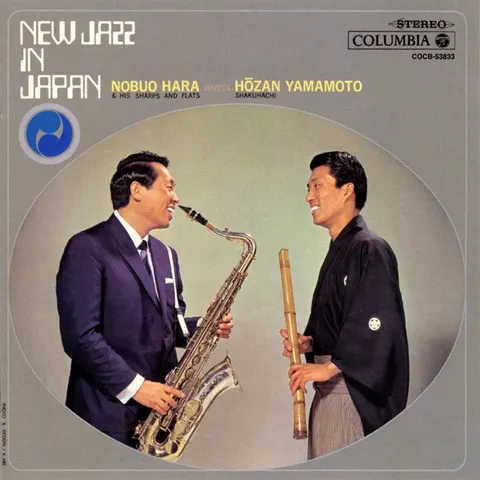
| 1987 | Mr. Soul Man | Toshihiko Kankawa and Nobuo Hara and His Sharps & Flats | Cat Records, K28P-6463 | Alto saxophone in a large sax section, with Kiyoshi Sugimoto (guitar). Arranged by Norio Maeda. | not found | Amazon |
| 1988 | The Famous Sound Of Three Blind Mice Vol. 2 | Various | Three Blind Mice, TBM CD 9002 | Compilation; Discogs lists Otomo against it. Track 1 is "If I Should Lose You," the title also found on Moon Ray. | not found | Amazon |
| 1991 | You Can Touch My Heartstrings | Shinichi Kato | NAIE Records, NAIE 2290 | Alto saxophone, with Isao Miyoshi (guitar) and Naoki Nishi, Daisuke Iwasaki and Kazuhiko Nishimura (piano). Recording dates of September 12, 19 and 23, 1991 are given on his official discography. | not found | Amazon |
| 1992 | Sunshine | Ritsuko Endou with Funky Ritsuco Version! | Break Time, BRJ-7206 | Alto saxophone; also credited as musical supervisor. With Ritsuko Endou (piano), Shinichi Kato (bass), Shinji Mori (drums), Yoichi Murata (trombone). Recorded January 27 and 28, 1992. | not found | Amazon |
| 1994 | Kick Off | Shigeo Maruyama Suikyo-za Orchestra | Paddle Wheel, KICJ 206 | Alto saxophone, with Koichi Matsukaze (baritone saxophone) and a large ensemble. Recorded April 18, 1993 at Hamamatsu Arena, at the 2nd Yamaha Jazz Festival in Hamamatsu. | not found | Amazon |
| 1996 | Lovers In The Storm | Masaru Imada NOWIN | Venus Records, TKCZ-36005 | Saxophone (alto and soprano on his official discography), with Imada (piano, keyboards), Akira Imada (synthesizer), Kazuhiko Obata (guitar), Shinichi Sato (bass). Released April 22, 1996. | not found | Amazon |
| 1997 | FRV! | Ritsuko Endou with Funky Ritsuco Version! | Denon, COCY-80657 | Alto saxophone, with Ritsuko Endou (piano), Yoichi Murata (trombone), Akira Okumura (trumpet), Tappi Iwase (drums). | not found | Amazon |
| 2006 | In A Sentimental Mood | Kei Hoshino (vocals) | Up Stream Jazz, JZCJ-1502 (SACD) | Guest, alto saxophone, with Takafumi Kawashima (tenor and soprano saxophones), Kyoji Aoki (bass). | not found | Amazon |
| 2006 | Horoyoi Bar: Sweet Jazz (ほろよいBar~スウィート・ジャズ) | Yuki Makita Quintet | Della Inc., DLDH-1889 | Alto saxophone, with Yuki Makita (piano), Ryuichi Takase (trumpet, flugelhorn), Terumichi Yamada (bass), Manabu Fujii (drums). Listed on Discogs with a 2006 release date. | not found | Amazon |
| 2011 | Wax Poetics Japan Compiled Series: Mixed Roots, King Of JP Jazz 70's | Various | King Records, KICJ 612 | Compilation; Discogs lists Otomo against it. Track 3 is "Sentimental Steps," the title also found on As A Child. | not found | Amazon |
| 2020 | Keep Steppin' | Sayoko Shimohsa (vocals) | Grace Notes Records, GNRS-0027 | Saxophone, with Tsuyoshi Yamamoto (piano), Hiroshi Kagawa (bass), Toshio Osumi (drums). Released January 22, 2020. | not found | Amazon |
Sources
- Discogs: Yoshio Otomo, artist 2048982
- Discogs: Yoshio Otomo Quartet, artist 2048984
- Discogs: Yoshio Otomo/Hidefumi Toki Alto-Madness, artist 5515057
- Discogs: Oh! Friends, Frasco FS-7010
- Discogs: Moon Ray, Three Blind Mice TBM-3007
- Discogs: As A Child, Seven Seas SKS-3003
- Discogs: Lover Man, Three Blind Mice TBM-51
- Official discography (Japanese)
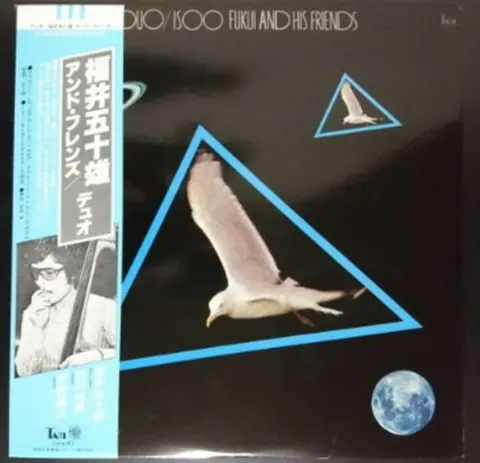
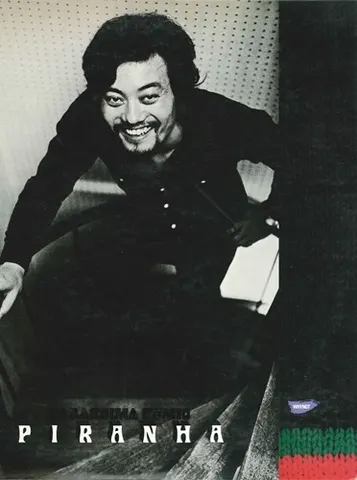
- Tsuyoshi Yamamoto - pianist on Moon Ray (1977), which is billed as the Yoshio Otomo Quartet with Tsuyoshi Yamamoto; his trio backed Minami Yasuda on South (1974), on which Otomo plays alto; and he is on piano with Otomo on Sayoko Shimohsa's Keep Steppin' (2020). Both received the Japan Jazz Music Association's 2023 Jazz Award.
- Tamio Kawabata - bassist on Moon Ray (1977).
- Hidefumi Toki - the other alto saxophonist on Lover Man (Three Blind Mice, 1975), billed with Otomo as Alto-Madness.
- Kazumi Watanabe and Nobuyoshi Ino - guitar and bass on Lover Man (1975).
- Fumio Itabashi - leader of Nature (Better Days, 1979), on which Otomo plays soprano saxophone. His official biography and the Japan Jazz Music Association also place him in Itabashi's band at the start of his career.
- Hiroshi Hatsuyama and Ryojiro Furusawa - vibraphone and drums, respectively, on Nature (1979).
- Shigeharu Mukai - trombone on "Sugar" on the Takashi Mizuhashi quartet's When a Man Loves a Woman (March 1974).
- Isoo Fukui and Tetsujiro Obara - bass and drums with the Tsuyoshi Yamamoto Trio on Minami Yasuda's South (1974).
- George Otsuka - drummer of the quintet on the second side of Now's the Time (Three Blind Mice, 1974), which includes Otomo on alto saxophone.
- George Kawaguchi - bandleader and drummer on G. Kawaguchi Vs. M. Hino (Teichiku, 1976), Super George & The Super Band (1979), Super Drums 2 (1983) and DHL Presents George Kawaguchi Super Big Band (1986), all with Otomo on alto saxophone.
- Motohiko Hino - the other drummer on G. Kawaguchi Vs. M. Hino (1976).
- Isao Suzuki, Hidehiko Matsumoto and Yasuaki Shimizu - bass and tenor saxophones on Super George & The Super Band (1979).
- Hiromasa Suzuki, Norio Maeda and Tatsuya Takahashi - arrangers (Suzuki, Maeda) and reed-section leader (Takahashi) on the 1986 DHL big-band album; Maeda also arranged Mr. Soul Man (1987).
- Chikara Ueda - arranger on four tracks of Super Drums 2 (1983).
- Toshio Osumi - drummer and leader of the trio on The Melodies of Love (SMS, 1986), on three tracks of which Otomo is a guest, and on Keep Steppin' (2020).
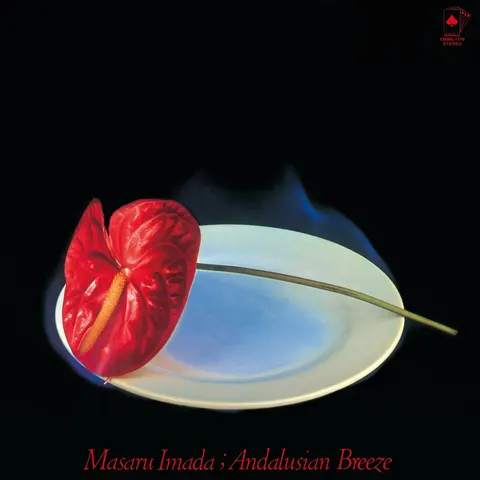
- Masaru Imada - pianist and leader of NOWIN on Lovers in the Storm (Venus Records, 1996).
- Koichi Matsukaze and Kazutoki Umezu - fellow reed players on Shigeo Maruyama's A Young Father's Song (1981); Matsukaze is also on Maruyama's Kick Off (1994).
- Nobuo Hara and Kiyoshi Sugimoto - leader and guitarist on Mr. Soul Man (1987), on which Otomo is one of the alto saxophonists.
- Takashi Mizuhashi - bassist and leader of the quartet on When a Man Loves a Woman, Who Cares (both 1974) and Day Dream (1975, with the vocalist Yoshiko Goto), all with Otomo on alto saxophone.
- Ritsuko Endou - pianist and leader of Funky Ritsuco Version!, with Otomo on Sunshine (1992) and FRV! (1997).
- Shigeo Maruyama - leader of the large-ensemble records A Young Father's Song (1981) and Kick Off (1994).
- Fumio Karashima - pianist in the Takashi Mizuhashi quartet on When a Man Loves a Woman (Three Blind Mice, recorded March 1974) and Who Cares (recorded August 28, 1974), with Otomo on alto saxophone.
- Mabumi Yamaguchi - tenor saxophonist on Now's the Time (Three Blind Mice, 1974), on which Otomo plays alto saxophone.
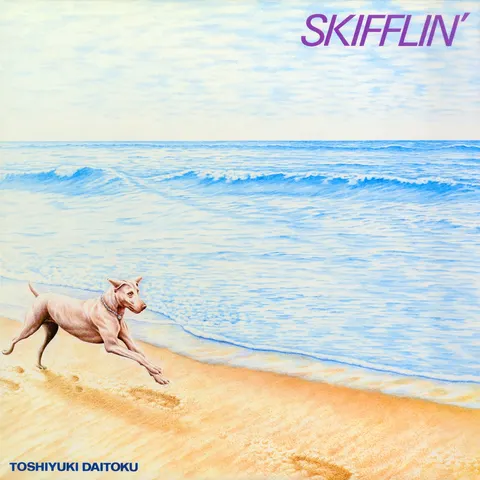
- Toshiyuki Daitoku - Fender-piano player on side B of Now's the Time (Three Blind Mice, 1974), the 26-minute title piece on which Otomo is one of the alto saxophonists.
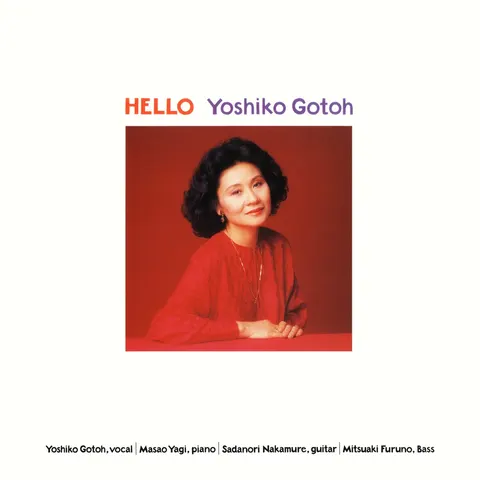
- Yoshiko Goto - vocalist; Otomo is the alto saxophonist on her Day Dream (Three Blind Mice TBM-40, 1975), billed with the Takashi Mizuhashi Quartet.
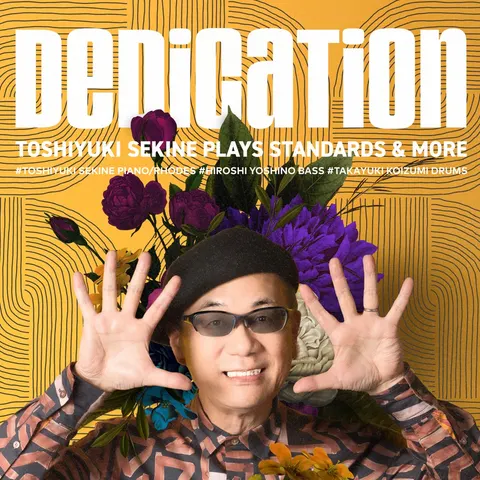
- Toshiyuki Sekine - electric pianist on Otomo's quartet album As A Child (Seven Seas, 1978).
- Shinji Mori - drummer on "The Boss" (1974), where Otomo plays alto saxophone, and on Ritsuko Endou's Sunshine (1992).
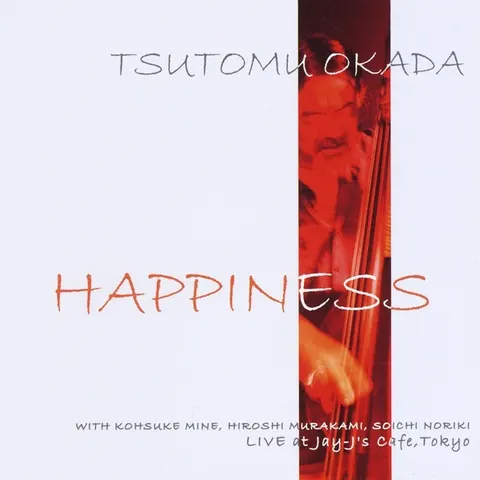
- Tsutomu Okada - bassist on Mr. Soul Man (1987), on which Otomo is among the alto saxophonists of the Sharps & Flats; Okada's official biography also lists Otomo's group among the bands he worked in.
More Hard Bop Artists
See all 320 Hard Bop artists →More Japanese Jazz Artists
See all 262 Japanese artists →- Official site: Yoshio Ohtomo (大友義雄)
- Official profile (Japanese)
- Discogs: Yoshio Otomo
- Japan Jazz Music Association: 2023 Jazz Award recipients
- Wikidata: Q33616832
- Yoshio Otomo on JazzProfiles.com
- r/JapaneseJazz
- Official profile (Japanese): 大友義雄
- Official discography (Japanese)
- Japan Jazz Music Association: 2023 award recipients
- Discogs: Yoshio Otomo, artist 2048982
- Discogs: Moon Ray, Three Blind Mice TBM-3007, 1977
- Discogs: Oh! Friends, Frasco FS-7010, 1976
- Discogs: As A Child, Seven Seas SKS-3003, 1978
- Discogs: Lover Man, Three Blind Mice TBM-51, 1975
- Discogs: When A Man Loves A Woman, Takashi Mizuhashi Quartet +2, 1974
- Discogs: South, Yasuda Minami, 1974
- Discogs: Cabaret soundtrack, CBS/Sony, 1986
- Wikipedia (German): Yoshio Ōtomo
- Wikipedia (Dutch): Yoshio Otomo
- otonano PORTAL, Kozo Watanabe: Moon Ray / Yoshio Otomo, 2017
- Lesson information (Japanese)