 JAZZPROFILES lives in the music 1,765 Jazz Artists fully Profiled!
Tamio Kawabata
Last updated October 21, 2026
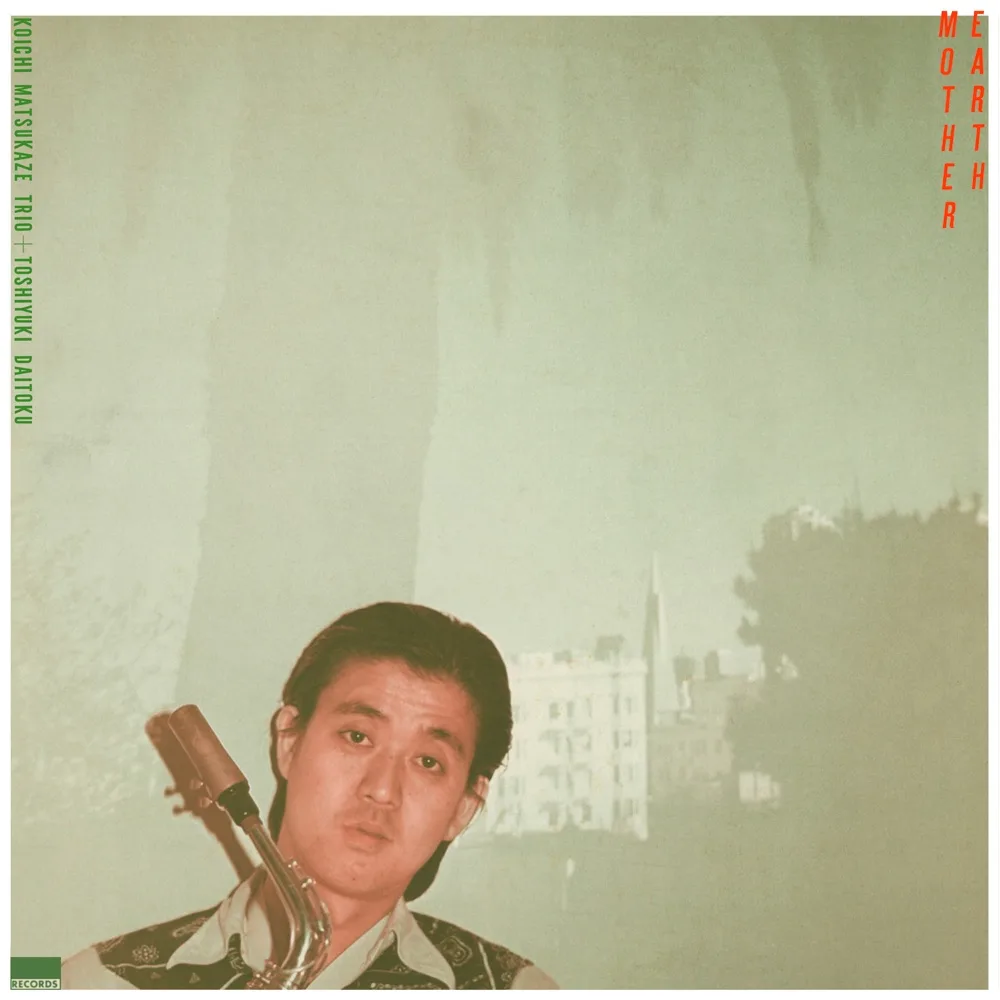
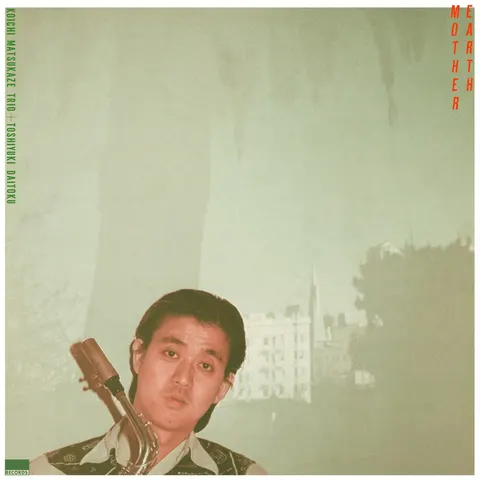
Cover of Earth Mother (ALM Records, 1978), by the Koichi Matsukaze Trio and Toshiyuki Daitoku. Standard copyright, all rights reserved, held by ALM Records. This is not a Creative Commons or public-domain image; it is an album cover shown as an honestly disclosed editorial identification image. — https://music.apple.com/us/album/earth-mother/1451131906
Tamio Kawabata (川端民生) never made a record under his own name, and his name is still on a remarkable number of the records Japanese jazz is now remembered for. He was the bassist on a modal saxophone classic, on the debut of the fusion band Native Son, on a Peter Brötzmann free-improvisation date, and on albums by the singer Maki Asakawa, the pop songwriter Kenji Ozawa and the American drummer Elvin Jones. He was born on July 10, 1947 in Engaru, in the Monbetsu District of Hokkaido, went to Sapporo Nishi High School, and was known to friends as Bata-san (バタさん).
Japanese accounts of his start are consistent. He came to jazz in his last year of high school, through the jazz cafes of Sapporo, and picked up the bass only because an amateur band playing in one of them lost its bassist and asked him to fill in. He taught himself by copying records. The same accounts say he then moved to Tokyo with the pianist Fumio Itabashi, and give 1970 as the year he began working professionally.
The earliest record in his Discogs credits is a live set by the Kiyoshi Sugimoto Quintet at Mingos Musico, a club in Roppongi, issued by Kiva in October 1973: Sugimoto on guitar, Takao Uematsu on tenor saxophone, Masayoshi Yoneda on electric piano, Kawabata on bass and Arihide Kurata on drums, working through "Old Folks," "When Sunny Gets Blue" and "Round Midnight." In March 1974 he is credited on the two Side B tracks of Solo & Trio, the Three Blind Mice record taken from the "5 Days in Jazz" concerts at Toshi Center Hall, recorded on March 22 with the pianist Hideo Ichikawa's trio and the alto saxophonist Kenji Mori.
By 1977 he was one of the busiest bassists in Tokyo. In April of that year he recorded Moon Ray for Three Blind Mice, billed as the Yoshio Otomo Quartet with Tsuyoshi Yamamoto on piano and O. "Jess" Kurata on drums, at Epicurus Studio on April 21 and 22. Days later, on April 27 and 28, he was at Toho Seimei Hall for Cook Note, a piano trio record by Takeshi Shibuya (渋谷毅), the pianist whose orchestra would become his main home a decade later. On May 30 and 31 he was at Aoi Studios for Shun, the vocalist Shun Sakai's set of standards for Trio Records, arranged by Shibuya, with Akira Miyazawa on flute and tenor saxophone, Sadanori Nakamure on guitar and Shigeharu Mukai on trombone. He also appears on Toshiyuki Daitoku's Snapdragon (Tam, recorded in January) and, in October, on Old Folks, a Union Records session by a quartet led by the pianist Junichiro Ohkuchi, with the American saxophonist and flutist Frank Wess.
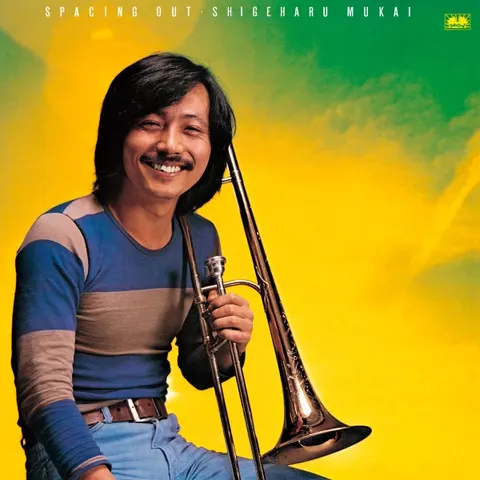
The next year brought two of the records most often tied to his name. Spacing Out, Mukai's Better Days album for Nippon Columbia, put Kawabata under Kazumi Watanabe's guitar, Yasuaki Shimizu's tenor and soprano saxophones and Ryojiro Furusawa's drums. Earth Mother, released on February 1, 1978 by Koichi Matsukaze's trio with the pianist Daitoku, was a modal set of five pieces, among them a version of "'Round Midnight," with Kawabata and Furusawa as the rhythm section. In December came Sabishii Hibi (寂しい日々), a Maki Asakawa album on which he is credited on both bass and electric bass, with Yosuke Yamashita on piano, Sugimoto on guitar and Mukai on trombone.
That same year he became a founding member of Native Son, formed by the keyboardist Takehiro Honda with the saxophonist Kohsuke Mine, the guitarist Motonobu Ohde and the drummer Hiroshi Murakami. The self-titled debut was recorded on November 29 and December 5, 6, 8 and 9, 1978 and released by JVC in 1979, and Savanna Hot-Line followed the same year, recorded in August and September at Victor Studio in Tokyo, with Kawabata credited on Fender electric bass. Discogs also credits him on JVC's 1983 compilation Wind Surfing, which adds the trombonist Hiroshi Fukumura.
The early 1980s spread him across the whole scene. On June 23 and 24, 1980 he was one of two bassists, alongside Hideaki Mochizuki, on Another Soil, the Denon album on which the saxophonist Tomoki Takahashi recorded with the American drummer Elvin Jones at Sound-Inn, with Mukai, Sugimoto and Ohkuchi in the band. He was a guest on two tracks of Furusawa's Kijimuna (1980), and returned for Furusawa's Tamaniwa (1983), recorded in January and February of that year with Mine, Mukai and the singer Minako Yoshida. He played in the groups of the saxophonist Akira Sakata, appearing on Wha-ha-ha's Getahaitekonakucha (1981) and, as one of two bassists, on the Sakata Sextet's Trauma 12-inch (1982). In 1982 he recorded Cat Nap with Asakawa, on electric bass, with the trumpeter Toshinori Kondo writing the music, Toshiyuki Honda on alto saxophone and flute, and Sugimoto on guitar. And he is on Yamashita's Live, And Then... Picasso, built from sessions across 1982 and issued by Panja in 1983, in a big band that also included Matsukaze and the tenor saxophonist Kazunori Takeda.
From the late 1980s his base was the Takeshi Shibuya Orchestra. Discogs credits him on the orchestra's Live 1989 and Live '91 (issued together in 2023) and on its 1994 Carco album, whose long Japanese title translates as "a drunk cat mistakes a low wall for a high one and walks along it." That record's band included Furusawa, Matsukaze, Mine and the saxophonist Eiichi Hayashi. A quartet record of Shibuya and Takeda recorded live at Aketa no Mise in Nishi-Ogikubo on December 23, 1985, with Kawabata on bass, was not released until 2005 as Old Folks.
Hayashi was also his partner in the free end of the music. They recorded together on Mazuru (Omagatoki, 1990, recorded October 22), and on July 7, 1993 at Shinjuku Pit Inn Kawabata and Furusawa played in a quartet with the German saxophonist Peter Brötzmann and the flutist Yukihiro Isso. The four numbered improvisations came out the next year on Clockwise as Vier Tiere, the only release on which Discogs lists him as a main artist. In 1996 he formed Hopper's Duck with Hayashi; its album Far Out, with Furusawa on drums as the third member, was recorded on July 1, 2 and 3, 1996 and issued on Omagatoki in October, with Kawabata on bass and percussion. That month he also played on four tracks of Kyutai no Kanaderu Ongaku (球体の奏でる音楽), the pop songwriter Kenji Ozawa's album, and in 1998 on Furusawa's Mou sugu shinimasse with the band Daiohjo.
He passed away on July 26, 2000, at the age of 53. Records carrying his playing kept appearing. Sublimation, a Lee Oskar album with Furusawa's band released in 2002, carries the dedication "For the memory of Tamio Kawabata." In November 2011 the Hokkaido Shimbun reported on a CD released in his honor, with a series of live concerts, under a headline calling him the Engaru-born bassist whose sound still resonates.
Kawabata is a player known through other people's records, so his style is best read from the range of rooms he fit into. In a single year, 1977, he was the bass on a quartet date with an alto saxophone and piano front line (Moon Ray), a vocal standards session (Shun), a piano trio (Cook Note), and a Union Records quartet with a visiting American saxophonist (Old Folks). A year later he was on the modal Earth Mother, where Discogs lists the style simply as modal, and in the jazz-funk and fusion of Native Son, where he is credited on Fender electric bass.
Japanese commentators on his playing describe a thick, powerful tone and a steady groove, and say he showed little interest in the technical fashions of the time, such as slap and chopper styles. The same accounts describe a quiet, unassuming presence who did not promote himself, never led a record under his own name, and was trusted by the musicians who hired him. That reputation matches the credits: he was a regular on the records of players as different as Mine, Matsukaze, Mukai, Furusawa, Sakata and Shibuya, and when those worlds overlapped, as on the Shibuya Orchestra's 1994 album, he was in the middle of them.
The free-jazz tag on his name comes from the last decade of his career and the circle around Hayashi, Furusawa and Sakata: Mazuru, Vier Tiere and Hopper's Duck's Far Out, which Discogs files under free improvisation and free jazz. He also worked well outside jazz, on Maki Asakawa's late-night songs and on Kenji Ozawa's 1996 pop record, and these sessions are part of the picture rather than a departure from it.
- Earth Mother (1978, ALM AL-5001, Koichi Matsukaze Trio + Toshiyuki Daitoku) - Modal saxophone trio-plus-piano music in five long pieces, with Kawabata and Furusawa as the rhythm section. Spotify - Earth Mother Listen
- Spacing Out (1978, Better Days YX-7582-ND, Shigeharu Mukai) - Trombone-led fusion with Kazumi Watanabe, Yasuaki Shimizu and Furusawa, recorded at Nippon Columbia's 1st Studio. Spotify - Spacing Out Listen
- Native Son (1979, JVC VIJ-6301, Native Son) - The debut of the fusion band he helped found, recorded in late 1978. YouTube - Native Son, full album Listen
- Savanna Hot-Line (1979, JVC VIJ-6309, Native Son) - The band's second record of the year, with Kawabata credited on Fender bass. YouTube - Savanna Hot-Line, full album Listen
- Moon Ray (1977, Three Blind Mice TBM-3007, Yoshio Otomo Quartet with Tsuyoshi Yamamoto) - A quartet date recorded at Epicurus Studio on April 21 and 22, 1977. YouTube - Moon Ray Listen
- Another Soil (1980, Denon YX-7277-ND, Tomoki Takahashi and Elvin Jones) - Two bassists and Elvin Jones's drums behind Takahashi's tenor and soprano saxophones. YouTube - Another Soil, full album Listen
- Cat Nap (1982, Express ETP-90196, Maki Asakawa) - Late-night songs with Toshinori Kondo, Toshiyuki Honda and Kiyoshi Sugimoto, with Kawabata on electric bass. YouTube - Cat Nap Listen
- Live, And Then... Picasso (1983, Panja YF-7070, Yosuke Yamashita) - A large-ensemble Yamashita record from sessions across 1982. Spotify - Live, And Then... Picasso Listen
- Vier Tiere (1994, Clockwise 0010, with Peter Brötzmann, Yukihiro Isso and Ryojiro Furusawa) - Four free improvisations recorded at Shinjuku Pit Inn on July 7, 1993; the one release that lists him as a main artist.
Tamio Kawabata (川端民生) - Full Discography
Japanese jazz bassist (double bass and electric bass). Born 10 July 1947, Engaru, Hokkaido. Passed away 26 July 2000. Discogs artist 880109. He never recorded an album under his own name: the only release on which Discogs lists him as a main artist is Vier Tiere (1994), and the rest of his discography is band and sideman work.
Name variations on record: Kawabata Tamio, T. Kawabata, Tamio "Doyoon" Kawabata, Tamio "Doyo" Kawabata, 川端民生, 川端民夫.
Group affiliations: Native Son, Hopper's Duck, Shigeharu Mukai Quintet, Yoshio Otomo Quartet, Koichi Matsukaze Trio, Kiyoshi Sugimoto Quintet, Kazunori Takeda Quartet, Takehiro Honda Trio, T. Honda & His Orchestra, Sakata Orchestra, Sakata Sextet.
Leader and co-billed
| Album | Year | Label | Personnel | Notes | Listen | Buy |
|---|---|---|---|---|---|---|
| Vier Tiere (as Yukihiro Isso, Tamio Kawabata, Peter Brötzmann, Ryojiro Furusawa) | 1994 | Clockwise, Clockwise 0010 | Peter Brötzmann (alto and tenor saxophone, bass clarinet), Yukihiro Isso (nohkan, dengakubue flutes), Tamio Kawabata (bass), Ryojiro Furusawa (drums) | Recorded live at Shinjuku Pit Inn, Tokyo, on 7 July 1993. Four untitled pieces, "Improvisation I" to "IV". Discogs lists the style as Free Improvisation. | not found | Amazon |
| Far Out (as Hopper's Duck) | 1996 | Omagatoki, OMCZ-1013 | Eiichi Hayashi (alto saxophone), Tamio Kawabata (bass, percussion), Ryojiro Furusawa (drums, percussion) | Recorded 1, 2 and 3 July 1996 at GOK Sound and A&B Studio, Tokyo; released 21 October 1996. Nine tracks, including "Far Out", "Hopper's Duck", "Brother", "Three Duck Night" and "Petite Fleur". Discogs lists the styles as Contemporary Jazz and Free Jazz. | not found | Amazon |
| Native Son (ネイティブ・サン, as Native Son) | 1979 | JVC, VIJ-6301 | Takehiro Honda (Fender Rhodes, Yamaha CP-70, clavinet, Solina synthesizer, celesta; composer), Kohsuke Mine (tenor and soprano saxophone), Motonobu Ohde (electric guitar), Tamio Kawabata (electric bass), Hiroshi Murakami (drums), Damiao Gomes De Souza (cuica) | Recorded 29 November and 5, 6, 8 and 9 December 1978. Eight tracks, including "Bump Cruising", "Heat Zone", "Wind Surfing" and "Super Safari". Produced by Akira Taguchi. | Full album on YouTube | Amazon |
| Savanna Hot-Line (サバンナ・ホットライン, as Native Son) | 1979 | JVC, VIJ-6309 | Takehiro Honda (keyboards), Kohsuke Mine (tenor and soprano saxophone), Motonobu Ohde (electric guitar), Tamio Kawabata (Fender electric bass), Hiroshi Murakami (drums) | Recorded August and September 1979 at Victor Studio, Tokyo. Six tracks: "Animal Market", "Sexy Lady", "Savanna Hot-line", "In Search Of Beauty", "African Fantasy", "Farewell, My Love". | Full album on YouTube | Amazon |
| Wind Surfing (as Native Son) | 1983 | JVC, VIJ-28031 | Takehiro Honda (keyboards), Kohsuke Mine (saxophones), Hiroshi Fukumura (trombone), Motonobu Ohde (guitars), Tamio Kawabata (electric bass), Hiroshi Murakami (drums, percussion), Romy Kinoshita (bass) | Compilation of Native Son material. Nine tracks. | not found | Amazon |
| Super Best (as Native Son) | 1984 | JVC | Native Son | Compilation. Kawabata is listed among the credits on Discogs. | not found | Amazon |
Guest and sideman appearances
Chronological. Entries with a credit note carry Kawabata's bass credit as shown on the Discogs release page; the others come from his Discogs appearance list and show the billed artist and label only.
| Year | Release | Actual leader | Label | Kawabata's credit and notes | Listen | Buy |
|---|---|---|---|---|---|---|
| 1973 | ライブ - 六本木 Mingos Musicoにて収録 | Kiyoshi Sugimoto Quintet (杉本喜代志クインテット) | Kiva, KV-102 | Bass credit confirmed on Discogs (Bass). Live at Mingos Musico, Roppongi, issued 25 October 1973. | not found | Amazon |
| 1973 | What's Going On | T. Honda & His Orchestra | not found | Amazon | ||
| 1974 | Solo & Trio (Live In "5 Days In Jazz 1974") = ソロ&トリオ | Mori, Kenji • Ichikawa, Hideo | Three Blind Mice, TBM-27 | Bass credit confirmed on Discogs (Bass). Kawabata plays on the two Side B tracks, recorded 22 March 1974 at Toshi Center Hall, Tokyo. | not found | Amazon |
| 1977 | Jazz Guitar Forms = ジャズ・ギター・フォームズ | Various | RCA, RCA | not found | Amazon | |
| 1977 | Old Folks | Junichiro Oguchi Quartet | Union Records, GU-5006 | Bass credit confirmed on Discogs (Bass). Recorded 22 and 25 October 1977; Junichiro Ohkuchi (piano), Frank Wess (flute, tenor saxophone), Fumio Watanabe (drums). | not found | Amazon |
| 1977 | Snapdragon | Toshiyuki Daitoku | Tam, YX-5011 | Bass credit confirmed on Discogs (Bass). Recorded 21 and 24 January 1977 at Teichiku Studio, Tokyo. | not found | Amazon |
| 1977 | Cook Note | Takeshi Shibuya | Trio Records, PAP-9079 | Bass credit confirmed on Discogs (Bass). Takeshi Shibuya trio, recorded 27 and 28 April 1977 at Toho Seimei Hall, Tokyo. | not found | Amazon |
| 1977 | Moon Ray | Yoshio Otomo Quartet With Tsuyoshi Yamamoto | Three Blind Mice, TBM-3007 | Bass credit confirmed on Discogs (Bass). Recorded 21 and 22 April 1977 at Epicurus Studio, Tokyo. | YouTube | Amazon |
| 1977 | Shun | Shun Sakai | Trio Records, PAP-9080 | Bass credit confirmed on Discogs (Bass). | not found | Amazon |
| 1977 | Jazz Of Japan Live Under The Sky '77 = ジャズ・オブ・ジャパン〜ライヴ・アンダー・ザ・スカイ'77 | Various | not found | Amazon | ||
| 1978 | Spacing Out | Shigeharu Mukai | Better Days, YX-7582-ND | Bass credit confirmed on Discogs (Bass). Tracks A1 and A2 recorded 29 September 1977 at Nippon Columbia 1st Studio, Tokyo. | Spotify | Amazon |
| 1978 | Dancing Sphinx | Hiroshi Murakami & Dancing Sphinx | Showboat, 3SB-1011 | Listed among his appearances on Discogs. | not found | Amazon |
| 1978 | 寂しい日々 (Sabishii Hibi) | Maki Asakawa (浅川マキ) | Express, ETP-80051 | Bass credit confirmed on Discogs (Bass; Electric Bass [E.bass]). Released 1 December 1978; credited on bass and electric bass. | not found | Amazon |
| 1978 | ライヴ 夜 | Maki Asakawa (浅川マキ) | not found | Amazon | ||
| 1978 | Earth Mother = アース・マザー | Koichi Matsukaze Trio + Toshiyuki Daitoku = 松風鉱一トリオ + 大徳俊幸 | ALM Records, AL-5001 | Bass credit confirmed on Discogs (Bass). Released 1 February 1978; Koichi Matsukaze (alto and tenor saxophone, flute, producer), Toshiyuki Daitoku (piano, Fender Rhodes), Ryojiro Furusawa (drums). | Spotify | Amazon |
| 1979 | Tomoki | Tomoki Takahashi | not found | Amazon | ||
| 1980 | キジムナ (Kijimuna) | Ryojiro Furusawa (古澤良治郎) | Better Days, YX-7250-ND | Bass credit confirmed on Discogs (Electric Bass, Guest). Guest on tracks A2 and B2. | Apple Music | Amazon |
| 1980 | *NHK Transcription Programme (No. 181) - Trend-Setters In Japanese Jazz * | Various | NHK | not found | Amazon | |
| 1980 | Another Soil | Tomoki Meets Elvin | Denon, YX-7277-ND | Bass credit confirmed on Discogs (Bass). Recorded 23 and 24 June 1980 at Sound-Inn; two bassists, Kawabata and Hideaki Mochizuki; with Elvin Jones on drums. | Full album on YouTube | Amazon |
| 1980 | 12,617.4 km "古澤良治郎の世界" ライヴ | Ryojiro Furusawa (古澤良治郎) | Better Days | Apple Music | Amazon | |
| 1980 | One | Maki Asakawa (浅川マキ) | not found | Amazon | ||
| 1980 | ふと、或る夜、生き物みたいに歩いているので、演奏家たちのOKをもらった | Maki Asakawa (浅川マキ) | not found | Amazon | ||
| 1980 | Eri | Eri Ohno = 大野えり | not found | Amazon | ||
| 1981 | Getahaitekonakucha = げたはいてこなくちゃ | Wha-ha-ha = わ・は・は | Better Days, YF-7041-N | Bass credit confirmed on Discogs (Bass Guitar). | not found | Amazon |
| 1981 | あのころ (Ano Koro) | Ryojiro Furusawa and Lee Oskar (古澤良治郎とリー・オスカー) | Ano Koro on YouTube | Amazon | ||
| 1981 | 寿限無 A Figure Of Yosuke Yamashita Vol. 2 = 寿限無 山下洋輔の世界Vol.2 | Yosuke Yamashita (山下洋輔) | not found | Amazon | ||
| 1981 | ユク・エフ・メイ | Shuichi Chino (千野秀一) | not found | Amazon | ||
| 1981 | Summertime | Hideko Okiyama | not found | Amazon | ||
| 1981 | 4 O'Clock | Sakata Orchestra = サカタ・ オーケストラ | not found | Amazon | ||
| 1982 | Trauma | Sakata Sextet | Better Days, YW-7403-BD | Bass credit confirmed on Discogs (Bass [B]). 12-inch single; two bassists, Kawabata and Hiroshi Yoshino. Reissued on Akira Sakata's Early 1980's (2018). | not found | Amazon |
| 1982 | メッセージ | 横井久美子 | Discomate | not found | Amazon | |
| 1982 | Eri / Eri My Dear | Eri Ohno = 大野えり | Better Days | not found | Amazon | |
| 1982 | Third | Hakuryu | Kitty Records | not found | Amazon | |
| 1982 | Cat Nap | Maki Asakawa (浅川マキ) | Express, ETP-90196 | Bass credit confirmed on Discogs (Electric Bass [E.bass]). | YouTube | Amazon |
| 1982 | *マイ・マン = My Man * | Maki Asakawa (浅川マキ) | not found | Amazon | ||
| 1982 | Friendly | Ryojiro Furusawa & Lee Oskar | not found | Amazon | ||
| 1982 | Double Image | Hitoshi Okano | not found | Amazon | ||
| 1982 | Berlin 28 = ベルリン28 | Sakata Orchestra = サカタ・オーケストラ | not found | Amazon | ||
| 1983 | Wha ha ha | Wha ha ha | Recommended Records | not found | Amazon | |
| 1983 | Live, And Then...Picasso = ライヴ・アンド・ゼン…ピカソ | Yosuke Yamashita = 山下洋輔 | Panja, YF-7070 | Bass credit confirmed on Discogs (Bass). | Spotify | Amazon |
| 1983 | Made In Tokyo | 庄野真代 | not found | Amazon | ||
| 1983 | Haniwa / はにわ | Kiyohiko Senba And His Haniwa All Stars | not found | Amazon | ||
| 1983 | たまには。= Once In A While | 古澤良治郎 = Ryojiro Furusawa | Better Days, YF-7069-BD | Bass credit confirmed on Discogs (Bass). | Full album on YouTube | Amazon |
| 1983 | わしのパンじゃ!! | Yosuke Yamashita (山下洋輔) | not found | Amazon | ||
| 1984 | Boys, Be Ambitious! = ボーイズ・ビー・アンビシャス | Keizo Inoue = 井上敬三 | not found | Amazon | ||
| 1985 | DA-DA-DA (Plays Duke Ellington And A Few Surprises) | Akira Sakata and his DA-DA-DA Orchestra | not found | Amazon | ||
| 1985 | Some Years Parst = サム・イヤーズ・バースト | 浅川マキ = Maki | not found | Amazon | ||
| 1986 | 幻の男たち Live 1984 | Maki Asakawa (浅川マキ) | not found | Amazon | ||
| 1988 | 会社物語 Memories Of You | 板倉文 | Epic/Sony Records | not found | Amazon | |
| 1988 | のら猫の小屋 | 美加マドカ | Japan Record | not found | Amazon | |
| 1989 | 夜のカーニバル | Maki Asakawa (浅川マキ) | not found | Amazon | ||
| 1989 | *Stranger's Touch * | Maki Asakawa (浅川マキ) | not found | Amazon | ||
| 1990 | Mazuru = マズル | Eiichi Hayashi = 林栄一 & Mazuru = マズル | Omagatoki, SC-7101 | Bass credit confirmed on Discogs (Electric Bass). Recorded 22 October 1990 at Studio Key-Stone, Tokyo. | not found | Amazon |
| 1990 | Yonaguni = 与那国 | 小室等 | For Life Records | not found | Amazon | |
| 1994 | 酔った猫が低い塀を高い塀と間違えて歩いているの図 | Takeshi Shibuya Orchestra (渋谷毅オーケストラ) | Carco, CARCO-0003 | Bass credit confirmed on Discogs (Bass). Released 1 May 1994. | not found | Amazon |
| 1994 | 黒い空間 | Maki Asakawa | not found | Amazon | ||
| 1996 | 球体の奏でる音楽 (Kyutai no Kanaderu Ongaku) | Kenji Ozawa (小沢健二) | Eastworld, TOCT-9500 | Bass credit confirmed on Discogs (Bass). Bass on tracks 1, 2, 4 and 8; released 16 October 1996. | not found | Amazon |
| 1996 | Far Out | Hopper's Duck | Omagatoki, OMCZ-1013 | Bass credit confirmed on Discogs (Bass, Percussion). | not found | Amazon |
| 1997 | ある光 | Kenji Ozawa (小沢健二) | not found | Amazon | ||
| 1997 | Buddy / 恋しくて | Kenji Ozawa (小沢健二) | not found | Amazon | ||
| 1997 | 指さえも/ダイスを転がせ | Kenji Ozawa (小沢健二) | not found | Amazon | ||
| 1998 | 春にして君を想う | K=nj(I) O3aWa | Eastworld | not found | Amazon | |
| 1998 | もうすぐ死にまっせ (Mou sugu shinimasse) | Furusawa and Daiohjo (古澤良治郎と大往生) | P-Vine Records, PCD-5753 | Bass credit confirmed on Discogs (Bass). Released 10 September 1998. | not found | Amazon |
| 2000 | Mazuru's Dream | Hayashi Eiichi | Studio Wee | not found | Amazon | |
| 2002 | Fusion Paradise Orange Selection | Various | Universal | not found | Amazon | |
| 2002 | Sublimation | Lee Oskar With Ryojiro Band | TK session, TSCA-4 | Bass credit confirmed on Discogs (Bass). Released 19 June 2002; the credits include the line "For the memory of Tamio Kawabata". | not found | Amazon |
| 2005 | Old Folks | Shibuya Takeshi - Takeda Kazunori Quartet | Aketa's Disk, MHACD-2313 | Bass credit confirmed on Discogs (Bass). Recorded live at Aketa no Mise, Nishi-Ogikubo, on 23 December 1985; released 2005. | not found | Amazon |
| 2005 | Live At Yanagawa Funcool | Kazunori Takeda Quartet | Carco | not found | Amazon | |
| 2005 | Aketa's Disk 30th Anniversary Fair At Disk Union | T. Shibuya - K. Takeda Quartet | Aketa's Disk | not found | Amazon | |
| 2005 | 物語のようにふるさとは遠い | Taeko Tomioka | not found | Amazon | ||
| 2008 | D.D.T. | Akira (Emoto+Sakata) | not found | Amazon | ||
| 2011 | *スキャンダル 京大西部講堂 1982 = Scandal 1982 * | Maki Asakawa (浅川マキ) | Pignose Records | not found | Amazon | |
| 2012 | 冷たい水 | 古家杏子 | not found | Amazon | ||
| 2012 | 小川美潮 +7 | 小川美潮 | not found | Amazon | ||
| 2016 | More Better Days | Various | not found | Amazon | ||
| 2018 | Early 1980's | Akira Sakata | Columbia, Better Days | not found | Amazon | |
| 2018 | Instant Rasta + | Pecker + Ryojiro Furusawa Featuring Minako Yoshida | not found | Amazon | ||
| 2018 | Colored Music | Colored Music | not found | Amazon | ||
| 2018 | J Jazz: Deep Modern Jazz From Japan 1969-1984 | Various | not found | Amazon | ||
| 2020 | Live At Kamuy Tura No '83 | Akira Sakata 6tet + Syuichi Chino | Not On Label (Akira Sakata Self-released) | not found | Amazon | |
| 2020 | Scenery Of Japanese Jazz | Various | not found | Amazon | ||
| 2021 | J Jazz: Deep Modern Jazz From Japan (Volume 3) | Various | not found | Amazon | ||
| 2022 | 浅川マキの世界2 - ライヴ・セレクションBox | Maki Asakawa (浅川マキ) | Universal Music Group | not found | Amazon | |
| 2022 | 寿限無 A Figure Of Yosuke Yamashita Vol. 1 & Vol. 2 | Yosuke Yamashita (山下洋輔) | not found | Amazon | ||
| 2023 | Live 1989 / LIVE '91 | Shibuya Takeshi Orchestra | Carco | Live 1989 on YouTube | Amazon | |
| Tamasa | Shibuya Takeshi Orchestra | Carco | not found | Amazon | ||
| Moon Ray | Yoshio Otomo Quartet, Tsuyoshi Yamamoto | Three Blind Mice Records, Inc. | YouTube | Amazon | ||
| VOSP Vocal Special | Various | Trio Records | not found | Amazon |
- Native Son (from 1978) - the fusion band he joined at its start, led by Takehiro Honda with Kohsuke Mine, Motonobu Ohde and Hiroshi Murakami. Discogs credits him on Native Son and Savanna Hot-line (both 1979) and on the compilation Wind Surfing (1983).
- Ryojiro Furusawa - his most frequent partner on record: Snapdragon, Spacing Out and Earth Mother (1977-1978), Kijimuna (1980), Tamaniwa (1983), the Takeshi Shibuya Orchestra's 1994 album, Vier Tiere (1994), Hopper's Duck's Far Out (1996), and Mou sugu shinimasse with Daiohjo (1998).
- Koichi Matsukaze - the leader of Earth Mother (1978); the two are also credited together on Yosuke Yamashita's Live, And Then... Picasso (1983) and the 1994 Shibuya Orchestra album.
- Shigeharu Mukai - the leader of Spacing Out (1978); the trombonist is also on Shun (1977), Sabishii Hibi (1978), Another Soil (1980), Kijimuna (1980) and Tamaniwa (1983) alongside Kawabata. Discogs lists the Shigeharu Mukai Quintet among Kawabata's group affiliations.
- Tsuyoshi Yamamoto - pianist on Moon Ray (1977).
- Kiyoshi Sugimoto - leader of the Mingos Musico quintet set (1973); guitarist on Sabishii Hibi (1978), Another Soil (1980), Cat Nap (1982) and Live, And Then... Picasso (1983).
- Yosuke Yamashita - leader of Live, And Then... Picasso (1983) and pianist on Asakawa's Sabishii Hibi (1978). The German Wikipedia article places him in Yamashita's band in the early 1980s.
- Akira Sakata - saxophonist and vocalist on Wha-ha-ha's Getahaitekonakucha (1981) and leader of the Sakata Sextet's Trauma (1982), on both of which Kawabata plays bass. Discogs lists Sakata Orchestra and Sakata Sextet among Kawabata's group affiliations.
- Hiroshi Fukumura - trombone on JVC's Wind Surfing compilation (1983), with Native Son.
- Toshiyuki Honda and Toshinori Kondo - alto saxophone and flute, and trumpet and composition, on Maki Asakawa's Cat Nap (1982).
- Kazumi Watanabe and Yasuaki Shimizu - guitar and saxophones on Spacing Out (1978).
- Akira Miyazawa and Sadanori Nakamure - flute and tenor saxophone, and guitar, on Shun Sakai's Shun (1977).
- Elvin Jones - drums on Tomoki Takahashi's Another Soil (1980).
- Frank Wess - flute and tenor saxophone on the Junichiro Ohkuchi quartet's Old Folks (Union Records, 1977).
- Takeshi Shibuya - pianist on Cook Note (1977) and Shun (1977, as arranger and pianist), leader of the Takeshi Shibuya Orchestra, and partner of Kazunori Takeda in the quartet recorded live in 1985.
- Maki Asakawa - the singer on Sabishii Hibi (1978) and Cat Nap (1982), and on other Discogs-listed albums between 1978 and 1994.
- Eiichi Hayashi - alto saxophonist, co-leader of Hopper's Duck and leader of Mazuru (1990).
- Peter Brötzmann and Yukihiro Isso - the saxophonist and nohkan flutist on Vier Tiere (1994).
- Tomoki Takahashi, Hideaki Mochizuki, Junichiro Ohkuchi - the Another Soil band (1980), with Mukai and Sugimoto.
- Yoshio Otomo - alto saxophonist and leader of Moon Ray (Three Blind Mice, 1977), on which Kawabata plays bass.
- Takao Uematsu - bassist on the Kiyoshi Sugimoto Quintet's live album recorded at Mingos Musico (Kiva, October 25, 1973), on Maki Asakawa's Yoru no Carnival (1989) and on her Kuroi Kukan (1994), all of which feature Uematsu on tenor saxophone.
- Kiyohiko Senba - percussionist and leader of the Haniwa All Stars; Kawabata is credited as a performer on the group's first LP, Haniwa (CBS/Sony, 1983).
- Toshiyuki Daitoku - pianist whose own Snapdragon (Tam, 1977) has Kawabata on bass and Furusawa on drums; the same rhythm section backs him on Earth Mother (1978).
- Shigenori Kamiya - synthesizer and voice on Wha-ha-ha's Getahaitekonakucha (Better Days, 1981), on which Kawabata plays bass guitar.
- Mansaku Kimura - drummer; the two are both named among the musicians in the credits of the 2018 reissue of Colored Music, the Ichiko Hashimoto and Atsuo Fujimoto project.
More Jazz Fusion Artists
See all 351 Jazz Fusion artists →More Japanese Jazz Artists
See all 262 Japanese artists →- Discogs: Tamio Kawabata
- Wikipedia (Japanese): 川端民生
- Wikipedia (German): Tamio Kawabata
- CDJournal: 川端民生
- Tamio Kawabata on JazzProfiles.com
- r/JapaneseJazz
- Discogs: Tamio Kawabata, artist 880109
- Wikipedia (Japanese): 川端民生
- Wikipedia (German): Tamio Kawabata
- Wikidata: Q11479107
- CDJournal artist profile: 川端民生
- 訃報新聞: 川端民生
- Blog: 川端民生という不思議なベーシストがいた
- Blog: 川端 民生
- Wikipedia: Native Son (band)
- Discogs: Vier Tiere, Clockwise 0010, 1994
- Discogs: Earth Mother, ALM AL-5001, 1978
- Discogs: Savanna Hot-line, JVC VIJ-6309, 1979
- Discogs: Far Out, Hopper's Duck, Omagatoki OMCZ-1013, 1996