 JAZZPROFILES lives in the music 1,765 Jazz Artists fully Profiled!
Sunao Wada
Last updated October 21, 2026
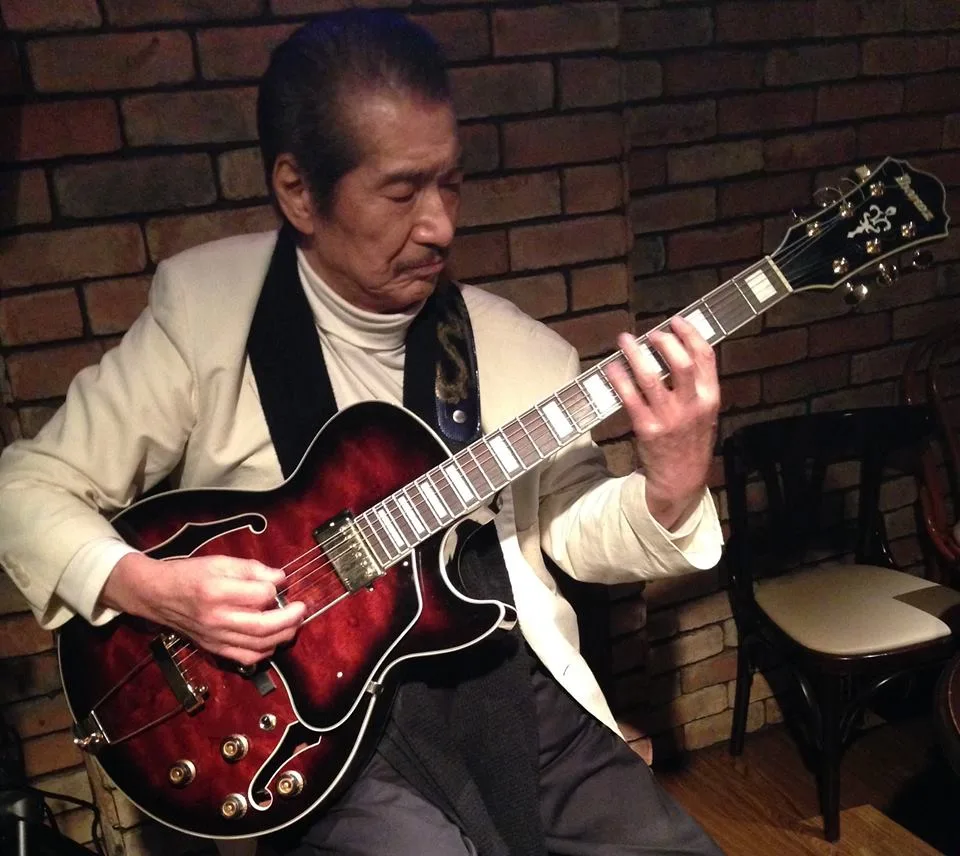
Sunao Wada playing guitar. CC BY-SA 4.0 — https://commons.wikimedia.org/wiki/File:%E5%92%8C%E7%94%B0%E7%9B%B4.jpg

Sunao Wada (和田直, Wada Sunao in Japanese order) was a guitarist from Tsu, in Mie Prefecture, where he was born on 13 January 1934. He took up the guitar at about ten. He was eleven when the war ended, and in the obituary the Chunichi Shimbun ran after his death, the paper says it was guitar music on the radio that moved him. After the war he became one of the leading guitarists in Nagoya. He graduated from Meijo University there, and had already begun playing jazz in the city while still a student. In 1965 he moved his base to Tokyo, then came back to Nagoya.
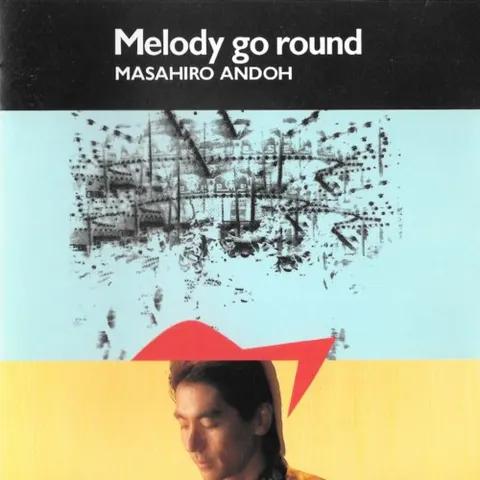
In Nagoya he became a club owner as well as a player. The Chunichi obituary says he began running a jazz club in 1971. That was Coco, the room that gave his first leader album its title, and it later became Jazz Spot Swing in the Higashisakura district, which the paper noted was in its 50th year when he passed away. Japanese Wikipedia adds that he worked alongside the saxophonist Kenji Mori while running the club. A younger Nagoya guitarist, Masahiro Andoh, is said in Japanese Wikipedia's article on Andoh to have met Wada at the café-club MusicClub COCO and to have come to regard him as a mentor; that account rests on Andoh's biography rather than on a record credit.
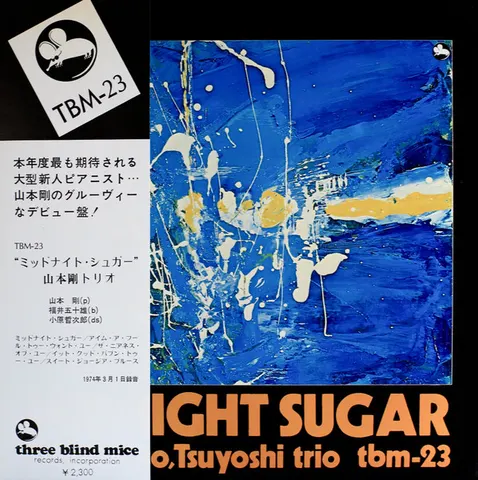
His recorded career is built around one label. Three Blind Mice, the Tokyo audiophile jazz label, issued Coco's Blues (TBM-12, recorded in 1972 and released in 1973) as his first album as leader: a quartet with Takehiro Honda on piano, Mitsuaki Furuno on bass and Arihide Kurata on drums, expanded to a sextet on two tracks with Kenji Mori on alto saxophone and Kunji Shigi on flugelhorn. In March 1974 he recorded Blues World (TBM-25, 25 March) with the organist Ushio Sakai, the tenor saxophonist Takao Uematsu, Furuno and Kurata. The next day, 26 March 1974, at the Nihon Toshi Center Hall in Tokyo, he joined the cellist and bassist Isao Suzuki and the Tsuyoshi Yamamoto trio for "Midnight Sugar", the 16-minute second track of side A of Now's the Time (TBM-29), which is billed to Suzuki and Wada together. Side B of that LP is a separate session by a George Otsuka quintet with extra horns, on which Wada is not credited.
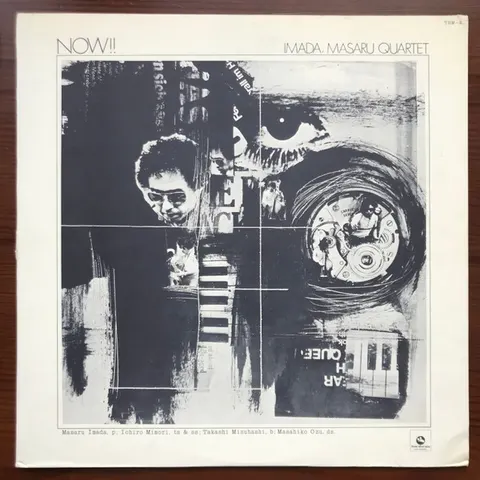
The label kept him on its list through the decade. Blues for Bird (TBM-49) is a live recording from the Nihon Toshi Center Hall in Tokyo on 26 May 1975, shared between the Sunao Wada Quintet, the singer Hitomi Ueda and the Ushio Sakai Trio. Four Scenes (TBM-75) was made on 14 September 1976 at Studio Wing in Nagoya with the saxophonist and flautist Minoru Ikeno, the pianist Sizuo Nakayama, the bassist Kazuaki Yamamoto, the drummer Koji Yamada and Ueda on vocals, whistle and cowbell. Blues-Blues-Blues (TBM-5001) followed on 26 and 27 July 1977 at Epicurus Studio in Tokyo, with Isao Suzuki on bass and cello, Masaru Imada on piano and organ, and Tetsujiro Obara on drums. Several of these albums have since been reissued on CD in the label's Supreme Collection series, and in 2023 the label's Rebirth of "TBM" compilation included his "Sunset on the Street" from Four Scenes.
After the 1970s his recording appearances are fewer and more occasional. On 1 March 1992 he played at the 60th birthday party of Minako Kuno at Tenderly, where a quintet of Wada, Kenji Mori on clarinet, Nobuyoshi Ino on bass, Yoshihiko Naya on piano and Jess Kurata on drums was recorded; Victor issued it as A Song for Mina, a CD marked not for sale. In November 1993 he recorded Blues Meeting (TBM CD 5040) for Three Blind Mice, an album billed to Ushio Sakai featuring Sunao Wada, with Sakai on electric organ and the alto saxophonist Atsuo Shirai, the vibraphonist Kan Fujii, the drummer Hiroaki Panryu and, on two tracks, the bassist Takashi Mizuhashi. In 2012 he is credited on electric guitar on Soul Kitchen by the group Kankawa.
Separately from the jazz records, Discogs credits him as the composer of songs recorded by Japanese popular and mood-song acts between 1968 and 1983, among them "Hana Geshō" (on 1968 recordings by Teruo Yoda and the Moody Kings and by Golden Sounds), "Koi Asobi" (recorded by 三音たかお, 1971), "Namida no Cherry Boy" (Telephone Sisters, 1972) and "Bōkyō Nazare" (recorded by 神年成, 1983). Japanese Wikipedia likewise describes him as a songwriter as well as a guitarist.
Sunao Wada passed away on 29 April 2021, aged 87, of acute respiratory failure caused by pneumonia, according to the Chunichi Shimbun obituary published the next day. The funeral was held for close family only, and a farewell gathering was planned at a Nagoya jazz club. The paper credited him with helping build Nagoya's jazz culture.
Wada's records are blues-centred jazz, and the titles say as much: Coco's Blues, Blues World, Blues for Bird, Blues-Blues-Blues, Blues Meeting, with "Blues for Charlie Christian" on Blues World and Charlie Parker's "Billie's Bounce" on Coco's Blues. Discogs classes his Three Blind Mice albums variously as bop, contemporary jazz, soul-jazz and electric blues, and dealer notes for the CD reissues describe an unhurried, slightly grainy guitar tone and a blues idiom that draws on soul-jazz and modal jazz as well as the twelve-bar form.
Much of his recorded work sits in an organ-and-guitar setting: Ushio Sakai's organ is on Blues World (a Hammond), Blues for Bird and Blues Meeting. Four Scenes is the outlier, a quintet date with Fender-Rhodes colouring, quiet Latin-leaning percussion and a wordless vocal used as another instrument, which one dealer's note offers as a counterweight to the idea that he was strictly a hard-bop player.
His jazz identity is clear across the whole discography: every album under his own name is a jazz record on a jazz label. The popular-song composing credits from 1968 to 1983 are a real but minor side of his output.
- Coco's Blues (1973, Three Blind Mice TBM-12, Sunao Wada Quartet / Sextet) - His first album as leader, named for the Nagoya club he ran, with Takehiro Honda on piano and Kenji Mori and Kunji Shigi joining on two tracks. YouTube - Coco's Blues, full album Listen
- Blues World (1974, Three Blind Mice TBM-25, Sunao Wada Quartet / Quintet) - Recorded 25 March 1974 with Ushio Sakai on Hammond organ and Takao Uematsu on tenor saxophone; the 19-minute title track fills side B. YouTube - Blues World, full album Listen
- Now's the Time (1974, Three Blind Mice TBM-29, Isao Suzuki and Sunao Wada) - A shared LP recorded at the Nihon Toshi Center Hall, Tokyo, on 26 March 1974; Wada is credited on "Midnight Sugar". YouTube - Now's the Time Listen
- Blues for Bird (1975, Three Blind Mice TBM-49) - A live LP shared by the Sunao Wada Quintet, Hitomi Ueda and the Ushio Sakai Trio, recorded at the Nihon Toshi Center Hall on 26 May 1975. YouTube - Blues for Bird, full album Listen
- Four Scenes (1976, Three Blind Mice TBM-75, Sunao Wada Quintet +1 featuring Minoru Ikeno) - Recorded in Nagoya on 14 September 1976 and his most stylistically varied album. YouTube - Four Scenes, full album Listen
- Blues-Blues-Blues (1977, Three Blind Mice TBM-5001, Sunao Wada Quartet with Isao Suzuki and Masaru Imada) - Electric guitar, cello or bass, piano or organ and drums, recorded at Epicurus Studio, Tokyo, on 26 and 27 July 1977. YouTube - Blues-Blues-Blues, full album Listen
- Blues Meeting (1993, Three Blind Mice TBM CD 5040, Ushio Sakai featuring Sunao Wada) - A later organ-and-guitar session recorded on 21 and 22 November 1993. Discogs - Blues Meeting
Sunao Wada (和田直) - Full Discography
Japanese jazz guitarist, club owner and songwriter. Born 13 January 1934, Tsu, Mie; passed away 29 April 2021, aged 87. Discogs artist 2494534.
Name variations on record: Sunao Wada, S. Wada, S.Wada, Wada Sunao, Wada, Sunao, 和田直, 和田 直, 和田すなお.
Group affiliations: Sunao Wada Quartet, Sunao Wada Quintet, Sunao Wada Sextet, 和田すなお&ザ・グループ.
Years follow the first release of each title as grouped on Discogs; label and catalogue numbers are shown when Discogs gives them for that original release. Several of the Three Blind Mice titles below, including Coco's Blues, Blues World and Four Scenes, have since been reissued on CD in the label's Supreme Collection series.
Leader (own-name and own-band releases)
| Album | Year | Label | Personnel | Notes | Listen | Buy |
|---|---|---|---|---|---|---|
| Coco's Blues (Sunao Wada Quartet / Sextet) | 1973 | Three Blind Mice, TBM-12 | Sunao Wada (guitar), Takehiro Honda (piano), Mitsuaki Furuno (bass), Arihide Kurata (drums); Kenji Mori (alto saxophone) and Kunji Shigi (flugelhorn) on "Billie's Bounce" and "Coco's Blues" | Five tracks: "One's Blue", "Billie's Bounce", "Guitar's Time", "Sick Thomas", "Coco's Blues". His first album as leader, named for the Nagoya jazz club he ran. Liner notes by Teruo Isono. | YouTube | Amazon |
| Blues World (Sunao Wada Quartet / Quintet) | 1974 | Three Blind Mice, TBM-25 | Sunao Wada (guitar), Ushio Sakai (Hammond organ), Mitsuaki Furuno (bass), Arihide Kurata (drums), Takao Uematsu (tenor saxophone) | Four tracks: "Now See How You Are", "Falling in Love with Love", "Blues for Charlie Christian", "Blues World" (19:27). Recorded 25 March 1974. | YouTube | Amazon |
| Four Scenes (Sunao Wada Quintet +1 featuring Minoru Ikeno) | 1976 | Three Blind Mice, TBM-75 | Sunao Wada (guitar), Minoru Ikeno (alto saxophone, flute, percussion), Sizuo Nakayama (piano, electric piano), Kazuaki Yamamoto (bass, electric bass), Koji Yamada (drums), Hitomi Ueda (vocals, whistle, cowbell) | Four tracks: "Sunset on the Street", "Ambushin' the Blues", "Jumping Dog", "The Shimmer of the Morning Sun". Recorded 14 September 1976 at Studio Wing, Nagoya. Discogs styles include soul-jazz and jazz-funk. | YouTube | Amazon |
| Blues-Blues-Blues (Sunao Wada Quartet featuring Isao Suzuki and Masaru Imada) | 1977 | Three Blind Mice, TBM-5001 | Sunao Wada (electric guitar), Isao Suzuki (bass, cello), Masaru Imada (piano, organ), Tetsujiro Obara (drums) | Six tracks: "Nothing but the Tonic", "Ocha-Ocha", "Local Men's Blues", "Blues Men", "Blues in the Closet", "A Good Deal of the Blues". Recorded 26 and 27 July 1977 at Epicurus Studio, Tokyo. | YouTube | Amazon |
| A Song for Mina - Live in Tenderly 1992.3.1 | 1992 | Victor, PRCD-1339 | Sunao Wada (guitar), Kenji Mori (clarinet), Yoshihiko Naya (piano), Nobuyoshi Ino (bass), Jess Kurata (drums) | Six tracks: "A Song for Mina", "Tenor Madness", "Autumn Leaves", "St. Thomas", "Who's Sorry Now", "Tennessee Waltz". A CD marked not for sale: a live recording of Minako Kuno's 60th birthday party at Tenderly, 1 March 1992. | not found | Amazon |
Co-leader (releases billed jointly)
| Album | Year | Label | Co-billed with | Notes | Listen | Buy |
|---|---|---|---|---|---|---|
| Now's the Time (Isao Suzuki and Sunao Wada with the Tsuyoshi Yamamoto Trio, George Otsuka Quintet +2) | 1974 | Three Blind Mice, TBM-29 | Isao Suzuki (cello), Tsuyoshi Yamamoto Trio, George Otsuka Quintet +2 | Recorded 26 March 1974 at the Nihon Toshi Center Hall, Tokyo. Side A: "Polka Dots and Moonbeams" and "Midnight Sugar" (Suzuki, Yamamoto, Isoo Fukui (bass), Tetsujiro Obara; Wada is credited on guitar on "Midnight Sugar"). Side B: the 26-minute title track by the George Otsuka Quintet +2 (Otsuka, Mitsuaki Furuno, Toshiyuki Daitoku, Kenji Mori, Yoshio Otomo, Mabumi Yamaguchi, Takao Uematsu), on which Wada is not credited. | YouTube | Amazon |
| Blues for Bird (Sunao Wada Quintet / Hitomi Ueda / Ushio Sakai Trio) | 1975 | Three Blind Mice, TBM-49 | Hitomi Ueda (vocals), Ushio Sakai Trio | Live at the Nihon Toshi Center Hall, Tokyo, 26 May 1975. Three tracks: "Moss", "Blue Bird", "Now's the Time" (21:06, with Ueda's vocal). Credits include Minoru Ikeno (alto saxophone), Sizuo Nakayama (piano), Kazuaki Yamamoto (bass), Koji Yamada and Takuji Kusumoto (drums), Masahiro Ikumi (guitar) and Ushio Sakai (organ). | YouTube | Amazon |
| Blues Meeting (Ushio Sakai featuring Sunao Wada) | 1993 | Three Blind Mice, TBM CD 5040 | Ushio Sakai (electric organ) | Seven tracks: "Down Stairs", "Louise", "Eleven O'Clock Stomp", "In the Dark", "That Lucky Old Sun", "Early in the Morning", "What's New". Recorded digitally 21 and 22 November 1993. With Atsuo Shirai (alto saxophone), Kan Fujii (vibraphone), Hiroaki Panryu (drums), Kohji Fukazawa (blues harp, track 1) and Takashi Mizuhashi (bass, tracks 2 and 7). | not found | Amazon |
Sideman appearances
| Album | Year | Leader | Label | Role | Listen | Buy |
|---|---|---|---|---|---|---|
| When a Man Loves a Woman | 1988 (recorded March 1974; CD reissue 2000, TBM-CD 1828) | Takashi Mizuhashi Quartet +2 | Three Blind Mice | Guitar on track 3, "Midnight Sugar", the same 16-minute piece as on Now's the Time | YouTube | Amazon |
| Soul Kitchen | 2012 | Kankawa | B-Cat, 1003 | Electric guitar. A direct analog two-channel recording; Discogs genres Jazz, Rock, Funk / Soul and Blues. | not found | not found |
Songwriter credits
Discogs credits him as composer on recordings by popular and mood-song acts between 1968 and 1983. These are song credits, not guitar credits.
| Title | Year | Artist | Label | Credit |
|---|---|---|---|---|
| 恋の季節 (テナーは歌う・魅惑のムード歌謡), track "花化粧" | 1968 | 与田輝雄とムーディー・キングス (Teruo Yoda and the Moody Kings) | King Records, SKK 485 | Composed by |
| 夕月, track "花化粧" | 1968 | ゴールデン・サウンズ (Golden Sounds) | Toshiba Records, TP-7287 | Composed by |
| たった二年と二ヶ月で, track "恋あそび" | 1971 | 三音たかお | Canyon, A-65 | Music by |
| 涙のチェリーボーイ | 1972 | テレフォン・シスターズ (Telephone Sisters) | King Records, BS-1547 | Music by |
| 望郷ナザレ | 1983 | 神年成 | Vap, 10117-07 | Music by |
| 夕月/京琴ヒットメロディー, track "花化粧" | undated | Kimiko Yamanouchi (京琴) with the Philips Orchestra | Philips, FS-8035 | Music and lyrics by |
Compilations and other appearances
- Shibuya Jazz Classics - Nobukazu Takemura Collection - Three Blind Mice Issue (Solid Records, CDSOL-1110/1, 2005): "Ambushin' the Blues" from Four Scenes, credited as guitar and writer.
- Rebirth of "TBM" (The Japanese Deep Jazz) (Three Blind Mice, MHCL-3042~3, 2023): "Sunset on the Street" from Four Scenes, credited as composer.
- CBC ビップ・ヤング/CBC ヤング・リクエスト (Toshiba Records, TP-7538): listed on his Discogs page; the credit is not itemized on the release.
Sources
- Discogs: Sunao Wada, artist 2494534
- Discogs: Coco's Blues, TBM-12
- Discogs: Blues World, TBM-25
- Discogs: Now's the Time, TBM-29
- Discogs: Blues for Bird, TBM-49
- Discogs: Four Scenes, TBM-75
- Discogs: Blues-Blues-Blues, TBM-5001
- Discogs: A Song for Mina, PRCD-1339
- Discogs: Blues Meeting, TBM CD 5040
- Wikipedia (Japanese): 和田直
- Ushio Sakai - organist on Blues World (Hammond), Blues for Bird (with his own trio) and Blues Meeting (billed leader, with Wada featured).
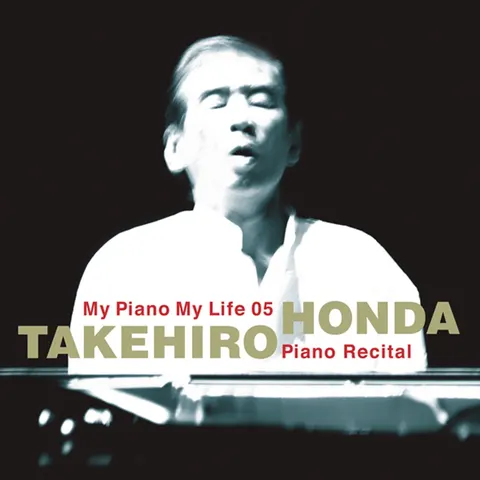
- Takehiro Honda - pianist on Coco's Blues (1973).
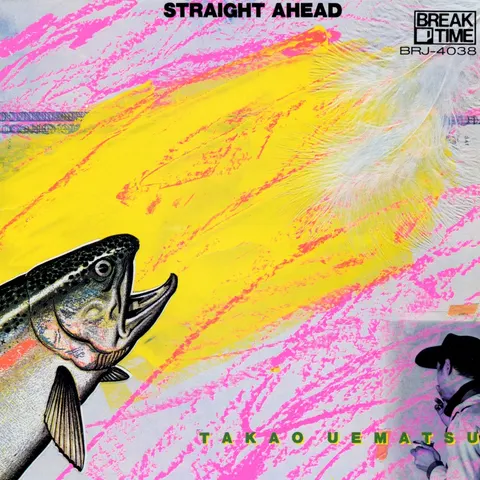
- Takao Uematsu - tenor saxophone on Blues World (1974).
- Mitsuaki Furuno and Arihide Kurata - bassist and drummer of the Coco's Blues and Blues World rhythm section.
- Isao Suzuki - co-billed on Now's the Time (1974), and bass and cello on Blues-Blues-Blues (1977).
- Tsuyoshi Yamamoto, Isoo Fukui and Tetsujiro Obara - the trio behind "Midnight Sugar" on Now's the Time; Obara also drummed on Blues-Blues-Blues.
- George Otsuka, Mabumi Yamaguchi and Yoshio Otomo - on the other side of Now's the Time, with the George Otsuka Quintet +2; Wada is not credited on that side.
- Masaru Imada - piano and organ on Blues-Blues-Blues (1977).
- Kenji Mori - alto saxophonist on Coco's Blues and Now's the Time, clarinettist on A Song for Mina, and the saxophonist Japanese Wikipedia names as his partner at the Nagoya club.
- Nobuyoshi Ino - bassist on A Song for Mina (1992).
- Minoru Ikeno, Hitomi Ueda, Sizuo Nakayama, Kazuaki Yamamoto and Koji Yamada - the Four Scenes band.
- Takashi Mizuhashi - bassist on two tracks of Blues Meeting.
- Toshiyuki Daitoku - Fender-piano player on side B of Now's the Time.
- Masahiro Andoh - younger Nagoya guitarist who, per Japanese Wikipedia's account of Andoh's life, counted Wada as a mentor.
More Jazz Blues Artists
See all 29 Jazz Blues artists →More Japanese Jazz Artists
See all 262 Japanese artists →- Discogs: Sunao Wada
- MusicBrainz: Sunao Wada
- AllMusic: Sunao Wada
- Wikipedia (Japanese): 和田直
- Facebook page
- Sunao Wada on JazzProfiles.com
- r/JapaneseJazz
- Chunichi Shimbun Web: Obituary, jazz guitarist Sunao Wada (30 April 2021)
- Wikipedia (Japanese): 和田直
- Wikidata: Sunao Wada (Q20203929)
- Discogs: Sunao Wada, artist 2494534
- MusicBrainz: Sunao Wada
- Organic Music: Coco's Blues, TBM-12
- Soundohm: Blues World, TBM-25
- Soundohm: Four Scenes, TBM-75
- Wikimedia Commons: File:和田直.jpg