JAZZPROFILES lives in the music 1,765 Jazz Artists fully Profiled!
Mikio Masuda
Last updated October 21, 2026
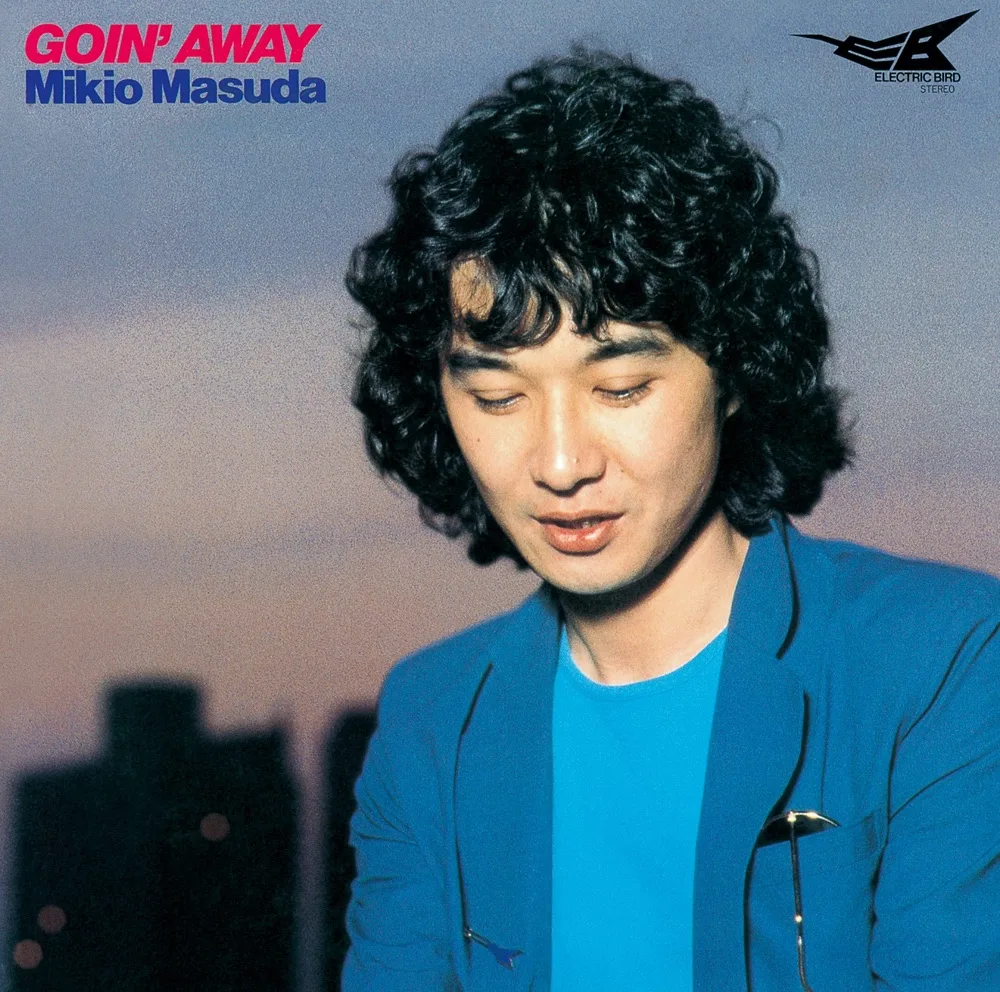
Mikio Masuda on the front cover of his album *Goin' Away*, Electric Bird, 1979. Standard copyright, all rights reserved, held by the record label (Electric Bird, King Records). This is not a Creative Commons or public-domain image, and it is not presented as one. It is an album cover whose front photograph shows the artist alone, used here as an honestly disclosed editorial stand-in for a portrait. The release credits Yukio Ichikawa for photography. — Cover artwork for the album as published on the Apple Music release page (https://music.apple.com/jp/album/goin-away/1651765468), downloaded at 1000 x 992 pixels (371,236 bytes) and saved locally as portrait.jpg in this folder, not hotlinked. It was not taken from Discogs.
Mikio Masuda (益田幹夫, Masuda Mikio in Japanese order), who was also billed as Mickey Masuda, was born in Osaka on 14 August 1949. According to his record company biography, he was drawn to modern jazz at 16 and took up the bass, switched to piano a year later and began working professionally, and at 19 moved to Tokyo, where he became a studio musician and sat in with a long list of bands. He had left the high school attached to Kwansei Gakuin University without graduating.
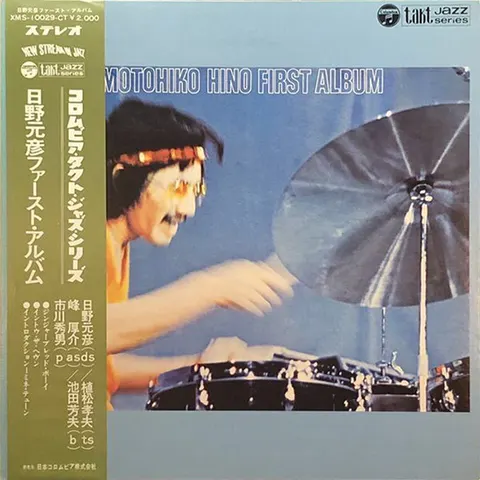
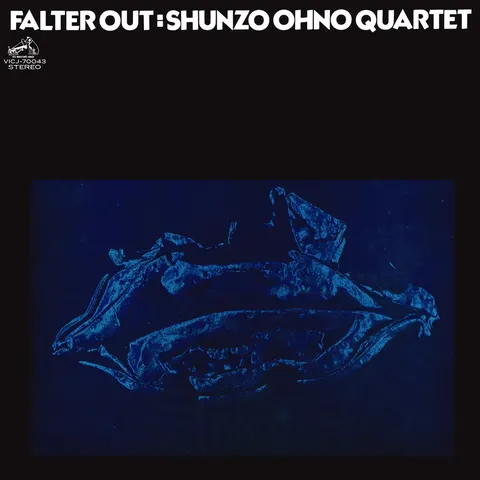
The earliest recording credit that can be documented is Terumasa Hino's sextet LP Fuji, cut at Victor Studio on 8 March 1972, where Masuda plays electric piano beside the guitarist Kiyoshi Sugimoto, the tenor saxophonist Takao Uematsu, the bassist Yoshio Ikeda and Hino's brother Motohiko Hino on drums. His official biography dates his entry into Hino's quintet to that year. On 28 August 1972 he was the pianist on the first record led by the trumpeter Shunzo Ohno, Falter Out, and in November and December 1972 he played on the Tokyo sessions of the American singer Johnny Hartman, issued as Hartman Meets Hino, with Hino on trumpet, and, in part, Hartman Sings Trane's Favorites.
The Hino group took him to Europe in 1973. The 2016 box set from the International New Jazz Meeting at Altena Castle in West Germany, held on 23 and 24 June 1973, has him on piano beside Hino on "Akubai" and "Rock for Altena". On 29 June 1973 the quintet, with Ikeda, Motohiko Hino and the conga player Yuji Imamura, was recorded live at the Domicile club in Munich for the German label Enja as Taro's Mood. Back in Tokyo he plays piano on Hino's CBS/Sony albums Journey into My Mind (recorded 19 and 20 December 1973) and the double LP Into Eternity (28 May to 1 June 1974), the second of which includes two of his own pieces, "Song for Bumiji" and the solo "Mickey's Trip".
His first record as a leader, Trace (East Wind, 1974), was recorded at Victor Studio on 9 and 12 June 1974 with Hino on flugelhorn for one track, Uematsu on tenor saxophone, Hideo Miyata on flute, Tsutomu Okada on bass and Motohiko Hino on drums. Four of its six pieces are Masuda's own. The two Hino pieces are "Black Daffodils" and "Alone, Alone and Alone"; the first shares its title with the comeback album Masuda would release in 1997. His record company biography says he joined Art Blakey's Jazz Messengers in 1975, and Japanese biographies place a stay in the United States in 1974 or 1975; no Jazz Messengers recording credit for him has surfaced, so that period is known from biographical accounts rather than from a record sleeve.
In the middle of the decade he became a regular in the Tokyo fusion bands. On 20 July 1975 he was on keyboards for the Motohiko Hino Quartet's live LP Toko, recorded at Nemu no Sato with Kazumi Watanabe on guitar and Isao Suzuki on bass, and he wrote its opening piece, "You Make Me So Sad". The tenor and soprano saxophonist Kohsuke Mine used him on the live quartet LP Solid (Yamaha Hall, 29 October 1975, Fender Rhodes and organ) and on Sunshower (9 and 10 February 1976, clavinet, organ and synthesizer). In January 1976 he joined the alto saxophonist Hidefumi Toki's quartet for Sky View (Frasco), billed "Featuring Mikio Masuda" and including his tune "Let's Get Together".
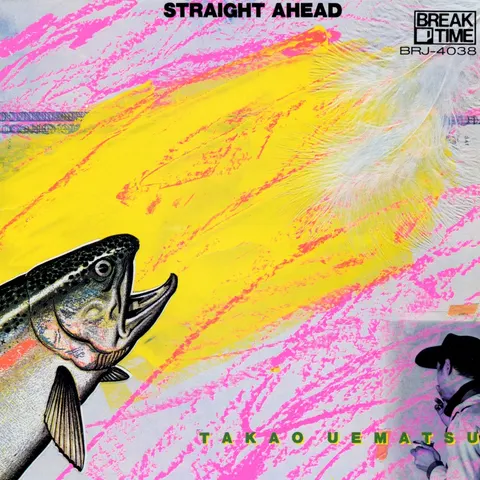
Mickey's Mouth (East Wind, 1976), recorded in April and June 1976, is the album where he is the main voice: Fender Rhodes, clavinet, Yamaha organ, Mini Korg and ARP String Ensemble, with Mine on soprano saxophone, the guitarist Masayoshi Saitoh, the bassist Osamu Kawakami, the drummer Arihide Kurata and the percussionist Guilherme Franco. "Let's Get Together" turned out to be his signature piece. It is on Mickey's Mouth, on Sky View, on a 1977 NHK radio transcription set shared with Mine and Sadao Watanabe, on Moon Stone (1978) and on Corazón (1979). The sideman dates of 1977 include Takao Uematsu's Straight Ahead (12 October 1977), the singer Yasuda Minami's Moritat (29 and 30 December 1977, with Mine on tenor), the festival double Jazz of Japan Live Under the Sky '77 (24 July 1977, Denen Colosseum, Tokyo), where he plays electric piano on two tracks, and Hino's Hip Seagull, recorded in Tokyo in August 1977 and in New York that December, whose credits include the guitarist John Scofield, the vocalist Kimiko Kasai, the drummer George Otsuka and Mine.
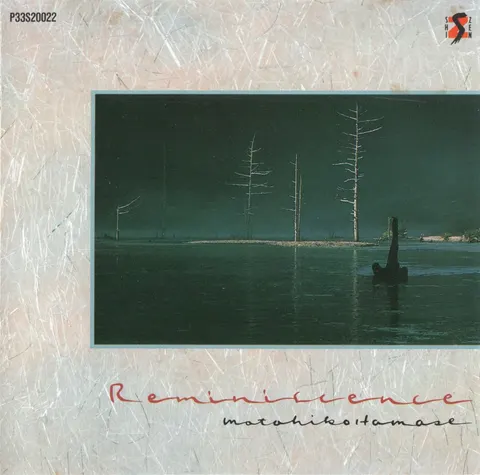
Moon Stone (Better Days, recorded 1 to 3 December 1977 at Nippon Columbia's first studio) was produced by Masuda himself, with Kazumi Watanabe and Kazumasa Akiyama on guitars, Motohiko Hamase on bass and Hideo Yamaki on drums. His official biography places his joining the Sadao Watanabe quintet in 1978. The same year brought the first of two New York recordings for the Electric Bird label. Corazón was cut at Electric Lady Studios between 11 and 18 November 1978 with the drummer Bernard Purdie, the bassist Anthony Jackson, the percussionist Sammy Figueroa and a string section arranged and conducted by Dave Matthews; it takes in Carole King's title song, Lee Oskar's "Before the Rain" and Sadao Watanabe's "Samba Em Praia". Goin' Away followed at A&R Recording on 9 to 14 July 1979, arranged by Bob Freedman, with Michael Brecker on tenor saxophone, the bassist Will Lee and the guitarists Georg Wadenius and John Tropea.
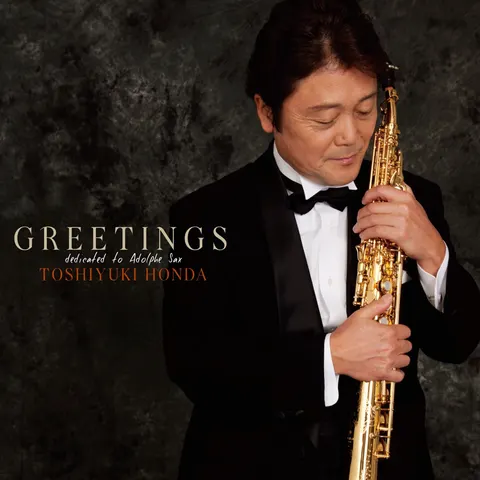
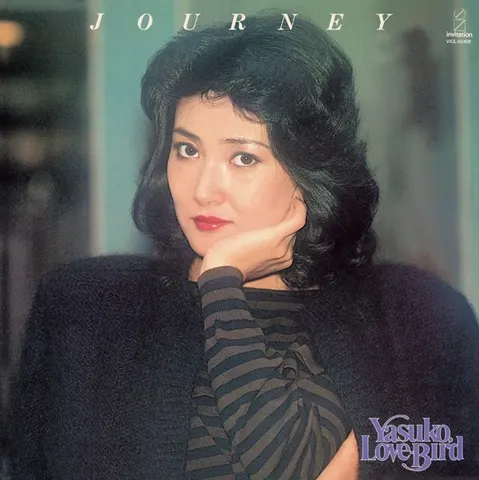
Between the two New York trips he played electric piano on three tracks of Kazumi Watanabe's Kylyn, recorded at Nippon Columbia in April and May 1979 with Ryuichi Sakamoto, Yasuaki Shimizu, Toshiyuki Honda and the trombonist Shigeharu Mukai. His own records of the early 1980s are Silver Shadow (1980, with Honda on alto saxophone and Ohno on trumpet), Mickey Finn (Zen, recorded August to October 1981 with a string section) and the Latin-tinged Chi Chi (Invitation, 1982). In 1984 he made the pop-leaning Twilight with the singer Mariko Hiraga and wrote "Who You Are", with Peter Barakan, for Yasuko Agawa's Los Angeles album Gravy.
Then he went back to acoustic piano. Dear Friends (JVC, 1986), all his own compositions, uses a quartet with the bassist Hideo Kawahara, the drummer Shingo Okudaira and the percussionist Tatsuji Yokoyama. Smokin' Night (JVC, 1987), recorded direct to two-track digital tape, was released in the United States on GRP, according to his record company. Autumn Leaves (JVC, 21 October 1990), with the bassist Masayuki Tawarayama and the drummer Masahiko Osaka, was also taken straight to two-track digital.
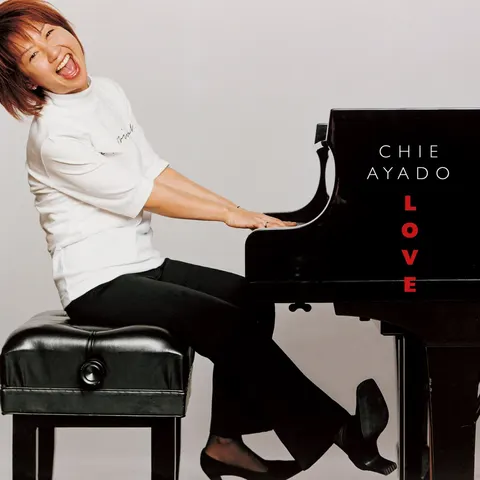
After it, multiple sclerosis, which according to his official biography had troubled him since his twenties, progressed, and he stepped back from performing. He rehabilitated through what that biography calls unyielding willpower. Seven years after Autumn Leaves he returned with Black Daffodils (JVC, 22 September 1997), recorded at Clinton Recording Studios in New York on 13 and 14 September 1996 with Ron Carter on bass and Lewis Nash on drums. It mixes standards ("In a Sentimental Mood", "There Is No Greater Love", "Blue Monk", "Oleo") with two short improvisations and the title piece. It became a Swing Journal gold disc, won an arts award from Japan's Agency for Cultural Affairs, and was released in Britain and elsewhere in Europe. In 1998 he followed it with Blue Dumplings, with Carter and the drummer Grady Tate, and the same year he played on both of Chie Ayado's first albums, For All We Know and Your Songs, co-producing and co-arranging the second.
His later years were quieter on record. He arranged and played "Nardis" and "Polka Dots and Moonbeams" for JVC's Memories of Bill Evans, recorded in the autumn of 1999. His fusion records were picked up by compilers in the 2010s and 2020s: he is on the 2018, 2021, 2023 and 2026 volumes of the J Jazz: Deep Modern Jazz From Japan series and on the DJ Notoya mix Funk Tide, a set of Tokyo jazz-funk from the Electric Bird label.
Masuda's recorded work falls into three connected bodies. The first, from Trace to the 1975 and 1976 dates with Kohsuke Mine, is hard-edged post-bop and fusion on acoustic and Fender Rhodes piano, and Discogs files Trace under Post Bop and Mickey's Mouth under Soul-Jazz, Jazz-Funk and Fusion. The second, the Electric Bird and Zen records from Moon Stone through Chi Chi, are written, arranged and often produced by Masuda himself: Latin and Brazilian rhythms, Clavinet and Minimoog funk, and in New York a pop-jazz sound shaped by Dave Matthews's string writing and session players such as Bernard Purdie, Anthony Jackson and Will Lee. The third is the acoustic trio and quartet work from Dear Friends to Black Daffodils, where the Latin tinge (Discogs lists Dear Friends under Latin Jazz and Swing) sits inside a straight piano trio.
Two features run through all three. He wrote most of his own material, and he returned to his best tunes: "Let's Get Together" has at least five recorded versions between 1976 and 1979. And his keyboard palette changed with the decade without changing his touch: Fender Rhodes, clavinet, organ and Minimoog in the 1970s, acoustic piano from the mid-1980s on. Masuda's own biographies say nothing about teachers or favourite pianists, so the clearest evidence of taste is repertoire. Black Daffodils pairs Ellington's "In a Sentimental Mood", Monk's "Blue Monk" and Rollins's "Oleo" with his own improvisations, and Blue Dumplings is mostly standards, among them "Someday My Prince Will Come" and Milt Jackson's "Bag's Groove".
He was also a pop arranger and session player. Twilight (1984), made with the singer Mariko Hiraga, is filed by Discogs under Jazz, Rock and Pop, and he wrote and arranged for vocalists such as Yasuko Agawa. That side of his work is real but small next to the catalogue as a whole, nearly all of which Discogs classifies as jazz, and the 1997 album was named a Swing Journal gold disc and won a state arts award.
- Trace (1974, East Wind EW-7004) - His first record as a leader, with Terumasa Hino on flugelhorn on one track, Takao Uematsu, Hideo Miyata, Tsutomu Okada and Motohiko Hino. Apple Music - Trace · YouTube - full album Listen · Buy
- Mickey's Mouth (1976, East Wind EW 8039) - Rhodes, clavinet, organ and synthesizers in a jazz-funk quintet with Kohsuke Mine on soprano saxophone. Apple Music - Mickey's Mouth · YouTube - full album Listen · Buy
- Moon Stone (1978, Better Days YX-7583-ND) - Latin-tinged jazz-funk produced by Masuda, with Kazumi Watanabe on guitar. Apple Music - Moon Stone · YouTube - Moon Stone Listen · Buy
- Corazón (1979, Electric Bird SKS-8004) - Recorded at Electric Lady Studios in New York with Bernard Purdie, Anthony Jackson and strings arranged by Dave Matthews. Apple Music - Corazon · YouTube - full album Listen · Buy
- Goin' Away (1979, Electric Bird SKS-8011) - A second New York session, with Michael Brecker and Will Lee. Apple Music - Goin' Away · YouTube - full album Listen · Buy
- Silver Shadow (1980, Electric Bird K28P-6032) - With Toshiyuki Honda on alto saxophone and Shunzo Ohno on trumpet. Apple Music - Silver Shadow · YouTube - Silver Shadow Listen · Buy
- Dear Friends (1986, JVC VIJ-28096) - An all-original acoustic quartet date. YouTube - full album Listen · Buy
- Smokin' Night (1987, JVC VIJ-28135) - Direct-to-two-track digital piano jazz, issued in the United States on GRP. YouTube - full album Listen · Buy
- Black Daffodils (1997, JVC VICJ-60093, with Ron Carter and Lewis Nash) - The comeback trio album, recorded in New York in September 1996. Apple Music - Black Daffodils · YouTube - In a Sentimental Mood Listen
- Taro's Mood (1973, Enja 2028 ST, Terumasa Hino quintet; Masuda on piano) - Live at the Domicile in Munich, 29 June 1973. YouTube - full album Listen
Mikio Masuda (益田幹夫) - Full Discography
Japanese jazz and fusion pianist and keyboard player. Born 14 August 1949, Osaka. Discogs artist 663528.
Name variations on record: Masuda Mikio, M. Masuda, Mikio "Mickey" Masuda, 益田幹夫.
Group affiliations: Mikio Masuda Trio (also billed Mikio Masuda Acoustic Trio), Terumasa Hino Quintet and Sextet, Kohsuke Mine Quartet, Shunzo Ohno Quartet, Hidefumi Toki Quartet, Motohiko Hino Quartet.
Leader (own-name releases)
| Album | Year | Label | Personnel | Notes | Listen | Buy |
|---|---|---|---|---|---|---|
| Trace | 1974 | East Wind, EW-7004 | Mikio Masuda (piano), Terumasa Hino (flugelhorn, A2), Takao Uematsu (tenor saxophone, B1), Hideo Miyata (flute, B2), Tsutomu Okada (bass), Motohiko Hino (drums) | Six tracks: "Pinocchio", "Black Daffodils", "Hard Luck", "Prayer", "Add Some", "Alone, Alone and Alone". Recorded 9 and 12 June 1974 at Victor Studio, Tokyo. Four are Masuda originals; "Black Daffodils" and "Alone, Alone and Alone" are Hino's. | Apple Music · YouTube, full album | Amazon |
| Mickey's Mouth | 1976 | East Wind, EW 8039 | Mikio Masuda (Fender Rhodes, clavinet, Yamaha YC-30 organ, Mini Korg and ARP String Ensemble synthesizers), Kohsuke Mine (soprano saxophone), Masayoshi Saitoh (guitar), Osamu Kawakami (electric bass), Arihide Kurata (drums), Guilherme Franco (congas, tabla, cuica, percussion) | Five tracks: "What's Happening", "Let's Get Together", "Hello Jess", "I Saw the Light", "Airplane". Recorded at Onkio Haus, Tokyo, 14 and 15 April 1976, and Phonogram Studio, Tokyo, 9 and 14 June 1976. | Apple Music · YouTube, full album | Amazon |
| Moon Stone | 1978 | Better Days, YX-7583-ND | Mikio Masuda (electric piano, organ, clavinet, synthesizer; producer), Kazumi Watanabe (electric guitar), Kazumasa Akiyama (electric guitar, vocals), Motohiko Hamase (electric bass), Hideo Yamaki (drums) | Seven tracks including "Mickey's Samba", "Funky Wave", "Space Coaster" and "Let's Get Together". Recorded 1 to 3 December 1977 at Nippon Columbia's first studio, Tokyo. | Apple Music · YouTube | Amazon |
| Corazón | 1979 | Electric Bird, SKS-8004 | Mikio Masuda (piano, electric piano, clavinet, Mini Moog), Anthony Jackson (electric bass), Bernard Purdie (drums), Sammy Figueroa (percussion), Dave Matthews (arranger, conductor), Clifford Carter (synthesizer programming), string section led by David Nadien | Seven tracks, including Carole King's "Corazón", Lee Oskar's "Before the Rain", Robert Lamm's "Another Rainy Day in New York City" and Sadao Watanabe's "Samba Em Praia". Recorded 11 to 18 November 1978 at Electric Lady Studios, New York. Produced by George Nishimura and Shigeyuki Kawashima for Wave Inc. | Apple Music · YouTube, full album | Amazon |
| Goin' Away | 1979 | Electric Bird, SKS-8011 | Mikio Masuda (piano, electric piano, clavinet, melodica, Moog IIIc), Michael Brecker (tenor saxophone), Dave Tofani (alto and tenor saxophone, flute), Ronnie Cuber (baritone saxophone), Danny Cahn (trumpet, flugelhorn), Sam Burtis (trombone), John Tropea, Georg Wadenius and Richard Resnicoff (guitars), Will Lee (electric bass), Rick Marotta (drums), Crusher Bennett (percussion) | Eight tracks, arranged and conducted by Bob Freedman. Recorded 9 to 14 July 1979 at A&R Recording, New York. | Apple Music · YouTube, full album | Amazon |
| Silver Shadow | 1980 | Electric Bird, K28P-6032 | Mikio Masuda (electric piano, keyboards, piano), Toshiyuki Honda (alto saxophone), Shunzo Ohno (trumpet), Takayuki Kato (electric guitar), Osamu Kawakami and Kenji Takamizu (bass), Masato Kawase (percussion) | Eight tracks: "My Delight", "Silver Shadow", "All About You", "Goody-Goody", "Sonic Barrier", "Little Waltz", "Inner Urge" and "Blue Sky". The drummer is credited in Japanese only. | Apple Music · YouTube | Amazon |
| Mickey Finn | 1981 | Zen, ZEN-5005 (LP); ZTLP-5 (7" promo single of "Mickey Finn" and "Tear Drops Again") | Mikio Masuda (keyboards, arranger), Tatsuhiko Hizawa (bass), Takayuki Kato (guitar), Tatsuji Yokoyama (percussion), Ohno Strings (strings arranged by Yasunori Tsuchida on two tracks) | Eight tracks including "Skippin' High", "Tico Tico" and "5:30 A.M.". Recorded 28 August to 25 October 1981 at Victor Aoyama Studio, Tokyo. | Apple Music · YouTube | Amazon |
| Mikio Masuda | 1982 | Electric Bird, K19P 9144 | Compilation | Eight tracks drawn from Corazón, Goin' Away and Silver Shadow: "Corazón", "Spanish Fantasy", "Before the Rain", "See-Saw Song", "Goin' Away", "My Delight", "Love Talkin'" and "Silver Shadow". | YouTube, "Corazón" | not found |
| Chi Chi | 1982 | Invitation, VIH-28102 | Mikio Masuda (keyboards, percussion, chorus, arranger), Tatsuhiko Hizawa (bass, guitar), Kiyotsugo Amano (guitar), Masaaki Hiyama (drums), Tatsuji Yokoyama (percussion); guests Yuichi Togashiki (drums on three tracks) and Rie Murakami (chorus) | Ten tracks including "Song of Fantasy", "Mozambique", "Escrava da Alegria" and the Beatles' "Here, There and Everywhere". Produced by Tetsu Hoshika. | Apple Music · YouTube, full album | Amazon |
| Dear Friends | 1986 | JVC, VIJ-28096 | Mikio Masuda (piano), Hideo Kawahara (acoustic bass), Shingo Okudaira (drums), Tatsuji Yokoyama (percussion) | Eight tracks, all composed by Masuda: "Majorca", "Bossa Serenade", "Little Waltz", "That's So Nice", "Istanbul", "Everyday Everynight", "Blues for J", "Impromptu of Blue". | YouTube, full album | Amazon |
| Smokin' Night | 1987 | JVC, VIJ-28135 | Mikio Masuda (piano), Hideo Kawahara (acoustic bass), Shingo Okudaira (drums), Tatsuji Yokoyama (percussion) | Eight tracks, seven of them Masuda originals plus Monk's "'Round Midnight". Recorded direct to two-track tape on the JVC DAS-900 digital audio system. Produced by Akira Taguchi. Released in the United States by GRP, according to the artist's record company biography. | YouTube, full album | Amazon |
| Autumn Leaves (as Mikio Masuda Acoustic Trio) | 1990 | JVC, VICJ-36 | Mikio Masuda (piano), Masayuki Tawarayama (acoustic bass), Masahiko Osaka (drums) | Released 21 October 1990. Recorded direct to two-track, fully digital. Produced by Akira Taguchi. | YouTube, "Another Sweet Memories" | Amazon |
| Black Daffodils (黒水仙; as Mikio Masuda with Ron Carter and Lewis Nash) | 1997 | JVC, VICJ-60093 | Mikio Masuda (piano), Ron Carter (bass), Lewis Nash (drums) | Eleven tracks: "In a Sentimental Mood", "There Is No Greater Love", "Improvisation #2", "Blue Monk", "Once Loved", "Black Daffodils", "Third Plane", "Oleo", "I Wish I Knew", "Boogalo", "Improvisation #1". Recorded 13 and 14 September 1996 at Clinton Recording Studios, New York. Released 22 September 1997. Produced by Hiroshi Suruga; mastered with JVC's 20-bit K2 system. A Swing Journal gold disc and a state arts award winner. | Apple Music · YouTube, "In a Sentimental Mood" | Amazon |
| Blue Dumplings | 1998 | Victor Entertainment, JVC 9040-2 | Mikio Masuda (piano), Ron Carter (double bass), Grady Tate (drums) | Ten tracks including "Stardust", "I'll Close My Eyes", "Yellow in Green", "Someday My Prince Will Come", "My One and Only Love" and "Bag's Groove". | YouTube, "I'll Close My Eyes" | Amazon |
Co-leader (jointly billed)
| Album | Year | Label | Co-billed with | Notes | Listen | Buy |
|---|---|---|---|---|---|---|
| Sky View (as Toki Hidefumi Quartet Featuring Mikio Masuda) | 1976 | Frasco, FS-7009 | Hidefumi Toki (alto saxophone) | With Yoshio Ikeda (bass) and Steve Jackson (drums). Five tracks, including Masuda's "Let's Get Together". Recorded 12 and 13 January 1976 at Victor Studio, Tokyo. Presented by Pit Inn Music. | YouTube, full album | Amazon |
| NHK Transcription Programme (No. 164): Japanese Jazz Scene '77 | 1977 | Transcription Service, TR 164/1 - TR 164/2 (2xLP) | Kohsuke Mine, Sadao Watanabe | NHK radio transcription disc. Five tracks: "Expectation" (Mine), "Let's Get Together", "You Make Me So Sad" and "We Got Our Dance" (Masuda), "Poromoko Lamaji" (Watanabe). | not found | not found |
| Twilight | 1984 | Invitation, VIH-28202 | Mariko Hiraga (vocals) | Nine tracks, including "Urban Night", "Illusion", "Who You Are" and "It Isn't Fair to Run Away". Discogs files it under Jazz, Rock and Pop. | YouTube | Amazon |
Guest and sideman appearances
| Album | Year | Leader | Label | Role | Listen | Buy |
|---|---|---|---|---|---|---|
| Fuji | 1972 | Terumasa Hino Sextet | Victor, SMJX-10135 | Electric piano. Recorded 8 March 1972 at Victor Studio, with Takao Uematsu, Kiyoshi Sugimoto, Yoshio Ikeda and Motohiko Hino. | YouTube | not found |
| Falter Out | 1973 | Shunzo Ohno Quartet | Victor, MJ-7144 | Piano, electric piano. Recorded 28 August 1972 at Teichiku Studio, Tokyo, with Mitsuaki Furuno (bass) and Arihide Kurata (drums). | Apple Music | not found |
| Hartman Meets Hino | 1973 | Johnny Hartman and Terumasa Hino | Capitol, ECP-88107 | Piano. Recorded 29 November 1972, with Yoshio Ikeda (bass) and Motohiko Hino (drums). | YouTube | not found |
| Hartman Sings Trane's Favorites | 1973 | Johnny Hartman | Capitol, ECP-88108 | Piano on two tracks (A1, B3), recorded 1 December 1972 at Mouri Studio, Tokyo. Reissued with Hartman Meets Hino on Blue Note's For Trane (1995). | not found | not found |
| Live! | 1973 | Terumasa Hino Quintet | Three Blind Mice, TBM-17 | Piano. Recorded live on 2 June 1973. | YouTube | not found |
| Taro's Mood | 1973 | Terumasa Hino | Enja, 2028 ST | Piano. Recorded live at the Domicile jazz club, Munich, 29 June 1973, with Yoshio Ikeda (bass), Motohiko Hino (drums) and Yuji Imamura (congas). | YouTube, full album | not found |
| Journey into My Mind | 1974 | Terumasa Hino | CBS/Sony, SOPL 240 | Piano on "My Funny Valentine", "Rêve Provençale" and "Sky". Recorded 19 and 20 December 1973. | YouTube, "Open Vision" | not found |
| Into Eternity | 1974 | Terumasa Hino | CBS/Sony, SOPI 14-15 (2xLP) | Piano on nearly every track; composer of "Song for Bumiji" and "Mickey's Trip". Recorded 28 May to 1 June 1974 at CBS/Sony Studio No. 1, Roppongi. | YouTube | not found |
| International New Jazz Meeting Burg Altena 1972-1973 | 2016 | Various | B.Free, B.free 6167-6174 (8CD) | Piano beside Terumasa Hino on "Akubai" and "Rock for Altena", from the 1973 meeting at Altena Castle (23 and 24 June 1973). | not found | not found |
| Toko: Motohiko Hino Quartet at Nemu Jazz Inn | 1975 | Motohiko Hino Quartet | Bellwood, OFL-3004 | Keyboards; composer of "You Make Me So Sad". Recorded 20 July 1975 at Nemu no Sato, with Kazumi Watanabe (guitar) and Isao Suzuki (bass). | not found | not found |
| August 9th | 1975 | Tranzam | Black, BAL-1004 | Keyboards. | not found | not found |
| Solid | 1976 | Kosuke Mine Quartet | East Wind, EW-8031 | Fender Rhodes, Yamaha Combo organ. Recorded live at Yamaha Hall, Tokyo, 29 October 1975, with Hideaki Mochizuki (bass) and Arihide Kurata (drums). | YouTube | not found |
| Sunshower | 1976 | Kohsuke Mine | East Wind, EW-8038 | Clavinet, organ, synthesizer. Recorded 9 and 10 February 1976 at Onkio Haus, Tokyo. | YouTube, full album | not found |
| Straight Ahead | 1977 | Takao Uematsu | Trio Records, PAP-9100 | Piano, electric piano, synthesizer; composer of "Fancy Free". Recorded 12 October 1977 at Onkio Haus, Tokyo. | YouTube, "White Fire" | not found |
| Sunrise | 1977 | Zerosen | Victor, SF-10069 | Keyboards. Reissued as a 7" single in 2026. | YouTube | not found |
| Jazz of Japan: Live Under the Sky '77 | 1977 | Various | Flying Disk, VIJ-9001/2 (2xLP) | Yamaha CP-30 electric piano on "Orange Sunshine" and "Free Land". Recorded 24 July 1977 at Denen Colosseum, Tokyo. | not found | not found |
| Moritat | 1978 | Yasuda Minami | Philips, RJ-7428 | Piano. Recorded 29 and 30 December 1977, with Kohsuke Mine (tenor saxophone), Hideo Miyata (harmonica), Motohiko Hamase (bass) and Hiroshi Murakami (drums). | YouTube | not found |
| Hip Seagull | 1978 | Terumasa Hino | Flying Disk, VIJ-6010 | Acoustic piano and Fender Rhodes. Recorded 10 and 11 August 1977 at Victor Studios, Tokyo, and 15 December 1977 at Sound Ideas Studio, New York, with John Scofield, James Mtume, Kohsuke Mine, Kimiko Kasai, Motohiko Hino and George Otsuka. | YouTube | not found |
| Burning Super Session | 1978 | Burning Men | Yupiteru, YJ25-7008 | Synthesizer, electric piano, piano. Recorded 5 and 6 June 1978 at Teichiku Suginami Studio, with Isao Suzuki (producer, bass) and Kazumasa Akiyama (guitar). | not found | not found |
| Dancing Sphinx | 1978 | Hiroshi Murakami & Dancing Sphinx | Showboat, 3SB-1011 | Electric piano, synthesizer and organ on five tracks. | not found | not found |
| Kylyn | 1979 | Kazumi Watanabe | Better Days, YX-7595-ND | Electric piano on "199X", "Sonic Boom" and "Milestones". Recorded April and May 1979 at Nippon Columbia studios, Tokyo. | not found | not found |
| Feeling Your Love | 1979 | Eri Ohno | Better Days, YX-7251-ND | Electric piano on three tracks. | YouTube, full album | not found |
| Digital Love | 1979 | David Matthews & The Electric Birds | Electric Bird, SKS 8010 | Acoustic piano solo on "Media". Recorded 30 May to 24 July 1979 at Electric Lady Studios, New York. | not found | not found |
| Gravy | 1984 | Yasuko Agawa | Invitation, VIH-28171 | Co-writer, with Peter Barakan, of "Who You Are". Recorded in Los Angeles, March and April 1984. | not found | not found |
| Urban Café | 1984 | Hiromi Nakamura | Invitation, VIH-28163 | Piano on two tracks (A4, B2), with Hidefumi Toki on alto saxophone. | not found | not found |
| Sweet Magic | 1984 | Malta | JVC, VIJ-28040 | Acoustic piano solo on "Sunset in My Heart". | not found | not found |
| My Ballads | 1987 | Malta | JVC, JD-3315 | Piano on track 4. | not found | not found |
| For All We Know | 1998 | Chie Ayado | EWE Records, EWCD-0005 | Piano and electric organ. Released 21 June 1998, with Tsutomu Okada and Yoshio Suzuki (bass), Motohiko Hino (drums) and Kazumasa Akiyama (guitar). | not found | not found |
| Your Songs | 1998 | Chie Ayado | EWE Records, EWCD-0006 | Piano; co-producer and co-arranger of the rhythm tracks. Recorded 30 September to 2 October 1998 at Onkio Haus, Tokyo. | not found | not found |
| Memories of Bill Evans (A Tribute to Bill Evans) | 2000 | Various | JVC, VICJ-60548 | Piano and arrangements on "Nardis" and "Polka Dots and Moonbeams". Recorded 28 to 30 September and 6 and 25 October 1999; direct to analog two-track. | not found | not found |
| Hello | 2002 | Masaru Watanabe | Showboat / Flying Dog, SWAX-53 | Keyboards. | not found | not found |
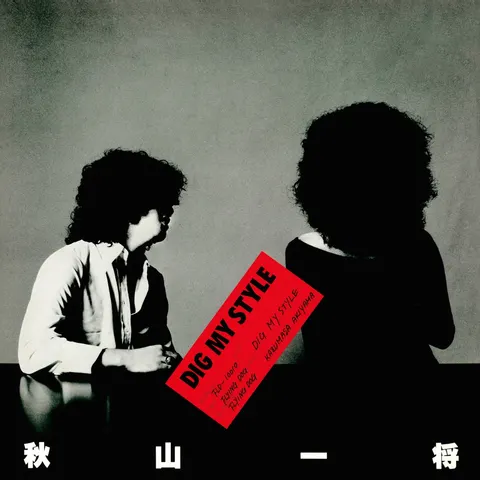
| Dig My Style | 2024 | Kazumasa Akiyama | Flying Dog / Tower Records, NCS-80043 | Electric piano, pianica, rhythm and string arrangements. Listed on Discogs as a 2024 issue. | YouTube, full album | not found |
Compilations and other appearances
Chronological list of compilation and track-only appearances: East Wind Special Digest Album (East Wind, 1974), NHK Transcription Programme (No. 137): Modern Jazz in Japan (1975), This Is Electric Bird (Electric Bird, 1979), NHK Transcription Programme (No. 181): Trend-Setters in Japanese Jazz (1980), City: New York and Wave (Electric Bird, 1983), Exhaust Beat (1983), Midnight Blue: The (Be)Witching Hour (1996), Blue Box 2: The Finest in Jazz Vocalists (Blue Note, 1998), Jazz in the Cafes: Seaside Interiors (Roving Spirits, 2001), Shibuya Jazz Classics: Toshio Matsuura Collection, East Wind Issue (2003), Wax Poetics Japan JP Jazz Re-Works (King Records, 2011) and its companion Mixed Roots: King of JP Jazz 70's, More Better Days (2016), Anytime Fusion! The Best Fusion of Victor Archives (Victor Entertainment, 2017), J Jazz: Deep Modern Jazz From Japan (2018) and its Volume 3 (2021), Volume 4 (2023) and Volume 5 (2026), Funk Tide: Tokyo Jazz-Funk From Electric Bird 1978-87 (DJ Notoya, 2024), East Wind: Revolutionary Japanese Jazz in the 70s (Universal, 2024), Crossover City: Bon Voyage (King Records, 2025) and City Music Tokyo Second Definition (2026).
Sources
- Terumasa Hino - trumpeter and his most important employer in the early 1970s: Fuji (1972), Hartman Meets Hino (1973), Live! (Three Blind Mice, 1973), Taro's Mood (Enja, 1973), Journey into My Mind (1974), Into Eternity (1974) and Hip Seagull (1978); Hino also plays flugelhorn on "Black Daffodils" on Masuda's Trace.
- Motohiko Hino - drummer on Trace and on most of the Terumasa Hino records above; Masuda is on keyboards on his Toko (Bellwood, recorded 20 July 1975).
- Kohsuke Mine - saxophonist: Solid (1976), Sunshower (1976), soprano saxophone on Mickey's Mouth, and Hip Seagull.
- Shunzo Ohno - trumpeter: Falter Out (recorded 28 August 1972) and trumpet on Masuda's Silver Shadow (1980).
- Kiyoshi Sugimoto - guitarist beside Masuda in the Hino sextet on Fuji (1972).
- Kazumi Watanabe - guitarist: Toko (1975), Moon Stone (1978) and Kylyn (1979).
- Toshiyuki Honda - alto saxophonist on Silver Shadow (1980) and on Kylyn (1979).
- Ryuichi Sakamoto and Yasuaki Shimizu - keyboardist and tenor saxophonist on the same Kylyn tracks.
- Isao Suzuki - bassist on Toko (1975), Burning Super Session (Burning Men, 1978) and on one side of Hino's Into Eternity (1974).
- George Otsuka, Kimiko Kasai and John Scofield - drummer, vocalist and guitarist on Hino's Hip Seagull (1978).
- Michael Brecker - tenor saxophone on Goin' Away (Electric Bird, 1979).
- Ron Carter - bassist on Black Daffodils (1997) and Blue Dumplings (1998).
- Lewis Nash - drummer on Black Daffodils (1997).
- Yasuko Agawa - Masuda co-wrote "Who You Are" with Peter Barakan for her album Gravy (Invitation, 1984).
- Chie Ayado - the singer and pianist whose first two albums, For All We Know and Your Songs (both 1998), he played on; he also produced and co-arranged the second.
- Art Blakey and Sadao Watanabe - bandleaders whose groups he joined in 1975 and 1978 according to his official biography; those memberships come from biographical accounts rather than recorded credits.
- Takao Uematsu, Hideo Miyata, Tsutomu Okada and Yoshio Ikeda - saxophonist, flutist, bassist and bassist in the Hino groups and on Trace.
- Dave Matthews, Bernard Purdie, Anthony Jackson and Sammy Figueroa - arranger, drummer, bassist and percussionist on Corazón (1979).
- Hideo Kawahara, Shingo Okudaira and Tatsuji Yokoyama - bassist, drummer and percussionist on Dear Friends and Smokin' Night.
- Masayuki Tawarayama and Masahiko Osaka - bassist and drummer of the Mikio Masuda Trio on Autumn Leaves (1990).
- Grady Tate - drummer on Blue Dumplings (1998).
- Motohiko Hamase - bassist on Masuda's own Moon Stone (Better Days, December 1977), and on Takao Uematsu's Straight Ahead (Trio Records, October 1977) and Minami Yasuda's Moritat (Philips, December 1977), both of which also feature Masuda on piano.
- Takao Uematsu - keyboardist, composer and arranger on Uematsu's own Straight Ahead (Trio Records PAP-9100, recorded October 12, 1977), where Masuda wrote "Fancy Free"; Uematsu in turn plays saxophone on Trace (East Wind, 1974) and tenor saxophone on the Terumasa Hino Sextet's Fuji (1972), on which Masuda plays electric piano.
- Kazumasa Akiyama - guitarist and vocalist on Masuda's Moon Stone (1978); Akiyama is also on Chie Ayado's For All We Know (1998), where Masuda plays piano and organ, and Masuda is on the Burning Men album Burning Super Session (1978) with him.
- MALTA - saxophonist; Masuda plays piano and takes a solo on his Sweet Magic (1984) and plays on track 4 of My Ballads (1987).
- Osamu Kawakami - electric bassist on Mickey's Mouth (1976), writer of its track "Hello Jess," and electric and acoustic bassist on Silver Shadow (1980).
- Masaaki Hiyama - drummer on Chi Chi (Invitation, 1982), beside Tatsuhiko Hizawa on bass, Kiyotsugo Amano on guitar and Tatsuji Yokoyama on percussion; later Casiopea's drummer, 1990 to 1992.
- Yuji Imamura - congas in Terumasa Hino's 1973 quintet with Masuda on piano, on Live! (Three Blind Mice), Taro's Mood (Enja) and Mr. Happiness (released on tape and reissued in 2012).
- Tsutomu Okada - bassist on Masuda's Trace (recorded June 1974), and on Burning Super Session (1978) and Chie Ayado's For All We Know and Your Songs (both 1998), on which Masuda plays piano.