 JAZZPROFILES lives in the music 1,765 Jazz Artists fully Profiled!
Yuji Imamura
Last updated October 21, 2026
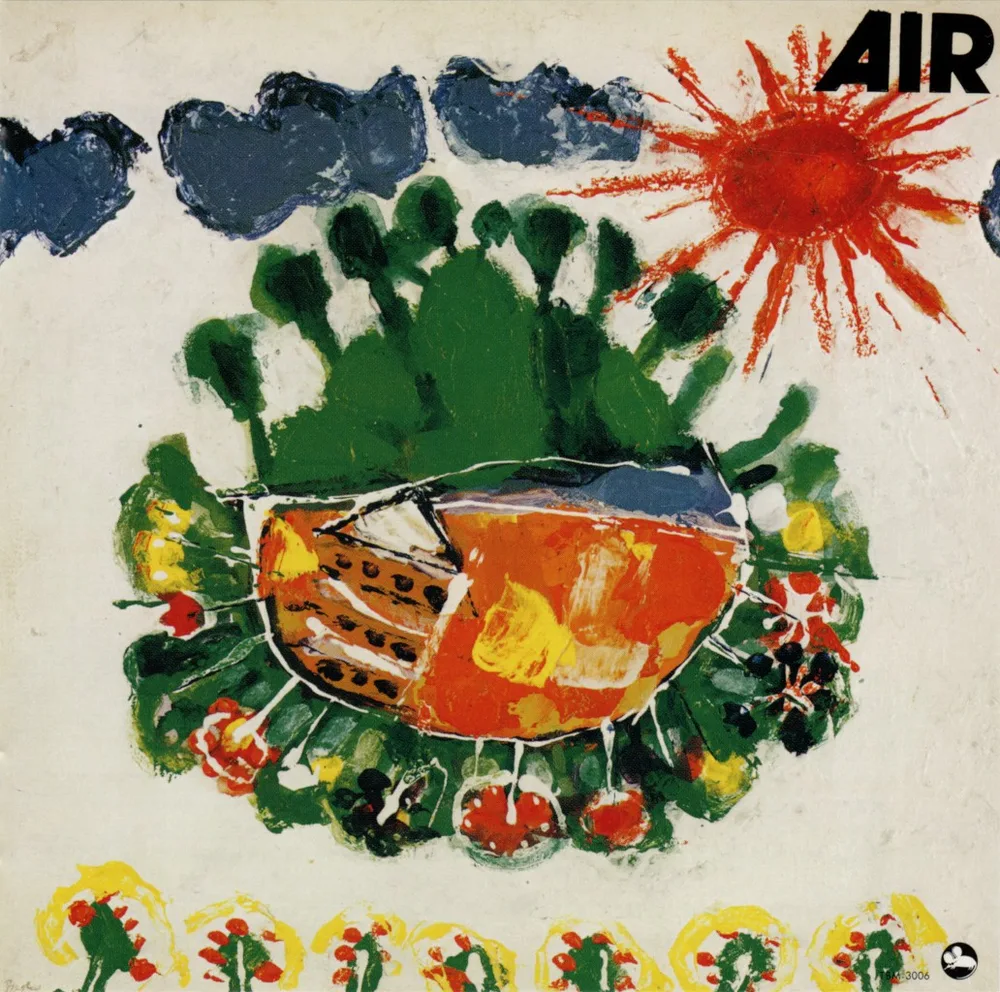
Cover of *Air* (Three Blind Mice, 1977) by Yuji Imamura & Air, the first album recommended in this profile. It is an illustrated sleeve, not a photograph of the artist. Standard copyright, all rights reserved, held by Three Blind Mice. This is not a Creative Commons or public-domain image; it is an album cover shown as an honestly disclosed editorial identification image. — https://coverartarchive.org/release/6dc946bc-ec3c-4591-97e9-a7c31886d585/front-1200 (Cover Art Archive image for the MusicBrainz release "Air", Three Blind Mice TBM-3006, 12 April 1977)
Yuji Imamura (今村祐司) is a Tokyo-born percussionist, a conga player above all, whose name runs through Japanese jazz and fusion credits from 1968 to 2021 at least. He was born on March 30, 1939, and according to his CDJournal profile began performing while still in high school. Discogs files 62 entries under his name, and only a few of them are his own records. Shinjuku Pit Inn, where he still leads a group, introduces him as a pioneer of Japanese percussion who drives a band with lively Latin rhythms and warm, human playing. He turned 87 in March 2026.
Little has been written about his early life. His own homepage, the CDJournal profile and a Japanese drummers' directory give his birth date and birthplace and a short outline of his career; where he studied and who taught him are not recorded in any of them.
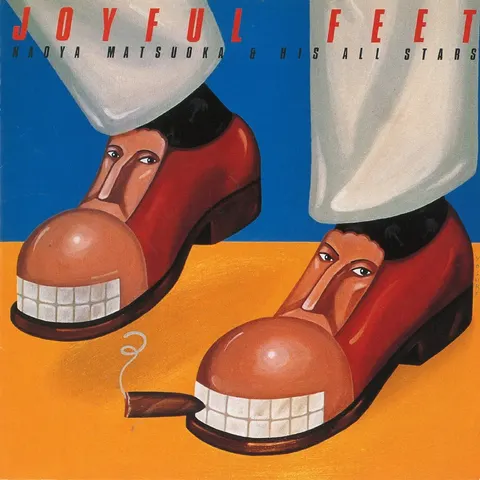
The earliest credit found is on Sadao Watanabe's Sadao Plays Bacharach and Beatles, recorded in November and December 1968 and issued in 1969, where he plays percussion in a band that includes Terumasa Hino on trumpet, Hiroshi Suzuki on trombone and Yoshiaki Masuo on guitar. His homepage says he spent ten years performing with the Latin pianist Naoya Matsuoka and made records and gave concerts with Watanabe after Watanabe came back from America. On record, Watanabe's Open Road (CBS/Sony, recorded on May 2, 1973 at Hibiya Public Hall) credits him on congas and percussion in a band with strings and with Takehiro Honda on piano, Hiroshi Fukumura on trombone, Kohsuke Mine on saxophones, Shunzo Ohno on trumpet and Yoshio Suzuki on bass. The one Matsuoka record in his Discogs credits is Majorca (Warner Bros., 1979), on which he plays percussion and, on "Que Pasa Amigo", congas; Japanese Wikipedia also lists him among the guests in Matsuoka's band Wesing.
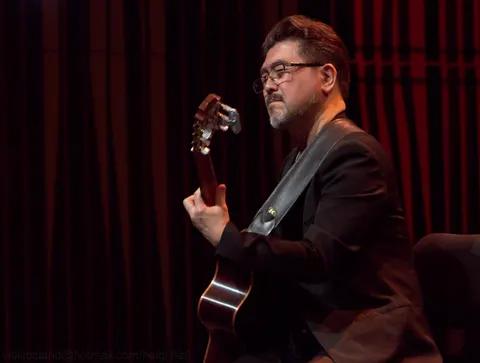
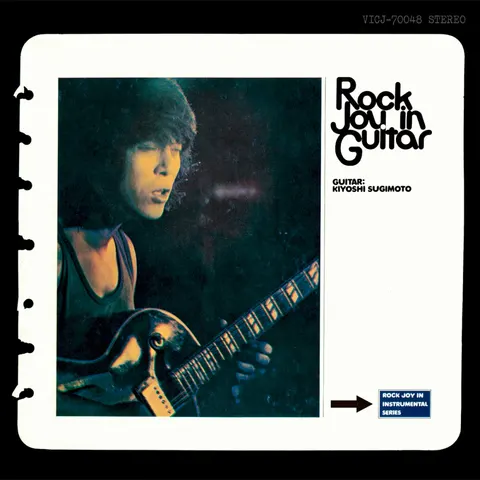
His longest documented association is with Terumasa Hino. His homepage says he joined Hino's group for recordings, concerts and the Montreux Jazz Festival. The earliest Hino record on which he is credited is A Part (Canyon, 1971), recorded in November and December 1970 with Reggie Workman on bass, Takao Uematsu on tenor saxophone and bass clarinet, Kiyoshi Sugimoto on guitar, Hideo Ichikawa on piano and Motohiko Hino on drums, with Imamura on congas. On August 14, 1972 he played percussion on Reminicent Suite, Hino's date with the pianist Mal Waldron at Victor Studio in Tokyo, with Uematsu, the bassist Isao Suzuki and Motohiko Hino.
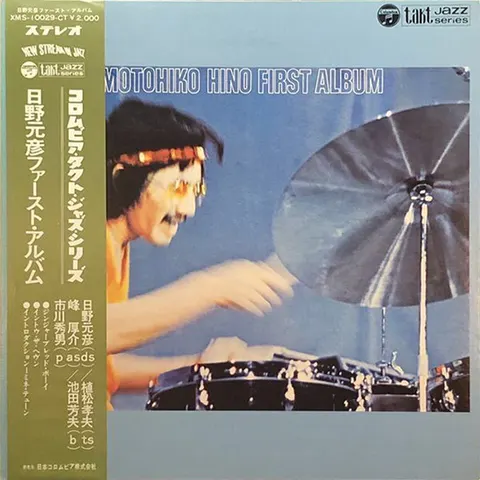
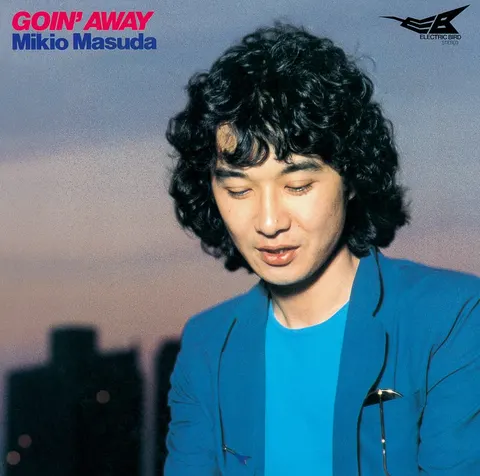
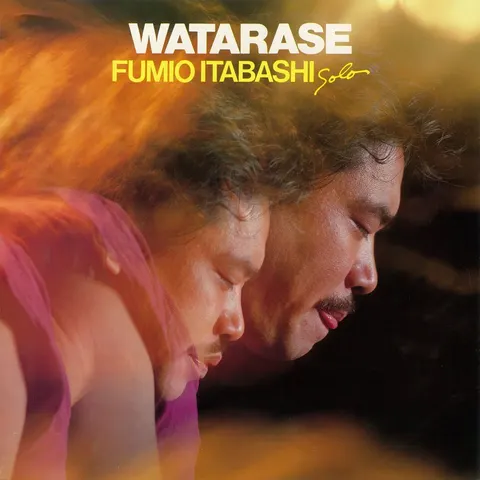
In 1973 he was the conga player in Hino's working quintet, with the pianist Mikio Masuda, the bassist Yoshio Ikeda and Motohiko Hino on drums. That group recorded Live! for Three Blind Mice on June 2, 1973, played the 1973 International New Jazz Meeting at Burg Altena in West Germany (the eight-disc box set issued in 2016 holds its "Akubai" and "Rock for Altena", 20 and 43 minutes long), and on June 29 was recorded live at the Jazzclub Domicile in Munich for Enja, released as Taro's Mood. He is credited on congas for "Ode to Workman" on Hino's Into Eternity (CBS/Sony, recorded May 30, 1974) and on percussion for "Hi-nology" on Speak to Loneliness (East Wind, recorded January 15, 1975). Two live recordings from April 1975 close the period: Nemuro on April 8, issued as the two volumes of Wheel Stone - Live in Nemuro, and Yubin Chokin Hall in Tokyo on April 14, issued as Live in Concert and described by Universal Music Japan as the farewell concert Hino gave just before leaving for the United States. Watanabe sat in on alto saxophone and Masahiko Togashi played percussion beside Imamura, with Fumio Itabashi on electric piano, Akira Okazawa on electric bass, Tsutomu Okada on bass and Shigeharu Mukai on trombone.
His homepage says that after Hino left for America he joined the group of Hino's younger brother, the drummer Motohiko Hino. Flying Clouds, the set the Motohiko Hino Quartet + 2 recorded at "5 Days in Jazz 1976" in Yamaha Hall, Tokyo, on May 27, 1976 and released in 2022, credits Imamura on percussion alongside Nobuyoshi Ino on bass, Kazumi Watanabe on guitar and the tenor saxophonists Mabumi Yamaguchi and Yasuaki Shimizu.
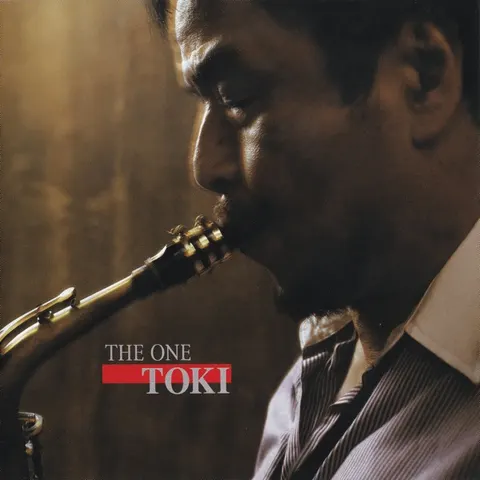
He had already appeared as a leader in 1975. NHK's transcription series for broadcasters, programme 137, Modern Jazz in Japan, carries three tracks billed to the Yuji Imamura Quintet ("Never Change for Me", "Like a Stone" and "Self-Contradiction"), with Hidefumi Toki on alto and soprano saxophones, Itabashi on piano, Yoshio Ikeda on bass, Shoji Nakayama on drums and Imamura on congas.
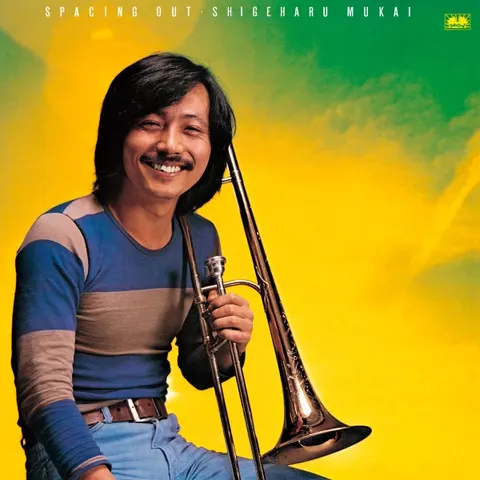
From 1975 he is a regular in the Three Blind Mice catalogue and its circle. He plays percussion on Mukai's first leader album, For My Little Bird (Columbia, recorded in November 1974), and was one of the two added players, with Kazumi Watanabe, on Masaru Imada's Green Caterpillar (recorded January 20 and 22, 1975 at Aoi Studio, with Isoo Fukui on bass and Tetsujiro Obara on drums). He played congas and percussion in the New Herd of Toshiyuki Miyama on Shuko Mizuno's Jazz Orchestra '75 (September 3, 1975) and was a guest on congas on The World of Shuko Mizuno (1976).
Air, recorded on April 12 and 20, 1977 at Epicurus Studio in Tokyo and issued as Three Blind Mice TBM-3006, is the record that carries his name. It is two side-long pieces, "Air Part I" (19:30) and "Air Part II" (18:10), played by a quintet that Discogs lists as Imamura (congas, amplified tabla, percussion), Ino (electric bass through an echo chamber, pedal and flanger, double bass, Turkish guitar, tape recorder), the drummer Hiroshi Murakami, the guitarist Renkichi Hayashi (electric guitar with ring modulator and effects, kalimba, an Indian single-string guitar) and Yasuo Shimura (flute, amplified soprano saxophone, sho, voice, ARP synthesizer, radio). Takeshi Fujii produced, Yoshihiko Kannari engineered and Yozo Iwanami wrote the liner notes. Disk Union describes it as an intellectual, dense electric jazz-rock album recalling Miles Davis, and the Fukuoka dealer Hip Tank Records says it was made just before Imamura began performing live with his own combo. It was reissued on CD by Three Blind Mice in 2001, by Think! Records in 2013 and by Craftman Records in 2020.
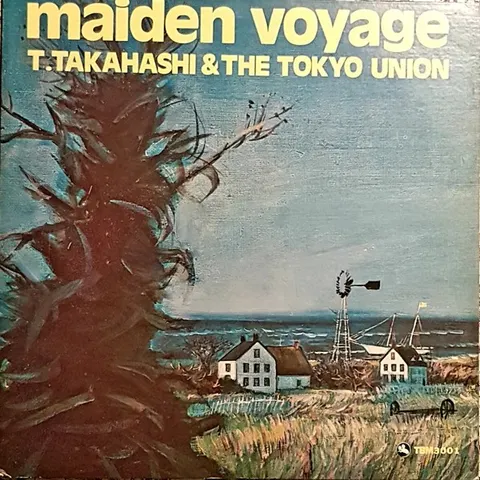
The same studios kept him busy that year and the next. He played percussion on Scandinavian Suite (recorded May 15 and 22, 1977), Bingo Miki's suite for the Tokyo Union big band of Tatsuya Takahashi, which also features the guitarist Takao Naoi. He is on the three Tee & Company albums, Sonnet, Dragon Garden and Spanish Flower (recorded in November and December 1977 at Aoi Studio, with Imada, Ino, the bassist Hideto Kanai, Murakami, Masayuki Takayanagi on electric guitar, Uematsu and the reed player Kenji Mori), where he also plays tabla. On Imada's Planets (recorded March 17, 1977) he is credited on "Sea's Pasture", and in Imada's quartet he is on No Tears with the singer Ayako Hosokawa (recorded December 27 and 28, 1977) and Remember of Love (February 18, 1978). He also played on She Cries (recorded November 22 to 24, 1978), the album of the singer Shigeko Toya and Imada, with the drummer Akira Ishikawa and the bassist Masaoki Terakawa.
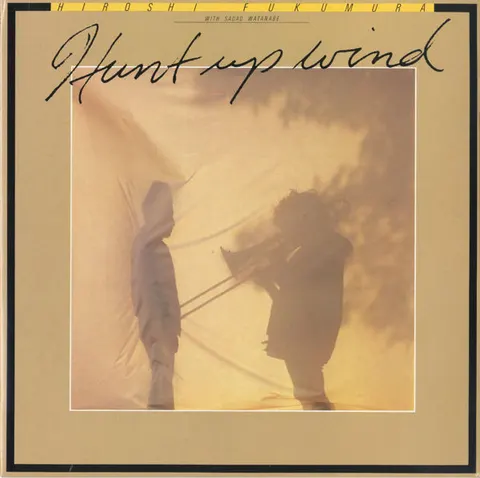
He stayed with Imada into the 1980s at the Full House label. Andalusian Breeze (recorded September 3 and 4, 1980) has the drummer Shinji Mori and guitarist Kazumi Watanabe, and Carnival (recorded May to July 1981 at Sound Inn, Tokyo) has Michael Brecker on tenor saxophone and Randy Brecker on flugelhorn. He is also on Fukumura's Nice Day (recorded May and June 1980), Seiichi Nakamura's 1982 album 取りみだしの美学, Michiko Yoshino's One Love (1984), and, on congas as a guest, the band Carioca's Virgin Islands (1986). CDJournal adds that in the 1980s he co-led a group with the saxophonist Tomoki Takahashi (高橋知己) and worked in a group led by Honda; Imamura's homepage also says he worked in Imada's and Honda's groups after Motohiko Hino's group broke up. The record that documents Honda's side is earlier: Imamura plays congas on What's Going On by T. Honda & His Orchestra (Trio Records, recorded 1973).
In 1983 Riv.Star issued Youjin Rainbow (25RL-0004), billed to Youjin Rainbow. CDJournal lists Eugene Rainbow (ユージン・レインボー) among his leader works, and a dealer describes the record as a one-off project led by "Youjin", meaning Imamura, recorded in Hawaii with a Latin flavour. The sleeve lists nine tracks, among them "Pineapple Walking" and "熱い砂".
Later leader records include Mario (マリオ), which Oricon dates to July 19, 1997 and JazzNode places on Aketa's Disk, with tracks including "Jump Monk Jump" and "泣いて笑って". Beat From the Earth (What'sNew Records WNCJ-2177, released April 25, 2007) is a duo with the saxophonist Teruo Goto (後藤輝夫): ten tracks, standards such as "A Night in Tunisia", "Poinciana" and "What a Difference a Day Made" beside originals, with Imamura on congas, kalimba and djembe. He is on two Tomoki Takahashi Quartet CDs on Aketa's Disk, Smile Please (2013) and Wise One (2017, with the singer Noriko Suzuki), and on the bassist Michio Takanashi's self-released If I Could Go Back (recorded April 2021), his most recent new recording on Discogs.
His own group has been his main vehicle in recent years. His blog's monthly schedules for 2016 and 2017 list dates at Shinjuku Pit Inn and Aketa's in Nishi-Ogikubo with the saxophonist Koichi Matsukaze, the pianist Takeshi Shibuya (渋谷毅), the bassist Katsumasa Kamimura and the drummer Fumio Watanabe, and filmed sets from 2015 to 2017 name the same group. In 2026 the group, now with the saxophonist Kenta Tsugami, the pianist Nobara Kodachi (小太刀のばら), Kamimura and the drummer Akira Toyama (外山明), is on Shinjuku Pit Inn's calendar, with a date listed for November 25, 2026.
He also teaches. Japanese Wikipedia's list of instructors at Mesar House (メーザー・ハウス), a music school in Meguro, Tokyo that opened in 1983 and closed on March 31, 2020, names him as a percussion instructor, and the flautist and percussionist Toshiji Yamamoto (born 1954) is described there as having studied percussion under Imamura and Motohiko Hino. His playing keeps surfacing on collectors' compilations of Japanese jazz, among them the Shibuya Jazz Classics volumes (2003 and 2005), Spiritual Jazz 8 (2018), BBE's J Jazz series (2018 and 2021) and Scenery of Japanese Jazz (2020).
No interview in which he names his influences was found, so this section sticks to what the records and descriptions show.
Congas are his main instrument, and the credits add tabla (on Air, on "A Tree Frog" from Spanish Flower and on Dragon Garden), kalimba and djembe (on Beat From the Earth) and general percussion. Shinjuku Pit Inn's own description of him stresses lively Latin rhythms, and his homepage names the Latin pianist Naoya Matsuoka as his partner of ten years, which fits the Latin flavour that a record dealer finds in Youjin Rainbow.
The settings are wider than that. He is the conga player in Hino's quintet of the early 1970s, the percussion colour in Imada's piano-led fusion records, a guest in a big band, and the leader of Air, which Discogs files as jazz-rock and fusion and which Disk Union compares to electric Miles Davis and Hip Tank Records says has a Japanese flavour, built from long improvised pieces. Beat From the Earth turns to standards and short originals for a conga and saxophone duo.
- Air (1977, Three Blind Mice TBM-3006) - his leader album, two side-long electric pieces recorded on April 12 and 20, 1977 with Nobuyoshi Ino, Hiroshi Murakami, Renkichi Hayashi and Yasuo Shimura. YouTube - Air, full album Listen
- Terumasa Hino Quintet, Live! (1973, Three Blind Mice TBM-17) - the Hino quintet with Mikio Masuda, Yoshio Ikeda and Motohiko Hino, recorded live on June 2, 1973. YouTube - Live!, full album Listen
- Terumasa Hino, Taro's Mood (1973, Enja 2028 ST) - the same quintet recorded live at the Domicile in Munich on June 29, 1973. Apple Music - Taro's Mood Listen
- Masaru Imada Trio +2, Green Caterpillar (1975, Three Blind Mice TBM-39) - Imada's trio with Kazumi Watanabe on guitar and Imamura on congas and percussion. YouTube - Green Caterpillar, full album Listen
- Masaru Imada Trio +1, Planets (1977, Planets PSJ-7701) - recorded on March 17, 1977; Imamura is credited on "Sea's Pasture". Apple Music - Planets Listen
- Tee & Company, Spanish Flower (1978, Three Blind Mice TBM-5008) - the studio band of November 1977, with Imamura on tabla and percussion. YouTube - Spanish Flower, full album Listen
- Yuji Imamura & Teruo Goto, Beat From the Earth (2007, What'sNew Records WNCJ-2177) - a conga and saxophone duo of standards and originals. Apple Music - Beat from the Earth Listen
- Youjin Rainbow (1983, Riv.Star 25RL-0004) - the one-off project billed under his nickname. YouTube - Pineapple Walking Listen
- Yuji Imamura Group, "Mario" (filmed February 13, 2017) - his group at Shinjuku Pit Inn with Koichi Matsukaze, Takeshi Shibuya, Katsumasa Kamimura and Fumio Watanabe. YouTube - Mario, live Listen
Yuji Imamura (今村祐司) - Full Discography
Japanese jazz percussionist, mainly congas. Born 30 March 1939, Tokyo. Discogs artist 663531.
Name variations on record: Uzi Imamura, Y. Imamura, Yuhij Imamura, Yuhji Imamura, Yûji Imamura, 今村祐司. He is billed as Youjin Rainbow on one 1983 album.
Group affiliations on Discogs: Terumasa Hino Quintet, Masaru Imada Quartet, Tee & Company, Yuji Imamura Quintet, Shuko Mizuno Combo, Tomoki Takahashi Quartet. His leader album Air is credited to the group Air.
Leader and co-leader
| Album | Year | Label | Personnel | Notes | Listen | Buy |
|---|---|---|---|---|---|---|
| Air (billed as Yuji Imamura & Air) | 1977 | Three Blind Mice, TBM-3006 | Yuji Imamura (congas, amplified tabla, percussion), Nobuyoshi Ino (electric bass with echo chamber, pedal and flanger, double bass, Turkish guitar, percussion, tape recorder), Hiroshi Murakami (drums, tambourine, cowbell, percussion), Renkichi Hayashi (electric guitar with ring modulator and effects, kalimba, Indian single-string guitar, electronics), Yasuo Shimura (flute, amplified soprano saxophone, sho, voice, ARP synthesizer, percussion, radio) | Recorded at Epicurus Studio, Tokyo, on 12 and 20 April 1977. Two side-long pieces: "Air Part I" (19:30) and "Air Part II" (18:10). Produced by Takeshi Fujii, recorded by Yoshihiko Kannari, executive producers Akisuke Fukutomi and Kazumitsu Saga, art direction by Ben Nishizawa, liner notes by Yozo Iwanami; four-page booklet and insert. Reissued on CD by Three Blind Mice (TBM-CD-1886, 2001), by Think! Records (THCD-241, 2013) and by Craftman Records (CMRS-0104, 2020). Discogs master 246793; the album's artist credit is the Discogs group Air (965424). | Full album on YouTube | Amazon |
| Youjin Rainbow (billed as Youjin Rainbow, ユージン・レインボー) | 1983 | Riv.Star Records, 25RL-0004 | Credited on Discogs only as Youjin Rainbow (arranger); no other musicians are listed | Nine tracks: "Pineapple Walking", "熱い砂", "Chi Chi", "Big Mama", "Morning Sunrise", "裸足になって", "Pale Dream", "Dark Horse", "Birds Song". A Japanese record dealer describes it as a one-off project led by "Youjin", meaning Imamura, recorded in Hawaii; CDJournal lists Eugene Rainbow (ユージン・レインボー) among his leader works. Held on Discogs as a separate artist, Youjin Rainbow (4490718), not linked to his own entry. Discogs notes a promo copy marked "見本盤". Discogs releases 7201917 and 15966263. | "Pineapple Walking" on YouTube | Amazon |
| Mario (マリオ) | 1997 | Aketa's Disk (per JazzNode) | Not documented in the sources found | Listed by Oricon with a release date of 19 July 1997. JazzNode lists tracks including "海の思い出", "ソング・オブ・クロップ/豊作の歌", "アウト・オブ・ジス・タウン", "ジャンプ・モンク・ジャンプ" and "泣いて笑って". Not on Discogs. A live performance of a piece called "Mario" by the Yuji Imamura Group was filmed at Shinjuku Pit Inn on 13 February 2017. | Live "Mario" (2017) on YouTube | Amazon |
| Beat From The Earth (Yuji Imamura & Teruo Goto, 今村祐司 & 後藤輝夫) | 2007 | What'sNew Records, WNCJ-2177 | Yuji Imamura (congas, kalimba, djembe, percussion), Teruo Goto (tenor, soprano and alto saxophones, Chinese flute, djembe, percussion) | Released 25 April 2007. Ten tracks: "Sound of Foot Steps", "Mo' Better Blues", "A Night in Tunisia", "Child Song", "Matilda, Matilda", "Gari", "Poinciana", "The Earth Is Crying", "Beat From The Earth", "What a Difference a Day Made". Discogs release 18567259. | On Apple Music · YouTube | Amazon |
Sideman, guest and compilation appearances
Chronological. Discogs artist 663531 lists 62 entries, including reissues and compilations; entries that are the same album in several editions are folded into one row. Where a credit is only for one track, the track is named.
| Year | Release | Actual leader | Label | Imamura's credit and details | Listen | Buy |
|---|---|---|---|---|---|---|
| 1969 | Sadao Plays Bacharach and Beatles (サダオ・プレイズ・バカラック・アンド・ビートルズ) | Sadao Watanabe | Columbia, XMS-10010-CT | Percussion. Japanese Wikipedia dates the sessions to November and December 1968. Band includes Sadao Watanabe (alto and soprano saxophones), Terumasa Hino and Tetsuo Fushimi (trumpets), Hiroshi Suzuki, Hisashi Imai and Tomoaki Hashizume (trombones), Yasushi Ichiura (bass trombone), Kazuo Yashiro (organ, harpsichord), Yoshiaki Masuo (guitar), Isao Eto and Yoshio Ikeda (basses), Fumio Watanabe (drums). | On Apple Music | Amazon |
| 1971 | A Part (A パート) | Terumasa Hino meets Reggie Workman | Canyon, CAJ-1005 | Congas. Recorded at T.S.C. Japan on 1 and 8 November and 3 December 1970 (the 1979 Overseas pressing gives 12 November 1970). Reggie Workman (bass), Takao Uematsu (tenor saxophone, bass clarinet), Kiyoshi Sugimoto (guitar), Hideo Ichikawa (piano, electric piano), Motohiko Hino (drums), Terumasa Hino (trumpet, flugelhorn). Three pieces: "A Part" (26:33), "Ode to Workman" (15:18), "Be and Know" (9:45). Later issues that carry his credit: Overseas Records ULS-1853-V (1979), Absord Music Japan ABCJ-43 (1999), Octave Lab OTLCD2385 (2018), OTS-184 (2020), Ultra-Vybe UVWA-1040 (2021), UVWA-2035 (2022) and UVWA-4029 (2026). | On Apple Music | Amazon |
| 1973 | Reminicent Suite | Mal Waldron and Terumasa Hino | Victor, SMJX-10155 | Percussion. Recorded at Victor Studio, Tokyo, on 14 August 1972. Mal Waldron (piano), Terumasa Hino (trumpet), Takao Uematsu (tenor saxophone), Isao Suzuki (bass), Motohiko Hino (drums). Reissued by Victor as SMJ-6238 (1978) and by BBE as BBE682ALP (2024). | On Apple Music | Amazon |
| 1973 | Live! (ライブ!) | Terumasa Hino Quintet | Three Blind Mice, TBM-17 | Congas. Recorded live on 2 June 1973. Terumasa Hino (trumpet), Mikio Masuda (piano), Yoshio Ikeda (bass), Motohiko Hino (drums). Producer Takeshi Fujii; recording engineer Yoshihiko Kannari. | Full album on YouTube | Amazon |
| 1973 | Taro's Mood | Terumasa Hino | Enja Records, 2028 ST (Germany) | Congas. Recorded live at the Jazzclub Domicile, Munich, on 29 June 1973, by the same quintet. Producers Horst Weber and Matthias Winckelmann. | On Apple Music | Amazon |
| 1973 | Mr. Happiness (tape); Mr. Happiness & Slipped Out (2012 reissue) | Terumasa Hino | CUE Corporation, 246RA-001 (reel-to-reel); Super Fuji Discs, FJSP-171/172 (2CD, 2012) | Congas. Originally issued on tape, recorded 1973, by the same quintet: Hino, Mikio Masuda (piano), Yoshio Ikeda (bass), Motohiko Hino (drums). | not found | Amazon |
| 1973 | Open Road | Sadao Watanabe | CBS/Sony, SOPJ-43~44 | Congas, percussion. Recorded on 2 May 1973 at Hibiya Public Hall, Tokyo. Sadao Watanabe (alto, sopranino saxophones, flute, arranger), Takehiro Honda (piano, electric piano), Kohsuke Mine (soprano and tenor saxophones), Hiroshi Fukumura (trombone), Shunzo Ohno (trumpet, flugelhorn), Yoshio Suzuki (bass), Fumio Watanabe (drums), with a string section. Gatefold double LP. | Full album on YouTube | Amazon |
| 1973 | What's Going On | T. Honda & His Orchestra (Takehiro Honda) | Trio Records, RSP-9026 | Congas. Recorded 1973. Kohsuke Mine (alto saxophone), Kazunori Takeda (tenor saxophone), Shuzo Morikawa and Tetsuo Fushimi (trumpets), Teddy Adams (trombone, arranger), Takehiro Honda (piano, electric piano, organ, arranger), Tamio Kawabata (bass), James Cheek and Takuji Kusumoto (drums), Ken Lawson (guitar). Gatefold sleeve; also issued by Jazz Room Records (JAZZR 022, 2023). | not found | Amazon |
| 1974 | Into Eternity | Terumasa Hino | CBS/Sony, SOPI 14-15 | Congas on "Ode to Workman" (side B, track 1, 20:25), recorded on 30 May 1974 at CBS/Sony Studio No. 1, Roppongi, Tokyo. The sessions ran from 28 May to 1 June 1974. | not found | Amazon |
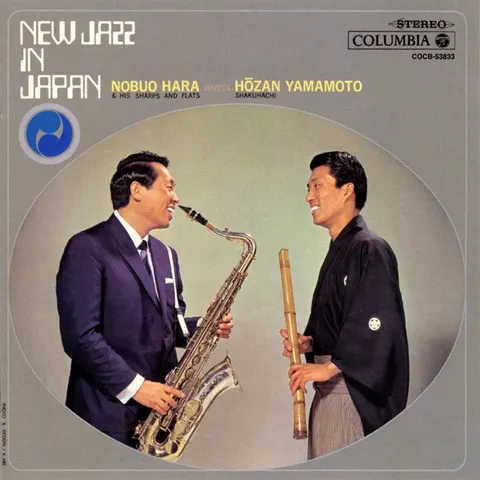
| 1974 | Prelude to the Afternoon of a Faun | Nobuo Hara and His Sharps & Flats | Denon, NCB-8014 (1974); Columbia, COCB-54080 (2013 reissue) | Percussion, as credited on the 2013 Columbia reissue; the 1974 Denon pressing's Discogs entry lists no percussion credit. Arranged by Hiromasa Suzuki. | not found | Amazon |
| 1975 | For My Little Bird (フォー・マイ・リトル・バード) | Shigeharu Mukai Quintet | Columbia, YX-7010-N | Percussion. Recorded on 9 and 18 November 1974 at Nippon Columbia 1st Studio, Tokyo. Shigeharu Mukai (trombone), Hidefumi Toki (alto saxophone), Tomoki Takahashi (soprano and tenor saxophones), Toshiyuki Daitoku (electric piano), Kazuhide Motooka (piano), Mitsuaki Furuno (bass), Kenichi Kameyama (drums). Apple Music lists a release date of 25 March 1975. | On Apple Music | Amazon |
| 1975 | Green Caterpillar | Masaru Imada Trio +2 | Three Blind Mice, TBM-39 | Congas, percussion. Recorded at Aoi Studio, Tokyo, on 20 and 22 January 1975. Masaru Imada (piano), Kazumi Watanabe (guitar), Isoo Fukui (bass), Tetsujiro Obara (drums). Later issues include Three Blind Mice (1996) and Le Très Jazz Club (LTJC002, 2017). | Full album on YouTube | Amazon |
| 1975 | Speak to Loneliness (スピーク・トゥ・ロンリネス) | Terumasa Hino | East Wind, EW-7008 | Percussion on "Hi-nology" (side B, track 2, 10:37). Recorded on 15 January 1975 at PSC Recording Studio, Tokyo. Terumasa Hino (trumpet), Hideo Miyata (tenor and soprano saxophones), Fumio Itabashi (piano), Tsutomu Okada (bass), Motohiko Hino (drums). | not found | Amazon |
| 1975 | Live in Concert | Terumasa Hino | East Wind, EW-8016 | Congas. Recorded live on 14 April 1975 at Yubin Chokin Hall, Tokyo, described by Universal Music Japan as the concert Hino gave just before leaving for the United States. Terumasa Hino (trumpet, flugelhorn), Sadao Watanabe (alto saxophone), Hideo Miyata (tenor saxophone), Shigeharu Mukai (trombone), Fumio Itabashi (electric piano), Kiyoshi Sugimoto (guitar), Tsutomu Okada (bass), Akira Okazawa (electric bass), Motohiko Hino (drums), Masahiko Togashi (percussion). | On Apple Music · YouTube | Amazon |
| 1975 | Shuko Mizuno's "Jazz Orchestra '75" (ジャズ・オーケストラ'75) | Shuko Mizuno and Toshiyuki Miyama & The New Herd | Three Blind Mice, TBM-1004 | Congas, percussion. Recorded on 3 September 1975 at Yamaha Epicurus Studio, Tokyo. Toshiyuki Miyama (conductor), Kazumi Watanabe (guitar, soloist), Seiichi Nakamura and Kenji Mori (saxophone soloists), Akira Okazawa (electric bass), Sadakazu Tabata and Shuichi Murakami (drums), Kiyoshi Takano (piano). Written by Shuko Mizuno. | not found | Amazon |
| 1975 | NHK Transcription Programme (No. 137): Modern Jazz in Japan | Various (three tracks billed to the Yuji Imamura Quintet) | NHK, TR 137/1 - TR 137/2 | Leader billing on three tracks: "Never Change for Me" (A3, 8:03), "Like a Stone" (D3, 5:50) and "Self-Contradiction" (D4, 6:32). Yuji Imamura Quintet: Hidefumi Toki (alto and soprano saxophones), Fumio Itabashi (piano), Yoshio Ikeda (double bass), Shoji Nakayama (drums), Yuji Imamura (congas). Two-LP set for broadcasters only; the other sides are by the Terumasa Hino Quintet, the Sadao Watanabe Quartet, the George Otsuka Quintet and the Kosuke Mine Quintet. Discogs release 6782200. | not found | Amazon |
| 1976 | The World of Shuko Mizuno | Shuko Mizuno Combo and Toshiyuki Miyama & The New Herd | Three Blind Mice, TBM-70 | Percussion on "Dum" (13:28) and "Concentration" (7:44); guest congas on "Jazz Orchestra '75 Part II" (27:08). Recorded 26 May 1976. | not found | Amazon |
| 1976 (released 2022) | Flying Clouds | Motohiko Hino Quartet + 2 | Days of Delight, DOD-030 | Percussion. Recorded at "5 Days in Jazz 1976", Yamaha Hall, Tokyo, on 27 May 1976; released 24 November 2022. Motohiko Hino (drums), Nobuyoshi Ino (bass), Kazumi Watanabe (guitar), Mabumi Yamaguchi and Yasuaki Shimizu (tenor saxophones). Original recording produced by Takeshi Fujii. | not found | Amazon |
| 1977 | Jazz Minus One Vol. 3 and Vol. 4 | JMO | Tam, YX-6108 and YX-6109 | Percussion. Recorded on 26 April 1977 at Sound City Studio, Tokyo. Masaru Imada (piano, supervisor), Akira Miyazawa (tenor saxophone, flute and other reeds), Kyohei Uyama and Sadanori Nakamure (guitars), Takashi Mizuhashi (bass), Steve Jackson (drums). | not found | Amazon |
| 1977 | Planets (First Planets On Blueroad) | Masaru Imada Trio +1 (今田勝トリオ+1) | Planets, PSJ-7701 | Congas, percussion on side B, track 1, "Sea's Pasture" (16:45). Recorded on 17 March 1977 at Aoyama Tower Hall, Tokyo. Masaru Imada (piano, percussion), Kunimitsu Inaba (bass, percussion), Tetsujiro Obara (drums, percussion). Reissued by BBE in 2022. His "Planets" credit also appears on the vinyl edition of BBE's J Jazz: Deep Modern Jazz From Japan (Volume 3) (2021). | On Apple Music | Amazon |
| 1977 | Sonnet (ソネット) | Tee & Company | Three Blind Mice, TBM-5004 | Percussion. Recorded November 1977. Masaru Imada (piano, electric piano), Masayuki Takayanagi (electric guitar), Nobuyoshi Ino and Hideto Kanai (basses), Hiroshi Murakami (drums), Takao Uematsu (tenor saxophone), Kenji Mori (soprano and tenor saxophones). Producer Takeshi Fujii. Reissued on CD in 1988 (TBM CD 5004, with Spanish Flower) and 2000 (TBM CD 1804). | Full album on YouTube | Amazon |
| 1977 | Scandinavian Suite | Bingo Miki, Tatsuya Takahashi & The Tokyo Union | Three Blind Mice, TBM-1005 | Percussion. Recorded at Epicurus Studio, Tokyo, on 15 and 22 May 1977. Tatsuya Takahashi (leader, tenor saxophone), Bingo Miki (composer), Takao Naoi and Kenichi Araya (guitars), Masahiro Kanayama (piano), Mickie Yoshino (synthesizer), Yoshinori Ishida (bass), Kazuhiro Ebisawa (drums), with a full big band. | Full album on YouTube | Amazon |
| 1978 | Dragon Garden (ドラゴン・ガーデン) | Tee & Company | Three Blind Mice, TBM-5006 | Percussion on the side A title piece (13:41); credited tabla and percussion on the 2000 CD (TBM-CD 1805). Recorded at Aoi and Epicurus studios, Tokyo, in November and December 1977, by the same band as Sonnet. | Full album on YouTube | Amazon |
| 1978 | Spanish Flower (スパニッシュ・フラワー) | Tee & Company | Three Blind Mice, TBM-5008 | Tabla and percussion on "A Tree Frog" (14:15); percussion on "Spanish Flower" (18:50). Recorded at Aoi Studio, Tokyo, on 13 and 14 November 1977. Also on NHK Transcription Programme No. 181 (1980) and the compilations listed below. | Full album on YouTube | Amazon |
| 1978 | No Tears | Ayako Hosokawa with the Masaru Imada Quartet | Three Blind Mice, TBM-5005 | Percussion. Recorded on 27 and 28 December 1977 at Toshiba EMI Studio, Tokyo. Ayako Hosokawa (vocals), Masaru Imada (piano), Mitsuaki Furuno (bass), Tetsujiro Obara (drums). | Full album on YouTube | Amazon |
| 1978 | Remember of Love | Masaru Imada Quartet | Three Blind Mice, TBM-5007 | Percussion. Recorded on 18 February 1978. Masaru Imada (piano, electric piano, synthesizer), Mitsuaki Furuno (bass), Takuji Kusumoto (drums). | Full album on YouTube | Amazon |
| 1978 | Jazz Minus One Vol. 9 | JMO | Tam, YX-6118 | Percussion. Recorded on 12 and 13 March 1978 at Sound City Studio, Tokyo. Masaru Imada (piano, supervisor), Kiyoshi Sugimoto (guitar), Nobuyoshi Ino and Mitsuaki Furuno (basses), Hiroshi Murakami (drums), Seiichi Nakamura (tenor saxophone, clarinet), Tadanori Konakawa (trombone). | not found | Amazon |
| 1978 | She Cries | Shigeko Toya and Masaru Imada | Yupiteru Records, YJ25-7020 | Percussion. Recorded on 22 to 24 November 1978 at Teichiku Suginami Studio. Shigeko Toya (vocals), Masaru Imada (piano, electric piano, celesta, producer), Akira Ishikawa (drums), Masaoki Terakawa (electric bass), Yoshinori Kanari (guitars), Jake H. Concepcion (flute, alto saxophone). | not found | Amazon |
| 1979 | I Wish You Love | Junko Mine and Hidehiko Matsumoto | Trio Records, PAP 9144 | Congas on side A, track 3. Recorded on 19 and 26 November 1978 in Tokyo. | not found | Amazon |
| 1979 | Wheel Stone - Live in Nemuro | Terumasa Hino | East Wind, EW-8065 | Percussion. Recorded live on 8 April 1975 at the Nemuro public hall (Nemuro-shi Kohmikan). Terumasa Hino (trumpet, flugelhorn), Hideo Miyata (tenor saxophone), Fumio Itabashi (piano, electric piano), Kiyoshi Sugimoto (electric guitar), Tsutomu Okada (bass), Motohiko Hino (drums). | Full album on YouTube | Amazon |
| 1979 | Majorca | Naoya Matsuoka and Wesing | Warner Bros. Records, M-11006W | Percussion, with congas on "Que Pasa Amigo" (side B, track 1, 6:41). Naoya Matsuoka (keyboards), Hidefumi Toki (alto saxophone), Yasuaki Shimizu (tenor saxophone), Shuichi Murakami and Yuichi Togashiki (drums), and a large percussion section that includes Tatsuji Yokoyama. | Full album on YouTube | Amazon |
| 1980 | NHK Transcription Programme (No. 181): Trend-Setters in Japanese Jazz | Various (three tracks by the Masaru Imada Quartet) | NHK, TR 181/1 - TR 181/2 | Percussion on "Spanish Flower" (8:17), "Remember of Love" (8:21) and "Gentle Breeze" (8:45), played by Masaru Imada (piano), Mitsuaki Furuno (bass), Takuji Kusumoto (drums) and Imamura. Two-LP set for broadcasters only. | not found | Amazon |
| 1980 | Andalusian Breeze (アンダルシアの風) | Masaru Imada | Full House, PAP-9234 | Percussion. Recorded on 3 and 4 September 1980. Masaru Imada (piano, electric piano), Kazumi Watanabe (guitar), Mitsuaki Furuno (bass), Shinji Mori (drums). Producer Kuniya Inaoka. | Title track on YouTube | Amazon |
| 1981 | Nice Day | Hiroshi Fukumura | Insights, RJL-8011 | Percussion. Recorded on 18 and 19 May and 16 and 17 June 1980 at Sound Inn Studio, Tokyo. Hiroshi Fukumura (trombone, producer, arranger), Shuya Sato (alto and soprano saxophones), Naoki Kitajima (keyboards), Hiroki Miyano (guitar), Nobuyoshi Ino (bass), Akira Doi (drums). | Full album on YouTube | Amazon |
| 1981 | Carnival (哀愁のカーニヴァル) | Masaru Imada | Full House, PAP-25009 | Percussion. Recorded at Sound Inn, Tokyo, on 17 May, 28 June and 1 July 1981. Masaru Imada (piano, Fender Rhodes), Michael Brecker (tenor saxophone), Randy Brecker (flugelhorn), Kiyoshi Sugimoto (guitar), Akira Okazawa (bass), Yuichi Togashiki (drums). Also credited on the title track of the Trio Records promo single (TD-113). The Apple Music edition is the 哀愁のカーニヴァル+1 remaster. | On Apple Music · YouTube | Amazon |
| 1981 | Wheel Stone - Live in Nemuro Vol. 2 | Terumasa Hino | East Wind, 27PJ-1002 | Percussion. From the same concert of 8 April 1975, with the same band. | not found | Amazon |
| 1982 | 取りみだしの美学 | Seiichi Nakamura | Eastworld, WTP-90161 | Percussion on track A1. Seiichi Nakamura (synthesizer, vocals, saxophones), Shuichi Murakami (drums), Kenji Takamizu (bass), Hideo Ichikawa (keyboards), Takao Naoi (guitar), Yosuke Yamashita (guest percussion, A3), Shigeharu Mukai (trombone, B3). | not found | Amazon |
| 1984 | One Love | Michiko Yoshino (吉野美知子) | Shower Record, TR-1017 | Percussion. Michiko Yoshino (vocals), Eiji Nakayama (bass, arranger, producer), Hiroki Miyano (acoustic guitar), Atsumi Kajita (piano), Kiyoshi Ohike (drums), Singo Sakuraoka (tenor saxophone, flute). | not found | Amazon |
| 1984 | Tropical Sunset | Masaru Imada (LP compilation) | Full House, PAP-25035 | Percussion. Compilation of Imada's Full House recordings; the credits list Michael and Randy Brecker, Grover Washington Jr., Tom Browne, Steve Khan, Anthony Jackson, Steve Jordan, Manolo Badrena, Kazumi Watanabe, Kiyoshi Sugimoto and others. | not found | Amazon |
| 1984 and 1985 | Memory (Polydor 3113-37, CD, 25 October 1984) and Morning Dream (Polydor H32P 20011, CD, 1 April 1985) | Masaru Imada (CD compilations) | Polydor | Percussion on Memory tracks 3 ("Carnival"), 5 ("Andalusian Breeze") and 8 ("Sunset Walk"), and on Morning Dream tracks 1 ("Morning Dream"), 2 ("Ripples in Recife"), 3 ("Sea Weeds") and 7 ("Surf Dance"). | not found | Amazon |
| 1986 | Virgin Islands | Carioca | Polydor, 28MX 2533 | Congas (guest). Hajime Mizoguchi (cello, string arrangements), Masami Satoh (guitar), Ichiro Nagata (keyboards), Tetsuya Hayakawa (bass), Yuichi Ishida (drums, percussion), Kiyoshi Saito (saxophone). | not found | Amazon |
| 1989 | Best Selection ('78 Montreux - '79 Tokyo - '80 San Francisco) | Tatsuya Takahashi & Tokyo Union (CD compilation) | Invitation, VDRY-28005 | Percussion on tracks 1 to 4, taken from Montreux The Best '78 (Zen, ZEN-1004, recorded 16 July 1978); Mari Nakamoto is guest vocalist on tracks 3 and 4. Released 1 November 1989. | not found | Amazon |
| 2003 | Shibuya Jazz Classics - Gilles Peterson Collection - Trio Issue | Gilles Peterson (compiler) | Solid Records, CDSOL-1086 | Percussion on track 5, "Nowin" (Masaru Imada). Released 29 November 2003. | not found | Amazon |
| 2005 | Shibuya Jazz Classics - Nobukazu Takemura Collection - Three Blind Mice Issue | Nobukazu Takemura (compiler) | Solid Records, CDSOL-1110/1 | Percussion on disc 2, track 7, "Spanish Flower" (Tee & Company). Released 10 September 2005. | not found | Amazon |
| 2013 | Smile Please | Tomoki Takahashi Quartet | Meta Hanamaki Aketa (Aketa's Disk), MHACD-2643 | Percussion. Released 24 November 2013. Tomoki Takahashi (tenor saxophone), Sachiko Ikuta (piano), Show Kudo (bass), Ryo Saito (drums), Kazuhiko Tsumura (guitar). | not found | Amazon |
| 2016 | International New Jazz Meeting Burg Altena 1972-1973 | Various | B.Free, B.free 6167-6174 (8CD box set) | Percussion on disc 7, "Akubai" (20:44) and "Rock for Altena" (43:16), played by the Terumasa Hino Quintet at the 1973 meeting (Hino, trumpet; Mikio Masuda, piano; Yoshio Ikeda, bass; Motohiko Hino, drums). The box documents the festivals of 24 and 25 June 1972 and 23 and 24 June 1973. Released 5 October 2016. | not found | Amazon |
| 2017 | Wise One | Tomoki Takahashi Quartet, with Noriko Suzuki | Meta Hanamaki Aketa (Aketa's Disk), MHACD-2649 | Percussion. Released 9 April 2017. Noriko Suzuki (vocals), Sachiko Ikuta (piano), Show Kudo (bass), Ryo Saito (drums). | not found | Amazon |
| 2018 | Spiritual Jazz 8 - Japan: Part Two (Esoteric, Modal And Progressive Jazz From Japan 1961-1983) | Various | Jazzman, JMANLP 097 | Percussion on side B, track 2, "Spanish Flower" (Tee & Company), on the vinyl edition. | not found | Amazon |
| 2018 | J Jazz: Deep Modern Jazz From Japan 1969-1984 | Various | BBE, BBE434CLP | Congas on "Ode to Workman" (Terumasa Hino meets Reggie Workman), on the vinyl edition. | not found | Amazon |
| 2020 | Scenery of Japanese Jazz | Various | Solid Records, CDSOL-1886 | Congas on track 6, "What's Going On" (Takehiro Honda), and percussion on track 8, "Nowin" (Masaru Imada). | not found | Amazon |
| 2021 (recorded April 2021) | If I Could Go Back | Michio Takanashi | Michio Takanashi (self-released), MSC9012 | Percussion. Michio Takanashi (bass, co-producer), Teruo Goto (tenor saxophone, producer), Kiyoshi Morita (piano), Takayuki Kato (guitar), Jun Saito (drums). CD. | not found | Amazon |
Sources
- Discogs: Yuji Imamura, artist 663531
- Discogs: Youjin Rainbow, artist 4490718
- Discogs: Yuji Imamura & Air, Air, TBM-3006
- Discogs: Yuji Imamura and Teruo Goto, Beat From The Earth
- Discogs: NHK Transcription Programme No. 137
- Discogs: NHK Transcription Programme No. 181
- CDJournal: 今村祐司
- Oricon: 今村祐司
- JazzNode: 今村祐司
- Hip Tank Records: 今村祐司とエアー, Air (LP)
- hair & music parlour FAM: Youjin Rainbow
- Universal Music Japan: Terumasa Hino, Live in Concert
- Wikipedia (Japanese): 渡辺貞夫
- Terumasa Hino - bandleader on A Part (Canyon, 1971), Reminicent Suite (1973, with Mal Waldron), Live! (Three Blind Mice, 1973), Taro's Mood (Enja, recorded live in Munich on June 29, 1973), Into Eternity (1974), Speak to Loneliness (1975), Live in Concert and both volumes of Wheel Stone - Live in Nemuro (recorded April 1975), all with Imamura on congas or percussion. Imamura's homepage says he took part in Hino's recordings and concerts and played the Montreux Jazz Festival with the group.
- Sadao Watanabe - bandleader on Sadao Plays Bacharach and Beatles (1969, sessions in late 1968) and Open Road (CBS/Sony, recorded May 2, 1973 at Hibiya Public Hall), on both of which Imamura plays percussion. Watanabe also sat in on alto saxophone at Terumasa Hino's concert of April 14, 1975, where Imamura played. Imamura's homepage says he recorded and played concerts with Watanabe after Watanabe's return from America.
- Masaru Imada - pianist and leader on Green Caterpillar (1975), Planets (1977), Remember of Love and, with Ayako Hosokawa, No Tears (1978), Andalusian Breeze (1980) and Carnival (1981), all with Imamura on percussion. Imamura's homepage lists Imada's group among those he worked in after the Hino brothers' groups.
- Motohiko Hino - drummer in Terumasa Hino's quintet beside Imamura on Live!, Taro's Mood and Mr. Happiness (1973). Imamura's homepage says he joined Motohiko Hino's own group after Terumasa left for America. Both are credited on Flying Clouds (Motohiko Hino Quartet + 2, recorded May 27, 1976 at Yamaha Hall, released 2022).
- Mikio Masuda - pianist in Terumasa Hino's 1973 quintet; Imamura is on congas beside him on Live!, Taro's Mood and Mr. Happiness (recorded 1973).
- Shigeharu Mukai - trombonist and leader of For My Little Bird (Columbia, recorded November 1974), on which Imamura plays percussion. Mukai was also on trombone at Terumasa Hino's April 14, 1975 concert, Live in Concert, where Imamura played.
- Takehiro Honda - pianist and arranger of What's Going On (T. Honda & His Orchestra, Trio Records, recorded 1973) and pianist on Sadao Watanabe's Open Road (1973), on both of which Imamura plays congas. Imamura's homepage and CDJournal profile also list a Takehiro Honda group among those he worked in during the 1980s.
- Naoya Matsuoka - the Latin pianist and bandleader with whom Imamura's homepage says he played for ten years. On record, Imamura is credited on Matsuoka's Majorca (Warner Bros., 1979) with percussion, and with congas on "Que Pasa Amigo".
- Tatsuya Takahashi - leader of the Tokyo Union big band on Scandinavian Suite (Three Blind Mice, recorded May 15 and 22, 1977, music by Bingo Miki) and on tracks 1 to 4 of the compilation Best Selection (Invitation, 1989), taken from the Montreux The Best '78 album recorded on July 16, 1978; Imamura plays percussion on both.
- Hiroshi Fukumura - trombonist and leader of Nice Day (Insights, 1981), recorded in May and June 1980 at Sound Inn Studio, Tokyo, with Imamura on percussion.
- Nobuyoshi Ino - bassist in Air, the 1977 group Imamura led for Three Blind Mice, where Ino is credited on electric bass with echo chamber, pedals and flanger, double bass, Turkish guitar, percussion and tape recorder. Also on the Tee & Company albums, Jazz Minus One Vol. 9, Hiroshi Fukumura's Nice Day and Flying Clouds.
- Hiroshi Murakami - drummer in Air (1977), credited on Yamaha drums, tambourine, cowbell and percussion; also on the Tee & Company albums and Jazz Minus One Vol. 9.
- Kazumi Watanabe - guitarist on Green Caterpillar (Masaru Imada Trio +2, 1975), Jazz Orchestra '75 (1975), Andalusian Breeze (1980), Tropical Sunset (1984) and Flying Clouds (recorded 1976), all with Imamura on percussion.
- Kiyoshi Sugimoto - guitarist on A Part (recorded late 1970), Live in Concert and Wheel Stone (April 1975), Masaru Imada's Carnival (1981) and Jazz Minus One Vol. 9 (1978), all with Imamura on percussion.
- Fumio Itabashi - pianist in Terumasa Hino's 1975 groups (Speak to Loneliness, Live in Concert, Wheel Stone) and in the Yuji Imamura Quintet on three tracks of NHK Transcription Programme No. 137 (1975).
- Hidefumi Toki - alto and soprano saxophonist in the Yuji Imamura Quintet on NHK Transcription Programme No. 137 (1975), and on Shigeharu Mukai's For My Little Bird and Naoya Matsuoka's Majorca, on which Imamura also plays.
- Akira Okazawa - bassist on Terumasa Hino's Live in Concert (1975), Jazz Orchestra '75 (1975), Masaru Imada's Carnival (1981) and Tropical Sunset (1984), all with Imamura on percussion.
- Tetsujiro Obara - drummer in Masaru Imada's trio on Green Caterpillar (1975), Planets (1977) and No Tears (1978), with Imamura on percussion.
- Isoo Fukui - bassist on Masaru Imada's Green Caterpillar (recorded January 20 and 22, 1975), with Imamura on congas and percussion.
- Masayuki Takayanagi - electric guitarist on the Tee & Company albums Sonnet and Dragon Garden, recorded in November and December 1977, with Imamura on percussion and tabla.
- Takao Uematsu - tenor saxophonist on A Part (recorded late 1970), Reminicent Suite (recorded August 14, 1972) and the Tee & Company albums (1977), all with Imamura on percussion.
- Toshiyuki Miyama - conductor of the New Herd on Shuko Mizuno's Jazz Orchestra '75 (Three Blind Mice, recorded September 3, 1975), on which Imamura plays congas and percussion, and on The World of Shuko Mizuno (1976), where Imamura is a guest on congas.
- Kohsuke Mine - saxophonist on What's Going On (T. Honda & His Orchestra, 1973) and Open Road (Sadao Watanabe, 1973), on both of which Imamura plays congas.
- Akira Miyazawa - saxophonist and flautist on Jazz Minus One Vol. 3 and Vol. 4 (Tam, recorded April 26, 1977), with Imamura on percussion.
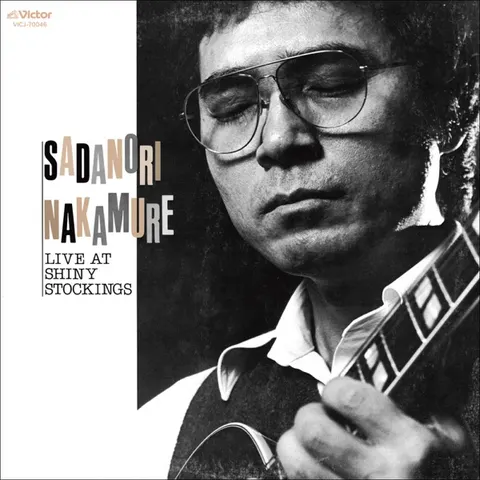
- Sadanori Nakamure - guitarist on Jazz Minus One Vol. 3 and Vol. 4 (Tam, 1977), with Imamura on percussion.
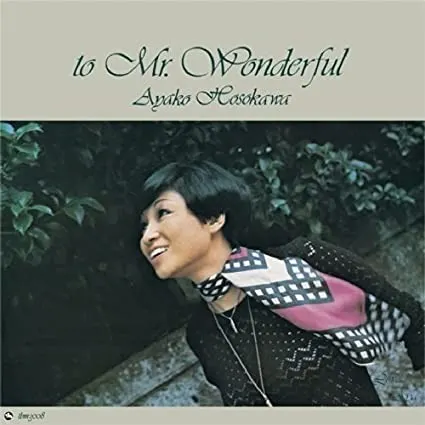
- Ayako Hosokawa - vocalist on No Tears (Three Blind Mice, recorded December 27 and 28, 1977), with the Masaru Imada quartet including Imamura on percussion.
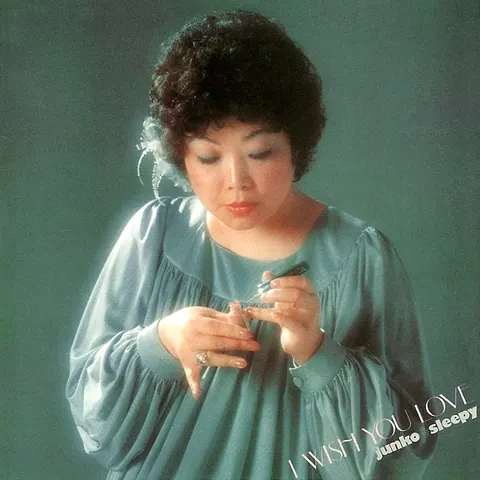
- Junko Mine - vocalist on I Wish You Love (Trio Records, with Hidehiko Matsumoto, recorded November 1978), on which Imamura plays congas on track A3.
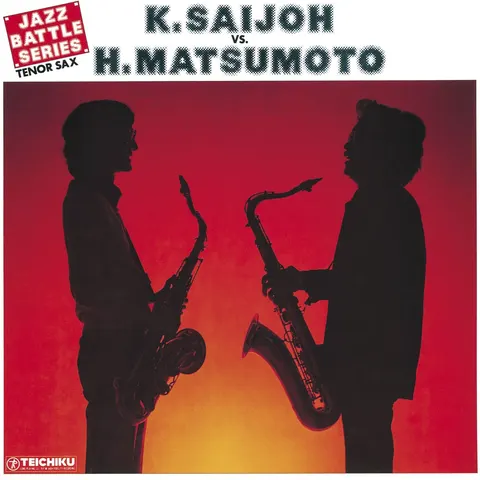
- Hidehiko Matsumoto - tenor saxophonist on I Wish You Love (Trio Records, with Junko Mine, 1978), on which Imamura plays congas on track A3.
- Kunimitsu Inaba - bassist on Masaru Imada's Planets (recorded March 17, 1977), on which Imamura is credited on congas and percussion for "Sea's Pasture".
- Shuichi Ponta Murakami - drummer on Jazz Orchestra '75 (1975), Naoya Matsuoka's Majorca (1979) and Seiichi Nakamura's 1982 album 取りみだしの美学, all with Imamura on percussion.
- Masahiko Togashi - percussionist on Terumasa Hino's Live in Concert (April 14, 1975), on which Imamura also plays percussion.
- Takashi Mizuhashi - bassist on Jazz Minus One Vol. 3 and Vol. 4 (Tam, 1977), with Imamura on percussion.
- Toshiyuki Daitoku - electric pianist on Shigeharu Mukai's For My Little Bird (recorded November 1974), with Imamura on percussion.
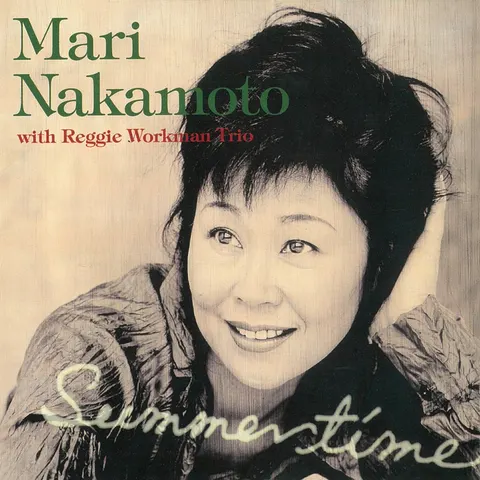
- Mari Nakamoto - guest vocalist on tracks 3 and 4 of the Tokyo Union compilation Best Selection (Invitation, 1989), on which Imamura plays percussion on tracks 1 to 4.
- Akira Ishikawa - drummer on She Cries (Shigeko Toya and Masaru Imada, Yupiteru, recorded November 1978), with Imamura on percussion.
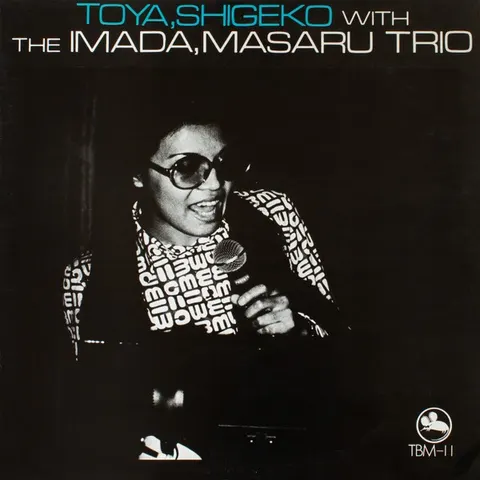
- Shigeko Toya - vocalist on She Cries (Yupiteru Records, recorded November 22 to 24, 1978), with Imamura on percussion.
- Masaoki Terakawa - electric bassist on She Cries (1978), with Imamura on percussion.
- Mabumi Yamaguchi - tenor saxophonist on Flying Clouds (Motohiko Hino Quartet + 2, recorded May 27, 1976), on which Imamura plays percussion.
- Yasuaki Shimizu - tenor saxophonist on Flying Clouds (recorded May 27, 1976) and Naoya Matsuoka's Majorca (1979), on both of which Imamura plays percussion.
- Nobuo Hara - bandleader of Nobuo Hara and His Sharps & Flats on Prelude to the Afternoon of a Faun (Denon, 1974); Imamura is credited on percussion in the notes of the 2013 Columbia reissue (COCB-54080).
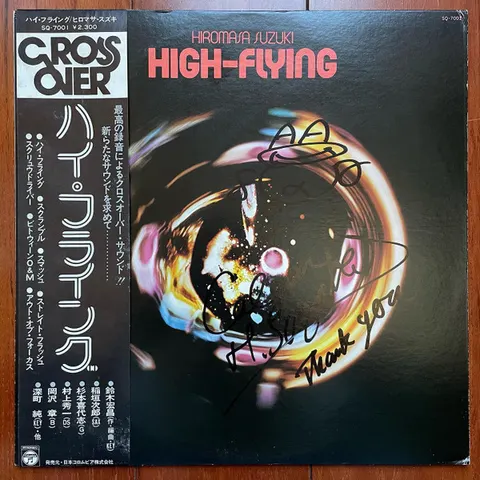
- Hiromasa Suzuki - arranger of Nobuo Hara and His Sharps & Flats' Prelude to the Afternoon of a Faun (1974), on whose 2013 reissue Imamura is credited on percussion.
- Hiroshi Suzuki - trombonist on Sadao Watanabe's Sadao Plays Bacharach and Beatles (1969), with Imamura on percussion.
- Yoshiaki Masuo - guitarist on Sadao Watanabe's Sadao Plays Bacharach and Beatles (1969), with Imamura on percussion.
- Yoshio Suzuki - bassist on Sadao Watanabe's Open Road (recorded May 2, 1973), with Imamura on congas and percussion.
- Shunzo Ohno - trumpeter and flugelhornist on Sadao Watanabe's Open Road (recorded May 2, 1973), with Imamura on congas and percussion.
- Isao Suzuki - bassist on Reminicent Suite (Mal Waldron and Terumasa Hino, recorded August 14, 1972), with Imamura on percussion.
- Mal Waldron - pianist on Reminicent Suite (Victor, recorded August 14, 1972 in Tokyo, with Terumasa Hino), on which Imamura plays percussion.
- Michael Brecker - tenor saxophonist on Masaru Imada's Carnival (Full House, recorded May to July 1981 at Sound Inn, Tokyo), with Imamura on percussion.
- Randy Brecker - flugelhornist on Masaru Imada's Carnival (Full House, recorded May to July 1981 at Sound Inn, Tokyo), with Imamura on percussion.
- Reggie Workman - bassist and co-leader on Terumasa Hino's A Part (Canyon, recorded November and December 1970 in Tokyo), on which Imamura plays congas.
- Koichi Matsukaze - saxophonist (tenor and alto) in Imamura's group through the 2010s. Imamura's blog lists monthly dates at Shinjuku Pit Inn and Aketa's in 2016 and 2017 with Matsukaze, pianist Takeshi Shibuya (渋谷毅), bassist Katsumasa Kamimura and drummer Fumio Watanabe, and filmed sets from 2015 to 2017 name the same group. A 2022 Jazz Tokyo interview with Matsukaze lists the Yuji Imamura Group among his regular bands.
- Teruo Goto (後藤輝夫) - saxophonist and Imamura's duo partner on Beat From the Earth (2007). Goto is also tenor saxophonist and producer on Michio Takanashi's If I Could Go Back (recorded April 2021), which has Imamura on percussion, and Imamura appears as a special guest on conga in a filmed session of Goto's group at Tubo in Chitose-Karasuyama.
- Tomoki Takahashi - tenor saxophonist of the quartet on Smile Please (2013) and Wise One (2017, with the singer Noriko Suzuki), both on Aketa's Disk, with Imamura on percussion; also on Shigeharu Mukai's For My Little Bird. CDJournal says Imamura co-led a group with the saxophonist Tomoki Takahashi (高橋知己) in the 1980s.
- Yoshio Ikeda - bassist in Terumasa Hino's 1973 quintet beside Imamura, and in the Yuji Imamura Quintet on NHK Transcription Programme No. 137 (1975).
- Tsutomu Okada - bassist on Terumasa Hino's Speak to Loneliness, Live in Concert and Wheel Stone - Live in Nemuro (1975).
- Shinji Mori - drummer on Masaru Imada's Andalusian Breeze (1980) and the Tropical Sunset compilation (1984).
- Takao Naoi - guitarist on Scandinavian Suite (1977) and Seiichi Nakamura's 1982 album.
- Renkichi Hayashi and Yasuo Shimura - guitarist and flautist and reed player in Air (1977).
- Hideto Kanai, Kenji Mori, Mitsuaki Furuno and Takuji Kusumoto - bassist and reed player of Tee & Company (1977), and bassist and drummer of Imada's quartet on Remember of Love (1978).
- Takeshi Shibuya, Katsumasa Kamimura, Fumio Watanabe, Kenta Tsugami, Nobara Kodachi and Akira Toyama - members of the Yuji Imamura Group in its 2016 and 2017 and 2026 line-ups.

More Jazz Fusion Artists
See all 351 Jazz Fusion artists →More Japanese Jazz Artists
See all 262 Japanese artists →- Yuji Imamura's homepage
- Yuji Imamura's blog (live schedules)
- JazzNode: 今村祐司
- Shinjuku Pit Inn: 今村祐司 GROUP, November 25, 2026
- Discogs: Yuji Imamura
- Apple Music: Yuji Imamura
- YouTube: Yuji Imamura - Topic
- CDJournal: 今村祐司
- Yuji Imamura on JazzProfiles.com
- r/JapaneseJazz
- Discogs: Yuji Imamura, artist 663531
- Discogs: Yuji Imamura & Air, Air, Three Blind Mice TBM-3006
- Discogs: Youjin Rainbow, Youjin Rainbow, Riv.Star 25RL-0004
- Discogs: Yuji Imamura and Teruo Goto, Beat From The Earth, WNCJ-2177
- Discogs: NHK Transcription Programme No. 137, Modern Jazz in Japan
- CDJournal artist profile: 今村祐司
- Yuji Imamura's homepage, profile page
- Drum on the Net: 今村祐司
- JazzNode: 今村祐司
- Shinjuku Pit Inn: 今村祐司 GROUP
- Oricon: 今村祐司, マリオ (July 19, 1997)
- Universal Music Japan: Terumasa Hino, Live in Concert
- Hip Tank Records: 今村祐司とエアー, Air (TBM-3006)
- hair & music parlour FAM: Youjin Rainbow
- Wikipedia (Japanese): 渡辺貞夫
- Wikipedia (Japanese): 松岡直也
- Wikipedia (Japanese): 今田勝
- Wikipedia (Japanese): 山本俊自
- Wikipedia (Japanese): 音楽学校メーザー・ハウス
- Wikipedia (Japanese): カリオカ (フュージョンバンド)
- Jazz Tokyo: Interview #247, Koichi Matsukaze (2022)