 JAZZPROFILES lives in the music 1,765 Jazz Artists fully Profiled!
Takehiro Honda
Last updated October 21, 2026
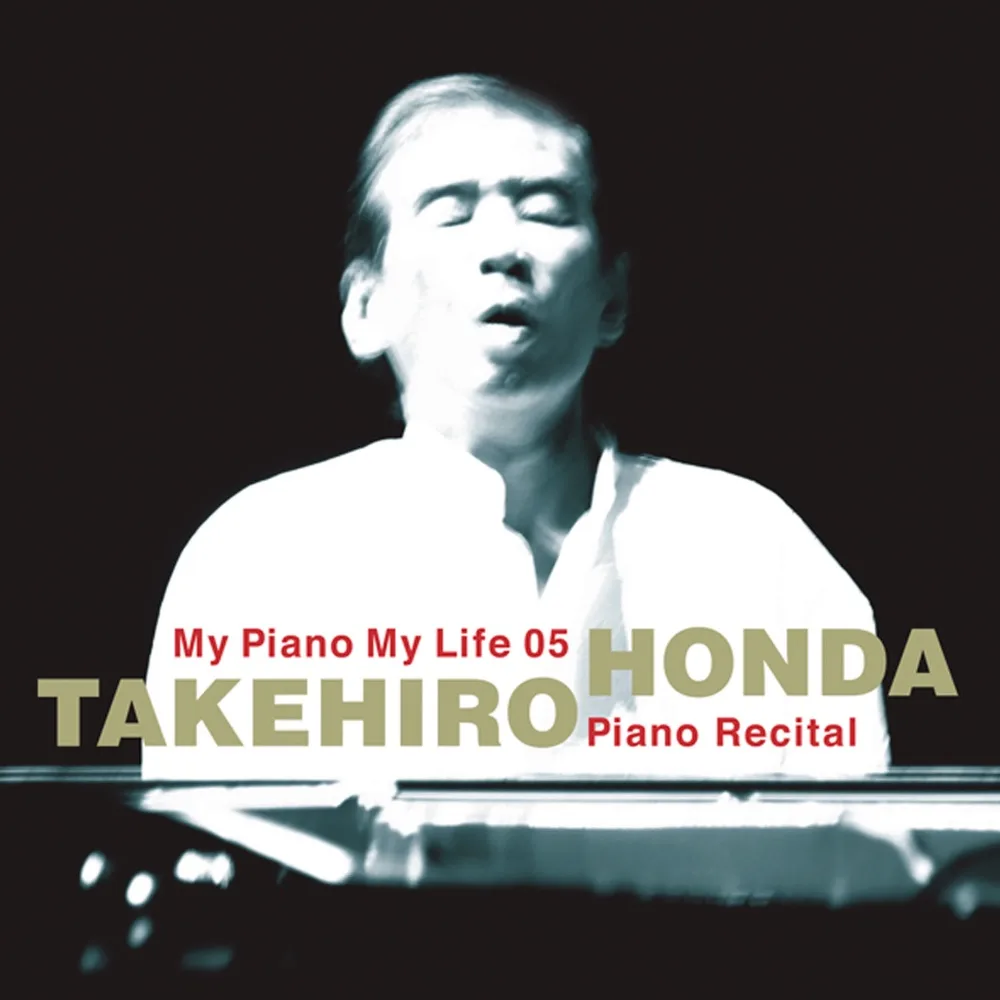
Takehiro Honda on the front cover of his 2005 album *My Piano My Life 05: Piano Recital*, Teichiku Entertainment. Standard copyright, all rights reserved, held by Teichiku Entertainment (copyright line "2005 TEICHIKU ENTERTAINMENT, INC."). This is not a Creative Commons or public-domain image, and it is not presented as one. It is an album cover whose front photograph shows the artist alone, at the piano, with his eyes closed, used here as an honestly disclosed editorial stand-in for a portrait. — Cover artwork for the album as published on the Apple Music release page (https://music.apple.com/jp/album/1864056340), downloaded at 1000 x 1000 pixels (93,718 bytes) and saved locally as portrait.jpg in this folder, not hotlinked. It was not taken from Discogs.
Takehiro Honda (本田竹広) was born Takashi Honda (本田昂) on August 21, 1945, in Miyako, a port town on the Iwate coast. He performed under the stage names 本田竹彦 (Takehiko) and 本田竹曠 at different points before settling on 本田竹広, and the early Trio Records sleeves read simply T. Honda or Takehiko Honda. All of them are the same pianist, and Takehiro Honda is the romanisation used by Discogs, Wikipedia and most reissues.
He decided to become a musician at twelve and moved to Tokyo, where he began studying with the teacher Kazuko Nagamine with the Kunitachi College of Music in mind. He went on through Kunitachi's attached high school and then the college itself, aiming at a classical career, until jazz and its freedom of rhythm and harmony pulled him away from it. He started working as a jazz pianist at twenty or twenty-one, first in the group of the saxophonist Kazunori Takeda and then in a trio of his own. In 1968 he formed his own trio, with Eijiro Hagiwara on bass and Hiroshi Murakami on drums; the same year he formed the group-sounds band The Mojo and worked as an accompanist to the singer Mieko Hirota.
On August 18, 1969, he married the jazz singer Chico Honda, the younger sister of Sadao Watanabe. Their son, the drummer Tamaya Honda, was born that November, and the same year Honda signed with Trio Records. His first record as a leader, made on December 9, 1969, was made with Watanabe's rhythm section: T. Honda Meets Rhythm Section Featuring S. Watanabe, with Watanabe on alto saxophone, Yoshio Suzuki on bass, Fumio Watanabe on drums and Yoshiaki Masuo on guitar.
The Trio Records years were prolific. The Trio (March 10, 1970) paired him with Suzuki and Fumio Watanabe and opened with a piece titled "Hakai to Jojyo," Destruction and Lyricism, which has since given its name to a 2022 release of a live set he played in 1969. Jodo (1970) put him with the bassist Reggie Workman and the drummer Motohiko Hino and ran to long-form pieces, among them the title track at 11 minutes 33 seconds. Flying to the Sky (March 1, 1971) was a quartet date with the German tenor saxophonist Gerd Dudek, the bassist Günter Lenz and Hino. I Love You followed on April 30, 1971. This Is Honda, a trio record with Suzuki and Fumio Watanabe made at Iino Hall on March 14, 1972, won the Swing Journal Jazz Disc Award for best recording and is among his best-known records.
From 1973 to 1978 he was the pianist in Watanabe's quartet. His name is on Watanabe's Open Road (recorded at Hibiya Kokaido on May 2, 1973, with Kohsuke Mine on tenor and soprano saxophones and Hiroshi Fukumura on trombone), Pamoja, Recital, Echo, and the concert released in 2016 as Live in Nemuro 1977. Between those dates he led his own sessions. Salaam Salaam (East Wind, recorded June 16, 1974, at Victor Studio in Tokyo) is a trio record with the American bassist Juini Booth and the drummer Eric Gravatt, built from three long pieces of 13, 10 and 18 minutes. In January 1976 he recorded Down Stretch in Tokyo as the pianist in a trio led by the bassist Eddie Gomez, with Eliot Zigmund on percussion.
In May 1977 he recorded for two days at Vanguard Studio in New York with Ron Carter on bass and Tony Williams on drums. The sessions were split across two Flying Disk albums: Another Departure (1977), made up entirely of his own compositions, and Reaching for Heaven (1978). A third New York record followed, It's Great Outside (1978), on which he played piano, clavinet and organ with Cornell Dupree and Yoshiaki Masuo on guitars, Anthony Jackson on electric bass, Steve Jordan on drums and Ray Mantilla on congas.
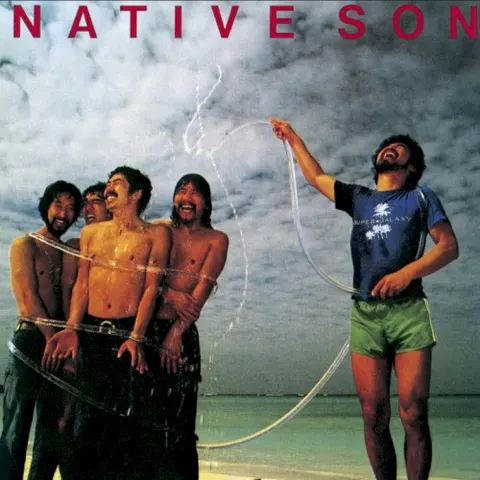
Also in 1978 he formed Native Son with Mine, the guitarist Motonobu Ohde, the bassist Tamio Kawabata and the drummer Hiroshi Murakami. The group's self-titled debut, recorded in late 1978 and released on JVC in 1979, has Honda on Fender Rhodes, Yamaha CP-70, clavinet, celesta and synthesizer, and his official site calls it a record-breaking hit for Japanese fusion; Savanna Hot-Line followed the same year and the band appeared at the Montreux Jazz Festival. Native Son kept going through the 1980s with live and studio albums including Coast to Coast (Live in USA) (1980), Shining (1982), Carnival: Live at Montreux (1983), Gumbo (1984) and Daybreak (1985), on which his son Tamaya was the drummer, and it ended with Aguncha in 1987. A quartet of Honda, Mine, Murakami and Yoshio Suzuki, recorded live at Montreux, was released as Square Game, credited to The 4. In the same decade he made two standards albums for CBS/Sony with the bassist Nobuyoshi Ino and Takeo Moriyama, My Funny Valentine and In a Sentimental Mood, recorded on April 3 and 4, 1985.
In 1990 he moved to the Fun House label. Back on My Fingers (1990) and Earthian Air (1991) were trio records with Suzuki and Hino, and See All Kind (1992) was his first solo piano album. In 1992 he formed the sextet EASE with Mine, the saxophonist Takao Uematsu, the trombonist Shigeharu Mukai, the bassist Tsutomu Okada and Murakami, and its 1993 album won a Swing Journal Gold Disc. In 1995 he put together a jazz-funk band in which he played Fender Rhodes throughout, and recorded Boogie-Boga-Boo with Paul Jackson on bass and Hino on drums.
Illness interrupted the decade. He suffered the first of two cerebral hemorrhages in the mid-1990s and the second on July 7, 1997, which left him with paralysis on his left side. He returned to the stage in December 1997 at the release event for a best-of album, gave a comeback concert at Hoya Komorebi Hall in Tokyo on March 3, 1998, and by 1999 had formed a world-music band, The PURE, and was playing again. In 2000 he released Now on the Blues with the bassist Yasushi Yonekura and his son, and founded a musicians' club for Kunitachi alumni. He took part in the first Miyako Jazz Festival in his home town in 2002, where his official site says he appeared alongside Terumasa Hino and others, produced a jazz festival at Taro, Iwate, in 2003, and recorded Furusato (On My Mind) for Teichiku in 2004. On July 31, 2005, he gave a piano recital at Kioi Hall in Tokyo, issued that December as My Piano My Life 05: Piano Recital, his last album. He passed away on January 12, 2006, of acute heart failure, at sixty.
His catalogue has kept returning to print. A 2007 live set from the Kagoshima club USA, recorded on June 27, 1974, and Live 1974 (Owl Wing Record, 2020) came out after his death, and Hakai to Jojyo, a 1969 concert at Kinokuniya Hall with Mine, Murakami and others, was issued in 2022. The Trio was reissued on CD in January 2026 with liner notes by Tamaya Honda. He should not be confused with the saxophonist Toshiyuki Honda, on whose 1986 The Super Quartet he played piano, or with the drummer Tamaya Honda, his son.
Honda worked in two distinct registers and moved between them freely. The Trio Records albums of 1970 to 1972 are acoustic piano-trio jazz in the hard bop and post-bop mold, with long takes on standards and original pieces, and Jodo, Flying to the Sky and Salaam Salaam stretch the form into modal, open-ended pieces that run past ten minutes. Discogs files the albums under hard bop, post bop and contemporary jazz, and a 2018 mix for The Vinyl Factory compared his playful, genre-crossing approach to Pharoah Sanders.
From 1977 he added electric keyboards. Another Departure credits him on keyboards and mixes acoustic piano with Fender Rhodes, and It's Great Outside adds clavinet and organ over an American funk rhythm section. Native Son made that electric sound his public identity in Japan: the 1979 debut is built around his Fender Rhodes, clavinet and synthesizer, and the band remains the group most associated with him. Even then he did not leave acoustic jazz behind. The 1985 trio albums with Nobuyoshi Ino and Takeo Moriyama are straightforward standards sets, and his late albums See All Kind (solo piano) and My Piano My Life 05 return to unaccompanied playing. Another Departure consists entirely of his own compositions, and he is credited as composer on Salaam Salaam, It's Great Outside and Earthian Air as well.
He was also a bandleader and organiser rather than only a pianist for hire. He founded Native Son, EASE, a jazz-funk band, The PURE, and a Kunitachi alumni club, and he produced a festival in his home prefecture.
- This Is Honda (1972, Trio Records PA-7005) - The trio record with Yoshio Suzuki and Fumio Watanabe that won the Swing Journal Jazz Disc Award for best recording. YouTube - This Is Honda, full album · Apple Music - This Is Honda Listen
- Salaam Salaam (1974, East Wind EW-7005) - A trio with Juini Booth and Eric Gravatt, recorded in June 1974 at Victor Studio in Tokyo; three long pieces. YouTube - Salaam Salaam, full album · Apple Music - Salaam Salaam Listen
- Another Departure (1977, Flying Disk VIJ-6004) - The New York session with Ron Carter and Tony Williams, all original compositions. YouTube - Another Departure, full album Listen · Buy
- It's Great Outside (1978, Flying Disk VIJ-6014) - Honda on piano, clavinet and organ with Cornell Dupree, Anthony Jackson and Steve Jordan. YouTube - It's Great Outside, full album Listen · Buy
- Native Son (1979, JVC VIJ-6301, as Native Son) - The debut of the band he formed with Kohsuke Mine; its companion album from the same year is Savanna Hot-Line. YouTube - Savanna Hot-Line, full album Listen
- Earthian Air (1991, Fun House FHCF-1121) - The Fun House trio with Yoshio Suzuki and Motohiko Hino. YouTube - Earthian Air, full album Listen · Buy
- My Piano My Life 05: Piano Recital (2005, Teichiku) - His last album, recorded live at Kioi Hall in Tokyo on July 31, 2005. Apple Music - Piano Recital Listen
Takehiro Honda (本田竹広) - Full Discography
Japanese jazz pianist, keyboardist, bandleader and composer. Born August 21, 1945, Miyako, Iwate; passed away January 12, 2006. Discogs artist 788556.
Name variations on record: T. Honda, T.Honda, Takehiko Honda, 本田竹彦, 本田竹曠, 本田竹広, Takehiro Honda Trio, T. Honda & His Orchestra.
Group affiliations: Native Son, Takehiro Honda Trio, Takehiro Honda Quartet, T. Honda & His Orchestra, The Mojo, Sadao Watanabe Quartet and Quintet, Sunao Wada Quartet and Sextet, The 4 (The Quartet), The Super Quartet, Jazz of Japan All Stars.
Leader
| Album | Year | Label | Personnel | Notes | Listen | Buy |
|---|---|---|---|---|---|---|
| T. Honda Meets Rhythm Section Featuring S. Watanabe (本田竹彦の魅力, also known as Minton Blues) | 1970 | Trio Records, RSP-9007 | Takehiro Honda (piano), Sadao Watanabe (alto saxophone), Yoshiaki Masuo (guitar), Yoshio Suzuki (bass), Fumio Watanabe (drums) | Recorded December 9, 1969. His first record as a leader; billed on Discogs as T. Honda - S. Watanabe Quartet. Six tracks: "Minton Blues", "Hey Jude", "By the Time I Get to Phoenix", "Ain't Tell You a Good Way But", "Stella by Starlight", "Quiet Sea". | Apple Music (remaster) | Amazon |
| The Trio (ザ・トリオ) | 1970 | Trio Records, RSP-9008 | Takehiro Honda (piano), Yoshio Suzuki (bass), Fumio Watanabe (drums) | Recorded March 10, 1970, at Iino Hall, Tokyo. Five tracks: "This Guy's in Love With You", "Hakai to Jojyo" (破壊と叙情), "I Fall in Love Too Easily", "CMT & T", "Emergency". Trio Jazz Series Vol. 2; includes a two-sided poster. Reissued on CD by Ultra-Vybe (UVWA-4015) on January 21, 2026, with liner notes by Tamaya Honda. | Apple Music (remaster) | Amazon |
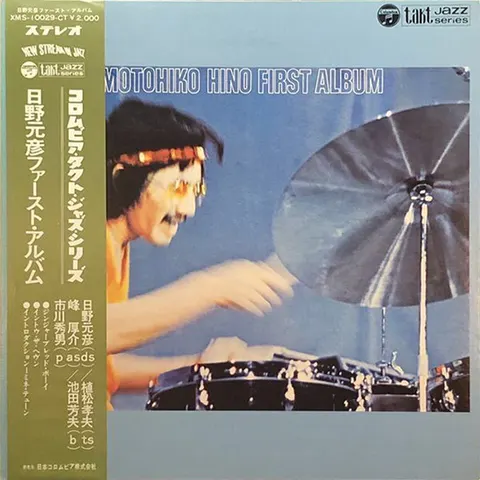
| Jodo (浄土) | 1970 | Trio Records, RSP-9018 | Takehiro Honda (piano), Reggie Workman (bass), Motohiko Hino (drums) | Four tracks: "Jodo" (11:33), "Lazy Dream" (8:04), "The Way to Brooklyn" (9:05), "Second Country" (6:12). Issued in a gatefold cover with obi and folded insert. Sleeve notes by Shoichi Yui. | Apple Music (remaster) | Amazon |
| Hey Jude (single, as Takehiro Honda Trio) | 1970 | Columbia | Takehiro Honda Trio | Seven-inch single. | not found | not found |
| I Love You | 1971 | Trio Records, RSP-9021 | Takehiro Honda (piano), Yoshio Suzuki (bass), Hiroshi Murakami (drums) | Recorded April 30, 1971. Five tracks: "I Love You", "Here's That Rainy Day" (12:37), "Sunny", "Willow Weep for Me", "Autumn Leaves" (9:36). Japanese liner notes. | Apple Music (remaster) | Amazon |
| This Is Honda (as Takehiro Honda Trio) | 1972 | Trio Records, PA-7005 | Takehiro Honda (piano), Yoshio Suzuki (bass), Fumio Watanabe (drums) | Recorded March 14, 1972, at Iino Hall, Tokyo. Six tracks: "You Don't Know What Love Is", "Bye Bye Blackbird", "'Round About Midnight", "Softly, as in a Morning Sunrise", "When Sunny Gets Blue", "Secret Love". Awarded the Swing Journal Jazz Disc Award for best recording. Reissued on CD by Art Union (ABCJ-272) in 2003 and compiled with The Trio as T. Honda Best (Trio Records, PA-3023~4). | Apple Music (remaster) · Full album on YouTube | Amazon |
| What's Going On (as T. Honda & His Orchestra) | 1973 | Trio Records | Takehiro Honda (piano, electric piano, Hammond organ, arranger), Kohsuke Mine (alto saxophone), Kazunori Takeda (tenor saxophone), Tetsuo Fushimi and Shuzo Morikawa (trumpets), Teddy Adams (trombone, arranger), Ken Lawson (guitar), Tamio Kawabata (bass), James Cheek and Takuji Kusumoto (drums), Yuji Imamura (congas) | Seven tracks: "Ain't Tell You a Good Way But", "Check-out Your Mind", "Ain't Funky Now", "What's Going On", "Sham Time", "Greasy Spoon", "Dock of the Bay". Reissued on CD by Absord Music Japan (ABCJ-341) in 2005. | Apple Music (remaster) · Full album on YouTube | Amazon |
| Salaam Salaam (サラーム・サラーム) | 1974 | East Wind, EW-7005 | Takehiro Honda (piano, composer), Juini Booth (bass), Eric Gravatt (drums) | Recorded June 16, 1974, at Victor Studio, Tokyo. Three tracks: "Minors Only" (13:25), "Natural Tranquility" (10:29), "Salaam Salaam" (18:28). Produced by Ai Music and Toshinari Koinuma; liner notes by Shoichi Yui. | On Apple Music · Full album on YouTube | Amazon |
| Another Departure | 1977 | Flying Disk, VIJ-6004 | Takehiro Honda (keyboards, composer), Ron Carter (bass), Tony Williams (drums, credited as Anthony Williams) | Recorded May 2 and 3, 1977, at Vanguard Studio, New York; recording engineer David Baker. Five tracks: "Calypso Street", "Spirits Flow", "Wonder", "Longing", "Puddle". Produced by Kiyoshi Itoh and Yukio Morisaki. | Full album on YouTube | Amazon |
| Reaching for Heaven | 1978 | Flying Disk, VIJ-6008 | Takehiro Honda (piano), Ron Carter (bass), Tony Williams (drums, credited as Anthony Williams) | From the same two-day New York sessions of May 2 and 3, 1977. Six tracks: "Ostinato", "Little B's Poem", "Lazy Dream", "Beautiful Love", "You Are My Heart's Delight", "Peace". Produced by Kiyoshi Itoh and Yukio Morisaki. | not found | Amazon |
| It's Great Outside | 1978 | Flying Disk, VIJ-6014 | Takehiro Honda (piano, clavinet, organ, composer), Cornell Dupree and Yoshiaki Masuo (electric guitars), Anthony Jackson (electric bass), Steve Jordan (drums), Ray Mantilla (congas, percussion), Will Boulware (organ on "When the Sun Comes Up") | Eight tracks: "I'll Become the Child", "It's Great Outside", "With Our Soul", "Son Song", "Lin's Garden Blues", "When the Sun Comes Up", "I'll Be Honest With You", "Dear Friend". Produced by Kiyoshi Itoh. | Full album on YouTube | Amazon |
| My Funny Valentine (マイ・ファニー・ヴァレンタイン) | 1985 | CBS/Sony, 32DH 231 | Takehiro Honda (piano), Nobuyoshi Ino (bass), Takeo Moriyama (drums) | Released June 21, 1985, recorded April 3 and 4, 1985, with the companion album below. Eight tracks, including "On Green Dolphin Street", "Stella by Starlight", "My Funny Valentine", "Little B's Poem" and "'Round About Midnight". | not found | Amazon |
| In a Sentimental Mood (イン・ア・センチメンタル・ムード) | 1985 | CBS/Sony, 32DH 232 | Takehiro Honda (piano), Nobuyoshi Ino (bass), Takeo Moriyama (drums) | Released June 21, 1985; recorded April 3 and 4, 1985, at CBS Sony Shinanomachi Studio. Eight tracks, including "Mr. P.C.", "Misty", "A Night in Tunisia", "Body and Soul", "Autumn Leaves" and "In a Sentimental Mood". | not found | Amazon |
| Back on My Fingers | 1990 | Fun House (reissued by BMG / Fun House, BVCJ-37535, in 2007) | Takehiro Honda (piano), Yoshio Suzuki (bass), Motohiko Hino (drums) | Recorded April 24, 25 and May 1 at Hitokuchi-Zaka Studios, Tokyo. Eight tracks: "Snap Step", "Longing", "Balmy Breeze", "Old Folks", "Tell Me, Like You Mean It", "Rippling", "What Do You Know?", "Wimbo Calypso". Produced by Tetsu Kobayashi. | not found | Amazon |
| Earthian Air | 1991 | Fun House, FHCF-1121 | Takehiro Honda (piano, composer), Yoshio Suzuki (bass), Motohiko Hino (drums) | Recorded March 17 to 19 at SEDIC Studio, Tokyo. Seven tracks: "Flyer's Land", "Earthian Air" (14:01), "Ra-Mu", "Dark and Mellow", "Sea Road", "Sun Shower", "Cool Eyes". Produced by Tetsu Kobayashi. | Full album on YouTube | Amazon |
| See All Kind | 1992 | Fun House, FHCF-1171 | Takehiro Honda (solo piano) | Recorded October 28, 29, 31 and November 1, 1991, at SEDIC Studio. Seven tracks including "Summertime", "In a Sentimental Mood", "I Thought About You" and "See All Kind". His first solo album. | not found | Amazon |
| Earthian All Star Ensemble (EASE) | 1993 | Fun House, FHCF 2072 | Takehiro Honda (piano) with the sextet EASE: Kohsuke Mine, Takao Uematsu, Shigeharu Mukai, Tsutomu Okada, Hiroshi Murakami | Nine tracks, including "EASE", "Cha-Cha-Cha", "Bird in the Yard", "Mr. Monster" and "Sea Dream". Awarded a Swing Journal Gold Disc. | not found | Amazon |
| Boogie-Boga-Boo | 1995 | Fun House, FHCF-2244 | Takehiro Honda (Fender Rhodes, composer), Paul Jackson (bass), Motohiko Hino (drums), Jun Usuba (tenor saxophone), Issei Igarashi (trumpet), Hiroshi Imade (blues harp) | Recorded and mixed May 14 to 26, 1995. Seven tracks: "J.F.", "Wing It Shuffle", "Evening Glow", "Fa La Na Ku", "Dix", "Urizun", "Water Under the Bridge". Made with his Jazz Funk Band. | not found | Amazon |
| Now on the Blues | 2000 | Village Records | Takehiro Honda (piano), Yasushi Yonekura (bass), Tamaya Honda (drums) | Trio album made after his return to performing. | not found | Amazon |
| Furusato (On My Mind) (ふるさと-On My Mind-) | 2004 | Teichiku Entertainment | Takehiro Honda (piano) | Released November 24, 2004; liner notes by the novelist Hiroyuki Itsuki. A further collection of unreleased takes from the same sessions followed in 2006. | On Apple Music | Amazon |
| My Piano My Life 05: Piano Recital (紀尾井ホール・ピアノリサイタル) | 2005 | Teichiku Entertainment | Takehiro Honda (piano) | Recorded live at Kioi Hall, Tokyo, on July 31, 2005, and issued in December 2005. His last album. | On Apple Music | Amazon |
| Live at Kagoshima USA Vol.1 "Oleo" (as Takehiro Honda Trio) | 2007 | Aketa's Disk, MHACD-2315 | Takehiro Honda (piano), Hideaki Mochizuki (bass), Ryojiro Furusawa (drums) | Recorded live at the club USA in Kagoshima on June 27, 1974 (second stage), and released posthumously. Seven tracks: "Oleo", "My Funny Valentine", "Blues for USA", "Bye Bye Blackbird", "Satsuma Blues", "Sugar", "St. Thomas". | not found | Amazon |
| Live 1974 (as Takehiro Honda Trio) | 2020 | Owl Wing Record | Takehiro Honda Trio | Previously unissued live recording from 1974 released posthumously. | Label upload on YouTube | Amazon |
| Hakai to Jojyo (破壊と叙情 = Destruction and Lyricism) | 2022 | Owl Wing Record, OWL-045 | Takehiro Honda (piano), Kohsuke Mine (alto saxophone), Tetsuo Fushimi (trumpet), Takashi Imai (trombone), Eijiro Hagiwara (bass), Hiroshi Murakami (drums) | Live recording from September 26, 1969, at Kinokuniya Hall, Tokyo, issued posthumously. Six tracks: "Hakai to Jojyo", "Minton Blues", "Quiet Sea", "Stella by Starlight", "By the Time I Get to Phoenix", "Ain't Tell You a Good Way But". Includes a 51-page booklet with a conversation between Hiroshi Murakami and Tamaya Honda. | not found | Amazon |
| T. Honda Best | n.d. | Trio Records, PA-3023~4 | Takehiro Honda (piano), Yoshio Suzuki (bass), Fumio Watanabe (drums) | Two-LP compilation of This Is Honda (recorded March 14, 1972) and The Trio (recorded March 10, 1970). | not found | Amazon |
Co-Leader
| Album | Year | Label | Co-billed with | Personnel | Notes | Listen | Buy |
|---|---|---|---|---|---|---|---|
| Flying to the Sky (フライング・トゥ・ザ・スカイ) | 1971 | Trio Records, RSP-9019 | Gerd Dudek | Takehiro Honda (piano, electric piano), Gerd Dudek (tenor and sopranino saxophones), Günter Lenz (bass), Motohiko Hino (drums) | Recorded March 1, 1971. Three tracks: "Dji-Dji-Eitch-Eitch" (17:46), "Flying to the Sky" (10:41), "Floating on the Sea" (6:43). Billed as T. Honda & G. Dudek; the group is listed on Discogs as the Takehiro Honda Quartet. | On Apple Music · YouTube | Amazon |
| Misty | 1972 | Trio Records, PA-7004 | Mama T. | Takehiro Honda (piano), Yoshio Suzuki (bass), James Cheek (drums), Bennie Tyree (vocals) | Billed as T. Honda + Mama T. Seven tracks: "Misty", "Bridge Over Troubled Water", "But Not for Me", "Bell", "Stormy Monday", "I Love You More Today Than Yesterday", "For Once in My Life". | Apple Music (remaster) | Amazon |
| Aguncha (アグンチャ) | 1987 | Polydor, 28MX2540 | Native Son | Takehiro Honda and Native Son (full lineup not itemised on the release listing) | Eight tracks: "Earth Dancer", "Hip Drive", "Orbit", "P.J.", "Flyer's Road", "Agunch", "Shambala", "Lasting Love". The final album before Native Son disbanded. | Full album on YouTube | Amazon |
| Teddy Wilson Meets Eiji Kitamura + This Is Honda | 1972 | Trio Records, TD1-2 | Compilation pairing | Honda's side (C1 to D3) is the This Is Honda trio: Takehiro Honda (piano), Yoshio Suzuki (bass), Fumio Watanabe (drums) | Promotional two-record set coupling the 1971 Teddy Wilson and Eiji Kitamura album with This Is Honda. Honda does not play on Wilson's and Kitamura's sides. | not found | Amazon |
| Too High / What's Going On (split single) | 2010 | Art Union, djotsuka 001 | Nobuo Hara and His Sharps & Flats | Honda's side is "What's Going On" | Promotional seven-inch, not for sale. | not found | not found |
Native Son (band)
Native Son was formed in 1978 by Honda and Kohsuke Mine with guitarist Motonobu Ohde, bassist Tamio Kawabata and drummer Hiroshi Murakami. Honda is credited on the following releases.
| Year | Release | Notes | Listen | Buy |
|---|---|---|---|---|
| 1979 | Native Son (ネイティブ・サン) | JVC, VIJ-6301. Recorded November 29 and December 5, 6, 8 and 9, 1978. Honda on Fender Rhodes, Yamaha CP-70, clavinet, Solina synthesizer and celesta, and composer; Kohsuke Mine (tenor and soprano saxophones), Motonobu Ohde (electric guitar), Tamio Kawabata (electric bass), Hiroshi Murakami (drums). Produced by Akira Taguchi. | not found | Amazon |
| 1979 | Savanna Hot-Line (サバンナ・ホットライン) | The band's second album of the year. | Full album on YouTube | Amazon |
| 1980 | Coast to Coast (Live in USA) | Live recording from the American tour. | not found | Amazon |
| 1982 | Shining | not found | Amazon | |
| 1983 | Wind Surfing | not found | Amazon | |
| 1983 | Resort (リゾート) | not found | Amazon | |
| 1983 | Carnival: Live at Montreux (カーニバル / ライヴ・アット・モントルー) | not found | Amazon | |
| 1983 | In New York (video) | Victor; VHD video disc. | not found | not found |
| 1984 | Gumbo (ガンボ) | not found | Amazon | |
| 1984 | Super Best | JVC compilation. | not found | Amazon |
| 1984 | Square Game (as The 4) | Polydor, 28MX 1159. Takehiro Honda (piano), Kohsuke Mine (soprano saxophone), Yoshio Suzuki (bass), Hiroshi Murakami (drums). Five tracks: "Persian Breeze", "Wings", "Evening Ivory", "Night Cry", "De Pois do Amor, o Vazio". | not found | Amazon |
| 1985 | Daybreak | not found | Amazon | |
| 1986 | Veer | not found | Amazon | |
| 1986 | Aqua Marine (アクア・マリン) | Polydor compilation. | not found | Amazon |
Guest, sideman and compilation appearances
Chronological. The releases below carry Honda's name on Discogs artist 788556 and are not already listed above; undated items are at the end.
| Year | Release | Actual leader | Label | Listen | Buy |
|---|---|---|---|---|---|
| 1969 | All Of You / Crazy Midnight 欲張りな恋 / クレイジー・ミッドナイト | ザ・モージョ | not found | Amazon | |
| 1969 | Play Boy Sound "Get Back" | 杉本喜代志 クワルテット | Teichiku Records | not found | Amazon |
| 1970 | Jazz In Tokyo '69 | Various | not found | Amazon | |
| 1972 | 陽水II/センチメンタル | 井上陽水 | not found | Amazon | |
| 1973 | Coco's Blues | Sunao Wada Quartet / Sextet | not found | Amazon | |
| 1973 | Friends | Yoshio Suzuki | not found | Amazon | |
| 1973 | Kenya Ya Africa | Sadao Watanabe Meets Inter-African Theatre Group | not found | Amazon | |
| 1973 | Nemu Jazz Inn | Various | Yamaha | not found | Amazon |
| 1973 | Open Road | Sadao Watanabe | not found | Amazon | |
| 1974 | East Wind Special Digest Album | Various | East Wind | not found | Amazon |
| 1974 | Mbali Africa | Sadao Watanabe | not found | Amazon | |
| 1975 | NHK Transcription Programme (No. 137) - Modern Jazz In Japan | Various | NHK | not found | Amazon |
| 1975 | Swiss Air | Sadao Watanabe | not found | Amazon | |
| 1976 | Down Stretch | Eddie Gomez | not found | Amazon | |
| 1976 | Free And Lovely | Kunio Ohta Quartet | not found | Amazon | |
| 1976 | NHK Transcription Programme (No. 162 & 163) - Jam Session '76 - Let's Dance To Japanese Melodies | Various | NHK | not found | Amazon |
| 1976 | Pamoja | Sadao Watanabe | not found | Amazon | |
| 1977 | Flying Disk Sample Highlight (track on compilation) | Various | Flying Disk | not found | Amazon |
| 1977 | Jazz Of Japan Live Under The Sky '77 | Various | not found | Amazon | |
| 1977 | Recital | Sadao Watanabe | not found | Amazon | |
| 1978 | Dancing Sphinx | Hiroshi Murakami & Dancing Sphinx | not found | Amazon | |
| 1979 | Echo | Sadao Watanabe | not found | Amazon | |
| 1979 | NHK Transcription Programme (No. 174) - Portraits In Jazz | Various | NHK | not found | Amazon |
| 1980 | NHK Transcription Programme (No. 181) - Trend-Setters In Japanese Jazz | Various | NHK | not found | Amazon |
| 1980 | Nippon Jazz | Various | April Records | not found | Amazon |
| 1981 | Sadao Watanabe | Sadao Watanabe | CBS/Sony | not found | Amazon |
| 1981 | The Best Of Nippon Jazz | Various | VMC International | not found | Amazon |
| 1984 | Sahara (Honda credited as producer) | Rie Murakami | not found | Amazon | |
| 1984 | Sweet Sugar | Noriko Miyamoto | not found | Amazon | |
| 1985 | CD ワンダー・ランド2 ~オモシロ・どっきり・ザ・CD~ | Various | CBS/Sony | not found | Amazon |
| 1985 | Digital Jazz Standards Collection 50 (track on compilation) | Various | CBS/Sony | not found | Amazon |
| 1986 | Katonah | Steve Grossman | not found | Amazon | |
| 1986 | Seaside (Summer Sound Story) | Various | Kitty Records | not found | Amazon |
| 1986 | The Super Quartet | Toshiyuki Honda Featuring The Super Quartet | not found | Amazon | |
| 1988 | Paul Jackson's Jazz For Kids (Sing This Song For You) | Paul Jackson | not found | Amazon | |
| 1991 | Christmas Jazz | Various | Fun House | not found | Amazon |
| 1994 | A Dream Of Sisyphos | Nobuya Sugawa | Eastworld | not found | Amazon |
| 2002 | Fusion Paradise Orange Selection | Various | Universal | not found | Amazon |
| 2007 | ジャズ・イン・ジャパン / Jazz In Japan: Legends Of 80's (track on compilation) | Various | Sony Records Int'l | not found | Amazon |
| 2010 | Groovy Indeed! Trio Records 1971-1981 (track on compilation) | Various | art union | not found | Amazon |
| 2012 | Electronics | Nobuo Hara And His Sharps & Flats + 1 | not found | Amazon | |
| 2016 | Beautiful Magic | Miho Terachi | not found | Amazon | |
| 2016 | Live In Nemuro 1977 | Sadao Watanabe Quintet | JVC | not found | Amazon |
| 2017 | Second Country | Tamaya Honda Trio | not found | Amazon | |
| 2018 | Diggin' Victor -Deep Into The Vaults Of Japanese Fusion / AOR (track on compilation) | Muro | not found | Amazon | |
| 2019 | クロスオーバー黄金時代 1977〜1987 Fusion Best Sound Selection (track on compilation) | 小原由夫, Various | not found | Amazon | |
| 2020 | Scenery Of Japanese Jazz | Various | On Apple Music | Amazon | |
| 2024 | East Wind: Revolutionary Japanese Jazz In The 70s (track on compilation) | Various | East Wind, Universal Music Group | not found | Amazon |
| 2025 | Crossover City -Mint Breeze- | Various | Universal Music Group | not found | Amazon |
| n.d. | Clarion City Connection Sound | Various | Clarion | not found | Amazon |
| n.d. | This Is CD-4 We Love Jazz | 五十嵐武要クインテット / 本田竹曠トリオ | Trio Records | not found | Amazon |
- Sadao Watanabe - his brother-in-law (Honda's wife Chico Honda was Watanabe's younger sister) and his bandleader from 1973 to 1978. Honda is credited on Watanabe's Open Road (1973), Pamoja (1976), Recital (1977), Echo (1979) and Live in Nemuro 1977 (2016), and Watanabe's quartet backed him on his first date as a leader in 1969.
- Kohsuke Mine - co-founder of Native Son and saxophonist on the 1979 debut; he also played in the T. Honda & His Orchestra session What's Going On, in the quartet on Square Game, in EASE, and on Watanabe's Open Road and Yoshio Suzuki's Friends (1973).
- Hiroshi Fukumura - trombonist on Watanabe's Open Road (1973) and a member of Native Son on its early-1980s live and studio records.
- Motohiko Hino - drums on Jodo (1970), Flying to the Sky (1971), Back on My Fingers (1990), Earthian Air (1991) and Boogie-Boga-Boo (1995), and on Toshiyuki Honda's The Super Quartet (1986).
- Takeo Moriyama - drummer in the 1985 CBS/Sony trio with Nobuyoshi Ino, on My Funny Valentine and In a Sentimental Mood.
- Reggie Workman - bass on Jodo (1970).
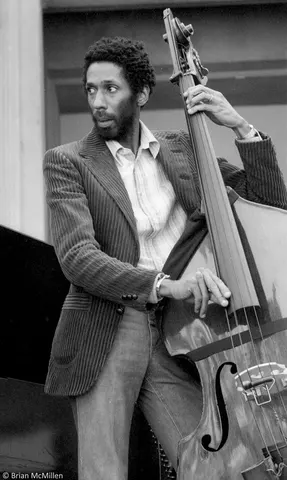
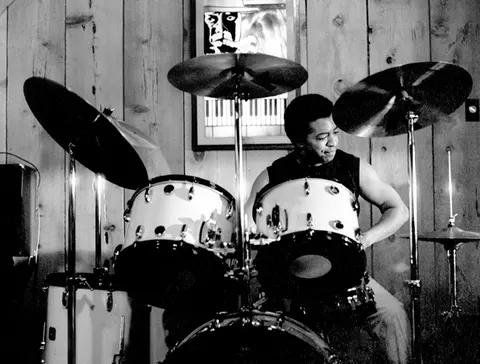
- Ron Carter and Tony Williams - bass and drums on Another Departure and Reaching for Heaven, recorded May 2 and 3, 1977, at Vanguard Studio in New York. Williams is credited as Anthony Williams on the Japanese releases.
- Eddie Gomez and Eliot Zigmund - the bass and drums in the Down Stretch trio, recorded at AOI Studios in Tokyo on January 22 and 23, 1976 (Trio Records PA-7141).
- Cornell Dupree - electric guitar on It's Great Outside (1978), alongside Yoshiaki Masuo, Anthony Jackson, Steve Jordan, Ray Mantilla and Will Boulware.
- Yoshio Suzuki - bass on The Trio, I Love You, This Is Honda, Back on My Fingers and Earthian Air, and in the Montreux quartet on Square Game.
- Fumio Watanabe - drums on The Trio (1970) and This Is Honda (1972).
- Gerd Dudek and Günter Lenz - tenor saxophone and bass on Flying to the Sky (1971).
- Juini Booth and Eric Gravatt - bass and drums on Salaam Salaam (1974).
- Hiroshi Murakami, Tamio Kawabata, Motonobu Ohde - the Native Son rhythm section and guitarist.
- Tamaya Honda - his son, a drummer; he played on Native Son's Daybreak (1985) and wrote the liner notes for the 2026 reissue of The Trio.
- Chico Honda - the jazz singer he married in 1969.
- Yosuke Yamashita and Terumasa Hino - Honda's official site records a duo concert with the pianist Yosuke Yamashita, his senior at Kunitachi, on March 3, 2001, and an appearance with Terumasa Hino at the 2002 Miyako Jazz Festival. Both are biographical claims from that site and are not backed by release credits.
- Toshiyuki Honda - saxophonist and bandleader (a different musician with the same surname); leader of The Super Quartet (Eastworld, 1986), on which Takehiro plays piano, with Mitsuaki Furuno on bass and Motohiko Hino on drums.
- Kei Akagi - the Japanese-born pianist whose Tokyo trio has used Honda's son Tamaya Honda on drums since 2000.
- Nobuyoshi Ino - bass on In A Sentimental Mood and My Funny Valentine (CBS/Sony, both released June 21, 1985), the trio records with Honda on piano and Takeo Moriyama on drums.
- Ryojiro Furusawa - drummer in his group from 1969 according to Japanese sources, and on the trio concerts of 27 June 1974 at the club USA in Kagoshima (issued in 2007 as Live at Kagoshima USA Vol.1 "Oleo") and 4 July 1974 in Oita (issued in 2020 as Live 1974), both with Hideaki Mochizuki on bass.
- Shigeharu Mukai - trombonist; a member of Honda's sextet EASE in 1992, and credited together with him on Earthian All Star Ensemble (2007).
- Nobuo Hara - tenor saxophonist and leader of Sharps & Flats; Honda played electric piano and organ on the band's Electronics (1970), and the two acts share the 2010 seven-inch "Too High / What's Going On" (Art Union).
- Yoshiaki Masuo - guitarist on T. Honda Meets Rhythm Section Featuring S. Watanabe (Trio Records) and on It's Great Outside (Flying Disk VIJ-6014, 1978).
- Akira Okazawa - electric bassist on Sadao Watanabe's Mbali Africa (1974), on which Honda plays piano and electric piano.
- Hiroshi Murakami - drummer in his trio from 1967, which was Murakami's professional debut; Hey Jude (1970) and I Love You (1971), the Native Son albums from 1979, Earthian All Star Ensemble (2007) and the 1969 Kinokuniya Hall concert issued as Destruction and Lyricism (2022).
- Osamu Kawakami - bassist on Sadao Watanabe's Swiss Air, recorded live at Montreux on July 18, 1975, with Honda on piano.
- Masaoki Terakawa - bassist, with Isao Eto, on the Kiyoshi Sugimoto Quartet's Play Boy Sound "Get Back" (Teichiku, 1969), with Honda on piano.
- Shinji Mori - drummer in Sadao Watanabe's group beside Honda on Swiss Air (1975), Recital (1977), the 1977 Live Under the Sky concert and Live in Nemuro 1977.
- Yuji Imamura - congas on What's Going On (T. Honda & His Orchestra, Trio Records, recorded 1973) and on Sadao Watanabe's Open Road (1973), on which Honda played piano. Imamura's own homepage and CDJournal profile say he later worked in a Takehiro Honda group; no record that documents that is known.
- Tsutomu Okada - bassist on Watanabe's Recital and Live in Nemuro 1977, where Honda plays piano, and on the 1992 session issued as Earthian All Star Ensemble, which includes Okada's composition "Bird in the Yard."
More Hard Bop Artists
See all 320 Hard Bop artists →More Japanese Jazz Artists
See all 262 Japanese artists →- Official fan site (Japanese)
- Apple Music: 本田竹曠
- Apple Music: 本田竹広
- YouTube: Takehiro Honda - Topic
- Discogs: Takehiro Honda
- Takehiro Honda on JazzProfiles.com
- r/JapaneseJazz
- Wikipedia: Takehiro Honda
- Wikipedia (Japanese): 本田竹広
- Wikidata: Q7677983
- Official fan site: profile (本田竹広 プロフィール)
- Official fan site: career chronology (本田竹広 経歴)
- Discogs: Takehiro Honda, artist 788556
- Discogs: Another Departure, Flying Disk VIJ-6004, 1977
- Discogs: Salaam Salaam, East Wind EW-7005, 1974
- Discogs: Native Son, JVC VIJ-6301, 1979
- The Vinyl Factory: VF Mix 134, Takehiro Honda by LK