 JAZZPROFILES lives in the music 1,765 Jazz Artists fully Profiled!
Takeshi Inomata
Last updated October 21, 2026
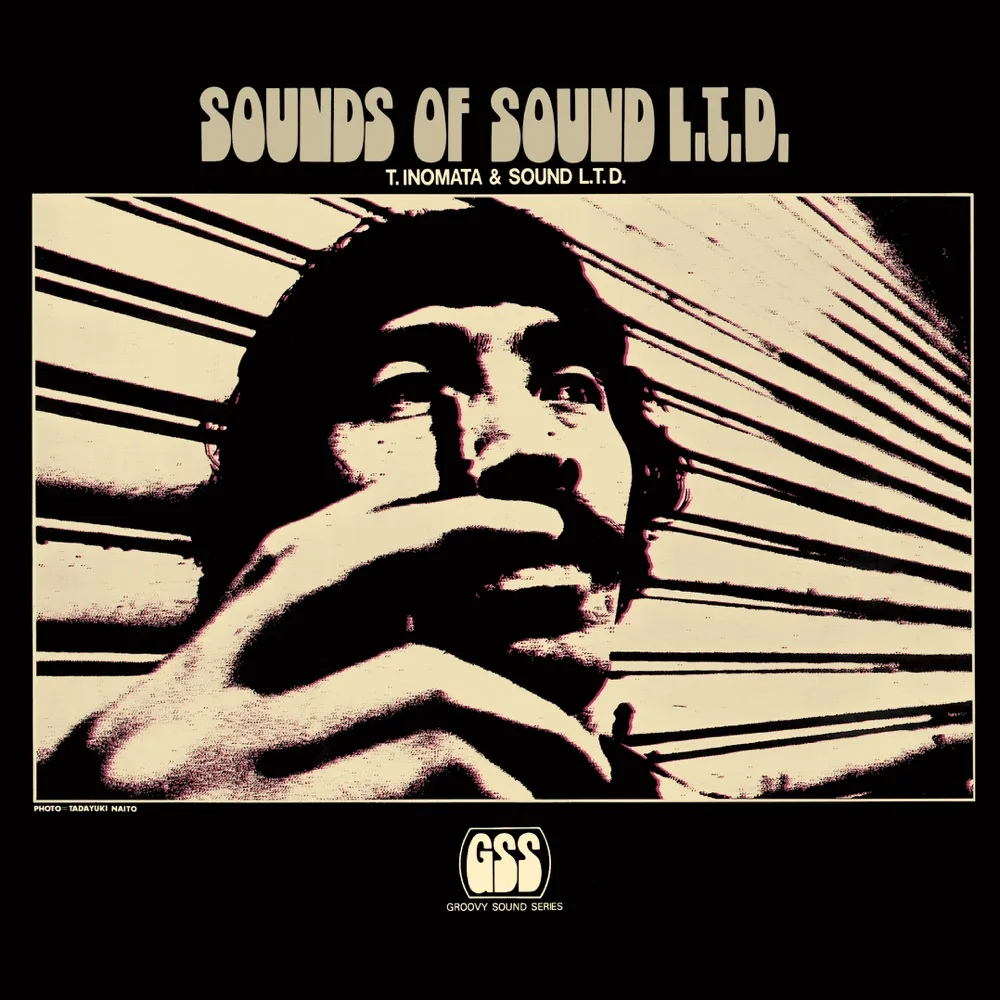
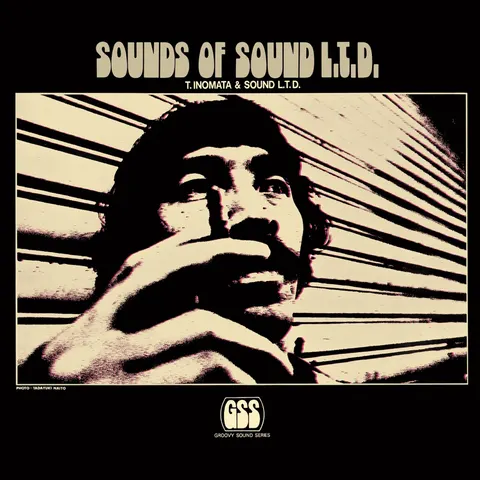
Cover of Sounds of Sound L.T.D. (Columbia, 1970), by Takeshi Inomata and Sound Limited. Standard copyright, all rights reserved, held by Nippon Columbia Co., Ltd.. This is not a Creative Commons or public-domain image; it is an album cover shown as an honestly disclosed editorial identification image. — https://music.apple.com/us/album/sounds-of-sound-l-t-d/1721496903 (Apple Music artwork, 1000 x 1000)
Takeshi Inomata (猪俣猛) heard the record that decided his life at fourteen: Benny Goodman's Carnegie Hall concert, and on it Gene Krupa playing "Sing Sing Sing." He wanted to be a professional drummer, and he wanted, one day, to stand on the Carnegie Hall stage himself. He was born in Takarazuka, in Hyogo Prefecture, where his father played oboe in the orchestra of the Takarazuka Revue and his elder brother was a trumpeter, so music was already the family trade. His father bought him his first drum set at a music shop in Kobe, a snare drum from an Osaka maker that, as it happened, sold its drums under the name Krupa. By day he sat in the Takarazuka theatre's orchestra pit and listened to the revues and musicals; at night he worked at a civilian club in Kobe where his father played, learning the groove on the job. It was the years of the postwar occupation, so his first audiences were American servicemen, and much of the early work was at US military camps. Discogs dates his professional debut to the age of sixteen.
He moved to Tokyo in 1956. His own account of the first years, written for his official website, runs through a chain of bands: Akira Watanabe's Embers Five, which had the pianist Keitaro Miho, whom he admired, in it; then the bassist Shin Watanabe's Six Joes; then the West Liners, the band of the tenor saxophonist Konosuke Saijo that held the house job at the Tamuracho nightclub Manuela. He was called into the West Liners in a hurry, standing in for the original drummer, who had been hospitalised with tuberculosis, and he stayed. The pianist in that band was Norio Maeda, two years his senior, whom Inomata had first met at a Kansai jam session when he was sixteen and Maeda eighteen and just out of high school. The two would work together for the rest of Inomata's life. In 1957, at twenty-one, he won a newcomer award.
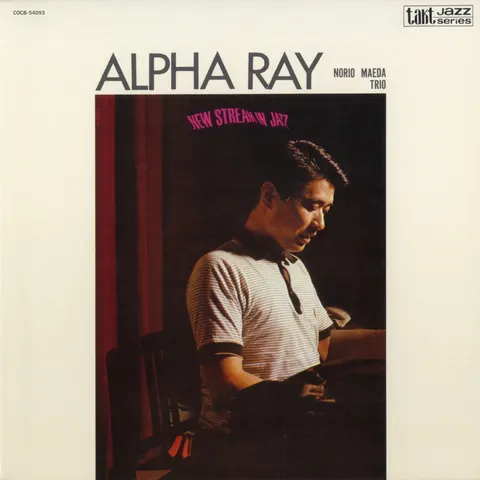
The nightclub job was dance music, and Inomata and Maeda wanted more. When a jazz coffee house opened in Ginza, its owner asked Inomata to play there; the whole West Liners would not fit in the room, so the rhythm section went alone, Inomata, Maeda and the bassist Tatsuro Takimoto. That was the first WE3. Inomata named it himself, a trio of three equals with no leader's name on the marquee, each member meaning "me." They made records, appeared on the radio, and played every Friday on Nippon Television's late-night show 11PM; later the bass chair passed to Jun Suzuki and then to Yasuo Arakawa, who stayed. The trio's first album, Alpha Ray, was recorded on October 3, 1968 for Columbia and released in 1969 as the Norio Maeda Trio. Inomata's own summary of the arrangement was that Maeda was the director of music, he was the director of sales, and Arakawa was the director of personnel.
Alongside the trio he became one of the drummers Tokyo's jazz records called for. On August 15 and 16, 1961 he played on three tracks of Sadao Watanabe's debut LP for King Records, sharing the drum chair with Akihiro Hasegawa. In March 1961 he was on two tracks of Toshiko Akiyoshi's Toshiko Meets Her Old Pals, on which Masahiko Togashi played the other drum chair. In May 1962 he was one of the two drummers on Akira Miyazawa's first record as a leader, Yamame, with Masahiko Satoh on piano. On February 12 and 13, 1963 his West Liners, with Jiro Inagaki on tenor saxophone and flute, backed the American singer Helen Merrill on Helen Merrill in Tokyo, with Maeda arranging. That year he was also the drummer on Miwaku no Jazz (Fascinating Jazz), the Victor album by Akiyoshi with Charlie Mariano on alto saxophone. The New Grove Dictionary of Jazz entry on him adds that he lived in the United States for a time in the early 1960s and studied with the Boston drummer Alan Dawson.
By 1966 he was a Yamaha drum endorser, and the West Liners were making albums under his name for King, Columbia and the Takt label, with Maeda arranging and, on Liner Note (1967), Masaru Imada at the piano. The Takt Jazz Series also issued Drum Shot, billed to Inomata on drums and Maeda on arrangements and piano, with Konosuke Saijo on tenor saxophone, a four-trombone section that included Hiroshi Suzuki, Sadanori Nakamure on guitar and Takimoto on bass. Side one was recorded at Teichiku Kaikan Studio on December 14, 1967.
The turn into the 1970s made him a fusion bandleader. On February 7 and 12, 1970 he and Arakawa were the rhythm section on Mal Waldron's Tokyo Bound, a trio record for Victor. Weeks later, from March 25 to 27, he recorded Sounds of Sound L.T.D. with the new band he called Sound Limited, a horn-heavy jazz-rock group formed in the wake of the brass-rock bands then crossing over in America. The Columbia album credits him as drummer and music director, with Ryo Kawasaki on electric guitar, Shunzo Ohno on trumpet, Takao Uematsu on tenor saxophone, Toshiaki Yokota on flute and Jun Suzuki on electric bass. A second album recorded that April, Sound Ltd., played Chicago's "South California Purples," Blood, Sweat & Tears' "Sometimes in Winter," the Doors' "Tell All the People" and the standard "God Bless the Child." The same year he put his name on Jazz Rock in Stravinsky, Maeda's arrangements of Petrushka and The Rite of Spring for twenty-six credited musicians, one ballet to each side of the LP. Sound Limited played the Sensational Jazz '70 concerts on a bill with Jiro Inagaki's Soul Media and Akira Ishikawa's Count Buffalos, and Inagaki's own biography dates his Soul Media horn-rock idea to a 1969 United States tour made with Inomata.
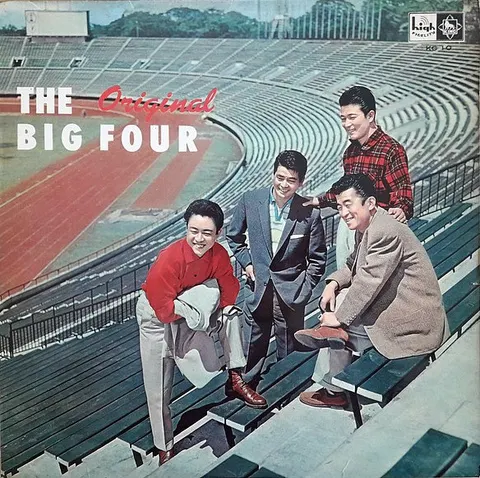
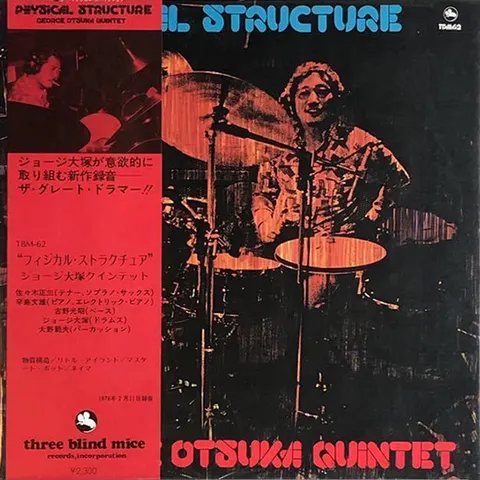
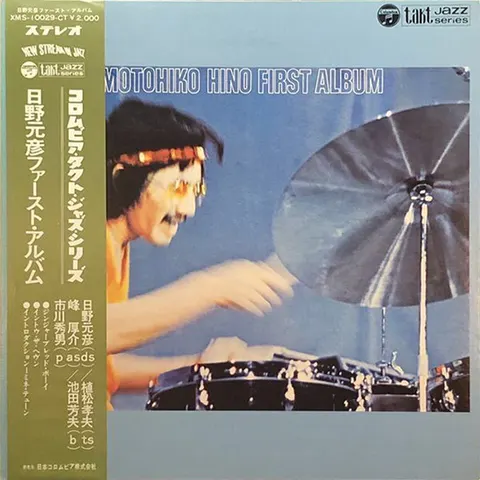
Through the early 1970s Sound Limited, the West Liners and a big band called The Third, which Discogs credits Inomata with leading and Maeda with arranging and conducting, were all running at once. Innocent Canon (King, recorded February 21, 1971) is the most unusual of the Sound Limited albums, with a narrator and a piece called "Janis's Death." Inomata Meets Rock was recorded in Hawaii on April 25, 1971, with Imada on piano on half the tracks. Rock Joy in Drums and the first Third album, Hare Krishna, both date from the same year. Then there were the drum albums, a Japanese specialty of the period, in which several drummers shared a record: Four Jazz Drums (1971) with George Kawaguchi, Isamu Harada and Motohiko Hino, Driving Drums (1971) with Ishikawa and a drummer billed as T. Tabata, Rocking Drum Battle by Big 4 (1972) with Ishikawa, Sadakazu Tabata and Kiyoshi Tanaka, and The Exciting Drum (1980), a five-drummer LP shared with Kawaguchi, Tabata, Ishikawa and George Otsuka. Drum Method (Columbia, 1972) was a teaching record with Sound Limited as the backing band and Maeda arranging, which included covers of Herbie Hancock's "Maiden Voyage" and Dave Brubeck's "Blue Rondo a la Turk" and two pieces of his own called "Drum Concert." In 1976 he founded the Rhythm Clinic Center, a school for jazz and drum education.
The mid-1970s brought a run of records on his own terms. Drummer Man (Columbia, recorded in January 1975) was a big band record in the spirit of Gene Krupa, with Maeda, Arakawa and the vocalist Terry Mizushima. Alone Together (Audio Lab, June 6, 1975) was a septet date at Iino Hall with Maeda, Arakawa, Saijo, the baritone saxophonist Tadayuki Harada, the alto saxophonist Akitoshi Igarashi and the trumpeter Tetsuo Fushimi. On February 16, 1976 he played with Maeda and Arakawa behind the tenor saxophonists Konosuke Saijo and Hidehiko Matsumoto at Birdland in Roppongi, recorded live as K. Saijo vs. H. Matsumoto for Teichiku. The Dialogue (November 28 and 29, 1977, Iino Hall) was a record of duets, the drums against one instrument per track: Arakawa's bass, Ichiro Masuda's vibraphone, Toshiaki Yokota's flute, Shoji Yokouchi's guitar, Saijo's tenor saxophone, Shigeharu Mukai's trombone and Makoto Aruga's percussion. On March 6, 1978 he recorded the duo album Blue Heaven in Tokyo with Akira Sakata on alto saxophone and alto clarinet, issued at 45 RPM.
He also kept working outside the jazz label. In 1977 he made Morning After, a quadraphonic album of percussion-ensemble music with his group Separation. In the 1980s he issued a live quartet record on his own label (Stop' Over, 1980), recorded Dear My Friend Harold on September 8, 1981 with the tenor saxophonist Harold Land as guest, and, for Columbia from 1983 to 1985, made instrumental albums of music from the television anime Urusei Yatsura. In 1991 he made If I Were a Bell with the pianist Naoki Nishi, and in July 1992 took a trio into the studio for Fever, with Arakawa and Mizushima. Then came the stage he had pictured since he was fourteen: on October 6, 1994 he led his own band at Carnegie Hall in New York. In 2000 he marked fifty years as a professional with an anniversary concert, and in 2002 he took part in the Asuka world cruise. A late release under his own name is Cover Jazz Legend Standards (2017).
Takeshi Inomata passed away on October 4, 2024, at 2:27 in the afternoon, of old age, in a hospital in Saitama Prefecture. He was 88. The Sankei Shimbun's obituary said his work with the pianist Norio Maeda made his name, and noted that he founded the Rhythm Clinic Center in 1976.
Inomata's first model, by his own account, was Gene Krupa, and the debt shows in the records he chose to make: Drummer Man (1975) is a Krupa-style big band album that includes "Sing Sing Sing," and "Drummer Man" turns up again as a track on The Exciting Drum (1980) and West Liners with Terry Mizushima (1977). The sound that carried through most of his career, though, was the mainstream of the West Liners and the Maeda trio: piano trio jazz with Norio Maeda writing the arrangements and Inomata in the drum chair. WE3 took its name from the principle of three equals, and Inomata described the trio's policy as taking on good music of any kind rather than only jazz standards.
The 1970s added rock. Sound Limited and The Third played arrangements of American rock and brass-rock material on jazz instruments, with electric bass, electric guitar and a Hammond organ under a big horn section, and Jazz Rock in Stravinsky gave two Stravinsky ballets the same treatment. At the same time he was a pop session drummer and a bandleader in the Japanese pops market: records for Teichiku, Columbia and Victor billed his group playing hit songs and film themes, albums with the cabaret singer Eiko Shuri, and a run of Crown Records pops albums issued under the pseudonym Arita Shintaro. The jazz side of his identity, which includes the West Liners, WE3, the American visitors (Helen Merrill, Mal Waldron, Harold Land) and the 1970s Audio Lab series, is the longer and better documented thread, and the main reason he is remembered as a jazz drummer rather than a pops one.
The later records show a drummer teaching as much as playing. Drum Method, This Is Rhythm (Columbia, 1975, a two-LP guide to pop rhythm history), the Rhythm Clinic Center and The Dialogue all work variations on the same idea, that a drum kit can talk to any instrument and that rhythm can be taught.
- Drum Shot (1967, Takt Jazz Series JAZZ-16, with Norio Maeda) - A date billed to Inomata on drums and Maeda on piano and arrangements, recorded in December 1967 with Konosuke Saijo, Hiroshi Suzuki and a four-trombone section. YouTube - Drum Shot, full album · Apple Music - Drum Shot Listen
- Sounds of Sound L.T.D. (1970, Columbia HS-7001-CT, Takeshi Inomata and Sound Limited) - The band's debut, recorded March 25 to 27, 1970, with Ryo Kawasaki, Shunzo Ohno, Takao Uematsu and Toshiaki Yokota. YouTube - Sounds of Sound L.T.D., full album · Apple Music - Sounds of Sound L.T.D. Listen
- Jazz Rock in Stravinsky (1970, Liberty LPC-8027, Takeshi Inomata Group) - Petrushka and The Rite of Spring arranged by Norio Maeda for a 26-musician rock and jazz orchestra, one side each. YouTube - Jazz Rock in Stravinsky, full album Listen
- Innocent Canon (1971, King SKK 3011, Takeshi Inomata and Sound Limited) - The most unusual of the Sound Limited albums, recorded February 21, 1971, with a narrator and a piece called "Janis's Death." YouTube - Innocent Canon, full album · Apple Music - innocent canon Listen · Buy
- Drum Method (1972, Columbia JDX-79) - The teaching record, with Sound Limited backing, Norio Maeda's arrangements and the two "Drum Concert" solo pieces. YouTube - Drum Method, full album · Apple Music - Drum Method Listen
- Drummer Man (1975, Columbia KZ-7504) - The Gene Krupa tribute, a big band recorded in January 1975, with Terry Mizushima on vocals. Apple Music - Drummer Man Listen · Buy
- The Dialogue (1977, Audio Lab Record ALJ-1059) - Seven duets, drums against one instrument each, recorded at Iino Hall on November 28 and 29, 1977. YouTube - The Dialogue, full album Listen · Buy
- Tokyo Bound (1970, Victor, Mal Waldron) - The best-known record on which he is a sideman: Waldron's trio date recorded in Tokyo on February 7 and 12, 1970, with Yasuo Arakawa on bass. YouTube - Tokyo Bound, full album Listen
Takeshi Inomata (猪俣猛): Full Discography
Japanese jazz drummer and bandleader, born February 6, 1936 in Takarazuka, Hyogo Prefecture; passed away October 4, 2024. Discogs artist 596941, real name 猪俣 猛.
Name variations on record: T. Inomata, Takashi Inomata, Takeshi Inormata, Takeshi Inomata 3, 猪俣猛, 猪俣 猛, 猪俣タケシ, 猪股猛, Mr. D. His Crown Records pops albums were issued under the alias Arita Shintaro (ありた・しんたろう, Discogs 3985084).
Group entities on Discogs that carry his work: Takeshi Inomata & Sound Limited (2860793), Takeshi Inomata & His West Liners (3906680), The Third (5173851), Takeshi Inomata & Separation (4486956), Takeshi Inomata And His Group (2681982), Takeshi Inomata And His Friends (2482617), Takeshi Inomata All Stars (5034117), Takeshi Inomata Quintet + 5 Brass (6942677), Takeshi Inomata Trio (16545716), Takeshi Inomata 3 (4053970) and the Norio Maeda Trio (1154470, WE3).
Leader
Records issued under his own name or under one of his own bands (Sound Limited, the West Liners, The Third, Separation).
| Album | Year | Label | Personnel | Notes | Listen | Buy |
|---|---|---|---|---|---|---|
| Dancin' in the Modern Touch (as Takeshi Inomata and His West Liners) | 1962 | - | Takeshi Inomata and His West Liners | Discogs master 3219169. A single from the same period, Ballata della Tromba / Champs-Elysees, is also on King. | not found | Amazon |
| Modern Jazz Screen Mood (billed as West Liner's) | 1964 | Columbia, LSS-3721 | Konosuke Saijo (tenor saxophone), Shigeo Suzuki (alto saxophone), Tadayuki Harada (baritone saxophone), Tetsuo Fushimi (trumpet), Shungo Sawada (guitar), Tatsuro Takimoto (piano), Takeshi Inomata (drums) | Four film themes: Melodie en sous-sol, Blues de Memphis, Ascenseur pour l'echafaud, Les Liaisons dangereuses. | not found | Amazon |
| Modern Top Hits (as Takeshi Inomata and His West Liners) | 1965 | - | Takeshi Inomata and His West Liners | Discogs master 1396841. | not found | Amazon |
| Modern Touch for Screen | 1966 | King Records | Takeshi Inomata and His West Liners | Discogs release 15799571. | not found | Amazon |
| Paint It, Black | 1966 | King Records, SKK 272 | Takeshi Inomata and His West Liners; arranged by Norio Maeda | Twelve tracks including Paint It, Black, Michelle, Early Autumn, Summertime and Body and Soul. | Apple Music | Amazon |
| Liner Note | 1967 | Takt, JAZZ-2 | Takeshi Inomata (drums), Masaru Imada (piano), Tatsuro Takimoto (bass), Sadanori Nakamure (guitar), Tetsuo Fushimi (trumpet), Shigeo Suzuki (alto saxophone), Ichiro Mimori (tenor saxophone) | Twelve tracks including Old Devil Moon, Afro Blue, Cantaloupe Island, All Blues and Freddie the Freeloader. Released in a gatefold sleeve. | Full album on YouTube · Apple Music | Amazon |
| Drum Shot (billed with Norio Maeda) | 1967 | Takt, JAZZ-16 | Takeshi Inomata (drums), Norio Maeda (piano, arrangements), Konosuke Saijo (tenor saxophone), Hiroshi Suzuki (trombone) plus three further trombones on B3 and B4, Sadanori Nakamure (guitar), Tatsuro Takimoto (bass) | Nine tracks: "Drum Shot" and "Tomodachi" by Inomata, the rest by Maeda. Side one recorded at Teichiku Kaikan Studio on 14 December 1967. | Full album on YouTube · Apple Music | Amazon |
| Exciting Drum Hits! (as Takeshi Inomata Quintet + 5 Brass) | 1969 | Columbia, HS-10007-CT | Takeshi Inomata (drums); arranged by Norio Maeda | Twelve tracks including Colonel Bogey, Take Five, Peter Gunn, Caravan and Blues March. | Full album on YouTube · Apple Music | Amazon |
| Come Together! (as Takeshi Inomata and His West Liners) | 1969 | Victor, SMJX-10084 | Takeshi Inomata (drums, leader), Norio Maeda (piano, organ, arrangements), Shigeo Suzuki (alto saxophone), Ichiro Mimori (tenor saxophone), Tetsuo Fushimi (trumpet), Sadanori Nakamure (guitar), Tatsuro Takimoto (electric bass) | Recorded 20 November 1969. Gatefold sleeve. Includes Come Together, Little Green Apples, By the Time I Get to Phoenix and The Impossible Dream. | Apple Music | Amazon |
| Jazz Rock in Stravinsky (as Takeshi Inomata Group) | 1970 | Liberty, LPC-8027 | Takeshi Inomata (drums); Norio Maeda (arrangements, conductor); Yasuo Arakawa (acoustic bass), Jun Suzuki (electric bass), Sadanori Nakamure and Kousei Mizutani (guitars), Keisuke Egusa (keyboards), Toshiaki Yokota, Takashi Asahi (flutes), Yukio Eto (piccolo), Shigeo Suzuki, Makio Shimizu (reeds), Tadayuki Harada (baritone saxophone), trumpets Shunzo Ohno, Kunitoshi Shinohara, Takehisa Suzuki, Tetsuo Fushimi, trombones Shigemichi Domoto, Takashi Imai, Yoshitsugu Nishimura, horns Katsuyoshi Kurosawa, Koji Yamaguchi, oboe Hiroyuki Iguchi, percussion Kenji Shiraishi, Yasukazu Amemiya, Osamu Nakajima | Two tracks: Petrushka (14:40) and The Rite of Spring (16:42), both arranged by Maeda from Stravinsky. 26 credited musicians. | Full album on YouTube | Amazon |
| Sounds of Sound L.T.D. (as Takeshi Inomata and Sound Limited) | 1970 | Columbia, HS-7001-CT | Takeshi Inomata (drums, music director), Ryo Kawasaki and Shigenori Kamiya (electric guitars), Jun Suzuki (electric bass), Yusuke Hoguchi (organ), Toshiaki Yokota (flute), Takao Uematsu (tenor saxophone), Shunzo Ohno and Takashi Kumagai (trumpets), Shigemichi Domoto and Takashi Imai (trombones) | Recorded at Tokyo Studio Centre, 25 to 27 March 1970. Seven tracks: "Theme~Mustache", "Tak's Tune", "Joint", "Monster", "Lullaby for Yuh", "Scotland Scene", "Theme". Reissued in 2023 as a remastered edition. | Full album on YouTube · Apple Music | Amazon |
| Sound Ltd. (as Takeshi Inomata and Sound Ltd.) | 1970 | Express, EP-7761 | Same core band plus Norio Maeda and Takashi Imai (arrangements) | Recorded 4, 11 and 25 April 1970. Includes "South California Purples", "Sometimes in Winter", "Tell All the People", "God Bless the Child". | Apple Music (Sound Ltd., remastered 2023) | Amazon |
| Drum & Wadaiko (熱狂の対決!!ドラムと和太鼓) | 1970 | Teichiku Records, SL-1325 | Takeshi Inomata and Sound Limited, with Hiromitsu Katada | A drum and wadaiko (Japanese taiko) confrontation. Twelve tracks including Sugar Sugar, Come Together and Up Up and Away. | Full album on YouTube | Amazon |
| Hit! Hit! Hit! | 1970 | Victor | Takeshi Inomata and Sound Limited | Discogs release 12956765. | not found | Amazon |
| Sound Special '70 / Popular Hit! Hit! Hit! | 1970 | Denon | Takeshi Inomata and Sound L.T.D., with Suiho Tosha | Discogs release 16170133. | not found | Amazon |
| Jazz Rock for Grand-Prix: Indy 500 (猪俣猛とザ・サード) | 1971 | Canyon | Takeshi Inomata and The Third | Discogs release 10015856. | not found | Amazon |
| Guts the Drum (ガッツ・ザ・ドラム) | 1971 | Express | Takeshi Inomata and Sound of Modern Craft | Discogs releases 15382044 and 34427755. | not found | Amazon |
| Innocent Canon | 1971 | King Records, SKK 3011 | Takeshi Inomata (drums), Jun Suzuki (electric bass, whistling, melodica), Kimio Mizutani (guitars, sitar), Shigehito Ohara (organ, electric piano, piano), Toshiaki Yokota (flutes), Jake H. Concepcion (saxophones, flute), Shunzo Ohno and Takehisa Suzuki (trumpets), Shigemichi Domoto (trombone, vibraphone), Osamu Nakajima (percussion), Tenmei Kanoh (narrator) | Recorded 21 February 1971. Seven tracks: "Introduction", "Janis's Death", "Go for Nothing", "Child and I", "Blue", "Alone", "Epilog". | Full album on YouTube · Apple Music | Amazon |
| New Rock in Europe: Sound Ltd. 2 | 1971 | Express, EP-7776 | Takeshi Inomata (drums, percussion, arrangements), Norio Maeda and Shigeo Suzuki (arrangements), Jun Suzuki (electric bass), Shigenori Kamiya and Kimio Mizutani (guitars), Yusuke Hoguchi (organ), Toshiaki Yokota (flutes), Takao Uematsu (tenor and soprano saxophones), Shunzo Ohno (trumpet), Shigemichi Domoto and Takashi Imai (trombones) | Recorded 22 June 1970 at Toshiba Music Industries 1st Studio in cooperation with the TBS television show Young 720. Includes "Something", "Hurdy Gurdy Man", "Greensleeves". | not found | Amazon |
| Inomata Meets Rock | 1971 | Polydor, MR-5006 | Takeshi Inomata (drums), Masaru Imada and Shigehito Ohara (pianos), Yasuo Arakawa and Jun Suzuki (basses), Kimio Mizutani (guitar), Tadayuki Harada (baritone saxophone), Koji Nishimura (trombone), Takehisa Suzuki (trumpet); arranged by Norio Maeda and Yasuo Arakawa | Recorded in Hawaii on 25 April 1971. Twelve tracks including "Michelle", "Spinning Wheel", "Bridge over Troubled Water". | not found | Amazon |
| Let's Dance & Bacharach & Lai | 1971 | King Records, SKM 1169/70 | Takeshi Inomata and Sound Limited | Two LPs of dance arrangements of Burt Bacharach and Francis Lai themes, 24 tracks. | not found | Amazon |
| Rock Joy in Drums (with The Third) | 1971 | MCA Records, JMC-5027 | Takeshi Inomata (drums); arranged by Norio Maeda | Ten tracks including "Free", "Black Magic Woman", "Spinning Wheel". | Full album on YouTube | Amazon |
| Hare Krishna / The Third First Album (The Third) | 1971 | Express, ETP-9032 | Takeshi Inomata (drums, leader), Norio Maeda (arrangements, conductor, organ, electric piano), Jun Suzuki (electric bass), Sadanori Nakamure and Kimio Mizutani (guitars), Osamu Nakajima (percussion), reeds Makio Shimizu, Jake H. Concepcion, Shigeo Suzuki, Ichiro Mimori, Tadayuki Harada, trombones Haruo Yamashita, Kiji Nishimura, Shigemichi Domoto, Tadataka Nakazawa, trumpets Shunzo Ohno, Takehisa Suzuki, Teruyuki Fukushima, Tetsuo Fushimi | Recorded 6 and 10 April 1971. Six tracks including "Locrian Locomotion", "Wichita Lineman", "The Fool on the Hill", "Hare Krishna". | not found | Amazon |
| My Way (as Takeshi Inomata and His West Liners) | 1971 | Express, EP-7787 | Takeshi Inomata (drums), Norio Maeda (piano, electric piano, arrangements), Tatsuro Takimoto (electric bass), Sadanori Nakamure (electric guitar), Shigeo Suzuki (alto saxophone, flute), Ichiro Mimori (tenor saxophone, flute), Tadayuki Harada (baritone saxophone), Tetsuo Fushimi (trumpet, horn) | Released 5 February 1971. Ten tracks including "Close to You", "My Way", "Bridge over Troubled Water". | not found | Amazon |
| Drum Method (also issued as Drum Method by Takeshi Inomata and Sound Limited) | 1972 | Columbia, JDX-79 | Takeshi Inomata (drums), Takeshi Inomata and Sound Limited (backing band), Norio Maeda (arrangements) | Twelve tracks: "Run Away Child", "Smack Water Jack", "Maiden Voyage", "Blue Rondo a la Turk", "Drum Concert I" and "Drum Concert II" among them. Reissued on vinyl in 2025. | Full album on YouTube · Apple Music | Amazon |
| Morning Glory / The Third 2 (The Third) | 1972 | Express, ETP-9527Z | Takeshi Inomata (drums, leader), Norio Maeda (composer, arrangements, piano, organ), Jun Suzuki (bass), Kimio Mizutani and Sadanori Nakamure (guitars), Osamu Nakajima (percussion), five saxophonists, four trombones, five trumpets | Recorded 20 and 26 December 1971 at Mouri Studio. Five tracks: "The Chant of Morning Glory", "In Quiet", "Song of Cradle", "Sleeper", "Alone". | Full album on YouTube | Amazon |
| Drum Battle Rock Now (Takeshi Inomata and Sound Limited, with Chito Kawachi, Masao Suzuki and Seiji Tanaka) | 1972 | RCA, R4J-7017 | Takeshi Inomata, Chito Kawachi, Masao Suzuki, Seiji Tanaka (drums), Jun Suzuki (bass), Kimio Mizutani (guitar), Yusuke Hoguchi (organ); arranged by Norio Maeda | Ten tracks including "Black Night", "Proud Mary", "Theme from Shaft", "Get It On". | not found | Amazon |
| Drummer Man | 1975 | Columbia, KZ-7504 | Takeshi Inomata (drums), Norio Maeda (piano), Yasuo Arakawa (bass), Sadanori Nakamure (guitar), saxophones Ichiro Mimori, Jake H. Concepcion, Makio Shimizu, Shunzo Sunahara, Takashi Furuya, trombones Haruo Yamashita, Kiji Nishimura, Tadataka Nakazawa, trumpets Kenji Yoshida, Takehisa Suzuki, Tetsuo Fushimi, Terry Mizushima (vocals) | Recorded 18, 20 and 21 January 1975 at Nippon Columbia No. 1 Studio. Fifteen tracks including "Skin Deep", "Sing Sing Sing", "Ornithology", "Fever" and "Drummer Man". | Apple Music | Amazon |
| This Is Rhythm: Takeshi Inomata Beat in Pops (ディス・イズ・リズム) | 1975 | Columbia, GZ-7021~2 | Takeshi Inomata, with Sound Limited and The Third; arranged by Norio Maeda | Two LPs guiding the listener through jazz, Latin and rock rhythms, with illustrated pop songs. | Apple Music | Amazon |
| Get Happy (as Takeshi Inomata and His Friends) | 1975 | Audio Lab. Record, ALJ-3030 | Takeshi Inomata (drums), Norio Maeda (piano, arrangements), Yasuo Arakawa (bass), Konosuke Saijo (tenor saxophone), Jake H. Concepcion (alto saxophone), Tadayuki Harada (baritone saxophone), Tadataka Nakazawa (trombone), Fujio Saito and Tadaomi Anai (percussion) | Seven tracks: "Uptight", "Too Close for Comfort", "Here's That Rainy Day", "Witch Doctor", "I've Got You Under My Skin", "Stars Fell on Alabama", "Caravan". | Full album on YouTube | Amazon |
| Dedicated to Duke Ellington / The Third Concert (The Third with Norio Maeda) | 1975 | RCA, R4J-7083 | Takeshi Inomata (drums), Norio Maeda (piano, arrangements), Yasuo Arakawa (bass), Sadanori Nakamure and Kimio Mizutani (guitars), Osamu Nakajima (percussion), four reeds, four low brass (trombones and tuba), four trumpets | Recorded 4 December 1974 at Shibuya Kokaido, Tokyo. Six Ellington pieces including "Take the A Train", "Mood Indigo" and "Caravan". | not found | Amazon |
| West Liners with Terry Mizushima | 1977 | Victor, SPX 1038 | Takeshi Inomata (drums), Norio Maeda (piano, arrangements), Tatsuro Takimoto (bass), Konosuke Saijo (tenor saxophone), Shigeo Suzuki and Akitoshi Igarashi (alto saxophones), Tadayuki Harada (baritone saxophone), Tadataka Nakazawa (trombone), Teruyuki Fukushima and Tetsuo Fushimi (trumpets), Terry Mizushima (vocals) | Ten tracks including "I Get a Kick Out of You", "Makin' Whoopee", "Something Cool" and "Drummer Man". | not found | Amazon |
| Take the "A" Train (The Third) | 1977 | Toshiba, LF-95011 | Takeshi Inomata (drums), Norio Maeda (arrangements), Yasuo Arakawa (bass), Sadanori Nakamure (guitar), saxophones Shigeo Suzuki, Ichiro Mimori, Shunzo Sunahara, trombones Hirotaka Fukui, Michio Kagiwada, Shigemichi Domoto, Tadataka Nakazawa, trumpets Kenji Yoshida, Takeru Shiroiso, Tetsuo Fushimi, Teruyuki Fukushima | Recorded 13 September 1977 at Toshiba EMI No. 1 Studio. Four tracks: "Take the A Train", "Yurikago no Uta", "Kiraku ni Ikoze", "Sophisticated Lady". | not found | Amazon |
| Morning After (Takeshi Inomata and Separation) | 1977 | Toshiba, LF-91029 | Takeshi Inomata (drums, percussion, composer, arranger), Hideki Nakamura and Tatsuya Kubo (drums, percussion), Yoshitaka Ishii (marimba, glockenspiel, tubular bells), Kiyoshi Hasegawa and Yoshitaka Miyake (timpani, glockenspiel, percussion), Masaharu Inoue (vibraphone, percussion) | Quadraphonic LP. Three pieces: "12 Hands 12 Notes", "When We Were Sixteen", "Morning After" (18:16). | Full album on YouTube | Amazon |
| The Dialogue | 1977 | Audio Lab. Record, ALJ-1059 | Takeshi Inomata (drums) with Yasuo Arakawa (bass), Makoto Aruga (percussion), Ichiro Masuda (vibraphone), Toshiaki Yokota (flute), Shoji Yokouchi (guitar), Konosuke Saijo (tenor saxophone), Shigeharu Mukai (trombone) | Recorded at Iino Hall, 28 and 29 November 1977. Seven duets, one instrument per track. | Full album on YouTube | Amazon |
| Stop' Over | 1980 | Fic, FIC-001 | Takeshi Inomata (drums, producer), Naoki Nishi (piano), Kenichi Uchiyama (bass), Kinta Hamada (vibraphone) | Live recording on Inomata's own label. Six tracks including "Misty", "Take Five" and "Blue Train". | not found | Amazon |
| Dear My Friend Harold | 1982 | Yupiteru Records, YJ25-7035 | Takeshi Inomata (drums, producer), Harold Land (tenor saxophone, guest), Naoki Nishi (piano), Hitoshi Hamada (vibraphone), Kenichi Uchiyama (bass) | Recorded 8 September 1981. Six tracks: "A Night in Tunisia", "I Can't Get Started", "Tomodachi", "Someday My Prince Will Come", "Here's That Rainy Day", "On Green Dolphin Street". | Full album on YouTube | Amazon |
| Urusei Yatsura (うる星やつら) | 1983 | Columbia, CX-7111 | Takeshi Inomata (drums), Hajime Iiyoshi (arrangements, piano), Naoki Nishi (piano), Sadanori Nakamure (guitar), Kenichi Uchiyama (bass), Akio Suzuki (saxophones), Ichiro Mimori (saxophone, flute), Kenji Nakazawa (trombone), Kenji Yoshida (trumpet), Hitoshi Hamada (vibraphone) | Instrumental album of music from the television anime. Eleven tracks. Also released in 1993 as Jam Trip Urusei Yatsura. | Jam Trip Urusei Yatsura Vol. 1 on YouTube · Apple Music | Amazon |
| Sasuga no Sarutobi (さすがの猿飛) | 1983 | Columbia, CX-7134 | Takeshi Inomata and Sound Limited; arranged by Kaoru Iiyoshi; music by Joe Hisaishi and Mimi Izumi Kobayashi | Instrumental album of music from the television anime of the same name. | not found | Amazon |
| Jam Trip: Urusei Yatsura Vol. 2 | 1984 | Columbia, CX-7197 | Takeshi Inomata and Sound Limited | Eight tracks. | not found | Amazon |
| If I Were a Bell (as Takeshi Inomata 3) | 1991 | Toshiba, TOCZ-9173 | Takeshi Inomata (drums), Naoki Nishi (piano), Shinichi Kato (bass) | Recorded as a trio. Nine tracks including "Four", "My Funny Valentine", "Blue Train". | not found | Amazon |
| Fever (as Takeshi Inomata Trio) | 1993 | GML, GML-30251 | Takeshi Inomata (drums, producer), Yuji Inoue (piano), Yasuo Arakawa (bass), Ichiro Masuda (harp), Yuko Inomata (percussion), Terry Mizushima (vocals) | Recorded 24 July 1992 at JVC Aoyama 302 Studio. Thirteen tracks. | not found | Amazon |
| Ex-Spiral (Takeshi Inomata and Separation with Jazz Quintet) | 1999 | - | Takeshi Inomata and Separation, with Takeshi Inomata Jazz Quintet | Discogs master 3326983. | Apple Music | Amazon |
| Music for 11 P.M. (EP, Takeshi Inomata All Stars) | 2015 | Clinck Records | Takeshi Inomata All Stars | Discogs release 8481560. | not found | Amazon |
| Cover Jazz: Legend Standards | 2017 | Overlap Record, OVLC 79 | Takeshi Inomata | Sixteen tracks including "Take the A Train", "Take Five", "Misty", "Anthropology" and "Clair de Lune". | Apple Music | Amazon |
Co-Leader
| Album | Year | Label | Co-billed with | Personnel | Notes | Listen | Buy |
|---|---|---|---|---|---|---|---|
| Alpha Ray (アルファ・レイ) | 1969 | Columbia, XMS-10009-CT | Norio Maeda Trio (WE3) | Norio Maeda (piano), Tatsuro Takimoto (bass), Takeshi Inomata (drums) | Recorded 3 October 1968. Seven tracks including "Alpha Ray", "Maria", "Star Eyes". | Full album on YouTube | Amazon |
| Koto Plays Classic Favorites | 1970 | RCA | Tadao Sawai, Kazue Sawai, Takeshi Inomata and others | Koto with a jazz rhythm section | Discogs release 16305131; reissued 1975 as 白鳥 / 琴・名曲の調べ (release 16304857). | not found | Amazon |
| The Man: Charles Bronson / Steve McQueen / Jean-Paul Belmondo (film themes) | 1971 | Canyon | The Sea Barents Orchestra | Takeshi Inomata and Sound Limited with The Sea Barents Orchestra | Discogs release 6137432. | not found | Amazon |
| J. S. Bach Is Alive and Well and Doing His Thing on the Koto | 1971 | RCA Red Seal, LSC-3227 | Tadao Sawai, Kazue Sawai, Hozan Yamamoto | Tadao Sawai (first koto), Kazue Sawai (second koto), Hozan Yamamoto (shakuhachi), Takeshi Inomata (drums), Tatsuro Takimoto (bass), Sadanori Nakamure (guitar); arranged by Norio Maeda | Fifteen Bach pieces. Recorded in Japan, pressed in the United States. | not found | Amazon |
| Four Jazz Drums (四つのジャズドラム) | 1971 | Warner Bros. Records, QL-8004W | George Kawaguchi, Isamu Harada, Motohiko Hino | Four drummers; arranged by Norio Maeda | Gatefold sleeve. Ten tracks. | not found | Amazon |
| Driving Drums | 1971 | Columbia, JPS-5230 | Akira Ishikawa, T. Tabata | Three drummers | Twelve tracks including "Spinning Wheel", "The Sidewinder", "Freedom Jazz Dance". | not found | Amazon |
| Now Feeling Best 20 | 1971 | Teichiku Records | Akira Ishikawa, Sadakazu Tabata, Kiyoshi Tanaka | Four drummers | Discogs release 32835963. | not found | Amazon |
| On Stage (オン・ステージ) | 1972 | Reprise Records, L-5503R / L-5504R | Eiko Shuri | Eiko Shuri (vocals) with Takeshi Inomata and Sound Limited; arranged by Norio Maeda and Osamu Shoji | Live double album: sides A and B recorded at the nightclub Belami in Kyoto, sides C and D at Bunkyo Kokaido in Tokyo. | not found | Amazon |
| Rocking Drum Battle by Big 4 (4大ドラマーロック・ドラム・バトル) | 1972 | Teichiku Records, CDX-2501 | Akira Ishikawa, Sadakazu Tabata, Kiyoshi Tanaka | Four drummers, with Jun Suzuki (bass), Kimio Mizutani (electric guitar), Shigehito Ohara (keyboards), Jake H. Concepcion (flute, saxophone), trumpets Kenji Yoshida, Tadataka Nakazawa, Takehisa Suzuki | Eight tracks including "Black Magic Woman", "Proud Mary", "Hold On, I'm Comin'". | Full album on YouTube | Amazon |
| Young Drums! Now Sounds for Young! | 1972 | Columbia | Motohiko Hino, Akira Ishikawa | Three drummers | Discogs release 19928791. | not found | Amazon |
| Eiko Shuri Third Album (朱里エイコ サード・アルバム) | 1973 | Reprise Records, L-8018R | Eiko Shuri | Eiko Shuri with Takeshi Inomata and Sound Limited | Discogs release 9948960. | not found | Amazon |
| Jazz Rock Koto / Japanese Folk Songs (日本の民謡) | 1973 | RCA, JRS-7234 | Tadao Sawai, Kazue Sawai, Hozan Yamamoto | Tadao and Kazue Sawai (koto), Hozan Yamamoto (shakuhachi), Takeshi Inomata (drums), Norio Maeda (piano, electric piano, arrangements), Tatsuro Takimoto (bass), Sadanori Nakamure (guitar), Jake H. Concepcion (alto saxophone), Osamu Nakajima (percussion), Tadataka Nakazawa (trombone), Kenji Yoshida and Takehisa Suzuki (trumpets) | Twelve Japanese folk songs. Textured gatefold jacket. | not found | Amazon |
| Rhythm no Miryoku series (リズムの魅力 No.1 to No.3, with Michi Shiro) | 1973 | CBS/Sony | Shiro Michi | Rhythm teaching records | Reissued 1977. Discogs releases 22403680, 7245125, 23121782, 18992695, 22018396; the 1972 Rock Phrases (release 12386479) is in the same series. | not found | Amazon |
| Alone Together | 1975 | Audio Lab. Record, ALJ-1035 | Norio Maeda, Yasuo Arakawa, Konosuke Saijo, Tadayuki Harada, Akitoshi Igarashi, Tetsuo Fushimi | Takeshi Inomata (drums), Norio Maeda (piano), Yasuo Arakawa (bass), Konosuke Saijo (tenor saxophone), Tadayuki Harada (baritone saxophone), Akitoshi Igarashi (alto saxophone), Tetsuo Fushimi (trumpet) | Recorded at Iino Hall, 6 June 1975. Eight standards including "These Foolish Things", "Alone Together", "Love Is Here to Stay". | Full album on YouTube | Amazon |
| Blues March: Drum Battle | 1975 | RCA | Akira Ishikawa and Count Buffaloes, George Kawaguchi and others | Multi-drummer date; Discogs lists Takeshi Inomata and Sound Limited | Discogs release 7910195. | Take Five Blues March on YouTube | Amazon |
| Ensemble for Electone & Piano: Glamour of Concert | 1976 | CBS/Sony | Shiro Michi, Yuri Tashiro | Takeshi Inomata (drums) with Electone and piano | Discogs release 16920741. | not found | Amazon |
| Blue Heaven (ブルー・ヘブン) | 1978 | Audio Lab. Record, ALJ-1063 | Akira Sakata | Takeshi Inomata (drums), Akira Sakata (alto saxophone, alto clarinet) | Recorded in Tokyo, 6 March 1978. Three pieces: "My Heaven" (14:24), "Blue Part 1", "Blue Part 2". 45 RPM LP. | Full album on YouTube | Amazon |
| Fascination of Bossa Nova | 1978 | Toshiba Records | Hidemi Saito, Norikazu Ejiri | Takeshi Inomata (drums) with Saito and Ejiri | Discogs release 18308074. | not found | Amazon |
| The Exciting Drum | 1980 | Yupiteru Records, YL-8037 | George Kawaguchi, George Otsuka, Sadakazu Tabata, Akira Ishikawa | Five drummers, each taking a side-share of tracks | Inomata's tracks: "Drummer Man", "Step by Step", "Take Five", "Work Song". | not found | Amazon |
| Impression (Tatsuya Takahashi 3 x Takeshi Inomata 3) | 1980 | Audio Lab. Record, ALJ-1075 | Tatsuya Takahashi | Tatsuya Takahashi (tenor saxophone), Kenji Nishiyama (trombone), Nobuo Kato (trumpet), Naoki Nishi (piano), Kazuyo Yamaguchi (bass), Takeshi Inomata (drums) | Six tracks including "Just Friends" and "Manteca". | not found | Amazon |
| Amazing Grace We3 (前田憲男 / 猪俣猛 / 荒川康男) | 2001 | Sticks | Norio Maeda, Yasuo Arakawa (WE3) | Norio Maeda (piano), Takeshi Inomata (drums), Yasuo Arakawa (bass) | Discogs release 38506896. | not found | Amazon |
| The Stormy Man | 2018 | Super Fuji Discs, FJSP332 | Hideo Shiraki | Hideo Shiraki, with Takeshi Inomata credited on Discogs | Thirteen-track soundtrack session issued on vinyl; Discogs lists Inomata among the main artists. | not found | Amazon |
| Other drum-battle and anthology releases (4 Big Drummers Hit Pops Special, Drum Festival by Big 4, Drum Deluxe, Drumming March, 10 Big Drummers Best Selection, Rhythm de Go!! Drum Drum Drum, Drum! (Tankobushi), Folk Rock, Takeshi Inomata's Wonderful World Vol. 1) | 1970s to 1990s | Teichiku, Philips, Union, World, Malion, Victor, Sticks Music Service | Akira Ishikawa, Sadakazu Tabata, Kiyoshi Tanaka, George Kawaguchi, Hajime Ishimatsu and others | Various drummers, Inomata credited on every title | Undated Discogs releases 6616671, 8912874, 24971440, 13044576, 8828269, 28157638, 11690882, 18086827, 15481021 and 22431025. | not found | Amazon |
Guest, sideman and compilation appearances
Chronological, from his Discogs artist page. Items already listed above are not repeated.
| Year | Release | Actual leader | Notes | Listen | Buy |
|---|---|---|---|---|---|
| n.d. | テイチクCD-4への招待 | Various | not found | Amazon | |
| 1956 | The Swing Journal All Star Bands = スイング・ジャーナル・オールスター・バンド | Various | not found | Amazon | |
| 1957 | Jazz Message From Tokyo = ジャズ・メッセージ・フロム・トウキョウ | Various | not found | Amazon | |
| 1957 | Midnight In Tokyo Volume One | Various | not found | Amazon | |
| 1957 | Midnight In Tokyo Volume Three = ミッドナイト・イン・トウキョウ 第3集 | Various | not found | Amazon | |
| 1958 | Modern Jazz | The Modern Jazz All Stars | not found | Amazon | |
| 1958 | Modern Jazz Concert At Video Hall, Tokyo - Leading 4 Combos In Japan = モダーン・ジャズ・コンサート・アット・ヴィデオ・ホール | Various | not found | Amazon | |
| 1958 | Shin Watanabe's Six Joes | 渡辺晋とシックス・ジョーズ | not found | Amazon | |
| 1958 | Winners Of The Swing Journal Critic Poll, 1958 = 1958年度スイング・ジャーナル批評家選出オール・スターズ | Various | not found | Amazon | |
| 1959 | Jazz Festival Of Japan (2) | Swing Journal All-Stars 1958 | not found | Amazon | |
| 1960 | Modern Jazz Composer's Corner | Various | not found | Amazon | |
| 1960 | Modern Jazz Screen Mood | Modern Jazz Playboys | not found | Amazon | |
| 1960 | Un Temoin Dans La Ville / Blues De Memphis | Modern Jazz Playboys | not found | Amazon | |
| 1961 | Karuizawa Music Inn Vol.1 | Various | not found | Amazon | |
| 1961 | Modern Jazz Show Case = モダン・ジャズ・ショー・ケイス | Modern Jazz Playboys = モダン・ジャズ・プレイボーイズ | not found | Amazon | |
| 1961 | Sadao Watanabe | Sadao Watanabe = 渡辺貞夫 | Drums on A2, B2, B3 (shared with Akihiro Hasegawa); recorded 15 and 16 August 1961 | not found | Amazon |
| 1961 | Seiji Hiraoka Plays MJQ Favorites | Seiji Hiraoka | not found | Amazon | |
| 1961 | Toshiko Meets Her Old Pals = トシコ旧友に会う | Toshiko Akiyoshi = 秋吉敏子 | Drums on B2, B3; recorded March 1961 (Togashi on A1, A2) | Full album on YouTube | Amazon |
| 1962 | Yamame | Akira Miyazawa = 宮沢昭 | Drums (one of two); Sadao Watanabe on B1 to B3; recorded May 1962 | not found | Amazon |
| 1963 | Helen Merrill In Tokyo = ヘレン・メリル・イン・トウキョウ | Helen Merrill | Drums; Takeshi Inomata and his West Liners with Jiro Inagaki; recorded 12 and 13 February 1963 | Full album on YouTube | Amazon |
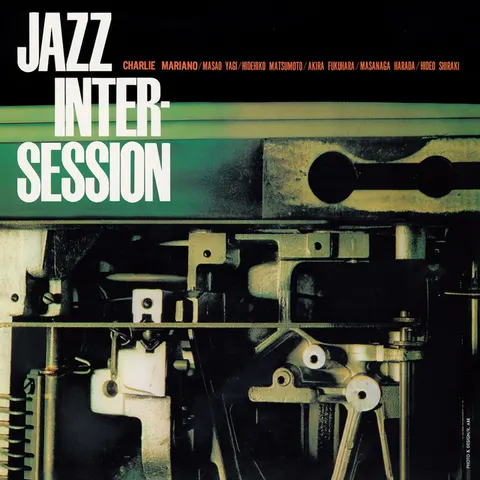
| 1963 | 魅惑のジャズ (Fascinating Jazz) | トシコ・マリアーノ, Toshiko Mariano | Drums; Charlie Mariano (alto saxophone) on seven tracks; recorded Tokyo, 1963 | Apple Music | Amazon |
| 1964 | Modern Jazz In Tokyo | Modern Jazz All Stars | not found | Amazon | |
| 1967 | Autumn Love | Helen Merrill | not found | Amazon | |
| 1968 | 5 Saxophones | 5 Saxophones | not found | Amazon | |
| 1968 | Koto Sebastian Bach = 琴 セバスチャン・バッハ | Tadao Sawai, Hozan Yamamoto | not found | Amazon | |
| 1968 | Latin Barock Collection | Various | not found | Amazon | |
| 1968 | Swing Journal All Stars '68 = スイング・ジャーナル・ポール・スターズ '68 | Various | not found | Amazon | |
| 1969 | All Japan Jazz Festival '69 = 全日本ジャズ・フェスティバル'69 | Various | not found | Amazon | |
| 1969 | Fool On The Hill = フール・オン・ザ・ヒル | Shungo Sawada And All Stars, 沢田駿吾 | not found | Amazon | |
| 1969 | Groovy Indeed | Hiroshi Matsumoto & Swinging Herd | not found | Amazon | |
| 1969 | Plaisir D'Amour | Helen Merrill | not found | Amazon | |
| 1969 | Scat Elegans = サバの女王 / スキャット・エレガンス | 伊集加代子 | not found | Amazon | |
| 1969 | Vivaldi / Four Seasons | Tadao Sawai, Hozan Yamamoto | not found | Amazon | |
| 1969 | ビートでジャンプ = Up Up And Away | Hiroshi Suzuki & His Happy Cats = 鈴木弘とハピー・キャッツ | not found | Amazon | |
| 1970 | Check & Play Tape (For Your Hi-fi Listening) | Various | not found | Amazon | |
| 1970 | Helen Merrill Sings Beatles | Helen Merrill | not found | Amazon | |
| 1970 | Helen Sings, Teddy Swings | Helen Merrill / Teddy Wilson | not found | Amazon | |
| 1970 | Jazz In Tokyo '69 = ジャズ・イン・トーキョー'69 | Various | not found | Amazon | |
| 1970 | Koto Plays World Top Hits | Tadao Sawai | not found | Amazon | |
| 1970 | Sensational Jazz '70: Vol. 1/2 = センセーショナル・ジャズ'70 | Various | not found | Amazon | |
| 1970 | *Tokyo Bound = トウキョウ・バウンド * | Mal Waldron = マル・ウォルドロン | Drums, Mal Waldron Trio with Yasuo Arakawa; recorded 7 and 12 February 1970 | Full album on YouTube | Amazon |
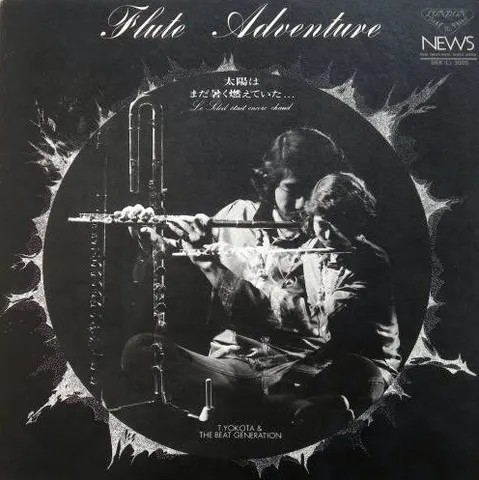
| 1970 | エキサイティング・フルート = Exciting Flute | Toshiaki Yokota | not found | Amazon | |
| 1970 | 高翔 = Élévation | Toshiaki Yokota And The Beat Generation (2) = 横田年昭 と ビート・ジェネレーション | not found | Amazon | |
| 1971 | A Path Through Haze | Kimio Mizutani | not found | Amazon | |
| 1971 | All Japan Jazz Festival '71 = 全日本ジャズ・フェスティバル '71 | Various | not found | Amazon | |
| 1971 | Fantastic Sounds In Shino Flute (幽玄の世界) | 藤舎推峰, 前田憲男 | not found | Amazon | |
| 1971 | Mr. Drum/Lowdown | Mr. Drum & The Sound Machine | not found | Amazon | |
| 1971 | World Popular Song Festival '71 With Electone/第2回世界歌謡祭入賞曲特集 | オムニバス | not found | Amazon | |
| 1971 | こけざる組曲 | 三保敬とジャズ・イレブン | not found | Amazon | |
| 1971 | 花嫁 | Norihiko Hashida And Climax = はしだのりひことクライマックス | not found | Amazon | |
| 1971 | 虫のシンフォニー | 横山菁児 | not found | Amazon | |
| 1972 | Now Mozart | Modern Classic Ensemble, Singers Three | not found | Amazon | |
| 1972 | Pioneer 4 Channel Stereo | Various | not found | Amazon | |
| 1972 | Revolution = レボリューション | Norio Maeda = 前田憲男 | not found | Amazon | |
| 1972 | Session | Okihiko Sugano | not found | Amazon | |
| 1972 | 走っておいで恋人よ = Come Runnin' Sweetheart | アリス = Alice (45) | not found | Amazon | |
| 1973 | Love Is Here To Stay / Sawa Sings Standard Jazz | Tamaki Sawa | not found | Amazon | |
| 1973 | Love Songs And Lamentations = 飛べない鳥、飛ばない鳥 | 下田逸郎 | not found | Amazon | |
| 1973 | 四つの音源によるジャズコンポジション = Jazz In Quadraphonic | ワーナー・ビートニックス, ニュー・ジャズ・セクステット | not found | Amazon | |
| 1974 | "Peanuts" Hucko Meets Shoji Again | "Peanuts" Hucko Meets Shoji | not found | Amazon | |
| 1974 | Resurrection = リザレクション | Kōnosuke Saijyo = 西條孝之介 | not found | Amazon | |
| 1974 | ラヴ・レター = Love Letter | 安奈淳 | not found | Amazon | |
| 1975 | Audio Inspection Vol. 1 | Various | not found | Amazon | |
| 1975 | 哀しい歌 | Takashi Nishioka = 西岡たかし | not found | Amazon | |
| 1976 | A Song For You | Martha Miyake, Norio Maeda Trio & His Friends | not found | Amazon | |
| 1976 | Happy Mama-On The Green Dolphin Street = ハッピーママ〜オン・グリーン・ドルフィン・ストリート | Norio Maeda Trio = 前田憲男トリオ | not found | Amazon | |
| 1976 | K.Saijo Vs. H.Matsumoto | K.Saijo Vs. H.Matsumoto | Drums; live at Birdland, Roppongi, 16 February 1976, with Norio Maeda and Yasuo Arakawa | not found | Amazon |
| 1976 | N.Maeda Meets 5 Saxophones | Norio Maeda | not found | Amazon | |
| 1976 | 日本の調べ <和楽器とロックの融合> = Beloved Japanese Melodies | 小谷充とオリエント・ロコモーション | not found | Amazon | |
| 1976 | 竹の組曲 (The Suite For Shakuhachi) | 山本邦山 | not found | Amazon | |
| 1977 | Buddha | 声明VSジャズ | not found | Amazon | |
| 1977 | Norio Maeda & The West Liners | Norio Maeda & The West Liners | not found | Amazon | |
| 1977 | *この素晴らしい世界 * | Franky Sakai | not found | Amazon | |
| 1978 | Feelings | Norio Maeda | not found | Amazon | |
| 1978 | Finger Trip = フィンガー・トリップ | Tadao Hayashi = 林 忠男 | not found | Amazon | |
| 1978 | Irving Berlin Song Book | Ichiroh Masuda Quintet | not found | Amazon | |
| 1978 | Modern Punch For You | Various | not found | Amazon | |
| 1978 | We Three Jazz | Norio Maeda Trio | not found | Amazon | |
| 1979 | New Sounds In Brass | Tokyo Kosei Wind Orchestra, Naohiro Iwai | not found | Amazon | |
| 1979 | Rhapsody In Blue | Norio Maeda Plays George Gershwin | not found | Amazon | |
| 1979 | Symphonic Pops Live 1 | Norio Maeda | not found | Amazon | |
| 1980 | First Force | Force (26) | not found | Amazon | |
| 1980 | My Little Suede Shoes | Naoki Nishi | not found | Amazon | |
| 1980 | Wind-Breaker | Wind-Breakers | not found | Amazon | |
| 1980 | アドリブ | 石黒ケイ | not found | Amazon | |
| 1980 | アンダートーン | 石黒ケイ | not found | Amazon | |
| 1981 | I'll Remember April | Norio Maeda & Wind-Breakers | not found | Amazon | |
| 1981 | Second Force | Force (26) | not found | Amazon | |
| 1981 | Straight No Chaser | Naoki Nishi Meets Tatsuya Takahashi | not found | Amazon | |
| 1982 | Carmen Cavallaro Plays The Beatles | Carmen Cavallaro | not found | Amazon | |
| 1983 | Jazzy Wind | Fumiaki Miyamoto - Norio Maeda | not found | Amazon | |
| 1985 | Romanesque = ロマネスク | Fumiaki Miyamoto | not found | Amazon | |
| 1985 | 街・彩めいて | Anli Sugano | not found | Amazon | |
| 1988 | Right Enough! | Special Quartet Plus 1 | not found | Amazon | |
| 2001 | In Tokyo & Sings Folk | Helen Merrill | not found | Amazon | |
| 2004 | Living Scat Elegance Featuring Kayo Ishu = リヴィング・スキャット・エレガンス フィーチャリング 伊集加代 | Kayo Ishu = 伊集加代 | not found | Amazon | |
| 2006 | Modern Jazz = 松本英彦のモダン・ジャズ | Hidehiko Matsumoto And His Quintet | not found | Amazon | |
| 2007 | Bridge Over Troubled Water | J. Inagaki And His Big Soul Media | not found | Amazon | |
| 2007 | Tropicooool Boogie 4 | Muro | not found | Amazon | |
| 2010 | Rock Communication 八木節 | 前田憲男とオール・スターズ | not found | Amazon | |
| 2018 | Spiritual Jazz 8 - Japan: Part Two (Esoteric, Modal And Progressive Jazz From Japan 1961-1983) | Various | not found | Amazon | |
| 2024 | 引き潮 | Shinji Tanimura | not found | Amazon | |
| 1963 | Anita O'Day in Tokyo '63 (issued 1985 as Live in Tokyo 1963, Polydor) | Anita O'Day | Takeshi Inomata and His West Liners are listed as the backing band; recorded 30 December 1963 | not found | Amazon |
Sources
- Discogs: Takeshi Inomata, artist 596941
- Discogs: Takeshi Inomata and Sound Limited, artist 2860793
- Discogs: Takeshi Inomata and His West Liners, artist 3906680
- Discogs: The Third, artist 5173851
- Discogs: Drum Shot, Takt JAZZ-16
- Discogs: Sounds of Sound L.T.D., Columbia HS-7001-CT
- Discogs: Jazz Rock in Stravinsky, Liberty LPC-8027
- Discogs: Mal Waldron, Tokyo Bound
- Wikipedia: Takeshi Inomata
- Wikipedia (Japanese): 猪俣猛
- Norio Maeda - his closest and longest collaborator, pianist and arranger, first met at a Kansai jam session when Inomata was sixteen. Together they formed WE3 (with Tatsuro Takimoto, Jun Suzuki and then Yasuo Arakawa on bass), recorded Alpha Ray (1969), Drum Shot (1967) and Alone Together (1975), and Maeda arranged most of Inomata's own records from the 1960s through the 1970s, including Jazz Rock in Stravinsky, Drum Method and Drummer Man.
- Yasuo Arakawa - bassist in WE3 for the long middle of its history, and on Tokyo Bound, The Dialogue, Alone Together and Drummer Man.
- Sadao Watanabe - Inomata is on three tracks (A2, B2, B3) of Watanabe's debut LP for King Records (SKC 8), recorded August 15 and 16, 1961, sharing the drums with Akihiro Hasegawa. Watanabe also played alto saxophone and flute on three tracks of Akira Miyazawa's Yamame (1962), on which Inomata is one of two drummers.
- Toshiko Akiyoshi - drums on two tracks of Toshiko Meets Her Old Pals (King, March 1961) and on Miwaku no Jazz (Victor, 1963), billed on both under her married name Toshiko Mariano.
- Charlie Mariano - alto saxophone on seven tracks of Miwaku no Jazz (1963), with Inomata on drums.
- Masahiko Togashi - the other drummer on Toshiko Meets Her Old Pals (1961), playing the first two tracks of side A.
- Mal Waldron - Tokyo Bound (Victor, February 7 and 12, 1970), a trio date with Yasuo Arakawa on bass.
- Jiro Inagaki - tenor saxophone and flute on Helen Merrill in Tokyo (King, February 12 and 13, 1963), recorded with Inomata and the West Liners, and a bill-mate on the Sensational Jazz '70 concert recordings.
- Akira Ishikawa - fellow drummer on Driving Drums (1971), Rocking Drum Battle by Big 4 (1972), Young Drums! Now Sounds for Young! (1972) and The Exciting Drum (1980).
- Akira Miyazawa - tenor saxophone and leader of Yamame (King, recorded May 7 and 14, 1962 at Nippon Toshi Center Hall), on which Inomata is one of two drummers.
- Masahiko Satoh - piano on Yamame (1962), with Inomata in the drum chair.
- George Kawaguchi - one of the four drummers on Four Jazz Drums (Warner Bros., 1971) and one of the five on The Exciting Drum (Yupiteru, 1980).
- George Otsuka - one of the five drummers on The Exciting Drum (Yupiteru, 1980).
- Motohiko Hino - one of the four drummers on Four Jazz Drums (Warner Bros., 1971) and a co-credited drummer, with Inomata and Ishikawa, on Young Drums! Now Sounds for Young! (Columbia, 1972).
- Akira Sakata - the duo partner on Blue Heaven (Audio Lab, recorded March 6, 1978), on alto saxophone and alto clarinet.
- Ryo Kawasaki - electric guitar on Sounds of Sound L.T.D. (Columbia, 1970).
- Masaru Imada - piano on Liner Note (Takt, 1967) with the West Liners, and on half the tracks of Inomata Meets Rock (Polydor, recorded in Hawaii on April 25, 1971).
- Hiroshi Suzuki - trombone on Drum Shot (Takt, December 1967).
- Hidehiko Matsumoto - tenor saxophone on the live K. Saijo vs. H. Matsumoto (Teichiku, Birdland Roppongi, February 16, 1976), with Inomata, Maeda and Arakawa as the rhythm section.
- Hozan Yamamoto - shakuhachi on the RCA koto-and-jazz albums J. S. Bach Is Alive and Well and Doing His Thing on the Koto (1971) and Jazz Rock Koto / Japanese Folk Songs (1973), both with Inomata on drums and Norio Maeda arranging.
- Konosuke Saijo - leader of the West Liners and tenor saxophonist on Drum Shot, Alone Together and The Dialogue; Inomata is the drummer on Saijo's own Resurrection (RCA, 1974), Early Autumn (King, 1978) and Right Enough! (GML, 1988).
- Helen Merrill, Anita O'Day, Harold Land - American guests: Merrill on Helen Merrill in Tokyo (1963), O'Day on a Tokyo live recording of December 1963 with the West Liners, and Land as featured guest on Dear My Friend Harold (recorded 1981).
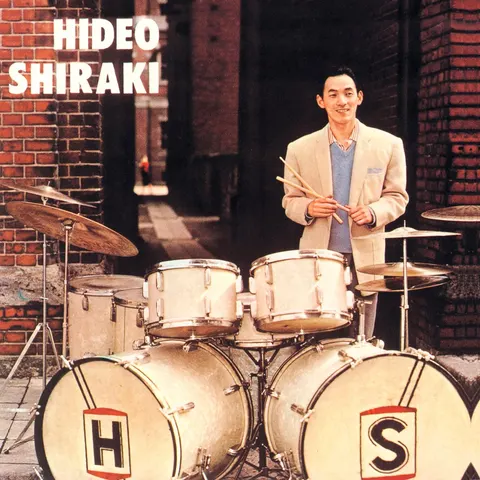
- Hideo Shiraki - co-billed with his Shiraki Quintet on Modern Ameriachi for You (King, 1966), where Inomata leads the West Liners; the two are credited together on the soundtrack EP The Stormy Man (Super Fuji Discs, 2018), and share the drum chair with Masahiko Togashi on Toshiko Meets Her Old Pals (1961).
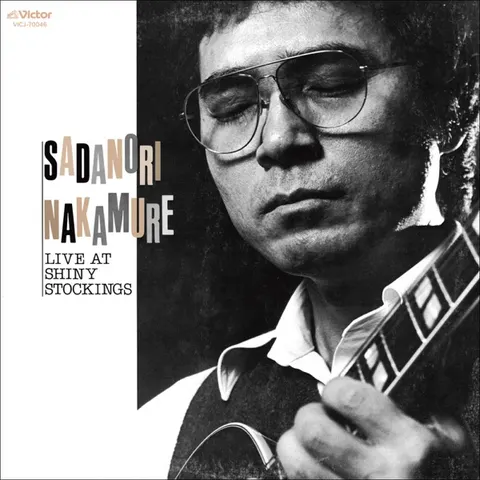
- Sadanori Nakamure - guitarist on Liner Note and Drum Shot (1967), Come Together! (1969), Jazz Rock in Stravinsky (1970), My Way (1971), The Third albums from 1971 to 1977, Drummer Man (1975) and Urusei Yatsura (1983), and on the RCA koto-and-jazz albums with Tadao and Kazue Sawai and Hozan Yamamoto.
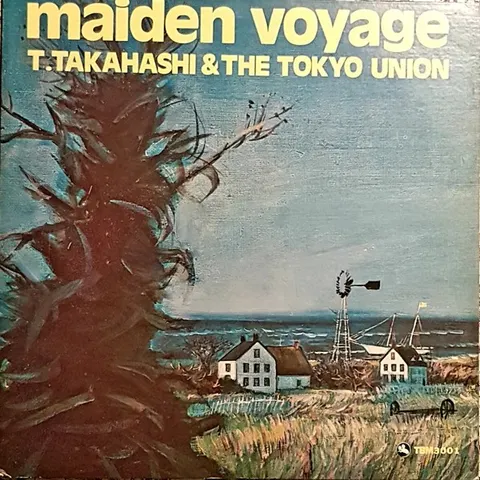
- Tatsuya Takahashi - tenor saxophonist and Tokyo Union bandleader; co-billed on Impression (Audio Lab, 1980) as Tatsuya Takahashi 3 x Takeshi Inomata 3, and with Inomata on drums on Right Enough! (GML, 1988).
- Kiyoshi Sugimoto - guitarist co-billed with Inomata, pianist Hideo Ichikawa and Takeru Muraoka on the compilation Rock Joy Best Album (MCA JMC-5041, 1971), drawn from the same MCA Rock Joy series as Inomata's Rock Joy in Drums.
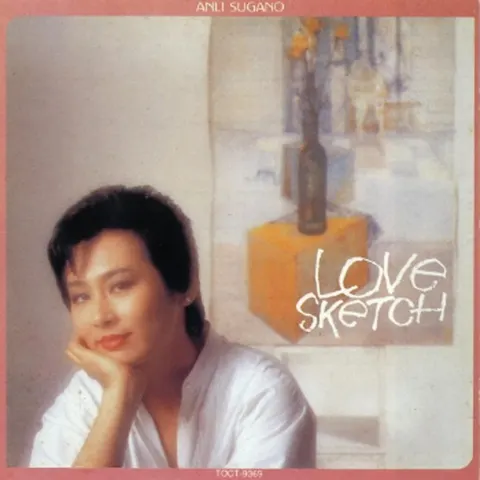
- Anli Sugano - drums on the title track of her 街・彩めいて (Philips, 1985).
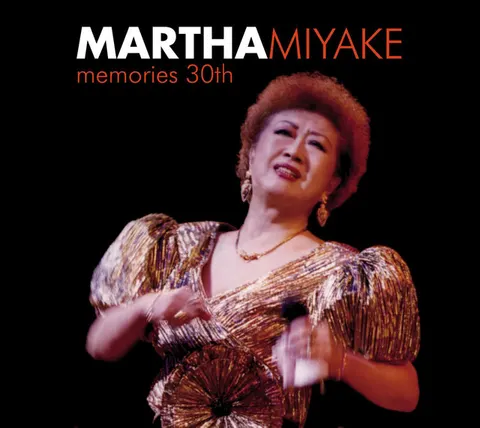
- Martha Miyake - Japanese jazz vocalist; Inomata played drums on her A Song for You (Columbia, 1976) with the Norio Maeda trio, and on This Is Martha (King, 1978).
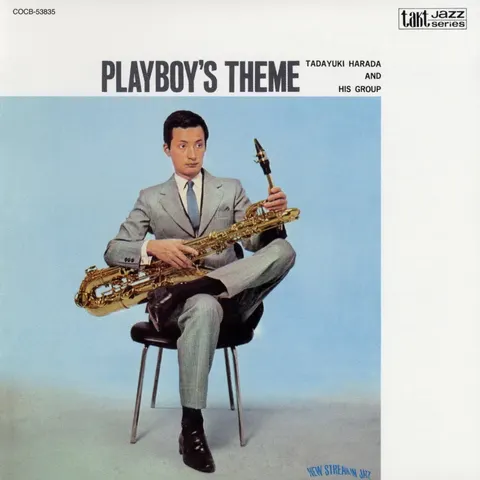
- Tadayuki Harada - baritone saxophonist of the West Liners, credited on baritone saxophone on the Modern Jazz Playboys' Modern Jazz Show Case (Columbia, 1961), Hare Krishna / The Third First Album (Express, 1971) and Alone Together (1975), all with Inomata on drums.
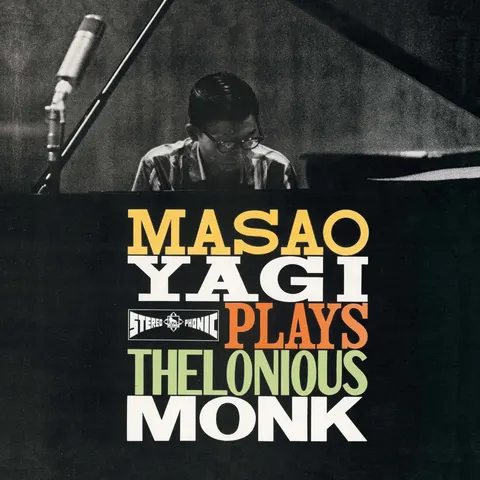
- Masao Yagi - pianist; Inomata produced Sound of Elepian (Columbia GS-7028, 1976), the electric piano duo record by Yagi and Keisuke Egusa on which Takeshi Inomata and His Friends accompany, and Yagi arranged three tracks of Inomata and His West Liners' Modern Touch For Screen (King SKK 231, 1966) and side B of Modern Ameriachi For You (King SKK 227, 1966).
- Shigeharu Mukai - trombonist; the trombone duet partner on Inomata's The Dialogue (1977), a record of duets between the drums and one instrument per track.
- Masanaga Harada (bass) - bassist on Sadao Watanabe's 1961 debut LP (Inomata one of two drummers), on Toshiko Meets Her Old Pals (1961) and on Yamame (1962).
- Toshiaki Yokota - flutist in Sound Limited on Sounds of Sound L.T.D. (1970), Sound Ltd. (1970), New Rock in Europe (1971) and Innocent Canon (1971); Inomata is the drummer on Yokota's own Exciting Flute and Élévation (both 1970), and the two are paired on the duet record The Dialogue (1977).
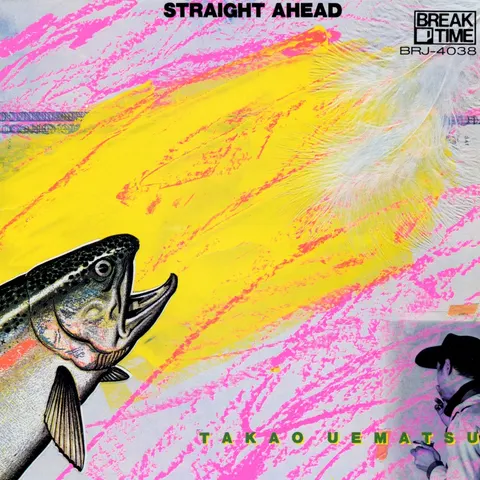
- Takao Uematsu - tenor saxophone, and soprano on New Rock in Europe, in his big band Sound Limited on Sounds of Sound L.T.D. (Columbia, recorded March 25 to 27, 1970), Sound Ltd. (Express, April 1970) and New Rock in Europe - Sound Ltd. 2 (Express, recorded June 22, 1970).
- Akitoshi Igarashi - alto saxophonist in the West Liners circle; on Alone Together (Audio Lab, 1975), the five-saxophone album 5 Saxophones (Takt, 1968) and the West Liners albums of 1977.
- John Kaizan Neptune - American shakuhachi player on the Norio Maeda Trio's We Three Jazz (Adam AAC-3001, recorded 20 September 1978), on which Inomata played drums alongside Norio Maeda and the bassist Yasuo Arakawa.
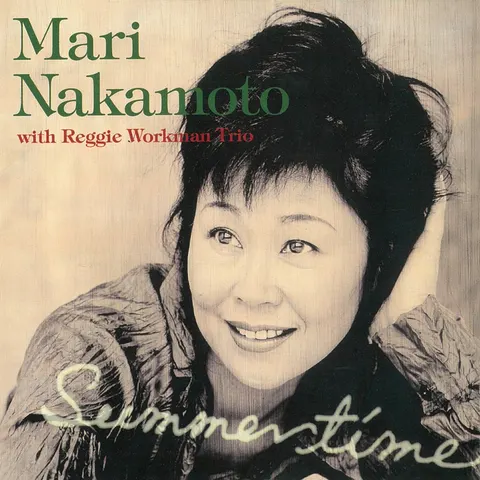
- Mari Nakamoto - vocalist; Inomata is the drummer on her album Just Fine (Zen, 1978).
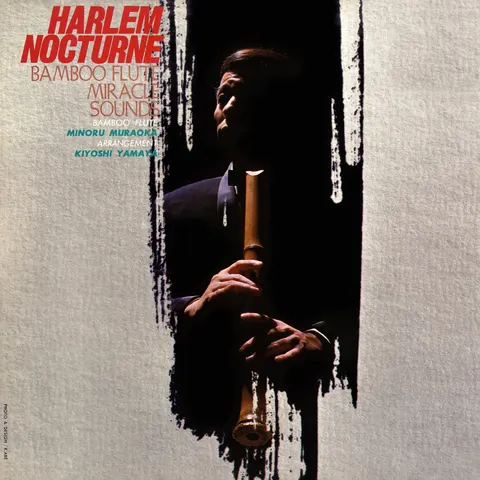
- Minoru Muraoka - shakuhachi player; Inomata plays drums on Kokezaru Suite (Miho Kei & Jazz Eleven, MCA, 1971), on which Muraoka plays shakuhachi.
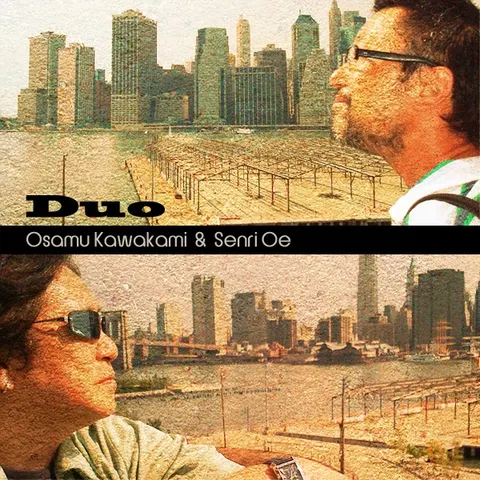
- Osamu Kawakami - bassist on Naoki Nishi's Straight No Chaser (recorded February 3, 1981, Iino Hall, Tokyo), on which Inomata plays drums.
- Shigenori Kamiya - electric guitarist alongside Ryo Kawasaki on Sounds of Sound L.T.D. (1970), Sound Ltd. (1970) and New Rock in Europe: Sound Ltd. 2 (1971), and arranger on Sound Special '70 / Popular Hit! Hit! Hit! (1970). He later made synthesizer albums and played in Akira Sakata's Wha-ha-ha.
- Yoshitaka Akimitsu - pianist in the Jazz All Stars big band on Dream (King, 1977), with Inomata on drums; the two were also recipients of the Japan Jazz Music Association's 2017 Jazz Grand Prize.
- Jun Suzuki - bassist on Sounds of Sound L.T.D. (1970), Sound Ltd., New Rock in Europe, Innocent Canon, Inomata Meets Rock, Drum Battle Rock Now and both The Third albums, all with Inomata on drums.
- Masaoki Terakawa - bassist on Hiroshi Matsumoto and Swinging Herd's Groovy Indeed (1969), on The Drum Battle (Soulful Congress, 1970), where Inomata, Akira Ishikawa and Sadakazu Tabata are the three drummers, and on Kimio Mizutani's A Path Through Haze (1971).
- Shigemichi Domoto - trombonist (also bass trombone and tuba) in Sound Limited and The Third. Discogs credits him on 13 releases that also credit Inomata, from Sounds of Sound L.T.D. (1970), Sound Ltd., New Rock in Europe and Innocent Canon through the first Third albums and the 1974 Ellington concert to Take the "A" Train (1977) and Tadao Hayashi's Finger Trip (1978).
More Big Band Artists
See all 219 Big Band artists →More Japanese Jazz Artists
See all 262 Japanese artists →- Discogs: Takeshi Inomata
- Official website (archived)
- Wikipedia (Japanese): 猪俣猛
- Takeshi Inomata on JazzProfiles.com
- r/JapaneseJazz
- Wikipedia: Takeshi Inomata
- Wikipedia (Japanese): 猪俣猛
- Wikipedia (German): Takeshi Inomata
- Wikidata: Q30715585
- Sankei Shimbun obituary, October 9, 2024
- Takeshi Inomata official site: profile (archived)
- Takeshi Inomata official site: WE3 history (archived)
- Discogs: Takeshi Inomata, artist 596941
- Discogs: Takeshi Inomata and Norio Maeda, Drum Shot, Takt JAZZ-16
- Discogs: Takeshi Inomata and Sound Limited, Sounds of Sound L.T.D., Columbia HS-7001-CT
- Discogs: Takeshi Inomata Group, Jazz Rock in Stravinsky, Liberty LPC-8027
- Discogs: Mal Waldron, Tokyo Bound, Victor SMJX-10089
- Discogs: Sadao Watanabe, Sadao Watanabe, King SKC 8