 JAZZPROFILES lives in the music 2,303 Jazz Artists fully Profiled!
Oliver Nelson
Last updated November 8, 2026
Listen on Spotify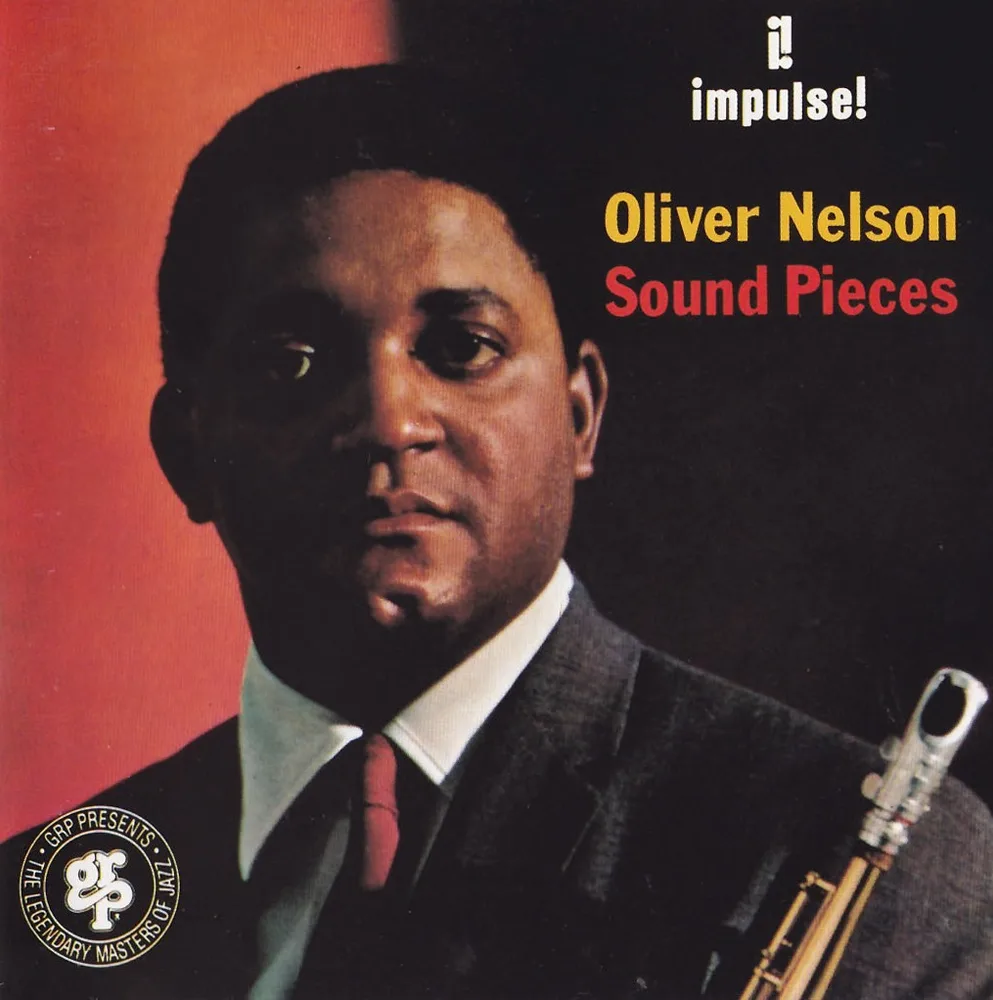
Oliver Nelson on the front cover of his album Sound Pieces (Impulse!, recorded 1966, released 1967), as shown on the 1991 CD reissue; cover photograph credited to Fred Seligo Album cover art (not a CC-licensed artist photo) — used as the only available image showing the artist — Cover Art Archive — https://coverartarchive.org/release-group/c07f55fe-c9f5-4b8d-a74e-b13cb6814d80/front
Oliver Edward Nelson was born on June 4, 1932, in St. Louis, into a musical family: a brother played saxophone with Cootie Williams's band in the 1940s, and a sister sang and played piano. He started piano at six and saxophone at eleven, and from 1947 he worked in the territory bands of St. Louis, among them the Jeter-Pillars Orchestra and the groups led by George Hudson and Nat Towles. In 1950 he joined Louis Jordan's band, where he played alto saxophone and wrote arrangements until 1951.
In 1952 he entered the U.S. Marine Corps and played woodwinds in the 3rd Marine Division band in Japan and Korea. In Japan he heard the Tokyo Philharmonic play Ravel's Ma mère l'Oye and Hindemith's Symphony in E flat, which he later called the first really modern music he had heard and the point at which he decided to become a composer. Back in Missouri he studied composition and theory at Washington University in St. Louis and at Lincoln University, finishing a master's degree in 1958, and he also studied with the composers Elliott Carter, Robert Wykes, and George Tremblay.
After graduating he moved to New York, where he played with Erskine Hawkins and Wild Bill Davis and became the house arranger at the Apollo Theater in Harlem. In 1959 he spent a short time on the West Coast in Louie Bellson's big band, and that year he began recording for Prestige as a leader, starting with Meet Oliver Nelson (1959), a quintet date with trumpeter Kenny Dorham. A run of small-group albums followed in 1960 and 1961, among them Taking Care of Business, Screamin' the Blues, Nocturne, Soul Battle, Main Stem, and Straight Ahead. Two of those, Screamin' the Blues and Straight Ahead, brought together Eric Dolphy, drummer Roy Haynes, bassist George Duvivier, and pianist Richard Wyands. He also arranged four tracks for tenor saxophonist Eddie "Lockjaw" Davis's big-band album 'Trane Whistle (1960), including "The Stolen Moment," the first recording of the tune he would soon record under the title "Stolen Moments." In 1960 and 1961 he played tenor saxophone in the Quincy Jones orchestra, in the United States and on its European tour, and he spent brief periods with the bands of Count Basie and Duke Ellington.
The Blues and the Abstract Truth was recorded on February 23, 1961, at Rudy Van Gelder's studio in Englewood Cliffs, New Jersey, for Impulse!, with Creed Taylor producing. Its septet paired Nelson (tenor saxophone, and alto on "Teenie's Blues") with trumpeter Freddie Hubbard, Dolphy on alto saxophone and flute, baritone saxophonist George Barrow, pianist Bill Evans (his only appearance on a Nelson record), bassist Paul Chambers, and Haynes. It is built on his own pieces, most famously "Stolen Moments," a 16-bar tune with solos over a minor blues in C minor, and it made his name as a composer and arranger. In 2026 the Library of Congress selected it for preservation in the National Recording Registry. His first big-band album as a leader, Afro/American Sketches, was recorded on September 29 and November 10, 1961, and came out on Prestige in 1962.
For the rest of the decade he was one of the most requested arrangers in jazz. He wrote the orchestral settings for Jimmy Smith's Bashin' (1962, Smith's first album for Verve), Hobo Flats (1963), and Monster (1965), for the organist's 1966 meeting with guitarist Wes Montgomery, Jimmy & Wes: The Dynamic Duo, and for Montgomery's Goin' Out of My Head, released in 1966; for Cannonball Adderley's Domination (1965); for Sonny Rollins's Alfie (1966), the soundtrack to the British film; and for Thelonious Monk's Monk's Blues, recorded in Los Angeles in November 1968 with Monk's quartet and a group of studio players. He also arranged for singers including Etta Jones (So Warm, 1961, and From the Heart, 1962), Betty Carter, Nancy Wilson, Johnny Hartman, and Carmen McRae, and he wrote for Buddy Rich's 1966 big band. His own orchestra albums from these years include Full Nelson (Verve, 1963), Fantabulous (Argo, recorded March 19, 1964, in Chicago), More Blues and the Abstract Truth (Impulse!, recorded in November 1964, with Nelson arranging and conducting but not playing, and Thad Jones, Phil Woods, Ben Webster, Pepper Adams, and Roger Kellaway among the players), Sound Pieces (1966, on which he plays only soprano saxophone), and The Kennedy Dream (1967). His book of exercises, Patterns for Improvisation, was published in 1966.
In 1967 Nelson moved to Los Angeles to work in film and television and became a sought-after composer of background music. His television credits include Ironside, Night Gallery, Columbo, The Six Million Dollar Man, and Longstreet, and his film and television-movie scores include Death of a Gunfighter (1969), Skullduggery (1970), Zig Zag (1970), and The Alpha Caper (1973). He arranged Gato Barbieri's music for Last Tango in Paris (1972) and arranged and conducted James Brown's Soul on Top (1970), recorded with Louie Bellson's orchestra, and he also worked on albums for pop singers including Diana Ross and the Temptations. He kept leading jazz groups and bands: in 1969 he took a small group with saxophonists John Klemmer, Ernie Watts, and Frank Strozier and trumpeter Freddie Hill on a State Department tour of West Africa, and that summer he led a five-week clinic at Washington University, where Phil Woods, Mel Lewis, Thad Jones, Roland Hanna, and Ron Carter were guest performers and the student saxophonists included Julius Hemphill, Oliver Lake, and Hamiet Bluiett, who later co-founded the World Saxophone Quartet with David Murray.
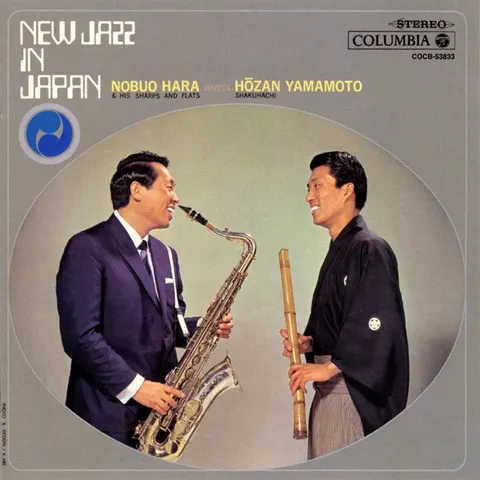
His later records show the same range. He arranged and conducted 3-2-1-0 (Columbia Japan, 1969) and recorded Oliver Nelson in Tokyo (1970) with Nobuo Hara's Sharps & Flats; wrote Black, Brown and Beautiful (Flying Dutchman, 1970), an orchestral tribute to Martin Luther King; led a European all-star band at the Berliner Jazztage for Berlin Dialogue for Orchestra (released 1971, with Slide Hampton in the trombone section) and at the Montreux Jazz Festival for Swiss Suite (recorded in 1971, with Barbieri and Eddie "Cleanhead" Vinson as soloists); arranged and conducted Afrique (1971) for the Count Basie Orchestra; and in 1974 recorded Oliver Edward Nelson in London with Oily Rags, an album with the future duo Chas & Dave. His last studio album, Stolen Moments (East Wind), was recorded in 1975. Nelson died of a heart attack on October 28, 1975, at the age of 43.
Nelson played alto and tenor saxophone, later soprano. DownBeat's Don DeMicheal wrote in 1961 that his playing was thoughtful, unhackneyed, and well constructed, like his writing, Jack Sohmer later described his sound as singing and richly expressive, and the AllMusic critic Scott Yanow has called him a vastly underrated saxophonist; AllMusic's own biography says his writing eventually overshadowed his playing. Richard B. Hadlock heard in the Afro/American Sketches scores a taste for simple melodies with complex inner lines, close to the secret of Duke Ellington's best writing, and echoes of Gil Evans in the thick linear voicings. The blues is the basis of much of it, and the 12-bar form turns up even in pieces that stretch it: "Hoe-Down," from The Blues and the Abstract Truth, was inspired by the fifth section of Aaron Copland's Rodeo, while "Cascades" expands a minor-blues A section into a 56-bar form. His concert-music training shows in the extended orchestral works, among them the nine-minute "Sound Piece for Jazz Orchestra" and the 18-minute title piece of Berlin Dialogue for Orchestra. "Stolen Moments" became a standard recorded by Phil Woods, J.J. Johnson, Frank Zappa, Ahmad Jamal, and Booker Ervin. After 1967 the studios took most of his time, and AllMusic notes that he was largely lost to jazz for a few years before he died.
- The Blues and the Abstract Truth (1961, Impulse!) - His most acclaimed record: the February 23, 1961 septet session with Freddie Hubbard, Eric Dolphy, Bill Evans, Paul Chambers, and Roy Haynes, which includes "Stolen Moments" in its best-known form. Spotify - The Blues And The Abstract Truth Listen
- Straight Ahead (1961, New Jazz/Prestige) - A quintet date with Eric Dolphy, Richard Wyands, George Duvivier, and Roy Haynes, recorded in March 1961 at Van Gelder's studio. Spotify - Straight Ahead Listen
- Afro/American Sketches (1962, Prestige) - His first big-band album as a leader, seven original pieces recorded in September and November 1961. Spotify - Afro/American Sketches Listen
- Full Nelson (1963, Verve) - A big-band set recorded in 1962 and 1963 with Clark Terry, Phil Woods, and Jim Hall, including a big-band version of "Hoe Down."
- More Blues and the Abstract Truth (1965, Impulse!) - A larger-band successor recorded in November 1964, with Nelson as arranger and conductor and Thad Jones, Phil Woods, Ben Webster, and Pepper Adams among the soloists.
- Sound Pieces (1967, Impulse!) - A 1966 album on which Nelson plays only soprano saxophone, with a Hollywood orchestra on three pieces and a New York quartet with Steve Kuhn and Ron Carter on the rest.
- Black, Brown and Beautiful (1970, Flying Dutchman) - An orchestral suite in tribute to Martin Luther King, recorded in 1969 with Roger Kellaway and Roy Haynes among the soloists. Spotify - Black, Brown And Beautiful Listen
- Bashin': The Unpredictable Jimmy Smith (1962, Verve) - His best-known arranging job: Jimmy Smith's first Verve album, with a big band written and conducted by Nelson.
Oliver Nelson: Full Discography
Discogs artist ID 10095 ("Oliver Nelson," real name Oliver Edward Nelson, born June 4, 1932, in St. Louis, Missouri, died October 28, 1975) lists about 1,300 entries across leader, appearance and compilation releases, most of them reissues of the same sessions. His band billings sit under separate Discogs entities that were checked against the main entry: "Oliver Nelson And His Orchestra" (artist ID 430841), "The Oliver Nelson Sextet" (1728275), "Oliver Nelson's Big Band" (2022817), "Oliver Nelson And The Berlin Dreamband" (2963383), "Oliver Nelson Quintet" (3312073) and "Oliver Nelson Septet" (3508181); every album on them is one of the leader releases below, apart from a handful of singles and arranger credits that appear in the second table. Because he worked as a leader, an arranger and a studio composer, the first table is a curated selection of 29 leader and co-leader releases, and the second is a selection of arranger and sideman credits rather than a complete list. Recording dates come from Discogs release notes and Wikipedia; catalog numbers are those of the first or best-documented US pressing, and where sources differ the Notes column says so.
As Leader / Co-Leader
| Album Title | Recording Date(s) | Release Date | Label | Catalog Number | Format(s) | Personnel | Role | Reissue History | Spotify | Buy | Notes |
|---|---|---|---|---|---|---|---|---|---|---|---|
| Meet Oliver Nelson | October 30, 1959, Englewood Cliffs, New Jersey | 1959 | New Jazz (Prestige) | NJLP 8224 | Vinyl, LP, Album, Mono | Oliver Nelson (tenor saxophone), Kenny Dorham (trumpet), Ray Bryant (piano), Wendell Marshall (bass), Art Taylor (drums) | Leader | Pressing and reissue history: Discogs master 425527 | — | — | His debut as a leader. |
| Taking Care of Business | 1960 (exact dates not given) | 1960 | New Jazz (Prestige) | NJLP 8233 | Vinyl, LP, Album, Mono | Oliver Nelson (tenor and alto saxophones), Lem Winchester (vibraphone), Johnny "Hammond" Smith (organ), George Tucker (bass), Roy Haynes (drums) | Leader | Pressing and reissue history: Discogs master 384901 | — | — | Includes "Trane Whistle"; the 2012 Fresh Sound reissue pairs it with Winchester's Lem's Beat. |
| Screamin' the Blues | May 27, 1960, New York | January 1961 | New Jazz (Prestige) | NJLP 8243 | Vinyl, LP, Album, Mono | Oliver Nelson (tenor and alto saxophones), Eric Dolphy (alto saxophone, bass clarinet), Richard Williams (trumpet), Richard Wyands (piano), George Duvivier (bass), Roy Haynes (drums) | Leader | Pressing and reissue history: Discogs master 396980 | — | — | Sextet with Dolphy and trumpeter Richard Williams; Leonard Feather gave it four stars in DownBeat. |
| Nocturne | 1960 (exact dates not given) | March 1961 | Moodsville (Prestige) | MVLP 13 | Vinyl, LP, Mono | Oliver Nelson (alto and tenor saxophones), Lem Winchester (vibraphone), Richard Wyands (piano), George Duvivier (bass), Roy Haynes (drums) | Leader (billed with Lem Winchester) | Pressing and reissue history: Discogs master 618752 | Spotify - Nocturne | — | Ballad-and-blues set issued in Prestige's Moodsville series. |
| Soul Battle | September 9, 1960 | 1962 | Prestige | PRLP 7223 | Vinyl, LP, Album, Mono | Oliver Nelson, King Curtis, Jimmy Forrest (tenor saxophones), Gene Casey (piano), George Duvivier (bass), Roy Haynes (drums) | Co-leader (three tenor saxophonists billed) | Pressing and reissue history: Discogs master 419971 | Spotify - Soul Battle | — | A tenor contest on Nelson blues originals; the 1991 CD adds "Soul Street." |
| The Blues and the Abstract Truth | February 23, 1961, Van Gelder Studio, Englewood Cliffs, New Jersey | 1961 | Impulse! | A-5 | Vinyl, LP, Album, Mono | Oliver Nelson (tenor and alto saxophones), Freddie Hubbard (trumpet), Eric Dolphy (alto saxophone, flute), George Barrow (baritone saxophone), Bill Evans (piano), Paul Chambers (bass), Roy Haynes (drums) | Leader | Pressing and reissue history: Discogs master 56196 | Spotify - The Blues And The Abstract Truth | — | Produced by Creed Taylor; includes "Stolen Moments," "Hoe-Down," and "Teenie's Blues." Discogs gives the release month as October 1961. |
| Straight Ahead | March 1, 1961, New York | 1961 | New Jazz (Prestige) | NJ 8255 / NJLP 8255 | Vinyl, LP, Album, Mono | Oliver Nelson (alto and tenor saxophones, clarinet), Eric Dolphy (alto saxophone, bass clarinet, flute), Richard Wyands (piano), George Duvivier (bass), Roy Haynes (drums) | Leader | Pressing and reissue history: Discogs master 56205 | Spotify - Straight Ahead | — | Quintet with Dolphy, recorded at Van Gelder Studio; five of the six pieces are Nelson originals. |
| Main Stem | 1961 (exact dates not given) | 1962 | Prestige | PRLP 7236 | Vinyl, LP, Album, Mono | Oliver Nelson (tenor and alto saxophones), Joe Newman (trumpet), Hank Jones (piano), George Duvivier (bass), Charlie Persip (drums), Ray Barretto (congas) | Co-leader (billed with Joe Newman) | Pressing and reissue history: Discogs master 522900 | Spotify - Main Stem | — | Sextet with a conga added; trumpeter Joe Newman is co-billed. |
| Afro/American Sketches | September 29 and November 10, 1961 | February 1962 | Prestige | PRLP 7225 | Vinyl, LP, Album, Mono | Oliver Nelson (arranger, conductor, alto and tenor saxophones), Joe Newman, Ernie Royal, Joe Wilder (trumpets), Urbie Green, Britt Woodman (trombones), Julius Watkins (French horn), Jerry Dodgion, Eric Dixon, Bob Ashton (reeds), Patti Bown (piano), Art Davis (bass), Ed Shaughnessy (drums), Ray Barretto (congas) | Leader (orchestra) | Pressing and reissue history: Discogs master 397278 | Spotify - Afro/American Sketches | — | His first big-band album as a leader; personnel shown is partial, as two lineups recorded on the two dates. |
| Impressions of Phaedra | 1962 | 1962 | United Artists Jazz | UAJ 14019 | Vinyl, LP, Album, Mono | Oliver Nelson (arranger, conductor), Phil Woods (alto saxophone), Clark Terry, Doc Severinsen (trumpets), George Duvivier (bass), Ed Shaughnessy (drums), orchestra | Leader (orchestra) | Pressing and reissue history: Discogs master 927467 | — | — | Nelson's arrangements of Mikis Theodorakis's music from the 1962 film Phaedra; also issued in stereo (UAJS 15019) and later paired with A Taste of Honey. |
| Full Nelson | November 19, 1962; February 26 and March 28, 1963, New York | 1963 | Verve | V-8508 | Vinyl, LP, Album, Mono | Oliver Nelson (arranger, conductor, alto and tenor saxophones), Clark Terry (trumpet), Phil Woods, Jerome Richardson, Al Cohn (reeds), Jim Hall, Jimmy Raney (guitars), George Duvivier, Milt Hinton (bass), Ed Shaughnessy, Osie Johnson (drums), Creed Taylor (producer) | Leader (orchestra) | Pressing and reissue history: Discogs master 224661 | — | — | Includes a big-band "Hoe Down." Two rhythm sections alternate across the tracks. |
| Fantabulous | March 19, 1964, Universal Recording, Chicago | 1964 | Argo | LP-737 | Vinyl, LP, Album, Mono | Oliver Nelson (tenor saxophone, arranger, conductor), Phil Woods (alto saxophone, clarinet), Jerome Richardson (baritone saxophone, flutes), Snooky Young (trumpet), Patti Bown (piano), Ben Tucker (bass), Grady Tate (drums) | Leader (orchestra) | Pressing and reissue history: Discogs master 346517 | Spotify - Fantabulous | — | Chicago session issued as Oliver Nelson and His Orchestra; later reissued by Verve. |
| More Blues and the Abstract Truth | November 10 and 11, 1964 | January 1965 | Impulse! | A-75 | Vinyl, LP, Album, Mono | Oliver Nelson (arranger, conductor), Thad Jones, Danny Moore (trumpets), Phil Woods (alto saxophone), Ben Webster (tenor saxophone, two tracks), Phil Bodner (tenor saxophone, English horn), Pepper Adams (baritone saxophone), Roger Kellaway (piano), Richard Davis (bass), Grady Tate (drums) | Leader (arranger and conductor; Nelson does not play) | Pressing and reissue history: Discogs master 56198 | — | — | Produced by Bob Thiele; a different and larger band than the 1961 album. |
| Rita Reys Meets Oliver Nelson | October 16, 17, 18 and 24, 1965 | 1965 | Philips | 840 381 PY | Vinyl, LP, Album | Rita Reys (vocals), Oliver Nelson (arranger, conductor), Lee Konitz (alto saxophone), Art Farmer (flugelhorn), Klaus Doldinger (tenor saxophone), Benny Bailey (trumpet), Pim Jacobs (piano), Ruud Jacobs (bass), Stu Martin (drums) | Co-leader (arranger and conductor) | Pressing and reissue history: Discogs master 772820 | — | — | Dutch session; a selected lineup is shown. |
| Oliver Nelson Plays Michelle | April 13 and 14, 1966, Van Gelder Studio, Englewood Cliffs, New Jersey | 1966 | Impulse! | A-9113 | Vinyl, LP, Album, Mono | Oliver Nelson (tenor and alto saxophones), Phil Woods (alto saxophone), Clark Terry, Snooky Young, Joe Newman (trumpets), Hank Jones (piano), Bob Cranshaw, Richard Davis (bass), Grady Tate (drums), Bobby Rosengarden (percussion) | Leader | Pressing and reissue history: Discogs master 464561 | — | — | Short pop and standard pieces including "Michelle" and "Yesterday." |
| Sound Pieces | September 7, 1966, New York; September 27 and 28, 1966, Los Angeles | February 1967 | Impulse! | AS-9129 | Vinyl, LP, Album, Stereo | Oliver Nelson (soprano saxophone, arranger, conductor), Steve Kuhn (piano), Ron Carter (bass), Grady Tate (drums); Hollywood orchestra with Ray Brown (bass), Shelly Manne (drums), Bill Perkins, Plas Johnson, Jack Nimitz (reeds), Conte Candoli, Al Porcino (trumpets) | Leader | Pressing and reissue history: Discogs master 512645 | — | — | Nelson plays only soprano saxophone; the three Los Angeles pieces use a big band and the New York pieces a quartet. |
| Happenings | October 19, 20 and 21, 1966, New York | 1967 (Discogs; some sources give 1966) | Impulse! | AS-9132 | Vinyl, LP, Album, Stereo | Hank Jones (piano, electric harpsichord), Oliver Nelson (arranger, conductor), Clark Terry, Joe Newman, Ernie Royal, Snooky Young (trumpets), J.J. Johnson, Jimmy Cleveland (trombones), Phil Woods (woodwinds), George Duvivier, Ron Carter (bass), Grady Tate, Ed Shaughnessy (drums) | Co-leader (billed as Hank Jones and Oliver Nelson) | Pressing and reissue history: Discogs master 310289 | Spotify - Happenings | — | Jones plays electric harpsichord on part of the program; produced by Bob Thiele. |
| The Kennedy Dream | February 16 and 17, 1967 | 1967 | Impulse! | A-9144 | Vinyl, LP, Album, Mono | Oliver Nelson (tenor and soprano saxophones, arranger, conductor), Phil Woods (alto saxophone), Snooky Young (trumpet), Jerry Dodgion, Jerome Richardson (reeds), Hank Jones (piano, clavinet), George Duvivier (bass), Grady Tate (drums), John F. Kennedy (recorded voice) | Leader (orchestra) | Pressing and reissue history: Discogs master 621987 | Spotify - The Kennedy Dream | — | A musical tribute to John F. Kennedy with excerpts from his speeches. |
| The Spirit of '67 | February 14 and 15, 1967 | 1967 | Impulse! | AS-9147 | Vinyl, LP, Album, Stereo | Pee Wee Russell (clarinet), Oliver Nelson (arranger, conductor), orchestra | Co-leader (billed with Pee Wee Russell) | Pressing and reissue history: Discogs master 758402 | — | — | Russell's late-career album; the cover carries a Russell painting. |
| Live from Los Angeles | June 2, 3 and 4, 1967 | February 1968 | Impulse! | A-9153 / AS-9153 | Vinyl, LP, Album, Stereo | Oliver Nelson (soprano saxophone, arranger, conductor), Mel Brown (guitar), Frank Strazzeri (piano), Monty Budwig (bass), Ed Thigpen (drums), Bill Perkins, Tom Scott, Jack Nimitz, Gabe Baltazar, Frank Strozier (reeds), Conte Candoli, Bobby Bryant, Buddy Childers, Freddie Hill (trumpets) | Leader (big band) | Pressing and reissue history: Discogs master 287823 | — | — | Live big-band set billed to Oliver Nelson's Big Band; recorded in June 1967 and issued in early 1968 per Discogs, 1967 per Wikipedia. |
| Soulful Brass | March 15 and 18, 1968, Los Angeles | 1968 | Impulse! | A-9168 / AS-9168 | Vinyl, LP, Album, Stereo | Steve Allen (electric keyboards), Oliver Nelson (arranger, conductor), Tom Scott (tenor saxophone), Roger Kellaway (piano), Barney Kessel (guitar), Bobby Bryant (trumpet), Jim Gordon (drums) | Co-leader (billed with Steve Allen) | Pressing and reissue history: Discogs master 539115 | — | — | Pop-song program built around Allen's keyboard sound. |
| Black, Brown and Beautiful | 1969 | 1970 | Flying Dutchman | FDS-116 | Vinyl, LP, Album, Stereo | Oliver Nelson (composer, arranger, conductor; piano, alto and soprano saxophones on some tracks), Roger Kellaway (piano), Roy Haynes (drums), Frank Strozier (alto saxophone), Stanley Wilson (conductor), orchestra and strings | Leader (orchestra) | Pressing and reissue history: Discogs master 304230 | Spotify - Black, Brown And Beautiful | — | A suite whose first side is orchestral and second side big band, in tribute to Martin Luther King. |
| Zig Zag (Original Motion Picture Score) | 1970 | 1970 | MGM Records | 1SE-21ST | Vinyl, LP, Album, Stereo | Oliver Nelson (composer, arranger, conductor), studio orchestra | Composer and conductor | Pressing and reissue history: Discogs master 782354 | — | — | Score to the 1970 film Zig Zag. |
| Oliver Nelson in Tokyo | September 4 and 7, 1970 | 1970 | Columbia (Japan) | NCB-7002 | Vinyl, LP, Album | Oliver Nelson (conductor; soprano and tenor saxophones), Nobuo Hara (tenor saxophone, conductor) and his Sharps & Flats, with Takao Naoi (guitar), Sadayasu Fujii (piano) | Co-leader (billed with Nobuo Hara and His Sharps & Flats) | Pressing and reissue history: Discogs master 1082416 | — | — | Subtitled Oliver Meets Sharps & Flats; standards and Nelson's "Sermonette." |
| Berlin Dialogue for Orchestra | At the Berliner Jazztage (1970 or 1971; sources differ) | 1971 | Flying Dutchman | FD-10134 | Vinyl, LP, Album, Stereo | Oliver Nelson (alto saxophone, composer, arranger, leader), Slide Hampton (trombone), Leo Wright (alto saxophone), Carmell Jones (trumpet), Kai Rautenberg (piano), Hajo Lange (bass), with a European all-star orchestra | Leader (orchestra) | Pressing and reissue history: Discogs master 633521 | — | — | Commissioned by the Berliner Jazztage and dedicated to the city; billed to Oliver Nelson and the Berlin Dreamband. |
| Swiss Suite | June 16, 1971, Montreux Jazz Festival | 1972 | Flying Dutchman | FD 10149 | Vinyl, LP, Album | Oliver Nelson (alto saxophone, arranger, conductor), Gato Barbieri, Michal Urbaniak, Bob Sydor (tenor saxophones), Eddie "Cleanhead" Vinson (alto saxophone, one piece), Charles Tolliver (trumpet, flugelhorn), Stanley Cowell (piano), Victor Gaskin, Hugo Rasmussen (bass), Bernard Purdie (drums) | Leader (big band) | Pressing and reissue history: Discogs master 208192 | — | — | Live; the 27-minute title piece is followed by three earlier Nelson pieces. |
| Oliver Edward Nelson in London with Oily Rags | 1974, London | 1974 | Flying Dutchman | BDL1-0592 | Vinyl, LP, Album | Oliver Nelson (alto and soprano saxophones), Chas Hodges (guitar, vocals), Dave Peacock (guitar), Mike Moran (piano), Joe Jammer, Hugh Burns (guitars), Pat Donaldson (bass), Pete Gavin (drums) | Leader | Original LP; later tracks reissued on the CD Black, Brown and Beautiful and on the compilation A Dream Deferred | — | — | British session with the future duo Chas & Dave, who wrote three of the songs. |
| Skull Session | 1975 | 1975 | Flying Dutchman | BDL1-0825 | Vinyl, LP, Album, Stereo | Oliver Nelson (alto saxophone, composer, arranger, conductor), Jerome Richardson, Bud Shank, Buddy Collette, Bill Perkins (reeds), Lonnie Liston Smith, Mike Wofford (keyboards), Lee Ritenour, Dennis Budimir (guitars), Shelly Manne, Jim Gordon (drums), Willie Bobo (percussion) | Leader (orchestra) | Pressing and reissue history: Discogs master 393850 | Spotify - Skull Session | — | Los Angeles studio orchestra; Lonnie Liston Smith is featured on the single from the album. |
| Stolen Moments | March 6, 1975, Sunset-Highland Recording Studios, Los Angeles | 1975 | East Wind | EW-8014 | Vinyl, LP, Album | Oliver Nelson (alto saxophone, arranger), Bobby Bryant (trumpet, flugelhorn), Jerome Richardson (soprano saxophone, flute), Buddy Collette, Robert Bryant Jr. (tenor saxophones), Jack Nimitz (baritone saxophone), Mike Wofford (piano), Chuck Domanico (electric bass), Shelly Manne (drums) | Leader | Pressing and reissue history: Discogs master 271514 | — | — | His last studio album; first issued in Japan. |
As Sideman and Arranger (selected major credits)
| Year | Project (Leader) | Title | Label | Catalog | Role | Notes |
|---|---|---|---|---|---|---|
| 1951 | Louis Jordan | Decca singles including "How Blue Can You Get" and "Slow Down" | Decca | not itemized | Sideman | Nelson played alto saxophone and arranged for the Jordan band from 1950 to 1951. |
| 1959 | Louie Bellson | The Brilliant Bellson Sound | Verve | not itemized | Sideman | |
| 1960 | Eddie "Lockjaw" Davis | 'Trane Whistle | Prestige | PRLP 7206 | Arranger; alto saxophone | Nelson's first big-band arrangements, including "The Stolen Moment." Recorded 1960, issued 1961; Ernie Wilkins arranged two tracks. |
| 1960 | Johnny "Hammond" Smith | Talk That Talk | New Jazz | not itemized | Sideman | Organ-led date; Smith also plays on Nelson's Taking Care of Business. |
| 1960 | Lem Winchester | Lem's Beat | Prestige | not itemized | Tenor saxophone, arranger | Vibraphonist Winchester's sextet date. |
| 1960 | Quincy Jones | I Dig Dancers | Mercury | not itemized | Sideman | From Nelson's time in the Jones orchestra, 1960 to 1961. |
| 1961 | Quincy Jones | The Quintessence | Impulse! | not itemized | Sideman | Big-band date for Jones. |
| 1961 | Etta Jones | Something Nice | Prestige | PRLP 7194 | Tenor saxophone (one track) | Recorded in 1960; Nelson plays on B3 per the credits. |
| 1961 | Etta Jones | So Warm | Prestige | not itemized | Arranger, conductor | Billed as Etta Jones and Strings. |
| 1962 | Etta Jones | From the Heart | Prestige | not itemized | Arranger, conductor; alto saxophone (four tracks) | Strings and band arranged by Nelson. |
| 1963 | Etta Jones | Hollar! | Prestige | PR 7284 | Tenor saxophone (two tracks) | Recorded in 1960; Nelson plays on A4 and A5. |
| 1961 | Gary McFarland | The Jazz Version of "How to Succeed in Business without Really Trying" | Verve | not itemized | Sideman | |
| 1961 | Cannonball Adderley | African Waltz | Riverside | not itemized | Sideman | |
| 1961 | Gene Ammons | Late Hour Special | Prestige | PR 7287 | Alto saxophone, arranger | Recorded June 13, 1961 and April 13, 1962; Nelson plays alto saxophone on A2, A3, B1 and B3 and arranged four tracks. Released 1964. |
| 1962 | Gene Ammons | Soul Summit Vol. 2 | Prestige | PR 7275 | Alto saxophone (two tracks), arranger (two tracks) | Etta Jones sings three numbers; Discogs dates the release 1963, Wikipedia 1962. |
| 1961 | Shirley Scott | Blue Seven | Prestige | PR 7376 | Tenor saxophone | Recorded in 1961 with Joe Newman; the Discogs entry is dated 1965. |
| 1962 | Jimmy Smith | Bashin': The Unpredictable Jimmy Smith | Verve | V-8474 | Arranger, conductor | Recorded March 26 and 28, 1962; Smith's first Verve album. Big band on the first four tracks, trio on the rest. |
| 1962 | Johnny Hodges | The Eleventh Hour | Verve | V-8492 | Arranger, conductor | Recorded August 15 and 18, 1962 with Nelson's orchestra. |
| 1962 | Kai Winding | Suspense Themes in Jazz | Verve | not itemized | Arranger | |
| 1962 | Duke Ellington | Paris Blues (soundtrack) | United Artists | not itemized | Sideman | Film soundtrack session. |
| 1962 | Art Farmer | Listen to Art Farmer and the Orchestra | Mercury | not itemized | Arranger | |
| 1962 | Clark Terry | Plays the Jazz Version of All American | Moodsville | not itemized | Arranger | |
| 1962 | Lloyd G. Mayers | A Taste of Honey | United Artists Jazz | not itemized | Arranger, conductor | Credited to Mayers with the Oliver Nelson Orchestra; later paired with Impressions of Phaedra. |
| 1963 | Jimmy Smith | Hobo Flats | Verve | not itemized | Arranger | Reached number 11 on the Billboard 200; the title piece is a Nelson composition. |
| 1963 | Shirley Scott | For Members Only | Impulse! | A-51 | Conductor, arranger | Recorded August 22 and 24, 1963; released January 1964. |
| 1963 | Betty Carter | 'Round Midnight | Atco | not itemized | Arranger | |
| 1963 | Billy Taylor | Right Here, Right Now! | Capitol | not itemized | Arranger, conductor | Billed with the Big Band of Oliver Nelson. |
| 1963 | Joe Williams | Jump for Joy | RCA Victor | not itemized | Arranger | |
| 1964 | Nancy Wilson | How Glad I Am | Capitol | not itemized | Arranger, conductor | Nelson also arranged her Today, My Way (1964), A Touch of Today and Just for Now (1966), and Lush Life (1967). |
| 1964 | Lou Donaldson | Rough House Blues | Cadet | not itemized | Arranger, conductor | Large-ensemble date with Phil Woods in the saxophone section. |
| 1964 | Herbie Mann | My Kinda Groove | Atlantic | not itemized | Arranger | Nelson also arranged Mann's Latin Mann (1965), Today! (1965) and Our Mann Flute (1966). |
| 1964 | Jimmy Forrest | Soul Street | New Jazz | NJLP 8293 | Tenor saxophone (one track) | Discogs lists the album as 1964; the three Nelson-backed tracks are credited to Jimmy Forrest with Oliver Nelson's Big Band. |
| 1965 | Irene Reid | Room for One More | Verve | V-8621 | Arranger, conductor | |
| 1965 | Cannonball Adderley | Domination | Capitol | ST 2203 | Arranger, conductor | Adderley with an orchestra conducted by Nelson; a rare big-band date for the altoist. |
| 1965 | Jean DuShon | Feeling Good | Cadet | LPS-4048 | Arranger (six tracks) | Recorded July 19 to 21, 1965; Nelson arranged six of the twelve tracks, with Jimmy Jones, Billy Byers and Torrie Zito on the rest. |
| 1965 | Wes Montgomery | Goin' Out of My Head | Verve | V6-8642 | Arranger, conductor | Recorded December 7, 8 and 22, 1965 at Van Gelder Studio; with Herbie Hancock and Roger Kellaway on piano and Donald Byrd in the trumpet section. Released 1966. |
| 1965 | Ray Brown and Milt Jackson | Ray Brown / Milt Jackson | Verve | not itemized | Arranger | |
| 1965 | Stanley Turrentine | Joyride | Blue Note | not itemized | Arranger | |
| 1965 | Jimmy Smith | Monster | Verve | not itemized | Arranger, conductor | |
| 1966 | Sonny Rollins | Alfie (Original Music from the Score) | Impulse! | A-9111 | Arranger, conductor | Orchestra for Rollins's score to the British film, released October 1966. Includes Kenny Burrell, J.J. Johnson, Phil Woods, Walter Booker and Roger Kellaway. |
| 1966 | Jimmy Smith and Wes Montgomery | Jimmy & Wes: The Dynamic Duo | Verve | not itemized | Arranger, conductor | Companion to Further Adventures of Jimmy and Wes, from the same sessions. |
| 1966 | Jimmy Smith and Wes Montgomery | Further Adventures of Jimmy and Wes | Verve | V6-8766 | Arranger, conductor | Recorded in 1966; Discogs dates the release 1969, Wikipedia 1968. |
| 1966 | Jimmy Smith | Peter & the Wolf and Hoochie Coochie Man | Verve | not itemized | Arranger, conductor | Two 1966 Smith orchestra albums. |
| 1966 | Buddy Rich | Swingin' New Big Band | Pacific Jazz | PJ-10113 | Composer, arranger | Live at the Chez in Hollywood. Nelson is credited as writer of "Critic's Choice" and, with King Curtis, "More Soul"; Wikipedia credits him with eight tracks, though the Discogs credit block lists no arranger. |
| 1966 | Lee Morgan | Delightfulee | Blue Note | not itemized | Arranger | |
| 1966 | Cal Tjader | Soul Burst | Verve | not itemized | Arranger | |
| 1966 | Bud Shank | Girl in Love | World Pacific | not itemized | Arranger | |
| 1966 | Jackie and Roy | Changes | Verve | not itemized | Arranger | |
| 1966 | Paul Horn | Monday, Monday | RCA Victor | not itemized | Arranger | |
| 1967 | Johnny Hartman | I Love Everybody | ABC-Paramount | not itemized | Arranger, conductor | Produced by Bob Thiele; Wikipedia gives 1967, while Hartman's profile dates the album 1966. |
| 1967 | Carmen McRae | Portrait of Carmen | Atlantic | not itemized | Arranger | Nelson was one of several arrangers. |
| 1967 | Jimmy Rushing | Every Day I Have the Blues | BluesWay | not itemized | Arranger, conductor | Billed as Jimmy Rushing with Oliver Nelson and His Orchestra. |
| 1967 | The Temptations | The Temptations in a Mellow Mood | Gordy | not itemized | Arranger | |
| 1968 | Thelonious Monk | Monk's Blues | Columbia | CS 9806 | Arranger, conductor | Recorded November 19 and 20, 1968 in Los Angeles; released 1968 per Wikipedia and 1969 on Discogs. Monk's quartet with a big band of studio players. |
| 1968 | The Three Sounds | Coldwater Flat | Blue Note | not itemized | Arranger, conductor | Billed as The Three Sounds and the Oliver Nelson Orchestra. |
| 1968 | Ray Charles | A Portrait of Ray | ABC / Tangerine | not itemized | Arranger | |
| 1969 | Nobuo Hara and His Sharps & Flats | 3-2-1-0 | Columbia (Japan) | XMS-10022-J | Arranger, conductor | Nelson wrote and arranged the music; Masabumi Kikuchi plays piano. Recorded in September 1969. |
| 1970 | James Brown | Soul on Top | King | not itemized | Arranger, conductor | Recorded in November 1969 with Louie Bellson's orchestra at United Western Recorders in Hollywood. |
| 1970 | Johnny Hodges | 3 Shades of Blue | Flying Dutchman | not itemized | Arranger, conductor | With singer Leon Thomas; Hodges's last album as a leader, reissued in 1989 as Black, Brown and Beautiful. |
| 1970 | Leon Thomas | The Leon Thomas Album | Flying Dutchman | not itemized | Arranger | Nelson also worked on Leon Thomas in Berlin (1971). |
| 1971 | Count Basie | Afrique | Flying Dutchman | FD 10138 | Arranger, conductor; alto saxophone | Recorded December 22 and 23, 1970 with the Count Basie Orchestra; mostly Nelson compositions, plus pieces by Gabor Szabo, Albert Ayler and Pharoah Sanders. |
| 1971 | Louis Armstrong | Louis Armstrong and His Friends | Flying Dutchman / Amsterdam | not itemized | Arranger | Recorded in 1970. |
| 1973 | Gato Barbieri | Last Tango in Paris (soundtrack) | United Artists | not itemized | Arranger, conductor | Recorded in 1972; Nelson also arranged Barbieri's El Gato (Flying Dutchman, 1975). |
| 1974 | Kimiko Kasai | Kimiko Kasai in Person | CBS/Sony (Japan) | not itemized | Arranger, conductor | Recorded live in Tokyo in September 1973; Wikipedia dates the release 1973, Discogs 1974. Nelson was also musical supervisor on Thanks, Dear (1974). |
| 1975 | Richard Holmes | Six Million Dollar Man | RCA / Flying Dutchman | not itemized | Arranger | Named for the television series Nelson scored. |
Compilations and Later Collections
- A Dream Deferred (Flying Dutchman, 1976) - selections from his Flying Dutchman albums plus previously unreleased tracks.
- Back Talk (Chess, 1976), with Lou Donaldson - a compilation of the Argo and Cadet albums Fantabulous and Rough House Blues.
- Images (Prestige, 1976), with Eric Dolphy - a compilation of Screamin' the Blues and Straight Ahead.
- Three Dimensions (Impulse!, 1978) - a compilation of The Blues and the Abstract Truth and Sound Pieces plus two previously unreleased tracks.
- Verve Jazz Masters 48 (Verve, 1995) - selections from his Verve albums.
- The Argo, Verve and Impulse Big Band Studio Sessions (Mosaic, 2006) - his big-band studio albums of 1961 to 1967 in one box set.
Film and Television Scores
Television: Ironside (1967 to 1972), Run for Your Life (1967), The Name of the Game (1968 to 1970), It Takes a Thief (1969 to 1970), Matt Lincoln (1970), Longstreet (1971), Night Gallery (1971 to 1972), Cutter (1972), Columbo (1972), Banacek (1973), Chase (1973), The Six Million Dollar Man (1973 to 1975) and Matt Helm (1975), plus the television films Dial Hot Line (1970), I Love a Mystery (1973), Casino on Wheels (1973), The Alpha Caper (1973) and Money to Burn (1973).
Film: Death of a Gunfighter (1969, scored with Skullduggery on a 2024 La-La Land release), Zig Zag (1970), Skullduggery (1970), and, as arranger only, Lady Sings the Blues (1971) and Last Tango in Paris (1972).
- Eddie "Lockjaw" Davis - tenor saxophonist whose 1960 big-band album 'Trane Whistle carried Nelson's first big-band arrangements, including "The Stolen Moment."
- Eric Dolphy - alto saxophone, bass clarinet, and flute on Screamin' the Blues and Straight Ahead (1960 and 1961) and on The Blues and the Abstract Truth, and a section player on 'Trane Whistle.
- Roy Haynes - drummer on most of Nelson's small-group records of 1960 and 1961, including The Blues and the Abstract Truth, and on the 1969 Black, Brown and Beautiful sessions.
- George Duvivier and Richard Wyands - bassist and pianist in the Straight Ahead quintet.
- Freddie Hubbard, Bill Evans, Paul Chambers - trumpeter, pianist, and bassist on The Blues and the Abstract Truth.
- Kenny Dorham - trumpeter on Meet Oliver Nelson (1959).
- Jimmy Smith and Wes Montgomery - the organist and guitarist for whom he wrote the orchestral settings of Bashin', Hobo Flats, Monster, Jimmy & Wes: The Dynamic Duo, and Goin' Out of My Head.
- Quincy Jones - bandleader in whose orchestra Nelson played tenor saxophone in 1960 and 1961.
- Creed Taylor - producer of The Blues and the Abstract Truth.
- Hank Jones - pianist on the 1966 album Happenings, billed as Hank Jones and the Oliver Nelson Orchestra, and on The Kennedy Dream.
- Thad Jones, Phil Woods, Ben Webster, Pepper Adams, Roger Kellaway - soloists and section players on More Blues and the Abstract Truth.
- Sonny Rollins, Thelonious Monk, Cannonball Adderley - leaders whose big-band or orchestral albums Alfie, Monk's Blues, and Domination he arranged and conducted.
- Etta Jones - singer on So Warm and From the Heart, both with Nelson's arrangements.
- Shirley Scott - organist whose Impulse! albums For Members Only (1963) and Great Scott!! (1964) he arranged.
- Gene Ammons - tenor saxophonist for whose Prestige sessions of 1961 and 1962 he arranged several tracks, including on Soul Summit Vol. 2 and Late Hour Special.
- Count Basie - the orchestra for which he arranged and conducted Afrique (1971).
- Gato Barbieri - tenor saxophone soloist on Swiss Suite, and the composer whose Last Tango in Paris score Nelson arranged.
- Nobuo Hara - leader of Sharps & Flats, with whom Nelson made 3-2-1-0 and Oliver Nelson in Tokyo.
- Kimiko Kasai - Japanese singer for whom he worked on In Person and Thanks, Dear (CBS/Sony).
- Johnny Hodges - altoist whose The Eleventh Hour (1962) and 3 Shades of Blue (1970) he arranged.
- Pee Wee Russell - clarinetist co-billed with Nelson's orchestra on The Spirit of '67 (1967).
More Post-Bop Artists
See all 817 Post-Bop artists →More American Jazz Artists
See all 820 American artists →- Wikipedia: Oliver Nelson
- Wikipedia: Oliver Nelson discography
- Wikipedia: The Blues and the Abstract Truth
- Wikipedia: Afro/American Sketches
- Wikipedia: Straight Ahead (Oliver Nelson album)
- Wikipedia: Trane Whistle
- Wikipedia: Stolen Moments (Oliver Nelson album)
- Wikipedia: Sound Pieces
- Wikipedia: More Blues and the Abstract Truth
- Wikipedia: Monk's Blues
- Wikipedia: Alfie (Sonny Rollins album)
- Wikipedia: Bashin': The Unpredictable Jimmy Smith
- AllMusic: Oliver Nelson
- Discogs: Oliver Nelson (artist 10095)
- MusicBrainz: Oliver Nelson
- JazzProfiles.com: Etta Jones
- JazzProfiles.com: Roger Kellaway
- JazzProfiles.com: Nobuo Hara
- JazzProfiles.com: Johnny Hartman
- JazzProfiles.com: Carmen McRae