 JAZZPROFILES lives in the music 1,572 Jazz Artists fully Profiled!
 David Murray
Last updated September 27, 2026
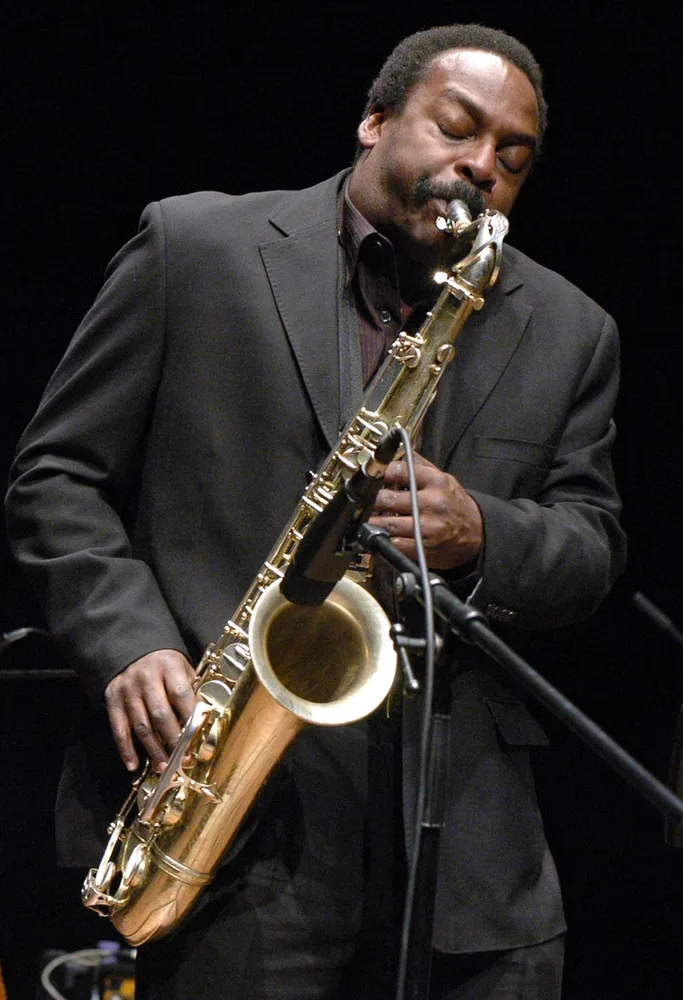
David Murray performing on tenor saxophone at "Lange Nacht des Jazz" (Long Night of Jazz), Radialsystem V, Berlin, Germany, November 17, 2007, an event of Jazzwerkstatt Berlin-Brandenburg e.V. CC BY 3.0 (Creative Commons Attribution 3.0) — Wikimedia Commons - https://commons.wikimedia.org/wiki/File:David_Murray_1.jpg (photo credit: Dietmar Liste, jazzimage.de)

David Keith Murray was born February 19, 1955, in Oakland, California, and grew up in Berkeley. His father, Walter Pendleton Murray, was a guitarist, sanitation worker, and a founding deacon of the Missionary Church of God in Christ on Allston Way in Berkeley, where his mother played organ. Murray was handed an alto saxophone at around age nine by his teacher, Phil Hardymon, at Longfellow Elementary School, and played his first notes on it at that same church around 1965. Hearing Sonny Rollins on record pulled him toward the tenor, the horn on which he built his career, though he never gave up the bass clarinet, an instrument he did as much as anyone of his generation to establish as a serious solo voice in jazz.
He enrolled at Pomona College in Claremont, California, in 1973, where he studied with the critic Stanley Crouch and trumpeter Bobby Bradford and began an independent-study project interviewing avant-garde figures including Ornette Coleman, Cecil Taylor, John Cage, and McCoy Tyner. It was saxophonist Dewey Redman who reportedly told him to put down the pencil and pick up the horn. In September 1975, midway through college, Murray moved to New York with Crouch, taking a loft above the Tin Palace at Second Street and the Bowery that the two men called Studio Infinity, and plugged directly into the loft-jazz scene then centered on that stretch of the Lower East Side. His first recording as a leader, Flowers for Albert (India Navigation, recorded June 26, 1976, at the Ladies' Fort in lower Manhattan), was a tribute to Albert Ayler, cut with trumpeter Olu Dara, bassist Fred Hopkins, and drummer Phillip Wilson when Murray was 21.
Later that year he traveled to New Orleans for a series of clinics organized by Ed Jordan at Southern University, where the enthusiastic response to an unaccompanied-saxophone format convinced Murray, Julius Hemphill, Oliver Lake, and Hamiet Bluiett to formalize it as the World Saxophone Quartet; the group's debut, Point of No Return (Moers Music, 1977), launched a cooperative that would record and tour for decades, threading free jazz together with R&B, funk, and South African township influences. Through the 1980s Murray built out a parallel body of work as a composer and bandleader on the Italian Black Saint and Soul Note labels: the octet records Ming (1980, with Henry Threadgill, Olu Dara, Lawrence "Butch" Morris, George Lewis, Anthony Davis, Wilber Morris, and Steve McCall), Home (1982), and Murray's Steps (1983), followed by his first big-band record, Live at Sweet Basil, Volume 1 (1984). In the same period he co-founded the Music Revelation Ensemble with guitarist James Blood Ulmer, bassist Amin Ali, and drummer Ronald Shannon Jackson, a free-funk unit whose 1980 Moers Music debut, No Wave, grew out of Ulmer's standing in New York's punk and no-wave scene (the band played CBGB and opened for Public Image Ltd.), and he joined clarinetist John Carter's Clarinet Summit alongside Alvin Batiste and Jimmy Hamilton, documented on In Concert at the Public Theater (1981) and Southern Bells (recorded 1987).
Murray's discography crosses into the mainstream jazz establishment as well: he was one of two tenors, alongside Pharoah Sanders, on pianist McCoy Tyner's all-star Blues for Coltrane: A Tribute to John Coltrane (Impulse!, recorded July 9, 1987), which won the Grammy Award for Best Jazz Instrumental Performance. In September 1993 he sat in with the Grateful Dead at Madison Square Garden, communicating with Jerry Garcia, Bob Weir, and Phil Lesh through the band's in-ear monitor system, and returned for a Jerry Garcia Band date at the Garden that November and a Grateful Dead show at the Oakland Coliseum in February 1995; after Garcia's death he recorded the tribute album Dark Star: The Music of the Grateful Dead (1996). Drummer Rashied Ali appears on Murray's Body and Soul (Black Saint, recorded February 11-12, 1993, at Sear Sound in New York, with pianist Sonelius Smith, bassist Wilber Morris, and vocalist Taana Running); the album's closing duo between Murray and Ali, "Cuttin' Corners," was deliberately built to recall Ali's earlier duo with John Coltrane, Interstellar Space.
Murray signed with the Canadian label Justin Time in 1995 and made his debut for it with Fo Deuk Revue (recorded in Dakar, Senegal, June 1996; released 1997), an ambitious fusion of jazz, funk, Afro-pop, and rap featuring Senegalese percussionist Doudou N'Diaye Rose, the rap duo Positive Black Soul, and spoken-word passages by poet Amiri Baraka. Around the same time he fell in love with Valerie Malot, a French booking agent and music-industry organizer, and by the late 1990s had relocated to Paris, where he spent roughly two decades based, working extensively with musicians from Guadeloupe, Martinique, and Francophone West Africa; Creole (1998) was recorded in Guadeloupe in October 1997, and Murray and Malot went on to co-found the booking agency 3D Family. Honors accumulated across the decades: the Village Voice named him Musician of the Decade for the 1980s, he won the Down Beat-affiliated Bird Award in 1986, received a Guggenheim Fellowship in 1989 and the Danish Jazzpar Prize in 1991, was Newsday's Musician of the Year in 1993, received an honorary doctorate from Pomona College in 2012, and won a legacy grant from the California Arts Council in 2021. He remains active into his seventies: Francesca (2024), a quartet date with pianist Marta Sánchez, bassist Luke Stewart, and drummer Russell Carter, was named the second-best jazz album of the year by the New York Times, and Birdly Serenade, a new quartet recording, followed on Impulse! in 2025.
Murray came up in the wake of the Coltrane-influenced generation but deliberately built a different tenor sound, citing not just Albert Ayler, Ornette Coleman, and Archie Shepp as formative influences but also older mainstream stylists, Coleman Hawkins, Ben Webster, and Paul Gonsalves, whose vibrato-heavy, big-toned "tough tenor" vocabulary he folded into an otherwise avant-garde attack. That hybrid, capable of swinging hard, honking and screaming, and playing tender ballads within the same solo, plus a command of circular breathing that let him sustain enormous unbroken phrases, made him one of the most versatile and prolific saxophonists to emerge from the loft-jazz generation. He was equally influential as a bass clarinetist, doing more than any player since Eric Dolphy to make the instrument a viable solo voice in jazz, and as an organizer: cooperative or co-led units he helped found, the World Saxophone Quartet, the Music Revelation Ensemble, Clarinet Summit, gave him a foothold across free jazz, funk-inflected fusion, and chamber-style reed ensembles simultaneously, while his octet and big-band writing carried forward the large-ensemble compositional tradition of Charles Mingus and Duke Ellington into an avant-garde idiom.
- Flowers for Albert (recorded June 26, 1976; released 1976, India Navigation) - Murray's debut as a leader, a tribute to Albert Ayler recorded live at the Ladies' Fort when Murray was 21. Not currently available to verify on Spotify (API quota exhausted at research time).
- Point of No Return (1977, World Saxophone Quartet, Moers Music) - The debut of the cooperative quartet Murray co-founded with Julius Hemphill, Oliver Lake, and Hamiet Bluiett. Not currently available to verify on Spotify.
- Ming (recorded July 25 & 28, 1980; released 1980, David Murray Octet, Black Saint) - The first record by Murray's octet, with Henry Threadgill, Olu Dara, and Butch Morris among the personnel; established him as a large-ensemble composer and arranger. Not currently available to verify on Spotify.
- No Wave (1980, Music Revelation Ensemble, Moers Music) - Debut of Murray's free-funk unit with guitarist James Blood Ulmer, growing directly out of Ulmer's ties to the New York punk scene. Not currently available to verify on Spotify.
- Blues for Coltrane: A Tribute to John Coltrane (recorded July 9, 1987; released 1988, McCoy Tyner, Impulse!) - Murray and Pharoah Sanders share the tenor chair on this all-star Tyner date, which won the Grammy Award for Best Jazz Instrumental Performance. Not currently available to verify on Spotify.
- Body and Soul (recorded February 11-12, 1993; released 1993, David Murray Quartet, Black Saint) - Closes with "Cuttin' Corners," a duo between Murray and Rashied Ali deliberately built to evoke Ali's earlier duo with John Coltrane, Interstellar Space. Not currently available to verify on Spotify.
- Fo Deuk Revue (recorded June 1996; released 1997, Justin Time) - Recorded in Dakar with Senegalese musicians and poet Amiri Baraka, fusing jazz with funk, Afro-pop, and rap; Murray's Justin Time label debut. Not currently available to verify on Spotify.
- Francesca (2024, self-released/independent) - A recent quartet date with Marta Sánchez, Luke Stewart, and Russell Carter, named the #2 jazz album of 2024 by the New York Times, evidence of Murray's continued vitality in his eighth decade. Not currently available to verify on Spotify.
David Murray - Discography
David Murray is a hugely prolific bandleader: the Discogs API lists 107 releases with a "Main" (leading/co-leading) credit on his personal artist page alone (Discogs artist ID 259154), spanning 1976 to 2025, and that personal-page figure dramatically understates his real output. As with several other prolific artists documented in this sweep, Discogs files many of Murray's own leader dates under separate group-billing entities rather than his personal artist ID: the David Murray Octet (id 516648, 9 Main releases including Ming, Home, and Murray's Steps), the David Murray Big Band (id 348221, including both volumes of Live at "Sweet Basil"), the World Saxophone Quartet (id 309757, 25 Main releases from Point of No Return onward, co-founded by Murray), the Music Revelation Ensemble (id 341074, 7 Main releases beginning with No Wave), the David Murray Quartet (id 941170, 21 Main releases including Body and Soul, Francesca, and Birdly Serenade), and roughly two dozen further named units (David Murray Trio, David Murray Latin Big Band, David Murray Cuban Ensemble, Clarinet Summit, and others) not individually audited here. Adding these together, Murray's real leader/co-leader catalog almost certainly runs past 150 distinct titles, before counting 217 further "Appearance" (sideman) credits and 66 track-level guest appearances on his personal Discogs page.
Given that scale, this file does not attempt an exhaustive listing. It curates roughly 30 of the most significant, influential, or widely reviewed releases across Murray's career as leader or co-leader (drawing on both his personal artist entity and the group entities above, with the billing entity noted for each), plus a short, explicitly non-exhaustive table of his best-documented major sideman credits. Every entry has been checked against the live Discogs API; personnel, exact recording dates, and catalog numbers not returned by the API or corroborated by Wikipedia/AllMusic are marked "not confirmed" rather than guessed. Spotify links could not be verified: its catalogue could not be searched for Murray, so every Spotify cell below reads "not verified" rather than a guessed link. The Buy column is "-" throughout; no affiliate program is set up yet.
As Leader / Co-Leader (curated selection, not exhaustive)
| Album Title | Recording Date(s) | Release Date | Label | Catalog Number | Format(s) | Personnel | Billing Entity | Reissue History | Spotify | Buy | Notes |
|---|---|---|---|---|---|---|---|---|---|---|---|
| Flowers for Albert | June 26, 1976 | 1976 | India Navigation | not confirmed | LP | David Murray (ts), Olu Dara (tp), Fred Hopkins (b), Phillip Wilson (d) | David Murray (personal, Discogs 259154) | Reissued as Flowers for Albert: The Complete Concert | not verified | - | Murray's debut as a leader; a tribute to Albert Ayler, recorded live at the Ladies' Fort, NYC, when Murray was 21. |
| Point of No Return | 1977 | 1977 | Moers Music | not confirmed | LP | David Murray, Julius Hemphill, Oliver Lake, Hamiet Bluiett (all saxophones) | World Saxophone Quartet (Discogs 309757) | not confirmed | not verified | - | Debut of the cooperative quartet Murray co-founded after a 1976 clinic series in New Orleans. |
| Live at the Lower Manhattan Ocean Club, Volume 1 | 1978 | 1978 | India Navigation | not confirmed | LP | not confirmed | David Murray (personal) | Reissued combined with Volume 2 (1989) | not verified | - | Loft-era live document; India Navigation was one of the key independent labels of the scene. |
| Ming | July 25 & 28, 1980 | 1980 | Black Saint | not confirmed | LP/CD | Murray, Henry Threadgill, Olu Dara, Lawrence "Butch" Morris, George Lewis, Anthony Davis, Wilber Morris, Steve McCall | David Murray Octet (Discogs 516648) | Reissued on The Complete Remastered Recordings on Black Saint & Soul Note | not verified | - | The octet's debut; established Murray as a large-ensemble composer/arranger. |
| No Wave | 1980 | 1980 | Moers Music | not confirmed | LP | Murray, James Blood Ulmer (g), Amin Ali (el-b), Ronald Shannon Jackson (d) | Music Revelation Ensemble (Discogs 341074) | not confirmed | not verified | - | Free-funk debut, growing out of Ulmer's ties to the New York punk/no-wave scene (the band played CBGB). |
| Home | 1982 | 1982 | Black Saint | not confirmed | LP/CD | Octet lineup similar to Ming | David Murray Octet (Discogs 516648) | Reissued on The Complete Remastered Recordings on Black Saint & Soul Note | not verified | - | Second octet record. |
| Murray's Steps | 1983 | 1983 | Black Saint | not confirmed | LP/CD | Octet lineup | David Murray Octet (Discogs 516648) | Reissued on The Complete Remastered Recordings on Black Saint & Soul Note | not verified | - | Third octet record, closing out the core Ming/Home/Murray's Steps trilogy. |
| In Concert at the Public Theater (Clarinet Summit) | Spring 1981 (recorded) | 1984 | India Navigation | not confirmed | LP | Murray (bass clarinet), John Carter, Alvin Batiste, Jimmy Hamilton (clarinets) | David Murray (personal, Discogs 259154) | Later combined as Volumes I/II (1991) | not verified | - | All-clarinet cooperative founded by John Carter; Murray plays bass clarinet throughout. |
| Live at "Sweet Basil," Volume 1 | 1984 | 1985 | Black Saint | not confirmed | LP | Big-band personnel not fully confirmed | David Murray Big Band (Discogs 348221) | not confirmed | not verified | - | Murray's first big-band record. |
| Southern Bells (Clarinet Summit) | March 29, 1987 | 1987 | Black Saint | not confirmed | LP | Murray, Batiste, Hamilton, Carter | David Murray (personal, Discogs 259154) | not confirmed | not verified | - | Second Clarinet Summit studio date. |
| Blues for Coltrane: A Tribute to John Coltrane | July 9, 1987 | 1988 | Impulse! | not confirmed | LP/CD | McCoy Tyner (p), David Murray & Pharoah Sanders (ts), Cecil McBee (b), Roy Haynes (d) | Joint billing: McCoy Tyner/Pharoah Sanders/David Murray/Cecil McBee/Roy Haynes | not confirmed | not verified | - | Won the Grammy Award for Best Jazz Instrumental Performance. |
| Deep River | 1989 | 1989 | not confirmed | not confirmed | not confirmed | not confirmed | David Murray (personal) | not confirmed | not verified | - | not confirmed beyond title/year. |
| Ballads | 1990 | 1990 | not confirmed | not confirmed | not confirmed | not confirmed | David Murray (personal) | not confirmed | not verified | - | Ballads-focused date; personnel not confirmed for this build. |
| Shakill's Warrior | 1991 | 1991 | DIW | not confirmed | CD | Murray with Don Pullen (organ) | David Murray Quartet (Discogs 941170) / also listed under personal 259154 | Followed by Shakill's II (1994) | not verified | - | Organ-combo date; frequently cited as a fan favorite outside Murray's avant-garde work. |
| MX (Dedicated to the Memory of Malcolm X) | 1992 | 1992 | DIW | not confirmed | CD | Big band; personnel not fully confirmed | David Murray (personal) | not confirmed | not verified | - | Large-ensemble political/commemorative work. |
| Body and Soul | February 11-12, 1993 | 1993 | Black Saint | 120155-2 | CD | David Murray (ts), Sonelius Smith (p), Wilber Morris (b), Rashied Ali (d), Taana Running (vocals) | David Murray Quartet (Discogs 941170) | Reissued 2002 | not verified | - | Closing duo "Cuttin' Corners" (Murray/Ali) deliberately evokes Coltrane/Ali's Interstellar Space. |
| Death of a Sideman | 1992 | 1992 | not confirmed | not confirmed | not confirmed | not confirmed | David Murray Quartet (Discogs 941170) | not confirmed | not verified | - | not confirmed beyond title/year. |
| Long Goodbye (A Tribute to Don Pullen) | 1997 | 1997 | not confirmed | not confirmed | not confirmed | not confirmed | David Murray Quartet (Discogs 941170) | not confirmed | not verified | - | Tribute to organist/pianist Don Pullen, a frequent Murray collaborator. |
| Fo Deuk Revue | June 3-4, 1996 (Dakar); overdubs Aug. 19-20, 1996 (NYC) | 1997 | Justin Time | not confirmed | CD | Murray, Jamaaladeen Tacuma, Hugh Ragin, Robert Irving III, Doudou N'Diaye Rose, Positive Black Soul, Amiri Baraka (spoken word), others | David Murray (personal) | not confirmed | not verified | - | Murray's Justin Time label debut; recorded in Dakar, Senegal. |
| Creole | October 19-20, 1997 | 1998 | Justin Time | not confirmed | CD | not fully confirmed | David Murray (personal) | Followed by Créole III (2004 excerpts) | not verified | - | Recorded in Guadeloupe; part of Murray's turn toward Caribbean/Francophone collaborations. |
| Speaking in Tongues | 1999 | 1999 | not confirmed | not confirmed | not confirmed | not confirmed | David Murray (personal) | not confirmed | not verified | - | not confirmed beyond title/year. |
| Yes We Can | 2010 | 2010 | not confirmed | not confirmed | not confirmed | not confirmed | World Saxophone Quartet (Discogs 309757) | not confirmed | not verified | - | Late-period WSQ release. |
| Requiem for Julius | 2000 | 2000 | Justin Time | not confirmed | CD | not confirmed | World Saxophone Quartet (Discogs 309757) | not confirmed | not verified | - | Tribute to co-founder Julius Hemphill, who passed away in 1995. |
| Steppenwolf | 2001 | 2002 | Justin Time | not confirmed | CD | not confirmed | World Saxophone Quartet (Discogs 309757) | not confirmed | not verified | - | not confirmed beyond title/year. |
| The Devil Tried to Kill Me | 2009 | 2009 | Justin Time | not confirmed | CD | not confirmed | David Murray (personal) | not confirmed | not verified | - | not confirmed beyond title/year. |
| Dark Star: The Music of the Grateful Dead | 1996 | 1996 | not confirmed | not confirmed | CD | not fully confirmed | David Murray Octet (Discogs 516648) | not confirmed | not verified | - | Recorded after Jerry Garcia's death, following Murray's 1993 sit-ins with the Grateful Dead and Jerry Garcia Band. |
| Perfection | 2018 | 2018 | Motema Music | not confirmed | CD | not confirmed | David Murray (personal) | not confirmed | not verified | - | not confirmed beyond title/year. |
| Roots n'Wings | 2019 | 2019 | PAO Records | not confirmed | CD | not confirmed | David Murray (personal) | not confirmed | not verified | - | not confirmed beyond title/year. |
| See You Out There | 2022 | 2022 | Intakt Records | not confirmed | CD | not confirmed | David Murray (personal) | not confirmed | not verified | - | not confirmed beyond title/year. |
| Francesca | 2024 | 2024 | Intakt Records | not confirmed | CD | David Murray, Marta Sánchez (p), Luke Stewart (b), Russell Carter (d) | David Murray Quartet (Discogs 941170) | not confirmed | not verified | - | Named the #2 jazz album of 2024 by the New York Times. |
| Birdly Serenade | 2025 | 2025 | Impulse! | not confirmed | not confirmed | not fully confirmed | David Murray Quartet (Discogs 941170) | not confirmed | not verified | - | Most recent recording confirmed at the time of this build. |
As Sideman (selected major credits, not exhaustive)
| Year | Project (Leader) | Title | Label | Catalog | Role | Notes |
|---|---|---|---|---|---|---|
| 1987 (rec.) / 1988 (rel.) | McCoy Tyner | Blues for Coltrane: A Tribute to John Coltrane | Impulse! | not confirmed | Tenor saxophone (co-featured with Pharoah Sanders) | Won the Grammy Award for Best Jazz Instrumental Performance; Discogs actually files this under a joint artist billing rather than crediting Tyner alone, but Murray is a featured co-star rather than the session's organizer. |
Murray's sideman work outside his own bands and cooperatives is comparatively thin relative to his enormous output as a leader/co-leader; most of his 217 Discogs "Appearance" credits and 66 track-level credits are guest spots on other artists' albums (compilations, tribute sessions, and one-off dates) that fall below the threshold for inclusion here. His live sit-ins with the Grateful Dead (Madison Square Garden, September 22, 1993; the Jerry Garcia Band, also at the Garden, November 12, 1993; and the Grateful Dead again at the Oakland Coliseum, February 26, 1995) were not commercially released recordings and are not tabled above.
- Albert Ayler - not a direct collaborator, but the dedicatee of Murray's 1976 debut, Flowers for Albert, and one of Murray's stated early influences.
- Julius Hemphill, Oliver Lake, Hamiet Bluiett - co-founders with Murray of the World Saxophone Quartet (1976-), a cooperative unit that recorded and toured for decades.
- Henry Threadgill, Olu Dara, Lawrence "Butch" Morris, George Lewis, Anthony Davis, Wilber Morris, Steve McCall - personnel on Murray's David Murray Octet debut, Ming (1980), and its Black Saint-era successors.
- James Blood Ulmer, Amin Ali, Ronald Shannon Jackson - co-founders with Murray of the free-funk Music Revelation Ensemble (1980-).
- John Carter, Alvin Batiste, Jimmy Hamilton - fellow reedmen in Clarinet Summit, the all-clarinet cooperative Murray joined in the early 1980s.
- McCoy Tyner, Pharoah Sanders, Cecil McBee, Roy Haynes - co-performers on the Grammy-winning Blues for Coltrane: A Tribute to John Coltrane (1988).
- Rashied Ali - drummer on Body and Soul (1993); the album's closing Murray/Ali duo, "Cuttin' Corners," directly evokes Ali's Coltrane-era duo record Interstellar Space.
- Jerry Garcia, Bob Weir, Phil Lesh - Murray sat in with the Grateful Dead in concert in 1993 and 1995 and recorded the 1996 tribute album Dark Star: The Music of the Grateful Dead after Garcia's death.
- Amiri Baraka, Positive Black Soul, Doudou N'Diaye Rose - collaborators on the Dakar-recorded Fo Deuk Revue (1996/97).
- Valerie Malot - French music organizer and Murray's longtime partner; the two co-founded the booking agency 3D Family and worked together for two decades based in Paris.
- Federico Pierantoni (trombone) - trombonist in the Lydian Sound Orchestra on No More Wrong Mistakes (This Our Music) (Parco della Musica Records, 2022), on which Murray is the featured tenor saxophonist and arranger of two tracks; Discogs-verified.
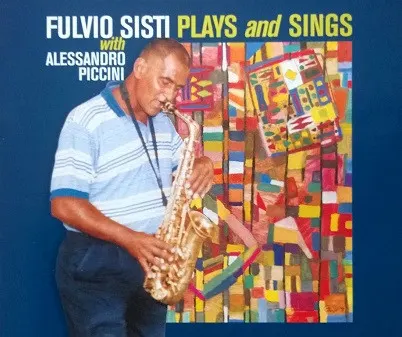
- Fulvio Sisti (alto saxophone, vocals) - alto saxophonist alongside Murray's tenor on tracks 1 and 9 of Luca Flores's Love For Sale (1993); Discogs-confirmed. Profiled on JazzProfiles.com.
- Giancarlo Barigozzi (recording engineer) - credited as recording engineer on Sweet Lovely (Black Saint BSR 0039, 1980), per Discogs.
- Glauco Benedetti (tuba, sousaphone, euphonium) - tuba in Riccardo Brazzale's Lydian Sound Orchestra on No More Wrong Mistakes (This Is Our Music) (2022, Parco Della Musica Records), on which Murray is the featured tenor saxophonist and arranger of two pieces; Discogs-confirmed. Already profiled on this site.
- Luca Flores (piano) - Murray played tenor saxophone on Flores's Love For Sale (1993, Splasc(h)), recorded Florence, October 1991; Discogs-confirmed. Profiled on JazzProfiles.com.
- Marcello Abate (guitar) - guitarist in the Lydian Sound Orchestra on No More Wrong Mistakes (This Our Music) (2022, Parco Della Musica Records), on which Murray is the featured tenor saxophonist and arranger; Discogs-verified. Profiled on JazzProfiles.com.
More Avant-Garde Jazz Artists
See all 343 Avant-Garde Jazz artists →More American Jazz Artists
See all 567 American artists →- Wikipedia: David Murray (saxophonist)
- Discogs: David Murray (artist 259154)
- Berkeleyside: Jazz musician David Murray returns to Berkeley, where he first played sax at church in 1965
- Wikipedia: Body and Soul (David Murray album)
- Wikipedia: Blues for Coltrane: A Tribute to John Coltrane
- Wikipedia: Fo Deuk Revue
- Wikipedia: Ming (album)
- Wikipedia: World Saxophone Quartet
- Wikipedia: Music Revelation Ensemble
- Wikipedia: Clarinet Summit
- JAMbase: David Murray Joins Grateful Dead at MSG in 1993
- AllAboutJazz: Fo Deuk Revue review