 JAZZPROFILES lives in the music 1,765 Jazz Artists fully Profiled!
Akitoshi Igarashi
Last updated October 21, 2026
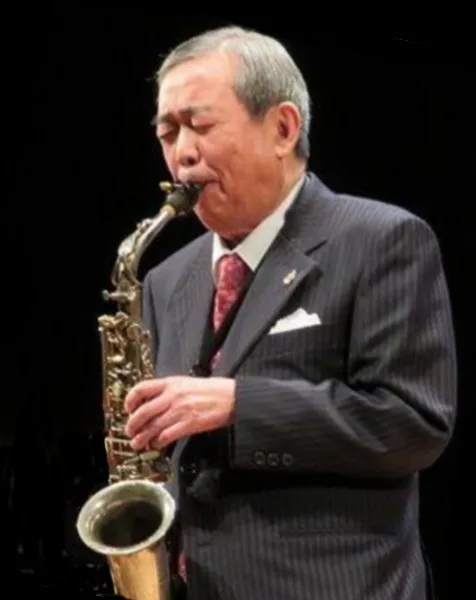
Akitoshi Igarashi playing alto saxophone. CC BY 4.0 — https://commons.wikimedia.org/wiki/File:Igarashi_Akitoshi_jazz_musician.jpg

Akitoshi Igarashi (五十嵐明要, Igarashi Akitoshi in Japanese order) was born on 2 June 1932 in Hatchobori, in Tokyo's Chuo ward, the youngest of five children. His family ran a neighbourhood variety hall, a yose called Bunrakutei, and his elder brother Taketoshi (五十嵐武要) became a drummer. In 1944 he was evacuated with his school to Omiya, north of Tokyo, and in 1945 he came home to sit middle-school entrance exams and live through the Tokyo air raids. In the summer holidays of his first year of high school, 1948, he took a job as a band boy for a hotel band at the Marunouchi Hotel, and that was how he got into jazz.
He began on clarinet. A saxophonist in his brother's band, who later married his sister, urged him to take up the saxophone, but the clarinet came first. In 1949 his bandleader sent him off with a man who turned out to be Hitoshi Ueki, later of the Crazy Cats, to stand in for a week at Club Eden, next to the Kabuki-za in Ginza. Ueki then asked whether he would like to stay, and Igarashi played in the club's Dixieland-style band for several years, which counts as his professional start. Around 1951 the drummer Akitaka Matsushita, whose bop-minded Metro Tones played at the Foreigners Club on Dogenzaka in Shibuya, told him he could join if he played saxophone. Igarashi sold his clarinet and bought an alto. He recalls in a 2015 interview that the teenage Sadao Watanabe used to listen from outside the club's glass window and that, at the midnight jam sessions, he told the boy to come up and play; Watanabe took out his clarinet and was good.
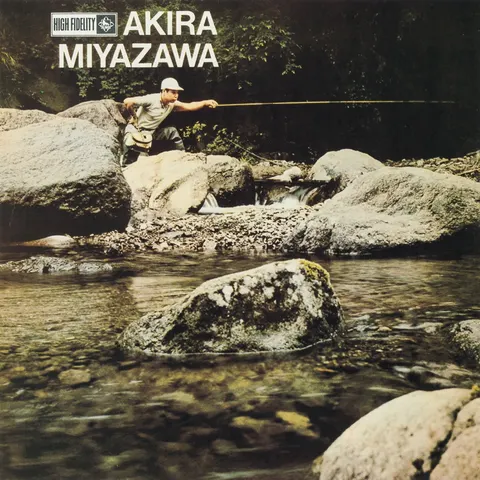
In the early 1950s he played in guitarist Shungo Sawada's Double Beats Five, one of the first Japanese jazz combos, alongside his brother Taketoshi, working Ginza clubs and playing Charlie Parker's repertoire. A Swing Journal photograph from August 1954 shows the band with the pianist Shotaro Moriyasu. That July, on the 27th and 28th, he took part in the all-night jam session at the Mocambo Club in Yokohama that was taped and later issued as the Historic Mocambo Session '54. It was his first recording. The complete edition credits him on alto on "Steeple Chase" and "Perdido" (with Moriyasu, Watanabe and the other altos), on "Taking a Chance on Love" with Toshiko Akiyoshi on piano, and on a ballad medley. The tenor saxophonist Akira Miyazawa is also on the date.
Big bands and West Coast-style small groups took up the next decades. He joined Kenzo Takami's Midnight Sons in 1956 and in 1957 Konosuke Saijo's West Liners, which at that point had Norio Maeda on piano and Tadayuki Harada on baritone. When his brother left the West Liners' drum chair, Takeshi Inomata took it and eventually led the band. In 1958 he is among the billed names on King's Latin Carnival with the Tokyo Cuban Boys, alongside Hidehiko Matsumoto and Hideo Shiraki, and in October 1958 he played in the Swing Journal All-Stars poll winners' concert issued as Jazz Festival of Japan. In 1960 he joined Nobuo Hara's Sharps & Flats and stayed about ten years, until the work had become mostly accompanying singers of popular songs and he decided he had not taken up the saxophone for that. In 1967 he moved to the Blue Coats, led by Shigenori Obara and later by Toshio Mori, as lead alto and concertmaster for roughly a decade. The band's Billy Strayhorn and Tadd Dameron albums of 1976 to 1978 list him. In 1978 he moved to Obara's New Otani Joyful Orchestra, and that year he and his brother formed their own group, The Bunrakutei, named after the family hall.
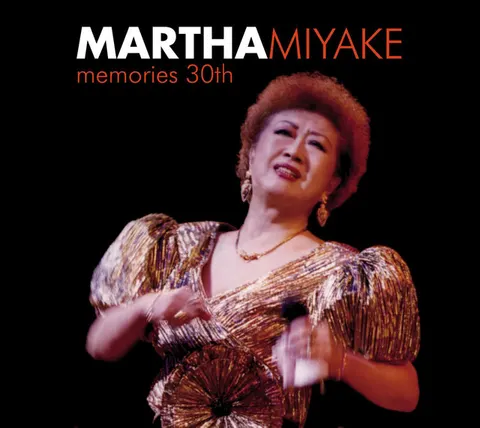
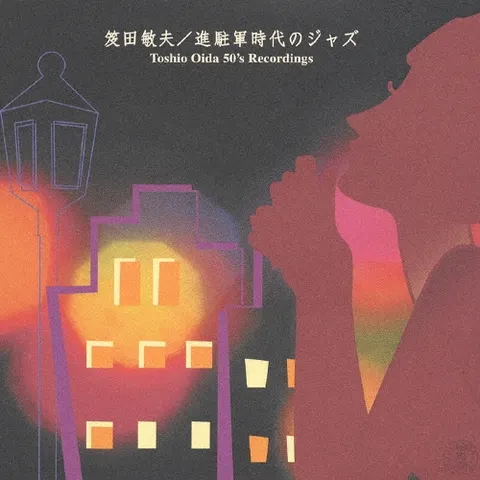
Alongside the section work he made records for the Japanese majors. Columbia issued Oyasumi Mae No Hitotoki (1961), alto-sax mood music with the Columbia Salon Strings, and Anata to Yoru to Alto Sax (1964), with strings and arrangements by Norio Maeda, Kiyoshi Yamaya and Osamu Onishi; Victor issued Fascinating Alto-Sax Vol.2 (1968) under the name Akitoshi Igarashi & Dreamy Sounds. His small-group jazz work from the period includes the Takt album 5 Saxophones (recorded November 1967, with Maeda, Inomata, Miyazawa and Saijo), the 1974 Trio Records session Smoke Rings with the pianist Yuzuru Sera and Eiji Kitamura on clarinet, the 1975 Alone Together for Audio Lab, recorded on 6 June 1975 with Inomata, Maeda, Saijo, Harada and the trumpeter Tetsuo Fushimi, and the West Liners albums of 1977 and 1978. He is the alto on Martha Miyake's This Is Martha (1978) and, in 1976, on Toshio Oida's It Was A Very Good Year for Three Blind Mice.
In 1986 he recorded Sax Talk, which his official website lists as his first album as leader. Recorded on 21 October 1986, it is a nonet with Nobuo Tanabe on tenor, Tetsuo Fushimi on trumpet, Tomoaki Hashizume on trombone, Toshihiko Ogawa on piano, Sadanori Nakamure on guitar, Kunimitsu Inaba on bass and Taketoshi Igarashi on drums. Swing Time followed in June 1988, a sextet session with the pianist Yoshitaka Akimitsu and the vibraphonist Ichiro Masuda, cut at Pioneer Studio in Meguro for the audiophile GML label as a 24-karat gold disc. In 1992 he was the first alto on Masuda's NHK-FM Live Session '92 big band set with Saijo, and in 1995 he made Here At Last with the Yoku Tamura Trio and the guitarist Toru Konishi. In 1998 he cut the quintet albums All Of Me and Satin Doll with his brother, and in 1999 Battle of Sax with the tenor saxophonist Jun Sugihara and Tadayuki Harada.
His reputation travelled. His official website records that he was invited to the Monterey Jazz Festival in 1989 as a representative of Japanese jazz, played the Los Angeles International Jazz Festival with Eiji Kitamura in 1992, appeared at the Apollo Theater and Carnegie Hall in New York in 1994 as a member of the Japan Just Jazz All Stars, and played the Breda Jazz Festival in the Netherlands in May 2001. In 2004 he formed the Yokohama Royal Park Orchestra with the drummer Isamu Harada. In 2012, with Sugihara and Harada, he started the three-saxophone group KKB, short for kōki kōreisha band, a joke on the idol group AKB: the three players' ages added up to about 240. Sugihara passed away in December 2018.
Official recognition came late. The Japan Jazz Music Association honoured him in 2017 (its Jazz Grand Prize, according to Japanese Wikipedia), in January 2018 he received a commendation from Japan's Minister of Education, Culture, Sports, Science and Technology as a leading jazz alto saxophonist who had contributed to the country's musical culture, and in October 2020 the association gave him its Honorary Chairman's Award. His 80th birthday was celebrated at a party in June 2012, and a 92nd-birthday session with friends was held at the Tokyo club Satin Doll on 26 June 2024. He turned 94 in June 2026, and his official website, still maintained in 2026, lists him as active with a schedule of club dates in Tokyo.
Igarashi plays in a swing-based mainstream style, closer to the saxophone sections of Duke Ellington and Count Basie than to bebop. Nobuo Hara, in a piece on the official website, calls it a middle-road style, neither ultra-modern nor old, and says nobody beats him at playing swing or matches the beauty of his alto tone. The critic Masahisa Segawa titled his review of him as the number-one alto player in the country, and Sadao Watanabe wrote that as a young man Igarashi was one of the stars he idolised.
By Igarashi's own account the tone is the thing. In the 2015 Sax Magazine interview he says the first time he heard Johnny Hodges' solo on an Ellington record he decided to chase that sound for life, which is also why Charlie Parker never quite fitted him, although in the early 1950s no Japanese saxophonist could admit that. He also says his method is to pick a player and immerse himself in that style for months or years: Paul Desmond, Art Pepper, Bud Shank and Lennie Niehaus each had a turn, and Norio Maeda's West Liners arrangements often carried Niehaus' nuances, which suited the exercise. In the Sharps & Flats and the Blue Coats he learned to play lead alto, reading new charts at sight and keeping the section's pitch, and later passed that on as a section leader. His working repertoire runs from swing standards and Ellington and Strayhorn through cocktail and dance music.
Part of his catalogue is mood music rather than jazz: the 1961 and 1964 Columbia string albums and the Victor Dreamy Sounds LP are lush, easy-listening alto records, and for much of the 1960s he spent time backing singers in big bands. Most of his documented work, though, is jazz of the swing and mainstream kind, and that is where his reputation rests. His main horn is a gold-plated Selmer Mark VI, played on a Meyer 5 mouthpiece with Rico 2 reeds.
- Here At Last (1995, T.S.C.C., with the Yoku Tamura Trio and Toru Konishi) - Standards such as "Body and Soul", "Moten Swing" and "Don't Get Around Much Anymore" from a 1995 session with Yoku Tamura on piano, Konishi on guitar, Ushio Itoh on bass and Yutaka Sasaki on drums. YouTube - Here At Last, full album Listen
- Swing Time (1988, GML-CD605, with Yoshitaka Akimitsu) - Recorded on 17 June 1988 with Akimitsu on piano, Ikuo Shiosaki on guitar, Ichiro Masuda on vibes, Yoshinori Asami on bass and Yoshio Nakamura on drums; "Take the 'A' Train", "Satin Doll", "Misty". YouTube - Swing Time, full album Listen
- Sax Talk (1986, Panam GGP-13) - The nonet album his website lists as his first as leader, recorded on 21 October 1986 with arrangements by Toshihiko Ogawa. Discogs - Sax Talk Buy
- Alone Together (1975, Audio Lab ALJ-1035, with Takeshi Inomata, Norio Maeda and the West Liners players) - An eight-track septet session recorded at Iino Hall on 6 June 1975. YouTube - Alone Together, full album Listen
- 5 Saxophones (1968, Takt JAZZ-15) - Five-saxophone arrangements of "Take Five", "Oleo" and "Round Midnight" by Norio Maeda, with Akira Miyazawa and Konosuke Saijo. YouTube - Take Five Listen · Buy
- The Complete Historic Mocambo Session '54 (1998, Polydor/Rockwell POCJ-2624/6, with Shotaro Moriyasu and Toshiko Akiyoshi) - The all-night session of 27 and 28 July 1954 in Yokohama that holds his first recordings. Discogs - Complete Historic Mocambo Session '54
- Anata to Yoru to Alto Sax (1964, Columbia JPS-5006) - Alto with strings in Latin and ballad settings, arranged by Norio Maeda, Kiyoshi Yamaya and Osamu Onishi. YouTube - Summertime Listen
- Smoke Rings (1974, Trio Records PAP-9019, with Yuzuru Sera & His Friends) - Igarashi is credited on two tracks, "Smoke Rings" and "Mean to Me", with Eiji Kitamura on clarinet. Discogs - Smoke Rings Buy
Akitoshi Igarashi (五十嵐明要) - Full Discography
Japanese alto saxophonist. Born 2 June 1932, Hatchobori, Chuo, Tokyo. Discogs artist 976214.
Name variations on record: 五十嵐 明要, 五十嵐明要, 五十嵐明要とドリーミィ・サウンズ (Akitoshi Igarashi & Dreamy Sounds).
Group affiliations: Akitoshi Igarashi & Dreamy Sounds, Takeshi Inomata & His West Liners, Toshio Mori & Blue Coats, Nobuo Hara and His Sharps & Flats, The Bunrakutei (ザ・聞楽亭), KKB.
Leader (own-name releases)
| Album | Year | Label | Personnel | Notes | Listen | Buy |
|---|---|---|---|---|---|---|
| おやすみ前のひととき: アルトサックス・ムード = Oyasumi Mae No Hitotoki: Alto Sax Mood | 1961 | Columbia, AL-249 | Akitoshi Igarashi (alto saxophone), Columbia Salon Strings | Ten-inch mono album of mood-music arrangements: "Beautiful Dreamer", "Lullaby of the Leaves" and Japanese songs such as "Sunayama" and "Jogashima no Ame". | not found | Amazon |
| あなたと夜とアルト・サックス = Anata to Yoru to Alto Sax | 1964 | Columbia, JPS-5006 | Akitoshi Igarashi (alto saxophone), Columbia Strings | Arranged by Kiyoshi Yamaya, Norio Maeda and Osamu Onishi; sleeve notes by Nobuo Hara. Twelve tracks in Latin and ballad settings, including "Summertime", "Harlem Nocturne", "Flamingo", "Poinciana" and "Sophisticated Lady". | YouTube - Summertime | Amazon |
| Fascinating Alto-Sax Vol.2 (as Akitoshi Igarashi & Dreamy Sounds) | 1968 | Victor, SJV-381 | Akitoshi Igarashi (alto saxophone) and orchestra | Easy-listening arrangements of recent Japanese pop songs for dancing, arranged by Hiroshi Matsumoto and 古田寛弘. | not found | Amazon |
| ミッドナイト・シリーズ/真夜中のスクリーン・ムード = Midnight Series: Screen Mood (with Ensemble de Reve) | n.d. | Victor, SJV-394 | Akitoshi Igarashi (alto saxophone), アンサンブル・ド・レーヴ | Film themes including "Moon River", "Charade", "A Man and a Woman" and "The Umbrellas of Cherbourg". Undated on Discogs. | not found | not found |
| Sax Talk | 1986 | Panam, GGP-13 (also listed as ZY-24) | Akitoshi Igarashi (alto saxophone), Nobuo Tanabe (tenor saxophone), Makoto Hirahara (bass saxophone), Tetsuo Fushimi (trumpet), Tomoaki Hashizume (trombone), Toshihiko Ogawa (piano, arrangements), Sadanori Nakamure (guitar), Kunimitsu Inaba (bass), Taketoshi Igarashi (drums) | Recorded 21 October 1986; digital recording. Nine tracks: "Take the 'A' Train", "You'd Be So Nice to Come Home To", "Ma-Yu-Ka", "Sophisticated Lady", "Shine", "In a Mellow Tone", "In a Sentimental Mood", "Hello Johnny" and "Perdido". The official website lists it as his first album as leader. | not found | Amazon |
| Swing Time (with Yoshitaka Akimitsu) | 1988 | GML, GML-CD605 | Akitoshi Igarashi (alto saxophone), Yoshitaka Akimitsu (piano), Ikuo Shiosaki (guitar), Ichiro Masuda (vibraphone), Yoshinori Asami (bass), Yoshio Nakamura (drums) | Recorded 17 June 1988 at Pioneer Studio, Meguro, Tokyo; 24-karat gold disc. Eleven tracks including "Take the 'A' Train", "Stardust", "As Time Goes By", "Satin Doll" and "Misty". | YouTube - full album | Amazon |
| Here At Last (Akitoshi Igarashi Meets The Yoku Tamura Trio + Toru Konishi) | 1995 | T.S.C.C., TSCCD-005 | Akitoshi Igarashi (alto saxophone), Yoku Tamura (piano), Toru Konishi (guitar), Ushio Itoh (bass; producer), Yutaka Sasaki (drums) | Recorded at Niiza Civic Hall in 1995. Ten tracks including "I Thought About You", "Moten Swing", "Body and Soul", "Exactly Like You" and "Darn That Dream". | YouTube - full album | Amazon |
Co-billed releases
| Album | Year | Label | Personnel | Notes | Listen | Buy |
|---|---|---|---|---|---|---|
| Latin Carnival (Hidehiko Matsumoto, Akira Fukuhara, Seiji Hiraoka, Hideo Shiraki, Akitoshi Igarashi and The Tokyo Cuban Boys) | 1958 | King Records, KC 4 | Tokyo Cuban Boys orchestra, conducted by Tadaaki Misago, with the five soloists named in the billing | Recorded at Tokyo Sankei Hall on 14 and 28 August 1958; arrangements by Kazuo Yashiro, Keitaro Miho, Norio Maeda, Seiji Hiraoka and Tsunemi Naito. Ten Latin standards including "Siboney", "Tico-Tico", "Babalu" and "The Carioca". | not found | Amazon |
| Alone Together (Takeshi Inomata, Norio Maeda, Yasuo Arakawa, Konosuke Saijo, Tadayuki Harada, Akitoshi Igarashi, Tetsuo Fushimi) | 1975 | Audio Lab. Record, ALJ-1035 | Takeshi Inomata (drums), Norio Maeda (piano), Yasuo Arakawa (bass), Konosuke Saijo (tenor saxophone), Tadayuki Harada (baritone saxophone), Akitoshi Igarashi (alto saxophone), Tetsuo Fushimi (trumpet) | Recorded at Iino Hall on 6 June 1975. Eight standards: "These Foolish Things", "I'll Remember You", "In a Sentimental Mood", "Like Someone in Love", "Alone Together", "Love Is Here to Stay", "You Don't Know What Love Is" and "The Things We Did Last Summer". Reissued on CD as OVXA-00010. | YouTube - full album | Amazon |
| NHK-FM Live Session '92 (Ichiro Masuda & Super Big Band featuring Akitoshi Igarashi and Konosuke Saijo) | 1992 | GML, GML-30241 | Ichiro Masuda (vibraphone, leader), Akitoshi Igarashi (first alto saxophone), Fumio Hayashi (second alto), Konosuke Saijo (first tenor), Shigeo Nukita (second tenor), Makio Shimizu (baritone), a four-trumpet, three-trombone brass section, Keiko Nemoto (piano), Yoshinori Asami (bass), Yoshio Nakamura (drums), Emi Nakajima and Yoko Masuda (vocals) | 24-karat gold CD of a live broadcast session; sixteen tracks including "Corner Pocket", "Georgia on My Mind", "Duology" and "Serenade in Blue". | not found | Amazon |
Other albums listed on the official website
The artist's own website lists these further albums.
| Album | Year | Catalog | Personnel | Notes | Listen | Buy |
|---|---|---|---|---|---|---|
| Full Swing (Jun Sugihara and the Kansas City Band) | 1981 | EJT-85021 | Jun Sugihara, Satoru Oda (tenor saxophones), Akitoshi Igarashi (alto saxophone), Toshihiko Ogawa, 沢田靖司 (piano), 細野義彦 (guitar), 青島信幸 (bass), Taketoshi Igarashi (drums) | Recorded 28 July 1981; ten tracks including "Lester Leaps In" and "Jumpin' at the Woodside". | YouTube - Full Swing | not found |
| The Best of SWI | 1993 | CRCI-23007 | Akitoshi Igarashi (alto saxophone), Nobuo Tanabe (tenor saxophone), Makoto Hirahara (bass saxophone), Tetsuo Fushimi (trumpet), Tomoaki Hashizume (trombone), 藤家虹二 (clarinet), Sadanori Nakamure and 横内章次 (guitars), 江草啓介 and Toshihiko Ogawa (piano) | Recorded 21 July 1993; fourteen tracks including "Take the 'A' Train", "Samba de Orfeu" and "Misty". | not found | not found |
| All Of Me | 1998 | APCD-1013 | Akitoshi Igarashi (alto saxophone), Taketoshi Igarashi (drums), 伊原康二 (piano, organ), 横山涼一 (bass), 田辺充邦 (guitar) | Recorded 22 November 1998; ten standards from "Don't Be That Way" to "All Of Me". Sleeve design by Igarashi. | not found | not found |
| Satin Doll | 1998 | APCD-1018 | Same quintet as All Of Me | Recorded 22 November 1998; nine tracks including "Satin Doll", "Take the 'A' Train" and "Sophisticated Lady". | not found | not found |
| Battle Of Sax | 1999 | FJ-00125 | Akitoshi Igarashi (alto saxophone), Jun Sugihara (tenor saxophone), Tadayuki Harada (baritone saxophone), Toshihiko Ogawa (piano), 横山涼一 (bass), 木村由紀夫 (drums) | Recorded 20 October 1999; nine tracks including "A Night in Tunisia" and "Stardust". | not found | not found |
Vocal albums he plays on, according to the same list, include 森サカエ's 慕情 (CRCP-20253, 2000), Miyuki Koga's No One Else But You (KICJ-111, 1992), 大矢江美's Club El with Toshio Oida and the clarinetist Shoji Suzuki (PRCD-5072, 1992), Candy Asada's Tennessee Waltz o Mo Ichido (2004), 木津ジョージ's Irving Berlin ni Yume o Nosete, 由起真's Midnight Mellow (1989), Ado Mizumori's Minny the Moocher (2003), 増田葉子's Tribute to Fore-runners (1994, billed to Igarashi's Super Jazz Group Orchestra with Eiji Kitamura and Shungo Sawada), Martha Miyake's What A Wonderful World (1998) and Yasuko Agawa's Anklet (2004).
Guest and sideman appearances
| Album | Year | Leader / billing | Label | Role | Listen | Buy |
|---|---|---|---|---|---|---|
| Shotaro Moriyasu Memorial | 1956 | Shotaro Moriyasu | Rockwell | Credited appearance. | not found | Amazon |
| Jazz Message From Tokyo = ジャズ・メッセージ・フロム・トウキョウ | 1957 | Various artists | King Records LKB-4 | Alto saxophone on A1 to A5. | not found | not found |
| Midnight In Tokyo Volume Three = ミッドナイト・イン・トウキョウ 第3集 | 1957 | Various artists | King Records LKB-6 | Alto saxophone on A1, B3. | not found | not found |
| Swing | 1958 | The Swing All Stars | King Records LKB-10 | Alto saxophone on A1, A2, A4 to B5. | not found | Amazon |
| Tokyo Canaries | 1958 | Mitsuko Miyake, Kiyoko Maruyama With All-Star Jazzmen | King Records KC-3 | Alto saxophone on A. | not found | Amazon |
| Jazz Festival Of Japan (1) | 1959 | Swing Journal All-Stars 1958 | Toshiba Records | Saxophone on A1 to A4; recorded 15 October 1958. | not found | Amazon |
| Jazz Festival Of Japan (2) | 1959 | Swing Journal All-Stars 1958 | Toshiba Records JLP-1007 | Alto saxophone on A3. | not found | Amazon |
| Modern Jazz Composer's Corner | 1960 | Various artists | Toshiba Records JSP 1001 | Alto saxophone on A1, A2, A4, A5, B1 to B3. | not found | not found |
| アルト・サックスとクラリネット ー ステレオ・ヒット・メロディ | 1963 | Eiji Kitamura Quintet | Columbia | Alto saxophone with Eiji Kitamura (clarinet). | not found | not found |
| 5 Saxophones | 1968 | 5 Saxophones | Takt (2) JAZZ-15 | Alto saxophone. | YouTube - Take Five | Amazon |
| Pioneering Sounds In Jazz | 1971 | Kazuo Yashiro | Pioneer (3) | Alto saxophone. | not found | Amazon |
| Fine And Mellow = ファイン・アンド・メロー | 1973 | Shigeko Toya | Three Blind Mice TBM-16 | Alto saxophone on A1, A3, B4. | not found | Amazon |
| Smoke Rings | 1974 | Yuzuru Sera & His Friends | Trio Records PAP-9019 | Alto saxophone on A-3, B-1. | not found | Amazon |
| This Is Eternal Standard Vol.4 | 1975 | Fresh & Noble Orchestra | Columbia | Credited appearance. | not found | Amazon |
| 幻のモカンボ・セッション'54 Vol.2 = The Historic Mocambo Session'54 Vol.2 | 1975 | Shotaro Moriyasu, Sadao Watanabe | Rockwell | Alto saxophone on A3 and B. | not found | Amazon |
| It Was A Very Good Year | 1976 | Toshio Oida | Three Blind Mice TBM-64 | Alto saxophone on A1, B5. | not found | Amazon |
| N.Maeda Meets 5 Saxophones | 1976 | Norio Maeda | Audio Lab. Record ALJ-1051 | Alto saxophone. | not found | Amazon |
| Smoke Rings Vol.2 | 1976 | Yuzuru Sera & His Friends | Trio Records PA-7145 | Alto saxophone. | not found | Amazon |
| Swing Up!! Blue Coats Plays Billy Strayhorn | 1976 | Toshio Mori & Blue Coats | Denon Jazz YX-7507-ND | Alto saxophone. | not found | Amazon |
| Toshiko At Mocambo - The Historic Mocambo Session'54 Vol.3 | 1976 | Toshiko Akiyoshi | Polydor, Rockwell | Alto saxophone on A2, "Taking a Chance on Love", with Toshiko Akiyoshi (piano). | not found | Amazon |
| Dance Along With Blue Coats | 1977 | Toshio Mori & Blue Coats | Denon Jazz YX-7515-ND | Alto saxophone. | not found | Amazon |
| Norio Maeda & The West Liners | 1977 | Norio Maeda & The West Liners | King Records SKA-3007 | Alto saxophone. | not found | Amazon |
| Swing On Birdland | 1977 | Yuzuru Sera & His "Young" Friends | Canyon | Credited appearance. | not found | Amazon |
| West Liners With Terry Mizushima | 1977 | West Liners With Terry Mizushima | Victor | Alto saxophone, with Norio Maeda and Takeshi Inomata. | not found | Amazon |
| 帰結 | 1977 | West Liners | King Records | Alto saxophone, with Norio Maeda and Takeshi Inomata. | not found | not found |
| 幻のモカンボ・セッション'54 Vol.4 = The Historic Mocambo Session'54 Vol.4 | 1977 | Various artists | Polydor, Rockwell | Alto saxophone on A2, the ballad medley. | not found | not found |
| Early Autumn | 1978 | Kohnosuke Saijoh & West Liners | King Records | Alto saxophone, with Norio Maeda (piano) and Takeshi Inomata (drums). | not found | Amazon |
| Finger Trip = フィンガー・トリップ | 1978 | Tadao Hayashi | Zen (3) ZEN-1002 | Alto saxophone on A1. | not found | Amazon |
| Hello Daddy | 1978 | Eiji Kitamura | Mastafon MFR 3001 | Alto saxophone. | not found | Amazon |
| Hot House - Blue Coats Plays Tadd Dameron | 1978 | Toshio Mori & Blue Coats | Denon | Credited appearance. | not found | Amazon |
| Recital "The Days Of Wine And Women" | 1978 | Yuzuru Sera | Trio Records | Credited appearance. | not found | Amazon |
| This Is Martha | 1978 | Martha Miyake | King Records | Alto saxophone, with Norio Maeda arranging and the West Liners. | not found | Amazon |
| カラオケ 世良譲で歌おう! ジャズ・スタンダード Best16 | 1978 | Yuzuru Sera | Canyon | Credited appearance. | not found | Amazon |
| カラオケ 世良譲で歌おう! ジャズ・スタンダード Best16 Vol. 2 | 1978 | Yuzuru Sera | Canyon | Credited appearance. | not found | Amazon |
| A Day In Jazz Vol. 1 | 1982 | Eiji Kitamura & His All-Stars With Orchestra | Atlantic | Alto saxophone with Eiji Kitamura and the Tokyo Symphony Orchestra. | not found | Amazon |
| Tonight We Love | 1985 | Shigenori Ohara & The New Otani Joyful Orchestra | Denon 38C32-7098 | Woodwind. | not found | Amazon |
| 幻のモカンボ・セッション'54 = The Historic Mocambo Session'54 | 1990 | Shotaro Moriyasu | Polydor POCJ-1878/9; Rockwell POCJ-1878/9 | Alto saxophone on 2-3,2-5. | not found | Amazon |
| No One Else But You | 1992 | Miyuki Koga & Strings | Paddle Wheel | Credited appearance. | not found | Amazon |
| Songs I Love To Sing | 1995 | Yuki Kugimiya | GML (4) | Credited appearance. | not found | Amazon |
| What A Wonderful World | 1998 | Martha Miyake | Eastworld | Alto saxophone on tracks 3, 6 and 14. | not found | Amazon |
| 幻のモカンボ・セッション'54 完全版 = The Complete Historic Mocambo Session'54 | 1998 | Shotaro Moriyasu / Toshiko Akiyoshi | Polydor, Rockwell | Alto saxophone on tracks 2-1, 2-3, 2-6 and 3-3 (the complete edition). | not found | Amazon |
| Shibuya Jazz Classics - Gilles Peterson Collection - Trio Issue | 2003 | Gilles Peterson | Solid Records (6) CDSOL-1086 | Credited appearance. | not found | Amazon |
| Dynamic Jazz | 2009 | NHK All Stars | Polydor | Credited appearance. | not found | Amazon |
| Sharps & Flats Highlights | 2009 | Nobuo Hara and His Sharps & Flats | Columbia Music Entertainment | Alto saxophone. | not found | Amazon |
| Elevator Music = エレベーター・ミュージック ~魅惑のタイム・トラベル~ | 2024 | Various artists | Crown (3) | Track appearance (compilation). | not found | not found |
| n.d. | Masuda Jazz Quartet WIth Friends | GML (4) | Credited appearance. | not found | Amazon | |
| Dbx Encoded Disc Vol.1 | n.d. | Takeshi Inomata | Technics DEM-101 | Credited appearance. | not found | Amazon |
| Salute To Sir Duke | n.d. | We 3 + Three | Denon | Credited appearance. | not found | Amazon |
| アービング・バーリンに夢をのせて | n.d. | 木津ジョージ | Audio Park | Credited appearance. | not found | not found |
Compilations and other credited appearances: Jazz Message From Tokyo - Part 1 (1957, King Records); Jazz Message From Tokyo - Part 3 = ジャズ・メッセージ・フロム・トウキョウ一第3集 (1957, King Records); Jazz Festival At Karuizawa Newtown - 1 = ジャズ・フェスティバル 第1集 〜軽井沢ニュータウンで録音〜 (1963, Victor); Jazz Festival At Karuizawa Newtown - 3 = ジャズ・フェスティバル 第3集 〜軽井沢ニュータウンで録音〜 (1963, Victor); Special Pink Mood Deluxe Vol.2 = スペシャル・ピンク・ムード・デラックス 第2集 (1969, Victor); High Grade Sounds Selected By Diatone (1978, Diatone); Jazz Scene '57 = ジャズ・シーン'57 (1983, Full House (3)); Top Of The GML (1990, GML (4)); Jazz 100年 Part3 Jazz Vocal Collection 18 Jazz Vocal Of The Showa Vol.2 (2016, King Records); Jazz 100年 Part3 Jazz Vocal Collection 38 Jazz Vocal Of The Showa Vol.3 (2017, Universal Music, Columbia); Dbx Encoded Disc Vol.2 (n.d., Technics DEM-102); グッド・ナイト・ベイビー (n.d., RCA).
Sources
- Discogs: Akitoshi Igarashi, artist 976214
- Discogs: The Complete Historic Mocambo Session '54, POCJ-2624/6
- Discogs: Alone Together, ALJ-1035
- Discogs: Sax Talk
- Discogs: Swing Time
- Discogs: Here At Last
- Official website: discography, combos
- Official website: discography, small combos 2
- Official website: discography, big band
- Official website: discography, vocal
- Wikipedia (Japanese): 五十嵐明要
- Taketoshi Igarashi - his elder brother, a drummer; Double Beats Five, the Mocambo Session, the family band The Bunrakutei, Sax Talk and the quintet albums All Of Me and Satin Doll.
- Shotaro Moriyasu - pianist and leader of the Mocambo Session of July 1954 and the Historic Mocambo Session albums; also with Igarashi in Double Beats Five.
- Sadao Watanabe - fellow alto saxophonist on the Mocambo Session; Igarashi recalls inviting him to sit in at the Foreigners Club.
- Toshiko Akiyoshi - pianist on "Taking a Chance on Love" and the ballad medley with Igarashi at the Mocambo Session.
- Akira Miyazawa - tenor saxophonist on the Mocambo Session, 5 Saxophones and Toshio Oida's It Was A Very Good Year.
- Nobuo Hara - bandleader of the Sharps & Flats, where Igarashi spent about ten years from 1960; Hara also wrote the sleeve notes for Anata to Yoru to Alto Sax.
- Konosuke Saijo - tenor saxophonist and leader of the West Liners; Alone Together, Early Autumn and NHK-FM Live Session '92.
- Norio Maeda - pianist and arranger of the West Liners, 5 Saxophones, N. Maeda Meets 5 Saxophones and This Is Martha.
- Takeshi Inomata - drummer who took Taketoshi Igarashi's chair in the West Liners; Alone Together (1975) and the West Liners albums.
- Tadayuki Harada - baritone saxophonist; West Liners, Alone Together and the three-saxophone group KKB.
- Eiji Kitamura - clarinetist; Smoke Rings, A Day In Jazz Vol. 1 (1982), the 1963 Columbia record Alto Sax and Clarinet, and a 1992 Los Angeles festival trip.
- Martha Miyake - singer; Igarashi is the alto on This Is Martha (1978) and on three tracks of What A Wonderful World (1998).
- Toshio Oida - singer; Igarashi plays alto on two tracks of It Was A Very Good Year (Three Blind Mice, 1976).
- Kunimitsu Inaba - bassist on Sax Talk.
- Sadanori Nakamure - guitarist on Sax Talk and the West Liners' Kiketsu (1977).
- Hidehiko Matsumoto and Hideo Shiraki - co-billed with Igarashi on Latin Carnival (King, 1958); both are also on the Swing Journal All-Stars Jazz Festival of Japan records.
- Masanaga Harada - bassist on Yuzuru Sera & His Friends' Smoke Rings and Kazuo Yashiro's Pioneering Sounds in Jazz (1971).
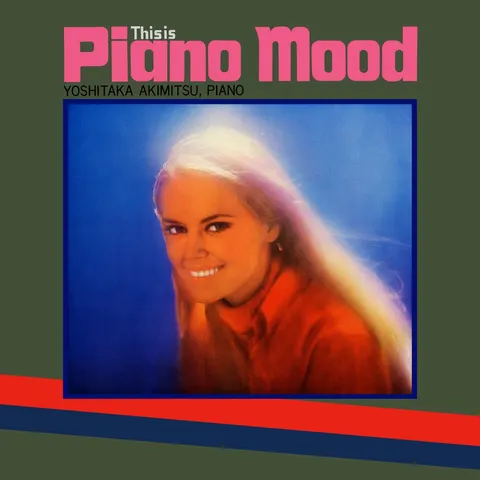
- Yoshitaka Akimitsu - pianist and co-leader of Swing Time; a long-time duo partner who passed away on 16 April 2026, aged 96.
- Ichiro Masuda - vibraphonist on Swing Time and leader of the Super Big Band on NHK-FM Live Session '92.
- Jun Sugihara - tenor saxophonist; Full Swing (1981) and Battle of Sax (1999), and a founder of KKB with Igarashi and Tadayuki Harada.
- Mari Nakamoto - vocalist on Yuzuru Sera's Swing on Birdland (Canyon, 1977), on which Igarashi plays clarinet and alto saxophone.
- Shigeko Toya - vocalist and pianist on whose Fine And Mellow (Three Blind Mice TBM-16, recorded May 1973) Igarashi plays alto saxophone on three tracks, per Discogs credits.
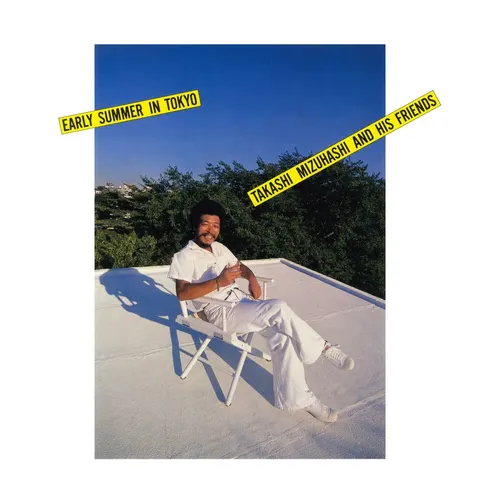
- Takashi Mizuhashi - bassist on Shigeko Toya's Fine And Mellow (Three Blind Mice TBM-16, 1973), on which Igarashi plays alto saxophone on three tracks.
- Shigemichi Domoto - trombonist on A2 and B3 of Tadao Hayashi's Finger Trip (Zen, 1978), an album on which Igarashi plays alto saxophone on A1.
More Swing Artists
See all 144 Swing artists →More Japanese Jazz Artists
See all 262 Japanese artists →- Akitoshi Igarashi official website
- Official website: profile and timeline
- Moten Swing on YouTube (concert videos linked from the official website)
- Discogs: Akitoshi Igarashi
- Wikipedia (English): Akitoshi Igarashi
- Wikipedia (Japanese): 五十嵐明要
- Akitoshi Igarashi on JazzProfiles.com
- r/JapaneseJazz
- Official website: profile and timeline
- Official website: interview "Giants of Japanese Jazz" (Sax Magazine, 2015)
- Official website: KKB
- Official website: discography, combos
- Official website: reviews
- Official website: what's new
- Wikipedia (Japanese): 五十嵐明要
- Wikipedia (English): Akitoshi Igarashi
- Japan Jazz Music Association: 2017 award recipients
- Discogs: Akitoshi Igarashi, artist 976214
- Discogs: The Complete Historic Mocambo Session '54, POCJ-2624/6
- Discogs: Alone Together, ALJ-1035
- Discogs: Swing Time, GML-CD605
- Kumamoto Nichinichi Shimbun: death of pianist Yoshitaka Akimitsu
- Wikimedia Commons: File:Igarashi Akitoshi jazz musician.jpg