 JAZZPROFILES lives in the music 1,572 Jazz Artists fully Profiled!
 Jiro Inagaki
Last updated September 5, 2026
Listen on Spotify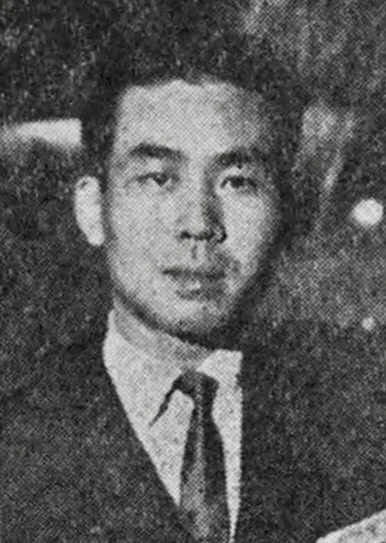
Jiro Inagaki on the cover of *Swing Journal*, January 1963 Public domain, tagged PD-Japan-organization (Japan's corporate-authorship copyright term) — Wikimedia Commons, File:Swing-Journal-1963-January-1.jpg, unknown photographer, published by Swing Journal Sha. https://commons.wikimedia.org/wiki/File:Swing-Journal-1963-January-1.jpg

Jiro Inagaki was born in Tokyo on October 3, 1933, and registered under the name Inagaki Yukio. He taught himself the saxophone and was working professionally before he finished high school, which put him on the Tokyo bandstand at the exact moment postwar Japanese jazz was inventing itself.
Through the 1950s he worked in the bands of drummer George Kawaguchi, drummer Hideo Shiraki, actor and bandleader Frankie Sakai, pianist Masao Yagi and guitarist Shungo Sawada. He was also an early member of Hana Hajime's Cuban Cats, the group that became the Crazy Cats, Japan's biggest comedy-music act of the 1960s. In 1962 he formed the Jiro Inagaki Quintet with pianist Yo Tokuyama and bassist Yasuo Arakawa, and the following year he played in Lionel Hampton's Japan tour band, a credit preserved on the live album Hamp In Japan (1965). He also recorded with Helen Merrill on Helen Merrill In Tokyo (1963), playing tenor saxophone and flute.
His model as a player moved from Sonny Stitt to Sonny Rollins, and stopped there. When John Coltrane pushed into modal and then free playing, Inagaki lost interest, saying decades later that by the time Giant Steps arrived he had had enough of trying to copy it. By the late 1960s he had spent close to twenty years as a working bebop saxophonist and had come to feel the Japanese scene had stopped moving.
The change came from a 1969 tour of the United States with drummer Takeshi Inomata. Inagaki heard Blood, Sweat & Tears, Tower of Power and Cold Blood building horn sections into rock bands, and he came home and founded Soul Media that same year. He had already tested the idea: This Is Jazz-Rock, credited to Jiro Inagaki & The All-Stars with arranger Norio Maeda, came out in 1968.
On September 14, 1970, Inagaki convened a session at Nippon Columbia's Tokyo studio with the visiting American saxophonist Steve Marcus, who was in Japan touring with Herbie Mann and Woody Herman. The band recorded onto a prototype PCM digital tape machine borrowed from the NHK Technical Research Institute. Released as an ordinary analog LP in January 1971 under the title Something, it was the first commercially issued digital recording made anywhere in the world, eleven years ahead of the Compact Disc. The sleeve carries the note "Master Sonic PCM Recording." Masahiko Satoh played piano and electric piano and wrote the arrangements, and Ryo Kawasaki played guitar.
Between those two dates came the record Inagaki is best known for among collectors. Head Rock was cut at Tokyo Studio Centre on August 6 and 7, 1970, with Inagaki on tenor and soprano, Tetsuo Fushimi on trumpet, Masaru Imada on organ, a 23-year-old Ryo Kawasaki on guitar, Yasuo Arakawa on bass and Sadakazu Tabata on drums. Two weeks earlier, on July 21, a twelve-piece version of the band had played the Midsummer Night's Jazz & Rock concert at Hibiya Amphitheater with Shunzo Ohno added on trumpet, and Nippon Columbia released the tape as Jazz & Rock "Out".
The Soul Media run that followed moved quickly and did not repeat itself. Wandering Birds (December 1971) added vocals from Sammy and Yasushi Sawada. Dōsojin (June 1972) reworked Japanese folk material. By The Red Stream (April 1973) was written, arranged and conducted by Hiromasa Suzuki for a fifteen-piece band. In The Groove (1973) traded psychedelic jazz-rock for Crusaders-style soul jazz. Funky Stuff, recorded in August 1974 and released in January 1975, is the summary statement: Hiromasa Suzuki arranging and playing Fender Rhodes, Inagaki producing and writing his own sleeve notes, and a title track borrowed from Kool & The Gang. Its third cut, "Breeze," has passed 16 million streams on Spotify.
Running underneath all of it was a second career on the same label. Discogs lists 31 releases under Inagaki's own name, and the large majority are easy-listening tenor-sax and kayōkyoku albums for Nippon Columbia: Golden Tenor Saxophone, Sentimental Tenor Mood, Tenorsax Fancy Mood, and volume after volume of hit-parade covers. He worked constantly as a session player and producer in Japanese pop, appearing on Eiichi Otaki's Niagara Moon (1975), Minako Yoshida's Minako (1975) and Flapper (1976), Kenji Sawada's records, and Niagara Triangle Vols. 1 and 2, and producing Pink Lady In Disco (1978) as well as five albums for the singer Kei Marimura. His horn section, billed as 稲垣次郎セクション, became a fixture of Otaki's Niagara productions and of Tatsuro Yamashita's early records. In 1972, at the height of the jazz-rock run, he announced that he would stop playing rock concerts.
The later leader dates are quieter and stylistically apart. Blockbuster (1978) was recorded at Toshiba EMI Studio on July 25 and 26 with Chuck Rainey's rhythm section and Norio Maeda's arrangements. Memory Lane (1980) closed out Soul Media. Jazzy (1981), billed to Jiro Inagaki & Just Friends, is a straight standards session with Yuji Ohno at the piano.
For roughly three decades the jazz-funk catalogue was almost unknown outside Japan. The route back was Yusuke Ogawa, who runs the Tokyo record shop Universounds and began reissuing this material through his Deep Jazz Reality series in the 2000s. International labels followed. In 2023 the French imprint 180g released WaJazz Legends: Jiro Inagaki, a gold double LP that Ogawa selected and annotated track by track, with Inagaki's own comments printed alongside. It came out on October 3, 2023, Inagaki's ninetieth birthday.
He passed away 107 days later, on January 18, 2024, of pneumonia. He was the last confirmed surviving member of the original Cuban Cats lineup.
Inagaki's playing came out of American hard bop tenor. Sonny Stitt was his first model, Sonny Rollins his second, and he was open about where he stopped following the music: Coltrane's move into modal and free playing did not interest him, and he said so plainly rather than pretending otherwise. That refusal shaped what came next. Instead of chasing harmonic complexity he went after rhythm and mass, which is why Soul Media sounds less like a jazz group playing rock tunes and more like a horn section behaving as a rhythm section.
The Soul Media sound is built from fuzz guitar, Hammond and Fender Rhodes, hard drum breaks, and a tightly voiced brass line that punches rather than floats. Its American reference points are explicit: Blood, Sweat & Tears and Tower of Power for the horns-in-rock idea, Kool & The Gang and the Crusaders for the funk and soul-jazz turn after 1973. What keeps the records from being derivative is the writing and arranging he brought in from the Japanese scene, particularly Hiromasa Suzuki, whose charts for By The Red Stream and Funky Stuff give the band its distinctive weight, and Masahiko Satoh, whose electric-piano playing on Something pushes the group toward free territory the studio dates rarely reach.
His tone across all of it stayed warm, broad and vocal, which is exactly what made him employable on hundreds of easy-listening and pop sessions in the same years. The two halves of his career were never really at war; the same big tenor sound carried both.
- Head Rock (1970, Nippon Columbia) - The jazz-rock pivot, recorded over two days in August 1970 with Ryo Kawasaki and Masaru Imada. The record collectors chase, and the one most reissued. Spotify - Head Rock
- Something (1971, Nippon Columbia) - With Steve Marcus. The first commercially released digital recording made anywhere in the world, cut on an NHK prototype PCM machine on September 14, 1970. Not currently on Spotify. Apple Music - Something Listen
- In The Groove (1973, Nippon Columbia) - The turn from psychedelia toward soul jazz, made after Inagaki heard the Crusaders. Spotify - In The Groove Listen · Buy
- Funky Stuff (1975, Nippon Columbia) - His best-known album, arranged by Hiromasa Suzuki and produced by Inagaki himself. Start here. Spotify - Funky Stuff
- WaJazz Legends: Jiro Inagaki (2023, 180g / Universounds) - Yusuke Ogawa's career retrospective, released on Inagaki's ninetieth birthday with the artist's own commentary. The best single entry point to the whole catalogue. Spotify - WaJazz Legends Listen
Jiro Inagaki: Full Discography
Jiro Inagaki (稲垣次郎), 3 October 1933 to 18 January 2024. Tenor, soprano and alto saxophone, flute, bandleader, producer.
Recorded under his own name and under the band names Jiro Inagaki & Soul Media, Jiro Inagaki & The All-Stars, Jiro Inagaki & His Rhythm Machine, Jiro Inagaki & Golden Poppers, Jiro Inagaki & Just Friends, and 稲垣次郎セクション (the Jiro Inagaki Section).
Leader: the jazz-rock and jazz-funk catalogue (Soul Media, 1970 to 1980)
| Album | Year | Label | Personnel | Notes | Listen | Buy |
|---|---|---|---|---|---|---|
| Head Rock (ヘッド・ロック) | 1970 | Nippon Columbia, XMS-10028-CT, Takt Jazz Series | Jiro Inagaki (tenor, soprano sax), Tetsuo Fushimi (trumpet), Masaru Imada (organ), Ryo Kawasaki (guitar), Yasuo Arakawa (bass), Sadakazu Tabata (drums) | Recorded at Tokyo Studio Centre, 6 and 7 August 1970. Seven tracks. Reissued 2007, 2014, 2018 and again on coloured vinyl in 2024 and 2025 | Spotify | Amazon |
| Woodstock Generation | 1970 | Union Records, ULP-1007 | Jiro Inagaki (arrangements), Soul Media | Issued under the name "The Soul Medium" because of a contractual conflict. Nine tracks including "Head Rock" and "The Ground For Peace" | YouTube | Amazon |
| Summertime Blues | 1970 | Victor World Group, SMJX-10112 | Soul Media | Fourteen covers, including "Bridge Over Troubled Water" and "El Condor Pasa" | not found | Amazon |
| Jazz & Rock "Out" (真夏の夜のロック) | 1970 | Nippon Columbia, JPS-5215 | Jiro Inagaki (tenor), Shigeo Suzuki (alto), Tadayuki Harada (baritone), Tetsuo Fushimi / Takehisa Suzuki / Shunzo Ohno (trumpets), Shigemichi Domoto / Takashi Imai (trombones), Masaru Imada (organ), Ryo Kawasaki (guitar), Yasuo Arakawa (bass), Sadakazu Tabata (drums) | Recorded live at the Midsummer Night's Jazz & Rock concert, Hibiya Amphitheater, 21 July 1970. Released 25 November 1970 | Spotify | Amazon |
| Something (サムシング) | 1971 | Nippon Columbia, NCB-7003 | Steve Marcus (tenor, soprano sax), Jiro Inagaki (tenor sax), Masahiko Satoh (piano, electric piano, arrangements), Ryo Kawasaki (electric guitar), Yasuo Arakawa (bass), Hajime Ishimatsu and Seiji Tanaka (drums) | Recorded in Tokyo, 14 September 1970, on a prototype PCM digital recorder on loan from the NHK Technical Research Institute. Released January 1971 as the first commercially issued digital recording. Sleeve carries the note "Master Sonic PCM Recording" | Apple Music | Amazon |
| Wandering Birds (女友達) | 1971 | Nippon Columbia, NCB-7013 | Jiro Inagaki (tenor, soprano sax, flute), Sammy and Yasushi Sawada (vocals), Soul Media | Released December 1971. Seven tracks | YouTube | Amazon |
| Bridge Over Troubled Water (明日にかける橋) | 1971 | Nippon Columbia, NCB-7010 | Masahiko Satoh (piano, electric piano, arrangements), Jiro Inagaki (tenor sax), Big Soul Media | Co-billed with Masahiko Satoh. Released 25 July 1971. Includes "Sniper's Snooze" and "Serenity" | Apple Music | Amazon |
| Quad Dimension / Rock'n Latin | 1971 | Nippon Columbia, Q(B)-9001 | Soul Media with the Tokyo Cuban Boys, conducted by Tadaaki Misago, arranged by Toshihiko Ogawa | Quadraphonic "Master Sonic Disc" release | YouTube | Amazon |
| Rough & Elegance | 1972 | Denon, NCB-8004 | Jiro Inagaki with the Grand Spaceship Orchestra, arranged by Hiromasa Suzuki | Released October 1972. Twelve pop and soul covers. Another PCM digital recording | Spotify | Amazon |
| Dōsojin (道祖神 やぶにらみ民謡考) | 1972 | Nippon Columbia, NCB-7017 | Soul Media, Yasushi Sawada (vocals), composed and arranged by Yasuhiro Koyama | Released June 1972. A folk-song concept record. Its track "Tabute" was later selected for the 2023 WaJazz retrospective | YouTube | Amazon |
| Dock Of My Mind (街は風の港) | 1972 | Nippon Columbia, JDX-7006 | Yasushi Sawada (vocals, piano, organ, flute), Soul Media and the Tokyo Chamber Music Society, arranged by Kuni Kawachi, produced by Jiro Inagaki | Released 25 October 1972 | YouTube | Amazon |
| New Hits Explosion | 1972 | Nippon Columbia / Denon | Soul Media | Covers set | Spotify | Amazon |
| By The Red Stream | 1973 | Nippon Columbia, NCB-7019 | Composed, arranged and conducted by Hiromasa Suzuki (piano, organ), Jiro Inagaki (alto, tenor sax), Shigeo Suzuki (alto), Tadayuki Harada (baritone), Tetsuo Fushimi / Takehisa Suzuki / Takeshi Nomura (trumpets), Kazuo Usui / Shigemichi Domoto / Tadataka Nakazawa (trombones), Masaru Imada (piano, organ), Tsunehide Matsuki (guitar), Yasuo Arakawa (bass), Hajime Ishimatsu (drums) | Released April 1973. A fifteen-piece Big Soul Media date built around Hiromasa Suzuki's writing | YouTube | Amazon |
| In The Groove | 1973 | Nippon Columbia, NCB-7021 | Soul Media | Ten tracks. The turn from psychedelic jazz-rock toward Crusaders-style soul jazz. Reissued 2012 and again on coloured vinyl in 2026 | Spotify | Amazon |
| The Underground Rulers (オメルタ 沈黙の掟) | 1973 | Nippon Columbia, JDX-101 | Soul Media, with rōkyoku narration by Tatsumaru Naniwaya | A "Godfather" theme record with spoken narration, well outside the rest of the catalogue | Spotify (theme track on WaJazz Legends comp) | Amazon |
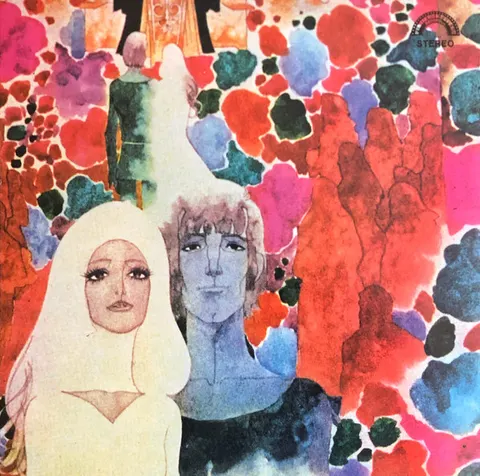
| Funky Stuff (ファンキー・スタッフ) | 1975 | Nippon Columbia, KZ-7502 | Jiro Inagaki (tenor, alto sax, flute, producer, liner notes), Hiromasa Suzuki (Fender Rhodes, arrangements), Takashi Imai (trombone), Hiroshi Yasukawa (guitar), Akira Okazawa (electric bass), Hajime Ishimatsu (drums) | Recorded August 1974, released January 1975. Eight tracks. Title cut is a Kool & The Gang cover. Sleeve illustration by Johsuke Kubo. His best-known record; "Breeze" has passed 16 million Spotify streams | Spotify | Amazon |
| Funky Best | 1975 | Nippon Columbia | Billed to J. Inagaki & His Friends | Compilation of the jazz-funk material | Spotify | Amazon |
| Blockbuster | 1978 | Eastworld, EWLF-98002 | Jiro Inagaki (tenor sax, producer), Chuck Rainey (bass), Paul Leim (drums), Larry Nash (keyboards), Mitch Holder (guitar), Luis Conte (percussion), Harumi Mita (trombone), Kazumi Takeda / Kenji Yoshida / Kunitoshi Shinohara / Susumu Kazuhara (trumpets), Masao Suzuki and Shunzo Sunahara (baritone sax), arranged by Norio Maeda | Recorded at Toshiba EMI Studio, 25 and 26 July 1978, with an American rhythm section. Includes the "Starsky & Hutch" theme | YouTube | Amazon |
| Memory Lane | 1980 | Nippon Columbia, YF-7003-AX | Soul Media, produced by Jiro Inagaki | Nine tracks. The last Soul Media studio album | YouTube | Amazon |
| Jazzy | 1981 | Nippon Columbia, YX7290 | Billed to Jiro Inagaki & Just Friends: Jiro Inagaki (tenor sax, flute), Yuji Ohno (piano, arrangements), Tetsuo Fushimi (trumpet), Kiyoshi Sugimoto (electric guitar), Kunimitsu Inaba (bass), Hajime Ishimatsu (drums) | A straight-ahead standards date, seven tracks, well after the jazz-funk run had ended | YouTube | Amazon |
Leader: Jiro Inagaki & The All-Stars (1968 to 1971)
| Album | Year | Label | Personnel | Notes | Listen | Buy |
|---|---|---|---|---|---|---|
| This Is Jazz-Rock | 1968 | Nippon Columbia, YS-10036-J | Jiro Inagaki & The All-Stars with Norio Maeda | Twelve covers, from "Watermelon Man" to "House Of The Rising Sun". The earliest jazz-rock statement under his name, a year before Soul Media | Spotify | Amazon |
| Jazz Rock Mini Deluxe | 1968 | Nippon Columbia | with Norio Maeda | 7-inch EP | not found | Amazon |
| Yube No Himitsu (Best Hits In Bossa Lock) (ゆうべの秘密) | 1968 | Nippon Columbia | The All-Stars | not found | Amazon | |
| Shirisugitanone (知りすぎたのね テナー・サックス・ベスト・ヒット) | 1968 | Nippon Columbia | The All-Stars | Gatefold LP | not found | Amazon |
| Minatomachi Burusu / Iki Na Uwasa (港町ブルース・粋なうわさ) | 1969 | Nippon Columbia | The All-Stars | Gatefold LP | not found | Amazon |
| Tenor Sax Screen Mood | 1969 | Nippon Columbia | The All-Stars | not found | Amazon | |
| Tenor Sax Standard Album | 1969 | Nippon Columbia | The All-Stars | Promo pressing | not found | Amazon |
| Sunny: Easy Listening With You | 1969 | Nippon Columbia | His All-Stars | Spotify | Amazon | |
| "Tenor Sax" Shianbashi No Hito / Toshiue No Hito | 1969 | Nippon Columbia | The All-Stars | Reissued 1977 | not found | Amazon |
| Jukebox Hit Hit! (ジューク・ボックス・ヒット・ヒット!) | 1971 | Nippon Columbia | J. Inagaki & His All Stars | YouTube | Amazon | |
| Harlem Nocturne (ハーレム・ノクターン) | 1971 | Nippon Columbia | The All-Stars | Promo pressing | not found | Amazon |
Leader: Jiro Inagaki & His Rhythm Machine, and Golden Poppers (1968 to 1973)
| Album | Year | Label | Personnel | Notes | Listen | Buy |
|---|---|---|---|---|---|---|
| Golden Young Pops | 1968 | Denon | Jiro Inagaki & Golden Poppers with Shoji Yokouchi | not found | Amazon | |
| Golden Young Pops Vol. 3 (悲しき天使) | 1968 | Nippon Columbia | Golden Poppers | not found | Amazon | |
| All About R&B (R&Bのすべて) | 1969 | Nippon Columbia | J. Inagaki & His Black Rhythm Machine | Fourteen R&B covers. Gatefold LP | Spotify | Amazon |
| Beatles Hit! Hit! | 1969 | Denon | His Rhythm Machine | Gatefold LP | not found | Amazon |
| Rock-A-Billy Revival | 1970 | Nippon Columbia | His Rhythm Machine | Spotify, YouTube | Amazon | |
| Do You Know The Way To San Jose? | 1970 | Nippon Columbia | His Rhythm Machine | Spotify, YouTube | Amazon | |
| Kayo Hit Sokuho: Shiroi Guitar / Miryoku No March (歌謡ヒット速報 白いギター/魅力のマーチ) | 1973 | Nippon Columbia | Golden Poppers | not found | Amazon |
Leader: the tenor-sax mood and kayōkyoku catalogue (under his own name, 1962 to 1974)
Recorded for Nippon Columbia and Toshiba alongside the jazz-rock work, and far more numerous than it. Mostly hit-parade covers and easy-listening tenor programmes. None of this material is on streaming services.
| Album | Year | Label | Personnel | Notes | Listen | Buy |
|---|---|---|---|---|---|---|
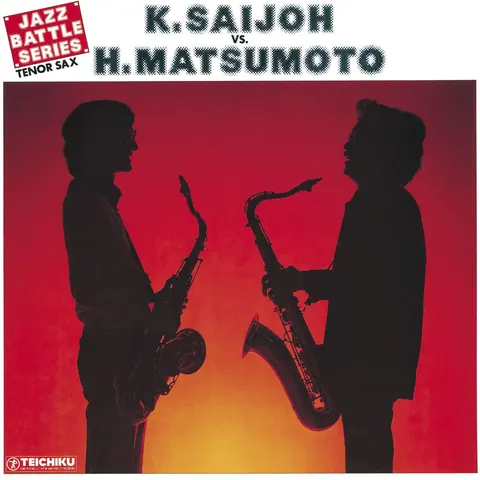
| Saxophone Fantasy (サックス・ファンタジー) | 1962 | Kodama Press | with Hidehiko Matsumoto and Akira Miyazawa | 7-inch. A three-tenor date with two of the era's leading players | not found | Amazon |
| Sentimental Tenor Mood | 1964 | Toshiba Musical Industries | Jiro Inagaki | 10-inch red vinyl | not found | Amazon |
| Go-Go With Kayama (加山雄三とゴー・ゴー) | 1967 | Toshiba | with Yuzo Kayama, Hiroshi Kaneko, Akira Ishikawa & The Midnight Suns | Red vinyl | not found | Amazon |
| Top Stars In Tenor Sax | 1967 | Nippon Columbia | with Yasunobu Matsuura and the Golden Sounds Orchestra | YouTube | Amazon | |
| New Hit Best 14 (ニュー・ヒット・ベスト14) | 1968 | Nippon Columbia | with Kaoru Akimoto and Yoshio Kimura | not found | Amazon | |
| Shianbashi Burusu: Tenor No Kyoen (思案橋ブルース テナーの競演) | 1968 | Nippon Columbia | with Yasunobu Matsuura, Kaoru Akimoto, Yoon Ki Gil | not found | Amazon | |
| Golden Hit Tenor Sax Mood (ゴールデン・ヒット・テナー・サックス・ムード) | 1968 | Nippon Columbia | with the Columbia Ensemble | Double LP, gatefold | not found | Amazon |
| Golden Tenor Saxophone (愛のさざなみ) | 1968 | Nippon Columbia | Jiro Inagaki | not found | Amazon | |
| Otaru No Hitoyo: New Hit Best 14 (小樽のひとよ) | 1968 | Nippon Columbia | with Yoshio Kimura, Teruyuki Fukushima, Nobuo Inui | not found | Amazon | |
| Kanashimi Wa Kakeashi De Yattekuru (悲しみは駆け足でやってくる) | 1969 | Nippon Columbia | with Yoshio Kimura and Columbia Strings | Gatefold LP | not found | Amazon |
| Beat Beat Beat | 1969 | Nippon Columbia | Jiro Inagaki & His Golden Poppers | not found | Amazon | |
| Yoru No Anatani / Morobamu Mood (夜のあなたに / 盛り場ムード) | 1969 | Nippon Columbia | with Shungo Sawada | Promo pressing | not found | Amazon |
| Yottsu No Onegai (四つのお願い) | 1970 | Nippon Columbia | with Yoshio Kimura | Gatefold LP | not found | Amazon |
| Wakareta Atode / Ginza No Onna | 1970 | Nippon Columbia | with Yoshio Kimura and the New Chamber Music Society | Gatefold LP | not found | Amazon |
| All Hit Party! (オール・ヒット・パーティ) | 1971 | Nippon Columbia | with Yoshio Kimura | Gatefold LP | not found | Amazon |
| Tenorsax Fancy Mood | 1972 | Nippon Columbia | with the Fancy Pops Orchestra | not found | Amazon | |
| '72 Hit Kyoku Yoran ('72 ヒット曲要覧) | 1972 | Nippon Columbia | with Yoshio Kimura and Columbia New Beat | Double LP | not found | Amazon |
| Kyō No Niwaka Ame / Niji O Watatte (京のにわか雨 / 虹をわたって) | 1972 | Nippon Columbia | with the Tokyo Chamber Music Society | not found | Amazon | |
| Hatoba Enka (波止場艶歌) | 1973 | Nippon Columbia | with Yasunobu Matsuura | Double LP, gatefold | not found | Amazon |
| Furusato Enka (ふるさと艶歌) | 1973 | Nippon Columbia | with Yasunobu Matsuura | Double LP | not found | Amazon |
| Kayō Hit Sokuhō: Gekijō / Wakaba No Sasayaki (歌謡ヒット速報 劇場/若葉のささやき) | 1973 | Nippon Columbia | with Columbia Sound Special | Promo pressing | not found | Amazon |
| Tenor Sax / Ecstasy Mood | 1974 | Nippon Columbia | with Yasunobu Matsuura and George Takano | Double LP compilation, gatefold | not found | Amazon |
| Kayō Hit Sokuhō: Futari No Kyūkō Ressha (歌謡ヒット速報 ふたりの急行列車) | 1974 | Nippon Columbia | with Golden Pops | not found | Amazon | |
| Kayō Hit Sokuhō (歌謡ヒット速報) | 1974 | Nippon Columbia | with Golden Pops | not found | Amazon | |
| Mood In Blues | undated | Nippon Columbia | with Yasunobu Matsuura | not found | Amazon |
As producer
| Release | Artist | Year | Label | Notes | Listen | Buy |
|---|---|---|---|---|---|---|
| One For Elton John | Mao | 1971 | not found | Amazon | ||
| Call On Me (僕を呼んでおくれ) | Mao | 1972 | Liberty | Inagaki also appears as a player | YouTube | Amazon |
| Dock Of My Mind (街は風の港) | Yasushi Sawada | 1972 | Nippon Columbia | Also released as a 7-inch single | YouTube | Amazon |
| Woman, Robinson Crusoe / Rock Steady | Sammy with J. Inagaki & Soul Media | 1972 | Nippon Columbia | Spotify | Amazon | |
| Funky Stuff | Soul Media | 1975 | Nippon Columbia | Spotify | Amazon | |
| First / Second | Masao Kusakari | 1975, 1976 | Toho Records | not found | Amazon | |
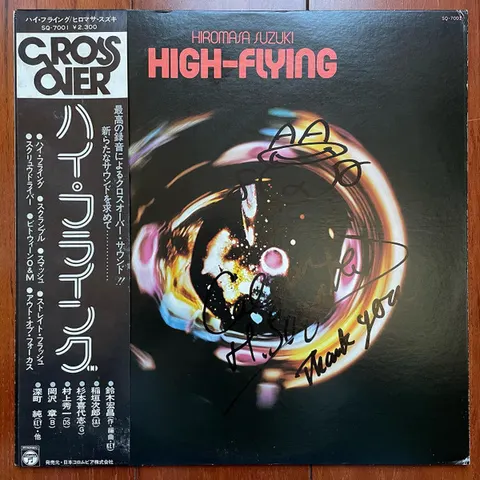
| High-Flying | Hiromasa Suzuki | 1976 | Spotify | Amazon | ||
| Pink Lady In Disco | Pink Lady | 1978 | Victor | not found | Amazon | |
| Steffanie De Praia (海辺のステファニー) | Naoya Matsuoka | 1978 | Spotify | Amazon | ||
| Memory Lane | Soul Media | 1980 | Nippon Columbia | YouTube | Amazon | |
| I'll Remember April, Misty, Wind-Breaker | Norio Maeda & Wind-Breakers | 1980, 1981, 1983 | Discomate | Inagaki also plays on these | Spotify: I'll Remember April, Spotify: Wind-Breakers | Amazon |
| Elegance, The Man I Love, P.S. I Love You, Beautiful Dreamer Live, Favourite Standard | Kei Marimura | 1982 to 1984 | Discomate | Five albums | not found | Amazon |
| Moment | Naomi Miyanaga | 1984 | not found | Amazon | ||
| Blue Eyes | Miki Matsubara | 1984 | YouTube | Amazon | ||
| The Shadow Of Your Smile | Norio Maeda Trio | 1986 | Apollon | not found | Amazon | |
| Seiki No Uta, Kokoro No Uta (世紀の歌 こころの唄) | Izumi Yukimura | 1992 | Nippon Columbia | not found | Amazon | |
| Painted Paradise / Breeze | Soul Media | 2018 | Nippon Columbia / Deep Jazz Reality | Record Store Day 7-inch | Spotify | Amazon |
As sideman and guest
Chronological. Playing credits only; releases where he contributed liner notes rather than performance are listed separately below.
| Release | Leader | Year | Role | Listen | Buy |
|---|---|---|---|---|---|
| TV & Screen Hits, Battle Of Funky | Modern Jazz All Stars | 1961 | saxophone | not found | Amazon |
| Karuizawa Music Inn Vol. 1 | various | 1961 | saxophone | not found | Amazon |
| Jazz Festival At Karuizawa Newtown 2 and 3 | various | 1963 | saxophone | not found | Amazon |
| Helen Merrill In Tokyo | Helen Merrill | 1963 | tenor saxophone, flute | Spotify | Amazon |
| Hamp In Japan / Live | Lionel Hampton | 1965 | saxophone | not found | Amazon |
| Best Hits A Go Go | Count Four | 1966 | saxophone | not found | Amazon |
| Hideo Shiraki Meets Yuzo Kayama Vols. 1 and 2 | Hideo Shiraki | 1966, 1967 | saxophone | not found | Amazon |
| Rhythm And Blues In Rock 'N' Roll | Akira Ishikawa & The Midnight Sounds | 1968 | saxophone | not found | Amazon |
| Tenor Sax Mood | Yasunobu Matsuura | 1968 | tenor saxophone | not found | Amazon |
| This Is Modern Shakuhachi Vol. 2 | Minoru Muraoka | 1968 | saxophone | Spotify | Amazon |
| Koshiji Fubuki Long Recital | Fubuki Koshiji | 1969 | saxophone | not found | Amazon |
| Hawaii Five-O | Newborn Orchestra | 1969 | saxophone | not found | Amazon |
| Sensational Jazz '70 Vols. 1 and 2 | various | 1970 | Soul Media | Spotify: Vol. 1, Spotify: Vol. 2 | Amazon |
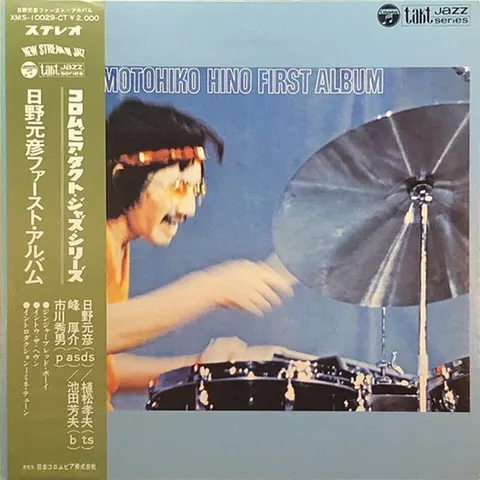
| Beat Drums (ビート・ドラム) | Motohiko Hino & His Friends | 1971 | tenor saxophone | not found | Amazon |
| Jazz In Symphony | Norio Maeda | 1973 | saxophone | YouTube | Amazon |
| A Book Written About Greece (ギリシャについて書かれた本) | Akira Okazawa | 1973 | saxophone | Spotify | Amazon |
| Ballads In Jazz Solitude | Kiyoshi Yamaya, Yasuo Arakawa | 1974 | saxophone | Spotify | Amazon |
| Niagara Moon | Eiichi Otaki | 1975 | tenor saxophone | Spotify | Amazon |
| Minako | Minako Yoshida | 1975 | saxophone | Spotify | Amazon |
| Ikutsuka No Bamen (いくつかの場面) | Kenji Sawada | 1975 | saxophone | Spotify | Amazon |
| High-Flying | Hiromasa Suzuki | 1976 | saxophone | Spotify | Amazon |
| Flapper | Minako Yoshida | 1976 | saxophone | Spotify | Amazon |
| Niagara Triangle Vol. 1 | Niagara Triangle | 1976 | Inagaki Section horns | not found | Amazon |
| Yume De Aetara (夢で逢えたら) | Sylvia Paul | 1977 | saxophone | Spotify | Amazon |
| Recital, NHK Hall Live | Kenji Sawada | 1977 | saxophone | YouTube | Amazon |
| Tarao Bannai Gakudan Vol. 2 | Tarao Bannai Gakudan | 1978 | saxophone | not found | Amazon |
| Debut | Eiichi Otaki | 1978 | saxophone | Spotify | Amazon |
| Fly Like A Bird | Miyuki Maki | 1978 | saxophone | not found | Amazon |
| Boomerang Baby | Hideo Shiraki Quintet | 1980 | saxophone | not found | Amazon |
| Tatsuro Yamashita From Niagara | Tatsuro Yamashita | 1980 | Inagaki Section horns | not found | Amazon |
| Go! Go! Niagara | Eiichi Otaki | 1981 | saxophone | Spotify | Amazon |
| I'm A Woman | Miki with Wind Breakers | 1981 | saxophone | not found | Amazon |
| Niagara Triangle Vol. 2 | Niagara Triangle | 1982 | Inagaki Section horns | Spotify | Amazon |
| Eijiro Nakagawa & Funk '55 | Eijiro Nakagawa | 1992 | saxophone | Spotify | Amazon |
Liner-note credits (not performances)
Nasty Gal, Betty Davis (1975, Japanese pressing, commentary); The Brecker Bros., The Brecker Brothers (1975, Japanese pressing); Southern Comfort, The Crusaders (1979, Japanese pressing, insert).
Compilations and reissues
| Release | Year | Label | Notes | Listen | Buy |
|---|---|---|---|---|---|
| Funky Best Groove | 1997 | Nippon Columbia | CD compilation of the Soul Media jazz-funk material | not found | Amazon |
| Jazz Rock Legend | 2013 | Nippon Columbia, COCB-54055 | Fourteen tracks, compiled and annotated by Yusuke Ogawa as reissue producer. The Deep Jazz Reality campaign in CD form | Spotify | Amazon |
| Sensational Jazz '70 Vol. 0 | 2015 | Nippon Columbia | Shared LP with Takeshi Inomata & Sound Limited, Akira Ishikawa & Count Buffaloes, and Toshiyuki Miyama & The New Herd | Spotify | Amazon |
| WaJazz Legends: Jiro Inagaki, Selected by Yusuke Ogawa (Universounds) | 2023 | 180g / Universounds / HMV Record Shop / Deep Jazz Reality, 180GHMVLP03 | Gatefold 180g gold double LP, released 3 October 2023, Inagaki's ninetieth birthday. Fourteen tracks on the vinyl edition, twenty-three on the streaming edition, spanning 1968 to 1984, with track-by-track notes by Ogawa and comments by Inagaki. Includes a previously unreleased version of "Express" | Spotify | Amazon |
| Funky Stuff and In The Groove, purple vinyl reissues | 2026 | Nippon Columbia / Deep Jazz Reality | Limited remastered pressings | not found | Amazon |
- Jiro Inagaki & Soul Media (1969-1980) - bandleader, tenor, soprano and alto saxophone, flute. Core and recurring members across the decade included Yasuo Arakawa (bass), Hajime Ishimatsu and Sadakazu Tabata (drums), Tetsuo Fushimi and Takehisa Suzuki (trumpets), Shigeo Suzuki (alto saxophone), Tadayuki Harada (baritone saxophone), Shigemichi Domoto and Takashi Imai (trombones), Masaru Imada (organ and piano), Hiromasa Suzuki (keyboards, arranger and conductor), Ryo Kawasaki and Tsunehide Matsuki (guitars).
- Jiro Inagaki & The All-Stars (1968-1971) - bandleader, working with arranger Norio Maeda on This Is Jazz-Rock and Jazz Rock Mini Deluxe.
- Jiro Inagaki & His Rhythm Machine and Golden Poppers (1968-1973) - bandleader on a run of R&B, Beatles and rockabilly covers sets.
- Jiro Inagaki & Just Friends (1981) - bandleader on Jazzy, with Yuji Ohno (piano, arrangements), Tetsuo Fushimi (trumpet), Kiyoshi Sugimoto (guitar), Kunimitsu Inaba (bass) and Hajime Ishimatsu (drums).
- Steve Marcus - co-billed on Something (1971). Marcus was touring Japan with Herbie Mann and Woody Herman when Inagaki invited him to the session.
- Masahiko Satoh - piano, electric piano and arrangements on Something (1971), and co-billed leader on Bridge Over Troubled Water (1971).
- Hiromasa Suzuki - composer, arranger and conductor on By The Red Stream (1973), arranger and Fender Rhodes on Funky Stuff (1975), arranger on Rough & Elegance (1972). Inagaki also produced Suzuki's High-Flying (1976) and played on it.
- Chuck Rainey Rhythm Section - co-billed on Blockbuster (1978), with Paul Leim (drums), Larry Nash (keyboards), Mitch Holder (guitar) and Luis Conte (percussion).
- Norio Maeda - arranger on This Is Jazz-Rock (1968) and Blockbuster (1978); Inagaki produced and played on Maeda's Wind-Breakers albums I'll Remember April (1981), Misty (1983) and the Norio Maeda Trio's The Shadow Of Your Smile (1986).
- Lionel Hampton - saxophone on Hamp In Japan / Live (1965), from Hampton's 1963 Japan tour.
- Helen Merrill - tenor saxophone and flute on Helen Merrill In Tokyo (1963).
- Hideo Shiraki - saxophone on Hideo Shiraki Meets Yuzo Kayama Vols. 1 and 2 (1966, 1967) and Boomerang Baby (1980).
- Motohiko Hino - tenor saxophone on Beat Drums (1971), credited to Motohiko Hino & His Friends.
- Akira Ishikawa - saxophone on Rhythm And Blues In Rock 'N' Roll (1968), credited to Akira Ishikawa & The Midnight Sounds.
- Eiichi Otaki and the Niagara circle - tenor saxophone on Niagara Moon (1975), Debut (1978) and Go! Go! Niagara (1981); his horn section, 稲垣次郎セクション, also appears on Niagara Triangle Vols. 1 and 2 and on Tatsuro Yamashita's From Niagara (1980).
- As producer in Japanese pop - Pink Lady In Disco (1978), Naoya Matsuoka's Steffanie De Praia (1978), Miki Matsubara's Blue Eyes (1984), and five albums for Kei Marimura between 1982 and 1984.
More Hard Bop Artists
See all 304 Hard Bop artists →More Japanese Jazz Artists
See all 70 Japanese artists →- Nippon Columbia official artist page
- Spotify: Jiro Inagaki and His Soul Media
- Discogs: Jiro Inagaki
- Discogs: Jiro Inagaki & Soul Media
- Wikidata: Jiro Inagaki (Q105576139)
- Jiro Inagaki on jazzprofiles.com
- r/JapaneseJazz
- Discogs API: artist 857263 (Jiro Inagaki), artist 3046567 (Jiro Inagaki & Soul Media), artist 1214998 (The All-Stars), artist 7668126 (His Rhythm Machine), artist 7648953 (Just Friends), artist 4322132 (Golden Poppers), artist 9983917 (稲垣次郎セクション), plus release-level credits for Head Rock (9329077), Something (4704258), Jazz & Rock "Out" (18941098), By The Red Stream (17575675), In The Groove (15288825), Funky Stuff (4995856), Blockbuster (1020018), Memory Lane (8450758), Jazzy (14763556) and WaJazz Legends (28512280).
- Japanese Wikipedia, 稲垣次郎: https://ja.wikipedia.org/wiki/稲垣次郎
- Wikidata, Q105576139: https://www.wikidata.org/wiki/Q105576139
- Realsound interview, November 2023, "西城秀樹、大滝詠一ら支えたミュージシャン 稲垣次郎 90歳の視点で語る日本ジャズ史と海外からの評価": https://realsound.jp/2023/11/post-1478185.html
- amass obituary, "サックス奏者/プロデューサーの稲垣次郎が死去": https://amass.jp/173641/
- Mikiki (Tower Records), "稲垣次郎が90歳で死去": https://mikiki.tokyo.jp/articles/-/37042
- Positive Feedback, "Denon PCM Digital, Part 1": https://positive-feedback.com/high-fidelity/technology-music-digital-recorders-denon-pcm-digital-part-1/
- Light in the Attic, Something release page: https://lightintheattic.net/products/something
- Juno Daily, "Dusted Down: Jiro Inagaki and Soul Media, Funky Stuff": https://www.juno.co.uk/junodaily/2022/07/15/dusted-down-jiro-inagaki-and-soul-media-funky-stuff-nippon-columbia/
- Spotify artist and album pages, individually opened and checked against artist name and release year.