 JAZZPROFILES lives in the music 1,765 Jazz Artists fully Profiled!
Hideo Shiraki
Last updated October 21, 2026
Listen on Spotify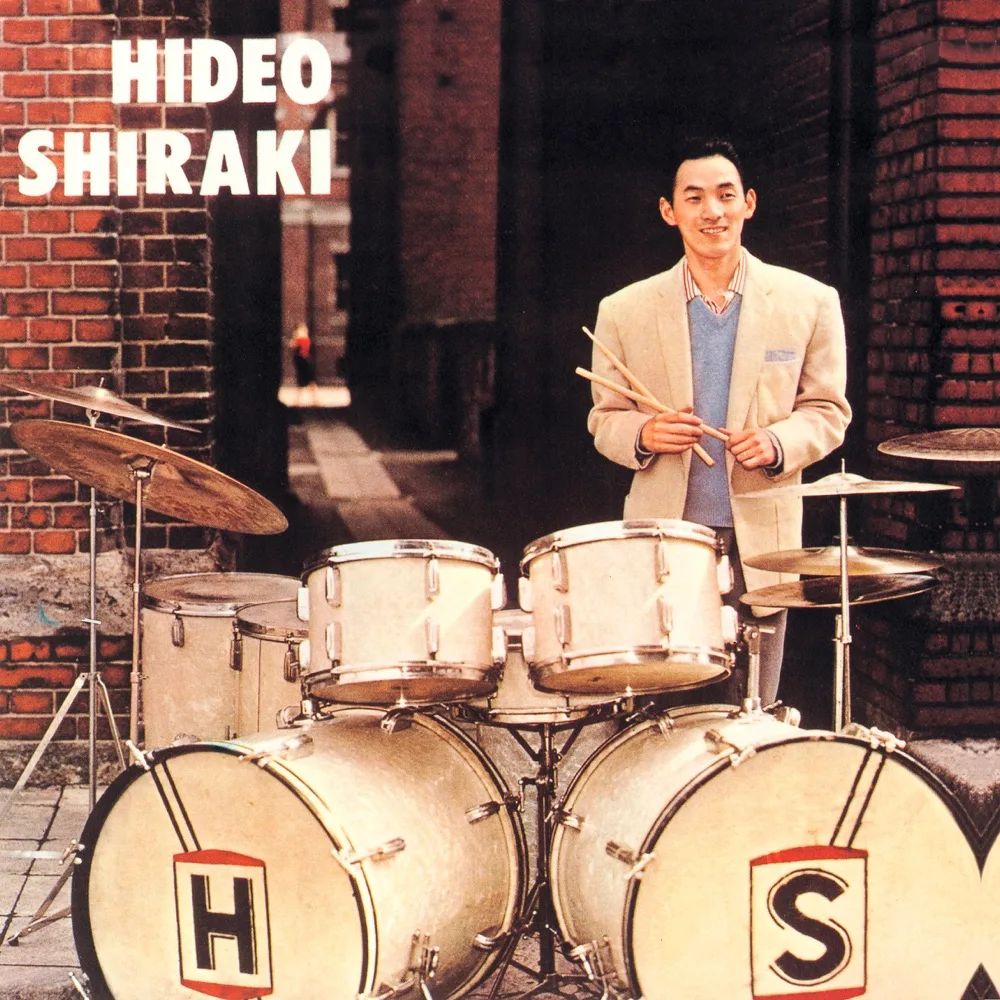
Hideo Shiraki behind his drum kit on the front cover of his first album *Hideo Shiraki*, King Records, 1959. Standard copyright, all rights reserved, held by King Record Co., Ltd (the Apple Music listing carries the line "1959 King Record Co.,Ltd"). This is not a Creative Commons or public-domain image, and it is not presented as one. It is an album cover whose front photograph shows the artist alone, standing behind his own drum kit with his initials painted on the bass drums, used here as an honestly disclosed editorial stand-in for a portrait. The cover photographer is not credited in the sources consulted. — Cover artwork for the album as published on the Apple Music release page (https://music.apple.com/jp/album/1777020927), downloaded at 1000 x 1000 pixels (379,900 bytes) and saved locally as portrait.jpg in this folder, not hotlinked. It was not taken from Discogs.
Hideo Shiraki (白木秀雄) was the drummer Japanese jazz readers voted number one eleven years in a row, and the leader of the quintet that took the "funky" hard bop of the late 1950s from Tokyo clubs to the Berlin Jazz Festival. He was born Hideyasu Kashiwakura (柏倉秀康) on January 1, 1933, in the Kanda district of Tokyo, into a family that ran a liquor shop. At Kinjo High School he played drums in the harmonica band, and in 1951 he entered the percussion department of the Tokyo University of the Arts. Only two students enrolled in percussion that year. The other was Hiroyuki Iwaki, later one of Japan's best-known conductors, who would write an essay about his old classmate after his death.
The university frowned on its students playing paid gigs, so Kashiwakura worked under a stage name, made by splitting the character kashiwa (柏) in his family name into shiro and ki (白木). He left the university without graduating and spent the early 1950s drumming in other people's bands: the Blue Coats, Raymond Conde's Gay Septet (where he took over the drum chair from George Kawaguchi), Teruo Yoda's Six Lemons, where he replaced the comedian Frankie Sakai, and Mitsuru Ono's Four Brothers. A first trio of his own, formed in 1953, soon broke up.
In April 1957 he signed with the Watanabe Productions agency and formed the Hideo Shiraki Quintet. The same year he provided the drum sound for the singer and film star Yujiro Ishihara in the film Arashi o Yobu Otoko (The Man Who Causes a Storm), and played behind Ishihara on the title song under the name Hideo Shiraki and All Stars. In 1957 King also released Drum-Scope, a drum-battle record that set him against George Kawaguchi and Jimmy Takeuchi with Nobuo Hara's big band. On November 26 and 27, 1958, he recorded his first album as a leader, Hideo Shiraki (King, 1959), with Akira Miyazawa on tenor saxophone, Akira Fukuhara on trumpet, Kazuo Yashiro on piano and arrangements, Hachiro Kurita on bass and Takeshi Onodera on percussion. Its cover shows him standing behind his kit, with his initials painted on the bass drums.
The classic quintet took shape around Hidehiko Matsumoto on tenor saxophone and flute, Fukuhara on trumpet, Yuzuru Sera on piano and Kurita on bass. They were recorded live at Tokyo's Sankei Hall on June 28, 1959, then made Funky!! for Victor in 1960, Black Mode and In Fiesta for Teichiku in 1961, and two King albums in 1962, Plays Horace Silver and Plays Bossa Nova. Japan's jazz magazine readers noticed. In Swing Journal's annual reader polls, Shiraki finished first among drummers every year from 1957 to 1967, and his quintet finished first among combos for eight straight years, 1958 to 1965. He was also a celebrity outside the clubs: in 1959 he married the actress Yoshie Mizutani (later known as Yaeko Mizutani II), a marriage that ended in 1963 and kept the gossip columns busy, and he became a regular on the television variety show Shabon Dama Holiday, where on August 23, 1964, he staged a drum battle with Hajime Hana of the Crazy Cats.
The peak came in the autumn of 1965. At the invitation of the German critic and producer Joachim-Ernst Berendt, the quintet played the Berlin Jazz Festival, with Terumasa Hino on trumpet, Takeru Muraoka on tenor saxophone and flute, Sera on piano and Kurita on bass, joined by koto players. On November 1, 1965, the group recorded Sakura Sakura in Berlin for SABA, in the label's Jazz Meets the World series, with Keiko Nosaka, Kinuko Shirane and Sachiko Miyamoto on koto and bass koto. The set ran from the folk tune of the title through "Yosakoi-Bushi" and "Yamanaka Bushi" to a festival piece Shiraki had first recorded in 1961 as "In Fiesta." The mix of jazz and traditional Japanese music earned acclaim in Berlin, and English Wikipedia calls him a pioneer of fusing traditional music forms with jazz.
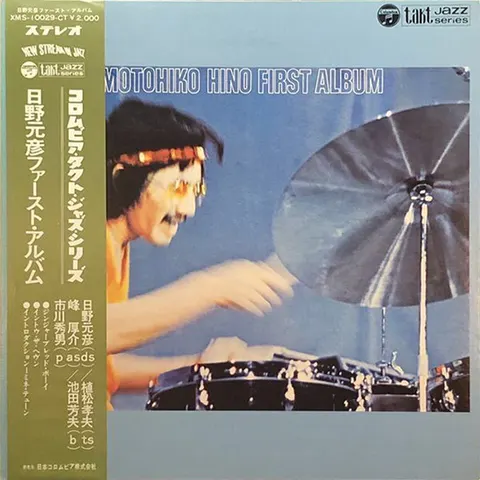
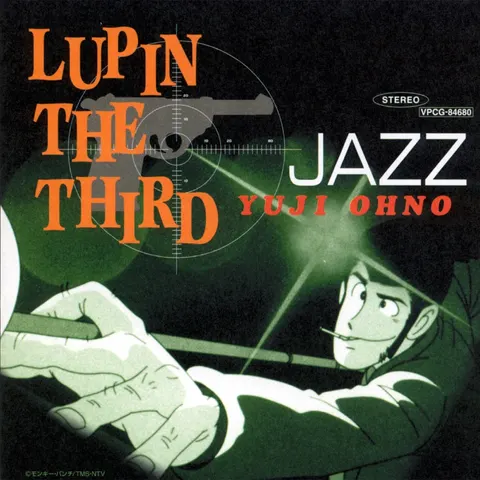
Berlin also marked the start of the decline. Trouble on the trip led three members to leave soon after the group returned home, and Japanese accounts connect his fading activity with his private life and a heavy use of sleeping pills. The quintet kept recording for a while, cutting two albums of jazz arrangements of songs by the singer-actor Yuzo Kayama in 1966 and 1967 with Hino, Jiro Inagaki and the pianist Yuji Ohno, and, according to a Coltrane reference work, playing with John Coltrane's quintet in Tokyo on July 22, 1966, during the group's Japan tour. The band was disbanded in May 1968. Several of its alumni went on to the Hino-Kikuchi Quintet, the co-led group of Hino and Masabumi Kikuchi, and one account says Hino had already brought in his brother Motohiko Hino to play drums in Shiraki's place before the end. By about 1969 he had stepped away from the jazz world.
Hideo Shiraki passed away in late August 1972, at 39. His body was found on September 1 in his apartment in Akasaka, Tokyo. His old classmate Iwaki wrote an essay titled "The Death of Kashiwakura Hideyasu," and Swing Journal ran an obituary tribute that autumn.
Interest in him returned in the mid-2000s, when Think! Records reissued most of his main albums, mostly on CD, and it has not faded since. In Fiesta came back digitally on Trunk Records in 2017, Sakura Sakura was remastered in 2025, and his tracks now turn up on international anthologies of Japanese and spiritual jazz.
Shiraki's quintet was the best-known vehicle for the "funky boom" in Japan, the late-1950s and early-1960s enthusiasm for American hard bop and its gospel-tinged rhythm. The records follow the line-up of the American hard bop quintets of the day: a tenor and trumpet front line, a hard-swinging piano and bass, and a leader who was also a showman. His own albums sometimes put the drum kit in front on purpose, with titles such as "A Mono-Drummer," "Drum Boogie," "Drum Solo" and Stereo Drum, and his 1962 Plays Horace Silver handed the quintet a book of Horace Silver's most danceable tunes, "Senor Blues," "Sister Sadie," "The Preacher" and "Filthy McNasty." Plays Bossa Nova, cut that December, took the same lineup into Latin repertoire: "Tico Tico," "Besame Mucho," "Orfeo Negro."
What set him apart from other Japanese hard bop bands was the Japanese material. In Fiesta takes its title track from a matsuri, a village festival, with Kinuko Shirane's koto in the first piece alongside the quintet. Sakura Sakura goes much further: folk songs and festival tunes played by a jazz quintet with three koto players, in a looser, modal style that Discogs tags accordingly. Sources describe him as a hard bop drummer who turned toward what they call world jazz in the mid-1960s. After Berlin he also made the two Kayama records, in which Hino, Inagaki and Ohno arranged and soloed on contemporary Japanese pop songs, which suggests his idea of "Japanese jazz" was never limited to folk music.
- Hideo Shiraki (1959, King KC-8) - His first album as a leader, recorded November 26 and 27, 1958, with a tenor, trumpet and piano front line and a program of standards and drum features including "A Mono-Drummer" and "A Night in Tunisia." Spotify - Hideo Shiraki Listen
- Recital at Sankei Hall, Tokyo (1959, King LKF 1051) - The quintet live at Sankei Hall on June 28, 1959, six tracks on a 10 inch LP. Spotify - Recital At Sankei Hall, Tokyo Listen
- In Fiesta (1961, Teichiku NL-3008) - One of his best-known quintet albums, with "Five Spot After Dark," "Cherokee" and a festival title track with koto. Spotify - In Fiesta · Apple Music - In Fiesta Listen
- Plays Horace Silver (1962, King SKJ 1006) - Seven Horace Silver pieces for the full quintet, recorded September 3 and 4, 1962. Spotify - Hideo Shiraki Plays Horace Silver · Bandcamp - Plays Horace Silver Listen
- Plays Bossa Nova (1962, King SKJ 1007) - The same band on Latin and bossa nova repertoire, recorded in December 1962. Spotify - Hideo Shiraki Plays Bossa Nova Listen · Buy
- Sakura Sakura (1965, SABA SB 15 064 ST) - The Berlin session with three koto players, with Terumasa Hino and Takeru Muraoka in the front line. Spotify - Sakura Sakura Listen
- Hideo Shiraki Meets Yuzo Kayama (1966, Toshiba TP-7135) - Jazz arrangements of Yuzo Kayama songs with Hino, Inagaki and Yuji Ohno; the least heard of his major records online.
Hideo Shiraki (白木秀雄) - Full Discography
Japanese jazz drummer and bandleader, born Hideyasu Kashiwakura (柏倉秀康). Born 1 January 1933, Tokyo; passed away in late August 1972 (found 1 September 1972). Discogs artist 552926.
Name variations on record: H. Shiraki, Shiraki, Shiraki Hideo, 白木 秀雄, 白木秀雄.
Group affiliations: Hideo Shiraki Quintet (and Hideo Shiraki Quintet + 3 Koto Girls, billed on Discogs as separate entries), 白木秀雄とオールスターズ (Hideo Shiraki and All Stars), The Modern Jazz All Stars.
Leader
Releases under his own name or one of his own groups, in order of release year. Recording dates are given in the notes where Discogs states them. Most of the quintet's albums also exist as a mono and a stereo pressing with different catalogue numbers and sometimes different sleeves; the original issue is listed.
| Album | Year | Label | Personnel | Notes | Listen | Buy |
|---|---|---|---|---|---|---|
| Hideo Shiraki (白木秀雄) | 1959 | King Records, KC-8 | Hideo Shiraki (drums), Akira Miyazawa (tenor saxophone), Akira Fukuhara (trumpet), Kazuo Yashiro (piano, arranger), Hachiro Kurita (bass), Takeshi Onodera (bongos, congas) | His first album as leader. Recorded 26 and 27 November 1958 and released in 1959. Nine tracks: "I Got Rhythm", "Moritat", "The Man I Love", "A Mono-Drummer", "Tuxedo Junction", "Lover, Come Back to Me", "Around the World", "Drum Boogie", "A Night in Tunisia". Issued in a coated flip-back sleeve. | Spotify · Apple Music | Amazon |
| Recital at Sankei Hall, Tokyo (白木秀雄リサイタル; as Hideo Shiraki Quintet) | 1959 | King Records, LKF 1051 (10 inch, mono) | Hideo Shiraki (drums), Hidehiko Matsumoto (tenor saxophone, flute), Akira Fukuhara (trombone), Yuzuru Sera (piano), Hachiro Kurita (bass), Joya Masubuchi (congas, bongos); Nobuo Hara and His Sharps & Flats (guest on one track) | Recorded live at Sankei Hall, Tokyo, 28 June 1959. Six tracks: "Theme (White Wood)", "Strike Up the Band", "Yukiya Kon Kon", "On a Slow Boat to China", "My Funny Valentine", "Skin Deep". Reissued in 1979 under the name Hideo Shiraki. | Spotify · Apple Music | Amazon |
| Skin Deep / Topsy (as Hideo Shiraki Quintet) | 1959 | Toshiba Records, JP-5022 (7 inch single, mono) | Hideo Shiraki Quintet (personnel not itemised on Discogs) | Two-track single: "Skin Deep" backed with "Topsy". | not found | Amazon |
| Funky!! (stereo) / Modern Drumming and Sleepy Mood (mono) (as Hideo Shiraki Quintet) | 1960 | Victor, SJL-5008 (stereo) / JV-5011 (mono) | Hideo Shiraki (drums), Hidehiko Matsumoto (tenor saxophone), Akira Fukuhara (trumpet), Yuzuru Sera (piano), Hachiro Kurita (bass) | Same recording in two pressings with different covers. Eight tracks, all with Japanese titles on the sleeve: four pieces (私は満足, 恋の日記, めぐり逢い, ラテン・ファンタジー) and a four-part "Blues Suite" (ブルース組曲, parts 1 to 4). Sleeve notes by Teruo Isono. Reissued on CD in 2006 by Think! Records as Funky!! (THCD-021) with six extra tracks. | not found | Amazon |
| Black Mode (as Hideo Shiraki Quintet) | 1961 | Teichiku Records, NL-3007 (mono) | Hideo Shiraki (drums), Hidehiko Matsumoto (tenor saxophone), Hisaya Omata (trumpet), Yuzuru Sera (piano), Hachiro Kurita (bass) | Seven tracks: "Taboo" (9:10), "Deep in a Soul", "Chary", "Drum Solo", "Grey Soul", "Blues for Joe", "Black Mode". Reissued in 1963 in stereo, retitled and re-sequenced, as Hideo Shiraki Stereo Drum (Teichiku SL-1001), and on CD in 1998 (Baybridge TECW-20734) and in 2006 (Think! THCD-010, Stereo Drum / Black Mode). | not found | Amazon |
| In Fiesta (祭りの幻想) | 1961 | Teichiku Records, NL-3008 (mono) / SL-3002 (stereo) | Hideo Shiraki (drums), Hidehiko Matsumoto (tenor saxophone, flute), Hisaya Omata (trumpet), Yuzuru Sera (piano), Hachiro Kurita (bass), Kinuko Shirane (koto, title track) | Recorded 23 June, 29 June and 4 July 1961. Seven tracks: "In Fiesta", "Five Spot After Dark", "Just One or Eight", "Cherokee", "Blue Romeo", "Etude No. 1", "You Don't Know What Love Is". Produced by Toshio Imai, sleeve notes by Shoichi Yui. Reissued on CD in 1998, 2005 and 2009 and on vinyl in 2007 and 2024. | Spotify (title track) · Apple Music | Amazon |
| Plays Horace Silver (as Hideo Shiraki Quintet) | 1962 | King Records, SKJ 1006 | Hideo Shiraki (drums), Hidehiko Matsumoto (tenor saxophone, flute, arranger), Hisaya Omata (trumpet), Akira Fukuhara (valve trombone), Yuzuru Sera (piano), Hachiro Kurita (bass) | Recorded 3 and 4 September 1962. Seven Horace Silver compositions: "Senor Blues", "Sister Sadie", "Doing the Thing", "Blowing the Blues Away", "The Preacher", "Swinging the Samba", "Filthy McNasty". Supervised by Jiro Kubota. | Spotify · Bandcamp | Amazon |
| Plays Bossa Nova | 1962 | King Records, SKJ 1007 | Hideo Shiraki (drums), Hidehiko Matsumoto (tenor saxophone, flute), Hisaya Omata (trumpet), Yuzuru Sera (piano), Hachiro Kurita (bass) | Recorded 7 and 8 December 1962; Apple Music dates the King release to January 1963. Seven tracks: "Tico Tico", "Besame Mucho", "Deux Step", "Gypsy Blue", "Sayonara Blues", "Orfeo Negro", "Groovy Samba". | Spotify · Apple Music | Amazon |
| Modern de Twist (モダンでツイスト; as Hideo Shiraki Quintet) | 1963 | Teichiku Records, SL-39 (10 inch) | Hideo Shiraki Quintet (personnel not itemised on Discogs) | Five twist-era tracks: "Modern Des Twist", "Twist Girl", "Coffee Twist", "So Tired", "Beat of Fire". | not found | Amazon |
| Sakura Sakura (as Hideo Shiraki Quintet + 3 Koto Girls) | 1965 | SABA, SB 15 064 ST (Germany) | Hideo Shiraki (drums), Terumasa Hino (trumpet), Takeru Muraoka (tenor saxophone, flute), Yuzuru Sera (piano), Hachiro Kurita (bass), Keiko Nosaka and Kinuko Shirane (koto), Sachiko Miyamoto (bass koto) | Recorded in Berlin on 1 November 1965 and issued in SABA's Jazz Meets the World series with the subtitle Japan Meets Jazz. Produced by Joachim Ernst Berendt; recording engineer Günther Topel. Six tracks: "Sakura, Sakura" (8:07), "Yosakoi-Bushi", "Yamanaka Bushi", "Matsuri No Genzo", "Alone, Alone and Alone", "Suwa". Liner notes by Shoichi Yui. Gatefold sleeve. Reissued several times since, most recently as a 2025 remaster. | Spotify · Apple Music (2025 remaster) · Matsuri No Genzo on YouTube | Amazon |
| Hideo Shiraki Meets Yuzo Kayama (白木秀雄:加山雄三の世界) | 1966 | Toshiba Records, TP-7135 | Hideo Shiraki (drums), Terumasa Hino (trumpet), Jiro Inagaki (tenor saxophone), Yuji Ohno (piano), Kunimitsu Inaba (bass) | Jazz readings of songs by the singer and actor Yuzo Kayama, credited to his songwriting pen name Kosaku Dan. Nine tracks including "Violet Sky", "Crazy Driving", "Sweetest of All", "Boomerang Baby" and "Dedicated". Pressed on red vinyl. | not found | Amazon |
| Shiraki Meets Kayama Vol. 2 | 1967 | Toshiba Records, TP-7169 | Hideo Shiraki (drums, leader), Terumasa Hino (trumpet, arranger), Jiro Inagaki (tenor saxophone, flute, arranger), Yuji Ohno (piano, arranger), Kunimitsu Inaba (bass), Kiyoshi Sugimoto (guitar) | The second volume of Kayama songs, ten tracks including "Futari Dake No Umi", "Hello Susie" and "Sleeping Monster". Pressed on red vinyl. | not found | Amazon |
Posthumous compilations and reissues
| Album | Year | Label | Notes | Listen | Buy |
|---|---|---|---|---|---|
| Boomerang Baby (as Hideo Shiraki Quintet) | 1980 | Express, ETP-90026 | Ten tracks compiled from the two Kayama albums, with Terumasa Hino, Jiro Inagaki, Yuji Ohno, Kunimitsu Inaba and Kiyoshi Sugimoto. | not found | Amazon |
| コンプリート 加山雄三の世界 / Shiraki Meets Kayama Complete | 2005 | Think! Records, THCD-007 / 008 (2 CD) | Both Kayama albums on two discs, with the original sleeves reproduced in the booklet. | not found | Amazon |
| Hideo Shiraki In Fiesta (祭りの幻想; CD reissue) | 2005 | Think! Records, THCD-006 | Stereo CD reissue of the 1961 album, with Japanese-only track listing. | not found | Amazon |
| Funky!! (CD reissue with six extra tracks) | 2006 | Think! Records, THCD-021 | Fourteen tracks: the original eight plus "Sayonara Blues", "Ah So", "Tune Up", "Round About Midnight", "Work Song" and a ballad medley. | not found | Amazon |
| Stereo Drum / Black Mode | 2006 | Think! Records, THCD-010 | Both versions of the 1961 and 1963 albums on one disc. | not found | Amazon |
| Play the Funky! (King Re-Jazz Swing series) | 2006 | King Records, KICS 2471 | Fourteen-track compilation from his King recordings, including "Sayonara Blues", "Senor Blues", "Groovy Samba", "Caravan", "A Night in Tunisia", "Jungle Drums" and "Akasaka After Dark". | Apple Music | Amazon |
| Matsuri No Genso / Blue Romeo (7 inch EP, as Hideo Shiraki Quintet) | 2009 | Think! Records, THEP-119 | Two tracks from In Fiesta, recorded in 1961. | not found | Amazon |
| In Fiesta (digital reissue) | 2017 | Trunk Records, PD433 | The 1961 album reissued digitally; a mono vinyl pressing followed from Teichiku in 2024 (TEA-18). | Apple Music | Amazon |
Co-Leader
Releases that share the billing with other leaders or groups, or on which he is the featured name beside a vocalist or guest.
| Album | Year | Label | Co-billed with | Personnel | Notes | Listen | Buy |
|---|---|---|---|---|---|---|---|
| Drum-Scope | 1957 | King Records, LKB-8 | George Kawaguchi, Jimmy Takeuchi, Nobuo Hara and His Sharps & Flats | Hideo Shiraki, George Kawaguchi, Jimmy Takeuchi (drums), Nobuo Hara and His Sharps & Flats (big band) | A drum-battle LP built around three of Japan's best-known drummers. Seven tracks: "Indian Love Call", "King George", "The Continental", "The Peanut Vendor", "Besame Mucho", "Mallet Fantasy", "Three Drum Musketeers". | Apple Music | Amazon |
| Latin Carnival | 1958 | King Records, KC 4 | Hidehiko Matsumoto, Akira Fukuhara, Seiji Hiraoka, Akitoshi Igarashi, The Tokyo Cuban Boys | Hideo Shiraki with Hidehiko Matsumoto, Akira Fukuhara, Seiji Hiraoka and Akitoshi Igarashi in front of The Tokyo Cuban Boys (conductor Tadaaki Misago) | Recorded at Sankei Hall, Tokyo, on 14 and 28 August 1958. Ten Latin standards including "Siboney", "Amapola", "Tico-Tico", "Babalu" and "The Carioca", arranged by Kazuo Yashiro, Keitaro Miho, Norio Maeda, Seiji Hiraoka and Tsunemi Naito. | not found | Amazon |
| Modern Jazz Concert at Video Hall, Tokyo: Leading 4 Combos in Japan | 1958 | King Records, LKB-16 | The West Liners (Takeshi Inomata), The New Direction Quintet, The Cozy Quartet Plus One | The Shiraki Quintet tracks ("After Date", "Move"): Hideo Shiraki (drums), Akira Fukuhara (trumpet), Yasushi Ashida (tenor saxophone), Kazuo Yashiro (piano), Yuji Watanabe (bass) | Recorded 9 March 1958. Four combos share the album; Shiraki's group plays two of the nine tracks (B3 and B4). | not found | Amazon |
| Midnight Love Mood (真夜中の恋のムード) | 1960 | Victor, LV-123 (10 inch, mono) | Yoshie Mizutani (vocals) | Yoshie Mizutani (vocals) with the Hideo Shiraki Quintet | Ten standards sung by the actress he married in 1959, including "Teach Me Tonight", "My Funny Valentine", "Cry Me a River" and "You Are the Top". | You're the Top on YouTube | Amazon |
| Hawaiian War Chant / T.D.'s Boogie Woogie (7 inch single) | 1961 | King Records, SEB-9 | Nobuo Hara and His Sharps & Flats, Toshiyuki Miyama and The New Herd | Hideo Shiraki (drums) with the two big bands | Advertised on the sleeve as music from the 1959 film The Gene Krupa Story. | Apple Music | Amazon |
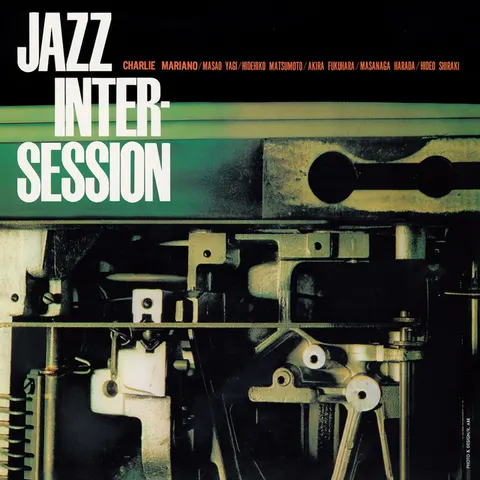
| Jazz Inter-session (ジャズ・インター・セッション) | 1964 | King Records, SKJ-1058 | Charlie Mariano, Masao Yagi, Hidehiko Matsumoto, Akira Fukuhara, Masanaga Harada | Charlie Mariano (alto saxophone), Hidehiko Matsumoto (tenor and soprano saxophone), Akira Fukuhara (trumpet), Masao Yagi (piano), Masanaga Harada (bass), Hideo Shiraki (drums) | Recorded 8, 10 and 11 February 1964. Seven tracks including "G-Low", "Come Rain or Come Shine", "Etude", "Santa Barbara", "Jinku" and "I Left My Heart in San Francisco". Supervised by Jiro Kubota, sleeve notes by Yozo Iwanami. | not found | Amazon |
| Modern Punch for You (モダン・パンチ) | 1965 | King Records, SKK 151 | Takeshi Inomata and His West Liners, Kazuo Yashiro Trio, Hidehiko Matsumoto Quartet | Four combos, one of them the Hideo Shiraki Quintet; track-by-track personnel is not itemised on Discogs | Ten pop and film themes of the mid-1960s, including "Slaughter on Tenth Avenue", "Caravan", "The Girl from Ipanema", "Ticket to Ride" and "Pipeline". Reissued in 2012. | not found | Amazon |
| Modern Ameriachi for You (モダン・アメリアッチ・フォー・ユー) | 1966 | King Records, SKK 227 | Takeshi Inomata and His West Liners + All Stars | The Hideo Shiraki Quintet + All Stars and Takeshi Inomata and His West Liners + All Stars; arrangers Hidehiko Matsumoto (side A) and Masao Yagi (side B) | Twelve Japanese pop songs of the mid-1960s arranged for the two bands, among them "Akasaka After Dark", "Kimi to Itsumademo", "Ginza wa Koi no Jujiro" and "Good-Bye Mr. Tears". | Apple Music | Amazon |
| The Stormy Man (7 inch EP) | 2018 | Super Fuji Discs, FJSP332 | Takeshi Inomata | Hideo Shiraki, with Takeshi Inomata credited on Discogs; the release notes also name Hidehiko Matsumoto | Thirteen untitled tracks (numbered cues) issued as a soundtrack EP. | not found | Amazon |
Guest, sideman and compilation appearances
Chronological. These are the releases on which Discogs credits Shiraki, or one of his group entries, under another artist's name or on a compilation; the leader and co-leader entries are above.
| Year | Release | Actual leader | Label | Listen | Buy |
|---|---|---|---|---|---|
| 1957 | 1957 "Swing Journal" All Stars Jazz In Japan = オール・スターズ・ジャズ・イン・ジャパン(1957) | Various | Angel Records | not found | Amazon |
| 1958 | "King Jazz Series" - Highlights | Various | King Records | not found | Amazon |
| 1958 | King Jazz Festival At Sankei Hall, Tokyo | Various | King Records | not found | Amazon |
| 1958 | Tokyo Canaries | Mitsuko Miyake, Kiyoko Maruyama With All-Star Jazzmen | not found | Amazon | |
| 1958 | Winners Of The Swing Journal Critic Poll, 1958 = 1958年度スイング・ジャーナル批評家選出オール・スターズ | Various | not found | Amazon | |
| 1959 | Hi-Fi Jazz Vol. 2: Jazz Sen'session'al | Kazuo Yashiro And His Rhythm Trio | Universal | not found | Amazon |
| 1959 | Jazz Festival Of Japan (1) | Swing Journal All-Stars 1958 | Toshiba Records | not found | Amazon |
| 1959 | Jazz Festival Of Japan (2) | Swing Journal All-Stars 1958 | not found | Amazon | |
| 1960 | Funky Jam Session | Mitsuru Ono | not found | Amazon | |
| 1960 | Kodama No.12 | 白木秀雄クィンテット, 東京キューバン・ボーイズ, トリオ・ロス・チカロス, フェルナンド・テル | Kodama Press | not found | Amazon |
| 1960 | Swing Journal Presents Reader's Idea: Far East Coast Jazz | Swing Journal All Stars | not found | Amazon | |
| 1961 | Battle Of Funky | Modern Jazz All Stars of Japan | not found | Amazon | |
| 1961 | Modern Jazz 1 | Various | Chikuma Shobo | not found | Amazon |
| 1961 | Toshiko Meets Her Old Pals = トシコ旧友に会う | Toshiko Akiyoshi (秋吉敏子) | King Records, KC 13 | not found | Amazon |
| 1961 | 日本ジャズ史 下巻 | Various | not found | Amazon | |
| 1962 | Crazy Rhythm | Chiemi Eri + Carl Jones (6) | not found | Amazon | |
| 1963 | Jazz Festival At Karuizawa Newtown - 1 = ジャズ・フェスティバル 第1集 〜軽井沢ニュータウンで録音〜 | Various | Victor | not found | Amazon |
| 1963 | Modern Jazz = モダン・ジャズ (1) | Various | not found | Amazon | |
| 1967 | Swing Journal All Stars '67 = スイングジャーナル・オール・スターズ='67 | Various , Swing Journal All Stars | Takt | not found | Amazon |
| 1967 | Youngmen Essential 12 | Various | Kodama Press | not found | Amazon |
| 1973 | Bests Of Modern Jazz | Various | Victor | not found | Amazon |
| 1973 | Jazz All Stars '67 | Various | RCA | not found | Amazon |
| 1975 | Jazz Meets The World | Various | not found | Amazon | |
| 1978 | Poll Winners '58 - All Stars Jazz Concert By Poll Winners | Swing Journal All-Stars 1958 | not found | Amazon | |
| 1995 | *トーキョー ルック * | Various | Toshiba Records | not found | Amazon |
| 1997 | Jazz Meets Asia | Various | MPS Records, Motor Music | not found | Amazon |
| 1997 | Toshiko Akiyoshi 1961 | Toshiko Akiyoshi | Paddle Wheel | not found | Amazon |
| 1999 | Samurai-Era | Various | not found | Amazon | |
| 2000 | Beginning Of The Modern Jazz Age 1947-1963 | Various | Victor | not found | Amazon |
| 2003 | Big Bang Blow | Various | Victor | not found | Amazon |
| 2005 | 江利チエミ&カール・ジョーンズ | 江利チエミ & カール・ジョーンズ | King Records | not found | Amazon |
| 2006 | Exotic Jazz | Various | not found | Amazon | |
| 2006 | Talkin' Jazz Japan Edit | Various | MPS Records | not found | Amazon |
| 2006 | 須永辰緒の夜ジャズ |
Various | Blue Note | not found | Amazon |
| 2007 | ボス・ジャズ - A Collection Of Hard-Boiled Jazz | Various | Seven Seas | not found | Amazon |
| 2007 | 須永辰緒の夜ジャズ ~ Jazz Allnighters ~ No.8 | 須永辰緒 | King Records | not found | Amazon |
| 2008 | Steppin' Jazz Sol (Music To Awaken The Dance Floor Beast) | Various | Sony Records Int'l | not found | Amazon |
| 2009 | Dynamic Jazz | NHK All Stars | Polydor | not found | Amazon |
| 2011 | Wax Poetics Japan Compiled Series Deux Step King Of JP Jazz 60's-70's | Various | King Records, King Record Co. Ltd | not found | Amazon |
| 2011 | Wax Poetics Japan JP Jazz Re-Works - 弍 | Various | Jet Set, King Records, Wax Poetics Japan | not found | Amazon |
| 2011 | Wax Poetics Japan JP Jazz Re-Works - 陰 | Various | King Records | not found | Amazon |
| 2011 | Wax Poetics Japan JP Jazz Re-Works - 陽 | Various | King Records | not found | Amazon |
| 2014 | Spiritual Jazz 5 (Esoteric, Modal And Deep Jazz From Around The World 1961-79) | Various | not found | Amazon | |
| 2021 | J Jazz: Deep Modern Jazz From Japan (Volume 3) | Various | not found | Amazon | |
| 2022 | Japanese Jazz Spectacle (Deep, Heavy And Beautiful Jazz From Japan) (1962-1985) (The King Records Masters) | Various | not found | Amazon | |
| 2025 | Spiritual Jazz 17: SABA / MPS (Esoteric, Modal And Progressive Jazz From The SABA And MPS Labels 1965-78) | Various | not found | Amazon |
Sources
- Discogs: Hideo Shiraki, artist 552926
- Discogs: Hideo Shiraki Quintet, artist 552933
- Discogs: Hideo Shiraki Quintet + 3 Koto Girls, artist 880616
- Discogs: Hideo Shiraki, King KC-8
- Discogs: Recital at Sankei Hall, Tokyo, King LKF 1051
- Discogs: Funky!!, Victor SJL-5008
- Discogs: In Fiesta, Teichiku NL-3008
- Discogs: Plays Horace Silver, King SKJ 1006
- Discogs: Sakura Sakura, SABA SB 15 064 ST
- Discogs: Hideo Shiraki Meets Yuzo Kayama, Toshiba TP-7135
- Discogs: Shiraki Meets Kayama Vol. 2, Toshiba TP-7169
- Discogs: Toshiko Akiyoshi, Toshiko Meets Her Old Pals, King KC 13
- Wikipedia: Hideo Shiraki
- Wikipedia (Japanese): 白木秀雄
- Hidehiko Matsumoto - tenor saxophonist and flutist in the quintet from 1959; on the Recital (1959), Funky!! (1960), Black Mode and In Fiesta (1961), Plays Horace Silver and Plays Bossa Nova (1962) and the 1964 Jazz Inter-session, and the arranger of Plays Horace Silver.
- Terumasa Hino - trumpet on Sakura Sakura (1965) and on both Kayama albums (1966, 1967), where he also arranged.
- Takeru Muraoka - tenor saxophone and flute on Sakura Sakura (1965).
- Jiro Inagaki - tenor saxophone on both Kayama albums (1966, 1967), and arranger of most of the second.
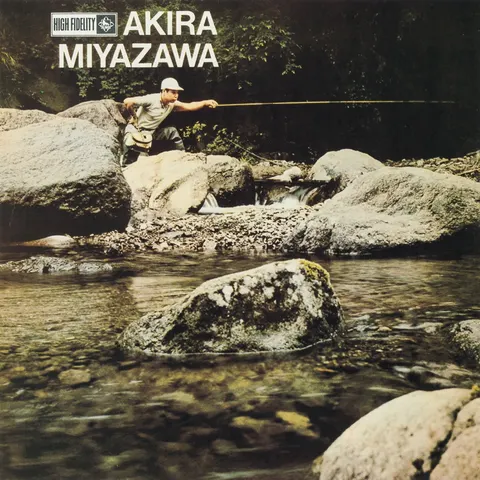
- Akira Miyazawa - tenor saxophone on Shiraki's first album, Hideo Shiraki (1959).
- George Kawaguchi - the other lead drummer on Drum-Scope (King, 1957).
- Takeshi Inomata - co-billed with the Shiraki Quintet on Modern Ameriachi for You (King, 1966), as leader of the West Liners, and credited alongside him on the soundtrack EP The Stormy Man.
- Toshiyuki Miyama - his New Herd orchestra shares the 1961 King single "Hawaiian War Chant" / "T.D.'s Boogie Woogie" with Shiraki and Nobuo Hara's band.
- Toshiko Akiyoshi - Shiraki plays drums on two tracks of her 1961 King album Toshiko Meets Her Old Pals, which was recorded in March 1961 and shared among three drummers.
- Charlie Mariano - the American alto saxophonist is the first name on Jazz Inter-session (King, 1964), a Tokyo studio date with Shiraki on drums.
- Yuzuru Sera, Hachiro Kurita, Akira Fukuhara, Hisaya Omata - the quintet's piano, bass and trumpet players on most of his records.
- Keiko Nosaka, Kinuko Shirane, Sachiko Miyamoto - the koto players of Sakura Sakura; Shirane also plays on the title track of In Fiesta.
- Joachim-Ernst Berendt - invited the quintet to Berlin and produced Sakura Sakura for SABA.
- Yuji Ohno and Kunimitsu Inaba - the Kayama albums' pianist and bassist. Japanese Wikipedia also lists Ohno among the quintet's pianists.
- Yoshie Mizutani - the vocalist of Midnight Love Mood (Victor, 1960), whom Shiraki married in 1959.
- Kiyoshi Sugimoto - guitarist on Shiraki Meets Kayama Vol. 2 (1967) and, on one track, on the 1980 Boomerang Baby compilation.
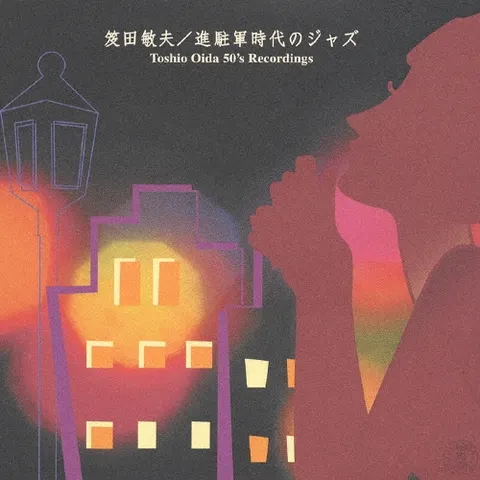
- Toshio Oida - vocalist; Shiraki is the drummer on Oida's "Dark Eyes" in the NHK All Stars' 1957 broadcast sessions, issued in 2009 as Dynamic Jazz (Polydor).
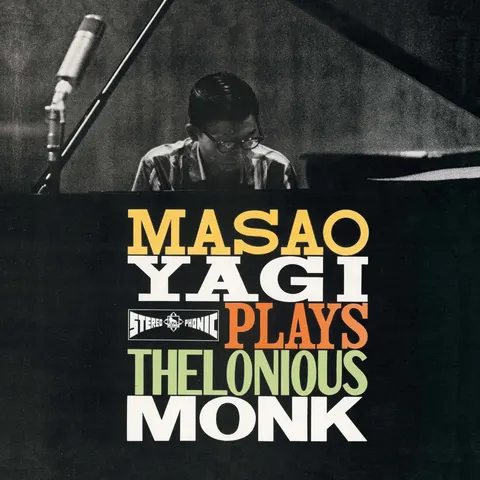
- Masao Yagi - pianist on Jazz Inter-session (King SKJ-1058, 1964), with Shiraki on drums; he also arranged side B of Modern Ameriachi For You (King SKK 227, 1966), the album Shiraki's quintet shares with Takeshi Inomata and His West Liners.
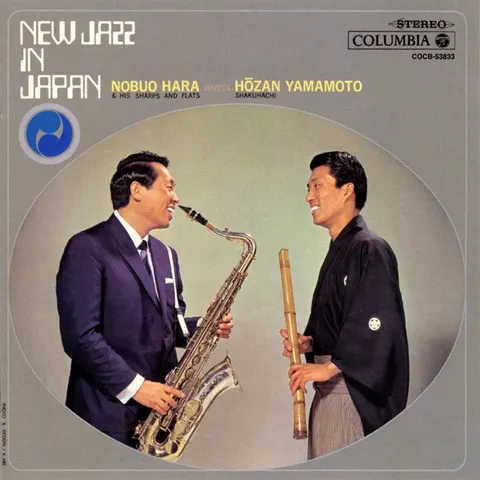
- Nobuo Hara - tenor saxophonist and leader of Sharps & Flats, the band on the drum-battle record Drum-Scope (King, 1957) and the 1961 single "Hawaiian War Chant" / "T.D.'s Boogie Woogie."
- Masanaga Harada (bass) - bassist on Jazz Inter-session (1964), with Shiraki on drums, and on Toshiko Meets Her Old Pals (1961), where Shiraki is one of three drummers.
- Akitoshi Igarashi - alto saxophonist co-billed with him on Latin Carnival (King, 1958), and a fellow player on the Swing Journal All-Stars Jazz Festival of Japan records and Tokyo Canaries (1958).
More Ethno Jazz Artists
See all 199 Ethno Jazz artists →More Japanese Jazz Artists
See all 262 Japanese artists →- Spotify artist page
- Apple Music artist page
- YouTube: Hideo Shiraki - Topic
- Discogs: Hideo Shiraki
- Hideo Shiraki on JazzProfiles.com
- r/JapaneseJazz
- Wikipedia: Hideo Shiraki
- Wikipedia (Japanese): 白木秀雄
- Wikidata: Q1617369
- Jazz.com Encyclopedia of Jazz Musicians: Shiraki, Hideo (archived)
- Discogs: Hideo Shiraki, artist 552926
- Discogs: Hideo Shiraki Quintet, artist 552933
- Discogs: Hideo Shiraki, King KC-8, 1959
- Discogs: Hideo Shiraki Quintet + 3 Koto Girls, Sakura Sakura, SABA SB 15 064 ST, 1965
- Discogs: Hideo Shiraki Meets Yuzo Kayama, Toshiba TP-7135, 1966
- Discogs: Toshiko Akiyoshi, Toshiko Meets Her Old Pals, King KC 13, 1961
- Wikipedia (Japanese): 加山雄三