 JAZZPROFILES lives in the music 1,572 Jazz Artists fully Profiled!
 Wynton Kelly
Last updated September 7, 2026
Listen on Spotify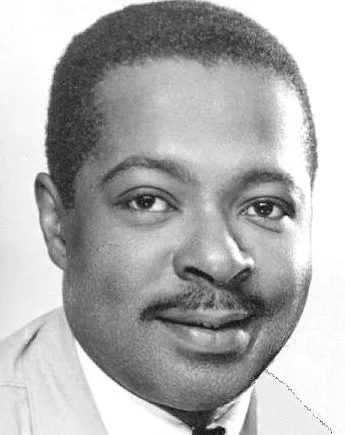
Wynton Kelly, circa 1957, in a publicity portrait issued by the Shaw Artists Corporation, New York (cropped) Public Domain (published in the United States between 1931 and 1977 without a copyright notice) — Wikimedia Commons — https://commons.wikimedia.org/wiki/File:Wynton_Kelly_(portrait_crop).jpg
.jpg)
Wynton Charles Kelly was born in Brooklyn on December 2, 1931, the son of Jamaican immigrants. He started at the piano around age four with almost no formal instruction, and attended both the High School of Music & Art and Metropolitan Vocational High School in New York. His own account of his schooling was blunt: they would not give him piano, so he took up the bass and studied theory instead. He was working professionally by 1943, in rhythm and blues groups, and at fifteen he toured the Caribbean with Ray Abrams's band. His recording debut came at sixteen, on saxophonist Hal Singer's "Cornbread," a 1948 side that went to number one on the Billboard rhythm and blues chart. Between 1948 and 1950 he worked with Hot Lips Page, Eddie "Cleanhead" Vinson, and Eddie "Lockjaw" Davis. In 1951, still nineteen, he cut his first date as a leader for Blue Note, the ten-inch New Faces, New Sounds: Wynton Kelly Piano Interpretations (BLP 5025), with Franklin Skeete and Oscar Pettiford sharing the bass chair and Lee Abrams on drums. That same year he joined Dinah Washington's band, which is what first made his name; he played with Lester Young in the spring of 1952 and recorded with Dizzy Gillespie later that year.
The army interrupted all of it. Kelly was drafted in September 1952 and stationed at Fort McClellan, Alabama, where he recruited the pianist Duke Pearson into the Third Army's traveling show and by April 1954 was running it as musical director. He came out after two years and went straight back to work, playing on and off with Washington and Gillespie and touring with Charles Mingus from late 1956 into early 1957. The mid-1950s New York sessions pile up quickly: Billie Holiday's Lady Sings the Blues in 1956, the Blue Note debuts of Johnny Griffin and Sonny Rollins, Art Blakey's Theory of Art in April 1957, and Griffin's A Blowin' Session with Lee Morgan and John Coltrane. On October 28, 1957, at Reeves Sound Studios, he made one of the odder appearances in his catalog: on Abbey Lincoln's That's Him! he is credited on both piano and bass, having taken over the bass for a track when Paul Chambers was too drunk to play it. On March 25, 1958, at Beltone Studios, he played piano and organ on The Pepper-Knepper Quintet (MetroJazz E1004), the co-led date by Pepper Adams and Jimmy Knepper, with Doug Watkins on bass and Elvin Jones on drums, supervised by Leonard Feather. Two months before that, on January 31, 1958, he had recorded his first full-length leader album, Piano (Riverside RLP 12-254), with Kenny Burrell, Chambers, and Philly Joe Jones; it circulates just as often under its reissue title, Whisper Not.
In January 1959 he replaced Red Garland in Miles Davis's band, and he held the chair until March 1963. Cannonball Adderley described the hiring as a single blunt sentence: Kelly was sitting in when Garland arrived late, and Davis told Garland that Kelly had the gig. Six weeks later Kelly was in Columbia's 30th Street Studio for the first Kind of Blue session. Davis had built the album around Bill Evans, who plays on four of its five pieces, but gave the blues, "Freddie Freeloader," to Kelly. That March 2, 1959 date produced "So What," "Freddie Freeloader," and "Blue in Green"; the April 22 date produced "All Blues" and "Flamenco Sketches." Kelly's single track on the best-selling jazz album ever made is the fact most often attached to his name, and it undersells the four years of work around it: the 22-city European tour with the quintet in the spring of 1960, Someday My Prince Will Come (recorded March 7, 20, and 21, 1961), the two Blackhawk live volumes cut in San Francisco that April, and the Carnegie Hall concert of May 19, 1961.
The freelance work he did alongside the Davis job is where most of his best playing sits. Kelly Blue (Riverside RLP 12-298), recorded February 19 and March 10, 1959, put his trio with Chambers and Jimmy Cobb at the center and added Nat Adderley, Bobby Jaspar, and Benny Golson on two tracks. Kelly Great followed on August 12, 1959 at Fine Sound, with Wayne Shorter, Morgan, Chambers, and Philly Joe Jones; Vee-Jay printed the original sleeve with both the title and the pianist's name misspelled, and had Cannonball Adderley write the liner notes. On November 10, 1959 the Kelly, Chambers, Cobb trio backed Shorter's Vee-Jay debut Introducing Wayne Shorter; on November 24 and December 2 they cut most of John Coltrane's Coltrane Jazz for Atlantic, and the December 2 session also produced "Naima," the one track on Giant Steps that uses this rhythm section rather than the Tommy Flanagan group. Kelly is the pianist on Hank Mobley's Soul Station (1960), Roll Call (1960), and Workout (1961), on five Blue Mitchell albums for Riverside, and on Cannonball Adderley's Quintet in Chicago and Takes Charge. His first meeting with Wes Montgomery came in 1961 on Bags Meets Wes!, and the two made Full House live at Tsubo in Berkeley on June 25, 1962, with Johnny Griffin added on tenor.
When Kelly left Davis in March 1963, Chambers and Cobb left with him, and the Wynton Kelly Trio became a working band rather than a rhythm section for hire. Verve signed them after four Vee-Jay albums. Comin' in the Back Door (V-8576), recorded in May and November 1963 with Burrell and a Claus Ogerman string arrangement, yielded "Little Tracy," a calypso Kelly wrote for his daughter that reached number 38 on the Billboard rhythm and blues chart in May 1964. It's All Right! (V-8588) followed in 1964 and Undiluted (V-8622) was cut in a single day at Van Gelder Studio on February 5, 1965. That summer the trio toured with Montgomery, played Newport, and recorded Smokin' at the Half Note: two tracks live at the Half Note in June, the other three re-cut at Van Gelder on September 22, 1965 at Creed Taylor's insistence. A George Wein-organized tour of Japan came next. By September 1966, when the trio recorded Full View at Plaza Sound Studios for Milestone, Ron McClure had taken the bass chair. Two Left Bank Jazz Society concerts in Baltimore document the late group: November 12, 1967 with Hank Mobley and Cecil McBee, and September 22, 1968 with George Coleman and McClure. The trio also backed Joe Henderson on a 1968 live date issued as Straight, No Chaser. On August 4, 1968 in Chicago, Kelly, Chambers, and Cobb recorded together for the last time; Chambers's death in January 1969 ended the group, and Delmark issued the session as Last Trio Session.
The final two years were thin. Kelly worked with Ray Nance and as a soloist around New York, took what he could get, and made what appears to be his last studio session in the autumn of 1970 backing Dexter Gordon on The Jumpin' Blues. In April 1971 he traveled from New York to Toronto for a job with drummer George Reed and singer Herb Marshall. He telephoned his girlfriend to say he felt unwell, and on April 12 he suffered an epileptic seizure at the Westminster Hotel on Jarvis Street; Marshall found him in his room. He was 39 and reportedly left almost nothing. A memorial concert was held in New York on June 28 that year. Wynton Marsalis, born in 1961, was named after him.
Kelly's playing is immediately identifiable and hard to imitate convincingly: a crisp, forward-leaning touch, strongly dotted eighth notes, single-note lines that combine bebop vocabulary with blues phrases dropped in mid-sentence, and block chords used as punctuation rather than as filler. Jimmy Cobb, who sat behind him for a decade, described the effect as happy sounding all the time, with a West Indian kind of hop to it. What made him indispensable was the other half of the job. Philly Joe Jones said Kelly put down flowers behind a soloist and never wanted to steal in; Cannonball Adderley called him the world's greatest accompanist for a soloist, and Miles Davis framed his value structurally, saying that in Kelly he had a combination of Red Garland and Bill Evans and could therefore go any way he wanted. Evans himself, whose seat Kelly effectively took over, called him a fine accompanist who had by no means shown everything he could do. Kelly was also a fast, accurate reader who could memorize a part after one pass, which is why he turns up on so many one-off dates. His comping became a template: Chick Corea, Brad Mehldau, Monty Alexander, and Chucho Valdés have all named him directly, and his voicings are audible in Herbie Hancock's and McCoy Tyner's early work.
- Kind of Blue (1959, Columbia) - Miles Davis's modal landmark, recorded March 2 and April 22, 1959 at Columbia's 30th Street Studio. Kelly plays on "Freddie Freeloader" and nothing else; Bill Evans has the other four tracks. Spotify - Kind Of Blue
- Kelly Blue (1959, Riverside) - His best-known leader album, recorded February 19 and March 10, 1959 with Jimmy Cobb and Paul Chambers, plus Nat Adderley, Bobby Jaspar, and Benny Golson on the title track and "Keep It Moving." Spotify - Kelly Blue Listen
- Smokin' at the Half Note (1965, Verve) - The Wynton Kelly Trio behind Wes Montgomery, two tracks live at the Half Note in June 1965 and three cut at Van Gelder Studio on September 22. Pat Metheny has called it the greatest jazz guitar record ever made. Spotify - Smokin' At The Half Note Listen
- Full House (1962, Riverside) - Montgomery's quintet live at Tsubo in Berkeley on June 25, 1962, with Johnny Griffin on tenor over the Kelly trio; the source of "Full House" and "Cariba." Spotify - Full House Listen
- Kelly Great (1960, Vee-Jay) - A single August 12, 1959 session with Lee Morgan, Wayne Shorter, Chambers, and Philly Joe Jones, and the strongest of his Vee-Jay dates. Spotify - Kelly Great Listen
- Piano (1958, Riverside) - His first full-length leader album, recorded January 31, 1958 with Kenny Burrell, Chambers, and Philly Joe Jones, and reissued for decades under the title Whisper Not. Spotify - Piano Listen
- Soul Station (1960, Blue Note) - Hank Mobley's quartet masterpiece with Kelly, Chambers, and Art Blakey, and the clearest single recording of what Kelly's comping does for a horn player. Spotify - Soul Station
- Kelly at Midnite (1960, Vee-Jay) - A five-track piano trio date of April 27, 1960 at Bell Sound with Chambers and Philly Joe Jones, unusually loose and blues-heavy, with liner notes by Nat Hentoff. Spotify - Kelly at Midnite Listen
Wynton Kelly: Full Discography
Identity confirmed via the live Discogs API, artist ID 252308 (the jazz pianist, 1931 to 1971, not Wynton Marsalis and not the unrelated Discogs entries "Wynton Kelly Stevenson" or the group profiles "Wynton Kelly Trio," "Wynton Kelly Quartet," "Wynton Kelly Quintet," and "Wynton Kelly Sextet"). Paging the full result set rather than the first page gives 1,287 credited releases: 91 in a "Main" leader or co-billed role, 962 sideman "Appearance" credits, 156 track-level "TrackAppearance" credits, and 78 unofficial pressings. The leader table below is complete for his studio and live albums under his own name or a shared billing; the sideman table is a representative selection of his most significant credits and does not attempt to itemize roughly 1,100 sideman entries.
Reissue titles are a real hazard in this catalog. Three cases are flagged in the Notes column: Piano and Whisper Not are one January 1958 Riverside session, not two albums; Someday My Prince Will Come on Vee-Jay is a posthumous compilation of 1959 to 1961 session material and has nothing to do with Miles Davis's 1961 Columbia album of that name; and In Concert, Live at Left Bank Jazz Society 1968, and Live in Baltimore are three titles for one concert of September 22, 1968.
As Leader / Co-Leader
| Album Title | Recording Date(s) | Release Date | Label | Catalog Number | Format(s) | Personnel | Role | Reissue History | Spotify | Buy | Notes |
|---|---|---|---|---|---|---|---|---|---|---|---|
| New Faces, New Sounds: Wynton Kelly Piano Interpretations | Recorded 1951, WOR Studios, NYC | 1951 | Blue Note | BLP 5025 | Vinyl, 10" LP, Album, Mono | Wynton Kelly (piano), Franklin Skeete and Oscar Pettiford (bass), Lee Abrams (drums) | Leader | Japanese LP reissues 1983, 1995 and 1999 (BNJ 71001, BN 5025, TOJJ-5025); CD as Piano Interpretations (Blue Note CDP 7 84456 2, 1991) and Piano Interpretations by Wynton Kelly Completed (CJ28-5122, 1989) | Spotify - New Faces, New Sounds | — | His leader debut at nineteen, produced by Alfred Lion with liner notes by Leonard Feather; the material first appeared as Blue Note 78s |
| Piano | Recorded January 31, 1958, Metropolitan Studios, NYC | 1958 | Riverside | RLP 12-254 | Vinyl, LP, Album, Mono | Wynton Kelly (piano), Kenny Burrell (guitar), Paul Chambers (bass), Philly Joe Jones (drums, tracks 1 to 3 and 8) | Leader | Original Jazz Classics OJC-401 (1989); reissued repeatedly under the alternate title Whisper Not | Spotify - Piano | — | Whisper Not is a retitling of this same session, not a second album; produced by Orrin Keepnews |
| Kelly Blue | Recorded February 19 and March 10, 1959 | 1959 | Riverside | RLP 12-298 | Vinyl, LP, Album, Mono | Wynton Kelly (piano), Paul Chambers (bass), Jimmy Cobb (drums); Nat Adderley (cornet), Bobby Jaspar (flute), Benny Golson (tenor sax) on "Kelly Blue" and "Keep It Moving" | Leader | Original Jazz Classics; Keepnews Collection CD adds "Do Nothing Till You Hear From Me" and an alternate "Keep It Moving" | Spotify - Kelly Blue | — | Produced by Orrin Keepnews; four trio tracks and two sextet tracks |
| Kelly Great | Recorded August 12, 1959, Fine Sound, NYC | 1960 | Vee-Jay | LP 1016 / SR 1016 | Vinyl, LP, Album | Wynton Kelly (piano), Lee Morgan (trumpet), Wayne Shorter (tenor sax), Paul Chambers (bass), Philly Joe Jones (drums) | Leader | Reissued as VJLP-3004 / LP 3004; Japanese CD reissues | Spotify - Kelly Great | — | The original front cover misspells both the title ("Kelley Great") and the leader ("Wynton Kelley"), corrected on later pressings; liner notes by Cannonball Adderley. Discogs dates the release to 1960, Wikipedia to 1959 |
| Kelly at Midnite | Recorded April 27, 1960, Bell Sound Studios, NYC | 1960 | Vee-Jay | LP 3011 / VJSR 3011 | Vinyl, LP, Album | Wynton Kelly (piano), Paul Chambers (bass), Philly Joe Jones (drums) | Leader | Collectables CD (2000) pairing it with Paul Chambers's Go...; included in the Mosaic box The Complete Vee Jay Paul Chambers-Wynton Kelly Sessions 1959-61 | Spotify - Kelly at Midnite | — | Liner notes by Nat Hentoff; the title is styled both "Midnite" and "Midnight" across pressings |
| Wynton Kelly! | Recorded July 20 and 21, 1961, Bell Sound Studio A, NYC | 1961 | Vee-Jay | LP-3022 / VJLP 3022 | Vinyl, LP, Album | Wynton Kelly (piano), Paul Chambers (bass, tracks 3 to 5 and 7 to 8), Sam Jones (bass, tracks 1, 2 and 6), Jimmy Cobb (drums) | Leader | Japanese reissues 1977 (UXP-71-JY) and 1981 (RJL-6013) | Spotify - Wynton Kelly! | — | Distinct from the 1958 Riverside album Piano, which some sources also call Wynton Kelly; further material from these sessions was later issued as Someday My Prince Will Come |
| Someday My Prince Will Come | Recorded 1959 to 1961 (Vee-Jay sessions) | 1977 | VJ International | VJS 3038 | Vinyl, LP, Compilation | Wynton Kelly (piano) with Paul Chambers or Sam Jones (bass), Jimmy Cobb or Philly Joe Jones (drums) | Leader (compilation) | Vee-Jay CD NVJ2-902 (1992); Collectables COL-CD-7140 (2000) | Spotify - Someday My Prince Will Come | — | A posthumous compilation drawing on the Vee-Jay sessions (tracks from Kelly Great, Kelly at Midnite and Wynton Kelly! appear on it), not a distinct recording date. Unrelated to Miles Davis's 1961 Columbia album of the same title |
| Comin' in the Back Door | Recorded May 10 and November 14 and 15, 1963, NYC | 1963 | Verve | V-8576 / V6-8576 | Vinyl, LP, Album | Wynton Kelly (piano), Paul Chambers (bass), Jimmy Cobb (drums), Kenny Burrell (guitar on most tracks), Claus Ogerman (arranger, conductor) | Leader | UK issue as VS 518; HD-remastered digital editions 2018 and 2021 | Spotify - Comin' In The Back Door | — | Produced by Creed Taylor. Source of "Little Tracy," Kelly's calypso for his daughter, which reached number 38 on the Billboard rhythm and blues chart in May 1964 |
| It's All Right! | Recorded 1964 | 1964 | Verve | V-8588 / V6-8588 | Vinyl, LP, Album | Wynton Kelly Trio: Wynton Kelly (piano), Paul Chambers (bass), Jimmy Cobb (drums), with Kenny Burrell (guitar) | Leader | Verve Elite Edition CD (1997); Japanese reissues 1974, 2003, 2008 | Spotify - It's All Right! | — | Exact session dates not confirmed. A Verve 7" single of the title track backed with "Little Tracy" was issued as VK-10316 |
| Undiluted | Recorded February 5, 1965, Van Gelder Studio, Englewood Cliffs, NJ | 1965 | Verve | V-8622 / V6-8622 | Vinyl, LP, Album | Wynton Kelly (piano), Paul Chambers (bass), Jimmy Cobb (drums) | Leader | Japanese LP 1977 and 1984; CD reissues 2011 and 2016 | Spotify - Undiluted | — | Produced by Creed Taylor, engineered by Rudy Van Gelder; recorded in a single day |
| Smokin' at the Half Note | Recorded June 1965 live at the Half Note, NYC, and September 22, 1965 at Van Gelder Studio | November 1965 | Verve | V-8633 / V6-8633 | Vinyl, LP, Album | Wes Montgomery (guitar), Wynton Kelly (piano), Paul Chambers (bass), Jimmy Cobb (drums) | Co-leader (billed "Wynton Kelly Trio / Wes Montgomery") | Expanded CD editions; Elemental Music vinyl reissue 2024 | Spotify - Smokin' At The Half Note | — | Only "No Blues" and "If You Could See Me Now" are the live takes; Creed Taylor had the other three re-recorded in the studio |
| Blues on Purpose | Recorded live at the Half Note, NYC, June 2, July 25 and August 17, 1965 | 1983 | Xanadu | Xanadu 198 | Vinyl, LP | Wynton Kelly (piano), Paul Chambers (bass), Jimmy Cobb (drums) | Leader | EPM Musique FDC 5166 (1989); Xanadu CD XCD 1224 (1994); Japanese CD 1993 | Not located on Spotify | — | Trio material from the same 1965 Half Note residency that produced Smokin' at the Half Note, issued eighteen years later |
| Full View | Recorded September 1966, Plaza Sound Studios, NYC | 1968 | Milestone | MSP 9004 (stereo) / MLP 1004 (mono) | Vinyl, LP, Album | Wynton Kelly (piano), Ron McClure (bass), Jimmy Cobb (drums) | Leader (Wynton Kelly Trio) | Original Jazz Classics OJCCD 912-2 (1996) and later CD reissues | Spotify - Full View | — | Produced by Orrin Keepnews, who also wrote the liner notes. Discogs dates the release to 1968, Wikipedia to 1967 |
| Interpretations by the Wynton Kelly Quartet | Recorded live November 12, 1967, Left Bank Jazz Society, Baltimore | 1977 | Vee-Jay (Japanese issue) | UPS 2067~8-JY | 2 x Vinyl, LP, Gatefold | Wynton Kelly (piano), Hank Mobley (tenor sax), Cecil McBee (bass), Jimmy Cobb (drums) | Leader | None found | Not located on Spotify | — | A posthumous first release of a previously unissued concert; not to be confused with the 1951 Blue Note Piano Interpretations |
| Last Trio Session | Recorded August 4, 1968, Chicago | 1988 | Delmark | DS-441 / DD-441 | Vinyl, LP / CD, Album | Wynton Kelly (piano), Paul Chambers (bass), Jimmy Cobb (drums) | Leader | First issued on vinyl in 1979 as Wynton Kelly on Powertree; Japanese CD 1990 | Spotify - Last Trio Session | — | Produced by Bob Koester. The final recording by the Kelly, Chambers, Cobb trio; Chambers died in January 1969 |
| In Concert (also issued as Live at Left Bank Jazz Society 1968 and Live in Baltimore) | Recorded live September 22, 1968, Left Bank Jazz Society, Baltimore | 1977 (In Concert and Left Bank); 1984 (Live in Baltimore) | VJ International; Vee-Jay (Japan); Affinity | VJS 3071; ULS-1870~2-JY; AFF(D) 108 | Vinyl, LP and 2 x LP | Wynton Kelly (piano), George Coleman (tenor sax), Ron McClure (bass), Jimmy Cobb (drums) | Leader | The three titles are the same concert under different sleeves | Not located on Spotify | — | Previously unreleased at the time of the 1977 issues; the Affinity edition is credited jointly to Kelly and George Coleman |
| Maximum Swing: The Unissued 1965 Half Note Recordings | Recorded 1965, live at the Half Note, NYC | 2023 | Resonance | HCD-2067 / HLP-9067 | 2 x CD / 3 x LP | Wes Montgomery (guitar), Wynton Kelly (piano), Paul Chambers (bass), Jimmy Cobb (drums) | Co-leader (billed "Wes Montgomery / Wynton Kelly Trio") | Japanese issue KKJ10016 | Spotify - Maximum Swing | — | Archival release of previously unissued material from the same Half Note broadcasts |
As Sideman (selected major credits)
| Year | Project (Leader) | Title | Label | Catalog | Role | Notes |
|---|---|---|---|---|---|---|
| 1948 | Hal Singer | "Cornbread" | Savoy | Piano | Kelly's recording debut at sixteen; the record topped the Billboard rhythm and blues chart | |
| 1952 | Lester Young | The President Lester Young, Vol. 3 and Vol. 4 | Ambrosia | Piano | From his spring 1952 stint in Young's band | |
| 1952 | Dizzy Gillespie | Dee Gee Days: The Savoy Sessions | Savoy | Piano | His first recordings with Gillespie, just before he was drafted | |
| 1954 | J. J. Johnson | The Eminent Jay Jay Johnson, Volume 2 | Blue Note | Piano | ||
| 1954 | Art Farmer | Early Art | New Jazz | Piano | ||
| 1955 | Dinah Washington | For Those in Love; Dinah! | EmArcy | Piano | Kelly first joined Washington's band in 1951 | |
| 1956 | Billie Holiday | Lady Sings the Blues | Verve | Piano | ||
| 1956 | Johnny Griffin | Introducing Johnny Griffin | Blue Note | BLP 1533 | Piano | Griffin's Blue Note debut |
| 1956 | Sonny Rollins | Sonny Rollins, Volume 1 | Blue Note | BLP 1542 | Piano | |
| 1957 | Sonny Rollins | Newk's Time | Blue Note | BLP 4001 | Piano | Recorded September 22, 1957 |
| 1957 | Johnny Griffin | A Blowin' Session | Blue Note | BLP 1559 | Piano | With John Coltrane, Hank Mobley and Lee Morgan |
| 1957 | Art Blakey | Theory of Art | RCA Victor | Piano | Recorded April 1957 | |
| 1957 | Lee Morgan | Lee Morgan Vol. 3 | Blue Note | BLP 1557 | Piano | |
| 1957 | Abbey Lincoln | That's Him! | Riverside | RLP 12-251 | Piano; bass on one track | Recorded October 28, 1957 at Reeves Sound Studios; Kelly took the bass for one number when Paul Chambers could not play it, and Discogs credits him on both instruments |
| 1957 | Clark Terry | Serenade to a Bus Seat | Riverside | Piano | ||
| 1957 | Steve Lacy | Soprano Sax | Prestige | Piano | Lacy's debut as a leader | |
| 1957 | Dizzy Gillespie | Birks' Works; Dizzy in Greece; Dizzy Gillespie at Newport | Verve | Piano | Big band and small group dates from Gillespie's 1957 Verve run | |
| 1957 | Ernie Henry | Seven Standards and a Blues; Last Chorus | Riverside | Piano | ||
| 1957 | Benny Golson | Benny Golson's New York Scene; The Modern Touch | Contemporary; Riverside | Piano | ||
| 1958 | Pepper Adams and Jimmy Knepper | The Pepper-Knepper Quintet | MetroJazz | E1004 | Piano, organ | Recorded March 25, 1958 at Beltone Studios, NYC, with Doug Watkins and Elvin Jones; supervised by Leonard Feather |
| 1958 | Hank Mobley | Peckin' Time | Blue Note | BLP 1574 | Piano | With Lee Morgan, Paul Chambers and Charlie Persip |
| 1958 | Cannonball Adderley | Things Are Getting Better | Riverside | Piano | With Milt Jackson | |
| 1958 | Donald Byrd | Off to the Races | Blue Note | BLP 4007 | Piano | Recorded December 21, 1958 |
| 1958 | Betty Carter | Out There | Peacock | Piano | ||
| 1959 | Miles Davis | Kind of Blue | Columbia | CL 1355 | Piano on "Freddie Freeloader" | Recorded March 2 and April 22, 1959 at Columbia's 30th Street Studio; Bill Evans plays the other four tracks |
| 1959 | Cannonball Adderley | The Cannonball Adderley Quintet in Chicago | Mercury | Piano | Recorded February 3, 1959 with John Coltrane, Paul Chambers and Jimmy Cobb | |
| 1959 | Cannonball Adderley | Cannonball Takes Charge | Riverside | Piano | ||
| 1959 | Paul Chambers | Go... | Vee-Jay | Piano | Followed in 1960 by 1st Bassman | |
| 1959 | Wayne Shorter | Introducing Wayne Shorter | Vee-Jay | LP 3006 | Piano | Recorded November 10, 1959 with Lee Morgan, Paul Chambers and Jimmy Cobb |
| 1959 | John Coltrane | Giant Steps | Atlantic | SD 1311 | Piano on "Naima" | The December 2, 1959 session with Chambers and Cobb; Tommy Flanagan plays the May 1959 sessions |
| 1959 | John Coltrane | Coltrane Jazz | Atlantic | SD 1354 | Piano | Recorded November 24 and December 2, 1959; the Kelly, Chambers, Cobb trio backs most of the album |
| 1959 | Jimmy Heath | The Thumper | Riverside | Piano | Heath's leader debut | |
| 1959 | Blue Mitchell | Out of the Blue; Blue Soul | Riverside | Piano | Part of a five-album run with Mitchell from 1958 to 1962 | |
| 1959 | Dizzy Reece | Star Bright | Blue Note | BLP 4023 | Piano | |
| 1960 | Hank Mobley | Soul Station | Blue Note | BLP 4031 | Piano | Recorded February 7, 1960 with Paul Chambers and Art Blakey |
| 1960 | Hank Mobley | Roll Call | Blue Note | BLP 4058 | Piano | With Freddie Hubbard |
| 1960 | Blue Mitchell | Blue's Moods | Riverside | Piano | With Sam Jones and Roy Brooks | |
| 1960 | Art Taylor | A.T.'s Delight | Blue Note | BLP 4047 | Piano | |
| 1960 | Booker Little | Booker Little | Time | Piano | ||
| 1960 | Art Pepper | Gettin' Together | Contemporary | Piano | ||
| 1960 | David "Fathead" Newman and James Clay | The Sound of the Wide Open Spaces!!!!; Straight Ahead | Riverside; Atlantic | Piano | ||
| 1961 | Hank Mobley | Workout; Another Workout | Blue Note | BLP 4080 | Piano | Workout adds Grant Green on guitar |
| 1961 | Milt Jackson and Wes Montgomery | Bags Meets Wes! | Riverside | Piano | Kelly's first recording with Montgomery | |
| 1961 | Miles Davis | Someday My Prince Will Come | Columbia | CL 1656 | Piano | Recorded March 7, 20 and 21, 1961 |
| 1961 | Miles Davis | In Person, Friday and Saturday Night at the Blackhawk | Columbia | Piano | Recorded live in San Francisco, April 1961 | |
| 1961 | Miles Davis | Miles Davis at Carnegie Hall | Columbia | Piano | The May 19, 1961 concert with Gil Evans's orchestra | |
| 1961 | Cannonball Adderley | African Waltz; Plus | Riverside | Piano | ||
| 1961 | Sam Jones | The Chant | Riverside | Piano | Followed by Down Home in 1962 | |
| 1961 | Philly Joe Jones and Elvin Jones | Together! | Atlantic | Piano | ||
| 1962 | Wes Montgomery | Full House | Riverside | RLP 434 | Piano | Recorded live at Tsubo, Berkeley, June 25, 1962, with Johnny Griffin added on tenor |
| 1962 | Blue Mitchell | A Sure Thing | Riverside | Piano | ||
| 1962 | Chuck Mangione | Recuerdo | Jazzland | Piano | ||
| 1962 | Rahsaan Roland Kirk | Domino | Mercury | Piano | ||
| 1964 | Jimmy Heath | On the Trail | Riverside | Piano | ||
| 1964 | Lorez Alexandria | Alexandria the Great; More of the Great Lorez Alexandria | Impulse! | Piano | ||
| 1965 | Wes Montgomery | Willow Weep for Me | Verve | Piano | Live material from the 1965 Half Note engagement, released 1969 | |
| 1968 | Joe Henderson | Four; Straight, No Chaser | Verve | Piano | Live 1968 recordings with the Kelly trio | |
| 1968 | Cecil Payne | Zodiac | Strata-East | Piano | ||
| 1969 | Illinois Jacquet | The Blues; That's Me! | Prestige | Piano | ||
| 1969 | Clifford Jordan | In the World | Strata-East | Piano | ||
| 1970 | Gene Ammons | Night Lights | Prestige | Piano | ||
| 1970 | Dexter Gordon | The Jumpin' Blues | Prestige | Piano | Recorded in the autumn of 1970 and apparently Kelly's last session |
Compilations and boxed sets worth knowing
| Title | Year | Label | Catalog | Notes |
|---|---|---|---|---|
| The Complete Vee Jay Paul Chambers-Wynton Kelly Sessions 1959-61 | 2000 | Mosaic | 6 x CD box, limited edition | Gathers the Vee-Jay leader dates by both men, which overlap heavily in personnel |
| Nine Classic Albums 1951-1961 | 2015 | Enlightenment | 4 x CD | Budget compilation; useful for confirming which titles are duplicates of each other |
| Four Classic Albums (Kelly Great / Kelly at Midnite / Wynton Kelly! / All Members) | 2023 | Avid Jazz | CD |
Sources for this discography
- Live Discogs API queries against artist 252308, paged in full (13 pages of 100), August 2026
- Wikipedia: Wynton Kelly discography
- Jazz Discography Project: Wynton Kelly catalog
- Individual Wikipedia album articles for Kelly Blue, Kelly Great, Kelly at Midnight, Piano, Wynton Kelly!, Comin' in the Back Door, Full View, Last Trio Session, Smokin' at the Half Note, Full House and Kind of Blue
- Spotify search API, matched on title, artist, year and track count against the Discogs entries
- Miles Davis - the band's pianist from January 1959 to March 1963, on Kind of Blue ("Freddie Freeloader"), Someday My Prince Will Come, both Blackhawk volumes, the May 19, 1961 Carnegie Hall concert, and the 1960 European tour.
- Paul Chambers and Jimmy Cobb - the Kind of Blue rhythm section, which left Davis with Kelly in 1963 and worked as the Wynton Kelly Trio until Chambers's death in January 1969. Cobb stayed with Kelly to the end of the group.
- Wes Montgomery - first recorded together on Bags Meets Wes! in 1961, then Full House (June 25, 1962) and Smokin' at the Half Note (1965); the Kelly trio was Montgomery's working small group in the summer of 1965.
- John Coltrane - most of Coltrane Jazz (November 24 and December 2, 1959) and "Naima" from Giant Steps, cut on the December 2 date with Chambers and Cobb.
- Hank Mobley - Peckin' Time (1958), Soul Station (1960), Roll Call (1960), Workout (1961), and Another Workout (1961), plus the November 12, 1967 Left Bank Jazz Society concert in Baltimore.
- Dizzy Gillespie - recorded with Gillespie from late 1952 and again through the 1957 Verve albums Birks' Works, Dizzy in Greece, and Dizzy Gillespie at Newport; Davis said it was Kelly's playing with Gillespie that made him want him.
- Dinah Washington - joined her band in 1951 and returned to it intermittently after his army discharge, recording For Those in Love and Dinah! (both 1955), Newport '58, and Back to the Blues (1962).
- Cannonball Adderley and Nat Adderley - Things Are Getting Better (1958), Quintet in Chicago and Takes Charge (1959), African Waltz and Plus (1961), plus three Nat Adderley leader dates; Cannonball also wrote the liner notes for Kelly Great.
- Pepper Adams and Jimmy Knepper - piano and organ on The Pepper-Knepper Quintet, recorded March 25, 1958 at Beltone Studios with Doug Watkins and Elvin Jones.
- Blue Mitchell - five Riverside albums between 1958 and 1962, from Big 6 to A Sure Thing, including Blue's Moods.
- Joe Henderson - the Kelly trio backs Henderson on the 1968 live recordings issued by Verve as Four and Straight, No Chaser.
- Gene Ammons, Dexter Gordon, and Illinois Jacquet - late-career tenor dates for Prestige: Jacquet's The Blues; That's Me! (1969), Ammons's Night Lights (1970), and Gordon's The Jumpin' Blues, recorded in the autumn of 1970 and apparently Kelly's last session.
More Hard Bop Artists
See all 304 Hard Bop artists →More American Jazz Artists
See all 567 American artists →- Wikipedia: Wynton Kelly
- Wikipedia: Wynton Kelly discography
- Discogs: Wynton Kelly (artist 252308)
- Jazz Discography Project: Wynton Kelly catalog
- AllMusic: Wynton Kelly
- All About Jazz: Wynton Kelly
- Wikipedia: Kind of Blue
- Wikipedia: Kelly Blue
- Wikipedia: Kelly Great
- Wikipedia: Kelly at Midnight
- Wikipedia: Piano (Wynton Kelly album)
- Wikipedia: Wynton Kelly!
- Wikipedia: Comin' in the Back Door
- Wikipedia: Full View
- Wikipedia: Last Trio Session
- Wikipedia: Smokin' at the Half Note
- Wikipedia: Full House (Wes Montgomery album)
- Wikipedia: Giant Steps
- Wikimedia Commons: File:Wynton Kelly (portrait crop).jpg