 JAZZPROFILES lives in the music 1,572 Jazz Artists fully Profiled!
 Yasuaki Shimizu
Last updated August 30, 2026
Listen on Spotify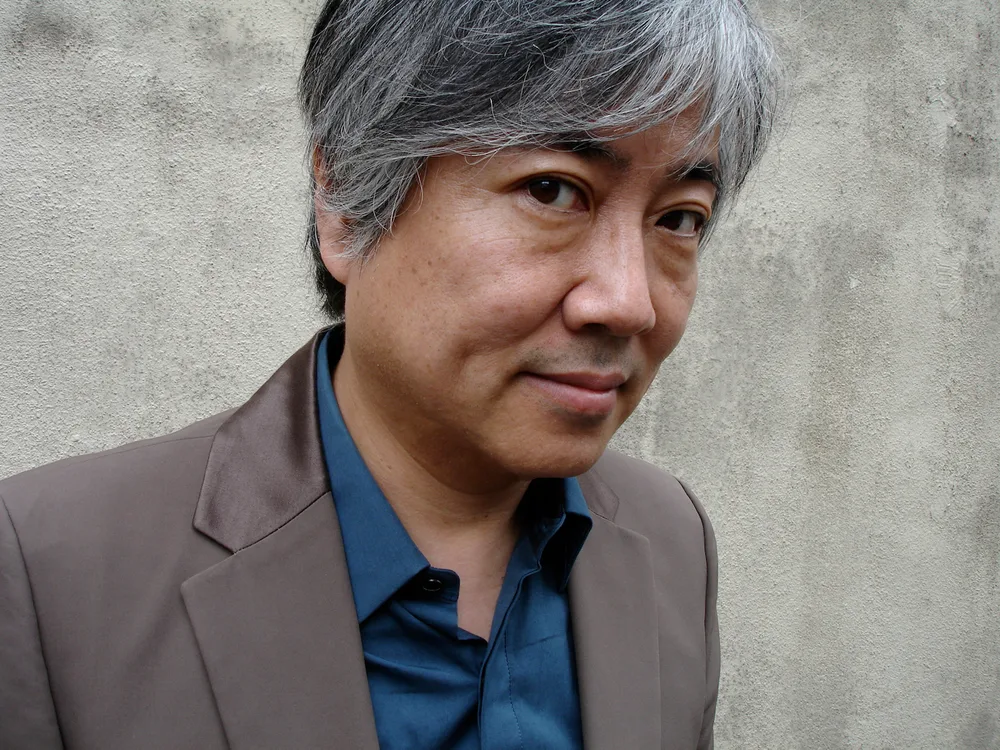
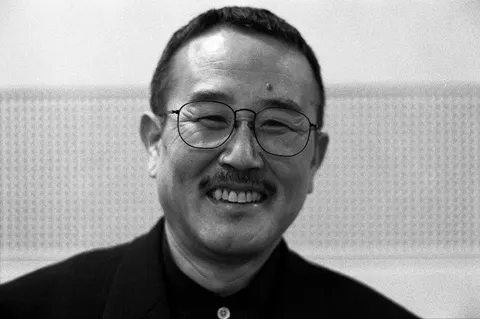
Yasuaki Shimizu, photographed on 19 May 2006. Creative Commons Attribution-ShareAlike 4.0 International (CC BY-SA 4.0). The caption in final-blog.md names the specific licence per the 2026-07-25 standing rule. — Wikimedia Commons, File:Yasuaki Shimizu.jpg. The original is 1378 x 1033 at 1,463,527 bytes, roughly 1.46MB, confirmed by HTTP HEAD against the upload host, so it sits well under the 20MB Reddit ceiling and no thumbnail substitution was needed. The full-resolution file is embedded at https://upload.wikimedia.org/wikipedia/commons/7/77/Yasuaki_Shimizu.jpg and saved locally as portrait.jpg, not hotlinked. Commons file page: https://commons.wikimedia.org/wiki/File:Yasuaki_Shimizu.jpg.
Yasuaki Shimizu (清水靖晃) was born on August 9, 1954 in Shimada, a town in Shizuoka Prefecture, and spent the 1970s working as a saxophonist in Tokyo. His own first album, Get You, came out on Yupiteru Records in 1978. The same year he appeared on records by the Yosuke Yamashita Trio and the trombonist Shigeharu Mukai, which set the pattern for a career in which his session work would eventually outnumber his own releases by more than six to one.
His second album moved fast and far. Far East Express was recorded at Electric Lady Studios in New York across nine days in July 1979, with Tony Levin on electric bass, Andy Newmark on drums, Clifford Carter on keyboards and the trumpeter Shunzo Ohno conducting. Shimizu was 24.
From 1979 he led Mariah, the band that occupies the strangest and most celebrated corner of his catalogue. Six albums appeared between 1979 and 1983, beginning near progressive rock and drifting steadily away from it. The last of them, Utakata no Hibi (1983), set traditional Japanese festival rhythms against rock tempos and electronic production, and it is the record that carried the band to listeners outside Japan once the New York label Palto Flats reissued it in 2015.
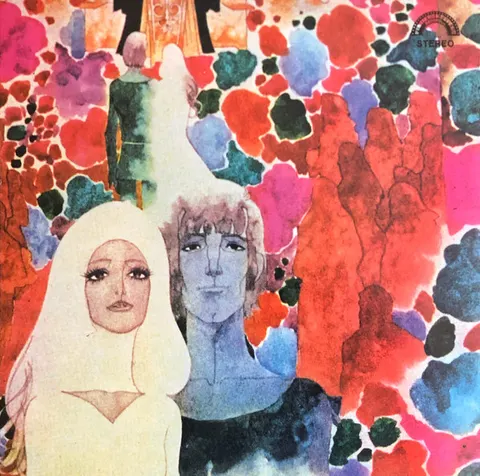
Between the last two Mariah albums came the solo record that now defines him for most listeners. Kakashi was released on Better Days in 1982, recorded and mixed at Nippon Columbia's Tokyo studios, with Shimizu credited on saxophone, clarinet, flute and voice, and on the cover artwork. It is a record of long, patient saxophone lines laid over dub space, marimba and cello. It stayed a Japan-only pressing for thirty-five years until Palto Flats and WRWTFWW issued it internationally on November 15, 2017.
In 1983 he launched The Saxophonettes, initially a studio concept rather than a band, with L'Automne à Pékin on Better Days. Ryuichi Sakamoto plays piano and bass guitar on it, a credit confirmed in the release personnel rather than inferred from the two men moving in the same Tokyo circles. The following year Shimizu recorded New Yorker Short Stories with The Great Jazz Trio, putting himself in a studio with Hank Jones, Eddie Gomez and Jimmy Cobb.
He also finished another album in 1984, a follow-up to both Kakashi and Utakata no Hibi, built on samplers, drum programming and turntables alongside the saxophone. It was never released. The master tapes stayed in storage until Palto Flats transferred them and issued the record as Kiren on February 25, 2022, thirty-eight years after the sessions.
From 1985 to 1991 Shimizu lived between Paris and London. Subliminal (1987) was recorded and mixed at ADS-Colour studio in Paris with the French producer Martin Meissonnier; Dementos (1988) and Aduna (1989) followed from London, the latter made with the Senegalese musician Wasis Diop, whose own albums No Sant (1995) and African Dream (1996) Shimizu went on to produce. Music for Commercials, a collection of short pieces written for Japanese television advertising, came out on the Belgian label Crammed Discs in 1987 as volume 12 of its Made To Measure series, and was reissued by the same label in 2017.
Back in Tokyo he co-produced the Tokyo Mura Mura Festival with Haruomi Hosono from 1991 to 1994, programming Michael Nyman, John Zorn, The Orb and Julee Cruise.
The work that has occupied him longest began by accident. Practising the Prelude from Bach's first Cello Suite, he ran his tenor saxophone through a reverb unit, and the sound convinced him to record all six suites on saxophone, each in a different acoustic environment, using the space itself in place of an accompanist. The second suite was recorded underground in the Oya stone quarry at Utsunomiya. Cello Suites 1•2•3 appeared on Invitation in 1996 and Cello Suites 4・5・6 on Victor in 1999, gathered as a two-disc set in 2007. Bach Box (1997) won the Best Production prize at the 39th Japan Record Awards. He returned to the same territory in 2015 with the Goldberg Variations arranged for five saxophones and four contrabasses, recorded at Salamanca Hall in Gifu.
In 2006 The Saxophonettes became a working quintet, and Pentatonica (2007) paired Shimizu's own compositions with arrangements of Ethiopian traditional songs built on the pentatonic scale.
Shimizu has scored for film and television throughout, including Peter Greenaway's The Pillow Book (1996), the anime feature X (1996), and the Oscar-nominated documentary Cutie and the Boxer (2013). In 2012 he received an Award of Distinction at Prix Ars Electronica for Voices of Aliveness, made with the artist Masaki Fujihata.
He remains active at 72. Bill Laswell has been releasing tapes of Shimizu's Tokyo club dates with drummer Hideo Yamaki: Shinjuku Pit Inn, recorded at the club in April 2002, appeared in 2020, and the Tokyo Rotation sets, taped in 2009 and 2010, have been issued since 2022, two of them with Akira Sakata on alto saxophone and clarinet. In March and April 2025 Shimizu played seven North American dates, his first there since the 1980s, running from Brooklyn to Seattle by way of Chicago, Toronto, Los Angeles and San Francisco. The tour sold out, drawing on material from Kakashi, Utakata no Hibi and Pentatonica, with Ray Kunimoto, his touring collaborator since 2018, processing the saxophone in real time.
Shimizu is a tenor player first, though he moves across alto, soprano, clarinet, bass clarinet and flute, and produces and arranges as readily as he performs. What connects records as far apart as Kakashi and the Bach cycle is an interest in the saxophone as a sound to be placed rather than simply played. On the 1982 record that means long tones suspended in dub reverb and echo; on the Cello Suites it means choosing a stone quarry as the reverb chamber and letting the room supply the counterpoint a solo cellist would otherwise imply.
His jazz grounding is in the Tokyo fusion and studio scene of the late 1970s, which is where his Kazumi Band and Yosuke Yamashita credits come from, but he moved away from straightforward fusion quickly. The Mariah records absorbed new wave, and by Utakata no Hibi they had turned toward Japanese festival rhythm and folk melody. The European years pushed him further toward African and electronic music, and the 1990s took him into a sustained engagement with Baroque repertoire. Discogs files his own catalogue under jazz, electronic, classical, ambient, new wave and stage and screen, which is a fair description of the range.
The Bach project is the throughline he has spent the most years on, and it is best understood not as a classical detour but as the same instinct that produced Kakashi: take a line, find the right space for it, and let the space finish the music.
- Kakashi (1982, Better Days) - The record most listeners arrive through, and the one the 2017 international reissue put in front of a new audience. Saxophone, clarinet and flute over marimba, cello and dub space. Spotify - Kakashi Listen
- Utakata no Hibi (1983, Mariah) - The last Mariah album, and the one that reissue culture rediscovered first, in 2015. Japanese festival rhythm meeting rock and electronics. Spotify - Utakata No Hibi Listen
- Kiren (recorded 1984, released 2022, Palto Flats) - The album that followed Kakashi and then waited thirty-eight years. Samplers, turntables and drum programming under the saxophone. Spotify - Kiren Listen · Buy
- Music For Commercials (1987, Crammed Discs) - Short pieces written for Japanese TV advertising, released as volume 12 of the Made To Measure series and far more substantial than the brief suggests. Spotify - Music For Commercials Listen · Buy
- Cello Suites (1996 and 1999, collected 2007) - Bach's six Cello Suites on tenor saxophone, each recorded in a different acoustic space, including the Oya stone quarry. The longest-running project of his career. Spotify - Cello Suites Listen
- Pentatonica (2007, Invitation) - The Saxophonettes as a working quintet, mixing original writing with Ethiopian traditional material on the pentatonic scale. Spotify - Pentatonica Listen · Buy
- Aduna (1989, Invitation) - The London record made with Wasis Diop, and the clearest document of Shimizu's African and electronic turn. Spotify - Aduna Listen · Buy
Yasuaki Shimizu: Full Discography
清水靖晃 · Japanese saxophonist, composer and producer · born 9 August 1954, Shimada, Shizuoka
Compiled from the Discogs API against artist 13411. The catalogue holds 401 credited releases, split by Discogs role as: 46 Main, 275 Appearance, 39 TrackAppearance, 26 Producer, 1 Co-producer, 1 Mixed by, and 13 unofficial releases. All 46 Main entries below were individually re-fetched at release level for label, catalogue number, date and personnel.
Leader and co-billed releases (Main, 46)
The 1970s and 1980s
| Album | Year | Label | Personnel | Notes | Listen | Buy |
|---|---|---|---|---|---|---|
| Get You | 1978 | Yupiteru Records, YJ25-7007 | Shimizu (saxophone) | Solo debut. LP, Japan. Filed by Discogs as contemporary jazz and fusion. | not found | Amazon |
| Far East Express | 1979 | Electric Bird, SKS 8012 | Shimizu (tenor saxophone, percussion, arranged by), Shunzo Ohno (conductor), Tony Levin (electric bass), Andy Newmark (drums), Clifford Carter (keyboards), Joe Caro (guitar), George Young (alto saxophone), Sue Evans (percussion) | Recorded 19 to 27 July 1979 at Electric Lady Studios, New York. | Spotify (title track) | Amazon |
| Taiyo no Shisha Tetsujin 28-go (soundtrack) | 1980 | Continental (7), HL-3001 | Shimizu with Masanori Sasaji | Released 25 October 1980. Score for the Nippon TV Tetsujin 28-go anime. | not found | Amazon |
| Berlin | 1980 | Electric Bird, K28P-6042 | Shimizu | Filed by Discogs as ambient, experimental, fusion and modern classical. | Spotify | Amazon |
| Electro-Pops Of Beatles 80 | 1980 | King Records, SKS-107 | Nobuyuki Shimizu, Yasuaki Shimizu, Masanori Sasaji (all arranged by) | Three-way co-credit. Electronic Beatles covers. | not found | Amazon |
| Muteki no Tetsujin 28-go Vol. 2 (soundtrack) | 1981 | Continental (7), HL-3002 | Shimizu with Junki Kawauchi, Masao Nakajima, Jun Irie | Released 25 April 1981. | not found | Amazon |
| IQ 179 (The Nervous Subversive Activities Prevention Law) | 1981 | B&M, YF-7027-B | Shimizu (sound produced by), Masanori Sasaji (co-sound produced by), Seigen Ono (recording engineer), Daikoh Nagato (producer) | Released August 1981. Numbered LP with obi and insert. | Spotify (title track) | Amazon |
| Kakashi (案山子) | 1982 | Better Days (2), YF-7061-BD | Shimizu (saxophone, clarinet, flute, voices, cover artwork), Takayuki Hijikata and Aki (guitar), Masanori Sasaji (marimba), Mitsuru Orikasa and Tomio Yajima (cello), Koji Yamaguchi (French horn) | Recorded and mixed at Nippon Columbia Studios, Tokyo. First pressed outside Japan on 15 November 2017 by Palto Flats and WRWTFWW. The identity anchor for this whole discography. | Spotify | Amazon |
| L'Automne À Pékin | 1983 | Better Days (2), YF-7078-BD | Shimizu with The Saxophonettes; Ryuichi Sakamoto (piano, bass guitar), Morio Watanabe (bass guitar), Hideo Yamaki (Simmons electronic drums), Aki Ikuta (Linn drum machine, producer), Neil Dorfsman (mixed by), Greg Calbi (mastered by) | Released October 1983. First album under the Saxophonettes name. | not found | Amazon |
| New Yorker Short Stories | 1984 | Columbia, YX-7343 | Shimizu (tenor, soprano and alto saxophone, bass clarinet, piano, electronic drums, noises) with The Great Jazz Trio: Hank Jones (piano), Eddie Gomez (bass), Jimmy Cobb (drums); also Morio Watanabe (bass), Hideo Yamaki (electronic drums), Lewis Eley (violin), Royal Artless String Orchestra | Released 21 September 1984. | not found | Amazon |
| Stardust | 1985 | Switch 45R.P.M., 15SW-4504 | Shimizu (alto and C melody saxophone, piano, fake strings, fake bass, fake snare), Jimmy Murakawa (vocals), Seigen Ono and Noriyuki Hamazaki (engineers), Aki Ikuta (producer) | Released 21 May 1985. 12-inch single. | not found | Amazon |
| Subliminal | 1987 | Invitation, VIH-28295 | Shimizu, Martin Meissonnier (co-producer, arranger, guitar), Morio Watanabe (bass), Hervé Le Coz and Martyn Phillips (engineers, mixing) | Recorded and mixed at ADS-Colour studio, Paris, 1987. | not found | Amazon |
| Music For Commercials | 1987 | Crammed Discs, MTM 12 CD (Belgium) | Shimizu (producer, composer, arranger, performer), Seigen Ono and others (recording) | Made To Measure volume 12. Short pieces written for Japanese TV commercials, except "Ka-Cho-Fu-Getsu," written for a computer-animated video. Reissued by Crammed Discs in 2017. | Spotify | Amazon |
| Dementos | 1988 | Invitation, VIH-28341 | Shimizu (composer, performer), David Cunningham and Domonique Brethes (guitar), Manny Elias (drums), Pandit Dinesh (percussion), David Lord (mixed by) | Released 31 August 1988. Recorded March to June 1988. | not found | Amazon |
| DAY O | 1989 | Invitation, VDR-15006 | Shimizu | Released 28 July 1989. CD EP and single. | not found | Amazon |
| Aduna | 1989 | Invitation, VDR-1643 | Shimizu (composer, lyrics), Wasis Diop (guitar, vocals, lyrics), Jakko M. Jakszyk and Ebby (guitar), Colin Baldry (bass), Gavin Harrison (drums), Mieko Shimizu (lyrics) | Released 21 September 1989. Recorded in London, April to July 1989. | Spotify | Amazon |
The 1990s
| Album | Year | Label | Personnel | Notes | Listen | Buy |
|---|---|---|---|---|---|---|
| Shadow Of China (soundtrack) | 1990 | Invitation, VICL-29 | Shimizu (composer), Morio Watanabe and Hitoshi Watanabe (bass), Lyu Hong-Jun (dizi), Febian Reza Pane and Haruo Togashi (piano), Ruth Chen (vocals), Jimmy Harada (drums) | Released 21 May 1990. | not found | Amazon |
| Ton Sourire | 1991 | Polydor, 1426 (France) | Dee Nasty (written by), Shimizu (featuring) | Promo-only 7-inch, France. Jazzy hip-hop. | not found | Amazon |
| Latin | 1991 | Eva (7), WWCX 2031 | Shimizu (tenor, alto, soprano and C melody saxophone, clarinet, flute, composer, arranger, producer), Aki Ikuta (Linn, producer), Noriyuki Hamazaki (recording, mixing) | Released 25 September 1991. Recorded and mixed at Smoky Studios, Tokyo, across 1983 to 1991. | not found | Amazon |
| Time And Again | 1993 | Polystar, PSCR-5059 | Shimizu with The Saxophonettes and the Royal Artless String Orchestra; Vangelis (composer, one title), Shinji Kano (computer, engineer), Toshiyuki Yoshida (mixed by) | Released 26 November 1993. Obi and two booklets. | not found | Amazon |
| Soundtrack For The Film Pao-Jiang-Hu | 1995 | Cœur Records, CR-0002 | Shimizu (composer), traditional material | CD album, Japan. | not found | Amazon |
| X Original Soundtrack | 1996 | Victor, VICL-788 | Shimizu (saxophone, clarinet, sequencer, keyboards, voice, composer), Yuichiro Goto (violin), Shinji Kano (recording, mixing) | Released 21 August 1996. Score for the animated film of CLAMP's X/1999. | not found | Amazon |
| Cello Suites 1•2•3 | 1996 | Invitation, VICP-235 | Shimizu (tenor saxophone) with The Saxophonettes; J.S. Bach (composer), Masataka Fukuda (recording engineer), Shuji Kitamura (mastering) | Released 21 November 1996. Bach's first three Cello Suites arranged for saxophone. | Spotify (2007 set) | Amazon |
| From The Cello Suites | 1996 | Invitation, VLJP-2002 | Shimizu (producer) with The Saxophonettes; J.S. Bach (composer), Tohru Kotetsu (lacquer cut) | Released 21 November 1996. Vinyl companion to the CD above. | not found | Amazon |
| Suite 1 J.S. Bach | 1996 | Invitation, VICP-12008 | Shimizu (arranger) with The Saxophonettes | CD maxi-single. | not found | Amazon |
| Bach Box | 1997 | Invitation, VICL-60112 | Shimizu with The Saxophonettes | Released 22 September 1997. Won the Best Production prize at the 39th Japan Record Awards. | Spotify | Amazon |
| Cello Suites 4・5・6 | 1999 | Victor, VICP-60887 | Shimizu with The Saxophonettes; J.S. Bach (composer) | Released 20 November 1999. Completes the cycle. | Spotify (2007 set) | Amazon |
2000 onward
| Album | Year | Label | Personnel | Notes | Listen | Buy |
|---|---|---|---|---|---|---|
| Cinefil. Film Lovers' TV Channel - The Music | 2001 | DML Classics, DICT-28901 | Shimizu (tenor saxophone, clarinet, piano, guitar, keyboards, composer, producer), Masataka Hirano (baritone saxophone), Misa Fukuma and Suzi Kim (vocals), Scott Browes (narrator) | Recorded at Pathway and Submarine, Tokyo. | not found | Amazon |
| Concert À L'Espace Pierre Cardin | 2001 | Saravah and Omagatoki, OMCX-1061 | Pierre Barouh with Shimizu (tenor saxophone) and Moonriders; Keiichi Suzuki (liner notes) | Released 20 July 2001, but recorded on 11 and 15 February 1983. | not found | Amazon |
| Listen Don't Look | 2002 | Sateto Inc, no catalogue number | Shimizu (music by) | CDr, limited to 100 copies. Music for Simon James's art installation Listen Don't Look, 17 October 1998. | not found | not found |
| Seventh Garden | 2004 | Invitation, VICL-61390 | Shimizu (tenor saxophone, xylophone, chimes, electronics, recording), Satoshi Sakakibara (conductor), Tamami Shiraishi (soprano), Miyako Koda (voice), Hibari Jido Gasshodan (vocals) | Includes "Momo No Hana," a new version of an unreleased 1984 recording. | Spotify | Amazon |
| Pentatonica | 2007 | Invitation, VICL-62359 | Shimizu (tenor saxophone, composer, producer), Ryoko Egawa and Hirokazu Hayashida (tenor and soprano saxophone), Ryota Higashi and Hiroshi Suzuki (10) (baritone saxophone), Shinji Kano (engineer) | Released 25 April 2007. The Saxophonettes as a working quintet. Original compositions plus arrangements of Ethiopian traditional songs built on the pentatonic scale. | Spotify | Amazon |
| Cello Suites (complete, 2xCD) | 2007 | Victor Entertainment, VICP-63779~80 | Shimizu with The Saxophonettes | Released 25 April 2007. The 1996 and 1999 albums gathered as one set. | Spotify | Amazon |
| One Hundred | 2009 | Staubgold, staubgold 91 (Germany) | Shimizu (tenor saxophone, piano, delays, producer, composer), David Cunningham (guitar, footpedals, delays, kalimba, producer, composer, edited by) | Released 13 February 2009. Recorded at Super Deluxe, Tokyo, 26 December 2004; edited in London, 2007. | not found | Amazon |
| SYO | 2014 | ZIZO, SHCZ-0053 | Shimizu, Hideo Yamaki, Ogimi Gen | Released 6 June 2014. | not found | Amazon |
| 55-sai kara no Hello Life (soundtrack) | 2014 | Ideal Music, NGCS-1042 | Shimizu | Released 2 July 2014. Score for the NHK drama. | not found | Amazon |
| Goldberg Variations For Five Saxophones And Four Contrabasses | 2015 | Avex-Classics, AVCL-25869 | Shimizu (arranger) with The Saxophonettes: Ryoko Egawa (alto, soprano), Ryota Higashi and Hiroshi Suzuki (10) (baritone, tenor, alto); contrabasses Atsushi Kuramochi, Daisuke Sasaki, Naoko Nakamura, Noriyuki Miyasaka | Released 15 April 2015. Recorded 14 to 18 July 2014 at Salamanca Hall, Gifu. Hybrid SACD. | not found | Amazon |
| Crow / Hako (箱) | 2017 | B&M, JS7S152 | Shimizu | 7-inch, 45 RPM. First official single release of IQ-179 material. | not found | Amazon |
| (Re)Subliminal | 2018 | HMV Record Shop, HRLP098 | Shimizu (keyboards, saxophone, clarinet, producer), Martin Meissonnier (guitar, producer), Morio Watanabe (bass), Chee Shimizu (edited by), Hervé Le Coz (recording) | Vinyl reworking of the 1987 Subliminal sessions. | not found | Amazon |
| Shinjuku Pit Inn | 2020 | Bill Laswell self-released | Shimizu (saxophone), Bill Laswell (bass), Hideo Yamaki (drums) | Released 3 November 2020, but recorded at Shinjuku Pit Inn, Tokyo on Sunday 28 April 2002. Digital only. | not found | not found |
| Kiren | 2022 | Palto Flats, PF011 (US) | Shimizu (saxophone, bass clarinet, sampler, marimba, trumpet, synthesizer, piano, producer), Morio Watanabe (bass), Aki Ikuta (turntables, drum programming, producer), Noriyuki Hamazaki (recording, mixing), Chee Shimizu (liner notes) | Released 25 February 2022. Recorded in 1984, transferred from the master tapes and released for the first time 38 years later. | Spotify | Amazon |
| Tokyo Rotation 4 - Day 2 Set 1 | 2022 | Bill Laswell self-released | Shimizu (tenor saxophone), Bill Laswell (bass), Hideo Yamaki (drums), Hoppy Kamiyama (Kaos), Yas-Kaz (percussion), DJ Yama (turntables) | Released 12 March 2022, recorded Friday 7 May 2010. | not found | not found |
| Tokyo Rotation 4 - Day 2 Set 2 | 2022 | Bill Laswell self-released | Shimizu (tenor saxophone), Akira Sakata (alto saxophone, clarinet), Bill Laswell (bass), Hideo Yamaki (drums), Yas-Kaz (percussion), DJ Yama (turntables) | Released 14 March 2022, recorded Friday 7 May 2010. Bandcamp subscriber exclusive. | not found | not found |
| Kaminoko Wa Tsubuyaku / Dokyumento "Shukyo Nisei" O Ikiru | 2023 | Rambling Records, RBCP-3517 | Shimizu | Released 13 December 2023. Documentary score. | not found | Amazon |
| Tokyo Rotation 3 - Day 1 Set 1 | 2025 | Bill Laswell self-released | Shimizu (tenor saxophone), Bill Laswell (bass), Hideo Yamaki (drums), DJ Yama (turntables) | Released 21 December 2025, recorded at Pit Inn Shinjuku on Thursday 30 April 2009. | not found | not found |
| Tokyo Rotation 3 - Day 1 Set 2 | 2026 | Bill Laswell self-released | Shimizu (tenor saxophone), Akira Sakata (alto saxophone, clarinet), Bill Laswell (bass), Hideo Yamaki (drums), DJ Yama (turntables) | Released 11 January 2026, recorded 30 April 2009. The most recent release in the catalogue. | not found | not found |
Mariah (band, 1979 to 1983)
Shimizu led Mariah, catalogued on Discogs as artist 1722535. Six albums, not the five often quoted.
| Album | Year | Listen | Buy |
|---|---|---|---|
| Mariah | 1979 | not found | Amazon |
| Yen Tricks | 1980 | not found | Amazon |
| Auschwitz Dream | 1981 | not found | Amazon |
| Marginal Love | 1981 | not found | Amazon |
| Red Party | 1982 | not found | Amazon |
| Utakata no Hibi (うたかたの日々) | 1983 | Spotify | Amazon |
Reissued by Palto Flats in 2015, Utakata no Hibi is the record that carried the band to a non-Japanese audience.
Selected sideman appearances (from 314 Appearance and TrackAppearance credits)
Chronological. Linked names are artists already profiled in this project.
| Year | Artist | Release | Listen | Buy |
|---|---|---|---|---|
| 1977 | Osamu Kawakami And His Group | Jump For Joy | not found | Amazon |
| 1978 | Shigeharu Mukai | Spacing Out | not found | Amazon |
| 1978 | Yosuke Yamashita Trio | Sunayama (砂山) | not found | Amazon |
| 1978 | Izumi Kobayashi & Flying Mimi Band | Sea Flight; Orange Sky - Endless Summer | not found | Amazon |
| 1979 | Kazumi Watanabe | Kylyn; Kylyn Live | not found | Amazon |
| 1979 | Yosuke Yamashita presents Katsuo Kuninaka | Warm Current (暖流) | not found | Amazon |
| 1980, 1981 | Masahiko Satoh And Medical Sugar Bank | MSB; MSB Two | not found | Amazon |
| 1981, 1982 | Kazumi Band | Talk You All Tight; Ganaesia | not found | Amazon |
| 1983, 1984 | Ryuichi Sakamoto | Favorite Visions; Ongaku Zukan (音楽図鑑) | not found | Amazon |
| 1984 | Seigen Ono | Seigen | not found | Amazon |
| 1985 | Akira Sakata and his DA-DA-DA Orchestra | DA-DA-DA (Plays Duke Ellington And A Few Surprises) | not found | Amazon |
| 1985 | Toshinori Kondo | China Boogie | not found | Amazon |
| 1985 | Ryuichi Sakamoto & Kazumi Watanabe | Tokyo Joe | not found | Amazon |
| 1989, 1993, 1995 | Haruomi Hosono | Omni Sight Seeing; Medicine Compilation From The Quiet Lodge; N.D.E | not found | Amazon |
| 1995 | Karin Krog | You've Got Style; Freestyle (with John Surman) | not found | Amazon |
| 1996 | Björk | Hyperballad (saxophone on the Towa Tei Remix only) | not found | Amazon |
| 1994 to 2023 | Towa Tei | 14 credits, from Future Listening! (1994) to Touch (2023) | not found | Amazon |
| 2012 | Kazumi Watanabe | Guitar Renaissance V | not found | Amazon |
Selected production credits (from 26 Producer entries)
| Year | Artist | Release | Listen | Buy |
|---|---|---|---|---|
| 1979 | Mariah | Mariah | not found | Amazon |
| 1980, 1981 | Yumi Murata | Krishna; Himiko (卑弥呼) | not found | Amazon |
| 1980, 1981 | Takayuki Hijikata | Smash The Glass; Atomic Rooster | not found | Amazon |
| 1981 | Tomoko Aran (亜蘭知子) | Vaudevillian (悲しきボードビリアン); Shinkei Suijaku (神経衰弱) | not found | Amazon |
| 1982 | Naomi Akimoto (秋本奈緒美) | Rolling 80s | not found | Amazon |
| 1986 | Qujila (くじら) | Nude; Tamago | not found | Amazon |
| 1988 | Masami Tsuchiya | Horizon | not found | Amazon |
| 1993, 2002, 2016 | Hideo Yamaki | Shadow Run; There He Goes; Hoisasa (with Ginger Baker) | not found | Amazon |
| 1995, 1996 | Wasis Diop | No Sant; African Dream (featuring Lena Fiagbe) | not found | Amazon |
| 1989 | Minako Yoshida | Dark Crystal (mixed by) | not found | Amazon |
Scale note
The 314 Appearance and TrackAppearance credits are too many to list in full, and most are single-track
session dates, compilations and alternate editions rather than substantive collaborations. The table
above selects the entries that are either musically significant or that connect to artists already
covered in this project. The complete list is available from the Discogs API at
/artists/13411/releases.
Compiled 2026-08-27 from the Discogs API. Editorial notes, identity-resolution detail and open
questions are kept separately in yasuaki-shimizu_notes.md.
- Mariah (1979 to 1983) - bandleader and saxophonist. Six albums, closing with Utakata no Hibi.
- The Saxophonettes (1983 to present) - his own ensemble, a studio concept from L'Automne à Pékin onward and a working quintet from 2006, with Ryoko Egawa, Hirokazu Hayashida, Ryota Higashi and Hiroshi Suzuki.
- Kazumi Band / Kazumi Watanabe - saxophone on Kylyn and Kylyn Live (1979), Talk You All Tight (1981), Ganaesia (1982), and later Guitar Renaissance V (2012).
- Ryuichi Sakamoto - Sakamoto plays piano and bass guitar on Shimizu's L'Automne à Pékin (1983); Shimizu appears on Sakamoto's Favorite Visions (1983) and Ongaku Zukan (1984).
- Masahiko Satoh and Medical Sugar Bank - MSB (1980) and MSB Two (1981).
- Yosuke Yamashita - Sunayama (1978) with the trio, and Warm Current (1979).
- Akira Sakata - DA-DA-DA (Plays Duke Ellington And A Few Surprises) with Sakata's orchestra in 1985, and two of the Laswell-issued Tokyo Rotation sets.
- Toshinori Kondo - China Boogie (1985).
- Bill Laswell and Hideo Yamaki - the trio documented on Shinjuku Pit Inn and the Tokyo Rotation series. Shimizu also produced three Yamaki albums, including Hoisasa (2016) with Ginger Baker.
- The Great Jazz Trio - Hank Jones, Eddie Gomez and Jimmy Cobb, on New Yorker Short Stories (1984).
- Wasis Diop - co-writer and performer on Aduna (1989); Shimizu produced Diop's No Sant (1995) and African Dream (1996).
- Martin Meissonnier - co-producer, arranger and guitarist on Subliminal (1987) and the 2018 rework (Re)Subliminal.
- David Cunningham - guitarist on Dementos (1988) and co-author of the duo album One Hundred (2009).
- Towa Tei - fourteen credits between Future Listening! (1994) and Touch (2023), including saxophone on Towa Tei's 1996 remix of Björk's "Hyperballad."
- Haruomi Hosono - Omni Sight Seeing (1989) and the Medicine Compilation releases; co-producers of the Tokyo Mura Mura Festival, 1991 to 1994.
- Karin Krog - You've Got Style and Freestyle with John Surman, both 1995.
- Morio Watanabe - bassist across L'Automne à Pékin, New Yorker Short Stories, Subliminal, Shadow Of China, Kiren and (Re)Subliminal, the most persistent recurring name in his own sessions.
- Aki Ikuta - producer and programmer on L'Automne à Pékin, Stardust, Latin and Kiren.
More Jazz Fusion Artists
See all 262 Jazz Fusion artists →More Japanese Jazz Artists
See all 70 Japanese artists →- Official site
- Spotify artist page
- Yasuaki Shimizu & Saxophonettes on Spotify
- Palto Flats on Bandcamp
- Yasuaki Shimizu on JazzProfiles.com
- r/JapaneseJazz
- Wikipedia: Yasuaki Shimizu
- Wikipedia: Kakashi (album)
- Discogs: Yasuaki Shimizu
- Discogs: Mariah
- The Vinyl Factory: Kakashi reissue
- The Vinyl Factory: Kiren gets first release
- Resident Advisor: North American tour announcement
- Resident Advisor: lost album Kiren
- KALW: Yasuaki Shimizu's first US sold-out tour
- In Sheep's Clothing: Subliminal, The Enchanted World of Yasuaki Shimizu
- Palto Flats: Kakashi