 JAZZPROFILES lives in the music 1,765 Jazz Artists fully Profiled!
Hiroshi Hatsuyama
Last updated October 21, 2026
Listen on Spotify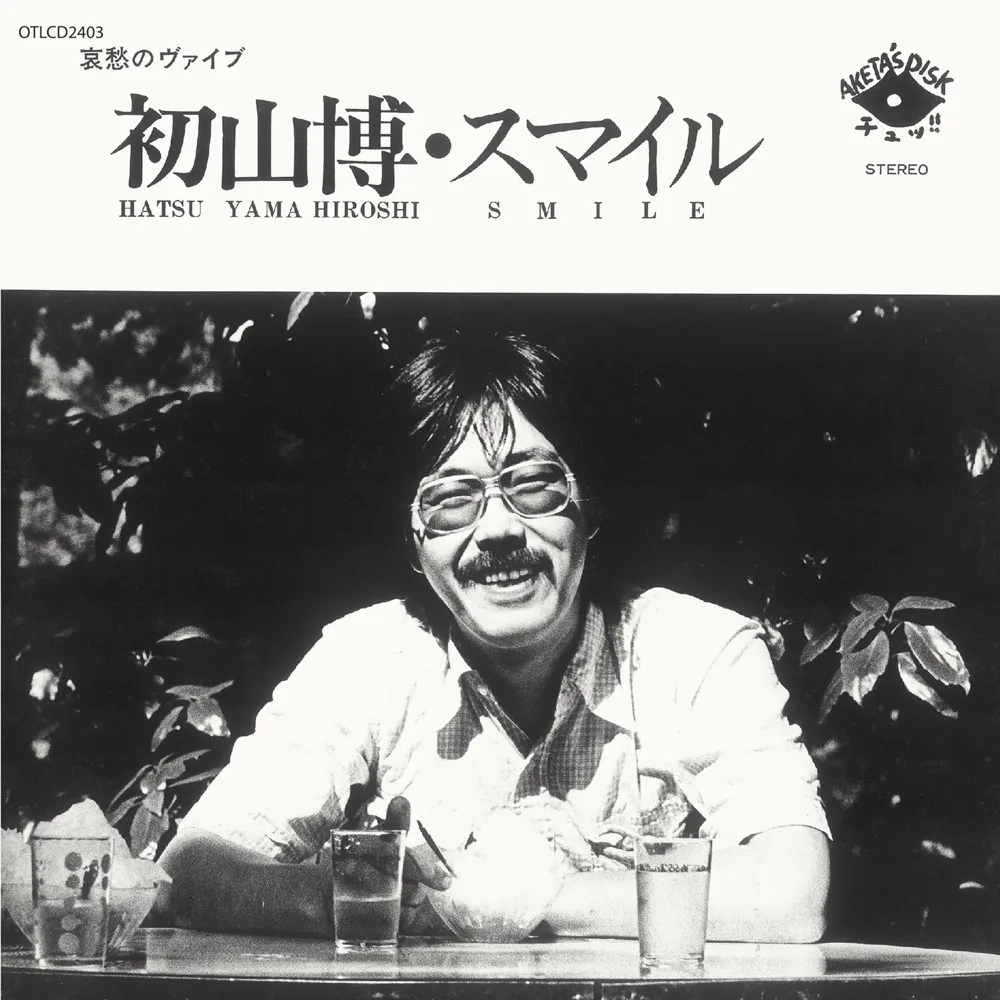
Hiroshi Hatsuyama on the front cover of his album *Smile*, Aketa's Disk, 1977 (reissued on CD by Octave-Lab, OTLCD2403, 2019). Standard copyright, all rights reserved, held by Aketa's Disk / Octave-Lab. This is not a Creative Commons or public-domain image, and it is not presented as one. It is an album cover whose front photograph shows a single person, the album's leader, used here as an honestly disclosed editorial stand-in for a portrait. — the front cover of the 2019 CD reissue of Smile (Octave-Lab OTLCD2403), which reproduces the 1977 Aketa's Disk sleeve, taken from the Apple Music release page for the album, https://music.apple.com/us/album/%E3%82%B9%E3%83%9E%E3%82%A4%E3%83%AB/1472329766 (not a Discogs-hosted image). Saved locally as portrait.jpg in this folder, not hotlinked.
Hiroshi Hatsuyama (初山博) is a Japanese jazz vibraphonist who also plays marimba and chromatic harmonica. Discogs gives his birth as March 1, 1948, in Chiba. Vibes players have always been thin on the ground in Japanese jazz, and the label that reissued his only leader album calls him a valuable presence in that small field, a player whose colour on records by Fumio Itabashi, Koichi Matsukaze, Yoriyuki Harada and Shoji Aketagawa is reason enough to take him seriously.
That leader album is Smile, recorded on June 7, 1977 at Aketa no Mise, the jazz club in Nishi-Ogikubo, Tokyo, run by the pianist Shoji Aketagawa, who also ran the independent label that issued it, Aketa's Disk (catalogue AD-4). The sleeve calls him the player of "melancholy vibes" (哀愁のヴァイブ). The core band was a quartet: Hatsuyama on vibraphone, Atsushige Muraishi on guitar, Haruo Ogoshi on bass and Koji Kushima on drums. Three guest pianists took a share of the tracks: Itabashi, Kazuhide Motooka and Toru Tsuzuki, whose composition "Midday Moon" is on the record. The programme is seven pieces. Milt Jackson's "Bags' Groove" opens it, then "For Heaven's Sake," Charlie Chaplin's "Smile," Tsuzuki's "Midday Moon," Duke Ellington's "In a Sentimental Mood," Hatsuyama's own "Bb Blues" and Quincy Jones's "Eyes of Love." Aketagawa designed the sleeve. The album went back into circulation on July 24, 2019, when Octave-Lab issued it on CD for the first time as part of a limited reissue series of early Aketa's Disk titles.
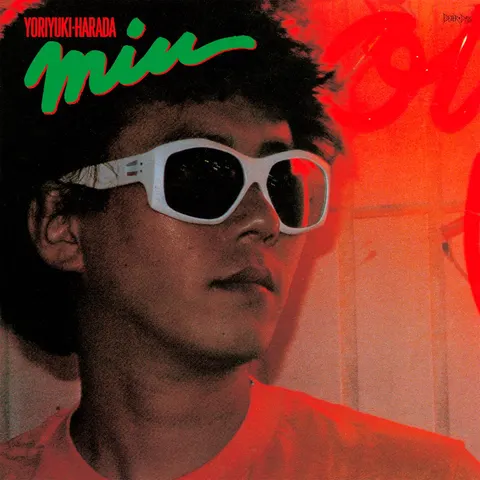
Smile was his first album as a leader, and the rest of his listed work is sideman work, much of it in Tokyo studios at the turn of the 1980s. He is the vibraphonist on Itabashi's Nature, recorded March 13 to 15, 1979 at Nippon Columbia's 1st Studio in Tokyo, a session with Yoshio Otomo on soprano saxophone and two drummers, Kenichi Kameyama and Ryojiro Furusawa. On May 9 and 11, 1981 he recorded Good Nature for Trio Records in Matsukaze's quartet, with Hideaki Mochizuki on bass and Takeo Moriyama on drums. One of its tunes, "Under Construction," has since been anthologised on Gilles Peterson's Shibuya Jazz Classics (2003), Jazzman's Spiritual Jazz 8 (2018) and the Solid Records compilation Scenery of Japanese Jazz (2020). Between August 20 and October 6, 1981, at Nippon Columbia's studios, he is credited on Yoriyuki Harada's Miu with vibraphone, marimba, glockenspiel, xylophone and harmonica, alongside the drummers Sabu Toyozumi and Furusawa.
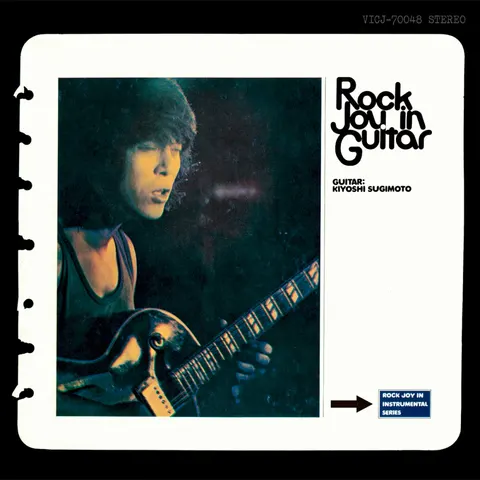
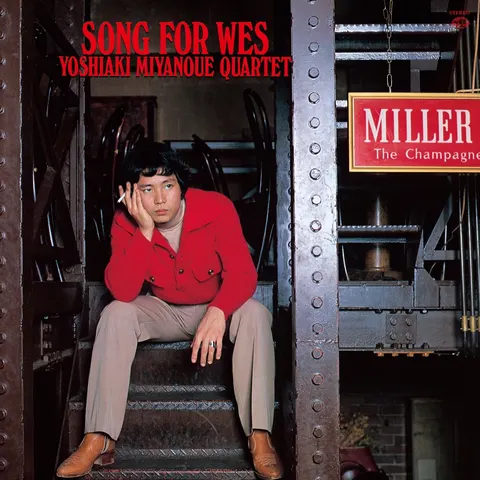
His other early-1980s credits run well outside the straight-ahead frame. He is on two records by the vocalist Eri Ohno for Nippon Columbia's Better Days imprint, Eri (1980) and Good Question (1981). He appears on Riviera (recorded March 11 and 12, 1981) by the guitarist Yoshiaki Miyanoue's group Smokin', on Touch of Love, Miyanoue's album with the organist Jimmy Smith (recorded September 26 and 29, 1981 at AOI Studios), and on Smokin's Kuroi Hitomi no Natalie (黒い瞳のナタリー, recorded April 1983). In 1982 he was the vibraphone and marimba player on the album credited to the Kidnaping Blues Band, on which Yosuke Yamashita is credited as conductor, producer and pianist and Kiyoshi Sugimoto plays guitar; Discogs files the record under fusion, bossa nova and soundtrack. On the flautist Tamami Koyake's Someday (1982) he plays marimba and violin on one track, with Itabashi on piano and Furusawa on drums. His last credit of that decade is Aketagawa's Nojiri no Tasogare (recorded September 17, 1985), on harmonica and vibraphone with the leader on piano.
Wikipedia's list of past performers at the Asahikawa Live Jam festival places him at its first edition, on August 3, 1986 at Kamui Ski Links in Hokkaido, as a guest of the Otomo-Kusumoto Quintet, with Hiroshi Fukumura billed beside him. That is a festival listing rather than a recording credit, so it is given here as reported. The same encyclopedia's credit list for Soul Flower Union's 2001 compilation Ghost Hits 95-99 names him on vibraphone on one track.
Later credits lean on the harmonica. He plays it on 玉城一美's Tinin (天縁, 1997), recorded in Okinawa and Tokyo with Kazutoki Umezu as producer, arranger and saxophonist, and on the 1999 soundtrack to the film Kujaku, on which Itabashi is credited with composing, arranging and playing piano, Hiroaki Katayama plays tenor saxophone and Natsuki Tamura trumpet. In the 2010s he turned up on solo albums by the rock musician Shintaro Sakamoto, formerly of Yura Yura Teikoku: vibraphone on two tracks of How to Live With a Phantom (2011), where he also plays chromatic harmonica on the title song, and vibraphone on four tracks (two of them instrumental versions) of Let's Dance Raw (2014).
His one leader album places him in the Milt Jackson line of the jazz vibraphone: it opens with Jackson's "Bags' Groove" and runs through standards, a blues of his own and a Quincy Jones ballad. The reissue label sums the playing up as sometimes bluesy, sometimes swinging, filled throughout with a beautiful ring, and the sleeve's "melancholy vibes" tag fits a programme built on slow-burning blues feeling and Ellington's "In a Sentimental Mood."
Where he is most distinctive is range. The credits show him working with very different bands: the modal quartet of Matsukaze's Good Nature (classed on Discogs as modal and avant-garde jazz), the post-bop and modal session of Itabashi's Nature, Harada's Miu (classed as free jazz and fusion, and the record where he alone covers vibraphone, marimba, glockenspiel, xylophone and harmonica), Jimmy Smith's soul-jazz organ date with Miyanoue, the vocal records of Eri Ohno (Good Question is filed under disco and city pop), and finally the indie-rock settings of Shintaro Sakamoto's albums. The harmonica is a second voice that surfaces from the mid-1980s onward, on Aketagawa's 1985 album, on the 1997 Tamaki record and on the 1999 film soundtrack.
- Smile (1977, Aketa's Disk AD-4) - His one album as a leader, recorded June 7, 1977: vibraphone with guitar, bass and drums, three guest pianists and a programme of standards plus his own "Bb Blues." Reissued on CD in 2019. Spotify - Smile (2019 reissue) · Apple Music - Smile Listen
- Good Nature (Koichi Matsukaze, 1981, Trio Records PAP-25008) - Matsukaze's quartet with Hatsuyama's vibraphone, Hideaki Mochizuki on bass and Takeo Moriyama on drums; its "Under Construction" has been anthologised three times. Spotify - Good Nature (2021 remaster) · YouTube - Under Construction Listen
- Nature (Fumio Itabashi, 1979, Better Days YX-7593-ND) - Itabashi's studio date with vibraphone and soprano saxophone, recorded March 13 to 15, 1979. Spotify - Nature · YouTube - Nature, full album Listen
- Miu (Yoriyuki Harada, 1981, Better Days YF-7040-N) - The session where he is credited on vibraphone, marimba, glockenspiel, xylophone and harmonica together. Spotify - Miu Listen
Hiroshi Hatsuyama (初山博): Full Discography
Japanese jazz vibraphonist who also plays marimba and chromatic harmonica. Born March 1, 1948, Chiba. Discogs artist 2502689.
Name variations on record: H. Hatsuyama, Hatsuyama Hiroshi, 初山博.
Group affiliations: Kidnaping Blues Band, Yoshiaki Miyanoue & Smokin'.
Leader
| Album | Year | Label | Personnel | Notes | Listen | Buy |
|---|---|---|---|---|---|---|
| Smile (スマイル), billed 初山博 = Hatsuyama Hiroshi | 1977 | Aketa's Disk, AD-4 (LP) | Hiroshi Hatsuyama (vibraphone), Atsushige Muraishi (guitar), Haruo Ogoshi (bass), Koji Kushima (drums); guest pianists Fumio Itabashi, Kazuhide Motooka and Toru Tsuzuki | Recorded June 7, 1977 at Aketa no Mise, Nishi-Ogikubo, Tokyo. Seven tracks: "Bags' Groove" (Milt Jackson), "For Heaven's Sake," "Smile" (Charlie Chaplin), "Midday Moon" (Toru Tsuzuki), "In a Sentimental Mood" (Duke Ellington), "Bb Blues" (Hatsuyama), "Eyes of Love" (Quincy Jones). Sleeve design by Shoji Aketagawa. | Spotify | Amazon |
| Smile (CD reissue) | 2019 | Octave-Lab, OTLCD2403 (released July 24, 2019) | As above | First CD edition, limited, remastered, with new liner notes; issued with Aketa's Disk and the Deep Jazz Reality series. | Spotify · Apple Music | Amazon |
Guest, sideman and compilation appearances
Chronological. Twenty-one releases carry his name on Discogs artist 2502689; the leader entries above are Smile and its reissue, and the remainder are below.
| Year | Release | Actual leader | Label | Credit | Listen | Buy |
|---|---|---|---|---|---|---|
| 1979 | Nature | Fumio Itabashi | Better Days, YX-7593-ND | Vibraphone. Recorded March 13 to 15, 1979 at Nippon Columbia 1st Studio, Tokyo. | Spotify · YouTube | Amazon |
| 1980 | Eri | Eri Ohno (大野えり) | Better Days, YF-7001-N | Vibraphone and marimba on "Trust Me"; vibraphone on "People Make the World Go Round" and "Eyes of Love." | not found | Amazon |
| 1981 | Miu (ミユー) | Yoriyuki Harada (原田依幸) | Better Days, YF-7040-N | Vibraphone, marimba, glockenspiel, xylophone, harmonica. Recorded August 20 to October 6, 1981 at Nippon Columbia Studios 1, 3 and 4. | Spotify | Amazon |
| 1981 | Good Nature (グッド・ネイチャー) | Koichi Matsukaze (松風鉱一) | Trio Records, PAP-25008 | Vibraphone. Recorded May 9 and 11, 1981, with Hideaki Mochizuki (bass) and Takeo Moriyama (drums). | Spotify · YouTube - Under Construction | Amazon |
| 1981 | Good Question | Eri Ohno | Better Days, YF-7034-N | Vibraphone. | not found | Amazon |
| 1981 | Touch of Love | Yoshiaki Miyanoue with special guest Jimmy Smith | Vap, 30016-28 | Vibraphone. Recorded September 26 and 29, 1981 at AOI Studios, with Jimmy Smith (electric organ), Yuzo Yamaguchi (bass), Kenny Dixon (drums) and Q Ishikawa (tenor saxophone). | not found | Amazon |
| 1981 | Riviera | Yoshiaki Miyanoue & Smokin' (宮ノ上貴昭&スモーキング) | Denon, YX-7299-ND | Vibraphone. Recorded March 11 and 12, 1981 at Higashimatsuyama Bunka Kaikan. | not found | Amazon |
| 1982 | Eri / Eri My Dear | Eri Ohno | Better Days, CSY-1216-Bd | Cassette compilation; vibraphone and marimba on "Trust Me," vibraphone on "People Make the World Go Round" and "Eyes of Love." | not found | not found |
| 1982 | Kidnaping Blues (キッドナップ・ブルース) | Kidnaping Blues Band | Japan Record, JAL-28 | Vibraphone and marimba. Yosuke Yamashita (conductor, producer, piano, vocals, melodica), Kiyoshi Sugimoto (guitar), Hiroshi Yoshino (bass, cello), Pecker and Kazuhiro Mishima (percussion), Tamori (trumpet, vocals). | not found | Amazon |
| 1982 | Someday (い・つ・か) | Tamami Koyake (小宅珠実) | Better Days, YF-7049 | Marimba and violin on one track (A3), with Fumio Itabashi (piano) and Ryojiro Furusawa (drums). | not found | Amazon |
| 1983 | Kuroi Hitomi no Natalie (黒い瞳のナタリー) | Yoshiaki Miyanoue & Smokin' | Vap, 30112-25 | Vibraphone. Recorded April 1983. | not found | Amazon |
| 1985 | Nojiri no Tasogare (野尻の黄昏) | Shoji Aketagawa (明田川荘之) | Aketa's Disk, AD-20 | Harmonica and vibraphone, with the leader on piano. Recorded September 17, 1985. | not found | Amazon |
| 1997 | Tinin (天縁) | 玉城一美 | Disc Akabana, APCD-1003 | Harmonica. Produced and arranged by Kazutoki Umezu, who also plays saxophone. Recorded in Okinawa and Tokyo, October and November 1996. | not found | Amazon |
| 1999 | Kujaku (孔雀) original soundtrack | Various (music by Fumio Itabashi) | Sony Music Entertainment, SRCL4565 | Harmonica. Soundtrack to the 1999 film. | not found | Amazon |
| 2003 | Shibuya Jazz Classics: Gilles Peterson Collection, Trio Issue | Gilles Peterson (compiler) | Solid Records, CDSOL-1086 | Vibraphone on "Under Construction" (track 12), originally from Koichi Matsukaze's Good Nature. | not found | Amazon |
| 2011 | How to Live With a Phantom (幻とのつきあい方) | Shintaro Sakamoto (坂本慎太郎) | Zelone Records, zel-002 | Vibraphone on "My Memories Fade" (track 3); vibraphone and chromatic harmonica on the title track (track 9). | not found | Amazon |
| 2014 | Let's Dance Raw (ナマで踊ろう) | Shintaro Sakamoto | Zelone Records, zel-012 | Vibraphone on "Birth of the Super Cult" and "This World Should Be More Wonderful," each with its instrumental version on the second disc. | not found | Amazon |
| 2016 | More Better Days | Various | Better Days, COCB-54184/5 | Vibraphone and marimba on Tamami Koyake's "You Wanna Rain" (disc 2, track 1). | not found | Amazon |
| 2018 | Spiritual Jazz 8: Japan, Parts I & II | Various | Jazzman, JMANCD 096 | Includes "Under Construction" from Good Nature (album-level vibraphone credit; no track-level credit on the compilation entry). | not found | Amazon |
| 2020 | Scenery of Japanese Jazz | Various | Solid Records, CDSOL-1886 | Vibraphone on "Under Construction" (track 7), originally from Good Nature. | not found | Amazon |
Sources
- Discogs: Hiroshi Hatsuyama, artist 2502689
- Discogs: Smile, Aketa's Disk AD-4
- Discogs: Smile, Octave Lab OTLCD2403
- Discogs: Nature, Fumio Itabashi
- Discogs: Good Nature, Koichi Matsukaze
- Discogs: Miu, Yoriyuki Harada
- Discogs: Kidnaping Blues, Kidnaping Blues Band
- Discogs: Nojiri no Tasogare, Shoji Aketagawa
- Vento Azul Records: Smile (OTLCD2403) reissue description
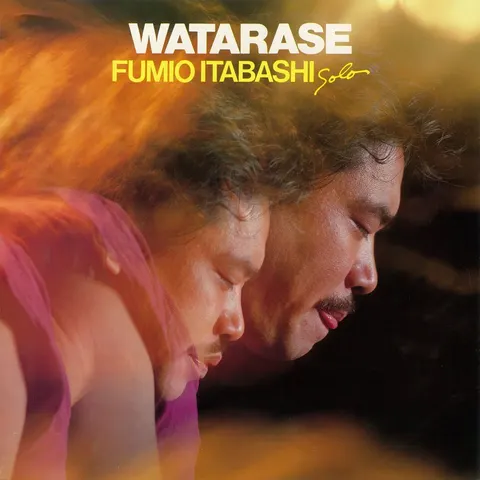
- Fumio Itabashi - one of three guest pianists on Smile (1977), the pianist and leader on Nature (Better Days, 1979), the pianist on Tamami Koyake's Someday (1982), and the credited composer, arranger and pianist of the Kujaku film soundtrack (1999), on which Hatsuyama plays harmonica.
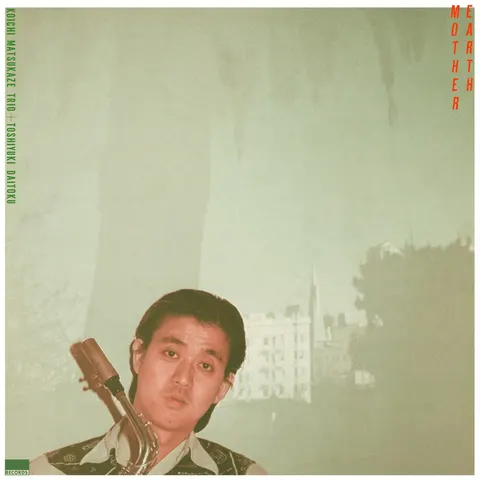
- Koichi Matsukaze - leader of Good Nature (Trio Records, 1981), on which Hatsuyama is the vibraphonist.
- Takeo Moriyama - drummer on Good Nature (1981).
- Ryojiro Furusawa - drummer on Itabashi's Nature (1979), on Harada's Miu (1981) and on Koyake's Someday (1982), all three with Hatsuyama.
- Yoshisaburo Toyozumi (Sabu Toyozumi) - drums and percussion on three tracks of Harada's Miu (1981).
- Yosuke Yamashita - conductor, producer and pianist on the Kidnaping Blues Band album (Japan Record, 1982), on which Hatsuyama plays vibraphone and marimba.
- Kiyoshi Sugimoto - guitarist on the same Kidnaping Blues Band album (1982).
- Kazutoki Umezu - producer, arranger and saxophonist of 玉城一美's Tinin (Disc Akabana, 1997), with Hatsuyama on harmonica.
- Hiroaki Katayama and Natsuki Tamura - tenor saxophone and trumpet respectively on the Kujaku soundtrack (Sony Music Entertainment, 1999), alongside Hatsuyama's harmonica.
- Shoji Aketagawa - pianist, club owner and founder of Aketa's Disk; designed the Smile sleeve and led the 1985 album Nojiri no Tasogare, on which Hatsuyama plays harmonica and vibraphone.
- Yoriyuki Harada - leader of Miu (Better Days, 1981).
- Yoshiaki Miyanoue - guitarist and leader of the group Smokin' (Riviera, 1981; Kuroi Hitomi no Natalie, 1983) and the guitarist on Touch of Love with Jimmy Smith (1981), all with Hatsuyama on vibraphone.
- Eri Ohno - vocalist on Eri (1980) and Good Question (1981), both for Better Days.
- Tamami Koyake - flautist and leader of Someday (Better Days, 1982).
- Shintaro Sakamoto - rock singer whose How to Live With a Phantom (2011) and Let's Dance Raw (2014) feature Hatsuyama on vibraphone, and on harmonica on one 2011 track.
- Hideaki Mochizuki - bassist on Nature (1979), Miu (1981) and Good Nature (1981).
- Yoshio Otomo - soprano saxophonist on Nature (1979).
More Mainstream Jazz Artists
See all 412 Mainstream Jazz artists →More Japanese Jazz Artists
See all 262 Japanese artists →- Spotify artist page
- Apple Music artist page
- Discogs: Hiroshi Hatsuyama
- Hiroshi Hatsuyama on JazzProfiles.com
- r/JapaneseJazz
- Discogs: Hiroshi Hatsuyama, artist 2502689
- Discogs: Smile (初山博), Aketa's Disk AD-4, 1977
- Discogs: Smile, Octave Lab OTLCD2403, 2019 reissue
- Discogs: Nature, Fumio Itabashi, Better Days, 1979
- Discogs: Good Nature, Koichi Matsukaze, Trio Records, 1981
- Discogs: Miu, Yoriyuki Harada, Better Days, 1981
- Discogs: Kidnaping Blues, Kidnaping Blues Band, Japan Record, 1982
- Discogs: Nojiri no Tasogare, Shoji Aketagawa, Aketa's Disk AD-20, 1985
- Vento Azul Records: Smile (OTLCD2403) reissue description
- Apple Music: Smile, Hiroshi Hatsuyama
- Wikipedia (Japanese): 旭川ライブジャム
- Wikipedia (Japanese): ゴースト・ヒッツ 95-99