 JAZZPROFILES lives in the music 1,765 Jazz Artists fully Profiled!
Fumio Karashima
Last updated October 21, 2026
Listen on Spotify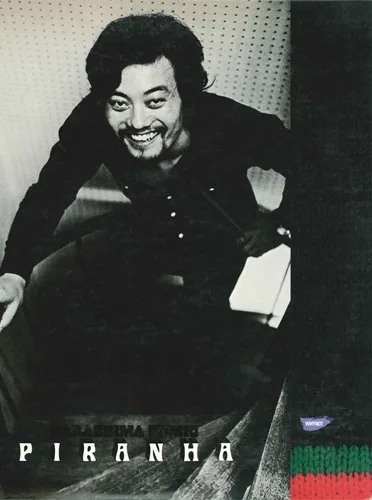
Fumio Karashima on the cover of Piranha (Whynot / Trio Records, 1976). Standard copyright, all rights reserved, held by the label and rights holders of the release. This is not a Creative Commons or public-domain image; it is an album cover shown as an honestly disclosed editorial identification image. — https://musicbrainz.org/release/89cb50d4-6f38-4b92-a22b-9f4cffcca3c4 (cover image: https://coverartarchive.org/release/89cb50d4-6f38-4b92-a22b-9f4cffcca3c4/34197677732.png)

Fumio Karashima (辛島文雄) was born on 9 March 1948 in Oita Prefecture, on the southern island of Kyushu. His father taught music at Oita University, and Karashima had classical piano lessons from about the age of three. Jazz arrived in his first year of high school, when a friend told him there was such a thing as modern jazz. The first record was a five-track sonosheet that cost about 350 yen, cut from a Prestige anthology that carried Miles Davis, Stan Getz, Sonny Rollins, Thelonious Monk and the Modern Jazz Quartet. The Quartet's "Django" was the one that took, because it sounded closest to the classical music he already knew. His first LP was Rollins's Work Time, and the speed of Max Roach pulled him toward the drums. He bought sticks, practised on encyclopedias, and by his own account was a better drummer than his seniors when he joined the jazz club at Kyushu University, while still copying Tommy Flanagan and John Lewis at the piano.
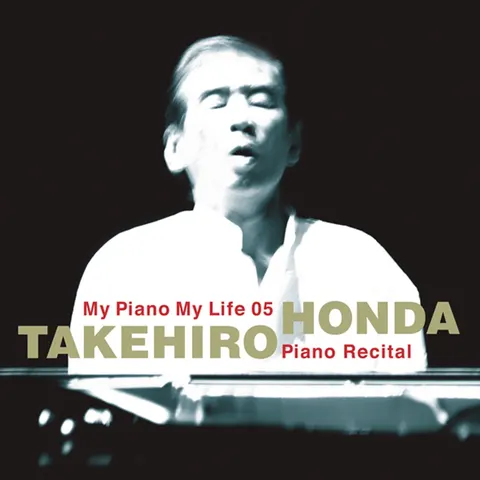
He saw Elvin Jones play in Hakata as a teenager, though it was McCoy Tyner, he says, who made up his mind to be a pianist. He also reasoned that a pianist can practise alone and never has to carry a drum kit through the rain. The campus was blockaded during the student unrest of those years, so he took to walking in after midnight and playing until morning, and he stayed two extra years rather than rush to Tokyo, because he wanted to be good enough to live on piano alone. Around 1972 he played in a steakhouse, then solo from eight in the evening to four in the morning at a new jazz club in Oita, and with help from his father and farewell gifts he had about 1.2 million yen by the time he left. In 1973 he went to New York and stayed about nine months, then came home because he was engaged. The day after he landed, jet-lagged and worn out, he auditioned for Sadao Watanabe's quartet, and the job went to Takehiro Honda. He married that year, settled in Tokyo, and walked into Shinjuku Pit Inn to tell the manager he could play.
Pit Inn took to him, and being back from New York carried real weight in Tokyo at the time. Soon he was working in several bands at once. One was the quartet of the bassist Takashi Mizuhashi, which Discogs credits on two Three Blind Mice sessions in 1974: the live When a Man Loves a Woman, recorded on 23 and 26 March at Nihon Toshi Center Hall with Yoshio Otomo on alto saxophone and Shigeharu Mukai joining on trombone for one track, and the studio date Who Cares on 28 August. Then came the drummer George Otsuka's group, which is where the Pit Inn president Yoshitake Sato remembers people starting to notice him.
His first album as a leader was Piranha, recorded on 12 May 1975 at Aoi Studio in Tokyo with Isao Suzuki on bass and Jimmy Hopps on drums and issued in 1976 on the Whynot label, distributed by Trio Records. The same two years put him in Otsuka's quintet on Loving You George (July 1975) and Physical Structure (February 1976), on electric piano for Isao Suzuki's Hip Dancin' (April 1976, with Sam Jones and Billy Higgins), and on Kazumi Watanabe's quartet record Milky Shade (July 1976, with George Mraz and Motohiko Hino). In 1977 he made two trio albums that remain the core of the early catalogue: Gathering for Three Blind Mice in February, with Suzuki and Otsuka, and Landscape for Whynot on 23 October, with Mraz and Hino, on which he wrote all five tracks.
On 21 and 22 April 1978 he recorded Moonflower at Onkio Haus in Tokyo as the leader of a trio with Elvin Jones on drums and Andy McCloud on bass. He remembered it as a struggle, because the sound would not lock at first. Jones came back to Japan at New Year 1979 and the two played together in Fukuoka; Jones told him he had improved, and that summer he invited Karashima into his band. In between, in November 1978, Karashima made Hot Islands with the saxophonist Mabumi Yamaguchi, the bassist Miroslav Vitous and Otsuka, an album of band originals whose sleeve maps the four players as islands. He formally joined the Elvin Jones Jazz Machine in 1980. Pit Inn's Sato threw him a send-off session in August of that year, with Kazumi Watanabe and Otsuka among the players, and handed over the night's takings in an envelope.
He stayed with Jones for six years, touring the United States and Europe, and Discogs credits him on three live albums from the period: a concert at the Hamburg club Onkel Pö's Carnegie Hall on 22 September 1981 (issued in 2017), a night at the Village Vanguard on 1 July 1984 with Frank Foster, Pat LaBarbera and Chip Jackson (issued in 1993), and Live at Pit Inn, taped in Shinjuku on 1 August 1985 with Richard Davis on bass, Sonny Fortune and LaBarbera. By the end he said he was close to being the band's musical director, and Keiko Jones told him that he and Elvin were like brothers. At a festival in Molde, Norway, he stayed to hear a late-night Miles Davis set after his own band had finished, and wept: he realised that Davis and Jones, however different they sounded, were playing the same blues, and he stopped treating jazz as a fashion. Jones loved Japanese melodies such as "Hanayome Ningyo" (The Bride Doll), and Karashima played it until it began to sound like Debussy or Ravel. Jones asked for something closer to a Misora Hibari song intro, Karashima would not, and in 1986, in his late thirties and worried that he would never stand on his own, he left the band.
The leader years that followed came in waves. The Fumio Karashima Trio with Motohiko Hino and the bassist Ikuo Sakurai made Elegant Evening (1982), Round Midnight with the guitarist Larry Coryell (1983) and I Used To Be Alone (1984), on which Toshiyuki Honda plays tenor saxophone on three tracks. Polydor then issued two solo records, Autumn in New York (1985, his first standards collection) and Étranger (1986, all originals), and in 1987 the seven-piece Transparent, with Kohsuke Mine on saxophone and Jun Miyake on flugelhorn. In 1988 he formed a quintet of two saxophonists, Sakurai on bass and the drummer Shingo Okudaira, which made Avanti, Joy and, recorded at Roppongi Pit Inn on 13 April 1991, the farewell set I Love You: Fumio Karashima Quintet Last Live. When Okudaira left for New York in 1991 he spent about two years without a drummer who fit, and thought of giving up the piano.
The 1990s brought him back to the American and European circuit. His official discography lists In San Francisco, with Tony Williams on drums and Peter Barshay on bass, recorded in San Francisco in late 1993 and issued by Polydor in January 1994. He later said he was tense through the session and felt his own strength was not yet enough. A Beautiful Tomorrow Song (1995) was a solo record on a Bosendorfer, his first for Verve. Open the Gate (1996) brought Kazumi Watanabe, Honda, Mine, the bassist Shigeo Aramaki and the drummer Tamaya Honda together at Onkio Haus. In February 1999 he recorded Rencontre, a duo with the harmonica player Toots Thielemans, at Avatar Studios in New York for EmArcy. He was also invited to solo in Rhapsody in Blue with the Kanagawa Philharmonic, the New Japan Symphony and the Kenichi Tsunoda Big Band.
From 2001 he led a trio with the bassist Yosuke Inoue and Okudaira. The Elysian Air, recorded live at Ashibinaa in Okinawa City on 29 June 2001, was his first trio album in eight years, and the studio It's Just Beginning followed in 2003. Between them, on 23 November 2002 at the Kamakura Arts Center, he played a two-piano concert with Kei Akagi, released as Grand New Touch. In 2003 he visited five Latin American countries: Cuba, Panama, El Salvador, Mexico and Argentina. In 2005 Swing Journal gave him the 31st Fumio Nanri Prize, awarded for his work as a pioneer of jazz at home and abroad, and the Absord label reissued six of his 1970s and early 1980s albums in 2006.
Great Time (2006) was recorded on 8 and 9 September 2005 with the bassist Drew Gress and Jack DeJohnette. Karashima had idolised Elvin Jones, Tony Williams and DeJohnette since his own days as a student drummer, and with DeJohnette he said he finally felt he was meeting a first-time partner at the same level. He called it his best record to that point, and remembered the table-tennis matches the two played between takes. In May 2008 he followed it with Moon River, a solo standards album recorded on a Fazioli F278 at the Sakira hall in Ritto, Shiga. In 2011 he began teaching a jazz class at the Richmore music school in Yokohama.
The 2010s were released mainly on Pit Inn's own label. E.J. Blues (2010) was a live album with the drummer Takeo Moriyama, a tribute to Jones, and then came the quintet record Summertime (2012), the trio record A Time for Love (2014) and the solo Everything I Love (April 2015), his first solo piano album in seven years. In August 2015 he announced that he had been diagnosed with pancreatic cancer. He did not stop. On 28 August he left the hospital with permission to play one solo at the unveiling of a new piano at Shinjuku Pit Inn, in a session with Otsuka, and in September he came back to the stage at Ochanomizu NARU. In early 2016 he recorded with the singers Mami Kataoka and Jasmine, made the duo I Wish I Knew with the trumpeter Issei Igarashi on 11 February, and, on four days between 25 February and 11 March, his own My Favorite Things. It began when his longtime drummer Shinnosuke Takahashi came home from New York at the end of 2015 and they realised that in all their years together they had never made a record. It collects tunes he had loved over the years, with Terumasa Hino and Kazumi Watanabe as guests. It was released on 29 June 2016.
His last concert was on 14 February 2017 at Shinjuku Pit Inn, with a sextet. Otsuka came on as a guest for three numbers; after one more tune with the sextet, Karashima told the audience in tears that he could not go on, thanked them, and left the band to finish. Fumio Karashima passed away on 24 February 2017 at Jikei University Third Hospital in Tokyo, of pancreatic cancer, at the age of 68, with his wife and two sons at his side. Shinjuku Pit Inn held two memorial nights on 27 April and 4 May 2017, titled after My Favorite Things, with Watanabe, Yoshio Suzuki, Hino and many others. A trio album released as his final recordings, My Life in Jazz, appeared in March 2018.
Karashima's own lineage is plain from his telling: McCoy Tyner decided him on the piano, and Elvin Jones, whose Jazz Machine he spent six years inside, gave him what he called the spirit of the music. His official site calls him the leading Japanese inheritor of Jones's jazz spirit, and the editor of the audio magazine analog, writing his obituary in 2017, described a pianist of romantic melodies and, at times, aggressive playing. He also credited the Miles Davis set at Molde with showing him that the blues sits under every style. In a 2008 conversation with Pit Inn's president he said he found music dictated by other people dull and played the jazz he wanted to play.
That consistency shows in the recordings. He returned to his own tunes for forty years: "Little Island" is on Piranha, on Sho and on the Otsuka quintet's Loving You George; "Friday Night" is on Moonflower and again on Summertime; "Brother J" and "Elegant Evening" move from his trio records into the solo Étranger; "Devil & Angel" appears on I Used To Be Alone and again on A Beautiful Tomorrow Song; "Late Autumn" turns up on both A Time for Love and Everything I Love, and "Brilliant Darkness" on both Great Time and Everything I Love. His tune "Tony Williams" is on The Elysian Air, Grand New Touch and the 2016 duo album with Issei Igarashi, and "Those Years With Elvin" is on Great Time.
The textures changed with the decade. The 1970s records move between acoustic trio, Fender Rhodes and the electric bass of Miroslav Vitous, and the late 1980s quintet, with its two saxophones and Fender Rhodes, sits closer to fusion. From 1995 he alternated between the piano trio and solo piano, and he spent his last decade playing standards and his own tunes on instruments he picked for the job, a Bosendorfer 290, a Fazioli F278 and, in 2015, a new piano chosen for Pit Inn.
- Piranha (1976, Whynot PA-7150) - The debut trio with Isao Suzuki and Jimmy Hopps, recorded in May 1975. YouTube - Piranha, full album Listen · Buy
- Landscape (1977, Whynot PA-7159) - All-original trio set with George Mraz and Motohiko Hino. YouTube - Landscape, full album Listen
- Moonflower (1978, Trio Records PAP-9114, with Elvin Jones) - The meeting that led to the Jazz Machine. Apple Music - Moonflower Listen
- Hot Islands (1979, Trio Records PAP-9142) - With Mabumi Yamaguchi, Miroslav Vitous and George Otsuka. Apple Music - Hot Islands · YouTube - By Road Listen · Buy
- Sho (1980, Full House PAP-9245) - Trio with Nobuyoshi Ino and Otsuka, made just before he left for the United States. Apple Music - Sho Listen
- A Child in the Wind (1981, Full House PAP-25002) - Richard Davis on bass, Otsuka on drums, all-original. Apple Music - A Child in the Wind Listen · Buy
- Elegant Evening (1982, Full House PAP-25029) - The first of the Hino and Sakurai trio records. Apple Music - Elegant Evening Listen
- Rencontre (1999, EmArcy 547 954-2, with Toots Thielemans) - A harmonica and piano duo of standards and jazz tunes. YouTube - Evening in Paris Listen
- Great Time (2006, VideoArts VACM-1277) - The trio with Drew Gress and Jack DeJohnette. YouTube - Great Time, full album Listen · Buy
- My Favorite Things (2016, Pit Inn PILM-0006) - The late sessions with horns and guests. Pit Inn shop page Listen · Buy
Fumio Karashima (辛島文雄) - Full Discography
Japanese jazz pianist and composer. Born 9 March 1948, Oita Prefecture; passed away 24 February 2017, Tokyo. Discogs artist 1745000.
Name variations on record: F. Karashima, Karashima Fumio, 辛島文雄.
Group affiliations: Fumio Karashima Trio, Fumio Karashima Quintet, The Elvin Jones Jazz Machine, George Otsuka Quintet, Takashi Mizuhashi Quartet, Kazumi Watanabe Quartet, Mabumi Yamaguchi Quartet and Quintet.
Leader (releases under his own name, including trio, quintet and duo billings)
| Album | Year | Label | Personnel | Notes | Listen | Buy |
|---|---|---|---|---|---|---|
| Piranha | 1976 | Whynot / Trio Records, PA-7150 | Fumio Karashima (piano), Isao Suzuki (bass), Jimmy Hopps (drums) | His debut as a leader. Recorded 12 May 1975 at Aoi Studio, Tokyo. Five tracks: "Little Island", "Lament" (J.J. Johnson), "Piranha", "Dedicated to You", "Blue-Th-Ree". Reissued on CD in 2001 (P.J.L Polystar Jazz Library, MTCJ-2016, with alternate takes restored) and in 2014 (POCS-9312). | Full album on YouTube | Amazon |
| Gathering (Fumio Karashima Trio) | 1977 | Three Blind Mice, TBM-3004 | Karashima (piano), Isao Suzuki (bass), George Otsuka (drums) | Recorded 1 and 2 February 1977 at Epicurus Studio, Tokyo. Five tracks: "Gathering (Thanks for G & C)", "Gringo", "Tones for Joan's Bones" (Chick Corea), "Sophia" (solo piano), "Once We Loved" (Gary McFarland). CD reissue TBM-XR-3004 in 1997. | not found | Amazon |
| Landscape (Fumio Karashima Trio) | 1977 | Whynot / Trio Records, PA-7159 | Karashima (piano), George Mraz (bass), Motohiko Hino (drums) | Recorded 23 October 1977 at Media Studio, Tokyo. Five tracks, all by Karashima: "Revlis", "Tears", "Landscape", "The Fall", "In My Usual Way". | Full album on YouTube | Amazon |
| Moonflower (Fumio Karashima Meets Elvin Jones) | 1978 | Trio Records, PAP-9114 | Karashima (piano, electric piano), Elvin Jones (drums), Andy McCloud (bass) | Recorded 21 and 22 April 1978 at Onkio Haus, Tokyo. Five tracks: "Moonflower", "My Funny Valentine", "Friday Night", "Bitter Waltz", "Bessie's Blues" (John Coltrane). Reissued by Venus (TKCZ-79076, 1994) and Absord (ABCJ-49, 1999; ABCJ-365, 2006). | Apple Music | Amazon |
| Hot Islands | 1979 | Trio Records, PAP-9142 | Karashima (keyboards), Mabumi Yamaguchi (tenor and soprano saxophone), Miroslav Vitous (bass, electric bass), George Ohtsuka (drums) | Recorded 8 November 1978 at Victor Studio and 11 and 14 November 1978 at Onkio Haus, Tokyo. Six tracks: "By Road", "Hot Islands", "Chardin Square", "American Tango" (Vitous), "Breeze", "Merry-Go-Round" (the last two by Yamaguchi). Reissued by Crown (BRJ-4023, 1987) and in 2018 by Deep Jazz Reality / Octave Lab. | Apple Music | Amazon |
| Sho (翔) | 1980 | Full House / Trio Records, PAP-9245 | Karashima (piano), Nobuyoshi Ino (bass), George Ohtsuka (drums) | Recorded 30 and 31 July 1980 at Onkio Haus, Tokyo. Six tracks: "Who Are You", "Lament", "Little Island", "Brother J", "Mum", "Starting Off". | Apple Music | Amazon |
| A Child in the Wind | 1981 | Full House / Trio Records, PAP-25002 | Karashima (piano), Richard Davis (bass), George Ohtsuka (drums) | Recorded 15 and 16 January 1981 at Media Studios, Tokyo, and mixed on 17 January at KRS Studios. Four tracks: "His Mother", "Portrait", "A Child in the Wind", "Cycle of Time". | Apple Music | Amazon |
| Elegant Evening (Fumio Karashima Trio) | 1982 | Full House / Trio Records, PAP-25029 | Karashima (piano), Ikuo Sakurai (bass), Motohiko Hino (drums) | Recorded 1, 2 and 5 July 1982 at Onkio Haus, Tokyo. "Elegant Evening", "Ancient Tales", "Hangin' Out", a medley of "Chasin'", "Vesper" and "After Love Emptiness", and "Nefertiti" (Wayne Shorter). | Apple Music | Amazon |
| Round Midnight (Fumio Karashima Trio with Larry Coryell) | 1983 | Full House / Trio Records, PAP-25045 | Karashima (piano), Ikuo Sakurai (bass), Motohiko Hino (drums), Larry Coryell (guitar) | Recorded 10 and 11 August 1983 at Sound Inn, Tokyo. Seven tracks: "'Round Midnight", "Autumn Leaves", "Wise One", "Oleo", "Nica's Dream", "In Your Own Sweet Way", "Footprints". CD H32P20040 (Polydor). | not found | Amazon |
| I Used To Be Alone (Fumio Karashima Trio) | 1984 | Polydor, 28MX2513 | Karashima (piano), Ikuo Sakurai (bass), Motohiko Hino (drums), Toshiyuki Honda (tenor saxophone, three tracks), Manolo Badrena (percussion, two tracks) | Recorded 19, 22 and 23 September 1984 at Polydor Studio, Tokyo. Eight tracks, including "Devil & Angel", "It's Just Beginning", "I Used To Be Alone", "Black Orpheus", "Blues People" and "Sketch of Ocean". | not found | Amazon |
| Autumn in New York | 1985 | Polydor, 28MX2524 (CD H33P20046) | Karashima (solo piano) | Recorded May and June 1985 at Polydor Studios, Tokyo. His first collection of standards: "How Insensitive", "Spring Is Here", "The Night Has a Thousand Eyes", "There Is No Greater Love", "Easy Living", "Stella by Starlight", "Autumn in New York", "My One and Only Love", "Dindi". | not found | Amazon |
| Étranger | 1986 | Polydor, H33P20061 (CD, 25 February 1986) | Karashima (solo piano) | Recorded September and October 1985 at Polydor Studios, Tokyo. Nine of his own compositions, including "Border Town", "Art Museum", "Afternoon Dream", "Flower Market", "Elegant Evening", "Brother J", "Gare du Nord", "A Child in the Wind", "Starting Again". | not found | Amazon |
| Transparent | 1987 | Polydor, 28MX2536 | Karashima (piano), Kiyoto Fujiwara (bass), Shingo Okudaira (drums), Masami Nakagawa (flute), Kohsuke Mine (tenor and soprano saxophone), Osamu Matsumoto (trombone), Jun Miyake (flugelhorn) | Recorded January and February 1987 at Polydor Studio, Tokyo. Six tracks: "Transparent", "Crossing", "Requiem", "New Rag", "Before Then", "Detour Ahead". | not found | Amazon |
| Avanti (Fumio Karashima Quintet) | 1988 | Polydor, H33P-20287 (CD, 25 November 1988) | Karashima (piano, Fender Rhodes), Toshihiko Inoue (soprano and tenor saxophone), Masahiro Fujioka (soprano and alto saxophone), Ikuo Sakurai (bass), Shingo Okudaira (drums) | Recorded September 1988 at Key Stone, Tokyo. Seven tracks including "Avanti", "Greeting", "Quiet Moment", "One for Him", "Ivory Coast". | not found | Amazon |
| Joy (Fumio Karashima Quintet) | 1989 | Polydor, H00P-20347 (CD, 1 October 1989) | Same quintet as Avanti | Recorded July 1989 at Key Stone, Tokyo. Nine tracks, including "Straw Hat", "Dawn Wind", "Bemsha Swing", "Well, You Needn't". | not found | Amazon |
| I Love You: Fumio Karashima Quintet Last Live | 1991 | Polydor, POCH-1090 (CD, 25 August 1991) | Same quintet | Recorded live 13 April 1991 at Roppongi Pit Inn, Tokyo. Seven tracks: "Maiden Voyage", "This Is New", "Spring Is Here", "Sorcery", "The Night Has a Thousand Eyes", "'Round About Midnight", "I Love You". | not found | Amazon |
| In San Francisco | 1994 | Polydor, POCH-1322 | Karashima (piano), Tony Williams (drums), Peter Barshay (bass) | Recorded 27 to 30 November 1993 at Fantasy Studios, San Francisco, according to his official discography; released January 1994. Includes "Hangin' Out", "I Wish I Knew", "Elegy" (Tony Williams), "Crossing", "A-Me-A-Ga-Ri", "How Deep Is the Ocean". | YouTube | Amazon |
| A Beautiful Tomorrow Song | 1995 | Verve / Polydor, POCJ-1294 (CD, 25 September 1995) | Karashima (solo piano, Bosendorfer 290) | Recorded 28 to 30 May 1995 at the Maruko cultural hall in Nagano Prefecture. Fourteen tracks including "Prologue - Something Like That", "Solar", "Quiet Moment", "Never Let Me Go", "On Green Dolphin Street", "Body and Soul", "Devil & Angel", "Darn That Dream", "Epilogue - Byakuya". | not found | Amazon |
| Open the Gate | 1996 | Verve / Polydor, POCJ-1359 | Karashima (piano), Kazumi Watanabe (acoustic and electric guitar), Toshiyuki Honda (soprano saxophone), Kohsuke Mine (tenor saxophone), Shigeo Aramaki (bass), Tamaya Honda (drums) | Recorded 27 to 29 August 1996 at Onkio Haus, Tokyo. Eight tracks: "I Feel a Wind", "Israel", "We'll Be Together Again", "Speak Low", "Open the Gate", "Come Rain or Come Shine", "With a Dream", "Blue in Green". | not found | Amazon |
| Rencontre (Fumio Karashima et Toots Thielemans) | 1999 | EmArcy, 547 954-2; Verve Japan, POCJ-1460 | Karashima (piano), Toots Thielemans (harmonica) | Recorded in February 1999 at Avatar Studios, New York. Nine tracks: "Stolen Moments", "Evening in Paris", "Chan's Song (Never Said)", "Three Views of a Secret", "Girl Talk", "Witchcraft", "I'll Close My Eyes", "Quietude", "Embraceable You". | Evening in Paris on YouTube | Amazon |
| The Elysian Air (Fumio Karashima Trio) | 2002 | VideoArts Music, VACM-1209 | Karashima (piano), Yosuke Inoue (bass), Shingo Okudaira (drums) | Recorded live 29 June 2001 at the Okinawa City Civic Small Theater, Ashibinaa. Six tracks: "Open the Gate", "Norwegian Wood", "Tony Williams", "Love for Sale", "Darn That Dream", "Autumn Leaves". His first trio album in eight years. | not found | Amazon |
| Grand New Touch (Fumio Karashima and Kei Akagi) | 2002 | VideoArts Music, VAGM-1001 (hybrid SACD edition dated 2007) | Karashima (piano), Kei Akagi (piano) | Two-piano concert recorded 23 November 2002 at the Kamakura Arts Center. Five tracks: "Someday My Prince Will Come", "Playroom" (Akagi), "Autumn Leaves", "Tony Williams" (Karashima), "Summertime". | not found | Amazon |
| It's Just Beginning (Fumio Karashima Trio) | 2004 | VideoArts Music, VACM-1240 (CD, 21 April 2004) | Karashima (piano), Yosuke Inoue (bass), Shingo Okudaira (drums) | Studio recording, 23 July 2003 at Sound City Studio. Eleven tracks, including "You and the Night and the Music", "All of You", "Haunted Heart", "It's Just Beginning", "Comrade", "My Funny Valentine", "Rain", "Un Poco Loco". | not found | Amazon |
| Great Time | 2006 | VideoArts Music, VACM-1277 | Karashima (piano), Drew Gress (bass), Jack DeJohnette (drums) | Recorded 8 and 9 September 2005. Eight tracks: "Like Blues for J.D.", "Quiet Moment", "Just Enough" (Herbie Hancock), "Those Years With Elvin", "Brilliant Darkness", "I Fall in Love Too Easily", "Stillness", "Straight Up and Down" (Chick Corea). | Full album on YouTube | Amazon |
| Moon River: Solo Standards | 2008 | VideoArts Music, VACM-1355 (CD, 21 May 2008) | Karashima (solo piano, Fazioli F278) | Recorded 3 and 4 April 2008 at the Sakira Main Hall, Ritto, Shiga. Fifteen standards from "Moon River" to "'Round Midnight". | not found | Amazon |
| E.J. Blues: Fumio Karashima Meets Takeo Moriyama | 2010 | Pit Inn, PILJ-0003 (CD, 25 July 2010) | Karashima (piano), Takeo Moriyama (drums), Masanori Okazaki (saxophone), Ryu Kawamura (bass) | Live at Shinjuku Pit Inn; a tribute to Elvin Jones. Eight tracks, including "E.J. Blues", "Blood Count", "Waltz for Monk", "In a Sentimental Mood", "Rush Life". | not found | Amazon |
| Summertime (Fumio Karashima Quintet) | 2012 | Pit Inn, PILM-0001 (mini CD, 25 May 2012) | Karashima (piano), Atsushi Ikeda (saxophone), Masanori Okazaki (saxophone), Satsuki Kusui (bass), Nobuyuki Komatsu (drums) | Recorded live 14 November 2011 at Shinjuku Pit Inn. Six tracks: "All the Things You Are", "How Long Has This Been Going On", "Summertime", "Friday Night", "Along Came Betty", "'Round Midnight". | not found | Amazon |
| A Time for Love (Fumio Karashima Trio) | 2014 | Pit Inn, PILM-0003 (11 June 2014) | Karashima (piano, keyboards), Satsuki Kusui (acoustic and electric bass), Nobuyuki Komatsu (drums) | Ten tracks, including originals "Mr. J.H.", "Late Autumn", "Sun Rise" and "Riverside Nobody", with the title track as a piano solo. | not found | Amazon |
| Everything I Love | 2015 | Pit Inn, PILM-0004 (8 April 2015) | Karashima (solo piano) | His first solo piano album in seven years. Twelve tracks, including "Everything I Love", "The Girl from Ipanema", "Brilliant Darkness", "Recorda Me", "Late Autumn", "Malaika", "Toys". | not found | Amazon |
| I Love... | 2015 | Pit Inn Music, OGAG-001 (LP) | Karashima | Vinyl compilation of earlier Pit Inn Music recordings: "Mr. J.H.", "Who Cares", "Summertime", "Late Autumn", "My Foolish Heart", "Dolphin". | not found | Amazon |
| My Favorite Things | 2016 | Pit Inn, PILM-0006 (29 June 2016) | Karashima (piano) with Atsushi Ikeda, Yoshiro Okazaki, Masanori Okazaki, Satsuki Kusui, Yosuke Inoue, Shinnosuke Takahashi; guests Terumasa Hino (trumpet) and Kazumi Watanabe (guitar) | Recorded 25 February and 1, 2 and 11 March 2016. Nine tracks: "My Favorite Things", "Jeannine", "It Might as Well Be Spring", "Gingerbread Boy", "Black Orpheus", "Subtle Neptune", "Chan's Song", "So Near, So Far", "New Rag". | Pit Inn shop page | Amazon |
| My Life in Jazz (Final Recordings) | 2018 | Pit Inn Music, PILM-0007 (CD, 7 March 2018) | Karashima (piano), Yosuke Inoue (bass), Shinnosuke Takahashi (drums) | Released after his death. Nine tracks: "Detour Ahead", "Old Devil Moon", "So in Love", "Elsa", "Blue Monk", "You Don't Know What Love Is", "Darn That Dream", "I Should Care", "Nardis". | not found | Amazon |
Co-Leader and Guest Billings
| Album | Year | Co-billed with | Label | Notes | Listen | Buy |
|---|---|---|---|---|---|---|
| I Wish I Knew | 2016 | Issei Igarashi (trumpet) | Village Again, VIA-0106 (27 April 2016) | Trumpet and piano duo, eight standards including "I Thought About You", "Body and Soul", "My Funny Valentine", "Stella by Starlight", "Tony Williams", "On Green Dolphin Street", "What's New". | Apple Music | Amazon |
| Just In Time: Tribute to Takehisa Tanaka | 2016 | Jasmine (vocals) | Altered Records, AKTV-1005 (21 February 2016) | Vocal and piano album of ten standards, including "But Beautiful", "Our Love Is Here to Stay", "Just in Time", "A Time for Love". | not found | Amazon |
Sideman (Elvin Jones Jazz Machine)
| Album | Year | Leader | Label | Personnel and notes | Listen | Buy |
|---|---|---|---|---|---|---|
| At Onkel Pö's Carnegie Hall | 2017 | The Elvin Jones Jazz Machine | Jazzline, N 77041 | Recorded 22 September 1981. Elvin Jones (drums), Karashima (piano), Andy McCloud (bass), Marvin Horne (guitar), Carter Jefferson and Dwayne Armstrong (saxophones). Seven tracks including "Elvin Jones Blues" and "Friday Night". | not found | Amazon |
| Live at the Village Vanguard, Volume One | 1993 | Elvin Jones | Landmark Records, 1534 2 | Recorded live 1 July 1984. Jones (drums), Karashima (piano), Chip Jackson (bass), Frank Foster and Pat LaBarbera (tenor saxophones). Five tracks: "It's Easy to Remember", "Front Line", "Tohryanse, Tohryanse", "George and Me", "A Love Supreme". | not found | Amazon |
| Live at Pit Inn | 1985 | The Elvin Jones Jazz Machine | Polydor, J33P20003 (CD, 21 December 1985) | Recorded 1 August 1985 at Shinjuku Pit Inn. Jones (drums), Karashima (piano), Richard Davis (bass), Sonny Fortune (tenor saxophone, flute), Pat LaBarbera (tenor and soprano saxophone). Five tracks: "George and Me", "Shinjitsu", "My One and Only Love", "Zange", "E.J. Blues". | not found | Amazon |
Other Sideman Credits (Discogs, chronological)
| Year | Album | Leader | Label | Notes |
|---|---|---|---|---|
| 1974 | Live in "5 Days in Jazz 1974": When a Man Loves a Woman | Takashi Mizuhashi Quartet | Three Blind Mice, TBM-28 | Piano. Recorded live 23 and 26 March 1974 at Nihon Toshi Center Hall, with Yoshio Otomo (alto saxophone), Takashi Mizuhashi (bass), Hideo Sekine (drums); Seiichi Nakamura (tenor saxophone) and Shigeharu Mukai (trombone) join on "Sugar". |
| 1974 | Who Cares | Takashi Mizuhashi Quartet | Three Blind Mice, TBM-31 | Piano. Recorded 28 August 1974 at Aoi Studio, Tokyo, with Yoshio Otomo (alto and tenor saxophone). |
| 1975 | Loving You George | George Ohtsuka Quintet | Bellwood, OFL-3005 | Keyboards. Recorded 19 July 1975 at Nemu no Sato; with Shozo Sasaki (saxophones), Mitsuaki Furuno (bass), Norio Ohno (percussion). |
| 1976 | Hip Dancin' | Isao Suzuki | East Wind, EW-8044 | Electric piano. Recorded 17 April 1976 at Onkio Haus, with Sam Jones (bass), Billy Higgins (drums), Kazumi Watanabe (guitar). |
| 1976 | After the Rain | Mabumi Yamaguchi Quartet / Quintet | Union Records, GU-5001 | Piano and electric piano, with Nobuyoshi Ino, George Ohtsuka, Kazumi Watanabe. |
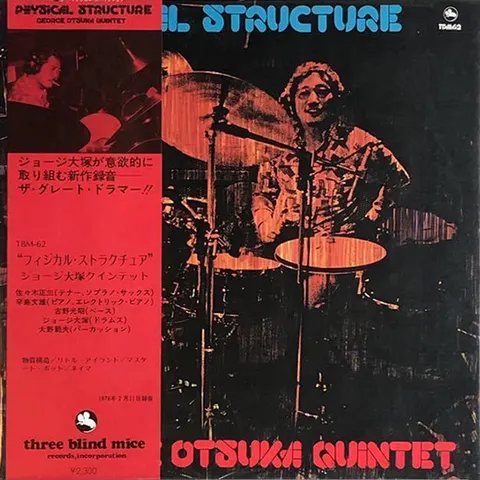
| 1976 | Physical Structure | George Otsuka Quintet | Three Blind Mice, TBM-62 | Piano, electric piano, synthesizer. Recorded 11 February 1976 at Epicurus Studio, Tokyo. |
| 1976 | Milky Shade | Kazumi Watanabe Quartet | Union Records, GU-5003 | Piano. Recorded 1 July 1976, with George Mraz (bass) and Motohiko Hino (drums). |
| 1977 | Love Walking | Teruhiko Kataoka | Whynot, PA-7158 | Piano. Recorded 31 May 1977, with Kiyoto Fujiwara (bass), George Ohtsuka (drums), Osamu Shiomura (trombone). |
| 1983 | Body and Soul | Takashi Furuya | Union Jazz, ULP-7004 | Piano. Recorded 2 and 3 February 1983, with Ikuo Sakurai (bass) and Motohiko Hino (drums). |
| 1983 | Hot Jazz | Hidehiko Matsumoto | Union Jazz, ULP-7005 | Piano. Recorded 12 and 13 April 1983, with Mitsuaki Furuno (bass) and George Ohtsuka (drums). |
| 1986 | Here I Am: Live at Shimanouchi Church | Takashi Furuya | Five Saxes, FKH-2 | Piano on two tracks ("Autumn Leaves", "Oleo"). Recorded 24 May 1986 in Osaka. |
| 1988 | New Swing Street | Mari Nakamoto | JVC, VDJ 1155 | Acoustic piano and Fender Rhodes, with Ikuo Sakurai (bass) and Shingo Okudaira (drums). |
| 1998 | Dolphin Dance | Seiji Natsume | Sergio, 001 | Piano. Recorded 5 and 6 October 1998 at Yamaha Studio U2, with Ikuo Sakurai (bass). |
| 2016 | My Eternal Treasure | Mami Kataoka | Largo Phon, STLP-003 | Piano, with Makoto Oka (tenor saxophone), Hideaki Kanazawa (bass), Toru Takahashi (drums). Listed on Discogs as "My Enternal Treasure". |
Compilation Appearances
| Year | Title | Label | Notes |
|---|---|---|---|
| 1986 | Best Selection = フュージョン全曲集 | Polydor, H32P20059 | Fusion compilation shared with Kazumi Watanabe, Ichiko Hashimoto, Masaru Imada and Toshinori Kondo; The compilation includes "I Used To Be Alone" and "Dindi", both titles from Karashima's Polydor records. |
| 1999 | Rencontre promotional samplers | Polydor / Verve | Single-track promotional appearances of the Thielemans duo. |
| 2006 | 辛島文雄 70年代&80年代 ベスト・コレクション | Art Union, ARTCD-58/59 (2 CD) | Best-of released to mark the Fumio Nanri Prize. |
| 2007 | Shibuya Jazz Classics: Piano X 11 | Solid Records, CDSOL-1154 | Includes "Tears". |
| 2010 | Groovy Indeed! Trio Records 1971-1981 | Art Union, ARTD-5553 | Includes "American Tango". |
| 2018 | J Jazz: Deep Modern Jazz From Japan 1969-1984 | BBE, BBE434CCD | Includes "Little Island". |
| 2021 | Scenery of Japanese Jazz 2 | Ultra-Vybe / Solid Records, UVWA-1048 | Opens with "Piranha". |
| 2023 | Rebirth of "TBM" (The Japanese Deep Jazz) | Three Blind Mice, MHCL-3042 | Includes "Tones for Joan's Bones". |
- Elvin Jones - drummer and leader on Moonflower (1978), and the bandleader of the Jazz Machine in which Karashima played from 1980 to 1986. Karashima is credited on Live at Pit Inn (recorded 1985), Live at the Village Vanguard, Volume One (recorded 1984, issued 1993) and At Onkel Pö's Carnegie Hall (recorded 1981, issued 2017).
- George Otsuka - his first regular bandleader in Tokyo, on keyboards for Loving You George (1975) and Physical Structure (1976), then the drummer on Gathering (1977), Hot Islands, Sho and A Child in the Wind. He came on as a guest for Karashima's last concert in February 2017.
- Isao Suzuki - bass on Piranha (1976) and Gathering (1977); Karashima played electric piano on Suzuki's Hip Dancin' (1976).
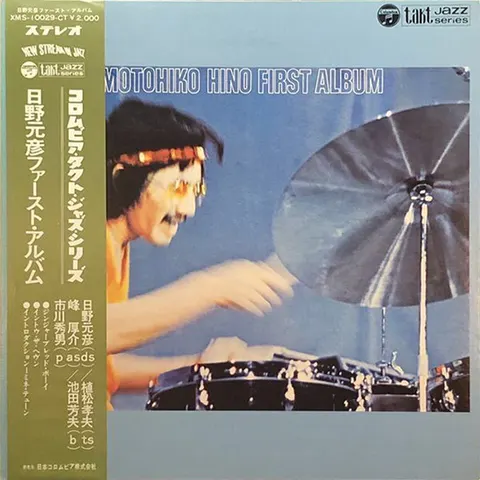
- Motohiko Hino - drums in the Karashima Trio on Landscape (1977), Elegant Evening (1982), Round Midnight (1983) and I Used To Be Alone (1984), and on Kazumi Watanabe's Milky Shade (1976).
- George Mraz - bass on Landscape (1977) and on Milky Shade (1976).
- Jack DeJohnette - drums on Great Time, recorded in September 2005.
- Tony Williams - drums on In San Francisco (Polydor, 1994) according to Karashima's official discography and AllMusic; Karashima also wrote and recorded a piece called "Tony Williams."
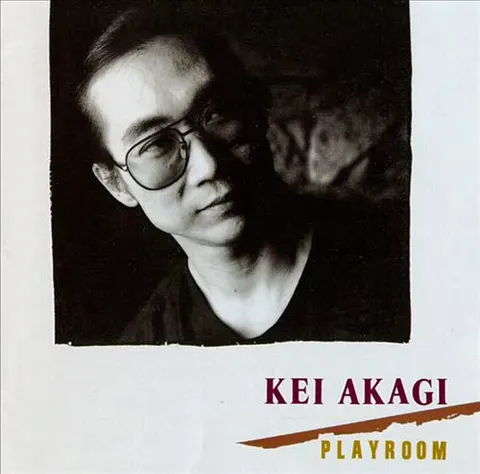
- Kei Akagi - the second pianist on Grand New Touch, recorded live in November 2002.
- Kazumi Watanabe - guitarist on Milky Shade (1976), Hip Dancin' (1976, with Karashima on electric piano), Mabumi Yamaguchi's After the Rain (1976) and Karashima's Open the Gate (1996), and a guest on My Favorite Things (2016).
- Nobuyoshi Ino - bass on Sho (1980).
- Toshiyuki Honda - tenor saxophone on I Used To Be Alone (1984) and soprano saxophone on Open the Gate (1996).
- Kohsuke Mine - saxophone on Transparent (1987) and Open the Gate (1996); a fellow member of the all-star J.Masters group at Pit Inn according to the official site.
- Hidehiko Matsumoto - the tenor saxophonist on Hot Jazz (1983), with Karashima on piano and Otsuka on drums.
- Yoshio Otomo and Shigeharu Mukai - on the Takashi Mizuhashi Quartet's Three Blind Mice sessions of 1974, with Karashima on piano.
- Terumasa Hino - the trumpet guest on "Black Orpheus" from My Favorite Things (2016), per the Pit Inn release credits.
- Takeo Moriyama - drummer on E.J. Blues (2010), per the Pit Inn release credits.
- Larry Coryell, Toots Thielemans, Richard Davis, Miroslav Vitous, Mabumi Yamaguchi, Andy McCloud and Drew Gress - guests and sidemen on the albums named above.
- Yosuke Inoue, Shingo Okudaira, Atsushi Ikeda, Masanori Okazaki, Shinnosuke Takahashi, Issei Igarashi - the working musicians of the 1990s to 2010s, on the trio, quintet and sextet records and the duo album.
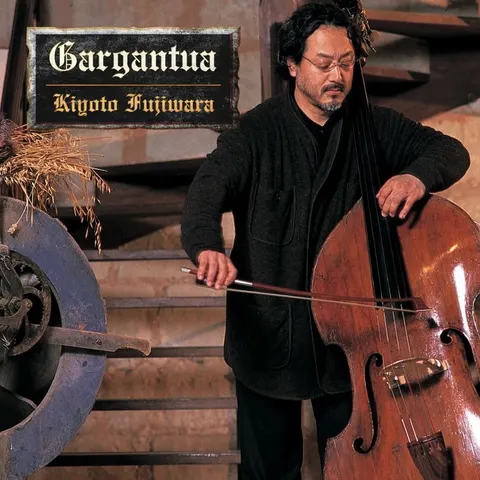
- Kiyoto Fujiwara - bassist on Karashima's Transparent (Polydor, 1987) and on Teruhiko Kataoka's Love Walking (Whynot, 1977), where Karashima plays piano; Fujiwara also toured Japan for the first time in 1987 with Karashima's trio, according to his own biography.
- Mabumi Yamaguchi - piano and electric piano on Yamaguchi's After the Rain (Union, 1976); Yamaguchi plays tenor and soprano saxophones on Karashima's Hot Islands (1979).
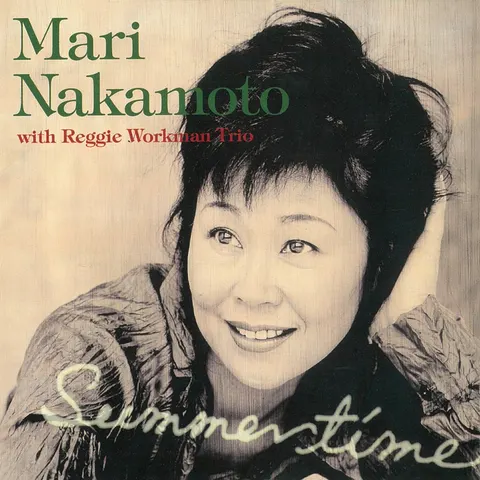
- Mari Nakamoto - vocalist; Karashima plays acoustic piano and Fender Rhodes on her album New Swing Street (JVC, 1988).
- Masami Nakagawa - flute on Transparent (Polydor, recorded January and February 1987), alongside Kohsuke Mine.
- Takashi Mizuhashi - bassist and leader of the quartet on Who Cares (Three Blind Mice TBM-31, recorded 28 August 1974) and When A Man Loves A Woman (TBM-28, live, March 1974), with Yoshio Otomo and Hideo Sekine.
More Post-Bop Artists
See all 717 Post-Bop artists →More Japanese Jazz Artists
See all 262 Japanese artists →- Official site (Pit Inn Music)
- Spotify artist page
- Apple Music artist page
- Discogs: Fumio Karashima
- Fumio Karashima on JazzProfiles.com
- r/JapaneseJazz
- Wikipedia: Fumio Karashima
- Wikipedia (Japanese): 辛島文雄
- Wikidata: Q11637815
- Discogs: Fumio Karashima, artist 1745000
- Official site: profile
- Official site: discography
- Official site: final report from his management, 2017
- PHILE WEB: PIT INN history series, part 3, interview with Fumio Karashima, 2008
- PHILE WEB: PIT INN history series, part 4, interview with Fumio Karashima, 2008
- PHILE WEB: In memoriam, Fumio Karashima, 2017
- Nikkei: obituary, 25 February 2017
- AllMusic: Fumio Karashima
- MusicBrainz: Fumio Karashima