 JAZZPROFILES lives in the music 1,002 Jazz Artists fully Profiled!
 George Coleman
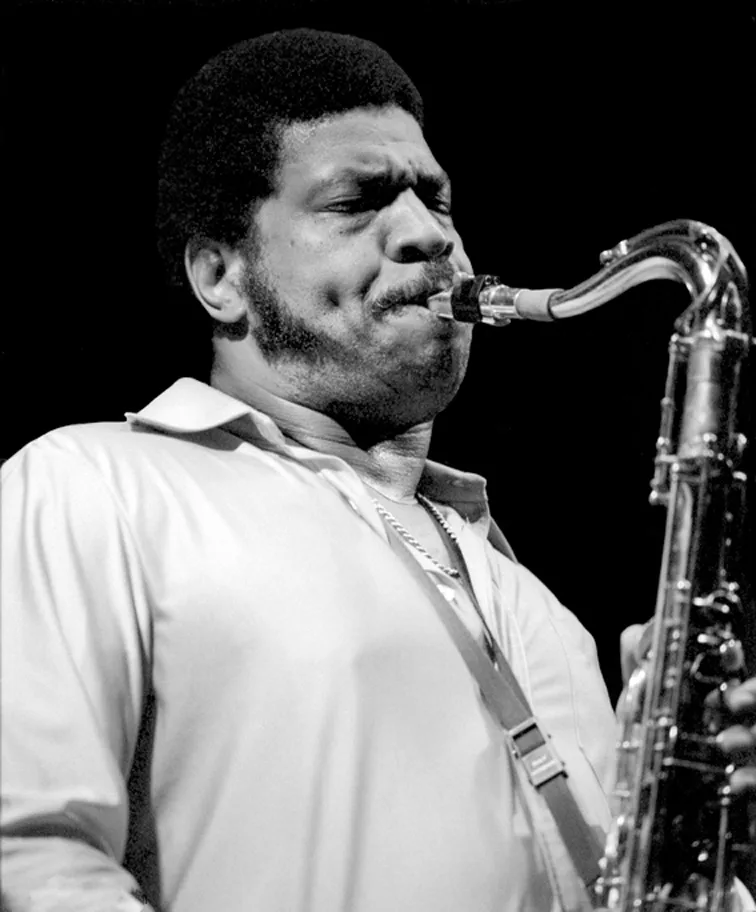
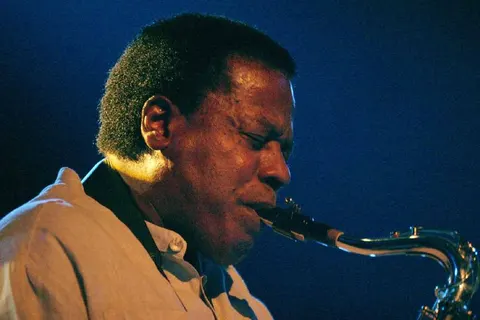
George Coleman playing tenor saxophone at Keystone Korner, San Francisco, August 29, 1979, photographed by Brian McMillen CC BY-SA 4.0 (Creative Commons Attribution-ShareAlike 4.0 International; attribution: Brian McMillen, own work) — Wikimedia Commons - https://commons.wikimedia.org/wiki/File:George_Coleman_KK.jpg

George Edward Coleman was born March 8, 1935 in Memphis, in a city whose public schools were turning out an extraordinary run of players at exactly that moment. He went to Manassas High School alongside pianist Harold Mabern, trumpeter Booker Little, alto saxophonist Frank Strozier, Hank Crawford and Charles Lloyd. He heard Charlie Parker on record at fifteen, taught himself alto saxophone with no formal lessons, and worked out harmony by ear well enough that within a few years other Memphis musicians were coming to him for it. He worked in Ray Charles's early band, and in 1953 joined B.B. King, who needed a tenor player and handed Coleman a tenor saxophone to make it happen. That switch, made for a paycheck on the blues circuit, defined the rest of his career. Sources disagree slightly on the year: the National Endowment for the Arts dates the King job to 1952, when Coleman was seventeen, while Wikipedia and the Memphis Music Hall of Fame both give 1953 and point to the King recording "Woke Up This Morning."
Coleman left for Chicago in 1956 with Booker Little, working there with Gene Ammons, Johnny Griffin and drummer Walter Perkins's MJT+3 before moving on to New York. On August 25, 1957 he turned up on two separate Blue Note dates, playing alto on the Manhattan Towers organ jam that produced Jimmy Smith's House Party and The Sermon! and playing both tenor and alto on Lee Morgan's City Lights. He joined Max Roach's quintet in 1958, stayed about two years, and recorded Deeds, Not Words (cut in New York on September 4, 1958), The Max Roach 4 Plays Charlie Parker and Max Roach + 4 at Newport. The same period produced Booker Little 4 & Max Roach, taped at Nola Studios in October 1958, and Down Home Reunion, a 1959 United Artists date billed to the "Young Men from Memphis" that put Coleman, Little, Strozier, Louis Smith and the Newborn brothers on one record.
From 1959 to 1962 he held the tenor chair in trombonist Slide Hampton's octet, a tightly arranged eight-piece band that worked as one of the better finishing schools in New York. The octet cut Sister Salvation (Atlantic, 1960), Somethin' Sanctified (Atlantic, 1961) and Slide Hampton and His Horn of Plenty for Strand, and toured Europe, recording Exodus in Paris on November 14 and 18, 1962. Coleman also worked with Ron Carter, Jimmy Cobb and organist Wild Bill Davis in these years, and appeared on Frank Strozier's Long Night (Jazzland, 1962) and Booker Little's Booker Little and Friend.
In 1963 Miles Davis hired him to replace Hank Mobley, and Coleman became the first tenor player in the rhythm section that would become Davis's second great quintet, with Herbie Hancock, Ron Carter and Tony Williams. He is on Seven Steps to Heaven (Columbia CL 2051, issued September 1963), on the Antibes festival set released as Miles Davis in Europe, and on the February 12, 1964 Philharmonic Hall benefit concert that Columbia split into two very different albums: the ballad program My Funny Valentine, released in April 1965, and the up-tempo 'Four' & More, held back until 1966. Coleman left in the spring of 1964, followed briefly by Sam Rivers and then permanently by Wayne Shorter. A year later Hancock called him back for Maiden Voyage, recorded at Van Gelder Studio on March 17, 1965, where Coleman's tenor sits inside one of the most-copied small-group records of the decade. He spent 1965 and 1966 with Lionel Hampton and cut the run of Prestige quintet sessions with Chet Baker that the label eventually spread across five separate LPs.
The next decade was the busiest stretch of his sideman life and the start of his own. He recorded four albums with Elvin Jones, beginning with the Village Vanguard set of March 20, 1968 and continuing through Poly-Currents (taped September 26, 1969), Mr. Jones and Time Capsule. He became a first-call horn for organ dates, working with Shirley Scott, Charles Earland, Don Patterson, Jack McDuff and Big John Patton, and he cut three Prestige albums with his Memphis schoolmate Harold Mabern. In December 1975 he joined pianist Cedar Walton, Sam Jones and Billy Higgins for Eastern Rebellion, the record that named a co-op band Coleman would keep returning to for decades of archival releases. He played alto and tenor on Charles Mingus's Three or Four Shades of Blues in March 1977. From the early 1970s he also led his own groups, most ambitiously the George Coleman Octet, an all-horn front line captured on Revival, recorded November 2 and 3, 1977 with Junior Cook, Frank Strozier, Mario Rivera, Danny Moore, Mabern, Lisle Atkinson and Idris Muhammad. His first widely circulated leader albums came from the Dutch label Timeless: the duo record Meditation with Catalan pianist Tete Montoliu (February 1977) and the quartet date Amsterdam After Dark (recorded December 29, 1978).
Coleman spent the 1980s and 1990s alternating leader dates with a long teaching career at Mannes College, Long Island University and New York University. The two Theresa albums Manhattan Panorama (live at the Village Vanguard, 1985) and At Yoshi's (1989) put his working quartet with Mabern on record, and My Horns of Plenty (Birdology, 1991) is the album where he laid soprano, alto and tenor side by side on one program. He received the Jazz Foundation of America's Life Achievement Award in 1997, entered the Memphis Music Hall of Fame in 2012, and was named an NEA Jazz Master in 2015. The last decade produced more leader records than the two before it: A Master Speaks (2016) and The Quartet (2019) for Smoke Sessions, two organ-quartet albums for SteepleChase with Brian Charette and his son, drummer George Coleman Jr., the live Live at Smalls Jazz Club (recorded March 15, 2022), the septet date Big George with One for All, and George Coleman with Strings, a Bill Dobbins-arranged album HighNote issued in 2025. He plays the tenor chair throughout Israeli guitarist Yotam Silberstein's Standards (2024) and guests on "Tenor Madness" on Standards, Vol. 2 (2025), and he appears on Emmet Cohen's Universal Truth (Mack Avenue, May 2026). In December 2025 the Louis Armstrong Educational Foundation named him the recipient of its fifteenth annual Satchmo Award. He was still working a New York bandstand at ninety-one, playing the midtown club The Pocket with his son on July 17, 2026.
Coleman's standing among musicians rests on harmony. He came up teaching himself Charlie Parker's language off records, and he never stopped treating a chord sequence as something to be exhausted rather than negotiated: long, unbroken eighth-note lines that reach for the upper structures of a chord and land cleanly at any tempo, delivered in a big centered tone with almost no rhetorical grandstanding. That is why the tenor chair on Seven Steps to Heaven went to him, and why the phrase most often attached to his name is the title of his own Ronnie Scott's album, Playing Changes. The same command made him one of the most sought-after teachers of his generation, at Mannes, Long Island University and NYU, and the reason younger tenor players from Bob Berg onward went looking for him. He is a real multi-instrumentalist rather than a doubler: alto on the 1957 Blue Note organ sessions, on Mal Waldron's Sweet Love, Bitter soundtrack and on the Mingus date, and soprano, alto and tenor together on My Horns of Plenty. Critics have consistently placed him just outside the small circle of tenor players who changed the instrument and squarely inside the smaller circle of those who mastered it, with the Penguin Guide and AllMusic both treating the Theresa quartet albums as the clearest recorded evidence.
- Seven Steps to Heaven (1963, Columbia) - As sideman: Coleman's first album with Miles Davis, split between a Hollywood session and the New York date that first assembled Davis with Herbie Hancock, Ron Carter and Tony Williams. Spotify - Seven Steps To Heaven
- My Funny Valentine (rec. 1964, rel. 1965, Columbia) - As sideman: the ballad half of the February 12, 1964 Philharmonic Hall concert, the performance most often cited as Coleman's finest hour with Davis. Its up-tempo companion, 'Four' & More, followed in 1966. Spotify - My Funny Valentine Listen
- Maiden Voyage (1965, Blue Note) - As sideman: Herbie Hancock's modal landmark, cut March 17, 1965 with Coleman on tenor, Freddie Hubbard, Ron Carter and Tony Williams. Spotify - Maiden Voyage
- Eastern Rebellion (rec. 1975, rel. 1976, Timeless) - Co-led with pianist Cedar Walton, Sam Jones and Billy Higgins, recorded December 10, 1975 and still the group's defining record. Not found on Spotify.
- Amsterdam After Dark (rec. 1978, rel. 1979, Timeless) - His breakout leader date, taped December 29, 1978 at Sound Ideas Studio in New York with Hilton Ruiz, Sam Jones and Billy Higgins; five of the six tunes are Coleman originals. Spotify - Amsterdam After Dark Listen
- Manhattan Panorama (1985, Theresa) - A Village Vanguard set built entirely on New York themes, with Harold Mabern, Jamil Nasser and Idris Muhammad, and one of the few records on which Coleman sings. Spotify - Manhattan Panorama Listen
- At Yoshi's (1989, Theresa) - The Mabern quartet live in Oakland with Ray Drummond and Alvin Queen, widely rated his strongest live leader album. Spotify - At Yoshi's Listen
- The Quartet (2019, Smoke Sessions) - Recorded May 20, 2019 with Harold Mabern, John Webber and Joe Farnsworth, the last studio meeting of a partnership that began at Manassas High School. Spotify - The Quartet Listen
George Coleman: Full Discography
The sideman table below is a representative selection of the most significant credits, not an exhaustive list. The leader and co-leader table aims to be complete for first-issue albums.
Identity confirmed via the live Discogs API. George Coleman is artist ID 253367 (realname "George Edward Coleman", born March 8, 1935 in Memphis, Tennessee). Discogs credits him on 474 releases under that ID (39 in a "Main"/leader role, 380 sideman "Appearance" credits, 25 track-level appearances and 30 unofficial pressings), plus a further 12 under the separate group entities The George Coleman Octet (2302116), George Coleman Quintet (5724903), George Coleman Quartet (4320153) and George Coleman - Tete Montoliu Duo (4087476).
Every row's label, catalog number, format, recording date and personnel below was read off the specific Discogs release record, not the artist index, and every conflict with Wikipedia's dating is named in the Notes column. The Buy column is — throughout because no affiliate program is set up yet.
Name-collision warning. Discogs holds at least ten distinct "George Coleman" entities. The relevant ones to keep apart from this artist are George "Bongo Joe" Coleman (1145005 / 13341681), the San Antonio street percussionist who recorded for Arhoolie and appears in Doug Sahm's orbit, and George Coleman, Jr. (2732150), the saxophonist's son, a drummer who plays on several of his father's albums and has his own leader singles. See the exclusions section at the end.
As Leader / Co-Leader
| Album Title | Recording Date(s) | Release Date | Label | Catalog Number | Format(s) | Personnel | Role | Reissue History | Spotify | Buy | Notes |
|---|---|---|---|---|---|---|---|---|---|---|---|
| Eastern Rebellion | Recorded CI Recording Studio, New York City, December 10, 1975 | 1976 | Timeless Records (Netherlands) | SJP 101 | Vinyl, LP, Album | Cedar Walton (piano, producer), George Coleman (tenor sax), Sam Jones (bass), Billy Higgins (drums) | Co-leader (four-way billing; Walton produced) | Numerous CD reissues, including the Japanese Solid/Timeless Eastern Rebellion Vol. 1~4 box (2021) | Not found on Spotify | — | Wikipedia files this under "with Cedar Walton" and dates it 1975, which is the session date; the Timeless LP is 1976 |
| Meditation | Recorded Dureco Studio, Weesp, Holland, February 22, 1977 | 1977 | Timeless (Netherlands) | SJP 110 | Vinyl, LP, Album | George Coleman (tenor sax), Tete Montoliu (piano); produced by Wim Wigt, engineered by Emile Elsen | Leader (billed as George Coleman - Tete Montoliu Duo) | Reissued on CD in 1992 under the different title Dynamic Duo (Timeless, same catalog number SJP 110) | Spotify - Dynamic Duo | — | Meditation and Dynamic Duo are the same six-track duo session, same timings, retitled after track 2 for the CD. Discogs indexes them as separate releases |
| Revival | Recorded November 2 and 3, 1977 | 1978 | Catalyst Records | KUX-73-CT (Japanese promo LP; Discogs's earliest indexed pressing) | Vinyl, LP, Album | George Coleman and Junior Cook (tenor sax), Frank Strozier (alto sax), Mario Rivera (baritone sax), Danny Moore (trumpet, flugelhorn), Harold Mabern (piano), Lisle Atkinson (bass), Idris Muhammad (drums), Azzedin Weston (percussion) | Leader (The George Coleman Octet) | Reissued in Europe under the title Big George on Affinity (AFF 52, UK, 1980; AFF 178, 1987; CD CHARLY 83, 1987) and in Japan on Vee Jay (20YB-7015, 1988) | Spotify - Revival | — | Wikipedia dates it 1977, the recording year. Not to be confused with the 2024 One for All album also titled Big George |
| Amsterdam After Dark | Recorded Sound Ideas Studio, New York City, December 29, 1978 | 1979 | Timeless (Netherlands) | SJP 129 | Vinyl, LP, Album | George Coleman (tenor sax), Hilton Ruiz (piano), Sam Jones (bass), Billy Higgins (drums); produced by Wim Wigt | Leader | Multiple CD reissues | Spotify - Amsterdam After Dark | — | Wikipedia's artist page dates this 1978; Wikipedia's own album article and the Timeless pressing both say 1979 |
| Live | Recorded live at Ronnie Scott's, London, April 19 and 20, 1979 | 1979 | Pye Records (UK) | N 121 | Vinyl, LP, Album | George Coleman (tenor sax), Hilton Ruiz (piano), Ray Drummond (bass), Billy Higgins (drums); liner notes by Mike Hennessey | Leader | None found | Not found on Spotify | — | Absent from Wikipedia's discography entirely. Three tracks: "Blues Inside Out," "Walking," "Stella By Starlight." Different program from Playing Changes below, from the same engagement |
| Playing Changes | Recorded live at Ronnie Scott's, London, April 1979 | 1988 | Jazz House (UK) | JHR 002 | Vinyl, LP, Album | George Coleman (tenor sax), Hilton Ruiz (piano), Ray Drummond (bass), Billy Higgins (drums) | Leader | Reissued 1991 on Ronnie Scott's Jazz House (JHCD 002, JACD 015); paired with Blues Inside Out on a 2000 2xCD | Spotify - Playing Changes | — | Wikipedia dates this 1979, which is the recording year; the first pressing is 1988. Discogs notes that side B track 1, printed as "Siorra" and credited to Coleman, is actually Lee Morgan's "Ceora" |
| Manhattan Panorama | Recorded live at the Village Vanguard, New York City, 1985 | 1985 | Theresa Records | TR-120 | Vinyl, LP, Album | George Coleman (tenor sax, alto sax, vocals, producer), Harold Mabern (piano), Jamil Nasser (bass), Idris Muhammad (drums) | Leader | Evidence CD reissue, 1992 (ECD 22019-2) | Spotify - Manhattan Panorama | — | Discogs's release record carries no session note; the Village Vanguard location comes from Wikipedia and AllMusic. The Spotify edition is the 6-track Evidence CD; the LP has 5 |
| At Yoshi's | Recorded live at Yoshi's, Oakland, California | 1989 | Theresa Records | TR 126 | Vinyl, LP | George Coleman (tenor sax, producer), Harold Mabern (piano), Ray Drummond (bass), Alvin Queen (drums); liner notes by Larry Kelp | Leader | Evidence CD reissue; 2022 Pure Pleasure 2xLP 180g reissue | Spotify - At Yoshi's | — | Spotify carries the 7-track CD edition; the LP has 5 |
| Convergence | Recorded Clinton Recording, New York City, November 10 and 11, 1990 | 1991 | Triloka Records | 185-2 | CD, Album | Richie Beirach (piano, arrangements), George Coleman (tenor sax, soprano sax); produced by Roy Kagel, mastered by Roger Nichols | Co-leader (duo, billed with Beirach) | European CD 1992 (320185-2); US reissue 2000 (TR 8006-2) | Not found on Spotify | — | Wikipedia dates it 1990, which matches the copyright line and session; the earliest pressing Discogs indexes is the 1991 US CD |
| My Horns of Plenty | Not stated on the release | 1991 | Birdology (Europe) | 837 278-2 | CD, Album | George Coleman (soprano, alto and tenor saxophones), Harold Mabern (piano), Ray Drummond (bass), Billy Higgins (drums) | Leader | Dreyfus/Birdology reissues | Spotify - My Horns of Plenty | — | The one album on which he plays all three horns |
| Blues Inside Out | Recorded live at Ronnie Scott's Club, 47 Frith Street, London, January 13, 1995 | 1996 | Ronnie Scott's Jazz House (UK) | JHCD 046 | CD, Album | George Coleman (tenor sax), Peter King (alto sax), Julian Joseph (piano), Dave Green (bass), Mark Taylor (drums) | Leader (George Coleman Quintet) | Paired with Playing Changes on a 2000 2xCD (JHCD 8896155 series) | Spotify - Blues Inside Out | — | Wikipedia dates this 1995, the concert date; the CD is 1996 |
| Danger High Voltage | Recorded Van Gelder Studio, Englewood Cliffs, NJ, March 15, 1996 | 2000 | Two And Four Recording Company | TF-003 | CD, Album | George Coleman and Ned Otter (tenor sax), Jim Rotondi (trumpet), Adam Brenner (alto sax), Gary Smulyan (baritone sax), Harold Mabern (piano), Ray Drummond (bass), George Coleman, Jr. (drums), Daniel Sadownick (percussion); recorded and mastered by Rudy Van Gelder | Leader (billed George Coleman featuring Ned Otter) | None found | Not found on Spotify | — | Wikipedia dates this 1996, the session date; the CD was not issued until 2000 |
| I Could Write a Book: The Music of Richard Rodgers | Not stated on the release | 1998 | Telarc Jazz | CD-83439 | CD, Album | George Coleman (saxophone), Harold Mabern (piano), Jamil Nasser (bass), Billy Higgins (drums) | Leader (George Coleman Quartet) | None found | Spotify - I Could Write A Book | — | Spotify dates the digital edition May 26, 1998 |
| 4 Generations of Miles | Not stated on the release | 2002 | Chesky Records | JD238 | CD, Album | George Coleman (tenor sax), Mike Stern (electric guitar), Ron Carter (bass), Jimmy Cobb (drums); produced by David Chesky | Co-leader (four-way billing) | None found | Spotify - 4 Generations of Miles | — | Wikipedia gives the subtitle "A Live Tribute to Miles"; the Chesky CD is a studio recording at 96/24 |
| A Master Speaks | Recorded live in the studio, Sear Sound Studio C, New York City, November 24, 2015 | 2016 | Smoke Sessions Records | SSR-1603 | CD, Album | George Coleman (tenor sax), Mike LeDonne (piano), Bob Cranshaw (bass), George Coleman, Jr. (drums), Peter Bernstein (guitar, one track); co-produced by Eric Alexander | Leader | None found | Spotify - A Master Speaks | — | His first leader album in fourteen years |
| Groovin' with Big G | Recorded December 2017 | March 15, 2018 | SteepleChase (Denmark) | SCCD 31857 | CD, Album | Brian Charette (Hammond B-3), George Coleman (tenor sax), Vic Juris (guitar), George Coleman, Jr. (drums); liner notes by Neil Tesser | Co-leader (four-way billing) | 180g LP reissue, SteepleChase, 2024 | Spotify - Groovin' with Big G | — | Wikipedia lists this twice, once as a Coleman leader album and again under Brian Charette; the release is billed to all four players |
| The Quartet | Recorded Sear Sound Studio C, New York City, May 20, 2019 | 2019 | Smoke Sessions Records | SSR-1906 | CD, Album, Stereo | George Coleman (tenor sax), Harold Mabern (piano), John Webber (bass), Joe Farnsworth (drums) | Leader | None found | Spotify - The Quartet | — | Mabern's last studio date with Coleman; he passed away four months later |
| The George Coleman Quintet in Baltimore | Recorded live at the Famous Ballroom, Baltimore, MD, May 23, 1971 | December 10, 2020 | Reel To Real | RTR-CD-005 | CD, Album | George Coleman (tenor sax), Danny Moore (trumpet), Albert Dailey (piano), Larry Ridley (bass), Harold White (drums); produced for release by Zev Feldman and Cory Weeds, liner notes including Michael Cuscuna | Leader (George Coleman Quintet) | None found | Spotify - The George Coleman Quintet in Baltimore | — | A Left Bank Jazz Society tape unissued for 49 years. Includes transcribed interviews with Coleman and the society's John Fowler |
| On Green Dolphin Street | Recorded live at Jazz Club Hot House, Leiden, Holland, April 9, 1974 | November 18, 2020 | Solid Records (Japan) / Blue Jack Jazz | CDSOL-46901 | CD, Album, Limited Edition, Remastered | George Coleman (tenor sax), Rob Agerbeek (piano), Rob Langereis (bass), Eric Ineke (drums) | Leader (with the Rob Agerbeek Trio) | None found | Not found on Spotify | — | Wikipedia gives the venue only as a 1974 concert; the Solid CD names the Hot House in Leiden |
| Eastern Rebellion 5: Live | Recorded live at Jazz Club October, Bremen, July 26, 1976 | June 23, 2021 | Solid Records / Timeless (Japan) | CDSOL-6477 | CD, Album, Reissue | Cedar Walton (piano), George Coleman (tenor sax), Sam Jones (bass), Billy Higgins (drums) | Co-leader (Eastern Rebellion) | None found | Not found on Spotify | — | Four long tracks from the quartet's 1976 European tour |
| Live at Smalls Jazz Club | Recorded live at Smalls Jazz Club, New York City, March 15, 2022 | May 12, 2023 | Cellar Music (Canada) | CMSLF006 | CD, Album | George Coleman (tenor sax), Spike Wilner (piano), Peter Washington (bass), Joe Farnsworth (drums, producer, liner notes) | Leader | None found | Spotify - Live at Smalls Jazz Club | — | Wikipedia credits the label as "Cellar Music Group"; the CD reads Cellar Music |
| Big George | Recorded Sear Sound Studio C, New York City, September 27, 2022 | March 15, 2024 | Smoke Sessions Records | SSR-2401 | CD, Album | One for All (Eric Alexander, alto and tenor sax; Jim Rotondi, trumpet; Steve Davis, trombone; David Hazeltine, piano; John Webber, bass; Joe Farnsworth, drums) with George Coleman (featured, tenor sax) | Co-leader (billed One for All featuring George Coleman) | None found | Spotify - Big George | — | Wikipedia lists this both as a 2024 Coleman leader album and as a One for All sideman credit. Tracks 7 to 9 are CD-only bonus tracks |
| Eastern Rebellion 6: Live | Recorded live at the Umbria Jazz Festival, Perugia, Italy, July 20, 1976 | June 19, 2024 | Solid Records / Timeless (Japan) | CDSOL-47915 | CD, Album | Cedar Walton (piano), George Coleman (tenor sax), Sam Jones (bass), Billy Higgins (drums) | Co-leader (Eastern Rebellion) | None found | Not found on Spotify | — | Recorded six days before the Bremen tape issued as Eastern Rebellion 5 |
| Working Out' with Big G | Recorded April 2024 | June 6, 2025 | SteepleChase (Denmark) | SCCD 31973 | CD, Album | Brian Charette (Hammond B-3), George Coleman (tenor sax), Paul Bollenback (guitar), George Coleman, Jr. (drums); liner notes by C. Andrew Hovan | Co-leader (four-way billing) | None found | Spotify - Working out with Big G | — | Absent from Wikipedia's discography. Recorded at ninety, the sequel to Groovin' with Big G, with Paul Bollenback replacing the late Vic Juris |
| George Coleman with Strings | Quartet recorded at Van Gelder Studio, Englewood Cliffs, NJ, December 2022; strings overdubbed early April 2023 | 2025 (Spotify: August 29, 2025) | HighNote Records | 7349 | CD, Album | George Coleman (tenor sax), David Hazeltine (piano), John Webber (bass), Joe Farnsworth (drums), Café da Silva (percussion, three tracks), thirteen-piece string section; arranged and conducted by Bill Dobbins, produced by Diane Armesto | Leader | None found | Spotify - George Coleman with Strings | — | Absent from Wikipedia's discography, and Discogs dates it 2022, which is the recording year, not the release year. Discogs's tracklist for this release is also malformed, listing "A Time for Love" and "Ugly Beauty" twice each. His first album with strings |
As Sideman (selected major credits)
This is a representative set of the most significant sideman credits, not a complete list; Discogs indexes several hundred more, most of them compilations and reissues.
| Year | Project (Leader) | Title | Label | Catalog | Role | Notes |
|---|---|---|---|---|---|---|
| 1958 | Jimmy Smith | House Party | Blue Note | BLP 4002 | Alto sax | From the Manhattan Towers organ jam of August 25, 1957 (plus a February 1958 date) |
| 1958 | Lee Morgan | City Lights | Blue Note | BLP 1575 | Tenor sax, alto sax | Recorded August 25, 1957, the same day as the Jimmy Smith jam. Issued April 1958 |
| 1958 | Max Roach | Deeds, Not Words | Riverside | RLP 12-280 | Tenor sax | Recorded in New York, September 4, 1958 |
| 1958 | Max Roach Quintet | Max Roach + 4 at Newport | EmArcy | MG 36140 | Tenor sax | Recorded live at the Newport Jazz Festival, July 6, 1958; issued November 1958 |
| 1959 | Jimmy Smith | The Sermon! | Blue Note | BLP 4011 | Alto sax | Sessions of August 25, 1957 and February 25, 1958; LP issued December 1959 |
| 1959 | The Max Roach 4 | The Max Roach 4 Plays Charlie Parker | EmArcy / Mercury | SR 80019 | Tenor sax | Sessions December 23, 1957 and April 11, 1958. Wikipedia dates the album 1958; the Mercury stereo pressing is 1959 |
| 1959 | Young Men from Memphis | Down Home Reunion | United Artists | UAL 4029 | Tenor sax | A Memphis all-star date with Booker Little, Frank Strozier, Louis Smith, Phineas and Calvin Newborn |
| 1959 | Booker Little 4 & Max Roach | Booker Little 4 & Max Roach | United Artists | UAL 4034 | Tenor sax | Recorded at Nola Studios, New York, October 1958. Wikipedia dates it 1958 |
| 1960 | Slide Hampton Octet | Sister Salvation | Atlantic | 1339 | Tenor sax | The octet's first Atlantic album |
| 1961 | Slide Hampton Octet | Somethin' Sanctified | Atlantic | 1362 | Tenor sax | |
| 1961 | Slide Hampton | And His Horn of Plenty | Strand | SL 1006 | Tenor sax | Wikipedia dates this 1959; the Strand LP is 1961 |
| 1961 | Slide Hampton | Two Sides of Slide | Charlie Parker Records | PLP 803 | Tenor sax, clarinet (per Discogs) | The clarinet credit appears only on the Discogs release sheet and is not corroborated anywhere else. Treat with caution |
| 1962 | Slide Hampton Orchestra | Drum Suite Parts I, II, III, IV, V | Epic | LA 16030 | Tenor sax | |
| 1962 | Slide Hampton | Exodus | Philips (France) | B 77.915 L | Tenor sax | Recorded in Paris, November 14 and 18, 1962, and pressed in France the same year. Wikipedia's "[rel. 1964]" refers to a later issue |
| 1962 | Frank Strozier | Long Night | Jazzland | JLP 56 | Tenor sax | Reunion with his Manassas High School classmate |
| 1962 | Booker Little | Booker Little and Friend | Bethlehem | BCP-6061 | Tenor sax | Recorded in New York, August or September 1961. Wikipedia dates it 1961 |
| 1963 | Miles Davis | Seven Steps to Heaven | Columbia | CL 2051 | Tenor sax | Issued September 1963. Three tracks cut in Hollywood, three in New York |
| 1964 | Miles Davis | Miles Davis in Europe | Columbia | CS 8983 | Tenor sax | Recorded live at Antibes, Juan-les-Pins, July 1963; issued 1964. Wikipedia's 1963 is the concert year |
| 1964 | Max Roach Quintet | The Many Sides of Max | Mercury | SR 60911 | Tenor sax | Recorded 1959, released 1964, as the release itself states. Wikipedia dates it 1959 |
| 1965 | Miles Davis | My Funny Valentine: Miles Davis in Concert | Columbia | CS 9106 | Tenor sax | Philharmonic Hall, Lincoln Center, February 12, 1964; issued April 1965. Wikipedia dates it 1964 |
| 1965 | Herbie Hancock | Maiden Voyage | Blue Note | BLP 4195 | Tenor sax | Recorded March 17, 1965 with Freddie Hubbard, Ron Carter and Tony Williams |
| 1966 | Miles Davis | 'Four' & More | Columbia | CL 2453 | Tenor sax | The up-tempo half of the same February 12, 1964 concert, held back until 1966 |
| 1966 | The Duke Pearson Nonet | Honeybuns | Atlantic | 3002 | Tenor sax | Wikipedia dates it 1965; the Atlantic LP is 1966. Duke Pearson profiled separately |
| 1966 | Duke Pearson | Prairie Dog | Atlantic | SD 3005 | Tenor sax | |
| 1966 | Brother Jack McDuff | A Change Is Gonna Come | Atlantic | 1463 | Tenor sax | |
| 1966 | Howard McGhee | The Sharp Edge | Fontana (UK) | FJL.906 | Tenor sax | Recorded in New York, December 8, 1961, five years before issue |
| 1966 | The Chet Baker Quintet | Smokin' with the Chet Baker Quintet | Prestige | PR 7449 | Tenor sax | The first of five LPs Prestige drew from the same 1964 to 1965 quintet sessions. Wikipedia dates all five 1965; the pressings are Smokin' and Groovin' (PR 7460) in 1966, Comin' On (PR 7478), Cool Burnin' (PR 7496) and Boppin' (PR 7512) in 1967 |
| 1967 | Mal Waldron | Sweet Love, Bitter | Impulse! | A-9142 | Alto sax | Soundtrack to Herbert Danska's film |
| 1968 | Harold Mabern | A Few Miles from Memphis | Prestige | PR7568 | Tenor sax | |
| 1969 | Harold Mabern | Rakin' and Scrapin' | Prestige | PR 7624 | Tenor sax | Issued April 1969 |
| 1969 | Harold Mabern | Workin' & Wailin' | Prestige | PRST 7687 | Tenor sax | |
| 1969 | Charlie Earland Trio | Soul Crib | Choice | CMG-520 | Tenor sax | Cut at Van Gelder's studio, supervised by Ozzie Cadena. Coleman gets a "featuring" billing on the sleeve |
| 1969 | Don Patterson | Oh Happy Day | Prestige | PR 7640 | Tenor sax | Recorded June 2, 1969; later reissued as Dem New York Dues |
| 1970 | Elvin Jones | Poly-Currents | Blue Note | BST 84331 | Tenor sax | Recorded September 26, 1969. Wikipedia dates it 1969 |
| 1973 | Elvin Jones | Mr. Jones | Blue Note | BN-LA110-F | Tenor sax | One track is lifted from the Poly-Currents session |
| 1974 | Elvin Jones | Live at the Village Vanguard | Enja (Germany) | enja 2036 | Tenor sax | Recorded March 20, 1968, six years before release. Wikipedia dates it 1968 |
| 1976 | Charles Tolliver / Music Inc | Impact | Strata-East | SES-19757 | Tenor sax | Wikipedia dates it 1975; the Strata-East pressing is 1976 |
| 1977 | Charles Mingus | Three or Four Shades of Blues | Atlantic | SD 1700 | Alto sax, tenor sax | Side A recorded March 9, 1977; side B March 10 |
| 1977 | Charles Earland | Smokin' | Muse | MR 5126 | Tenor sax | Recorded at Van Gelder Studio; issued December 1977 |
| 1977 | Wynton Kelly | In Concert | VJ International | VJS 3071 | Tenor sax | Kelly, Ron McClure and Jimmy Cobb, from the Baltimore Left Bank Jazz Society concert of September 22, 1968. Issued in Japan the same year as the 3-LP Live at Left Bank Jazz Society 1968 and again in 1984 as Live in Baltimore (Affinity) |
| 1978 | Charles Earland | Mama Roots | Muse | MR 5156 | Tenor sax | Wikipedia dates it 1977 |
| 1980 | Idris Muhammad | Kabsha | Theresa | TR 110 | Tenor sax | Co-billed quartet with Ray Drummond and Pharoah Sanders; Muhammad produced, Rudy Van Gelder engineered. Discogs indexes Coleman as a "Main" artist here |
| 1982 | Red Garland | Strike Up the Band | Galaxy | GXY-5135 | Tenor sax | Recorded July 11 and 12, 1979; issued July 1982. Wikipedia dates it 1981 |
| 1984 | Red Garland | So Long Blues | Galaxy | GXY-5149 | Tenor sax (not listed on the Discogs credit sheet) | From the same July 1979 Galaxy sessions. Wikipedia dates it 1981; the pressing is 1984. Coleman's credit is absent from Discogs's sheet for this release and is taken from Wikipedia and the sessionography |
| 1996 | Various Artists | Dream Session: The All-Stars Play Miles Davis Classics | Milestone | MCD-9264-2 | Tenor sax | Recorded in New York, November 21 and 22, 1995, with Eddie Henderson, Roy Hargrove, Nicholas Payton, Benny Golson, Grover Washington Jr., Joe Locke, Jaki Byard, Ron Carter and Ed Thigpen |
| 1996 | Big John Patton | Memphis to New York Spirit | Blue Note | CDP 7243 8 35221 2 5 | Tenor sax | Vault sessions of June 9, 1969 and October 2, 1970, unissued for a quarter-century. Wikipedia dates it 1969 |
| 2006 | Joey DeFrancesco | Organic Vibes | Concord | CCD-2306-2 | Tenor sax | |
| 2018 | Steve Turre | The Very Thought of You | Smoke Sessions | SSR-1804 | Tenor sax (guest) | Recorded live in the studio, January 24, 2018, with Kenny Barron, Buster Williams, Willie Jones III, Russell Malone and strings |
| 2019 | Emmet Cohen | Masters Legacy Series Volume 4 | Self-released | none | Tenor sax | Recorded March 19, 2018 at Yamaha Artist Services, New York, with Russell Hall and Bryan Carter |
| 2020 | Brandi Disterheft Trio | Surfboard | Justin Time (Canada) | JTR 8626-2 | Tenor sax | Co-billed "with George Coleman" |
| 2021 | Nicholas Payton | Smoke Sessions | Smoke Sessions | SSR-2106 | Tenor sax | Recorded April 29 and 30, 2021 |
| 2023 | Shirley Scott | Queen Talk: Live at the Left Bank | Reel To Real (Canada) | RTR-CD-009 | Tenor sax, interviewee | Recorded at the Famous Ballroom, Baltimore, August 20, 1972 and unissued for fifty-one years. Wikipedia credits the label as "Wienerworld/Cellar Live" |
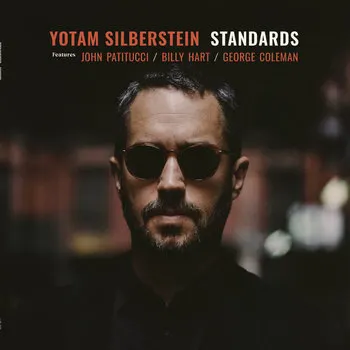
| 2024 | Yotam Silberstein | Standards | JoJo Records | JJR-009 | Tenor sax | Released February 23, 2024. Quartet with John Patitucci (bass) and Billy Hart (drums); Coleman is credited at release level across the whole eight-track program |
| 2025 | Yotam Silberstein | Standards, Vol. 2 | Jojo Records | JJR-011 | Tenor sax (guest, one track) | Released April 18, 2025. Coleman's credit on this volume is track-level, on "Tenor Madness" |
| 2025 | Deborah Silver with the Count Basie Orchestra | Basie Rocks! | Green Hill | GHD6599 | Tenor sax | Released May 2, 2025 |
| 2026 | Emmet Cohen | Universal Truth | Mack Avenue | MAC1242-2 | Tenor sax | Released May 29, 2026 |
Credits excluded as Discogs index errors, name collisions or misfiled entries
The following appear in Discogs's artist index for George Coleman (253367) or in Wikipedia's discography but do not survive a check against the underlying release, and are excluded from the tables above.
- Anthony Braxton, Ten Compositions (Quartet) 2000 (CIMP 225, 2000), master 1736140. The release's own credit sheet lists Braxton, Andy Eulau, Kevin Norton and Kevin O'Neil. There is no George Coleman on it. A straightforward index error.
- The Sir Douglas Band, Texas Tornado (Atlantic SD 7287, 1973), master 457196, and Doug Sahm, The Genuine Texas Groover. The release credit list carries no George Coleman at all, and Doug Sahm's San Antonio circle is the home turf of George "Bongo Joe" Coleman, the street percussionist, not the tenor saxophonist. Excluded as a name collision.
- Josh White, The House I Live In (Elektra EKL-203, 1960), master 387056. The only Coleman credit on the release reads "Musical Assistance," on a solo folk-blues album with no horn section. Not a session credit for the saxophonist.
- Freddie King, My Feeling for the Blues (Cotillion SD 9016, 1970), master 392930. No George Coleman appears in the release credits; the only named credit is King Curtis as producer.
- Nina Simone, Silk & Soul (RCA Victor LPM-3837, 1967) and Nina Simone Sings the Blues. No George Coleman appears in either release's credit sheet. Left out pending a source that names him on the RCA Studio B dates.
- George Benson, 20/20 (Warner Bros. 1-25178, 1985), master 52309. The horn section credits on this release name Frank Wess, Frank Foster and Charles Williams, with no George Coleman among them.
- Jackie DeShannon, Your Baby Is a Lady (Atlantic SD 7303, 1974), master 573545. This one does carry a genuine "George Coleman, Horns" credit and is plausible for a New York session player of the period, but it is a pop record rather than a jazz date and is left out of the representative table rather than excluded as an error.
- George Coleman & Johnny Griffin, Double Tenor (Jazztime), George Coleman Septet: Carnegie Hall, New York, NY, June 27, 1976, and George Coleman Quartet: Live at the 880 Club 1979 (Jazztime). All three are flagged by Discogs itself as unofficial releases. Excluded from the leader table.
Separately, Wikipedia's leader discography for George Coleman omits four real leader or co-leader albums: Live (Pye N 121, 1979), the Wynton Kelly co-billed In Concert (VJ International, 1977), Working Out' with Big G (SteepleChase, 2025) and George Coleman with Strings (HighNote, 2025). Its dating errors, catalogued row by row above, are summarised in george-coleman_notes.md.
- Harold Mabern - schoolmate at Manassas High School in Memphis and his most enduring musical partner. Mabern is on the octet date Revival (1977), on Manhattan Panorama (1985), At Yoshi's (1989), My Horns of Plenty (1991), Danger High Voltage (recorded 1996), I Could Write a Book (1998) and, finally, The Quartet, cut four months before Mabern's death in September 2019. Coleman also played on Mabern's Prestige albums A Few Miles from Memphis, Rakin' and Scrapin' and Workin' & Wailin'.
- Miles Davis - tenor chair from 1963 into the spring of 1964, four Columbia albums, and the reason his name reached a general audience.
- Max Roach - quintet member 1958 to 1959, on Deeds, Not Words, The Max Roach 4 Plays Charlie Parker, Max Roach + 4 at Newport and The Many Sides of Max.
- Slide Hampton - octet tenor chair 1959 to 1962, across four Atlantic, Strand and Philips albums and a European tour.
- Cedar Walton, Sam Jones and Billy Higgins - the Eastern Rebellion quartet from December 1975. Jones and Higgins were also the rhythm section on Amsterdam After Dark, and Higgins was still recording with Coleman in 1998.
- Elvin Jones - four albums between 1968 and 1977: the Enja Village Vanguard set, Poly-Currents, Mr. Jones and Time Capsule.
- Chet Baker - the mid-1960s Prestige quintet, whose sessions Prestige parcelled out over five LPs between 1966 and 1967.
- Tete Montoliu - duo partner on Meditation, recorded in Holland on February 22, 1977 and later reissued on CD under the title Dynamic Duo.
- George Coleman Jr. - his son, and the drummer on Danger High Voltage, A Master Speaks and both SteepleChase organ quartets with Brian Charette.
- Charles Mingus - alto and tenor on Three or Four Shades of Blues, recorded March 9 and 10, 1977, and on the posthumously assembled Something Like a Bird.
- Jimmy Smith, Shirley Scott, Don Patterson, Jack McDuff, Charles Earland and Big John Patton - the organ-combo side of his career, from the 1957 Blue Note jam sessions through the Prestige and Muse soul-jazz records of 1969 to 1978.
- Wynton Kelly and Jimmy Cobb - the Baltimore Left Bank Jazz Society concert of September 22, 1968, issued and reissued under several titles, and, with Cobb, the 4 Generations of Miles quartet in 2002.
- Yotam Silberstein, John Patitucci and Billy Hart - the quartet on Standards (2024); Coleman returns as a guest on "Tenor Madness" from Standards, Vol. 2 (2025).
- Spotify artist page
- Discogs
- NEA Jazz Masters: George Coleman
- Memphis Music Hall of Fame: George Coleman
- Wikipedia: George Coleman
- Discogs: George Coleman (artist 253367)
- National Endowment for the Arts: George Coleman, 2015 NEA Jazz Master
- Memphis Music Hall of Fame: George Coleman
- Wikipedia: Manhattan Panorama
- Wikipedia: Amsterdam After Dark
- Wikipedia: Miles Davis Quintet
- PostGenre: Review, George Coleman with Strings
- BroadwayWorld: George Coleman Will Receive 15th Annual Satchmo Award From The Louis Armstrong Educational Foundation
- New York Amsterdam News: Saxophonist George Coleman set standards at new midtown jazz club, the Pocket