 JAZZPROFILES lives in the music 2,059 Jazz Artists fully Profiled!
Luiz Bonfá
Last updated October 29, 2026
Listen on Spotify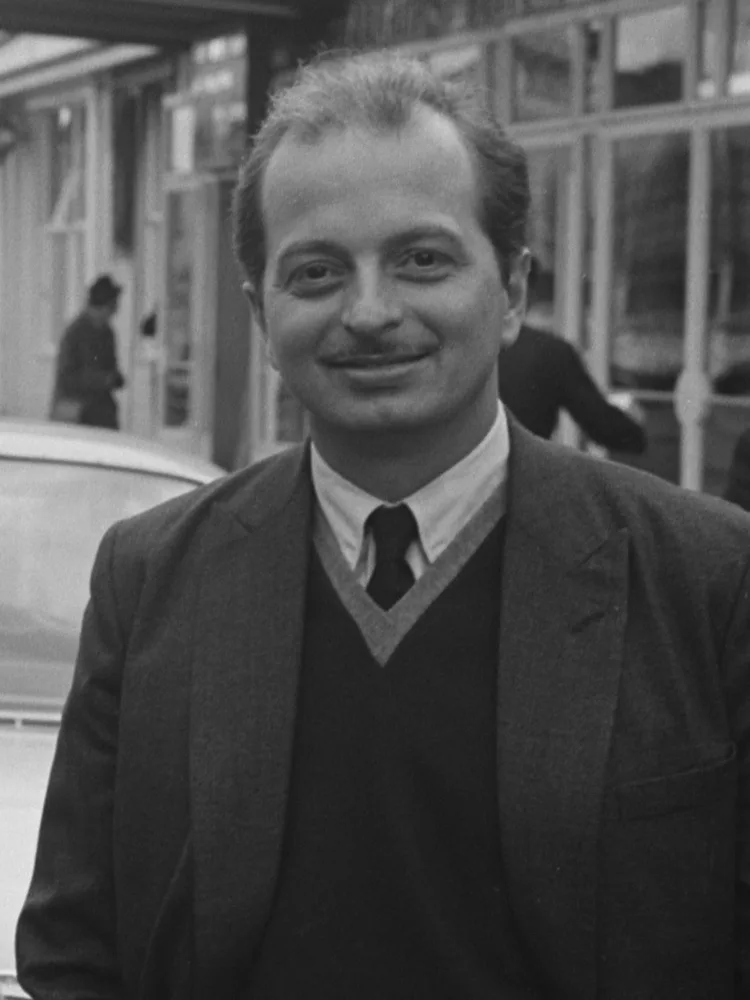
Luiz Bonfá at Schiphol Airport, the Netherlands, October 16, 1962 CC BY 4.0 (the original Nationaal Archief photograph is released under CC0) — Wikimedia Commons: https://commons.wikimedia.org/wiki/File:LuizBonfa1962.jpg (Harry Pot / Anefo, Nationaal Archief)

Luiz Floriano Bonfá was born in Rio de Janeiro on October 17, 1922, to an Italian immigrant father, and grew up in Santa Cruz, on the rural western edge of the city. At eleven he began studying with the Uruguayan classical guitarist Isaías Sávio. The lessons meant a long weekly commute, a walk followed by about two and a half hours on the train, to Sávio's home in the hills of Santa Teresa, and Sávio taught him anyway when the family could not pay.
Bonfá reached a wide Brazilian audience in 1947, when he was featured on Rio's Rádio Nacional, and in the late 1940s he sang with the vocal group the Quitandinha Serenaders. His early songs "Ranchinho de Palha" and "O Vento Não Sabe" were recorded by the crooner Dick Farney in the 1950s, and his first hit as a composer, "De Cigarro em Cigarro," was recorded by Nora Ney in 1957. Farney introduced him to Antônio Carlos Jobim and the poet Vinicius de Moraes. Moraes's play Orfeu da Conceição opened at Rio's Theatro Municipal on September 25, 1956, with Jobim co-writing the songs and conducting and Bonfá playing guitar, and Odeon released the music on an LP the same year. His own recordings began with a 10-inch record on Continental in 1955 and continued mostly on Odeon through the decade. By 1957 he was dividing his time between New York and Rio, touring the United States with the singer Mary Martin and recording for American labels, among them ¡Amor! The Fabulous Guitar of Luiz Bonfa (Atlantic, 1958).
The turning point came in 1959, when the French director Marcel Camus asked him to contribute music to the film version of Moraes's play, released as Black Orpheus (Orfeu Negro). Bonfá wrote "Samba de Orfeu" and "Manhã de Carnaval," the latter with a lyric by Antônio Maria. Camus first rejected "Manhã de Carnaval," and Bonfá argued for it against a replacement he had written, and won. The film took the Palme d'Or at Cannes and the Academy Award for Best Foreign Language Film, and the song became one of the first bossa nova pieces to find an audience outside Brazil. Carl Sigman's English lyric turned it into "A Day in the Life of a Fool." That same year Bonfá recorded the solo album O Violão de Luiz Bonfá for Cook, which Smithsonian Folkways reissued in 2005 as Solo in Rio 1959 with previously unreleased material from the session.
His standing with American jazz players rose in 1962 and 1963. On November 21, 1962, the Brazilian Consulate General presented a bossa nova concert at Carnegie Hall, billed as the first North American concert of the style, with João Gilberto, Jobim, Bonfá, Roberto Menescal and Sérgio Mendes among the performers, a few months after Stan Getz and Charlie Byrd had started the American craze with Jazz Samba. A recording of the evening issued by Audio Fidelity credits Bonfá with a solo "Manhã de Carnaval" and, with the singer Agostinho dos Santos, who had dubbed the singing of Orfeu in the film, with "Manhã de Carnaval" and "A Felicidade." Verve, with Creed Taylor producing, recorded Luiz Bonfá Plays and Sings Bossa Nova in New York on December 30 and 31, 1962, with string arrangements by Lalo Schifrin, his wife, the singer Maria Helena Toledo, the alto saxophonist and flutist Leo Wright, and Oscar Castro-Neves. Jazz Samba Encore!, credited to Getz and Bonfá and produced by Taylor, was recorded in New York on February 8, 9 and 27, 1963, and released in April, with Jobim on guitar and piano and Toledo singing on seven of the eleven tracks. The record pairs three Jobim and Moraes songs, including "Insensatez" and "O Morro Não Tem Vez," with Bonfá pieces: "Sambalero," "Samba de Duas Notas," "Saudade Vem Correndo" and "Ebony Samba."
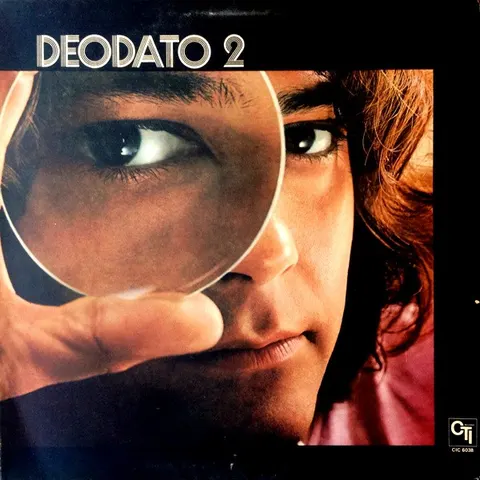
Bonfá worked steadily in the American pop and film market through the rest of the decade, and that work was as much a part of his career as the jazz dates. His song "The Gentle Rain," with lyrics by Matt Dubey, came from the 1965 film of that name, whose soundtrack he recorded for Mercury with Eumir Deodato, and Quincy Jones included it on Quincy Plays for Pussycats that year. He played guitar on "Samba de Orfeu" and "The Gentle Rain" for Tony Bennett's The Movie Song Album (Columbia, 1966). He recorded for Dot and RCA, made Stevie & Eydie, Bonfá & Brazil (Columbia, 1967) with the vocal duo Steve Lawrence and Eydie Gormé, played on American television with Perry Como and Caterina Valente, and wrote "Almost in Love," which Elvis Presley sang in the 1968 MGM film Live a Little, Love a Little. He played guitar on one track of George Benson's I Got a Woman and Some Blues (A&M, 1969), and Frank Sinatra sang "A Day in the Life of a Fool" on My Way (1969). On Jacarandá (Ranwood, 1973) Deodato arranged and conducted most of the tracks and the band included Idris Muhammad on drums, Stanley Clarke on electric bass, the conga player Ray Barretto and Airto Moreira on percussion.
According to AllMusic, his profile in the United States all but disappeared after the 1960s, though he kept touring and writing and eventually made more than fifty albums. In 1986 he was the special guest on Yana Purim's For a Distant Love, which also featured Airto, Patrice Rushen, Steve Swallow and Toninho Horta. American listeners met him again with Non-Stop to Brazil (Chesky, 1989) and The Bonfá Magic (Caju, 1991, issued in the United States by Milestone), the latter with Nilson Matta on bass and Gene Bertoncini on guitar, and in 1992 he was a guest on the harmonica player Toots Thielemans's The Brasil Project (Private Music), an all-star Brazilian program that included Lee Ritenour, Dave Grusin and Ivan Lins, playing guitar on "Manhã de Carnaval"; Wikipedia also lists him on its sequel. From 1990 to 1999 he worked with the singer Ithamara Koorax, who recorded Almost in Love: Ithamara Koorax Sings the Luiz Bonfá Songbook in 1996 with Bonfá on acoustic guitar and guests who included Larry Coryell, Deodato, Ron Carter, the percussionist Marcos Suzano and Sadao Watanabe; the sessions were filmed for a Japanese television program presented by Watanabe. He wrote scores for about two dozen films, among them Black Orpheus, O Santo Módico, Os Cafajestes, The Gentle Rain, Pour un amour lointain, Le ore dell'amore, Carnival of Crime and Prisoner of Rio, the last in collaboration with the arranger Hans Zimmer.
Bonfá passed away of cancer in Rio de Janeiro on January 12, 2001, at 78. He was then working on music for a film produced by and starring Karen Black and for a Broadway show about Carmen Miranda titled Brazilian Bombshell, to star Sônia Braga.
Bonfá is best known as a bossa nova and samba-canção composer and film-score writer, and much of his American output was pop-oriented rather than jazz. His jazz link is real and documented in three ways: the 1963 Jazz Samba Encore! sessions with Stan Getz, the Verve date with Schifrin and Wright, and the steady stream of jazz musicians who took up his tunes. Wikipedia's list of recordings of "Manhã de Carnaval" includes Wayne Shorter (Wayning Moments, 1961), Vince Guaraldi (Jazz Impressions of Black Orpheus, 1962), Getz (Big Band Bossa Nova, arranged by Gary McFarland, 1962), Quincy Jones, Ramsey Lewis (1962), Cal Tjader (1963), Paul Desmond (Take Ten, 1963), Gerry Mulligan (Night Lights, 1963), the Modern Jazz Quartet (1964), Dexter Gordon (Gettin' Around, 1965) and Charlie Byrd (1966), and Billy Eckstine and Astrud Gilberto recorded it as well.
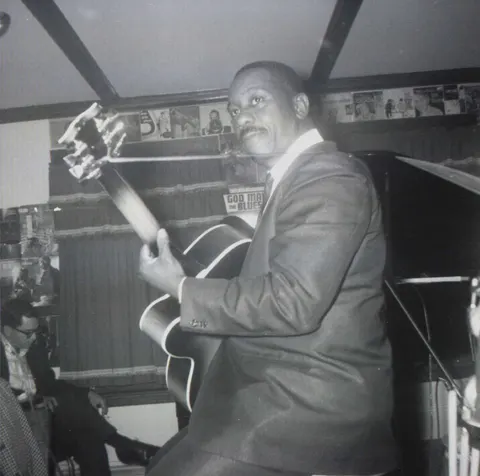
As a player he was trained as a classical guitarist, and he brought a bold, lyrical, heavily orchestrated manner from the samba-canção tradition that came before João Gilberto's quieter bossa nova. Wikipedia describes his tone as brassier and more penetrating than Gilberto's, and notes that Bonfá was a frequent soloist where Gilberto was almost purely a rhythm guitarist. He often played solo guitar in a polyphonic style, harmonizing melody lines in a way comparable to Wes Montgomery, or playing lead and rhythm parts at once. His historical role was bridging the older samba-canção idiom and the new bossa nova. AllMusic lists his genres as Latin, International, Jazz and Pop/Rock, and his styles as bossa nova, Brazilian jazz, film score and fusion. Several of his recordings have since been sampled in hip-hop and electronic music, among them "Saudade Vem Correndo" and "In the Shade of the Mango Tree."
- Black Orpheus (1959, Epic / Philips) - The soundtrack that carried "Manhã de Carnaval" and "Samba de Orfeu" abroad, shared with Jobim's songs for the same film. Spotify - Orfeu Negro Listen
- O Violão de Luiz Bonfá (1959, Cook), reissued as Solo in Rio 1959 (2005, Smithsonian Folkways) - The solo-guitar portrait of Bonfá in Rio, with unreleased material added on the reissue. Spotify - Solo in Rio 1959 Listen
- Luiz Bonfá Plays and Sings Bossa Nova (1963, Verve) - His American bossa nova showcase, recorded in December 1962 with string arrangements by Lalo Schifrin, with Leo Wright on flute, Oscar Castro-Neves and Maria Helena Toledo. Spotify - Plays and Sings Bossa Nova Listen
- Jazz Samba Encore! (1963, Verve) - The sequel to the Getz and Byrd bossa nova hit, built around Bonfá's guitar and his tunes and Jobim's, and the record that places him most squarely in the jazz catalog. Spotify - Jazz Samba Encore! Listen
- The Brazilian Scene (1965, Philips) - Bonfá originals alongside standards such as "That Old Black Magic," made in the American bossa nova wave. Spotify - The Brazilian Scene Listen
- Non-Stop to Brazil (1989, Chesky) - The record that brought him back to American record stores after a long absence. Spotify - Non-Stop to Brazil Listen
- The Bonfá Magic (1991, Caju / Milestone) - A small-group record with bassist Nilson Matta, guitarist Gene Bertoncini and Eumir Deodato, produced by Arnaldo DeSouteiro and praised by AllMusic's biographer. Spotify - The Bonfá Magic Listen
- The Brasil Project (1992, Private Music), Toots Thielemans - A guest spot rather than a leader date: Bonfá plays guitar on "Manhã de Carnaval" among a cast of Brazilian and American players. Spotify - The Brasil Project Listen
Luiz Bonfá: Full Discography
Discogs artist: Luiz Bonfá (252003) · Real name Luiz Floriano Bonfá · Born October 17, 1922, Rio de Janeiro
Bonfá made more than fifty albums, so this is a selected listing of his leader and co-billed records, taken from Wikipedia's discography and checked against MusicBrainz, with soundtrack and guest work listed separately. Years follow Wikipedia's discography except where a note says otherwise.
Leader and Co-Billed Albums
| Album | Year | Label (Catalog) | Personnel & Notes | Listen | Buy |
|---|---|---|---|---|---|
| Luiz Bonfá | 1955 | Continental (LPP-21) | 10-inch LP, his first album. | — | — |
| De Cigarro em Cigarro | 1956 | Continental (LPP-53) | 10-inch LP. | — | — |
| Noite e Dia (with Eduardo Lincoln) | 1956 | Continental (LPP-3018) | — | — | |
| Meia-Noite em Copacabana | 1956 | Polydor (LPNG 4004) | — | — | |
| Orfeu da Conceição | 1956 | Odeon (MODB-3056) | Songs from the stage play by Vinicius de Moraes and Antônio Carlos Jobim, with Bonfá on guitar and Jobim conducting the orchestra. | — | — |
| Alta Versatilidade | 1957 | Odeon (MOFB-3003) | — | — | |
| Violão Boêmio | 1957 | Odeon (MOFB-3014) | — | — | |
| Ritmo Continentais | 1958 | Odeon (MOFB-3020) | — | — | |
| Bonfafá (with Fafá Lemos) | 1958 | Odeon (MOFB-3047) | — | — | |
| Luiz Bonfá e Silvia Telles | 1958 | Odeon (BWB-1040) | — | — | |
| Meu Querido Violão | 1958 | Odeon (MOFB-3076) | — | — | |
| Toca Melodias das Américas | 1958 | Imperial (30009) | — | — | |
| ¡Amor! The Fabulous Guitar of Luiz Bonfa | 1958 | Atlantic (SD 8028) | Recorded for the American market. | — | — |
| Black Orpheus (Orfeu Negro), original soundtrack, with Antônio Carlos Jobim | 1959 | Epic (LN 3672); Philips (B76.470R) | Film score for Marcel Camus's Black Orpheus, including "Manhã de Carnaval" and "Samba de Orfeu"; later reissued on Fontana and Verve. | Spotify | — |
| O Violão de Luiz Bonfá | 1959 | Cook (1134) | Solo guitar. Reissued in 2005 as Solo in Rio 1959 on Smithsonian Folkways (SFW CD 40483) with previously unreleased material. | Spotify | — |
| A Voz e o Violão (with Norma Suely) | 1960 | Odeon (MOFB-3144) | — | — | |
| Passeio no Rio | 1960 | Odeon (BWB-1151) | — | — | |
| Pery Ribeiro | 1961 | Odeon (7BD-1011) | — | — | |
| Luiz Bonfá | 1961 | Odeon (7BD-1017) | — | — | |
| Pery Ribeiro e Seu Mundo de Canções Românticas (with Pery Ribeiro) | 1961 | Odeon (MOFB-3272) | — | — | |
| Sócio de Alcova | 1961 | RCA (LCD-1007) | Music for the film of that name. | — | — |
| O Violão e o Samba | 1962 | Odeon (MOFB 3295) | — | — | |
| Le Roi de la Bossa Nova | 1962 | Fontana (680.228ML) | — | — | |
| Luiz Bonfá Plays and Sings Bossa Nova | 1963 | Verve (V6-8522) | Recorded in New York on December 30 and 31, 1962; produced by Creed Taylor, with string arrangements by Lalo Schifrin. Bonfá (guitar, vocals), Maria Helena Toledo (vocals), Leo Wright (flute), Oscar Castro-Neves (piano, electric organ, guitar), Iko Castro-Neves (bass), Roberto Pontes-Dias (drums, percussion). Later issued as Composer of Black Orpheus Plays and Sings Bossa Nova. | Spotify | — |
| Le Ore dell'amore | 1962 | C.A.M. (CEP.45-102) | Music for the Italian film Le ore dell'amore; a 45 rpm EP in this form. | — | — |
| Caterina Valente e Luiz Bonfá | 1963 | London (LLN 7090) | Shared billing with the singer Caterina Valente. | — | — |
| Jazz Samba Encore! (with Stan Getz) | 1963 | Verve (V6-8523) | Recorded in New York on February 8, 9 and 27, 1963 and released in April; produced by Creed Taylor. Getz (tenor saxophone), Bonfá (guitar), Antônio Carlos Jobim (guitar on tracks 1, 2, 4 and 9, piano on track 3), Maria Toledo (vocals), George Duvivier, Tommy Williams and Don Payne (bass), José Carlos, Dave Bailey and Paulo Ferreira (drums and percussion). Includes "Insensatez," "O Morro Não Tem Vez" and Bonfá's "Sambalero," "Samba de Duas Notas" and "Ebony Samba." | Spotify | — |
| Recado Novo de Luiz Bonfá | 1963 | Odeon (MOFB 3310) | — | — | |
| Violão Boêmio Vol. 2 | 1963 | Odeon (SMOFB 3360) | — | — | |
| Rio (with Paul Winter) | 1964 | Columbia (CS 9115) | Shared billing with the saxophonist Paul Winter, with Roberto Menescal and Luiz Eça also credited; produced by John Hammond, with liner notes by Vinicius de Moraes. | — | — |
| The Gentle Rain, original soundtrack (with Eumir Deodato) | 1965 | Mercury (SR 61016; mono MG 21016) | Film score recorded in Rio de Janeiro, arranged and conducted by Eumir Deodato and produced by Bobby Scott; includes the title song, with lyrics by Matt Dubey. | — | — |
| Braziliana (with Maria Helena Toledo) | 1965 | Philips (PHS 600-199) | Arranged by Bonfá and Bobby Scott, with Hélcio Milito and Dom Um Romão on drums. | — | — |
| The Brazilian Scene | 1965 | Philips (PHS 600-208) | Arranged by Bonfá and Hal Mooney; produced by Hal Mooney. | Spotify | — |
| Pour un amour lointain | 1967 | United Artists (36.123 UAE) | Music for the French film of that name. | — | — |
| Luiz Bonfá | 1967 | Dot (DLP 25804) | — | — | |
| Stevie & Eydie, Bonfá & Brazil (with Steve Lawrence and Eydie Gormé) | 1967 | Columbia (CS 9530) | — | — | |
| Luiz Bonfá Plays Great Songs | 1968 | Dot (DLP 25825) | Arrangements by Nick Perito and Eumir Deodato; produced by Charles Grean, with Phil Ramone engineering. | Spotify | — |
| Black Orpheus Impressions | 1968 | Dot (DLP 25848) | — | — | |
| Bonfá | 1968 | Dot (DLP 25881) | — | — | |
| The New Face of Bonfá | 1970 | RCA (LSP-4376) | — | — | |
| Sanctuary | 1971 | RCA (LSP-4591) | — | — | |
| Introspection | 1972 | RCA (FSP-297) | — | — | |
| Jacarandá | 1973 | Ranwood (R-8112) | Produced by John Wood and Bonfá. Eumir Deodato (arrangements, conducting), Idris Muhammad (drums), Stanley Clarke (electric bass), Ray Barretto (congas), Airto Moreira (percussion), John Tropea (electric guitar), Phil Bodner (flute), Sonny Boyer (tenor saxophone), Maria Toledo and Sonia Burnier (vocals). | — | — |
| Bonfá Burrows Brazil | 1978 | Cherry Pie (CPF 1045) | Shared billing with the Australian reed player Don Burrows and guitarist George Golla. | — | — |
| For a Distant Love (with Yana Purim) | 1986 | Pausa (PR 7203) | Billed to Yana Purim, with Bonfá and Airto Moreira as special guests; Bonfá also arranged and played guitar. Others include Toninho Horta (acoustic guitar), Steve Swallow (bass), Patrice Rushen (keyboards) and Hugo Fattoruso (keyboards). | — | — |
| Non-Stop to Brazil | 1989 | Chesky (JD29) | Gene Bertoncini plays guitar on three tracks. | Spotify | — |
| The Bonfá Magic | 1991 | Caju Music (511.404-2) | Caju release carries a 1991 copyright; also issued by Milestone in the United States and by JVC Victor. Bonfá (guitar), Nilson Matta (bass), Gene Bertoncini (guitar), Eumir Deodato (percussion, engineering), Thiago de Mello (percussion), Pascoal Meirelles (drums), Marcio Montarroyos (flugelhorn), Jota Moraes and Sonia Burnier (keyboards); produced by Arnaldo DeSouteiro. | Spotify | — |
| Here in My Heart (with Kenny Rankin) | 1997 | Private Music | — | — | |
| Solo in Rio 1959 | 2005 | Smithsonian Folkways (SFW CD 40483) | Reissue of the 1959 Cook album O Violão de Luiz Bonfá, with previously unreleased material. | Spotify | — |
Albums Built Around His Songs, with Ithamara Koorax
| Album | Year | Label (Catalog) | Notes | Listen | Buy |
|---|---|---|---|---|---|
| Almost in Love: Ithamara Koorax Sings the Luiz Bonfá Songbook | 1996 | Paddle Wheel (KICP 503) | Released in Japan in March 1996 and produced by Arnaldo DeSouteiro; recorded in Los Angeles and Rio de Janeiro between February 1995 and January 1996. Bonfá (guitar), Ron Carter (bass), Larry Coryell (electric guitar), Eumir Deodato (keyboards, arrangements), Marcos Suzano (percussion); Sadao Watanabe is also named as a guest. | Spotify | — |
| Rio Vermelho / Red River (Ithamara Koorax) | 1995 | Imagem (2012) | Koorax's album with Bonfá as a guest. | — | — |
| Love Dance (Ithamara Koorax) | 2003 | Milestone (MCD 9327-2) | Posthumous release. | — | — |
Guest Appearances (selected)
| Year | Project (Leader) | Title | Label | Role | Notes |
|---|---|---|---|---|---|
| 1963 | Various artists | Bossa Nova no Carnegie Hall | Audio Fidelity (AFLP 2101) | Performer | Recorded live at Carnegie Hall on November 21, 1962. Bonfá is credited on "Manhã de Carnaval" (solo, and with the singer Agostinho dos Santos) and "A Felicidade." |
| 1966 | Tony Bennett | The Movie Song Album | Columbia (CS 9272) | Guitar | Plays on his two songs, "Samba de Orfeu" and "The Gentle Rain." |
| 1969 | George Benson | I Got a Woman and Some Blues | A&M (SP-9-3025) | Guitar | One track (track 2). |
| 1992 | Toots Thielemans | The Brasil Project | Private Music (01005-82120-2) | Guitar | Track 10, "Manhã de Carnaval." Spotify. The sequel, The Brasil Project Vol. II (Private Music 82110), also lists him; Spotify. |
Recordings of His Compositions by Other Artists (selected)
| Year | Artist | Title | Composition |
|---|---|---|---|
| 1961 | Wayne Shorter | Wayning Moments | "Black Orpheus" ("Manhã de Carnaval") |
| 1962 | Vince Guaraldi | Jazz Impressions of Black Orpheus | Themes from the film |
| 1962 | Stan Getz | Big Band Bossa Nova | "Manhã de Carnaval," arranged by Gary McFarland |
| 1962 | Quincy Jones | Big Band Bossa Nova | "Manhã de Carnaval" |
| 1962 | Ramsey Lewis | Bossa Nova | "Manhã de Carnaval" |
| 1963 | Paul Desmond | Take Ten | "Manhã de Carnaval" |
| 1963 | Gerry Mulligan | Night Lights | "Manhã de Carnaval" |
| 1963 | Billy Eckstine | Now Singing in 12 Great Movies | "Manhã de Carnaval" |
| 1965 | Quincy Jones | Quincy Plays for Pussycats | "The Gentle Rain" |
| 1965 | Dexter Gordon | Gettin' Around | "Manhã de Carnaval" |
| 1968 | Elvis Presley | Live a Little, Love a Little (film) | "Almost in Love" |
| 1969 | Frank Sinatra | My Way | "A Day in the Life of a Fool" ("Manhã de Carnaval") |
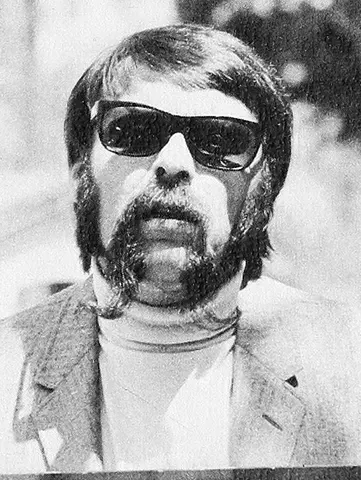
- Antônio Carlos Jobim - Collaborator from the 1956 play Orfeu da Conceição through the Black Orpheus soundtrack and Jazz Samba Encore!, where he plays guitar and piano.
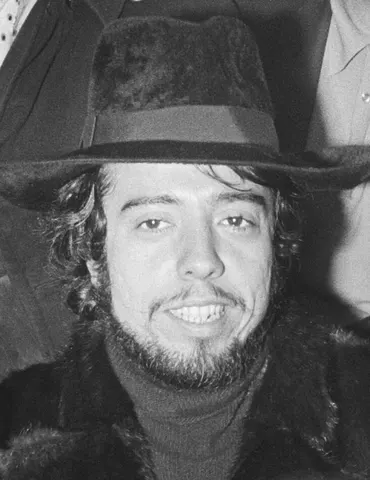
- Stan Getz - Co-credited on Jazz Samba Encore! (Verve, 1963), recorded in New York in February 1963; the tenor saxophonist whose records made bossa nova a hit with American jazz listeners.
- Maria Helena Toledo - His wife and a vocalist, co-writer of several of his songs and a singer on Jazz Samba Encore!, Luiz Bonfá Plays and Sings Bossa Nova and Braziliana.
- Lalo Schifrin, Leo Wright and Oscar Castro-Neves - The string arranger, the flutist and the pianist and guitarist on Luiz Bonfá Plays and Sings Bossa Nova (1963).
- Creed Taylor - Producer of Jazz Samba Encore! and Luiz Bonfá Plays and Sings Bossa Nova for Verve.
- George Duvivier - Bass on five tracks of Jazz Samba Encore! (1963).
- Eumir Deodato - Co-credited on the soundtrack of The Gentle Rain (1965), a percussionist and engineer on The Bonfá Magic and a guest on the 1996 Koorax album.
- Idris Muhammad, Stanley Clarke and Airto Moreira - Drummer, electric bassist and percussionist on Jacarandá (1973); Airto Moreira also appears on Yana Purim's For a Distant Love (1986), with Patrice Rushen and Toninho Horta.
- Gene Bertoncini - Guitar on three tracks of Non-Stop to Brazil (1989) and on The Bonfá Magic (1991).
- Nilson Matta - Bass on The Bonfá Magic (1991).
- Toots Thielemans - Harmonica player and guitarist; Bonfá is a guest on his Brasil Project (1992), playing on "Manhã de Carnaval."
- Ithamara Koorax - Singer and collaborator from 1990 to 1999, with guests Ron Carter, Larry Coryell, Marcos Suzano and Sadao Watanabe on the 1996 songbook album.
- Tony Bennett - Bonfá played guitar on two tracks of The Movie Song Album (1966).
- George Benson - Bonfá played guitar on one track of I Got a Woman and Some Blues (1969).
- Quincy Jones and Frank Sinatra - Each recorded one of his songs: "The Gentle Rain" on Quincy Plays for Pussycats (1965) and "A Day in the Life of a Fool" on Sinatra's My Way (1969).
- Hans Zimmer - Arranger and collaborator on the score for Prisoner of Rio.
- Dick Farney, Nora Ney and Vinicius de Moraes - The singers and poet who recorded or introduced his early work.
- Steve Lawrence and Eydie Gormé, Caterina Valente, Kenny Rankin and Paul Winter - Artists with whom he shared billing on albums in the 1960s and 1990s.
More Samba-Jazz Artists
See all 56 Samba-Jazz artists →More Brazilian Jazz Artists
See all 25 Brazilian artists →- Spotify artist page
- Discogs
- AllMusic
- MusicBrainz
- Luiz Bonfá discography with album notes, by Koichi and Motoko Yasuoka
- His profile on jazzprofiles.com
- r/CrossoverJazz
- Wikipedia: Luiz Bonfá
- Wikipedia: Manhã de Carnaval
- Wikipedia: Black Orpheus
- Wikipedia: Orfeu da Conceição
- Wikipedia: Jazz Samba Encore!
- Wikipedia: Luiz Bonfá Plays and Sings Bossa Nova
- Wikipedia: Getz/Gilberto
- Wikipedia: The Movie Song Album
- Wikipedia: I Got a Woman and Some Blues
- Wikipedia: Ithamara Koorax
- AllMusic: Luiz Bonfá biography by Richard S. Ginell
- Discogs: Luiz Bonfá
- MusicBrainz: Luiz Bonfá
- Nationaal Archief: Luiz Bonfá at Schiphol, 1962