 JAZZPROFILES lives in the music 1,002 Jazz Artists fully Profiled!
 Bill Evans
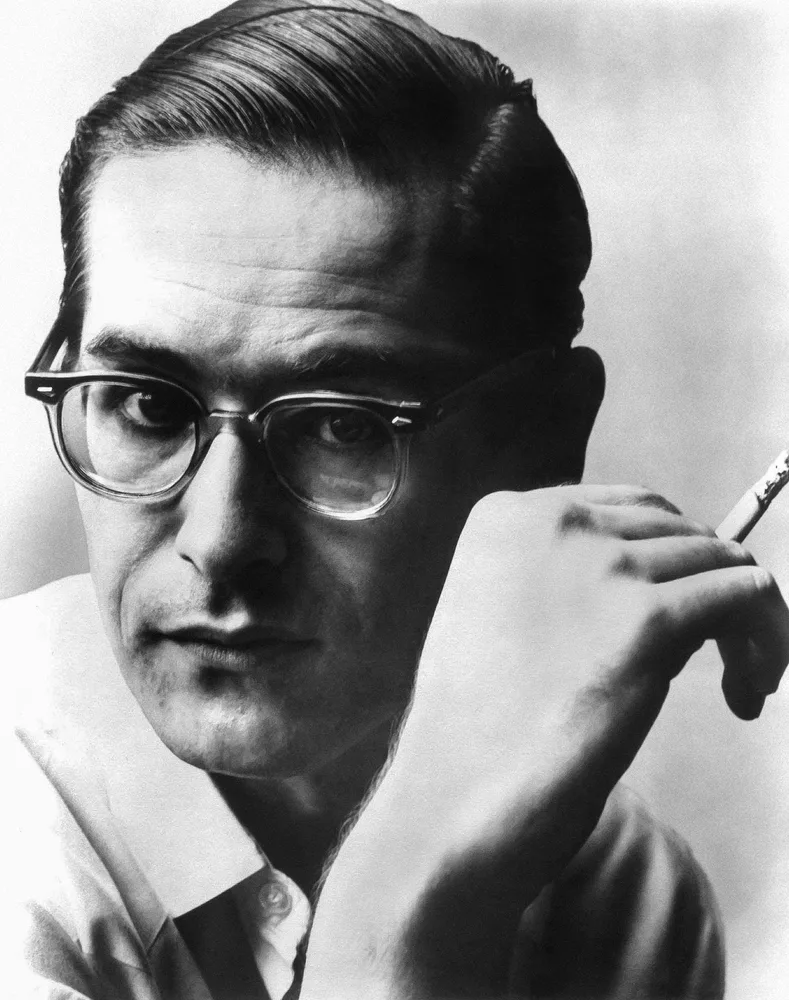
Bill Evans in a 1961 publicity photograph taken for Riverside Records by Steve Schapiro. Public Domain (published as a publicity photo in the United States in 1961 without a copyright notice) — Wikimedia Commons — https://commons.wikimedia.org/wiki/File:Bill_Evans_(1961_publicity_photo_by_Steve_Schapiro).jpg
.jpg)
William John Evans was born August 16, 1929, in Plainfield, New Jersey, to Harry Evans, a golf course operator of Welsh descent, and Mary Evans (née Soroka), of Carpatho-Rusyn ancestry. He began piano lessons at six with a local teacher, Helen Leland, adding violin at seven and later flute and piccolo, and by his teens was playing paid dance and wedding gigs around New Jersey alongside his older brother Harry, a fellow musician two years his senior to whom he stayed close his whole life. After graduating North Plainfield High School in 1946, Evans studied at Southeastern Louisiana College, earning a Bachelor of Music in piano performance and a second bachelor's degree in music education by 1950. He served three years in the U.S. Army, 1951 to 1954, playing flute, piccolo, and piano in the Fifth Army Band at Fort Sheridan, Illinois, then settled in New York and took a three-semester postgraduate composition course at the Mannes College of Music in 1955.
Evans's earliest significant recordings as a sideman came with clarinetist Tony Scott's groups and on a session led by theorist and composer George Russell, whose 1956 album The Jazz Workshop (RCA Victor) gave Evans an early showcase for the kind of harmonically advanced writing that suited him. His own leader debut, New Jazz Conceptions (Riverside RLP 12-223), was recorded in 1956 with bassist Teddy Kotick and drummer Paul Motian and released in February 1957; it sold modestly but included the first recording of Evans's original "Waltz for Debby," written for his young niece. A second Riverside trio date, Everybody Digs Bill Evans (RLP 12-291, recorded December 1958, released 1959) with bassist Sam Jones and drummer Philly Joe Jones, carried a striking endorsement on its cover: handwritten praise from Miles Davis, Cannonball Adderley, and Ahmad Jamal.
Davis brought Evans into his sextet in April 1958, alongside Cannonball Adderley, John Coltrane, Paul Chambers, and Jimmy Cobb, replacing Red Garland; Evans left that November, worn down by life on the road and by his father's declining health, and was replaced by Wynton Kelly. Davis brought him back into the studio in early 1959 specifically to record Kind of Blue, built around the modal, scale-based writing Evans and Davis had been discussing, and Evans plays on four of the album's five tracks (Kelly takes "Freddie Freeloader"); Evans also co-wrote "Blue in Green," a credit Davis initially withheld and only later acknowledged. Released in August 1959, Kind of Blue went on to become the best-selling jazz album in history.
In mid-1959, Evans formed a trio with bassist Scott LaFaro and Paul Motian that reimagined what a piano trio could do: rather than the bass and drums simply keeping time under a soloing pianist, all three musicians improvised in constant, equal conversation. The trio recorded Portrait in Jazz in December 1959 and Explorations in February 1961, both for Riverside, and on June 25, 1961, recorded a full day of sets at the Village Vanguard in New York that yielded two landmark live albums, Sunday at the Village Vanguard and Waltz for Debby. Ten days later, on July 6, 1961, LaFaro was killed in a car accident in upstate New York at age twenty-five. Evans was devastated and did not perform in public again for several months. When he returned to the studio, bassist Chuck Israels took the chair, and Evans kept a working trio, its personnel and instrumentation the near-constant thread of his career, for the rest of his life. Other significant recordings from these years include the trio session Moon Beams and the sideman date Interplay (both 1962, Riverside) with trumpeter Freddie Hubbard and guitarist Jim Hall, plus a pair of piano-and-guitar duo albums with Hall, Undercurrent (1962, United Artists) and Intermodulation (1966, Verve).
Evans signed with Verve in 1962, where producer Creed Taylor and later Helen Keane (who managed and produced him for the rest of his life) documented a prolific decade: the overdubbed solo-piano record Conversations with Myself (1963), which won Evans his first Grammy Award; Trio '64 with bassist Gary Peacock and Motian; and, after Chuck Israels departed in 1966, an eleven-year partnership with bassist Eddie Gómez, the longest of any Evans bassist, across a rotating cast of drummers: Jack DeJohnette (1967-68), Marty Morell (1968-74), and Eliot Zigmund (1975-78). Bill Evans at the Montreux Jazz Festival (1968), with Gómez and DeJohnette, and the solo album Alone (1970) each won Evans a second and third Grammy. Moving to Columbia, The Bill Evans Album (1971), featuring Evans on both acoustic and electric piano, won two Grammy Awards at the 1972 ceremony, and Living Time (1972) paired him with George Russell's big-band writing in a more experimental, suite-length format. A move to Fantasy in the mid-1970s produced the duo album Intuition (1975) with Gómez, the trio record Since We Met (1976), the all-star sextet date Quintessence (1977) with saxophonist Harold Land and guitarist Kenny Burrell, and I Will Say Goodbye (1977), which brought Evans a fourth Grammy.
Evans's brother Harry, who had struggled with schizophrenia, died by suicide in the spring of 1979; friends and biographers have long described that loss as devastating to Evans and a contributing factor to his own accelerating decline. His final working trio, formed in 1978 with bassist Marc Johnson and drummer Joe LaBarbera, recorded two more Grammy-winning albums for Warner Bros., Affinity (1979, with harmonica player Toots Thielemans) and We Will Meet Again (recorded August 1979, featuring trumpeter Tom Harrell and dedicated to Harry's memory), plus the posthumously released You Must Believe in Spring (recorded 1977, issued 1981). Evans had struggled with heroin addiction since the late 1950s, worsened by LaFaro's death, and later with cocaine; chronic hepatitis, untreated for years, combined with a bleeding ulcer and cirrhosis to end his life on September 15, 1980, at Mount Sinai Hospital in New York City. He was 51. Evans won seven Grammy Awards from thirty-one nominations over his career, two of them posthumous, and was inducted into the Down Beat Hall of Fame.
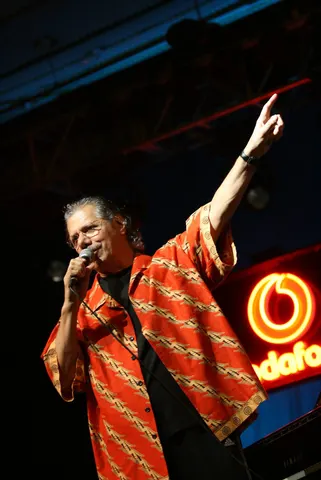
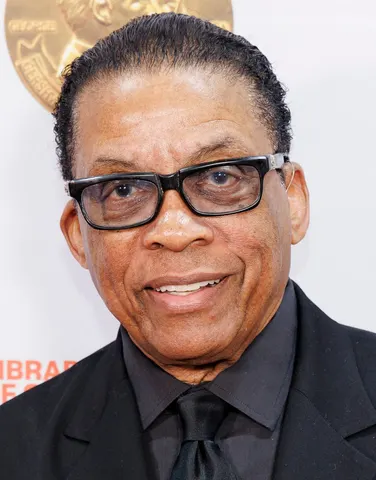
Evans's playing was defined by an introspective, classically inflected touch, a harmonic vocabulary drawn from Debussy and Ravel as much as from jazz forebears, and a conception of the piano trio as three equal, conversing voices rather than a soloist over accompaniment, a model he and Scott LaFaro pioneered together and that reshaped how the format was played for generations after. His voicings, often built from rootless left-hand chords that implied harmony rather than stating it outright, and his behind-the-beat, "singing" melodic phrasing became so widely emulated that critics speak of a "school" of Evans-influenced pianists. He named Bud Powell as his single greatest influence, and in turn shaped the playing of Herbie Hancock, Chick Corea, Keith Jarrett, and Brad Mehldau, among many others; Miles Davis himself called Evans's touch on the keyboard "like crystal notes" falling from a waterfall.
- Portrait in Jazz (1960, Riverside) - The first studio album by the original trio with Scott LaFaro and Paul Motian, and the record that introduced their interactive conception of the format.
- Sunday at the Village Vanguard / Waltz for Debby (1961, Riverside) - Two albums drawn from a single day's live recording at the Village Vanguard, made ten days before LaFaro's death; the trio's defining document. Spotify - Waltz For Debby Listen
- Kind of Blue (1959, Columbia) - As a sideman: Miles Davis's modal landmark and the best-selling jazz album in history, with Evans on four of its five tracks and a co-writing credit on "Blue in Green."
- Conversations with Myself (1963, Verve) - A solo record built from three overdubbed piano tracks, an unusual format for its time; won Evans his first Grammy Award.
- Bill Evans at the Montreux Jazz Festival (1968, Verve) - A live trio date with Eddie Gomez and Jack DeJohnette that won the Grammy for Best Instrumental Jazz Performance. Listen
- The Bill Evans Album (1971, Columbia) - An all-originals studio date, split between acoustic and electric piano, that won two Grammy Awards in 1972. Listen
- I Will Say Goodbye (1977, Fantasy) - A trio record with Gómez and Eliot Zigmund that brought Evans his fourth Grammy. Spotify - I Will Say Goodbye Listen
- We Will Meet Again (1979, Warner Bros.) - Evans's final studio album, recorded with his last trio and trumpeter Tom Harrell, dedicated to his brother Harry; won a Grammy Award in 1981, after Evans's death.
Bill Evans: Full Discography
Identity confirmed via the live Discogs API: artist ID 252310 ("Bill Evans," realname William John Evans, born August 16, 1929, Plainfield, New Jersey, died September 15, 1980, New York City, matching every biographical detail in the profile). Discogs logs more than 3,000 credited releases against this artist ID once reissues, compilations, box sets, and the decades-deep Riverside/Verve/Fantasy/Warner reissue history are counted in full - among the largest catalogs of any artist on this site. The tables below itemize his essential leader/co-leader catalog across Riverside, Verve, Columbia, Fantasy, and Warner Bros., plus a representative set of his most historically significant sideman dates; they do not attempt an exhaustive session-by-session or pressing-by-pressing listing. Two other Discogs identities share the "Bill Evans" name and were excluded throughout this research: artist 503619, a saxophonist and EWI player (born 1958) who worked in Miles Davis's 1980s electric bands, and artist 573939, a studio technician credited on unrelated releases.
As Leader / Co-Leader
| Album Title | Recording Date(s) | Release Date | Label | Catalog Number | Format(s) | Personnel | Role | Reissue History | Spotify | Buy | Notes |
|---|---|---|---|---|---|---|---|---|---|---|---|
| New Jazz Conceptions | 1956 | February 1957 | Riverside Records | RLP 12-223 | Vinyl, LP, Album, Mono | Bill Evans (piano), Teddy Kotick (bass), Paul Motian (drums) | Leader | Reissued on Original Jazz Classics (OJC) | — | — | Evans's leader debut; first recording of his original "Waltz for Debby" |
| Everybody Digs Bill Evans | December 15, 1958 | 1959 | Riverside Records | RLP 12-291 | Vinyl, LP, Album, Mono | Bill Evans (piano), Sam Jones (bass), "Philly" Joe Jones (drums) | Leader | Reissued on OJC | Spotify - Everybody Digs Bill Evans | — | Cover carries handwritten endorsements from Miles Davis, Cannonball Adderley, and Ahmad Jamal |
| Portrait in Jazz | December 28, 1959 | 1960 | Riverside Records | RLP 12-315 | Vinyl, LP, Album, Mono | Bill Evans (piano), Scott LaFaro (bass), Paul Motian (drums) | Leader | Reissued on OJC | — | — | First studio album by the original interactive trio |
| Explorations | February 2, 1961 | 1961 | Riverside Records | RLP 351 | Vinyl, LP, Album, Mono | Bill Evans (piano), Scott LaFaro (bass), Paul Motian (drums) | Leader | Reissued on OJC | — | — | |
| Sunday at the Village Vanguard | June 25, 1961 | 1961 | Riverside Records | RLP 376 | Vinyl, LP, Album, Mono | Bill Evans (piano), Scott LaFaro (bass), Paul Motian (drums) | Leader | Reissued on OJC | Spotify - Sunday At The Village Vanguard | — | Recorded ten days before LaFaro's death; drawn from the same day's sets as Waltz for Debby |
| Waltz for Debby | June 25, 1961 | 1962 | Riverside Records | RLP 399 | Vinyl, LP, Album, Mono | Bill Evans (piano), Scott LaFaro (bass), Paul Motian (drums) | Leader | Reissued on OJC | Spotify - Waltz For Debby | — | The trio's other Village Vanguard album, LaFaro's last recording |
| Moon Beams | 1962 | 1962 | Riverside Records | RLP 9428 | Vinyl, LP, Album | Bill Evans (piano), Chuck Israels (bass), Paul Motian (drums) | Leader | Reissued on OJC | — | — | First studio album with Chuck Israels on bass |
| How My Heart Sings! | 1962 | 1964 | Riverside Records | RS 9473 | Vinyl, LP, Album | Bill Evans (piano), Chuck Israels (bass), Paul Motian (drums) | Leader | Reissued on OJC | — | — | |
| Interplay | 1962 | 1962 | Riverside Records | RM 445 | Vinyl, LP, Album | Bill Evans (piano), Freddie Hubbard (trumpet), Jim Hall (guitar), Percy Heath (bass), "Philly" Joe Jones (drums) | Leader | Reissued on OJC | — | — | Sextet-format leader date, a departure from the working trio |
| Conversations with Myself | 1963 | 1963 | Verve Records | V6-8526 | Vinyl, LP, Album | Bill Evans (piano, overdubbed on three tracks) | Leader | Reissued multiple times on Verve/Polygram | — | — | Grammy Award, Best Instrumental Jazz Performance, Soloist Or Small Group (1964 ceremony) |
| Trio '64 | December 1963 | 1964 | Verve Records | V-8578 | Vinyl, LP, Album | Bill Evans (piano), Gary Peacock (bass), Paul Motian (drums) | Leader | Reissued with alternate takes | Spotify - Trio 64 | — | Peacock's only studio date with Evans; Motian's final date with him |
| Intermodulation | 1966 | 1966 | Verve Records | V-8655 | Vinyl, LP, Album | Bill Evans (piano), Jim Hall (guitar) | Co-leader | Reissued on Verve/Polygram | Spotify - Intermodulation | — | Second and final duo studio meeting with Hall, after 1962's Undercurrent |
| Bill Evans at the Montreux Jazz Festival | June 15, 1968 | 1968 | Verve Records | V6-8762 | Vinyl, LP, Album | Bill Evans (piano), Eddie Gómez (bass), Jack DeJohnette (drums) | Leader | Reissued on Verve/Polygram | Spotify - At the Montreux Jazz Festival | — | Grammy Award, Best Instrumental Jazz Performance (1969 ceremony) |
| What's New | 1969 | 1969 | Verve Records | V6-8777 | Vinyl, LP, Album | Bill Evans (piano), Jeremy Steig (flute), Eddie Gómez (bass), Marty Morell (drums) | Leader | Reissued on Verve/Polygram | — | — | |
| Alone | 1968 | 1970 | Verve Records | V6-8792 | Vinyl, LP, Album | Bill Evans (piano) | Leader | Reissued on Verve/Polygram | — | — | Grammy Award, Best Jazz Performance, Small Group Or Soloist With Small Group (1971 ceremony) |
| The Bill Evans Album | May-June 1971 | 1971 | Columbia | C 30855 | Vinyl, LP, Album | Bill Evans (piano, electric piano), Eddie Gómez (bass), Marty Morell (drums) | Leader | Reissued on Columbia/Legacy | Spotify - The Bill Evans Album | — | Won two Grammy Awards in 1972: Best Jazz Performance by a Soloist and by a Group |
| Living Time | 1972 | 1972 | Columbia | KC 31490 | Vinyl, LP, Album | Bill Evans (piano, electric piano), George Russell (composer, arranger, conductor), Eddie Gómez (bass), Ron Carter, Stanley Clarke (electric bass), Anthony Williams, Marty Morell (drums), large ensemble | Co-leader (with George Russell) | Reissued on CD | — | — | An eight-part suite; Evans's most compositionally ambitious large-ensemble recording |
| Intuition | November 7-10, 1974 | 1975 | Fantasy | F-9475 | Vinyl, LP, Album | Bill Evans (piano), Eddie Gómez (bass) | Co-leader (duo) | Reissued on CD | Spotify - Intuition | — | The piano-and-bass duo record Evans had wanted to make for years |
| Since We Met | Recorded live at the Village Vanguard, New York, January 11 and 12, 1974 | 1976 | Fantasy | F-9501 | Vinyl, LP, Album | Bill Evans (piano), Eddie Gómez (bass), Marty Morell (drums) | Leader | Reissued on CD (Original Jazz Classics OJC-622) | — | — | The last of the Village Vanguard nights taped in January 1974 with Morell in the drum chair, issued two years later. Personnel and catalog number verified at release level against Discogs |
| Quintessence | 1976 | 1977 | Fantasy | F-9529 | Vinyl, LP, Album | Bill Evans (piano), Harold Land (tenor sax), Kenny Burrell (guitar), Ray Brown (bass), "Philly" Joe Jones (drums) | Leader | Reissued on CD | — | — | An all-star sextet date, a departure from the working-trio format |
| I Will Say Goodbye | 1977 | 1977 | Fantasy | F-9593 | Vinyl, LP, Album | Bill Evans (piano), Eddie Gómez (bass), Eliot Zigmund (drums) | Leader | Reissued on CD | Spotify - I Will Say Goodbye | — | Grammy Award, Best Jazz Instrumental Performance, Soloist (1980 ceremony) |
| Affinity | 1978 | 1979 | Warner Bros. Records | BSK 3293 | Vinyl, LP, Album | Bill Evans (piano, electric piano), Toots Thielemans (harmonica), Marc Johnson (bass), Eliot Zigmund (drums), Larry Schneider (reeds) | Leader | Reissued on CD | — | — | |
| We Will Meet Again | August 1979 | 1979 | Warner Bros. Records | HS 3411 | Vinyl, LP, Album | Bill Evans (piano, electric piano), Tom Harrell (trumpet), Larry Schneider (tenor and soprano sax, alto flute), Marc Johnson (bass), Joe LaBarbera (drums) | Leader | Reissued on CD | — | — | Evans's final studio album; dedicated to his brother Harry. Grammy Award, Best Jazz Instrumental Album (1981 ceremony, posthumous) |
| You Must Believe in Spring | August 23-25, 1977 | 1981 | Warner Bros. Records | HS 3504 | Vinyl, LP, Album | Bill Evans (piano), Eddie Gómez (bass), Eliot Zigmund (drums) | Leader | Reissued on CD | — | — | Recorded in 1977 but held back and released five months after Evans's death |
As Sideman (selected major credits)
| Year | Project (Leader) | Title | Label | Catalog | Role | Notes |
|---|---|---|---|---|---|---|
| 1956 | George Russell | The Jazz Workshop | RCA Victor | LPM-1372 | Piano | An early, harmonically demanding showcase for Evans as a sideman, prior to his own leader debut; not confirmed against a release-level Discogs record |
| 1958-1959 | Miles Davis | Kind of Blue | Columbia | CL 1355 | Piano (4 of 5 tracks; Wynton Kelly plays "Freddie Freeloader") | Co-wrote "Blue in Green"; the best-selling jazz album in history |
| 1959 | Chet Baker | Chet | Riverside | RLP 12-299 | Piano | With Paul Chambers and "Philly" Joe Jones |
| 1961 | Cannonball Adderley | Know What I Mean? | Riverside | RLP 9433 | Piano | With Percy Heath and Connie Kay |
| 1961 | Oliver Nelson | The Blues and the Abstract Truth | Impulse! | A-5 | Piano | With Eric Dolphy, Freddie Hubbard, and Roy Haynes; produced "Stolen Moments" |
| 1960 | Gunther Schuller | Jazz Abstractions | Atlantic | 1365 | Piano | A Third Stream project with Ornette Coleman, Eric Dolphy, and Jim Hall |
| 1962 | Jim Hall | Undercurrent | United Artists | UAJ 14003 | Piano | First of two piano-guitar duo studio albums with Hall |
| 1963 | Gary McFarland | The Gary McFarland Orchestra Featuring Special Guest Soloist: Bill Evans | Verve | V6-8552 | Piano (featured soloist) | An 11-piece chamber ensemble date built around Evans's playing |
| 1964 | Herbie Mann | Nirvana | Atlantic | SD 1414 | Piano | Billed to "Herbie Mann and the Bill Evans Trio," with Chuck Israels and Paul Motian |
| 1959 | Bob Brookmeyer | The Ivory Hunters: Double Barrelled Piano | United Artists | UAL 4048 | Piano | A two-piano date on which Brookmeyer plays no trombone |
| 1972 | George Russell | Living Time | Columbia | KC 31490 | Piano, electric piano | Also listed above as a co-led date; Russell's composition and arrangement dominate |
Sideman credits above were cross-checked against this catalog's own published profiles of the leaders and co-sidemen involved (Miles Davis, Chet Baker, Jim Hall, Gary McFarland, Herbie Mann, Bob Brookmeyer, Roy Haynes) rather than re-fetched individually at the release level in every case; catalog numbers for Since We Met, The Jazz Workshop, and several sideman rows are drawn from secondary sources and marked accordingly where not confirmed against Discogs directly.
- Scott LaFaro - bassist in Evans's first trio, 1959-1961, whose interactive, melodically independent bass conception permanently reshaped the piano trio format; killed in a car accident in July 1961, ten days after the trio's Village Vanguard recordings.
- Paul Motian - drummer in Evans's trio from 1959 through 1964, spanning both the LaFaro trio and the Chuck Israels years that followed.
- Eddie Gomez - bassist from 1966 to 1977, the longest tenure of any Evans sideman, across records with three different drummers and two duo albums.
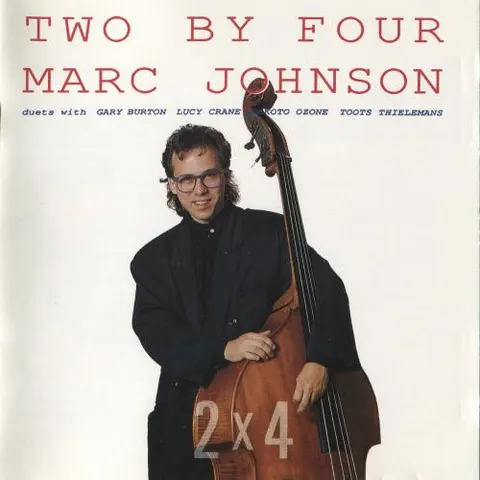
- Marc Johnson - bassist in Evans's final trio, 1978-1980, alongside drummer Joe LaBarbera, until Evans's death.
- Miles Davis - bandleader who brought Evans into his sextet in 1958 and recalled him specifically to record Kind of Blue in 1959.
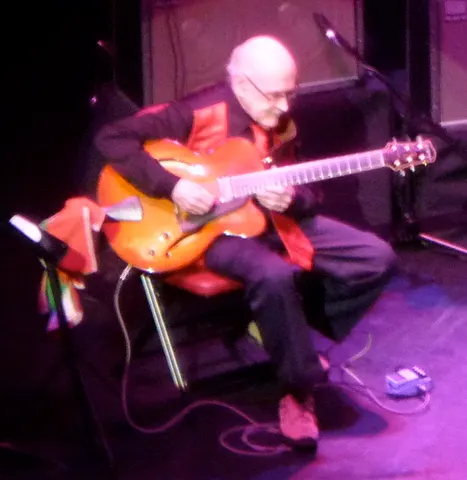
- Jim Hall - guitarist and duo partner on two studio albums, Undercurrent (1962) and Intermodulation (1966).
- George Russell - composer and theorist who gave Evans an early sideman showcase in 1956 and later built the big-band suite Living Time (1972) around him.
- Tom Harrell - trumpeter on Evans's final studio album, We Will Meet Again (1979).
- Toots Thielemans - harmonica player and featured guest on Affinity (1979).
- Wikipedia: Bill Evans
- Discogs: Bill Evans (artist 252310)
- AllMusic: Bill Evans biography
- Britannica: Bill Evans
- All About Jazz: Bill Evans
- Wikipedia: Kind of Blue
- Wikipedia: Portrait in Jazz
- Wikipedia: Sunday at the Village Vanguard
- Wikipedia: Waltz for Debby (1962 album)
- Wikipedia: Conversations with Myself
- Wikipedia: We Will Meet Again