 JAZZPROFILES lives in the music 1,002 Jazz Artists fully Profiled!
 Horace Silver
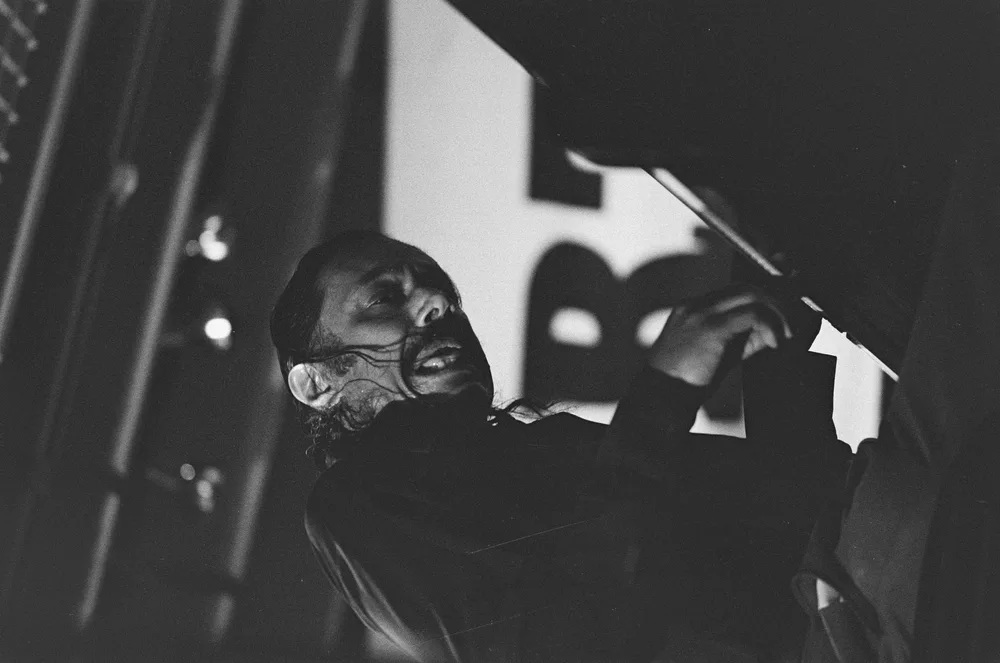
Horace Silver performing at the North Sea Jazz Festival, The Hague, Netherlands, July 14, 1985 CC0 (Creative Commons Zero / Public Domain Dedication) — Wikimedia Commons (Nationaal Archief / Fotocollectie Anefo, photographer Rob Bogaerts) — https://commons.wikimedia.org/wiki/File:Northsea_Jazz_Festival_in_Den_Haag_Horace_Silver,_Bestanddeelnr_933-3762.jpg

Horace Ward Martin Tavares Silver was born September 2, 1928, in Norwalk, Connecticut, the third of his parents' children and the only one to survive infancy alongside an older half-brother, Eugene Fletcher. His mother, Gertrude, worked as a maid and sang in a church choir; his father, John Tavares Silver, had emigrated from the island of Maio in Cape Verde and worked for a tire company, teaching young Horace Cape Verdean folk melodies that would surface decades later in his compositions. Silver began classical piano lessons as a boy and, after hearing Jimmie Lunceford's orchestra at age eleven, resolved to make music his career. He studied tenor saxophone alongside piano at Norwalk High School, drawing on Lester Young as a saxophone model while absorbing pianists Nat King Cole, Thelonious Monk, Bud Powell, Art Tatum, and Teddy Wilson from records. In 1946 he moved to Hartford, Connecticut, to work as a nightclub pianist.
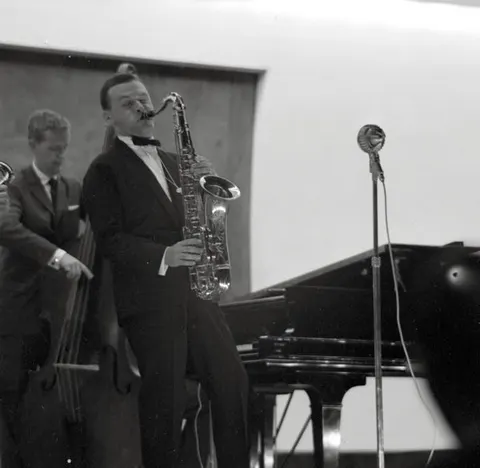
Silver's break came in 1950, when Stan Getz heard his trio backing him at a Hartford club, hired the group on the spot, and gave Silver his recording debut that December. After roughly a year on the road with Getz, Silver settled in New York and built a reputation fast as both composer and bluesy accompanist, deepening his bebop vocabulary in the process of working with altoist Lou Donaldson. A 1952 session as a sideman on one of Donaldson's dates became his first Blue Note recording, opening a 28-year relationship with the label that would run longer than any other artist's. Through 1953-1957 he worked constantly as a freelance sideman, recording with Sonny Stitt, Howard McGhee, Al Cohn, Art Farmer, and Miles Davis, including Davis's storied 1954 Prestige session Walkin' alongside J.J. Johnson and Lucky Thompson. In 1954 he won DownBeat's New Star award for piano and performed at the first Newport Jazz Festival.
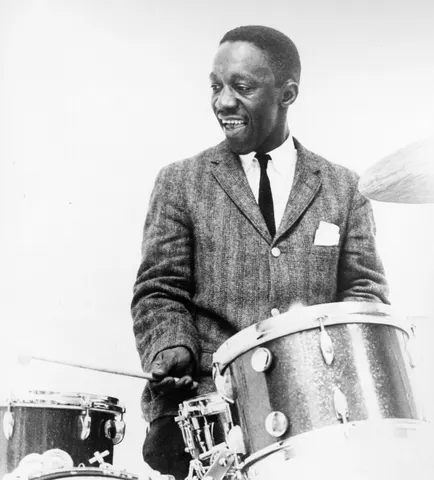
In the mid-1950s Silver and drummer Art Blakey co-founded the Jazz Messengers, a cooperative group whose first two studio sessions (November 13, 1954, and February 6, 1955) paired Silver and Blakey with tenor saxophonist Hank Mobley, trumpeter Kenny Dorham, and bassist Doug Watkins. Those sessions, along with concert recordings from Birdland and Café Bohemia, were compiled as Horace Silver and the Jazz Messengers (Blue Note, 1956) and included "The Preacher," Silver's first major hit and a piece built openly on blues and gospel changes at a moment when hard bop had barely been named as a style. Silver left the Messengers in May 1956 after about eighteen months, citing the heroin use common in the band as incompatible with his own habits, and Blakey carried the group's name forward alone. Silver's final appearance as a hired sideman came in April 1957, on saxophonist Sonny Rollins's Volume 2 for Blue Note, where he shared the piano chair on different tracks with Thelonious Monk alongside J.J. Johnson, Paul Chambers, and Blakey.
Silver spent the rest of his career leading his own quintets. The first, formed immediately after leaving the Messengers, paired Hank Mobley and Art Farmer with Doug Watkins and drummer Louis Hayes; "Señor Blues," cut with this band on 6 Pieces of Silver (1957), was, in critic Scott Yanow's phrase, the piece that "officially put Horace Silver on the map." By the end of the decade Silver had settled into the lineup that defined his classic period: tenor saxophonist Junior Cook, trumpeter Blue Mitchell, bassist Gene Taylor, and drummer Louis Hayes or Roy Brooks, debuting on Finger Poppin' (1959) and running through Blowin' the Blues Away (1959, home to "Sister Sadie" and the ballad "Peace"), Horace-Scope (1960), the live Doin' the Thing (1961), The Tokyo Blues (1962), and Silver's Serenade (1963). Silver wrote nearly everything his bands played, and by the mid-1960s his catalog of blues- and gospel-inflected originals, "Doodlin'," "Opus de Funk," "Nica's Dream" among them, was already entering the jazz repertoire played by other leaders.
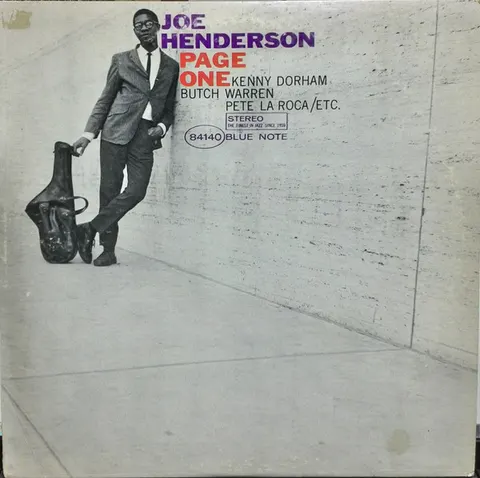
A 1964 trip to Brazil sharpened Silver's interest in his father's Cape Verdean roots, and that year's Song for My Father, cut with Joe Henderson on tenor and Carmell Jones on trumpet, became his best-known record: the title track, built on a bossa-adjacent vamp dedicated to John Tavares Silver, reached the Billboard 200 in 1965 and entered the Grammy Hall of Fame in 1999. The Cape Verdean Blues (1965), with trombonist J.J. Johnson sitting in on three tracks alongside trumpeter Woody Shaw, extended the same vein. The band kept turning over through the late 1960s: Woody Shaw and tenor saxophonist Tyrone Washington powered 1966's The Jody Grind; Stanley Turrentine fronted half of Serenade to a Soul Sister (1968) opposite a younger group with Bennie Maupin and Billy Cobham; and by 1969's You Gotta Take a Little Love the front line was Maupin and a young Randy Brecker on trumpet.
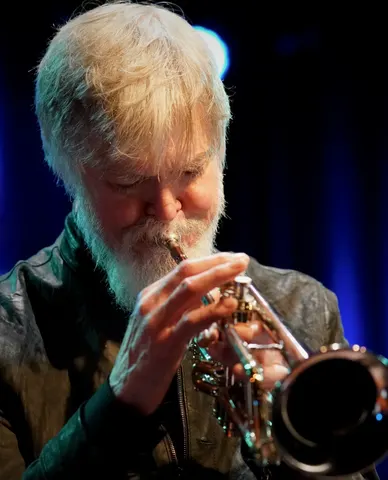
At the end of 1970 Silver disbanded his working group to spend more time composing and with his family; he had married Barbara Jean Dove that year and the couple had a son, Gregory, before divorcing in the mid-1970s. Increasingly drawn to spiritualism, Silver began writing lyrics and concept material for a series he called "The United States of Mind," starting with That Healin' Feelin' (1970) and continuing through Total Response (1971) and All (1972); the records sold modestly at the time. He re-formed a touring band in 1973 with trumpeter Tom Harrell, who stayed through 1977, and by decade's end had settled into the "Silver 'n" series pairing his working quintet, by then featuring Harrell and tenor saxophonist Bob Berg, with expanded instrumentation: Silver 'n Brass (1975), Silver 'n Wood (1976), Silver 'n Voices (1977), Silver 'n Percussion (1978), and, closing out his Blue Note tenure, Silver 'n Strings Play the Music of the Spheres (1979-1980).
After leaving Blue Note in 1980, Silver founded his own label, Silveto Records, devoted to spiritually themed and self-help material, releasing Guides to Growing Up (1981, with recitations by Bill Cosby), Spiritualizing the Senses (1983), There's No Need to Struggle (1983), and The Continuity of Spirit (1985) before the label wound down in 1988. He drew increasingly on composition royalties through the early 1990s as touring income thinned, choreographing the 1991 Los Angeles theatrical piece Rockin' with Rachmaninoff. In 1993 he signed with Columbia Records and returned to straight instrumental jazz on the big-band date It's Got to Be Funky and 1994's Pencil Packin' Papa, which brought in guest tenors Eddie Harris, James Moody, and Red Holloway. He then moved to Impulse! for The Hardbop Grandpop (1996), a septet date with Michael Brecker, trombonist Steve Turre, baritone saxophonist Ronnie Cuber, and trumpeter Claudio Roditi that earned two Grammy nominations, and A Prescription for the Blues (1997), which reunited him with Ron Carter and both Brecker brothers. His final studio album, Jazz Has a Sense of Humor, appeared on Verve in 1999 with a young front line of trumpeter Ryan Kisor and saxophonist Jimmy Greene.
Silver was hospitalized with a blood clot shortly after It's Got to Be Funky's 1993 release, and in 2007 it was disclosed that he had Alzheimer's disease; he made a rare return to the stage at the Blue Note Jazz Club in New York in 2004 before withdrawing from public performance. He passed away of natural causes on June 18, 2014, in New Rochelle, New York, at age 85, survived by his son Gregory. He had been named an NEA Jazz Master in 1995, inducted into DownBeat's Hall of Fame and awarded an honorary doctorate from Berklee College of Music in 1996, and given the Recording Academy's President's Merit Award in 2005.
Silver built a distinct pianistic identity around melody and rhythm rather than harmonic density: a crisp, syncopated right hand playing short, blues- and gospel-derived phrases against a dark, percussive, near-constant left-hand rumble, punctuated by tone clusters and quick slurs into flatted fifths. As an accompanist he favored riff-like background figures closer to a big-band horn section's punctuation than to the busy comping style of his bebop contemporaries, and his playing carried a plainly audible good humor, quoting other tunes mid-solo and leaning into blues inflection where Bud Powell's generation had leaned into harmonic sophistication. DownBeat called him, as early as 1956, "a key influence on a large segment of modern jazz pianists," and his stamp is audible in Ramsey Lewis, Les McCann, and Bobby Timmons. His compositional legacy runs even further: dozens of tunes built on economical, blues-and-gospel-rooted melodies, several of them ("Song for My Father," "Sister Sadie," "The Preacher," "Doodlin'," "Nica's Dream") now standard repertoire, prompted critic John S. Wilson to credit him with leading jazz "a return to an emphasis on melody" during a period when the music was drifting toward greater abstraction. Alongside Art Blakey, he is credited as a principal architect of hard bop and of its standard quintet instrumentation (tenor sax, trumpet, piano, bass, drums), and his bandstand doubled for decades as a finishing school for young sidemen who went on to lead their own significant careers.
- Horace Silver and the Jazz Messengers (1956, Blue Note) - The Jazz Messengers' founding studio sessions under Silver's own name, featuring Hank Mobley, Kenny Dorham, Doug Watkins, and Art Blakey, and home to Silver's breakthrough "The Preacher." Spotify - Horace Silver and the Jazz Messengers Listen
- 6 Pieces of Silver (1957, Blue Note) - Silver's first record with his own post-Messengers quintet, carrying "Señor Blues," the tune Scott Yanow credits with putting Silver on the map. Spotify - 6 Pieces of Silver Listen
- Blowin' the Blues Away (1959, Blue Note) - A Penguin Guide to Jazz "Core Collection" pick with the classic Junior Cook/Blue Mitchell quintet, introducing "Sister Sadie" and the ballad "Peace." Spotify - Blowin' the Blues Away Listen
- Song for My Father (1963-1964, Blue Note) - Silver's best-known album, with Joe Henderson on tenor; the Cape Verdean-tinged title track is a Grammy Hall of Fame entry and among the most-covered themes in the jazz repertoire. Spotify - Song For My Father
- The Cape Verdean Blues (1965, Blue Note) - Silver's direct tribute to his father's homeland, with trombonist J.J. Johnson guesting on three tracks alongside trumpeter Woody Shaw.
- The Hardbop Grandpop (1996, Impulse!) - A Grammy-nominated late-career septet date with Michael Brecker, Steve Turre, and Ronnie Cuber, revisiting the hard bop language Silver had helped invent forty years earlier. Spotify - The Hardbop Grandpop Listen
- Walkin' (1954, Prestige) - As a sideman: Miles Davis's landmark hard bop session, with Silver on piano alongside J.J. Johnson and Lucky Thompson.
Horace Silver: Full Discography
Identity confirmed via the live Discogs API: artist ID 29973 ("Horace Silver," realname Horace Ward Martin Tavares Silver), credited on nearly 4,000 Discogs entries (releases, reissues, compilations, and appearances combined). Horace Silver is a hugely prolific bandleader whose recorded leader catalog runs three full decades and spans Blue Note, Columbia, Impulse!, and Verve. Per this project's standing guidance for artists at this scale, the table below curates his most significant leader albums and his most historically important sideman dates rather than itemizing the full catalog.
As Leader / Co-Leader
| Album Title | Recording Date(s) | Release Date | Label | Catalog Number | Format(s) | Personnel | Role | Reissue History | Spotify | Buy | Notes |
|---|---|---|---|---|---|---|---|---|---|---|---|
| Horace Silver and the Jazz Messengers | November 13, 1954 & February 6, 1955 | July 1956 | Blue Note | BLP 1518 | Vinyl, LP, Compilation, Mono | Horace Silver (piano), Hank Mobley (tenor sax), Kenny Dorham (trumpet), Doug Watkins (bass), Art Blakey (drums) | Leader | Reissued repeatedly on CD | Spotify - Horace Silver and the Jazz Messengers | — | Compiles the Jazz Messengers' founding studio sessions plus concert material; includes "The Preacher" |
| 6 Pieces of Silver | Recorded November 10, 1956 | January 1957 | Blue Note | BLP 1539 | Vinyl, LP, Album, Mono | Horace Silver (piano), Hank Mobley (tenor sax), Donald Byrd (trumpet), Doug Watkins (bass), Louis Hayes (drums) | Leader | Reissued on CD | — | — | First album with Silver's own post-Messengers quintet; includes "Señor Blues" |
| Further Explorations | Recorded January 13, 1958 | May 1958 | Blue Note | BLP 1589 | Vinyl, LP, Album, Mono | Horace Silver (piano), Clifford Jordan (tenor sax), Art Farmer (trumpet), Teddy Kotick (bass), Louis Hayes (drums) | Leader | Reissued on CD | — | — | Transitional quintet lineup between the Mobley/Byrd and Cook/Mitchell eras |
| Finger Poppin' with the Horace Silver Quintet | Recorded January 31, 1959 | 1959 | Blue Note | BLP 4008 | Vinyl, LP, Album, Mono | Horace Silver (piano), Junior Cook (tenor sax), Blue Mitchell (trumpet), Gene Taylor (bass), Louis Hayes (drums) | Leader | Reissued on CD | — | — | Debut of the classic Cook/Mitchell/Taylor/Hayes quintet |
| Blowin' the Blues Away | Recorded August 29-30 & September 13, 1959 | October 1959 | Blue Note | BLP 4017 | Vinyl, LP, Album, Mono | Horace Silver (piano), Junior Cook (tenor sax), Blue Mitchell (trumpet), Gene Taylor (bass), Louis Hayes (drums) | Leader | Reissued on CD; Blue Note Classic Vinyl Series reissue | Spotify - Blowin' the Blues Away | — | Penguin Guide to Jazz "Core Collection" pick; includes "Sister Sadie" and "Peace" |
| Horace-Scope | Recorded July 8-9, 1960 | September 1960 | Blue Note | BLP 4042 | Vinyl, LP, Album, Mono | Horace Silver (piano), Junior Cook (tenor sax), Blue Mitchell (trumpet), Gene Taylor (bass), Roy Brooks (drums) | Leader | Reissued on CD | — | — | |
| Doin' the Thing (At the Village Gate) | Recorded live May 19-20, 1961 | August 1961 | Blue Note | BLP 4076 | Vinyl, LP, Album, Mono | Horace Silver (piano), Junior Cook (tenor sax), Blue Mitchell (trumpet), Gene Taylor (bass), Roy Brooks (drums) | Leader | Reissued on CD | — | — | Live document recorded at New York's Village Gate |
| The Tokyo Blues | Recorded July 13-14, 1962 | September 1962 | Blue Note | BLP 4110 | Vinyl, LP, Album, Mono | Horace Silver (piano), Junior Cook (tenor sax), Blue Mitchell (trumpet), Gene Taylor (bass), John Harris Jr. (drums) | Leader | Reissued on CD | — | — | Written after a 1961 Japan tour; dedicated to the quintet's Japanese fans |
| Silver's Serenade | Recorded May 7-8, 1963 | July 1963 | Blue Note | BLP 4131 | Vinyl, LP, Album, Mono | Horace Silver (piano), Junior Cook (tenor sax), Blue Mitchell (trumpet), Gene Taylor (bass), Roy Brooks (drums) | Leader | Reissued on CD | — | — | Last studio album with the classic Cook/Mitchell quintet intact |
| Song for My Father (Cantiga Para Meu Pai) | Recorded October 1963 & October 26, 1964 | December 1964 | Blue Note | BLP 4185 | Vinyl, LP, Album, Mono | Horace Silver (piano), Joe Henderson (tenor sax, A1/A2/B1/B2), Junior Cook (tenor sax, A3/B3), Carmell Jones (trumpet), Blue Mitchell (trumpet, A3/B3), Teddy Smith / Gene Taylor (bass), Roger Humphries / Roy Brooks (drums) | Leader | Reissued repeatedly on CD and vinyl; Grammy Hall of Fame, 1999 | Spotify - Song For My Father | — | Silver's best-known album; the title track is dedicated to and pictures his father, John Tavares Silver, on the cover |
| The Cape Verdean Blues | Recorded October 1, 1965 | December 1965 | Blue Note | BLP 4220 | Vinyl, LP, Album, Mono | Horace Silver (piano), Joe Henderson (tenor sax), Woody Shaw (trumpet), Bob Cranshaw (bass), Roger Humphries (drums), J.J. Johnson (trombone, B1-B3, guest) | Leader | Reissued on CD | — | — | Tribute to Silver's father's Cape Verdean homeland |
| The Jody Grind | Recorded November 2 (quintet) & November 23 (sextet), 1966 | March 1967 | Blue Note | BLP 4250 | Vinyl, LP, Album, Mono | Horace Silver (piano), Tyrone Washington (tenor sax), Woody Shaw (trumpet), James Spaulding (alto sax, flute, A2/B1/B2), Larry Ridley (bass), Roger Humphries (drums) | Leader | Reissued on CD | — | — | |
| Serenade to a Soul Sister | Recorded February 23 & March 29, 1968 | 1968 | Blue Note | BST 84277 | Vinyl, LP, Album | Horace Silver (piano), Stanley Turrentine (tenor sax, A1-A3), Bennie Maupin (tenor sax, B1-B3), Charles Tolliver (trumpet), Bob Cranshaw (bass, A1-A3), John Williams (bass, B1-B3), Mickey Roker (drums, A1-A3), Billy Cobham (drums, B1-B3) | Leader | Reissued on CD | — | — | Splits two different rhythm sections and tenor chairs across its two sides |
| You Gotta Take a Little Love | Recorded January 10 & 17, 1969 | 1969 | Blue Note | BST 84309 | Vinyl, LP, Album, Stereo | Horace Silver (piano), Bennie Maupin (tenor sax, flute), Randy Brecker (trumpet, flugelhorn), John Williams (bass), Billy Cobham (drums) | Leader | Reissued on CD | — | — | |
| That Healin' Feelin' (United States of Mind, Phase 1) | Not specified in Discogs data | 1970 | Blue Note | BST 84352 | Vinyl, LP, Album | Horace Silver (electric piano), George Coleman (tenor sax, A1-A5), Houston Person (tenor sax, B1-B4), Randy Brecker (trumpet, flugelhorn), Bob Cranshaw (bass, A1-A5), Jimmy Lewis (bass, B1-B4), Mickey Roker (drums, A1-A5), Idris Muhammad (drums, B1-B4), Andy Bey / Gail Nelson / Jackie Verdell (vocals) | Leader | Reissued on CD as part of The United States of Mind compilation, 2004 | — | — | First installment of Silver's vocal, spiritually themed "United States of Mind" trilogy |
| Total Response (United States of Mind, Phase 2) | Not specified in Discogs data | 1972 | Blue Note | BST 84368 | Vinyl, LP, Album | Horace Silver (electric piano), Harold Vick (tenor sax), Cecil Bridgewater (trumpet, flugelhorn), Richard Resnicoff (guitar), Bob Cranshaw (electric bass), Mickey Roker (drums), Andy Bey / Salome Bey (vocals) | Leader | Reissued on CD as part of The United States of Mind compilation, 2004 | — | — | Second installment of the trilogy |
| All (United States of Mind, Phase 3) | Not specified in Discogs data | 1972 | Blue Note | BST 84420 | Vinyl, LP, Album | Horace Silver (electric piano, vocals), Harold Vick (tenor sax), Cecil Bridgewater (trumpet), Richard Resnicoff (guitar), Bob Cranshaw (electric bass), Mickey Roker (drums), Andy Bey / Gail Nelson / Salome Bey (vocals) | Leader | Reissued on CD as part of The United States of Mind compilation, 2004 | — | — | Closing installment of the trilogy |
| In Pursuit of the 27th Man | Not specified in Discogs data | 1973 | Blue Note | BN-LA054-F | Vinyl, LP, Album | Horace Silver (piano), Michael Brecker (tenor sax, A1/A3/B1), Randy Brecker (trumpet, flugelhorn, A1/A3/B1), David Friedman (vibraphone, A2/A4/B2/B3), Bob Cranshaw (electric bass), Mickey Roker (drums) | Leader | Reissued on CD | — | — | Return to acoustic small-group writing after the vocal trilogy |
| Silver 'n Brass | Not specified in Discogs data | 1975 | Blue Note | BN-LA406-G | Vinyl, LP, Album, Stereo | Horace Silver (piano), Bob Berg (tenor sax), Tom Harrell (trumpet), Ron Carter (acoustic bass), Bob Cranshaw (Fender bass, A1/B1), Al Foster (drums), Bernard Purdie (drums, A1/B1), plus a brass section including Frank Rosolino (trombone) and Maurice Spears (bass trombone) | Leader | Reissued on CD | — | — | First of the "Silver 'n" series pairing Silver's working quintet with expanded horn sections |
| Silver 'n Wood | Not specified in Discogs data | 1976 | Blue Note | BN-LA581-G | Vinyl, LP, Album | Horace Silver (piano), Bob Berg (tenor sax), Tom Harrell (trumpet), Ron Carter (acoustic bass), Al Foster (drums), plus a woodwind section including Buddy Collette, Jack Nimitz, and Jerome Richardson | Leader | Reissued on CD | — | — | |
| Silver 'n Voices | Recorded September 24 & October 1, 1976 | 1977 | Blue Note | BN-LA708-G | Vinyl, LP, Album | Horace Silver (piano, vocals arranged/written by), Bob Berg (tenor sax), Tom Harrell (trumpet, flugelhorn), Ron Carter (acoustic bass), Al Foster (drums), a vocal ensemble directed by Alan Copeland | Leader | Reissued on CD | — | — | |
| Silver 'n Percussion | Recorded November 12 & 17, 1977 | 1978 | Blue Note | BN-LA853-H | Vinyl, LP, Album | Horace Silver (piano), Larry Schneider (tenor sax), Tom Harrell (trumpet, flugelhorn), Ron Carter (acoustic bass), Al Foster (drums), Babatunde Olatunji / Ladji Camara (African percussion), Omar Clay (American Indian percussion) | Leader | Reissued on CD | — | — | |
| Silver 'n Strings Play the Music of the Spheres | Not specified in Discogs data | 1980 | Blue Note | LWB-1033 | Vinyl, LP, Album | Horace Silver (piano), Larry Schneider (tenor sax, soprano sax), Tom Harrell (flugelhorn), Ron Carter (bass), Al Foster (drums), vocalists including Gregory Hines | Leader | Reissued on CD | — | — | Silver's final Blue Note album, closing a 28-year relationship with the label |
| It's Got to Be Funky | Recorded February 8-9, 1993 | 1993 | Columbia | COL 473877 2 | CD, Album | Horace Silver (piano) with a big band; personnel not itemized in the Discogs credit block | Leader | — | — | — | Big-band date marking Silver's return to a major label after founding and closing his own Silveto imprint |
| Pencil Packin' Papa | Recorded January 10-11, 1994 | 1994 | Columbia | 476979 2 | CD, Album | Horace Silver (piano), Jeff Bunnell / Oscar Brashear / Ron Stout (trumpet, flugelhorn), George Bohanon (trombone), Maurice Spears (bass trombone), Bob Maize (bass), Carl Burnett (drums); guests Eddie Harris, James Moody, Red Holloway, Rickey Woodard (tenor sax) and O.C. Smith (vocals) | Leader | — | — | — | |
| The Hardbop Grandpop | Recorded February 29-March 1, 1996 | 1996 | Impulse! | IMP 11922 | CD, Album | Horace Silver (piano), Michael Brecker (tenor sax), Claudio Roditi (trumpet, flugelhorn), Steve Turre (trombone), Ronnie Cuber (baritone sax), Ron Carter (bass), Lewis Nash (drums) | Leader | — | Spotify - The Hardbop Grandpop | — | Two Grammy nominations |
| A Prescription for the Blues | Not specified in Discogs data | 1997 | Impulse! | IMPD-238 | CD, Album | Horace Silver (piano), Michael Brecker (tenor sax), Randy Brecker (trumpet), Ron Carter (bass), Louis Hayes (drums) | Leader | — | — | — | Reunites Silver with both Brecker brothers and his original drummer, Louis Hayes |
| Jazz... Has... A Sense of Humor | Recorded December 17-18, 1998 | 1999 | Verve | IMPD-293 | CD, Album | Horace Silver (piano), Jimmy Greene (tenor sax, soprano sax), Ryan Kisor (trumpet), John Webber (bass), Willie Jones III (drums) | Leader | — | — | — | Silver's final studio album |
As Sideman (selected major credits)
| Year | Project (Leader) | Title | Label | Catalog | Role | Notes |
|---|---|---|---|---|---|---|
| 1952 | Lou Donaldson | (Blue Note sideman session) | Blue Note | — | Piano | Silver's first Blue Note recording as a sideman, per Wikipedia and the label's own history, opening a 28-year relationship with Blue Note; the specific catalog number could not be confirmed against a single unambiguous Discogs release and is not asserted here |
| 1954 | Miles Davis All Stars | Walkin' | Prestige (PRLP 7076) | Piano | Recorded April 3, 1954, with J.J. Johnson and Lucky Thompson on the title session; a landmark early hard bop date | |
| 1955 | Julian "Cannonball" Adderley | Bohemia After Dark | Savoy | Piano | With Paul Chambers, Donald Byrd, Nat Adderley, Kenny Clarke | |
| 1957 | Sonny Rollins | Sonny Rollins, Vol. 2 | Blue Note (BLP 1558) | Piano | Recorded April 14, 1957; Silver's last date as a hired sideman, sharing the piano chair on separate tracks with Thelonious Monk, alongside J.J. Johnson, Paul Chambers, and Art Blakey |
Silver's Discogs sideman log also includes early-1950s dates with the Milt Jackson Quintet, Stan Getz (who first employed and recorded him in December 1950), and Art Farmer, among others, from the period before he stopped taking outside sideman work in 1957 to concentrate exclusively on his own bands, not itemized exhaustively here.
- Art Blakey - co-founder of the Jazz Messengers, 1954-1956; the two split after Silver left the cooperative in May 1956, and Blakey carried the Messengers' name forward on his own.
- Hank Mobley, Kenny Dorham, Doug Watkins - the original Jazz Messengers front line and rhythm section, 1954-1956.
- Junior Cook and Blue Mitchell - tenor saxophonist and trumpeter of Silver's classic late-1950s/early-1960s quintet, 1958-1964, heard on Finger Poppin', Blowin' the Blues Away, Horace-Scope, The Tokyo Blues, and Silver's Serenade.
- Joe Henderson - tenor saxophonist on Song for My Father (1963-1964) and The Cape Verdean Blues (1965), Silver's mid-1960s creative peak.
- Woody Shaw - trumpeter across The Cape Verdean Blues and The Jody Grind (1966), one of several young sidemen Silver's bandstand helped launch.
- Tom Harrell - trumpeter in Silver's working band from 1973 to 1977, carrying through the "Silver 'n" series of the mid-to-late 1970s.
- Randy Brecker and Michael Brecker - Randy on trumpet in the late-1960s/early-1970s bands (You Gotta Take a Little Love, That Healin' Feelin'); Michael on tenor decades later on The Hardbop Grandpop (1996) and A Prescription for the Blues (1997).
- Stan Getz - hired Silver's Hartford trio in 1950 and gave him his recording debut that December, the engagement that launched Silver's professional career.