 JAZZPROFILES lives in the music 2,303 Jazz Artists fully Profiled!
Eddie Harris
Last updated November 6, 2026
Listen on Spotify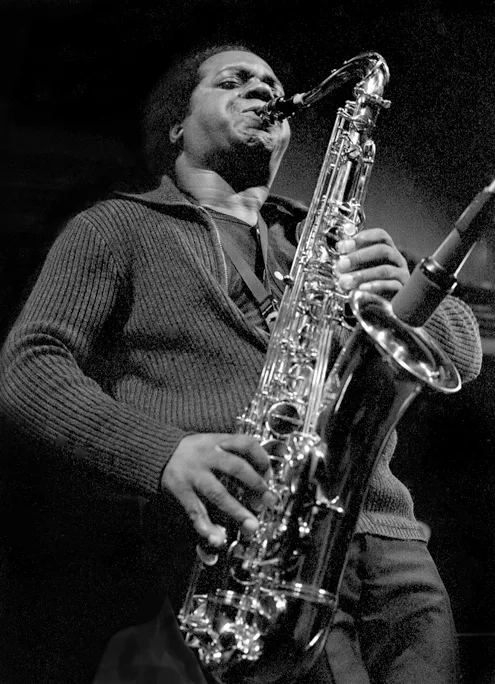
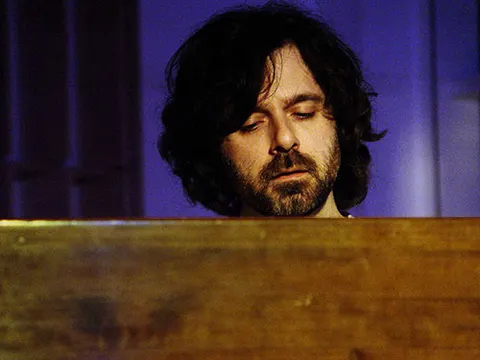
Eddie Harris at the Great American Music Hall, San Francisco, November 22, 1980, photographed by Brian McMillen CC BY-SA 4.0 (Creative Commons Attribution-ShareAlike 4.0 International), photograph by Brian McMillen — Wikimedia Commons — https://commons.wikimedia.org/wiki/File:Eddie_Harris.jpg

Eddie Harris was born in Chicago on October 20, 1934. His father was from Cuba and his mother from Mississippi. He studied music under Captain Walter Dyett at DuSable High School, which also trained Nat King Cole, Johnny Griffin, Clifford Jordan, Gene Ammons, and Julian Priester, and went on to Roosevelt University, where he was already proficient on piano, vibraphone, and tenor saxophone. While still in college he worked professionally with Ammons. His official site adds that he sang in Chicago Baptist churches as a boy and began piano lessons at about age three with a cousin.
Drafted into the United States Army, he was accepted while serving in Europe into the 7th Army Band, whose members also included Don Ellis, Leo Wright, and Cedar Walton. After his discharge he worked in New York City, returned to Chicago, and signed with Vee-Jay Records. His first Vee-Jay album, Exodus to Jazz, was recorded on January 17, 1961, at Universal Recording in Chicago with pianist Willie Pickens, guitarist Joe Diorio, bassist Bill Yancey, and drummer Harold Jones. It opened with his own jazz arrangement of Ernest Gold's theme from the film Exodus. A shortened version of that track, built on his playing in the upper register of the tenor saxophone, was heavily played on radio and became the first jazz record certified gold; the single entered the Billboard Hot 100 and reached No. 16 on the R&B chart. More Vee-Jay albums followed quickly, among them Mighty Like a Rose (recorded April 14, 1961), A Study in Jazz (1962), and Bossa Nova (recorded in New York in November 1962 with pianist and arranger Lalo Schifrin and guitarist Jimmy Raney).
He moved to Columbia Records in 1964 and made Cool Sax, Warm Heart (January 15 and 16, 1964), with Wynton Kelly on piano for four tracks, and Cool Sax from Hollywood to Broadway (September 22 to 24, 1964), with Walton, bassist Bob Cranshaw, and guitarist Kenny Burrell on two tracks. In 1965 he signed with Atlantic Records, where he re-established himself. The In Sound, recorded on August 9 and 30, 1965, and produced by Nesuhi Ertegun, paired him with Walton, bassist Ron Carter, drummer Billy Higgins, and trumpeter Ray Codrington, and won back many of his detractors with a bop program. It also holds the first recording of his composition "Freedom Jazz Dance," which the quintet of Miles Davis recorded for Miles Smiles in October 1966, adding extra bars between the phrases of the melody; the tune became a jazz standard.
From the mid-1960s Harris turned to electricity. On Mean Greens (recorded in March and June 1966) he played electric piano, and the album carries the first version of his "Listen Here." He also took up the Varitone, a woodwind pickup and effects unit that Selmer marketed from 1967. The Electrifying Eddie Harris, recorded on March 20, 1967, and released in early 1968, reached No. 2 on Billboard's R&B album chart. Its second track, "Listen Here," stretched to more than seven minutes on the album and was issued as a two-part single that climbed to No. 11 on the R&B chart and No. 45 on the Hot 100, and the album drew a Grammy nomination for best instrumental jazz performance by a small group or soloist with a small group. He followed it with Plug Me In (March 1968), with a horn section, and Silver Cycles (September and December 1968), with brass, strings, singers including Melba Moore and Valerie Simpson, and Joe Zawinul on piano for one track.
On June 21, 1969, Harris joined the pianist and singer Les McCann at the Montreux Jazz Festival with trumpeter Benny Bailey, bassist Leroy Vinnegar, and drummer Donald Dean. The musicians had not been able to rehearse, and the tapes, made by the festival's organizers, were passed to Atlantic for a fee of less than $100. Released as Swiss Movement, with McCann singing Gene McDaniels's "Compared to What," the album reached No. 1 on Billboard's jazz album chart, No. 2 on the R&B chart, and No. 29 on the pop LP chart, drew a Grammy nomination, and became one of the best-selling jazz albums of all time. The pair made a follow-up, Second Movement, on January 25, 1971, with guitarist Cornell Dupree, drummer Bernard Purdie, and a vocal group including Cissy Houston, and on March 6, 1971, they were among the American acts who played the Independence Day concert in Accra, Ghana, that became the film Soul to Soul.
In the 1970s Harris moved from Chicago to Los Angeles. From 1970 to 1975 he experimented with instruments of his own invention: the reed trumpet, a trumpet fitted with a saxophone mouthpiece, which he first played at the 1970 Newport Jazz Festival; the saxobone, a saxophone with a trombone mouthpiece; and the guitorgan, a combination of guitar and organ. The Chicago sessions that produced Instant Death (December 7, 1971) and Eddie Harris Sings the Blues (July 25, 1972) used a band of Muhal Richard Abrams, guitarist Ronald Muldrow, and bassist Rufus Reid, who spent five years with Harris according to Reid's own profile. He also sang comic blues and rhythm and blues, on records such as That Is Why You're Overweight (1976) and the live The Reason Why I'm Talking S--t (1975), and made the rock-flavored E.H. in the U.K. in London in 1973 with Steve Winwood, Jeff Beck, Albert Lee, Chris Squire, and Ian Paice among the players. He left Atlantic after a final album there in 1977, after more than twelve years, and recorded two albums for RCA, I'm Tired of Driving (1978) and Playin' with Myself (1980).
The rest of his career was spent largely on small and independent labels, including SteepleChase (Steps Up, recorded in Copenhagen on February 20, 1981, with pianist Tete Montoliu), Chiaroscuro, Timeless, and Enja. He also appeared as a guest soloist: with Horace Silver on the Spiritualizing the Senses (January 1983) and There's No Need to Struggle (August and September 1983) sessions for Silver's Silveto label, with pianist Horace Parlan on Glad I Found You (1984), with Buddy Montgomery on Ties of Love (1987), and with John Scofield on Hand Jive (recorded in October 1993). Late guest spots included Etta James's Time After Time (1995), and a session with Jimmy Smith recorded in 1981 was released as All the Way Live in 1996. According to his official site he made more than 70 albums, wrote seven music books, and held a patent for a reed mouthpiece for brass instruments. Harris passed away in Los Angeles on November 5, 1996, at the age of 62. The Last Concert appeared on ACT in 1997, and Seamus Blake recorded an organ-band tribute, The Electrifying Seamus Blake Plays the Music of Eddie Harris: EH!, with Sam Yahel in November 2025.
Harris began as a cool-toned tenor player whose biggest debt, in AllMusic's reading of his early Vee-Jay records, was to Stan Getz's bop recordings, with touches of soul jazz, and a 2006 thesis on his improvisation by Johnny Lippiett found a bebop base and a distinctive use of fourth intervals. He also wrote instructional books, among them The Intervallistic Concept, published by Charles Colin. His tenor playing often went into the highest register of the instrument, which gave "Exodus" its hook, and he later ran the saxophone through the Varitone and moved between jazz and rhythm and blues audiences, an approach that critics divided over: Harvey Pekar called Swiss Movement cliché-ridden in DownBeat, while Richie Unterberger of AllMusic ranked it among the best soul jazz albums ever made. He played electric piano and organ as well, built horns of his own in the 1970s, and added comic vocals such as "Eddie Who?" and "That Is Why You're Overweight." His compositions have outlasted the novelties: "Freedom Jazz Dance" is played widely as a standard, and "Listen Here" has been recorded by many other musicians.
- Exodus to Jazz (1961, Vee-Jay) - His debut as a leader, recorded January 17, 1961, with the "Exodus" arrangement that became the first gold jazz single.
- The In Sound (1966, Atlantic) - The Atlantic debut with Cedar Walton, Ron Carter, and Billy Higgins, and the first recording of "Freedom Jazz Dance." Spotify - The In Sound Listen
- The Electrifying Eddie Harris (1968, Atlantic) - The Varitone showcase recorded March 20, 1967, with "Listen Here," which reached No. 2 on the R&B album chart.
- Silver Cycles (1969, Atlantic) - A 1968 studio set with brass, strings, and vocalists, and Joe Zawinul guesting on one track.
- Swiss Movement (1969, Atlantic) - Live at Montreux with Les McCann, recorded June 21, 1969, and built around "Compared to What"; his best-selling record. Spotify - Swiss Movement (Montreux 30th Anniversary) Listen
- Live at Newport (1971, Atlantic) - A live set from the 1970 festival, where he first played the reed trumpet, with Jodie Christian and vocals by Gene McDaniels on one track.
- Instant Death (1972, Atlantic) - A funk-and-soul session recorded in Chicago on December 7, 1971, with Muhal Richard Abrams and Rufus Reid; AllMusic calls it one of his stronger Atlantic albums of the 1970s. Spotify - Instant Death Listen
- Second Movement (1971, Atlantic) - The studio follow-up with Les McCann, recorded January 25, 1971, with Cornell Dupree and Bernard Purdie.
Eddie Harris: Full Discography
Discogs artist ID 41249 ("Eddie Harris," American jazz and funk saxophonist, pianist, vocalist and composer, born October 20, 1934, in Chicago, died November 5, 1996, in Los Angeles) lists about 150 main-credit entries across leader, collaborative, compilation and unofficial releases, with several hundred further appearances and track appearances, many of them covers of his tunes "Listen Here" and "Freedom Jazz Dance." Some of his own albums are filed under separate Discogs entries: the "Eddie Harris Quartet" (artist ID 2206974), the "Eddie Harris Trio" (1690551), the "Eddie Harris Funk Project" (2044932), and one 1970 album under a numbered namesake entry (12512122); these were checked and are folded into the table below. Because he made more than 70 albums, the leader table is a curated selection of 44 titles rather than an exhaustive list: the Vee-Jay, Columbia and Atlantic albums that define him, plus the principal later releases. Catalog numbers are those of the first or best-documented US pressing, with recording dates from Wikipedia where Discogs gives none; where the two differ the Notes column says so, and details that could not be confirmed are marked as such.
As Leader / Co-Leader
| Album Title | Recording Date(s) | Release Date | Label | Catalog Number | Format(s) | Personnel | Role | Reissue History | Spotify | Buy | Notes |
|---|---|---|---|---|---|---|---|---|---|---|---|
| Exodus to Jazz | January 17, 1961, Universal Recording, Chicago | 1961 | Vee-Jay | VJLP 3016 (also listed as LP-3016) | Vinyl, LP, Album, Mono | Eddie Harris (tenor saxophone), Willie Pickens (piano), Joe Diorio (guitar), Bill Yancey (bass), Harold Jones (drums) | Leader | Reissued on CD in 1997 paired with Mighty Like a Rose (Blue Moon, VJ-019); see Discogs master 293718 | — | — | Debut as a leader; the title track, his arrangement of the theme from the film Exodus, was the first gold jazz single. |
| Mighty Like a Rose | April 14, 1961 | 1961 | Vee-Jay | LP 3025 | Vinyl, LP, Album, Mono | Eddie Harris (tenor saxophone), Willie Pickens (piano), Joe Diorio (guitar), Bill Yancey (bass), Harold Jones (drums) | Leader | Paired with Exodus to Jazz on a 1997 Blue Moon CD (VJ-019) | — | — | Same quintet as the debut. |
| Jazz for "Breakfast at Tiffany's" | 1961, Chicago | 1961 | Vee-Jay | VJLP-3027 (also listed as LP 3027) | Vinyl, LP, Album, Mono | Eddie Harris (tenor saxophone), Jon Avant (trombone), Charles Stepney (vibraphone), Willie Pickens (piano), Joe Diorio (guitar), Donald Garrett (bass), Earl Thomas (drums) | Leader | Paired with A Study in Jazz on a 1997 Blue Moon CD (VJ-020) | — | — | Film-themed program built around "Moon River." |
| A Study in Jazz | 1961 to 1962 | 1962 | Vee-Jay | SR 3028 | Vinyl, LP, Album, Stereo | Eddie Harris (tenor saxophone), Willie Pickens (piano), Joe Diorio and Roland Faulkner (guitar), several bassists and drummers; Jon Avant (trombone) and Charles Stepney (vibraphone) on one track | Leader | Paired with Jazz for "Breakfast at Tiffany's" on a 1997 Blue Moon CD (VJ-020) | — | — | Wikipedia lists the Vee-Jay number as VJLP 3028; the stereo pressing is SR 3028. |
| Eddie Harris Goes to the Movies | 1962 | 1962 | Vee-Jay | VJSR 3031 | Vinyl, LP, Album, Stereo | Eddie Harris (tenor saxophone) with an orchestra conducted by Dick Marx | Leader | Paired with Mighty Like a Rose on a 2002 Collectables CD | — | — | Film themes with orchestra; the full orchestra personnel is not itemized. |
| Bossa Nova | November 1962, New York City | 1963 | Vee-Jay | LP 3034 (also listed as VJLP3034) | Vinyl, LP, Album, Mono | Eddie Harris (tenor saxophone), Lalo Schifrin (piano, arranger), Jimmy Raney (guitar), Art Davis (bass), Chuck Lampkin (drums), Jack del Rio and Osvaldo Cigno (Latin percussion) | Leader | Paired with Jazz for "Breakfast at Tiffany's" on a 2001 Collectables CD | — | — | Bossa nova arrangements by Schifrin. |
| Cool Sax, Warm Heart | January 15 and 16, 1964, New York City | 1964 | Columbia | CL 2168 | Vinyl, LP, Mono | Eddie Harris (tenor saxophone), Wynton Kelly (piano, four tracks), Warren Stephens (guitar), Melvin Jackson (bass), Bucky Taylor (drums), a vocal group | Leader | Paired with Cool Sax from Hollywood to Broadway on a 2002 Collectables CD | — | — | Produced by Tom Wilson. Wikipedia gives the catalog number as CL 3034, which is not confirmed; MusicBrainz lists a stereo pressing as CS 8968. |
| Cool Sax from Hollywood to Broadway | September 22 to 24, 1964, New York City | 1964 | Columbia | CL 2295 / CS 9095 | Vinyl, LP, Album | Eddie Harris (tenor saxophone), Cedar Walton (piano), Kenny Burrell (guitar, two tracks), Bob Cranshaw (bass), Billy Brooks (drums) | Leader | Paired with Cool Sax, Warm Heart on a 2002 Collectables CD | — | — | Produced by Tom Wilson. |
| For Bird and Bags | 1963, Chicago | 1965 | Exodus | EX 6002 (also listed as EXS-6002) | Vinyl, LP, Album | Eddie Harris (tenor saxophone, piano), Charles Stepney (piano, vibraphone), Willie Pickens (piano), Joe Diorio and Roland Faulkner (guitar), Melvin Jackson (bass), Marshall Thompson (drums) | Leader | Reissued as Sculpture (Buddah, 1969) per Wikipedia; Vee-Jay VJS-3058 (1974); Koch CD (2000) | Spotify - For Bird and Bags | — | Discogs dates the first issue to 1966 and Wikipedia to 1965. |
| The In Sound | August 9 and 30, 1965, New York City | 1966 | Atlantic | SD 1448 | Vinyl, LP, Album, Stereo | Eddie Harris (tenor saxophone), Ray Codrington (trumpet, three tracks), Cedar Walton (piano), Ron Carter (bass), Billy Higgins (drums) | Leader | Paired with Mean Greens on a 1993 Rhino CD (R2 71515); Collectables CD (2002) | Spotify - The In Sound | — | Produced by Nesuhi Ertegun. First recording of "Freedom Jazz Dance." |
| Mean Greens | March 8 and 9 and June 7, 1966, New York City | 1966 | Atlantic | SD 1453 | Vinyl, LP, Album, Stereo | Eddie Harris (tenor saxophone, electric piano), Ray Codrington (trumpet, percussion), Cedar Walton (piano, tracks 1 to 4), Sonny Phillips (organ, tracks 5 to 7), Ron Carter and Melvin Jackson (bass), Billy Higgins and Bucky Taylor (drums), Ray Barretto (congas, bongos, tracks 5 to 7) | Leader | Paired with The In Sound on a 1993 Rhino CD (R2 71515) | — | — | Two different groups; contains the first version of "Listen Here." |
| The Tender Storm | March 8 and September 19, 1966, New York City | 1967 | Atlantic | SD 1478 | Vinyl, LP, Album, Stereo | Eddie Harris (tenor saxophone, Varitone), Ray Codrington (trumpet, one track), Cedar Walton (piano), Ron Carter (bass), Billy Higgins (drums, one track), Bobby Thomas (drums, other tracks) | Leader | — | — | — | Wikipedia dates the release to 1966; Discogs and MusicBrainz date it to 1967. |
| The Electrifying Eddie Harris | March 20, 1967, New York City | 1968 | Atlantic | SD 1495 | Vinyl, LP, Album, Stereo | Eddie Harris (tenor saxophone, Varitone), Jodie Christian (piano), Melvin Jackson (bass), Richard Smith (drums), Melvin Lastie and Joe Newman (trumpet), King Curtis and David Newman (saxophones), Haywood Henry (baritone saxophone), Ray Barretto and Joe Wohletz (percussion, two tracks), strings | Leader | Paired with Plug Me In on a 1993 Rhino CD (R2 71516) | — | — | Includes "Listen Here" (7:42) and "Sham Time"; Arif Mardin produced and arranged. Reached No. 2 on Billboard's R&B album chart. |
| Plug Me In | March 14 and 15, 1968, New York City | 1968 | Atlantic | SD 1506 | Vinyl, LP, Album, Stereo | Eddie Harris (tenor saxophone, Varitone), Melvin Lastie, Joe Newman and Jimmy Owens (trumpet), Garnett Brown and Tom McIntosh (trombone), Haywood Henry (baritone saxophone), Jodie Christian (piano), Ron Carter and Melvin Jackson (bass), Chuck Rainey (electric bass), Richard Smith and Grady Tate (drums) | Leader | Paired with The Electrifying Eddie Harris on a 1993 Rhino CD (R2 71516) | — | — | Produced by Joel Dorn; a horn-section date. |
| Silver Cycles | September 4 and December 3, 1968, New York City | 1969 | Atlantic | SD 1517 | Vinyl, LP, Album, Stereo | Eddie Harris (tenor saxophone, Varitone), Jodie Christian (piano), Joe Zawinul (piano, one track), Richard Davis, Melvin Jackson and Monk Montgomery (bass), Billy Hart, Bruno Carr and Richard Smith (drums), trumpets, trombone, saxophones, strings, and vocalists including Melba Moore and Valerie Simpson | Leader | Collectables CD (2002, COL-CD-6539) | — | — | Produced by Arif Mardin and Joel Dorn. |
| High Voltage | October 28, 1968, and April 19, 1969 | 1969 | Atlantic | SD 1529 | Vinyl, LP, Album, Stereo | Eddie Harris (tenor saxophone, Varitone), Jodie Christian (piano), Melvin Jackson (bass), Billy Hart (drums, four tracks), Richard Smith (drums, two tracks) | Leader | Paired with Plug Me In on a CD reissue; see Discogs master 331823 | — | — | Live album produced by Joel Dorn. |
| Swiss Movement | June 21, 1969, Montreux Jazz Festival | November 1969 | Atlantic | SD 1537 | Vinyl, LP, Album, Stereo | Eddie Harris (tenor saxophone), Les McCann (piano, vocals), Benny Bailey (trumpet), Leroy Vinnegar (bass), Donald Dean (drums) | Co-leader (billed with Les McCann) | Atlantic Jazz CD (1990, 1537-2); Rhino CD (1996, R2 72452) | Spotify - Swiss Movement (Montreux 30th Anniversary) | — | Live, with Gene McDaniels's "Compared to What." Reached No. 1 on Billboard's jazz album chart and No. 29 on the pop LP chart. |
| Free Speech | December 15, 1969, Universal Studios, Chicago | 1970 | Atlantic | SD 1573 | Vinyl, LP, Album, Stereo | Eddie Harris (tenor saxophone, Varitone, reed trumpet), Jodie Christian (electric piano), Louis Spears (bass), Billy Hart (drums), Felix Henry (percussion) | Leader | Paired with That Is Why You're Overweight on a 2001 Collectables CD (COL 6819) | — | — | Produced by Eddie Harris and Marvin Lagunoff. |
| Come On Down! | March 3, 1970, Criteria Studios, Miami | 1970 | Atlantic | SD 1554 | Vinyl, LP, Album, Stereo | Eddie Harris (tenor saxophone, Varitone), Ira Sullivan (trumpet), Dave Crawford (piano), Billy Carter (organ), Cornell Dupree, Jimmy O'Rourke and Joe Diorio (guitar), Donald "Duck" Dunn (electric bass), Tubby Ziegler (drums) | Leader | Paired with The Reason Why I'm Talking S--t on a 2006 Collectables CD | — | — | Produced by Tom Dowd. |
| Live at Newport | 1970, Newport Jazz Festival | 1971 | Atlantic | SD 1595 | Vinyl, LP, Album | Eddie Harris (tenor saxophone, Varitone), Jodie Christian (piano, electric piano), Louis Spears (bass), Robert Crowder (drums), Eugene McDaniels (vocals, one track) | Leader | Paired with Instant Death on a 2000 Collectables CD | — | — | Wikipedia dates the release to 1970 and gives July 12, 1970 as the recording date; Discogs lists November 1971 for the first issue. |
| Second Movement | January 25, 1971, Atlantic Studios, New York City | 1971 | Atlantic | SD 1583 | Vinyl, LP, Album, Stereo | Eddie Harris (tenor saxophone), Les McCann (electric piano, vocals), Cornell Dupree (guitar), Jimmy Rowser (bass), Jerry Jemmott (electric bass, three tracks), Donald Dean (drums), Bernard Purdie (drums, tambourine), Buck Clarke (percussion), Judy Clay, Cissy Houston and others (vocals) | Co-leader (billed with Les McCann) | Label M CD (2000) | — | — | Produced by Arif Mardin; a strings track was arranged by Mardin. |
| Instant Death | December 7, 1971, Brunswick Studios, Chicago | 1972 | Atlantic | SD 1611 | Vinyl, LP, Album, Stereo | Eddie Harris (tenor saxophone, Varitone, reed trumpet), Muhal Richard Abrams (electric piano), Ronald Muldrow (electric guitar), Rufus Reid (bass, electric bass), Billy James (drums), Master Henry Gibson (congas, talking drum) | Leader | Paired with Live at Newport on a 2000 Collectables CD | Spotify - Instant Death | — | Produced by Eddie Harris and Marvin Lagunoff. |
| Eddie Harris Sings the Blues | July 25, 1972, Brunswick Recording Studios, Chicago | 1972 | Atlantic | SD 1625 | Vinyl, LP, Album, Stereo | Eddie Harris (tenor saxophone, Varitone, vocals), Muhal Richard Abrams (electric piano), Ronald Muldrow (guitar), Rufus Reid (bass), Billy James (drums), horns, strings, and backing vocalists | Leader | Paired with The Versatile Eddie Harris on a 2001 Collectables CD (COL-CD-6820) | Spotify - Eddie Harris Sings The Blues | — | Includes a reading of John Coltrane's "Giant Steps." |
| Excursions | March 8 and 9, 1966; March 20, 1967; January 8, 1973 | 1973 | Atlantic | SD 2-311 | Vinyl, 2xLP, Album | Eddie Harris (tenor saxophone, Varitone, reed trumpet), with pianists Cedar Walton, Jodie Christian and Larry Nash, Muhal Richard Abrams, Ronald Muldrow, and bassists and drummers from several sessions | Leader | Collectables CD (2000, COL-6409) | — | — | A double album that mixes unissued 1966 and 1967 material with 1973 sessions. |
| E.H. in the U.K. | 1973, Morgan Studios, London | 1974 | Atlantic | SD 1647 | Vinyl, LP, Album, Stereo | Eddie Harris (tenor saxophone, Varitone, trumpet, piano, vocals), Steve Winwood and Zoot Money (electric piano), Jeff Beck, Neil Hubbard and Albert Lee (guitar), Chris Squire, Boz Burrell and Rick Grech (bass), Ian Paice and Alan White (drums), Tony Kaye (Moog synthesizer) | Leader | Paired with Is It In on a 1999 Collectables CD (COL-CD-6241) | — | — | Produced by Geoffrey Haslam; the rock-musician sessions. |
| Is It In | December 16 and 17, 1973, Paragon Studios, Chicago | October 1974 | Atlantic | SD 1659 | Vinyl, LP, Album, Stereo | Eddie Harris (tenor saxophone, Varitone, piano, electric piano, vocals), Ronald Muldrow (guitar), Rufus Reid (bass), Billy James (drums) | Leader | Repertoire CD (1992); paired with E.H. in the U.K. on a 1999 Collectables CD | — | — | Produced by Geoffrey Haslam. |
| Bad Luck Is All I Have | 1974 to 1975, Village Recorder, Los Angeles, and Paragon Studios, Chicago | 1975 | Atlantic | SD 1675 | Vinyl, LP, Album, Stereo | Eddie Harris (tenor saxophone, Varitone, piano, vocals), Ronald Muldrow (guitar, guitorgan), Bradley Bobo (bass), Willie Bobo (percussion, drums), Calvin Barnes (percussion), Rufus Reid (bass, one track), Oscar Brashear (trumpet) | Leader | Paired with How Can You Live Like That? on a 2000 Collectables CD | Spotify - Bad Luck Is All I Have | — | Produced by Eddie Harris. |
| That Is Why You're Overweight | 1975, Village Recorder, Los Angeles, and Brunswick Studios, Chicago | 1976 | Atlantic | SD 1683 | Vinyl, LP, Album, Stereo | Eddie Harris (tenor saxophone, electric piano, vocals), Ronald Muldrow (guitar, guitorgan, vocals), Bradley Bobo (bass), Paul Humphrey and Terry Thompson (drums), Calvin Barnes and Buck Clarke (percussion), Muhal Richard Abrams (electric piano, one track), horns | Leader | Paired with Free Speech on a 2001 Collectables CD (COL 6819) | — | — | Comic and blues vocals. |
| The Reason Why I'm Talking S--t | 1975 | 1976 | Atlantic | SD 18165 | Vinyl, LP, Album | Eddie Harris (tenor saxophone, vocals), Ronald Muldrow (guitar), Odell Brown (organ), Bradley Bobo (bass), Paul Humphrey (drums), Calvin Barnes (percussion) | Leader | Paired with Come On Down! on a 2006 Collectables CD | Spotify - The Reason Why I'm Talking Shit (Comedy with Music) | — | Live album of comic patter and funk; the title is spelled out on the Spotify edition. |
| The Versatile Eddie Harris | 1977 | 1981 | Atlantic | SD 8807 | Vinyl, LP, Album | Eddie Harris (tenor saxophone); billed as featuring Don Ellis; the remaining personnel is not confirmed | Leader | Paired with Eddie Harris Sings the Blues on a 2001 Collectables CD (COL-CD-6820) | Spotify - The Versatile Eddie Harris | — | Recorded for Atlantic in 1977 and issued in 1981. |
| I'm Tired of Driving | 1978, P.S. Studios, Chicago | 1978 | RCA | PL 12942 | Vinyl, LP, Album | Eddie Harris (Varitone, tenor saxophone, piano), Danny Leake (guitar), Denzil Miller (keyboards), Larry Ball (bass), Steve Cobb and Morris Jennings (drums), horns, strings, and a vocal trio | Leader | — | — | — | Produced by Richard Evans. |
| Playin' with Myself | 1979, Fantasy Studios, Berkeley | March 1980 | RCA | AFL1-3402 | Vinyl, LP, Album | Eddie Harris (tenor saxophone, piano) | Leader | — | — | — | A one-man-band record produced by Eddie Harris; Discogs dates the RCA pressing to 1979. |
| Sounds Incredible | March 1980, Fantasy Studios, Berkeley | 1980 | Angelaco | AN 3002 | Vinyl, LP, Album | Eddie Harris (tenor saxophone), Smith Dobson (piano), James Leary (bass), Eddie Marshall (drums) | Leader | — | — | — | — |
| Smokin' | Not specified in Discogs data | 1970 | Janus | JLS 3020 | Vinyl, LP, Album | Not confirmed | Leader | — | — | — | Discogs files this album under a separate artist entry, "Eddie Harris (15)," while Wikipedia and MusicBrainz attribute it to the saxophonist; the personnel and recording date are not confirmed. |
| Steps Up | February 20, 1981, Sweet Silence Studios, Copenhagen | 1981 | SteepleChase | SCS 1151 | Vinyl, LP, Album | Eddie Harris (tenor saxophone), Tete Montoliu (piano), Bo Stief (bass), Norman Fearrington (drums) | Leader (billed as the Eddie Harris Quartet) | — | — | — | Discogs files this album under the separate entry "Eddie Harris Quartet" (artist ID 2206974). |
| Exploration | Not specified in Discogs data | 1983 | Chiaroscuro | Not confirmed | Vinyl, LP, Album | Not confirmed | Leader | — | — | — | Catalog number and personnel not confirmed. |
| Eddie Who? | Not specified in Discogs data | 1986 | Timeless | Not confirmed | CD, Album | Eddie Harris (tenor saxophone) with a trio | Leader (billed as the Eddie Harris Trio) | — | — | — | Discogs files this album under the separate entry "Eddie Harris Trio" (artist ID 1690551); catalog number and personnel not confirmed. |
| People Get Funny | Not specified in Discogs data | 1987 | Timeless | CDSJP 228 | CD, Album | Not confirmed | Leader | — | — | — | Catalog number from a CD pressing; personnel not confirmed. |
| Live in Berlin at the Jazzclub Quasimodo | Jazzclub Quasimodo, Berlin (date not specified) | 1989 | Timeless | CDSJP 289 | CD, Album | Not confirmed | Leader | — | — | — | Live album. |
| There Was a Time: Echo of Harlem | Not specified in Discogs data | 1990 | Enja | 6068 2 | CD, Album | Not confirmed | Leader (billed as the Eddie Harris Quartet) | — | — | — | Wikipedia dates the release to 1991; Discogs files it under the separate entry "Eddie Harris Quartet." |
| For You, for Me, for Evermore | Not specified in Discogs data | 1993 | SteepleChase | SCCD 31322 | CD, Album | Not confirmed | Leader | — | — | — | — |
| Dancing by a Rainbow | Not specified in Discogs data | 1995 | Enja | CD 9081-2 | CD, Album | Not confirmed | Leader | — | — | — | Wikipedia lists the release as 1996. |
| All the Way Live | 1981 | April 1996 | Milestone | MCD-9251-2 | CD, Album | Eddie Harris (tenor saxophone), Jimmy Smith (organ) | Co-leader (billed with Jimmy Smith) | — | — | — | Recorded in 1981 and first issued in April 1996; the rest of the band is not confirmed. |
| The Last Concert | Not specified in Discogs data | 1997 | ACT | Not confirmed | CD, Album | Not confirmed | Leader | — | — | — | Released after his death in November 1996; MusicBrainz lists a 1999 ACT pressing. Catalog number and personnel not confirmed. |
As Sideman (selected major credits)
Harris was a leader far more than a sideman, so this table is a representative set of his guest and side credits rather than an exhaustive list.
| Year | Project (Leader) | Title | Label | Catalog | Role | Notes |
|---|---|---|---|---|---|---|
| 1971 | Various artists | Soul to Soul (Music from the Original Soundtrack) | Atlantic | Not confirmed | Co-performer with Les McCann | Recorded live on March 6, 1971, at Black Star Square, Accra, Ghana; Harris and McCann share the track "Heyjorler" with Amoa Azangio. |
| 1976 | Cedar Walton | Beyond Mobius | RCA | APL1 1435 | Tenor saxophone | Recorded in 1976 in New York City; Harris is one of two tenor saxophonists. |
| 1978 | Terry Callier | Fire on Ice | Elektra | 6E-143 | Credited saxophonist | Produced and arranged by Richard Evans, per Callier's profile; Evans also produced Harris's I'm Tired of Driving the same year. |
| 1983 | Horace Silver | Spiritualizing the Senses | Silveto | Not confirmed | Tenor saxophone | Recorded January 19, 1983; with Bobby Shew (trumpet), Ralph Moore, Bob Maize and Carl Burnett. |
| 1983 | Horace Silver | There's No Need to Struggle | Silveto | Not confirmed | Tenor saxophone | Recorded August 25 and September 1, 1983. |
| 1984 | Horace Parlan | Glad I Found You | SteepleChase | Not confirmed | Tenor saxophone | Recorded July 30, 1984, with Thad Jones (flugelhorn). |
| 1985 | Ellis Marsalis | Homecoming | Spindletop | Not confirmed | Tenor saxophone | Discogs bills this album to Eddie Harris and Ellis Marsalis jointly; Wikipedia lists it as a sideman credit. |
| 1987 | Buddy Montgomery | Ties of Love | Landmark | Not confirmed | Tenor saxophone | Recorded November and December 1986; with Marlena Shaw (vocals) and Claudio Roditi. |
| 1990 | Lou Rawls | It's Supposed to Be Fun | Blue Note | CDP 7 93841 2 | Tenor saxophone soloist | Solos on several tracks, per Rawls's profile. |
| 1994 | John Scofield | Hand Jive | Blue Note | Not confirmed | Tenor saxophone | Recorded in October 1993 at Power Station and River Sound, New York City. |
| 1994 | Horace Silver | Pencil Packin' Papa | Columbia | 476979 2 | Guest tenor saxophone | Recorded January 10 and 11, 1994, per Silver's profile; guests on the album also include James Moody and Red Holloway. |
| 1995 | Etta James | Time After Time | Private Music | 01005-82128-2 | Guest tenor saxophone | Per James's profile; Herman Riley also plays tenor on the album. |
| 1996 | Bernard Purdie | Bernard Purdie's Soul to Jazz | ACT | Not confirmed | Guest | Per Wikipedia's sideman list. |
- Les McCann - pianist and vocalist (1935 to 2023); co-leader of Swiss Movement (recorded June 21, 1969), Second Movement (January 25, 1971), and a performer at the March 6, 1971 Accra concert.
- Gene Ammons - tenor saxophonist with whom Harris worked professionally while a student at Roosevelt University.
- Cedar Walton - fellow member of the 7th Army Band, then pianist on The In Sound, Mean Greens, and Cool Sax from Hollywood to Broadway; Harris also played tenor on Walton's Beyond Mobius (RCA, 1976).
- Willie Pickens, Joe Diorio - pianist and guitarist on the first Vee-Jay albums, including Exodus to Jazz and Mighty Like a Rose.
- Ron Carter, Billy Higgins - bassist and drummer on The In Sound (August 1965); both also played on Mean Greens and The Tender Storm.
- Jodie Christian - pianist on The Electrifying Eddie Harris, Plug Me In, Silver Cycles, High Voltage, Free Speech, and Live at Newport.
- Billy Hart - drummer on Silver Cycles, High Voltage, and Free Speech (recorded December 15, 1969).
- Leroy Vinnegar, Benny Bailey, Donald Dean - bassist, trumpeter, and drummer in the Swiss Movement band at Montreux.
- Muhal Richard Abrams, Ronald Muldrow, Rufus Reid, Billy James - the rhythm section and keyboard of the Chicago sessions for Instant Death and Eddie Harris Sings the Blues; Reid's own profile dates his time with Harris to five years.
- Ray Barretto - percussionist on Mean Greens (three tracks) and The Electrifying Eddie Harris (two tracks).
- Cornell Dupree, Bernard Purdie - guitarist and drummer on Second Movement; Dupree also played on Come On Down! (March 3, 1970), and Purdie later recorded Soul to Jazz (ACT, 1996) with Harris as a guest.
- Charles Stepney - vibraphonist and pianist on Jazz for "Breakfast at Tiffany's" and A Study in Jazz, and composer of "Theme in Search of a Movie" on The Electrifying Eddie Harris.
- Joe Zawinul - pianist on one track of Silver Cycles (1968).
- Willie Bobo - percussionist on most of Bad Luck Is All I Have (1975).
- Gene McDaniels - composer of "Compared to What" and vocalist on one track of Live at Newport.
- Miles Davis - his quintet's 1966 recording made "Freedom Jazz Dance" famous.
- Steve Winwood, Jeff Beck, Albert Lee - rock musicians on E.H. in the U.K. (1973).
- Horace Silver - leader of the 1983 Silveto sessions Spiritualizing the Senses and There's No Need to Struggle, on which Harris played tenor; Silver's profile also lists him as a guest on Pencil Packin' Papa (1994).
- Jimmy Smith - organist; All the Way Live was released in 1996 (Milestone).
- John Scofield - guitarist and leader of Hand Jive (Blue Note, 1994), with Harris on tenor.
- Horace Parlan, Ellis Marsalis, Buddy Montgomery - pianists on whose albums Harris guested, Glad I Found You (1984), Homecoming (1985), and Ties of Love (1987); Marlena Shaw and Claudio Roditi are also on Ties of Love.
- Etta James, Lou Rawls, Terry Callier - leaders on whose albums he is credited as a guest saxophonist: Time After Time (1995), It's Supposed to Be Fun (1990), and Fire on Ice (1978), according to their profiles.
More Soul Jazz Artists
See all 171 Soul Jazz artists →More American Jazz Artists
See all 820 American artists →- Wikipedia: Eddie Harris
- Wikipedia: Exodus to Jazz
- Wikipedia: The In Sound
- Wikipedia: The Electrifying Eddie Harris
- Wikipedia: Swiss Movement
- Wikipedia: Varitone
- Wikipedia: Walter Dyett
- Eddie Harris official site: biography
- Victoria University of Wellington: An investigation into the improvisational vocabulary of jazz saxophonist Eddie Harris (Lippiett, 2006)
- Charles Colin Publications: The Intervallistic Concept
- Discogs: Eddie Harris (artist 41249)
- MusicBrainz: Eddie Harris
- JazzProfiles.com: Rufus Reid
- JazzProfiles.com: Horace Silver
- JazzProfiles.com: Etta James
- JazzProfiles.com: Lou Rawls
- JazzProfiles.com: Terry Callier
- JazzProfiles.com: Seamus Blake