 JAZZPROFILES lives in the music 2,059 Jazz Artists fully Profiled!
Lou Rawls
Last updated October 29, 2026
Listen on Spotify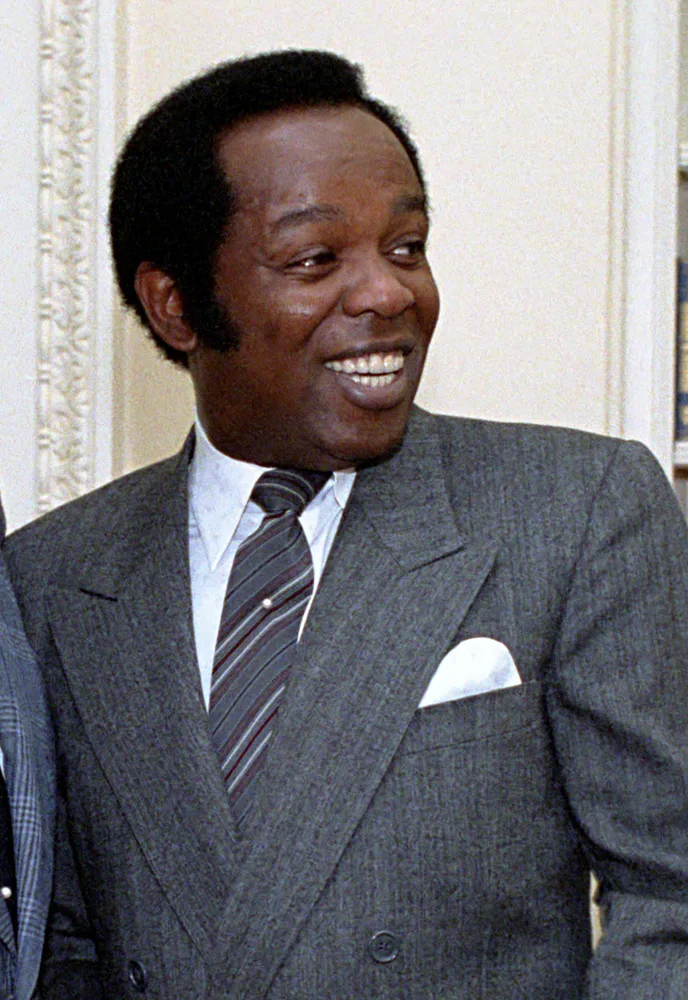
Lou Rawls in the Oval Office, December 3, 1984 Public domain (work of the U.S. federal government, White House Photographic Collection) — Wikimedia Commons - https://commons.wikimedia.org/wiki/File:President_Ronald_Reagan_meeting_with_Lou_Rawls_in_the_Oval_Offiice_(cropped).jpg - U.S. National Archives, Reagan White House Photographs, https://catalog.archives.gov/id/75853775

Lou Rawls was born Louis Allen Rawls in Chicago on December 1, 1933, and was raised by his grandmother in the Ida B. Wells housing project on the city's South Side. He began singing at seven in the choir of Greater Mount Olive Baptist Church, and the local gospel circuit put him in touch with Sam Cooke, who was nearly three years older, and Curtis Mayfield. After Dunbar Vocational High School he sang briefly with Cooke in the Teenage Kings of Harmony and then with the Holy Wonders. In 1951 he took Cooke's place in the Highway QC's when Cooke left for the Soul Stirrers in Los Angeles, and the Chosen Gospel Singers soon brought Rawls to Los Angeles as well, where he joined the Pilgrim Travelers.
He enlisted in the United States Army in 1955 as a paratrooper with the 82nd Airborne Division, made 26 jumps and left three years later as a sergeant, then rejoined the Travelers. In 1958, touring the South with the group and Cooke, he was in a car crash. He was pronounced dead before reaching the hospital, lay in a coma for five and a half days and needed a year to recover, with his memory taking several months to return. He considered it a life-changing event. He sang at the Hollywood Bowl in 1959 with Dick Clark as master of ceremonies, and his first singles, "Love, Love, Love" and "Walkin' (For Miles)," came out on Shar-Dee, a label owned by Herb Alpert. In July 1961 the producer Nick Venet heard him at the Pandora's Box nightclub in Los Angeles and signed him to Capitol Records. In 1962 he sang backing vocals on two Cooke songs, "Bring It On Home to Me" and "That's Where It's At."
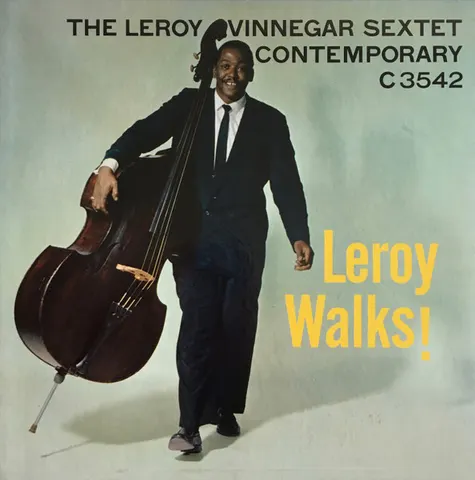
His Capitol years began with the jazz and blues records. Stormy Monday (1962) was an album of blues and jazz standards chosen by Rawls and cut in early 1962 with the Les McCann Trio, meaning McCann on piano, Leroy Vinnegar on bass and Ron Jefferson on drums, with Venet producing. Its ten songs ran from T-Bone Walker's title tune through Billie Holiday's "God Bless the Child," "Willow Weep for Me" and "'Tain't Nobody's Biz-Ness If I Do." Two big-band albums followed, Black and Blue (1963) and Tobacco Road (1964), with the pianist and arranger Onzy Matthews as musical director of a 17-piece band. Matthews was a Los Angeles jazz bandleader whose first big band had been started with help from Dexter Gordon and Curtis Amy, and both albums reached the Billboard charts. A three-song session Rawls cut with the Curtis Amy Sextet on March 11, 1963 stayed in the vault until a 2006 compilation. In 1965 Benny Carter arranged and conducted two more Capitol albums, Nobody But Lou and Lou Rawls and Strings, both produced by David Axelrod.
Live!, released in April 1966, was recorded at Capitol's Los Angeles studios before a small audience, with Axelrod producing and a quartet of Tommy Strode on piano, Herb Ellis on guitar, Jimmy Bond on bass and Earl Palmer on drums. Rawls's spoken introductions carry much of its character, including a "Southside Blues" monologue that leads into "Tobacco Road," and the program runs from "Stormy Monday" and "St. James Infirmary" to "The Shadow of Your Smile" and "The Girl from Ipanema." It was certified gold. The hit records that made his name, though, came from a soul album. Soulin' (1966) contained "Love Is a Hurtin' Thing," his first No. 1 on the R&B chart and a No. 13 pop single, and "Dead End Street" (No. 3 R&B, No. 29 pop) won him the Grammy for Best Male R&B Vocal Performance at the 1968 ceremony. He played the first evening of the Monterey International Pop Festival in 1967. Jazz stayed in the picture: on September 23, 1968, in Hollywood, he was one of two guest vocalists, alongside Nancy Wilson, on the Cannonball Adderley Quintet's In Person, singing "I'd Rather Drink Muddy Water" in front of Adderley, Nat Adderley, Joe Zawinul, Victor Gaskin and Roy McCurdy, a song he had also recorded on Stormy Monday.
Capitol dropped him in 1970. Bobby Hebb and Sandy Baron, who had written "A Natural Man," pressed the song on him and helped him win a contract with MGM; it reached No. 17 on the pop chart in 1971 and earned him a second Grammy at the 1972 ceremony. After a 1974 Bell album, She's Gone, he signed with Philadelphia International in 1976 under his new manager Martin Pichinson. All Things in Time sold a million copies, and its Kenny Gamble and Leon Huff song "You'll Never Find Another Love Like Mine" became his biggest hit, topping the R&B and adult contemporary charts, reaching No. 2 on the Hot 100 and selling a million as a single. "Lady Love" followed from When You Hear Lou, You've Heard It All (1977), and Unmistakably Lou brought a third Grammy for Best Male R&B Vocal Performance in 1978.
In 1980 he started the Lou Rawls Parade of Stars telethon for the United Negro College Fund, an annual event that had raised more than $250 million for the fund by the time he passed away. He took roles in television and film, among them Leaving Las Vegas (1995) and Blues Brothers 2000 (1998), where he was one of the Louisiana Gator Boys, voiced characters in cartoons including Hey Arnold!, sang the title character in a series of Garfield television specials, and received a star on the Hollywood Walk of Fame in 1982.
In 1988 he sang lead on "Save the Bones for Henry Jones," a track on Ray Charles's Columbia album Just Between Us, with Milt Jackson on vibraphone. Blue Note brought him back to jazz and blues in 1989. At Last, produced by Michael Cuscuna and Billy Vera and recorded at Sunset Productions in New York in early 1989 as part of the label's fiftieth-anniversary year, found Rawls singing live in the studio with a rhythm section of Richard Tee, guitarists Cornell Dupree and Steve Khan, bassist Tinker Barfield and drummer Chris Parker. The guests were Ray Charles on "That's Where It's At," the Cooke song Rawls had sung on in 1962, and Dianne Reeves on "Fine Brown Frame" and the title song, with Bobby Hutcherson on vibraphone, Stanley Turrentine and David Newman on tenor saxophone, and George Benson on guitar and background vocals for "You Can't Go Home." It reached No. 1 on Billboard's Contemporary Jazz Albums chart, was nominated for the Grammy for Best Jazz Vocal Performance, Male, and sent him to several European jazz festivals. It's Supposed to Be Fun (1990) followed on Blue Note, again with Cuscuna and Vera producing, and featured the altoist Hank Crawford and the tenor saxophonist Eddie Harris as soloists. Portrait of the Blues (Manhattan, 1993) kept the same producers and Crawford. In 2003 he made Rawls Sings Sinatra for Savoy Jazz, produced by Vera with arrangements by Benny Golson and Mike Melvoin.
In December 2005 it was announced that Rawls was being treated for lung cancer that had spread to his brain. He passed away on January 6, 2006, at Cedars-Sinai Medical Center in Los Angeles. His last public appearances had included his telethon in September 2005 and the national anthem before the second game of the 2005 World Series in Chicago, the city where he was born. In 2021 he was inducted posthumously into the Rhythm & Blues Hall of Fame.
Rawls was a baritone whose sound combined the weight of gospel, the plain speech of the blues and an easy, conversational delivery, and the spoken introductions he built into his sets became part of the act as much as the singing. His gospel apprenticeship, shared with Sam Cooke, ran through the Highway QC's and the Pilgrim Travelers, and his Capitol catalog set him beside the jazz players and arrangers Les McCann, Onzy Matthews, Benny Carter and Benny Golson.
The jazz side of his work is real, and it is a minority of it. It runs through the Capitol records of 1962 to 1966, his guest turn with Cannonball Adderley, the Blue Note albums beginning in 1989 and the Sinatra set of 2003. The larger share of his career, and all three of his Grammy wins, belong to soul and rhythm and blues: the Capitol soul singles, the MGM comeback and the Philadelphia International hits written by Gamble and Huff, plus decades of television, advertising and charity work. Reviewers have long noted that the commercial years overshadowed the early jazz and blues records. The subgenre tags above mark the jazz and blues side of his catalog, not the whole of his career.
- Stormy Monday (1962, Capitol) - His first Capitol album, billed with Les McCann's group, with Leroy Vinnegar on bass and a program of blues and jazz standards. Spotify - Stormy Monday Listen
- Black and Blue (1963, Capitol) - The first of two big-band albums with Onzy Matthews arranging and conducting. Spotify - Black and Blue/Tobacco Road Listen
- Live! (1966, Capitol) - The monologues, the "Tobacco Road" medley and a quartet with Herb Ellis and Earl Palmer, remembered as one of his best albums. Spotify - Live Listen
- Soulin' (1966, Capitol) - The soul record that held "Love Is a Hurtin' Thing," his first No. 1 R&B single. Spotify - Soulin' Listen
- All Things in Time (1976, Philadelphia International) - The Gamble and Huff album with "You'll Never Find Another Love Like Mine." Spotify - All Things In Time Listen
- At Last (1989, Blue Note) - The jazz return, with Dianne Reeves, Ray Charles, Bobby Hutcherson, Stanley Turrentine and George Benson. Spotify - At Last Listen
- Rawls Sings Sinatra (2003, Savoy Jazz) - A late standards album with Benny Golson and Mike Melvoin arranging. Spotify - Rawls Sings Sinatra Listen
- In Person (1968, Capitol; Cannonball Adderley Quintet) - A guest vocal on "I'd Rather Drink Muddy Water" with the Adderley band. Spotify - In Person Listen
Lou Rawls: Full Discography
Discogs artist: Lou Rawls (61588) · Born Louis Allen Rawls, December 1, 1933, Chicago, Illinois · Passed away January 6, 2006, Los Angeles, California
Rawls recorded more than sixty albums, and the table below lists his studio and live albums as a leader. Most of his catalog is soul and rhythm and blues. The jazz-side highlights are the 1962 to 1966 Capitol albums, the 1989 to 1993 Blue Note and Manhattan records and the 2003 Sinatra set. Catalog numbers are those of the original pressings where confirmed. The full release list, including compilations and promotional pressings, is on Discogs.
Leader: Albums
| Album | Year | Label | Personnel & Notes | Listen | Buy |
|---|---|---|---|---|---|
| Stormy Monday | 1962 | Capitol (T-1714) | Billed with Les McCann Ltd. Les McCann (piano), Leroy Vinnegar (bass), Ron Jefferson (drums); produced by Nick Venet. Blues and jazz standards chosen by Rawls, including "God Bless the Child" and "Willow Weep for Me." Reissued by Blue Note in 1990 | Spotify | — |
| The Soul-Stirring Gospel Sounds of the Pilgrim Travelers (Pilgrim Travelers featuring Lou Rawls) | 1962 | Capitol (T 1768) | A reunion with the gospel group he sang with in the 1950s; the cover credits "featuring Louis Rawls" | — | — |
| Black and Blue | 1963 | Capitol (ST 1824) | Arranged and conducted by Onzy Matthews. Twelve tracks including "St. James Infirmary," "Kansas City," "Strange Fruit" and "(What Did I Do to Be So) Black and Blue." Reached the Billboard charts | — | — |
| Tobacco Road | 1964 | Capitol (ST 2042) | Onzy Matthews as musical director of a 17-piece big band. Includes "Georgia on My Mind," "Stormy Weather," "Ol' Man River" and "Summertime." Reached the Billboard charts | Spotify | — |
| Nobody But Lou | 1965 | Capitol (T 2273) | Benny Carter arranging and conducting; produced by David Axelrod | Spotify | — |
| Lou Rawls and Strings | 1965 | Capitol (ST 2401) | Produced by David Axelrod, arranged and conducted by Benny Carter | — | — |
| Live! | 1966 | Capitol (T 2459) | Released April 1966, produced by David Axelrod. Recorded in Los Angeles before a small audience. Tommy Strode (piano), Herb Ellis (guitar), Jimmy Bond (bass), Earl Palmer (drums). Includes the spoken "Southside Blues" and "Street Corner Hustler's Blues" monologues. Certified gold | Spotify | — |
| Soulin' | 1966 | Capitol (ST 2566) | Soul and R&B. Contains "Love Is a Hurtin' Thing," his first No. 1 on the R&B chart | Spotify | — |
| Carryin' On! | 1966 | Capitol | — | — | |
| Too Much! | 1967 | Capitol | — | — | |
| That's Lou | 1967 | Capitol | — | — | |
| Merry Christmas Ho! Ho! Ho! | 1967 | Capitol | Christmas album | — | — |
| Feelin' Good | 1968 | Capitol | — | — | |
| You're Good for Me | 1968 | Capitol | — | — | |
| Central Park Music Festival (shared with Maxine Brown and the Ramsey Lewis Trio) | 1968 | Music Images (ST-2933) | Recorded live at the Central Park Music Festival in New York | — | — |
| Come On In, Mister Blues | 1968 | Pickwick | — | — | |
| The Way It Was, The Way It Is | 1969 | Capitol | Includes "Your Good Thing (Is About to End)," "When a Man Loves a Woman" and "Season of the Witch." Reached No. 103 on the Billboard Top LPs chart | — | — |
| Your Good Thing | 1969 | Capitol | — | — | |
| You've Made Me So Very Happy | 1970 | Capitol | — | — | |
| Bring It On Home... and Other Great Sam Cooke Hits | 1970 | Capitol | Tribute to his childhood friend Sam Cooke | — | — |
| Natural Man | 1971 | MGM | Contains "A Natural Man," No. 17 on the Hot 100 | — | — |
| Silk & Soul | 1972 | MGM | — | — | |
| A Man of Value | 1972 | MGM | — | — | |
| Live at the Century Plaza | 1973 | MGM | Live album | — | — |
| She's Gone | 1974 | Bell | — | — | |
| All Things in Time | 1976 | Philadelphia International (PZ 33957) | Contains the Kenny Gamble and Leon Huff song "You'll Never Find Another Love Like Mine." Sold a million copies | Spotify | — |
| Naturally | 1976 | Polydor | — | — | |
| Unmistakably Lou | 1977 | Philadelphia International (PZ 34488) | Won the 1978 Grammy for Best Male R&B Vocal Performance | Spotify | — |
| When You Hear Lou, You've Heard It All | 1977 | Philadelphia International (JZ 35036) | Contains "Lady Love" | — | — |
| Live | 1978 | Philadelphia International (PZ2 35517) | Live double album | Spotify | — |
| Let Me Be Good to You | 1979 | Philadelphia International | — | — | |
| Sit Down and Talk to Me | 1979 | Philadelphia International | — | — | |
| Shades of Blue | 1980 | Philadelphia International (JZ 36774) | Cornell Dupree is among the guitarists | — | — |
| Here Comes Garfield | 1982 | Epic | Songs for the Garfield television specials | — | — |
| Now Is the Time | 1982 | Epic | — | — | |
| When the Night Comes | 1983 | Epic (FE 38553) | Contains "Wind Beneath My Wings" | — | — |
| Close Company | 1984 | Epic | — | — | |
| Trying As Hard As I Can | 1984 | Allegiance | — | — | |
| Holiday Cheer (with Lena Horne) | 1985 | Capitol Special Markets (4XL 9238) | Holiday album | — | — |
| Love All Your Blues Away | 1986 | Epic | — | — | |
| Family Reunion | 1987 | Gamble and Huff | — | — | |
| At Last | 1989 | Blue Note (B1-91937) | Produced by Michael Cuscuna and Billy Vera; recorded at Sunset Productions, New York, in early 1989. Richard Tee (keyboards), Cornell Dupree and Steve Khan (guitar), Tinker Barfield (bass), Chris Parker (drums); guests Ray Charles, Dianne Reeves, Bobby Hutcherson (vibraphone), Stanley Turrentine and David "Fathead" Newman (tenor saxophone), George Benson (guitar, background vocal); horns by Jack Walrath, Steve Turre, Bobby Watson and Howard Johnson. No. 1 on the Contemporary Jazz Albums chart; Grammy nominee, Best Jazz Vocal Performance, Male | Spotify | — |
| It's Supposed to Be Fun | 1990 | Blue Note (CDP 7 93841 2) | Produced by Michael Cuscuna and Billy Vera (title track by Narada Michael Walden). Hank Crawford (alto saxophone) and Eddie Harris (tenor saxophone) solo on several tracks; also Dick Oatts, Bobby Watson, Steve Turre and Cornell Dupree | Spotify | — |
| Portrait of the Blues | 1993 | Manhattan (CDP 0777 7 99548 2 7) | Produced by Michael Cuscuna and Billy Vera; recorded April to October 1992. Richard Tee (keyboards), Steve Khan (guitar), Hank Crawford (alto saxophone), Tinker Barfield (bass), Chris Parker (drums) | — | — |
| Christmas Is the Time | 1993 | Manhattan | Christmas album | — | — |
| Seasons 4 U | 1998 | Rawls & Brokaw | — | — | |
| Classic Soul | 1999 | TKO Magnum | — | — | |
| Swingin' Christmas | 2000 | EMI-Capitol | Christmas album | — | — |
| I'm Blessed | 2001 | Malaco | Gospel | — | — |
| Rawls Sings Sinatra | 2003 | Savoy Jazz (SCD 17284) | Produced by Billy Vera. Arrangements by Benny Golson (also tenor saxophone) and Mike Melvoin (piano); Brian Bromberg (bass), John Guerin (drums), with a studio horn section. Twelve Sinatra songs from "Come Fly with Me" to "One for My Baby" | Spotify | — |
| Christmas | 2004 | Hy-Lo | Christmas album | — | — |
Guest and Sideman Appearances (selected)
| Year | Project (Leader) | Title | Label | Catalog | Role | Notes |
|---|---|---|---|---|---|---|
| 1962 | Sam Cooke | "Bring It On Home to Me" | RCA Victor | — | Backing vocals | Rawls sang backing vocals for Cooke, his friend from the Chicago gospel scene |
| 1968 | Cannonball Adderley Quintet | In Person | Capitol | ST-162 | Guest vocalist, one track | Sings "I'd Rather Drink Muddy Water"; recorded in Hollywood on September 23, 1968, with Nancy Wilson guesting on another track. Cannonball and Nat Adderley with Joe Zawinul, Victor Gaskin and Roy McCurdy; produced by David Axelrod. Spotify |
| 1973 | Cannonball Adderley | Cannonball Adderley and Friends | Capitol | SVBB-511233 | Guest vocalist, one track | Two-LP compilation that reissues the same "I'd Rather Drink Muddy Water" |
| 1977 | Philadelphia International All Stars | "Let's Clean Up the Ghetto" | Philadelphia International | — | Credited as an appearance | All-star project by the label's artists |
| 1988 | Ray Charles | Just Between Us | Columbia | FC 40703 | Lead vocal on "Save the Bones for Henry Jones" | Milt Jackson on vibraphone for the track |
| 1998 | Various | Blues Brothers 2000 (soundtrack) | Universal | — | One of the Louisiana Gator Boys | The film's all-star blues band |
Compilations (selected)
| Title | Year | Label | Notes |
|---|---|---|---|
| Anthology | 2000 | Capitol (2 CD) | Two-disc set of his Capitol recordings |
| I Can't Make It Alone: The Axelrod Years | 2004 | Stateside | The Capitol recordings produced by David Axelrod |
| The Best of Lou Rawls: The Capitol Jazz & Blues Sessions | 2006 | Capitol Jazz (0946 3 56944 2 0) | Compiled by Michael Cuscuna. Includes a March 11, 1963 session with the Curtis Amy Sextet, first issued here, and big-band tracks arranged by Benny Carter, Benny Golson and Onzy Matthews |
| Black and Blue and Tobacco Road | 2006 | Capitol Jazz | The two Onzy Matthews big-band albums on one release Spotify |
| Stormy Monday / Ballads | 1997 | Blue Note (2 CD) | Pairs Stormy Monday with a ballads collection |
| Capitol Jazz 50th Anniversary Collection (various artists) | 1992 | Capitol Jazz | Contains a Rawls track |
Singles on the Charts (selected)
US chart peaks from Joel Whitburn's chart books as compiled on Wikipedia; a dash means the single did not chart there.
| Year | Single | US Pop | US R&B | US Adult Contemporary | UK |
|---|---|---|---|---|---|
| 1965 | "Three O'Clock in the Morning" | 83 | — | 27 | — |
| 1966 | "The Shadow of Your Smile" | — | 33 | — | — |
| 1966 | "Love Is a Hurtin' Thing" | 13 | 1 | — | — |
| 1966 | "You Can Bring Me All Your Heartaches" | 55 | 35 | — | — |
| 1967 | "Dead End Street" | 29 | 3 | — | — |
| 1967 | "Show Business" | 45 | 25 | — | — |
| 1969 | "Your Good Thing (Is About to End)" | 18 | 3 | 35 | — |
| 1970 | "You've Made Me So Very Happy" | 95 | 32 | 31 | — |
| 1971 | "A Natural Man" | 17 | 17 | 14 | — |
| 1974 | "She's Gone" | — | 81 | — | — |
| 1976 | "You'll Never Find Another Love Like Mine" | 2 | 1 | 1 | 10 |
| 1976 | "Groovy People" | 64 | 19 | 19 | — |
| 1977 | "See You When I Git There" | 66 | 8 | — | — |
| 1978 | "Lady Love" | 24 | 21 | 5 | — |
| 1979 | "Let Me Be Good to You" | — | 11 | — | — |
Awards
| Year | Category | Work | Result |
|---|---|---|---|
| 1968 | Best Male R&B Vocal Performance | "Dead End Street" | Winner |
| 1972 | Best Male R&B Vocal Performance | "A Natural Man" | Winner |
| 1976 | Best Male Pop Vocal Performance | "You'll Never Find Another Love Like Mine" | Nominee |
| 1978 | Best Male R&B Vocal Performance | Unmistakably Lou | Winner |
| 1990 | Best Jazz Vocal Performance, Male | At Last | Nominee |
Other honors: a star on the Hollywood Walk of Fame (1982); the American Music Award for Favorite Soul/R&B Male Artist (1979, tied with Teddy Pendergrass); induction into the Rhythm & Blues Hall of Fame (2021, posthumous).
- Les McCann - pianist and leader of the trio on Stormy Monday (1962), with Leroy Vinnegar on bass and Ron Jefferson on drums.
- Onzy Matthews - pianist and arranger who led the big band on Black and Blue (1963) and Tobacco Road (1964); the orchestra work that made Rawls a Capitol artist.
- David Axelrod - Capitol producer of Live!, Nobody But Lou and Lou Rawls and Strings.
- Benny Carter - arranged and conducted Nobody But Lou and Lou Rawls and Strings (1965).
- Herb Ellis, Tommy Strode, Jimmy Bond and Earl Palmer - the quartet on Live! (1966).
- Curtis Amy - his sextet backed Rawls on an unreleased session of March 11, 1963, first issued in 2006.
- Cannonball Adderley, Nat Adderley and Joe Zawinul - the quintet on In Person (1968), where Rawls and Nancy Wilson each sing one song.
- Sam Cooke - childhood friend from the Chicago gospel scene, whose songs Rawls sang on and later honored on the 1970 album Bring It On Home... and Other Great Sam Cooke Hits.
- Eddie Harris, Dick Oatts, Bobby Watson and Steve Turre - soloists on It's Supposed to Be Fun (1990); Watson and Turre also play on At Last (1989).
- Kenny Gamble and Leon Huff - the Philadelphia International writers and producers behind All Things in Time (1976).
- Michael Cuscuna and Billy Vera - producers of At Last (1989), It's Supposed to Be Fun (1990) and Portrait of the Blues (1993); Vera also produced Rawls Sings Sinatra (2003).
- Ray Charles and Dianne Reeves - duet partners on At Last; Charles had earlier featured Rawls on Just Between Us (1988).
- Milt Jackson - vibraphone behind Rawls on "Save the Bones for Henry Jones" (1988).
- Bobby Hutcherson, Stanley Turrentine, David Newman, Cornell Dupree, Steve Khan, Richard Tee and George Benson - the soloists and rhythm players on At Last.
- Hank Crawford - alto saxophone on Portrait of the Blues (1993) and soloist on four tracks of It's Supposed to Be Fun (1990).
- Ramsey Lewis - his trio shares the live album Central Park Music Festival (1968) with Rawls and Maxine Brown.
- Benny Golson and Mike Melvoin - arrangers of Rawls Sings Sinatra (2003).
- Duke Ellington - appears on The Lou Rawls Show, a television hour originally produced in 1971 and issued on DVD in 2005.
- Lena Horne - co-billed on the 1985 Capitol holiday album Holiday Cheer.
More Vocal Jazz Artists
See all 220 Vocal Jazz artists →More American Jazz Artists
See all 646 American artists →- Wikipedia: Lou Rawls
- Wikipedia: Stormy Monday (Lou Rawls album)
- Wikipedia: At Last (Lou Rawls album)
- Wikipedia: In Person (Cannonball Adderley album)
- Wikipedia: Onzy Matthews
- Wikipedia: Just Between Us (Ray Charles album)
- Wikipedia: A Natural Man (song)
- Wikipedia: You'll Never Find Another Love Like Mine
- Discogs: Lou Rawls
- All About Jazz: Lou Rawls, Live! (review by C. Andrew Hovan)
- All About Jazz: The Best of Lou Rawls, The Capitol Jazz & Blues Sessions (review by Jim Santella)
- The Big Takeover: Lou Rawls, The Best of: The Capitol Jazz & Blues Sessions
- Blue Note Records discography 1989 to 1990 (jazzdisco.org)
- JazzTimes: Lou Rawls, Rawls Sings Sinatra
- Grammy.com: Lou Rawls