 JAZZPROFILES lives in the music 2,303 Jazz Artists fully Profiled!
Al Hirt
Last updated November 6, 2026
Listen on Spotify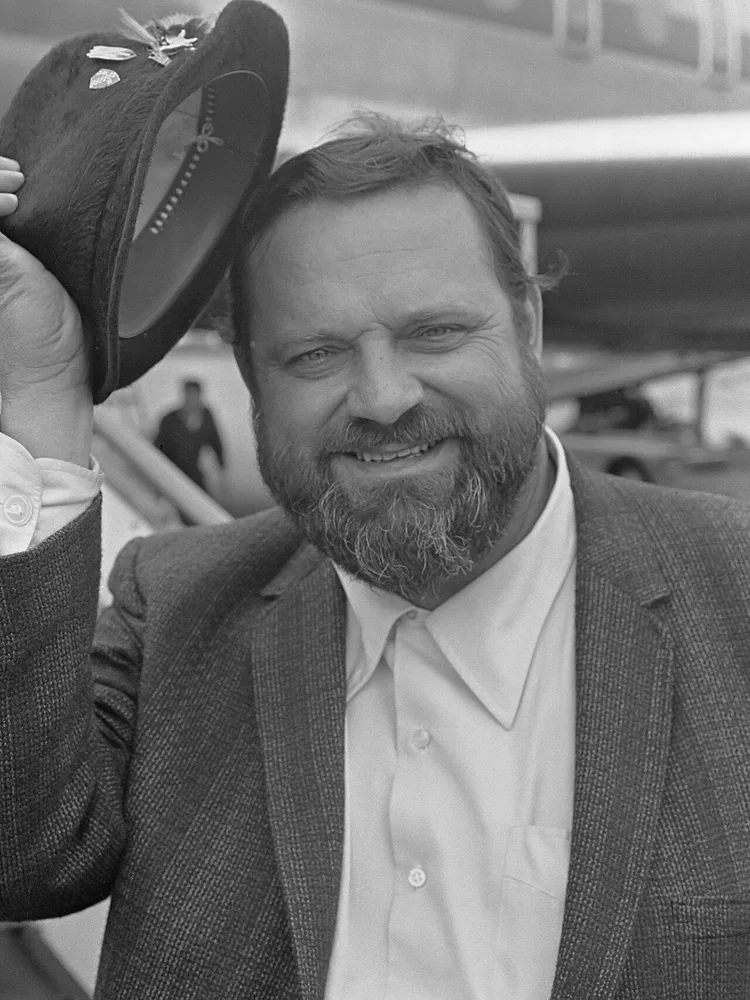
Al Hirt at Schiphol Airport, Netherlands, September 28, 1966 CC0 (public domain dedication) — Wikimedia Commons - https://commons.wikimedia.org/wiki/File:Al_Hirt_(1966).jpg - Ron Kroon for Anefo, Nationaal Archief

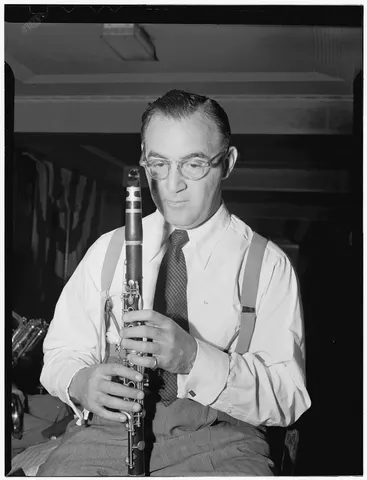
Alois Maxwell Hirt was born in New Orleans on November 7, 1922, the son of a police officer. He was given his first trumpet at six, bought at a pawnshop, and played in the city's Junior Police Band. By sixteen he was working professionally, often alongside his friend Pete Fountain while still a student at Jesuit High School, and a job playing at the local racetrack began a connection to horse racing that lasted six decades. In 1940 he went to Cincinnati to study at the Cincinnati Conservatory of Music with Frank Simon, a former soloist with John Philip Sousa's band. After service as an Army bugler in World War II he played in swing big bands, among them those of Tommy Dorsey, Jimmy Dorsey, Benny Goodman and Ina Ray Hutton; AllMusic's Scott Yanow also lists Ray McKinley. In 1950 he became first trumpet and featured soloist with Horace Heidt's orchestra, and after several years on the road he came home to New Orleans to lead his own bands and work with Dixieland groups.
Hirt disclaimed the jazz label. He said later that he was not a jazz trumpeter and never had been, yet his New Orleans records of the 1950s are Dixieland jazz: sessions with the bandleader Monk Hazel, albums for the local Southland label, and the Audio Fidelity series Swingin' Dixie, recorded at Dan's Pier 600 on Bourbon Street. From the mid-1950s to the early 1960s his band played there nightly, in a club owned by his business manager Dan Levy Sr., and for a time he co-led the band with Fountain. In 1962 he opened his own room, Basin Street South, on Bourbon Street in the French Quarter, which stayed open until 1983.
RCA Victor signed him, and the label turned a fast, brilliant trumpeter into a pop star. He placed twenty-two albums on the Billboard charts in the 1950s and 1960s. Honey in the Horn (1963), produced by Chet Atkins and Steve Sholes with Nashville session players, reached No. 3, and its single "Java," an Allen Toussaint tune, climbed to No. 4 on the Billboard Hot 100 on February 29, 1964 and spent four weeks at No. 1 on the easy listening chart. Cotton Candy and Sugar Lips followed in 1964, reaching No. 6 and No. 9 on the album chart, with the title tracks at No. 15 and No. 30 on the Hot 100. Both Honey in the Horn and "Java" sold more than a million copies and earned gold discs. At the 6th Annual Grammy Awards, held May 12, 1964, "Java" won the award for Best Performance by an Orchestra or Instrumentalist with Orchestra, Not for Jazz or Dancing. The same ceremony nominated Honey in the Horn for Album of the Year and nominated Our Man in New Orleans, his Dixieland set arranged by Marty Paich, in both of that year's instrumental jazz performance categories. Over his lifetime he received eight Grammy nominations.
The television and film work followed from the hits. "Sugar Lips" became the theme of the NBC game show Eye Guess, which aired from 1966 to 1969, and Hirt recorded the "Green Hornet Theme," Billy May's arrangement of Rimsky-Korsakov's "Flight of the Bumblebee," for the television series; the recording reached a new audience in the 2003 film Kill Bill. He appeared in the 1962 feature Rome Adventure, hosted the CBS summer series Fanfare in 1965, and became a minority owner of the NFL's New Orleans Saints in 1967. On January 11, 1970 he performed at the Super Bowl IV halftime show alongside Marguerite Piazza, Lionel Hampton, Doc Severinsen and the Southern University marching band. In 1986 he joined Sarah Vaughan, Dizzy Gillespie, Chuck Mangione, Don Cherry and Maynard Ferguson for a televised jazz session in New Orleans, and in 1987 he played "Ave Maria" for Pope John Paul II's visit to the city.
On February 8, 1970, riding a float in a Mardi Gras parade, Hirt was hurt in the mouth and needed twelve stitches inside his upper lip. It was widely reported that he had been hit by a thrown brick or piece of concrete, but the cause rests mainly on his own account, and police described that year's Mardi Gras as unusually rough. He had surgery and returned to the club circuit. Saturday Night Live later parodied the story with a contest called "Let's Hit Al Hirt in the Mouth with a Brick."
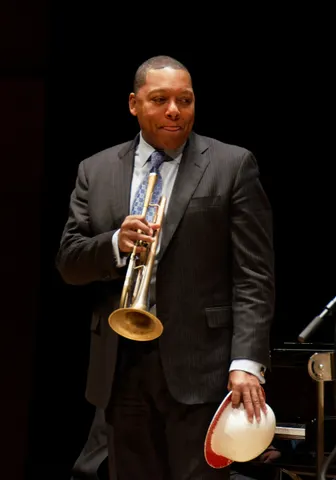
He stayed a New Orleans fixture to the end. When Wynton Marsalis was six, Hirt, sitting at a table with the boy's father and other trumpeters, offered to give him his first trumpet. Hirt spent his last year in a wheelchair because of swelling in his leg, and he passed away in New Orleans on April 27, 1999, at 76, of liver failure. His wife Beverly Essel Hirt and eight children from an earlier marriage survived him. The Louisiana Music Hall of Fame inducted him in November 2009.
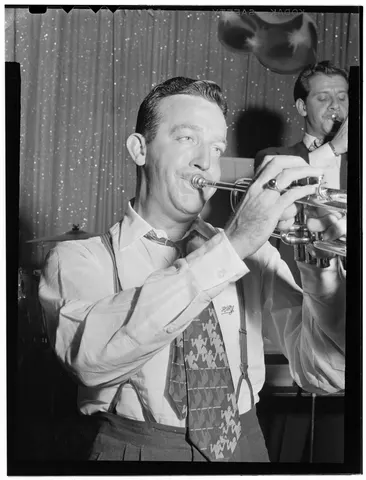
Hirt was a big-toned, fast-fingered trumpeter with a wide range and a classical background, and the critics who admired his technique were often the ones who wished he had used it differently. Scott Yanow wrote that he was frequently overqualified for the Dixieland and pop material he played, that he tended to play far too many notes, and that his early Audio Fidelity recordings of 1958 to 1960 and his collaborations with Fountain are the most rewarding of his career. Yanow names Harry James as an influence, and the swing era shows in his phrasing. His first RCA Victor album, He's the King (1961), mixes Dixieland and swing repertoire, including "Jazz Me Blues," "One O'Clock Jump" and Louis Armstrong's "Cornet Chop Suey."
Most of the records that made him famous are instrumental pop, and they are described that way here. The Nashville-built Honey in the Horn, Cotton Candy and Sugar Lips wrap the trumpet in Anita Kerr's vocal group and a Music Row rhythm section; Horn A-Plenty (1962) puts him in front of a Billy May big band playing standards and show tunes; later RCA albums include Latin and soul sets and a Bert Kaempfert tribute, and in the 1970s he recorded for the Nashville label Monument. The Grammy category that rewarded "Java" was literally labeled as not for jazz or dancing. The jazz side is real but runs through Dixieland: the New Orleans club sets, the Fountain collaborations, Our Man in New Orleans, and the 1986 session with Dizzy Gillespie, Chuck Mangione and Don Cherry. Among the early-1960s instrumental hitmakers, Herb Alpert and Acker Bilk are the closest comparisons, and AllMusic lists Alpert as a related artist.
- Swingin' Dixie! At Dan's Pier 600 in New Orleans (1958, Audio Fidelity) - The first of the club-recorded series, with clarinetist Harold Cooper, pianist Ronnie Dupont and bassist Bob Coquille; Yanow ranks this period among Hirt's best work.
- Al Hirt's Jazz Band Ball (1958, Verve) - Dixieland with Pete Fountain on clarinet and tenor saxophone, also issued under the title Blockbustin' Dixie.
- The Greatest Horn in the World (1961, RCA Victor) - A standards record with "Stella by Starlight," "Georgia on My Mind" and "Willow Weep for Me," and a No. 21 album.
- Honey in the Horn (1963, RCA Victor) - The breakthrough: a gold album at No. 3, nominated for Album of the Year, and the home of "Java." Spotify - "Java" Listen
- Our Man in New Orleans (1963, RCA Victor) - A twelve-tune Dixieland program arranged and conducted by Marty Paich, and the album behind his two 1964 jazz Grammy nominations.
- Cotton Candy (1964, RCA Victor) - The title track reached No. 15 on the Hot 100 and the album reached No. 6. Spotify - Cotton Candy Listen
- Sugar Lips (1964, RCA Victor) - A No. 9 album carrying the title hit and "Up Above My Head (I Hear Music in the Air)." Spotify - Sugar Lips Listen
- The Horn Meets "The Hornet" (1966, RCA Victor) - The tie-in album for the television series, built around his "Green Hornet Theme." Spotify - "Green Hornet Theme" Listen
Al Hirt: Full Discography
Discogs artist: Al Hirt (266136) · Born Alois Maxwell Hirt, November 7, 1922, New Orleans, Louisiana. Discogs also files band billings under separate entries: Al Hirt And His Band (1509469), Al Hirt And His Orchestra (2324938), Al Hirt And His Dixieland Band (12908288) and Al Hirt Sextet (8014663).
Hirt made well over forty albums for RCA Victor and other labels. The tables below are a representative set of the leader albums, with catalog numbers where the release was checked, and they are not an exhaustive listing. Chart positions are Billboard 200 peaks unless noted. Most of the RCA Victor hits are instrumental pop; the Dixieland and swing dates are labeled as such in the notes. The Buy column is left empty throughout.
Leader: Albums
| Album | Year | Label | Personnel & Notes | Charts | Listen | Buy |
|---|---|---|---|---|---|---|
| Al Hirt and His New Orleans All Stars | 1957 | Southland (SLP 211) | An early New Orleans date for the local Southland label. | — | — | — |
| Swingin' Dixie! (At Dan's Pier 600 in New Orleans) | 1958 | Audio Fidelity (AFLP 1877) | Recorded in Hirt's Bourbon Street club. Harold Cooper (clarinet), Ronnie Dupont (piano), Bob Coquille (bass). | — | — | — |
| Al Hirt's Jazz Band Ball | 1958 | Verve (MGV-1012) | Pete Fountain (clarinet, tenor saxophone), Roy Zimmerman (piano), Bob Coquille (bass), Paul Edwards (drums). The same program also appeared as Blockbustin' Dixie (Verve V-1028), credited to Hirt and Fountain. | — | — | — |
| Swingin' Dixie! (At Dan's Pier 600 in New Orleans) Vol. 2 | 1959 | Audio Fidelity (AFSD 5878) | Stereo follow-up with Cooper, Dupont, Coquille (five-string bass) and Paul Edwards (drums); produced by Sidney Frey. | — | — | — |
| Swingin' Dixie, Vol. 3 | 1960 | Audio Fidelity | Third volume of the club series. | — | — | — |
| Swingin' Dixie, Vol. 4 | 1961 | Audio Fidelity (AFLP 1927) | Fourth and last volume of the club series. | — | — | — |
| Al (He's the King) Hirt and His Band | 1961 | RCA Victor (LSP-2354) | His first RCA Victor album, produced by Steve Sholes. Includes "Jazz Me Blues," "One O'Clock Jump" and "Cornet Chop Suey." | No. 61 | — | — |
| The Greatest Horn in the World | 1961 | RCA Victor (LPM-2366) | Standards with Henri René and his orchestra, including "Stella by Starlight," "Georgia on My Mind" and "Willow Weep for Me"; produced by Steve Sholes. | No. 21 | — | — |
| At the Mardi Gras | 1962 | RCA Victor | New Orleans Dixieland set with Pee Wee Spitelera (clarinet, tenor saxophone), Bill Kelsey (saxophones), Ronnie Dupont (piano) and Lowell Miller (bass, tuba). | — | — | — |
| Horn A-Plenty | 1962 | RCA Victor (LSP-2446) | Arranged and conducted by Billy May with Hollywood session players, among them Jimmy Rowles (piano), Irv Cottler (drums) and Al Hendrickson (guitar); produced by Steve Sholes. | No. 24 | — | — |
| Trumpet and Strings | 1962 | RCA Victor (LSP-2584) | Arranged and conducted by Marty Paich. | No. 96 | — | — |
| Honey in the Horn | 1963 | RCA Victor (LPM-2733) | Produced by Chet Atkins and Steve Sholes. Floyd Cramer (piano), Bob Moore (bass), Grady Martin and Ray Edenton (guitars), Boots Randolph (saxophone), the Anita Kerr Singers. Gold album; nominated for Album of the Year. Contains "Java." | No. 3 | Spotify | — |
| Our Man in New Orleans | 1963 | RCA Victor (LPM-2607 mono, LSP-2607 stereo) | Dixieland program arranged and conducted by Marty Paich, with Pee Wee Spitelera (clarinet), Ronnie Dupont (piano), Lowell Miller (bass) and Frank Hudec (drums); produced by Steve Sholes. Nominated in both 1964 instrumental jazz performance categories. | No. 44 | — | — |
| Beauty and the Beard | 1964 | RCA Victor (LSP-2690) | Duet album with Ann-Margret; Marty Paich arranged and conducted, with Eddie Miller (tenor saxophone) and Pee Wee Spitelera (clarinet). | No. 83 | — | — |
| "Pops" Goes the Trumpet (Holiday for Brass) | 1964 | RCA Victor Red Seal (LSC-2729) | Hirt as soloist with Arthur Fiedler and the Boston Pops; includes a new version of "Java." | — | — | — |
| Cotton Candy | 1964 | RCA Victor (LPM-2917) | Produced by Chet Atkins with the Nashville group and the Anita Kerr Singers. Gold-selling hit; the single reached No. 15 on the Hot 100. | No. 6 | Spotify | — |
| Sugar Lips | 1964 | RCA Victor (LSP-2965) | Produced by Chet Atkins; Anita Kerr arranged most tracks, with Floyd Cramer (piano) and Jerry R. Hubbard (guitar). The title single reached No. 30 on the Hot 100. | No. 9 | Spotify | — |
| Live at Carnegie Hall | 1965 | RCA Victor (LPM-3416) | Gerald Wilson arranged and conducted most of the program; Pee Wee Spitelera (clarinet), Fred Crane (piano), Jay Cave (bass), Jimmy Zitano (drums); produced by Jim Foglesong. | No. 47 | — | — |
| That Honey Horn Sound | 1965 | RCA Victor (LSP-3337) | Produced by Chet Atkins; arrangements by Anita Kerr and Claus Ogerman. Contains "Fancy Pants." | No. 28 | — | — |
| The Sound of Christmas | 1965 | RCA Victor | Holiday album. | — | — | — |
| They're Playing Our Song | 1965 | RCA Victor (LSP-3492) | Arranged and conducted by Marty Manning; produced by Jim Foglesong. | No. 39 | — | — |
| The Happy Trumpet | 1966 | RCA Victor (LSP-3579) | Arrangements by Dick Hyman, Sammy Lowe and Sid Bass. | No. 125 | — | — |
| The Horn Meets "The Hornet" | 1966 | RCA Victor (LSP-3716) | Tie-in album for the television series, built around the "Green Hornet Theme." | — | Spotify | — |
| Latin in the Horn | 1966 | RCA Victor (LSP-3653) | Arranged and conducted by Lalo Schifrin. | — | — | — |
| Soul in the Horn | 1967 | RCA Victor (LSP-3878) | Arranged and conducted by Teacho Wiltshire. | — | — | — |
| Struttin' Down Royal Street | 1967 | RCA Camden (CAS-2138) | Dixieland program led and arranged by Marty Paich. | — | — | — |
| Music to Watch Girls By | 1967 | RCA Victor | The title track was arranged by Sid Ramin on its single release. | — | — | — |
| Al Hirt Plays Bert Kaempfert | 1968 | RCA Victor (LSP-3917) | Tribute to the German bandleader and composer Bert Kaempfert. | No. 116 | — | — |
| In Love with You | 1968 | RCA Victor (LSP-4020) | Arranged and conducted by Bill Walker. | — | — | — |
| Al Hirt Now! | 1968 | RCA Victor (LSP-4101) | Arrangements by Bill Walker and Joe René. | — | — | — |
| Unforgettable | 1968 | RCA Victor (LSP-3979) | Arranged and conducted by Bill Walker. | — | — | — |
| Here in My Heart | 1969 | RCA Victor (LSP-4161) | Arranged and conducted by Joe René; Hirt is credited on a LeBlanc trumpet. | — | — | — |
| Paint Your Wagon | 1969 | GWP Records (ST 2002) | Show-tune album. | — | — | — |
| Al Hirt Country | 1970 | GWP Records (ST 2005) | Country repertoire, including "Orange Blossom Special." | — | — | — |
| Raw Sugar / Sweet Sauce / Banana Pudd'n' | 1974 | Monument (KZ 32913) | Nashville sessions arranged and co-produced by Bill Justis with Fred Foster; Pee Wee Spitelera on clarinet, Kenny Buttrey on drums. | — | — | — |
| Jumbo's Gumbo | 1975 | Monument (PZ 33885) | Arranged and produced by Bill Justis, with Fred Foster. | — | — | — |
| That's a Plenty | 1988 | Pro-Arte | Late-career album. | No. 9 US Jazz | — | — |
| Cotton Candy | 1989 | ProJazz (CDJ 670) | A new studio version of his signature album title, with Peanuts Hucko on clarinet and Dave Zoller on piano. | No. 12 US Jazz | — | — |
| Jazzin' at the Pops | 1989 | ProJazz | Late-career album. | — | — | — |
Singles that reached the Hot 100
| Year | Single | Hot 100 | Adult Contemporary | Label |
|---|---|---|---|---|
| 1964 | "Java" | No. 4 | No. 1 | RCA Victor 8280 |
| 1964 | "Cotton Candy" | No. 15 | No. 3 | RCA Victor 8346 |
| 1964 | "Sugar Lips" | No. 30 | No. 3 | RCA Victor 8391 |
| 1964 | "Up Above My Head (I Hear Music in the Air)" | No. 85 | No. 12 | RCA Victor 8439 |
| 1965 | "Fancy Pants" | No. 47 | No. 9 | RCA Victor 8487 |
| 1965 | "Al's Place" | No. 57 | No. 13 | RCA Victor 8543 |
| 1965 | "The Silence (Il Silenzio)" | No. 96 | No. 19 | RCA Victor 8653 |
| 1968 | "Keep the Ball Rollin'" | No. 100 | No. 10 | RCA Victor 9417 |
As Guest and Co-Billed Artist
| Year | Project (Leader) | Title | Label | Catalog | Role | Notes |
|---|---|---|---|---|---|---|
| 1962 | Pete Fountain with Al Hirt | Presenting Pete Fountain with Al Hirt: Bourbon Street | Coral | CRL 57389 | Trumpet | Hirt plays on four of the eight tracks; Fountain on clarinet, with Eddie Miller (tenor saxophone) and Ray Bauduc among the drummers. |
| 1986 | Sarah Vaughan and friends | Sass & Brass: A Jazz Session | HBO Video | 0039 | Trumpet | Television concert recorded at Storyville Jazz Hall in New Orleans with Dizzy Gillespie, Chuck Mangione, Don Cherry, Maynard Ferguson, Herbie Hancock, Ron Carter and Billy Higgins. Hirt is credited on "Watermelon Man," "I Can't Get Started," "Bags' Groove" and "Take the 'A' Train." |
Compilations
The Best of Al Hirt (RCA Victor, LPM-3309, 1965) · The Best of Al Hirt, Volume 2 (RCA Victor, 1966) · Honey in the Horn / Our Man in New Orleans (1999 reissue). Further reissues and budget compilations are listed on Discogs.
Awards
| Year | Category | Work | Result |
|---|---|---|---|
| 1964 (6th Annual Grammy Awards) | Best Performance by an Orchestra or Instrumentalist with Orchestra, Not for Jazz or Dancing | "Java" | Winner |
| 1964 | Album of the Year (other than classical) | Honey in the Horn | Nominee |
| 1964 | Best Instrumental Jazz Performance, Soloist or Small Group | Our Man in New Orleans | Nominee |
| 1964 | Best Instrumental Jazz Performance, Large Group | Our Man in New Orleans | Nominee |
| 2009 | Louisiana Music Hall of Fame | Induction | Inducted |
He received eight Grammy nominations in all.
- Pete Fountain - the New Orleans clarinetist who played with Hirt from their teens, co-led the band at Dan's Pier 600, and shared records with him, among them Al Hirt's Jazz Band Ball (1958) and the Coral set Bourbon Street (1962), on which Hirt plays four of the eight tracks.
- Chet Atkins and Steve Sholes - the RCA producers behind Honey in the Horn, Cotton Candy and Sugar Lips, with Nashville players including Floyd Cramer on piano, Boots Randolph on saxophone, Bob Moore on bass, and Grady Martin and Ray Edenton on guitar.
- Anita Kerr and the Anita Kerr Singers - the vocal group on Honey in the Horn, Cotton Candy and Sugar Lips, with Kerr also arranging.
- Billy May - arranged and conducted Horn A-Plenty (1962) and arranged the "Green Hornet Theme"; the album's Los Angeles band included Jimmy Rowles on piano.
- Marty Paich - arranged and conducted Our Man in New Orleans (1963), Trumpet and Strings (1962) and Beauty and the Beard (1964), the last shared with Ann-Margret.
- Arthur Fiedler and the Boston Pops - recorded "Pops" Goes the Trumpet (Holiday for Brass) (1964) with Hirt as soloist.
- Lionel Hampton - fellow performer at the Super Bowl IV halftime show on January 11, 1970.
- Sarah Vaughan, Dizzy Gillespie, Chuck Mangione, Don Cherry, Maynard Ferguson, Herbie Hancock, Ron Carter and Billy Higgins - the 1986 New Orleans television session Sass & Brass: A Jazz Session, on which Hirt is credited on "Watermelon Man," "I Can't Get Started," "Bags' Groove" and "Take the 'A' Train."
- Wynton Marsalis - received his first trumpet from Hirt at age six.
More Dixieland Artists
See all 54 Dixieland artists →More American Jazz Artists
See all 820 American artists →- Wikipedia: Al Hirt
- Wikipedia: Java (instrumental)
- Wikipedia: Honey in the Horn
- Wikipedia: Our Man in New Orleans
- Wikipedia: 6th Annual Grammy Awards
- Wikipedia: Pete Fountain
- Wikipedia: Wynton Marsalis
- AllMusic: Al Hirt biography by Scott Yanow
- Discogs: Al Hirt
- Discogs: Sass & Brass: A Jazz Session
- MusicBrainz: Al Hirt
- Wikimedia Commons: Al Hirt (1966)
