 JAZZPROFILES lives in the music 1,572 Jazz Artists fully Profiled!
 Jimmy Rowles
Last updated September 7, 2026
Listen on Spotify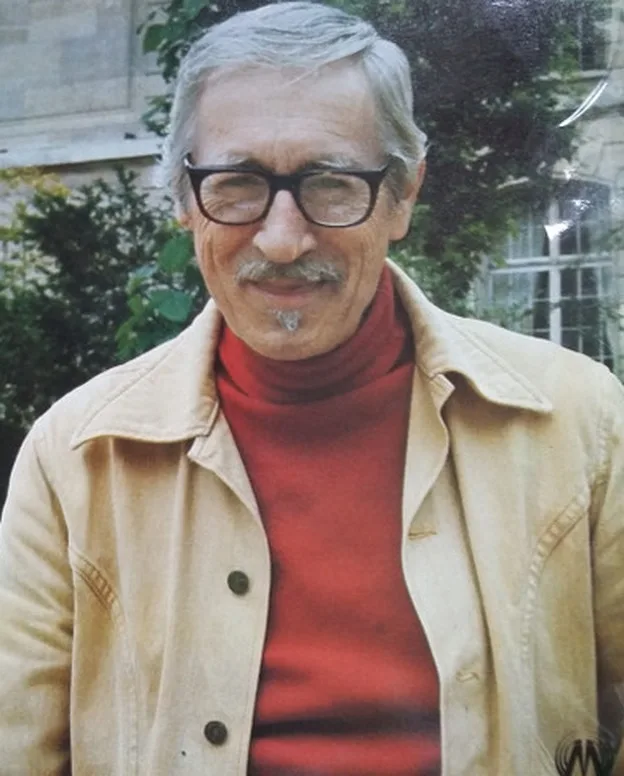
Jimmy Rowles on the front cover of his solo album *Nature Boy* (Musica Records MUS 3026, France), photographed in Paris by Jean Eckian around the July 21, 1978 session at the Studio des Champs-Elysees that produced the record Album cover art (not a CC-licensed artist photo). Used as the only available image showing the artist: no free photo of Jimmy Rowles exists on Wikimedia Commons, and Wikidata (Q332239) carries no image either — Discogs release page for Nature Boy (Musica Records MUS 3026) - https://www.discogs.com/release/8728319
James George Hunter was born August 19, 1918, in Spokane, Washington, and took the name Jimmy Rowles professionally (he spelled it "Jimmie" on many record sleeves and used both forms his whole life). He grew up on South Tekoa Street near Manito Park, was a serious competitive tennis player as a teenager, and taught himself piano well enough to be working the Davenport Hotel in Spokane by 1934, reportedly showing up for the job in tennis shoes. He attended Gonzaga University in his home city, then moved to Los Angeles in 1940 to play with small groups. In 1942 he joined Lester Young's band, the connection that put him inside the circle he would work in for the next fifty years. He married Dorothy Paden and they had three children: Stacy, who became a jazz trumpeter and flugelhornist; Stephanie; and Gary, who played guitar with Eric Burdon and with Arthur Lee's band Love.
Army service in the Second World War interrupted the run. Afterward Rowles took the big-band chairs that were the standard path for a working Los Angeles pianist, playing and recording with Woody Herman (1946-1947), Benny Goodman (whose small groups he appeared with repeatedly between 1948 and 1956), Les Brown, and Tommy Dorsey. He then settled into the Los Angeles studios, where he stayed busy for roughly two decades. His piano turns up on Henry Mancini's Experiment in Terror (1962), Charade (1963), and The Pink Panther (1963), on the 5th Dimension's Stoned Soul Picnic (1968), on Gerald Wilson's California Soul (1968), and, at length, on the DePatie-Freleng cartoon series The Ant and the Aardvark (1969-1971).
The studio work paid, but the reputation came from what he did behind singers. Rowles played on Billie Holiday's Verve sessions of the mid and late 1950s, including Music for Torching (1955) and Songs for Distingué Lovers (1957), and backed Peggy Lee through the same period, notably on Black Coffee (1953). He recorded four albums with Julie London between 1957 and 1960, accompanied Carmen McRae on her 1972 Atlantic live album The Great American Songbook, and was co-billed with Sarah Vaughan on Sarah Vaughan & The Jimmy Rowles Quintet (Mainstream MRL 404, 1974). McRae called him "the guy every girl singer in her right mind would like to work with." His association with Ella Fitzgerald ran even longer: he played behind her at the Mocambo in Hollywood in late 1956, appeared on her sessions through the 1960s, and in 1981 succeeded Paul Smith as her regular accompanist for close to three years, including her 1982 Nelson Riddle collaboration The Best Is Yet to Come. "Baby, Don't You Quit Now," which Rowles wrote with Johnny Mercer, closed out that relationship on Fitzgerald's final album, All That Jazz (1989).
His own leader catalog started early and stayed small until the 1970s. Rare, But Well Done (Liberty LRP 3003), a trio date with Red Mitchell and Art Mardigan cut in Hollywood in 1954 for producer Harry Babasin, went out on Liberty that same year in Canada and in 1955 in the United States. A 1957 sextet album for Tampa, Let's Get Acquainted With Jazz ...For People Who Hate Jazz!, put him with Harold Land, Pete Candoli, Barney Kessel, Mitchell, Larry Bunker, and Mel Lewis; Interlude reissued it in 1959 under the better-known title Upper Classmen. Weather in a Jazz Vane (Andex, 1959) expanded the group to a septet with Herb Geller, Lee Katzman, Bob Enevoldsen, and Monty Budwig, produced by Bill Holman. Against all that West Coast activity, Rowles was also the pianist on Pepper Adams's leader debut, Critics' Choice, recorded August 23, 1957, for World Pacific (PJM-407) with Katzman, Doug Watkins, and Lewis: a Detroit-bred baritone player's hard bop program handed to a Los Angeles rhythm section. There were a few more one-offs (a 1960 Broadway-songs album for Signature, the vocal-heavy Kinda Groovy! for Capitol in 1962, a 1968 trio session issued decades later as Our Delight), but for most of the 1960s he was a studio player first.
Moving to New York in 1973 changed that. Over the next decade Rowles made more records under his own name than in the previous twenty years. The Special Magic of Jimmy Rowles (Halcyon, 1974) was taped live in a Manhattan apartment on April 7, 1974, with Alec Wilder supervising. In March 1976 a single stretch of sessions for the Choice label with Buster Williams and Billy Hart produced two albums, Grandpaws and Paws That Refresh. Stan Getz produced and played on The Peacocks (Columbia JC 34873), recorded in New York in 1975 and released in 1977, an album built around Rowles's own title tune and featuring Buster Williams and Elvin Jones. Xanadu got two dates out of him, Heavy Love with Al Cohn (March 15, 1977) and the trio We Could Make Such Beautiful Music Together (April 4, 1978). For Pablo he made two albums with Zoot Sims and George Mraz, If I'm Lucky (October 1977) and Warm Tenor (September 1978), and for Concord two piano-and-bass duo records with Ray Brown, As Good As It Gets (1978) and Tasty! (1980). A single day in Paris, July 21, 1978, at the Studio des Champs-Elysées yielded material for three separate French LPs: the solo Scarab and Nature Boy, and the duo Red'n Me with Red Mitchell.
Rowles returned to Los Angeles in 1983, after the Fitzgerald tours ended, and kept working steadily. Columbia recorded him solo on Jimmy Rowles Plays Duke Ellington and Billy Strayhorn (1981); Pablo paired him with Joe Pass for Checkmate, cut in a single January 12, 1981, session in Venice, California; and Pepper Adams brought him to Van Gelder Studios on September 30, 1981, for Urban Dreams (Palo Alto PA 8009), a quartet with Mraz and Hart that critics rate among Adams's strongest leader dates. The last decade of his career is full of family records: Tell It Like It Is (Concord, 1984) and Looking Back (Delos, 1989) with his daughter Stacy on trumpet and flugelhorn, and the Contemporary quartet album I'm Glad There Is You, recorded direct to two-track digital at Fantasy Studios in Berkeley in March 1985 with Red Mitchell and Stacy. In 1983 he also spent time in Los Angeles coaching a young Diana Krall, sharpening her playing and pushing her toward singing. Los Angeles declared September 14, 1986, "Jimmie Rowles Day." He made Lilac Time at Capitol Studio B in April 1994 with Herbie Mann producing, and in 1995 accompanied singer Jeri Brown on A Timeless Place, an album drawn entirely from his own compositions. Jimmy Rowles suffered cardiac arrest and passed away in Burbank, California, on May 28, 1996, at 77.
Rowles built his style out of the swing-era vocabulary he learned behind Lester Young and Benny Goodman, then bent it toward the harmonic language of Duke Ellington and Billy Strayhorn, whose ballads he returned to obsessively: "Blood Count," "Isfahan," "Lotus Blossom," and "Lush Life" recur across his leader dates, and he devoted a whole 1981 Columbia solo album to the two composers. What set him apart from the other West Coast pianists of his generation was restraint used as a tool rather than a limitation. He played sparely and off the beat, voiced chords low and close, left holes for a singer to move through, and dropped in oblique substitutions that reframed a standard without ever crowding it, which is why so many vocalists preferred him over flashier accompanists. His own writing had the same sideways quality. "The Peacocks," a slow, harmonically ambiguous piece that resists a fixed key center, became his signature, recorded by Stan Getz on the 1977 Columbia album named for it, later by Bill Evans, John McLaughlin, Esperanza Spalding, and others, used in the soundtrack to Bertrand Tavernier's Round Midnight (1986), and given lyrics by Norma Winstone under the title "A Timeless Place." His 1958 blues "502 Blues (Drinkin' and Drivin')" reached a wider audience through Wayne Shorter's 1966 Blue Note recording on Adam's Apple and ended up in the Real Book. He sang too, in a dry, cracked half-spoken voice that he used sparingly and to real comic effect on records like Kinda Groovy! and Isfahan.
- The Peacocks (1977, Columbia) - Recorded in New York in 1975 with Stan Getz producing and playing, built around Rowles's own title composition; the record that turned a working accompanist into a name in his own right. Spotify - The Peacocks Listen
- Weather in a Jazz Vane (1959, Andex) - A weather-themed septet program with Herb Geller, Lee Katzman, Bob Enevoldsen, Monty Budwig, and Mel Lewis, produced by Bill Holman: Rowles at the center of the Los Angeles studio scene of the late 1950s. Spotify - Weather in a Jazz Vane Listen
- Heavy Love (1978, Xanadu) - A stripped-down tenor-and-piano duo with Al Cohn from March 1977, six standards with nowhere to hide, and one of the clearest documents of his accompanying instincts. Spotify - Heavy Love Listen
- Checkmate (1981, Pablo) - Guitar-and-piano duo with Joe Pass, cut in one January 1981 session in Venice, California, for Norman Granz. Spotify - Checkmate Listen
- Tasty! (1980, Concord Jazz) - The second of two duo albums with Ray Brown, and the pairing that best captures how much space Rowles could leave and still swing. Spotify - Tasty! Listen
- Music's the Only Thing That's on My Mind (1977, Progressive) - A December 22, 1976, duo with bassist George Mraz, first issued in Japan as Pretty Eyes and reissued in the United States on Progressive 7009 in 1981; the album where his own compositions ("The Lady in the Corner," "Pretty Eyes," "Remember When") get the most room. Spotify - Music's the Only Thing That's on My Mind
- Critics' Choice (1958, World Pacific) - As a sideman: Pepper Adams's debut as a leader, recorded August 23, 1957, with Lee Katzman, Doug Watkins, and Mel Lewis.
- Urban Dreams (1981, Palo Alto Jazz) - As a sideman: a late-career Adams quartet date at Van Gelder Studios with George Mraz and Billy Hart, widely cited among Adams's best leader recordings.
- A Timeless Place (1995, Justin Time) - His last album, accompanying singer Jeri Brown on a program made up entirely of Rowles originals, including the Norma Winstone lyric version of "The Peacocks" that gives the record its title. Spotify - A Timeless Place Listen
Jimmy Rowles: Full Discography
Identity confirmed via the live Discogs API. Artist ID 265385 ("Jimmy Rowles," realname James George Hunter, born August 19, 1918 in Spokane and died May 28, 1996, father of Stacy Rowles and Gary Rowles). Discogs credits that ID on 1,320 releases: 61 in a "Main"/leader role, 1,145 sideman "Appearance" credits, 83 track-level "TrackAppearance" credits, 30 unofficial pressings, and 1 producer credit. That 1,145 figure counts every reissue, anthology and various-artists compilation a Rowles performance was ever folded into, and in a few cases it counts a composer credit rather than a session (his song "Baby, Don't You Quit Now" is why he shows up on Ella Fitzgerald's All That Jazz, an album he does not play on), so it measures catalog entries, not sessions.
Rowles also billed leader dates to group entities that do not appear under his personal artist ID, so those were pulled separately: Jimmy Rowles Trio (2320522), The Jimmy Rowles Sextet (3354604), Jimmy Rowles Septet (2376741), The Jimmy Rowles Quintet (3571668), Jimmy Rowles And His Orchestra (1281446) and Zoot Sims / Jimmy Rowles Quartet (4019637). Rare-But Well Done, Let's Get Acquainted With Jazz, Weather in a Jazz Vane, Our Delight and Some Other Spring are all invisible in the personal Main list and were recovered this way.
The table below itemizes the leader and co-leader catalog. Late-career compilations and retitled reissues are folded into the Reissue History column rather than given rows of their own. The sideman table that follows is a curated, representative selection: Rowles was one of the most recorded accompanists in jazz, and no attempt is made here to itemize the full sideman log.
As Leader / Co-Leader
| Album Title | Recording Date(s) | Release Date | Label | Catalog Number | Format(s) | Personnel | Role | Reissue History | Spotify | Buy | Notes |
|---|---|---|---|---|---|---|---|---|---|---|---|
| Plays Standards / St. Louis Blues | Recorded September 12, 1953, Celebrity Studio, Los Angeles | 1994 (first issue) | Vantage Records | NLP5015 | Vinyl, LP, Remastered, Mono | Jimmy Rowles (piano), John Simmons (bass), Frank Capp (drums) | Leader (Jimmy Rowles Trio) | Discogs carries the same master under both Plays Standards and St. Louis Blues; treat them as one session, not two albums | Not found on Spotify | — | His earliest documented trio session, unissued for forty-one years; produced and engineered by Bob Andrews |
| Rare-But Well Done | Recorded 1954 for Nocturne Records, Hollywood | 1954 (Canada); 1955 (US) | Liberty; London Records (Canada) | LRP 3003 | Vinyl, LP, Album, Mono | Jimmy Rowles (piano), Red Mitchell (bass), Art Mardigan (drums); Harry Babasin (producer); John Neal (engineer) | Leader (Jimmy Rowles Trio) | Fresh Sound Nocturne LP (FSR-750, 1990); Japanese Liberty CDs 1993, 2010 and 2021; expanded 2024 as The Nocturne Session (Fresh Sound FSR-CD 1149, 17 tracks with alternates and bonus material) | Spotify - Rare-But Well Done | — | Nine tracks. Discogs dates the Canadian pressing 1954 and the two US pressings 1955, while the 2024 Fresh Sound reissue's own notes say 1956; the 1954 recording date is the one all three sources agree on |
| Let's Get Acquainted With Jazz ...For People Who Hate Jazz! | Recorded 1957 | 1957 | Tampa Records | TP-8 (mono); TP-8 STA (stereo) | Vinyl, LP, Album, Mono and Stereo | Jimmy Rowles (piano), Pete Candoli (trumpet), Harold Land (tenor sax), Barney Kessel (guitar), Larry Bunker (vibraphone), Red Mitchell (bass), Mel Lewis (drums); Robert Scherman (producer); Bones Howe (engineer) | Leader (The Jimmy Rowles Sextet) | Retitled twice: Upper Classmen (Interlude MO 515 mono / ST 1012 stereo, 1959; Top Rank TRL-8551, Australia, 1959) and El Tigre (Charlie Parker Records PLP 832, 1962). V.S.O.P. LP 1985 and CD 1991; TOFREC Japan LP 1993 | Not found on Spotify | — | Kessel appeared courtesy of Contemporary Records. Two tracks were also pulled as a Tampa 45, "East of the Sun" / "Perdido" |
| Weather in a Jazz Vane | Recorded 1959 | 1959 | Andex | A3007 (mono); S 3007 (stereo) | Vinyl, LP, Album, Mono and Stereo | Jimmy Rowles (piano), Herb Geller (alto sax), Bill Holman (saxophone, producer), Lee Katzman (trumpet), Bob Enevoldsen (trombone), Monty Budwig (bass), Mel Lewis (drums); Shelly Manne (liner notes) | Leader (Jimmy Rowles Septet) | Fresh Sound FSR-502 (1985); Andex/V.S.O.P. #48 LP (1987) and CD (1997); Japanese reissues 1987 and 2017 | Spotify - Weather in a Jazz Vane | — | Nine weather-themed arrangements. Spotify track count (9) matches the original LP; a separate 12-track 1997 edition also exists on the service |
| Fiorello Uptown / Mary Sunshine Downtown | Recorded March 18 and 20, 1960 | 1960 | Signature | SM 6011 | Vinyl, LP, Album, Mono | Jimmy Rowles (piano), Al Hendrickson (guitar), Joe Mondragon (bass), Larry Bunker (drums, vibraphone); Nat Hentoff (liner notes) | Leader | None found | Not found on Spotify | — | Twelve songs drawn from the Broadway shows Fiorello! and Little Mary Sunshine |
| Kinda Groovy! | Recorded October 23, 24 and 26, 1962 | 1962 | Capitol Records | T1831 | Vinyl, LP, Album, Mono | Jimmy Rowles (piano, vocals), Howard Roberts (guitar), Max Bennett (bass), Shelly Manne and Nick Martinis (drums); David Cavanaugh (producer) | Leader | None found | Not found on Spotify | — | The album that put his dry, half-spoken singing voice on record at length |
| Our Delight | Recorded April 1968, The Carriage House, Burbank CA | 1997 | V.S.O.P. Records | V.S.O.P. #99 CD | CD, Album | Jimmy Rowles (piano), Chuck Berghofer and Max Bennett (bass), Larry Bunker and Nick Martinis (drums); George Jerman (session producer) | Leader (The Jimmy Rowles Trio) | None found | Spotify - Our Delight | — | A studio-era trio date that sat unissued for twenty-nine years; twelve tracks, including his own "Morning Star" and "Chess Players" |
| Some Other Spring | Recorded live October 15, 1972, Chappy's Restaurant, Manhattan Beach CA | 1972 | The Blue Angel Jazz Club | BAJC 512 | Vinyl, LP, Album, Stereo | Jimmy Rowles (piano, cover sketches), Monty Budwig (bass), Donald Bailey (drums) | Leader (Jimmie Rowles Trio) | Complete contents reissued on CD as tracks 1 to 11 of Subtle Legend, Vol. 1 (Storyville, 1998) | Not found on Spotify | — | Private-club release; the last Los Angeles document before the move to New York |
| Sarah Vaughan & The Jimmy Rowles Quintet | Recorded 1974 | 1974 | Mainstream Records | MRL 404 | Vinyl, LP, Album | Sarah Vaughan (vocals) with the Jimmy Rowles Quintet | Co-billed (quintet leader) | German pressing as Mainstream 6.22123 AS | Spotify - Sarah Vaughan & The Jimmy Rowles Quintet | — | Six tracks, two of them Rowles originals ("Frasier," "Morning Star"). The only album where a major singer put his name on the marquee beside her own |
| The Special Magic of Jimmy Rowles | Recorded live April 7, 1974, a private apartment in New York City | 1974 | Halcyon Records | HAL 110 | Vinyl, LP, Album | Jimmy Rowles (piano, cover drawing), Rusty Gilder (bass); Alec Wilder (artists supervision); Charles Bourgeois (producer) | Leader | None found | Not found on Spotify | — | Ten tracks, closing with the first recording of "The Peacocks." Wilder, a composer Rowles admired, supervised the date |
| Jazz Is a Fleeting Moment | Recorded mid-1970s | 1976 | Jazzz Records | JAZZZ103 | Vinyl, LP, Album | Jimmy Rowles (solo piano, cover art); Harry Babasin, Roy Harte and Vernon Crank (producers); Jim Isaacson (engineer) | Leader | None found | Not found on Spotify | — | Solo recital including the Strayhorn pair "Blood Count" / "Isfahan." The cover is Rowles's own self-caricature. Exact recording date not documented on Discogs |
| Grandpaws | Recorded March 1976, Macdonald Studios, New York | 1976 | Choice | CRS-1014 | Vinyl, LP, Album, Stereo | Jimmy Rowles (piano), Buster Williams (bass), Billy Hart (drums); Alec Wilder (liner notes); Gerry Macdonald (engineer) | Leader | Retitled Jam Face on a 2014 reissue (same Discogs master, 1043074) | Not found on Spotify | — | Seven tracks including his "Jam Face" and "My Mother's Love" |
| Paws That Refresh | Recorded March 1976, Macdonald Studio, New York | 1979 | Choice | CRS 1023 | Vinyl, LP, Album, Stereo | Jimmy Rowles (piano, liner notes), Buster Williams (bass), Billy Hart (drums); Gerry Macdonald (producer, engineer) | Leader | None found | Not found on Spotify | — | The second album out of the same March 1976 Choice sessions as Grandpaws, held back three years. Distributed by Inner City |
| The Peacocks | Recorded October 1975, New York City | 1977 | Columbia | JC 34873 | Vinyl, LP, Album | Jimmie Rowles (piano, vocals), Stan Getz (tenor sax, producer), Buster Williams (bass), Elvin Jones (drums), Jon Hendricks, Judy Hendricks, Michele Hendricks and Beverly Getz (vocals on "The Chess Players") | Co-leader (billed "Stan Getz Presents Jimmie Rowles") | Reissued in the Columbia Jazz Masterpieces series | Spotify - The Peacocks | — | Thirteen tracks, built around his own "The Peacocks"; the two Wayne Shorter pieces "Lester Left Town" and "The Chess Players" are Getz choices. The record that made Rowles a name |
| Pretty Eyes / Music's the Only Thing That's on My Mind | Recorded December 22, 1976 | 1977 (Japan, as Pretty Eyes); 1981 (US) | Progressive Records | KUX-24-G (Japan); 7009 (US) | Vinyl, LP, Album | Jimmy Rowles (piano), George Mraz (bass); David Stone Martin (cover art); Gus P. Statiras (sleeve notes) | Co-leader (billed Jimmy Rowles and George Mraz) | Audiophile AP-188 (1988) and ACD-188 (1997); Solid Records Japan CD 2016 | Spotify - Music's the Only Thing That's on My Mind | — | A retitle trap: the same December 1976 duo appeared in Japan four years before the US pressing that gave it the name it is known by. Contains "The Lady in the Corner," "Pretty Eyes" and "Remember When" |
| Heavy Love | Recorded March 15, 1977 | 1978 | Xanadu Records | Xanadu 145 | Vinyl, LP, Album, Stereo | Al Cohn (tenor sax), Jimmy Rowles (piano); Don Schlitten (producer); Richard Alderson (engineer) | Co-leader (with Al Cohn) | None found | Spotify - Heavy Love | — | Six tracks on the LP; the Spotify edition carries seven, so it adds material not on the original pressing |
| If I'm Lucky | Recorded October 27 and 28, 1977, RCA Studios, New York | 1978 | Pablo Records | 2310-803 | Vinyl, LP, Album | Zoot Sims (tenor sax), Jimmy Rowles (piano), George Mraz (bass), Mousey Alexander (drums); Norman Granz (producer) | Co-leader (billed "Zoot Sims Meets Jimmy Rowles") | None found | Not found on Spotify | — | First of the two Pablo quartet albums with Sims |
| As Good As It Gets | Recorded 1978, Coast Recorders, San Francisco | 1978 | Concord Jazz | CJ-66 | Vinyl, LP, Album, Stereo | Ray Brown (bass), Jimmy Rowles (piano); Carl E. Jefferson (producer); Phil Edwards (engineer) | Co-leader (with Ray Brown) | Collected with Tasty! on The Duo Sessions (Concord Jazz, 2000) | Spotify - As Good As It Gets | — | Ten tracks, piano and bass alone |
| Scarab | Recorded July 21, 1978, Studio des Champs-Elysees, Paris | 1978 | Musica Records | MUS 3016 | Vinyl, LP, Album | Jimmy Rowles (solo piano); Alain Boucanus (producer); Jean-Pierre Pellissier (engineer); Jean Eckian (photography) | Leader | None found | Not found on Spotify | — | Ten tracks, including his "Profil," "Myriam," "Heather" and "Frasier." One of three LPs cut in that single Paris day at this studio |
| Red'n Me | Recorded and mixed July 21, 1978, Studio des Champs-Elysees, Paris | 1979 | All Life | AL 002 | Vinyl, LP, Album | Jimmy Rowles (piano, cover drawing), Red Mitchell (bass); Eymeric Adam and Alain Boucanus (producers) | Co-leader (with Red Mitchell) | None found | Spotify - Red'N Me | — | Eight tracks. Distributed by Musica; the second of the three records from the July 21 Paris day |
| Nature Boy | Recorded July 21, 1978, Studio des Champs-Elysees, Paris | 1981 | Musica Records | MUS 3026 | Vinyl, LP, Album | Jimmy Rowles (solo piano); Alain Boucanus (producer); Jean-Pierre Pellissier (engineer); Jean Eckian (front cover photograph) | Leader | None found | Not found on Spotify | — | The third LP from the July 21 Paris day, held back three years; Discogs dates it 1981 from the Bibliotheque Nationale de France legal deposit. Its front cover supplies this profile's portrait image |
| Shade and Light | Recorded July 21, 1978, Paris | 1978 | Ahead (produced by Disques Black and Blue) | 33 751 | Vinyl, LP, Album | Jimmy Rowles (piano), George Duvivier (bass), Oliver Jackson (drums); Pierre Dobler (engineer) | Leader | Reissued 2002 as Shade and Light (Paris 1978) in Black and Blue's Definitive Sessions series, expanded from 8 tracks to 10 | Spotify - Shade and Light (Paris 1978) | — | Discogs puts this trio date at Barclay Studio on the same July 21, 1978 as the three Champs-Elysees LPs. Closes with his own "Drinkin' and Drivin'" |
| On Tour | Recorded August 12, 1978, Metronome Studios, Stockholm | 1978 | Skarby International Records | TK 782 / SLP 000 002 | Vinyl, LP, Album | Jimmy Rowles (piano, vocals), George Duvivier (bass), Walter Perkins (drums); Rune Persson (engineer) | Leader | None found | Not found on Spotify | — | Swedish release from the same European trip |
| We Could Make Such Beautiful Music Together | Recorded April 4, 1978 | 1978 (France); 1979 (US) | Xanadu Records | JX. 6623 (France); Xanadu 157 (US) | Vinyl, LP, Album, Stereo | Jimmy Rowles (piano), George Mraz (bass), Leroy Williams (drums); Don Schlitten (producer); Paul Goodman (engineer) | Leader | EPM Musique CD (FDC 5152, 1988); reissued complete inside Trio '77 / '78 (Jazz Ball JBR878, 2009) with four extra 1977 trio tracks | Not found on Spotify | — | Seven tracks, opening with a straight-faced "Stars and Stripes Forever" |
| Warm Tenor | Recorded September 18 and 19, 1978, RCA Studios, New York | 1979 | Pablo Records | 2310 831 | Vinyl, LP, Album, Stereo | Zoot Sims (tenor sax), Jimmy Rowles (piano), George Mraz (bass), Mousey Alexander (drums); Norman Granz (producer); Nat Hentoff (liner notes) | Co-leader (billed "Zoot Sims and Jimmy Rowles") | None found | Not found on Spotify | — | Track A2 is misidentified on the sleeve and labels as "Old Devil Moon"; the performance is "That Ole Devil Called Love" |
| Isfahan | Recorded 1979 | 1979 | Sonet | SNTF 790 | Vinyl, LP, Album | Jimmy Rowles (piano, vocals), George Mraz (bass); Samuel B. Charters (producer) | Leader | None found | Not found on Spotify | — | Nine tracks, ending with the Strayhorn title piece; one of the albums where he sings. Exact session date not documented on Discogs |
| My Mother's Love | Recorded April 26, 27 and 29, 1979, Warsaw and Katowice, Poland | 1979 | Poljazz | PSJ-84 | Vinyl, LP, Stereo | Jimmy Rowles (piano, vocals), Georg Riedel (bass), Rune Carlsson (percussion), Ian Allen (trumpet), Ann-Kristin Stedmark (vocals) | Leader | None found | Not found on Spotify | — | Live club and concert recordings issued as a Polish Jazz Society club record. Named for a Rowles original also on Grandpaws |
| Grandpa's Vibrato | Recorded July 13, 1979, Black and Blue open-air studio, France | 1993 | Black And Blue | BB 200.2 | CD, Album, Stereo | Jimmy Rowles (piano, vocals), Jimmy Woode (bass), Bobby Durham (drums); Claude Carriere (liner notes) | Leader | None found | Not found on Spotify | — | A 1979 European festival trio date shelved for fourteen years |
| Tasty! | Recorded 1980 | 1980 | Concord Jazz | CJ-122 | Vinyl, LP | Ray Brown (bass), Jimmy Rowles (piano); Carl E. Jefferson (producer); Phil Edwards (engineer); George Horn (mastering) | Co-leader (with Ray Brown) | 1995 CD reissue; collected with As Good As It Gets on The Duo Sessions (Concord Jazz, 2000) | Spotify - Tasty! | — | Eight tracks, the second and better-known of the two Brown duos |
| In Paris | Recorded May 30 and 31, 1980, Comedie des Champs-Elysees, Paris | 1980 (as two LPs); 1989 (CD pairing) | CBS | 465633 2 | CD, Album, Compilation, Reissue | Jimmy Rowles (piano, vocals); Henri Renaud and Jean Queinnec (producers); Jean-Pierre Pellissier (engineer) | Leader | The 1989 CBS France CD pairs the two original 1980 LPs on one disc in the Jazzotheque series | Not found on Spotify | — | Twelve tracks, mostly his own writing, including "Baby Don't Quit Now" and "Music's the Only Thing" |
| Jimmy Rowles Plays Duke Ellington and Billy Strayhorn | Recorded 1981 | 1981 | Columbia | FC 37639 | Vinyl, LP | Jimmy Rowles (solo piano) | Leader | None found | Not found on Spotify | — | Ten pieces, "Blood Count," "Lush Life," "Isfahan" and "Lotus Blossom" among them: the clearest statement of where his harmonic language came from |
| Checkmate | Recorded January 12, 1981, Spectrum Studio, Venice CA | 1981 | Pablo Records | D2310865 | Vinyl, LP, Album (translucent red vinyl) | Joe Pass (guitar), Jimmy Rowles (piano); Norman Granz (producer); Nat Hentoff (liner notes) | Co-leader (with Joe Pass) | None found | Spotify - Checkmate | — | Ten standards cut in a single day |
| Profile: The Music of Henri Renaud | Recorded June 8 and 9, 1981 | 1993 | Columbia | COL 474556 2 | CD, Album | Jimmy Rowles (piano), Michael Moore (bass); all compositions by Henri Renaud | Co-leader (with Michael Moore) | None found | Not found on Spotify | — | Seven duos and two solos, an album of nothing but Renaud's writing; unissued for twelve years |
| Peacocks (with Michael Hashim) | Recorded June 14, 1983 | 1995 | Stash Budget | CD-STB-2511 | CD, Album, Reissue | Jimmy Rowles (piano), Michael Hashim (alto sax), Michael Moore (bass), Joey Baron (drums); Bernard Brightman (producer) | Co-leader (with Michael Hashim) | None found | Not found on Spotify | — | Not to be confused with the 1977 Columbia album of nearly the same name; a separate quartet session |
| Tell It Like It Is | Recorded 1984 | 1984 | Concord Jazz | CJ-249 | Vinyl, LP, Album | Stacy Rowles (trumpet, flugelhorn), Jimmy Rowles (piano), Herman Riley (tenor sax, flute), Chuck Berghofer (bass), Donald Bailey (drums) | Co-leader (billed "Stacy Rowles With Jimmy Rowles") | None found | Not found on Spotify | — | The first of the father-and-daughter records |
| The Jimmy Rowles / Red Mitchell Trio | Recorded direct to two-track digital March 18 and 19, 1985, Fantasy Studios, Berkeley | 1985 | Contemporary Records | C-14016 | Vinyl, LP, Album | Jimmy Rowles (piano), Red Mitchell (bass), Colin Bailey (drums); Ed Michel (producer); Stephen Hart (engineer) | Co-leader (with Red Mitchell) | None found | Not found on Spotify | — | Six tracks including his "Loco Motiv" and "Stagoo" |
| I'm Glad There Is You | Recorded direct to two-track digital March 18 (trio) and 19 (quartet), 1985, Fantasy Studios, Berkeley | 1987 | Contemporary Records | C-14032 | Vinyl, LP, Album, Stereo | Jimmy Rowles (piano), Red Mitchell (bass, vocals), Colin Bailey (drums), Stacy Rowles (trumpet, flugelhorn); Ed Michel (producer) | Leader | None found | Not found on Spotify | — | The quartet half of the same two Berkeley days that produced the trio LP; includes "Blood Count" and his "Voices Deep Within Me" |
| Sometimes I'm Happy, Sometimes I'm Blue | Recorded 1987 or 1988 | 1988 | Orange Blue | OB 003 LP | Vinyl, LP, Album (gatefold) | Jimmy Rowles (piano, vocals), Harry "Sweets" Edison (trumpet), Stacy Rowles (trumpet, flugelhorn), Ray Brown (bass), Don Bailey (drums) | Leader | None found | Not found on Spotify | — | French release. Includes his own "502 Blues (Drinkin' and Drivin')" and "Tes Yeux Bemol." Exact session date not documented on Discogs |
| Trio | Recorded August 11 and 12, 1988 | 1989 | Capri Records | 74009-2 | CD, Album | Jimmy Rowles (piano), Red Mitchell (bass), Donald Bailey (drums); Thomas Burns (producer, liner notes) | Leader | None found | Spotify - Trio | — | Eleven tracks. Track 11 is credited on the booklet to the Gershwins as "What Are We Here For" but is Ellington's "What Am I Here For?" |
| Plus2, Plus3, Plus4 | Recorded direct to two-track digital December 16, 19 and 20, 1988, Master Control, Burbank CA | 1995 | JVC | JVC-6005-2 | CD, Album | Jimmy Rowles (piano, vocals), Bill Berry (cornet), Larry Koonse (guitar), Eric Von Essen (bass), Ralph Penland (drums); Ralph Jungheim (producer) | Leader | None found | Not found on Spotify | — | Duo, trio and quartet settings across eleven tracks, as the title says |
| Looking Back | Recorded 1989 | 1989 | Delos | DE 4009 | CD, Album | Jimmy Rowles (piano), Stacy Rowles (trumpet, flugelhorn, vocals), Eric von Essen (bass), Donald Bailey (drums, percussion) | Co-leader (billed "Jimmy Rowles and Stacy Rowles") | None found | Spotify - Looking Back | — | Ten tracks including his "Lady in the Corner" and the title original |
| Me and the Moon | Recorded April 27 and 28 and May 14, 1993, Sage and Sound, Hollywood | 1997 | American Jazz Symposium | AJSCD-1001 | CD, Album, Stereo | Stacy Rowles (trumpet, flugelhorn, vocals), Jimmy Rowles (piano, vocals), Eric Von Essen (bass, cello), Joe LaBarbera (drums) | Co-leader (billed "Stacy Rowles, Jimmy Rowles") | None found | Not found on Spotify | — | Recorded three years before his death, released a year after it |
| Lilac Time | Recorded April 18, 19, 21 and 22, 1994, Capitol Studio B, Los Angeles | 1994 | Kokopelli Records | KOKO 1297 | CD, Album | Jimmy Rowles (piano, vocals, cover illustration), Eric Von Essen (bass); Herbie Mann (producer); Sy Johnson (liner notes) | Leader | None found | Not found on Spotify | — | Fifteen tracks, his last studio album as leader |
| A Timeless Place | Recorded 1995 | 1995 | Justin Time | JUST 70-2 | CD, Album | Jeri Brown (vocals), Jimmy Rowles (piano, vocals), Eric Von Essen (bass), Jerry Brown (drums) | Co-leader (billed "Jeri Brown, Jimmy Rowles") | None found | Spotify - A Timeless Place | — | Nine tracks, every one a Rowles composition. The title is Norma Winstone's lyric version of "The Peacocks." His final album |
As Sideman (selected major credits)
A representative selection from a sideman log that runs to more than a thousand Discogs catalog entries. It is not exhaustive.
| Year | Project (Leader) | Title | Label | Catalog | Role | Notes |
|---|---|---|---|---|---|---|
| 1953 | Peggy Lee | Black Coffee | Decca | Piano | The Lee album most often named alongside his own records | |
| 1955 | Billie Holiday | Music for Torching | Clef / Verve | Piano | First of the Verve-era Holiday dates he played on | |
| 1956 | Billie Holiday | Velvet Mood | Clef | Piano | ||
| 1957 | Billie Holiday | Songs for Distingue Lovers | Verve | Piano | Also Body and Soul (Verve, 1957) and All or Nothing at All (Verve, 1959) from the same run of sessions | |
| 1958 | Pepper Adams | Critics' Choice | World Pacific | PJM-407 | Piano | Recorded August 23, 1957 with Lee Katzman, Doug Watkins and Mel Lewis; Adams's debut as a leader and the hub profile this one was spun off from |
| 1958-1959 | Julie London | Julie; Swing Me an Old Song | Liberty | Piano; orchestra leader and arranger | Swing Me an Old Song (1959) is billed "Julie London With Jimmy Rowles And His Orchestra," one of the few dates where he fronted a studio orchestra | |
| 1960 | Gerry Mulligan and Ben Webster | Gerry Mulligan Meets Ben Webster | Verve | Piano | Recorded late 1959, issued 1960 | |
| 1960 | Jimmy Witherspoon | At the Renaissance | HiFi Jazz | J426 | Piano | Live, with Mulligan, Webster, Mel Lewis and Leroy Vinnegar. Reissued as Witherspoon at the Renaissance on Vocalion and later billed to Mulligan |
| 1962 | Henry Mancini | Experiment in Terror | RCA Victor | Piano | The Mancini soundtrack Rowles is most firmly documented on. His Charade and The Pink Panther credits are widely reported but are not itemized on his Discogs artist index | |
| 1966 | Ella Fitzgerald | Whisper Not | Verve | Piano | With Marty Paich and his orchestra | |
| 1966 | Stan Getz | Eloquence; Another Time, Another Place | Verve | Piano | ||
| 1968 | The Gerald Wilson Orchestra | California Soul | Pacific Jazz | Piano | ||
| 1972 | Carmen McRae | The Great American Songbook | Atlantic | Piano | Live; the album behind McRae's line that he was the pianist every singer wanted | |
| 1972 | Sarah Vaughan | "The Story of Frasier (The Sensuous Lion)" | Mainstream | MRL-5523 | Piano, composer | A 45 built on a Rowles original, two years before the co-billed Mainstream LP |
| 1974 | Zoot Sims | Zoot Sims' Party | Choice | CRS1006 | Piano | Recorded April 1974 at Macdonald Studio; the start of the Sims partnership |
| 1980 | Sarah Vaughan | Duke Ellington Song Book One and Two | Pablo Today | Piano | Recorded 1979 | |
| 1980 | Zoot Sims | Passion Flower: Zoot Sims Plays Duke Ellington | Pablo Today | 2312-120 | Piano | Benny Carter arranged and conducted; sessions August and December 1979 and May 1980 |
| 1981 | Zoot Sims | The Swinger | Pablo | 2310 861 | Piano | Same 1979-1980 sessions as Passion Flower |
| 1981 | Zoot Sims | I Wish I Were Twins | Pablo | 2310-868 | Piano | Recorded July 6, 1981 |
| 1981 | Phil Woods / Lew Tabackin | Phil Woods / Lew Tabackin | Omni Sound Jazz | N-1033 | Piano | Recorded December 10, 1980, Chelsea Sound Studio, New York, with Michael Moore and Bill Goodwin |
| 1981 | Pepper Adams | Urban Dreams | Palo Alto Jazz | PA 8009 | Piano | Recorded September 30, 1981 at Van Gelder Studios with George Mraz and Billy Hart |
| 1982 | Ella Fitzgerald | The Best Is Yet to Come | Pablo | Piano | Nelson Riddle collaboration, cut during his three years as her regular accompanist | |
| 1983 | Zoot Sims | Suddenly It's Spring | Pablo | 2310-898 | Piano | Recorded May 26, 1983 with George Mraz and Akira Tana; the last of the Sims albums |
| 1995 | Norma Winstone | Well Kept Secret | Hot House Records | HHCD 1015 | Piano | Recorded October 1993, Mad Hatter Studios, Los Angeles, with George Mraz, Joe LaBarbera and Stacy Rowles. Includes "A Timeless Place," Winstone's lyric on "The Peacocks" |
Rowles's Discogs log also carries big-band and small-group work with Benny Goodman across 1947 to 1959 (the Capitol trio and sextet sides, Session for Six, Easy Does It!, The Goodman Touch), Woody Herman from 1947 onward, and further sessions with Anita O'Day, Buddy Rich, Bud Shank, Barney Kessel, Bob Brookmeyer, Buddy DeFranco, Art Pepper, Harry "Sweets" Edison, Lee Konitz and many others, along with roughly two dozen Henry Mancini albums between 1961 and 1972. None of that is itemized here.
- Pepper Adams - pianist on Adams's leader debut Critics' Choice (recorded August 23, 1957, World Pacific PJM-407) and, twenty-four years later, on the quartet date Urban Dreams (recorded September 30, 1981, Van Gelder Studios, Palo Alto Jazz PA 8009).
- Ella Fitzgerald - accompanist at the Mocambo in Hollywood in late 1956, on record through the 1960s, and her regular pianist from 1981 for nearly three years; his song with Johnny Mercer, "Baby, Don't You Quit Now," appears on her last album, All That Jazz (1989).
- Billie Holiday and Peggy Lee - the two singers he worked behind most consistently through the 1950s and 1960s, including Holiday's Music for Torching (1955) and Songs for Distingué Lovers (1957) and Lee's Black Coffee (1953).
- Sarah Vaughan and Carmen McRae - co-billed with Vaughan on Sarah Vaughan & The Jimmy Rowles Quintet (Mainstream, 1974) and Vaughan's Pablo Ellington songbook sessions (1979); accompanied McRae on The Great American Songbook (Atlantic, 1972).
- Stan Getz - producer, saxophonist, and co-billed artist on The Peacocks (recorded 1975, issued 1977), and Rowles's employer on Verve dates going back to the 1950s.
- Zoot Sims - a partnership that opened with Zoot Sims' Party for Choice (recorded April 1974) and ran through six Pablo albums: If I'm Lucky (1978), Warm Tenor (1979), Passion Flower (1980), The Swinger (1981), I Wish I Were Twins (1981), and Suddenly It's Spring (1983).
- George Mraz - his most frequent bass partner of the New York years: the Sims Pablo albums, the duo Music's the Only Thing That's on My Mind (1976), Isfahan (1979), We Could Make Such Beautiful Music Together (1978), and Adams's Urban Dreams (1981).
- Ray Brown - two Concord Jazz piano-bass duo albums, As Good As It Gets (1978) and Tasty! (1980), later collected as The Duo Sessions.
- Red Mitchell - bassist on Rowles's first two leader albums in the 1950s and again on the Paris duo Red'n Me (1978) and the two Contemporary trio/quartet albums of 1985.
- Stacy Rowles - his daughter, on trumpet and flugelhorn on Tell It Like It Is (1984), I'm Glad There Is You (1985), Sometimes I'm Happy, Sometimes I'm Blue (1988), Looking Back (1989), and Me and the Moon (1997).
- Buster Williams and Billy Hart - the rhythm section on both Choice albums cut in March 1976, Grandpaws and Paws That Refresh.
- Mel Lewis, Barney Kessel, Harold Land, Shelly Manne, Leroy Vinnegar - the Los Angeles circle he recorded with through the 1950s and early 1960s, on his own dates and on Kessel's Contemporary albums.
- Ben Webster and Gerry Mulligan - together on Gerry Mulligan Meets Ben Webster (Verve, 1959) and on the 1960 Jimmy Witherspoon date At the Renaissance, with Mel Lewis and Leroy Vinnegar completing the rhythm section.
- Henry Mancini - one of his most regular studio employers, from Experiment in Terror (1962) through Charade, The Pink Panther, and later RCA albums.
More Cool Jazz Artists
See all 63 Cool Jazz artists →More American Jazz Artists
See all 567 American artists →- Wikipedia: Jimmy Rowles
- Discogs: Jimmy Rowles (artist 265385)
- Wikipedia: The Peacocks (album)
- Wikipedia: 502 Blues
- Wikipedia: Stacy Rowles
- Wikipedia: Sarah Vaughan with the Jimmy Rowles Quintet
- The Spokesman-Review: "Death Takes Musician At Age 77. Jazz Pianist Jimmy Rowles Was Born In Spokane" (June 3, 1996)
- The Spokesman-Review: "Jimmy Rowles is home at last" (September 5, 2011)
- AllMusic: Jimmy Rowles biography (Scott Yanow)