 JAZZPROFILES lives in the music 1,002 Jazz Artists fully Profiled!
 Hal Galper
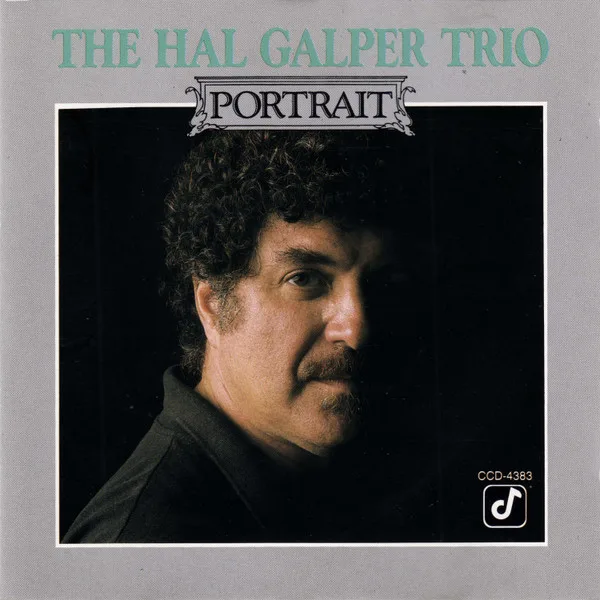
Front cover of *Portrait* by the Hal Galper Trio (Concord Jazz CCD-4383, 1989), a studio photographic portrait of Hal Galper used here because no freely licensed photograph of him could be found. The sleeve names the band, which is what confirms the identity of the sitter. Album cover art (not a CC-licensed artist photo), used as the only available image showing the artist. Cover photograph credited on the LP pressing to David Fischer; artwork copyright Concord Jazz. — Discogs, release 9789444 (West German CD pressing of Concord Jazz CCD-4383) - https://www.discogs.com/release/9789444
Harold Galper was born in Salem, Massachusetts on April 18, 1938 and started piano lessons at six. He went to Berklee on a scholarship in 1955 and studied there until 1958, taking technique from Margaret Chaloff, the Boston teacher known to two generations of pianists as Madame Chaloff, and spending his nights in the city's clubs. He hung around Herb Pomeroy's room, the Stable, until they let him sit in, and he ended up as its house pianist and later as house pianist at Connelly's and at Lennie's on the Turnpike. The players he learned the music from on those bandstands were Jaki Byard, Alan Dawson and Sam Rivers, and he worked in Pomeroy's band. His first appearance on record is a Berklee student anthology, Jazz in the Classroom, cut for the school's own label in 1958.
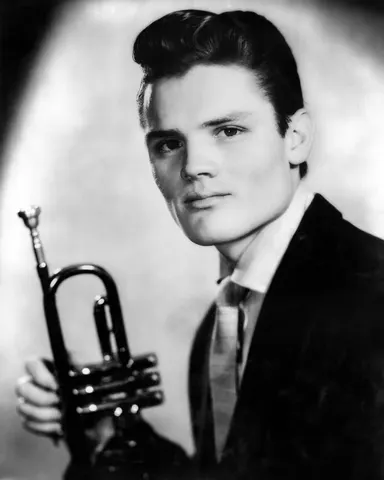
He moved to New York in 1963 and was working almost immediately. Chet Baker took him on for about three years and recorded three of his tunes, "This Is the Thing", "Pamela's Passion" and "Mr. B"; Galper is the pianist on the whole of the Colpix album released as The Most Important Jazz Album of 1964/65, where he also arranged and wrote two pieces, and one of three pianists on the Limelight date Baby Breeze. He accompanied singers for a living in the same years, working with Joe Williams, Anita O'Day, Chris Connor and Dakota Staton, and he took the piano chair on Sam Rivers's Blue Note quartet album A New Conception, recorded on October 11, 1966 with Herbie Lewis on bass and a young drummer named Steve Ellington, who would become the pivot of Galper's own band twenty-four years later. In June 1970 he was the pianist in the Hutcherson-Land Quintet at the Ljubljana festival, a performance that survives as "Mana Mercury" on two documentary LPs, and in 1969 he played on and arranged three tracks of Randy Brecker's Solid State debut Score.
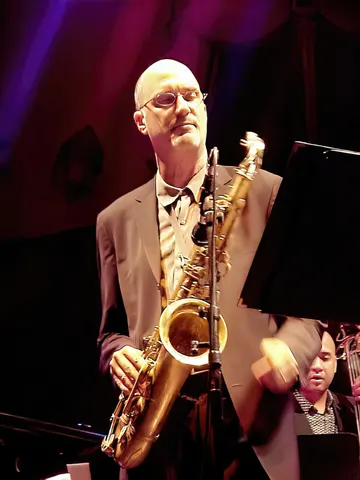
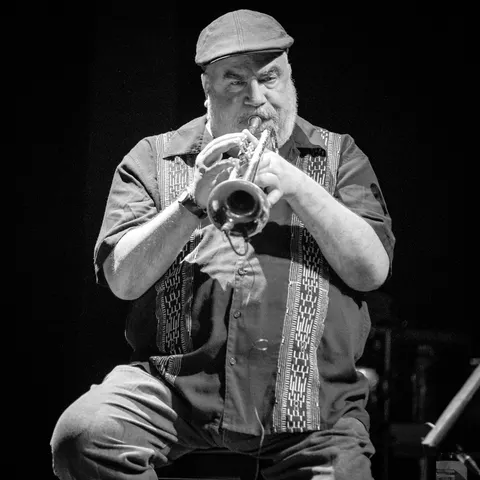
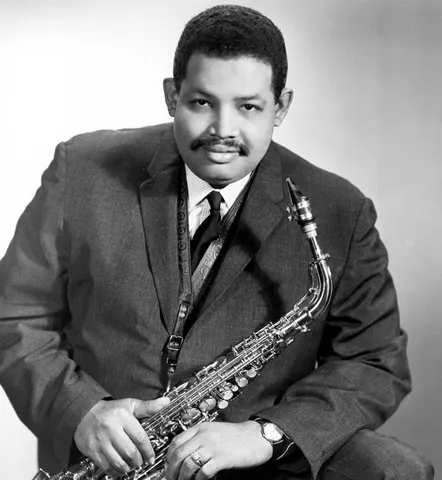
That session began the most consequential of his associations. Randy and Michael Brecker are the front line of the two loud, electric records Galper made for Bob Shad's Mainstream label at the start of the 1970s, The Guerilla Band (August 1971) and Wild Bird (1972), both of them built around his Fender Rhodes and both of them a long way from the acoustic trio work he is now remembered for. A third Mainstream album, Inner Journey (1973), reversed course completely: acoustic piano, all seven pieces his own, with Dave Holland on bass and Bill Goodwin on drums. Between the two he spent a year with Stan Getz from 1972, and in 1973 he replaced George Duke in the Cannonball Adderley Quintet and stayed until 1975. He is on three Adderley albums for Fantasy, Inside Straight, Love, Sex, and the Zodiac and Pyramid, and on Nat Adderley's Double Exposure, and the band played a great deal of his writing: eight of his compositions are spread across those three Fantasy records. One of them, "Leo: Rosebud", reached a second audience twenty-four years later when A Tribe Called Quest sampled it on "Steppin' It Up".
A National Endowment for the Arts grant in the mid-1970s let him put together the Hal Galper Quintet, with the Brecker brothers again, Wayne Dockery on bass and Billy Hart on drums. It opened at Sweet Basil in Greenwich Village and made four albums, Reach Out! for SteepleChase in November 1976, the live Speak With a Single Voice and Redux '78 from two nights at Rosy's in New Orleans in February 1978, and a Berlin concert from November 1977 that sat in a vault for forty-four years before Origin issued it in 2021. Around the quintet he cut two of his most admired records for Enja: Now Hear This (February 15, 1977), a quartet with Terumasa Hino, Cecil McBee and Tony Williams, and Ivory Forest (Ludwigsburg, October and November 1979), where the guitarist is John Scofield and the drummer Adam Nussbaum. The three had recorded together the previous year on Scofield's Rough House. He also made a duo record with Lee Konitz, Windows, in New York in January 1975.
From 1980 he held the piano chair in Phil Woods's band, a job he kept for a decade and which produced the largest single block of sideman work in his catalogue, some fourteen albums. The group was a quartet with Steve Gilmore and Bill Goodwin when he joined, won a Grammy for the Village Vanguard recording At the Vanguard, and became a quintet when Tom Harrell joined the front line. His own leader dates in that decade were fewer and quieter: a trio night in Melbourne in January 1982 with Rufus Reid and Victor Lewis that BlackHawk released as Naturally, the standards album Dreamsville with Gilmore and Goodwin in 1986, a Stockholm session with the Swedish clarinettist Putte Wickman the same year, and Portrait for Concord in February 1989 with Ray Drummond and Hart, its sleeve notes written by Nat Hentoff.
He left Woods in August 1990 to run a trio of his own, and for the next nine years it was on the road half of every year. Steve Ellington was the drummer throughout; Todd Coolman took the bass chair first, and Jeff Johnson eventually became the permanent replacement. That band recorded Invitation to a Concert, Tippin', Live at Vartan Jazz and Fugue State, and expanded to take in the tenor saxophonist Jerry Bergonzi on Just Us, Rebop and the quintet album Let's Call This That. A solo recital for Concord's Maybeck Recital Hall series in July 1990 and a solo Toronto broadcast issued by the Italian label Philology round out the decade. From the mid-2000s his working group was a second trio, with Johnson and the Seattle drummer John Bishop, and it became the vehicle for the idea that occupied the rest of his life: a rubato conception in which the trio plays loose with tempo, harmony and form without abandoning the tune. Seven Origin albums document it, from Furious Rubato (2006) to The Zone: Live at the Yardbird Suite, taped in Edmonton in November 2016. Two outliers stand apart from it, Art-Work, recorded live at William Paterson University in February 2008 with the John Coltrane alumni Reggie Workman and Rashied Ali, and a 2016 festival set in Pennsylvania fronting a band of conservatory students he called the Youngbloods.
Teaching mattered to him as much as playing. He was a charter faculty member of the New School for Jazz and Contemporary Music when it opened in 1986 and was still auditioning students there thirty years later, and he served on the faculty of the Conservatory of Music at Purchase College for fourteen years until he retired in 2014. His article on the psychology of stage fright, first published in the Jazz Educators Journal, has been reprinted four times, and he wrote two books that are standard equipment for a working improviser: Forward Motion: From Bach to Bebop (2003), issued as the first interactive jazz e-book with more than three hundred playable examples, and The Touring Musician (2007), which is about the small-business end of the job rather than the music. He kept teaching through YouTube and social media into his eighties. In November 2024 he announced that he was stepping back from performing to concentrate on writing, and he passed away at his home in Cochecton, New York on July 18, 2025, at eighty-seven. He is survived by Lillyan Peditto, his partner of more than forty years.
Galper was a bebop pianist by training and a restless one by temperament, and the tension between those two facts is the whole story of his playing. The technical foundation came from Madame Chaloff in Boston, whose approach to weight and touch he credited for the singing, unhurried sound he kept even at speed, and the vocabulary came from the bandstands of the late 1950s, where he learned the music from Jaki Byard and Herb Pomeroy rather than from a classroom. What unsettled him was Ornette Coleman: he told Cadence that he could not play the way he played later without the intervening years of bebop groundwork, but that the first Coleman record he heard set the direction. The synthesis arrived late, in the Origin trio records after 2006, where the group treats tempo, harmony and even form as elastic and the tune survives anyway, a practice he simply called rubato. His most durable idea, though, is pedagogical. Forward Motion argues that jazz phrasing resolves forward, onto the strong beats ahead rather than the barline behind, and it reframes bebop line-building as an inherited technique rather than a mystery. It has become a standard text, and Dave Liebman wrote its foreword. DownBeat called him an underrated master of his craft; the guitarist Yotam Silberstein, one of many former students, called him one of the best teachers he ever had.
- Reach Out! (1977, SteepleChase) - The first album by the NEA-funded quintet with Randy and Michael Brecker, Wayne Dockery and Billy Hart, cut in one day on November 11, 1976 and still the record his name is attached to first.
- Now Hear This (1977, Enja) - A quartet of unlikely strength recorded on February 15, 1977 with Terumasa Hino on trumpet, Cecil McBee on bass and Tony Williams on drums, five of its six pieces his own.
- Ivory Forest (1980, Enja) - Sessions of October 31 and November 1, 1979 in Ludwigsburg with John Scofield, Wayne Dockery and Adam Nussbaum, including a solo reading of Monk's "Monk's Mood".
- Inner Journey (1973, Mainstream) - His first acoustic trio record and the one that broke with the electric band, seven Galper compositions with Dave Holland and Bill Goodwin.
- Portrait (1989, Concord) - A direct-to-digital trio date at A&R Studios in February 1989 with Ray Drummond and Hart, and the cleanest recording of his standards playing.
- Speak With a Single Voice (1979, Century) - The quintet live at Rosy's in New Orleans in February 1978, reissued as Children of the Night; the companion tapes came out separately as Redux '78.
- Airegin Revisited (2012, Origin) - The mature rubato trio with Jeff Johnson and John Bishop, recorded in Seattle on April 4, 2012, and the record that drew the strongest reviews of his later career. Spotify - Airegin Revisited Listen
- Cubist (2018, Origin) - His last studio session, taped in Cleveland on October 14, 2016 with Jerry Bergonzi added to the trio and five of the eight tunes written by Johnson. Spotify - Cubist Listen
Hal Galper: Full Discography
Hal Galper's own account put his catalogue at 103 albums, of which 32 were his own. The leader table below aims to be complete for records issued under his name or under a band name he led, from The Guerilla Band in 1971 to the posthumously sequenced Origin releases. The sideman table is a selection rather than a census: it takes the credits that are substantial, historically important or repeated, and sets aside the compilations, samplers and play-along volumes.
Identity confirmed via the live Discogs API: artist ID 455255, listed as "Hal Galper", real name Harold Galper, American jazz pianist. Every row below was fetched at release level and read before it was written. Entries of type master were resolved through their main release, and the title that came back was checked against the title requested before any label, catalogue number, date or personnel was recorded.
Six notes for anyone extending these tables.
First, his catalogue is split across five Discogs entities and a pull on the main one does not reassemble it. Besides artist 455255 there are separate entries for "Hal Galper Quintet" (1909190), "Hal Galper Trio" (2719886), "Hal Galper Quartet" (6297552) and "Hal Galper And The Youngbloods" (6039744). All four were enumerated and reconciled against the main ID, and in this case they added no releases the main listing did not already carry, which is worth recording because the opposite is the common outcome.
Second, the role tag on the main listing is close to useless here and inverted in places. Of 155 entries, 19 carry Main, 116 Appearance and 9 Producer. Records he unambiguously leads sit under all three: Reach Out!, Portrait, Tippin', Just Us, Fugue State, Trip the Light Fantastic, O's Time and Invitation to Openness are tagged Appearance, while Redux '78, Rebop, Children of the Night, Agents of Change, Airegin Revisited, Cubist, The Zone, Live at the COTA Festival and Live at the Berlin Philharmonic 1977 are tagged Producer because he produced them. Meanwhile two Main entries are other people's records. Every classification below was made from the billing on the release itself.
Third, one important album is missing from the artist listing altogether. Speak With a Single Voice, the 1979 Century LP taped live at Rosy's in New Orleans, does not appear under any of the five entities and had to be found by title search (release 1823363). Discogs files it as the parent of the Children of the Night master, so the reissue is reachable from the artist page while the original pressing is not.
Fourth, several entries in his listing are writing credits, not playing credits, and reading them as performances would put four records in these tables that he does not play a note on. Cecil McBee's Music From the Source (1978) is in the listing because the third track is Galper's "First Song in the Day"; the pianist on the album is Dennis Moorman, and Galper is absent from the credit blocks of all nine pressings. Chet Baker's Mr. B (Timeless, 1984) is there because Baker recorded Galper's tune of that name; Michel Graillier plays the piano. Jiro Inagaki's Head Rock (Columbia, 1970) opens with a Galper composition and carries no other connection to him. Ingrid Jensen's Vernal Fields (Enja, 1995) credits him with the liner notes; Bruce Barth plays piano. Those four, and a 1998 hip-hop record that samples one of his tunes, are listed in a separate table below with the role named.
Fifth, a negative from the pressing the listing points at is not a finding. Franco Ambrosetti's Heart Bop (Enja, 1981) returned no Galper credit at all on the main release, which would have read as a clean absence. Two other pressings of the same record, including the 2014 and 2018 Japanese remasters, credit him on piano, and the album is his. The same check rescued Naturally, whose main LP pressing carries an entirely empty credit block while the CD names the trio, the venue and the date.
Sixth, Spotify's catalogue could not be searched for Galper, so no Spotify link below was accepted without being confirmed one at a time. Seven album IDs were taken from Origin Records' own product pages and each was checked individually against Spotify's public embed data; those seven appear below. Every other Spotify cell reads the same placeholder the Buy column uses rather than a guess, and no Spotify artist page is claimed because none could be confirmed.
As Leader / Co-Leader
A record appears here when his name is in the artist billing on the release itself. Where the billing is shared and the project is substantially someone else's, the Role column says so.
| Album Title | Recording Date(s) | Release Date | Label | Catalog Number | Format(s) | Personnel | Role | Reissue History | Spotify | Buy | Notes |
|---|---|---|---|---|---|---|---|---|---|---|---|
| The Guerilla Band | not stated on the release | August 1, 1971 | Mainstream Records | MRL 337 | Vinyl LP, Album, Stereo, unipak gatefold | Hal Galper (electric piano), Randy Brecker (trumpet, electric trumpet, flugelhorn), Michael Brecker (tenor and soprano saxophone), Bob Mann (guitar), Victor Gaskin (bass), Charles Alias and Steve Haas (drums); produced by Bob Shad, engineered by Carmine Rubino, liner notes by Nat Hentoff | Leader; wrote five of the six tracks | Japanese CD reissues on Pony Canyon | — | — | His debut as a leader and an outright electric record. The sixth title is the Van Heusen and Burke standard "Welcome to My Dream". |
| Wild Bird | not stated on the release | 1972 | Mainstream Records | MRL 354 | Vinyl LP, Album, Stereo | Hal Galper (electric piano), Randy Brecker (electric and acoustic trumpet), Michael Brecker (tenor and soprano saxophone), Bob Mann and Jonathan Graham (guitars), Victor Gaskin and Charles LaChappelle (Fender and acoustic bass), Bill Goodwin and Billy Hart (drums); produced by Bob Shad | Leader, composer of all three pieces | (none listed) | — | — | Three long tracks. The largest band he ever put on one of his own records. |
| Inner Journey | not stated on the release | 1973 | Mainstream Records | MRL 398 | Vinyl LP, Album, Stereo | Hal Galper (acoustic piano), Dave Holland (double bass), Bill Goodwin (drums); produced by Bob Shad | Leader, composer of all selections | (none listed) | — | — | The pivot back to acoustic piano after two electric albums. Its title tune and "Invitation to Openness" both became fixtures of his later trios. |
| Windows | New York City, January 6, 1975 | 1976 | SteepleChase | SCS 1057 | Vinyl LP, Album, Stereo | Lee Konitz (alto saxophone), Hal Galper (piano); produced by Nils Winther, recorded by Elvin Campbell, sleeve notes by Chris Sheridan | Co-leader, one of two billed names; wrote one of the nine pieces | (none listed) | — | — | Nine duo performances, mostly standards plus Chick Corea's "Windows", Miles Davis's "Solar" and one tune each by the two principals. |
| Reach Out! | November 11, 1976 | 1977 | SteepleChase | SCS-1067 | Vinyl LP, Album, Stereo | Hal Galper (piano), Randy Brecker (trumpet), Michael Brecker (tenor saxophone, flute), Wayne Dockery (bass), Billy Hart (drums); produced by Nils Winther, recorded by Elvin Campbell, liner notes by Chris Sheridan | Leader; wrote four of the six tracks | (none listed) | — | — | Billed on Discogs to the separate "Hal Galper Quintet" entity. The band was assembled on a National Endowment for the Arts grant and opened at Sweet Basil. |
| Now Hear This | February 15, 1977 | 1977 | Enja Records | enja 2090 | Vinyl LP, Album, Stereo | Hal Galper (piano), Terumasa Hino (trumpet, flugelhorn), Cecil McBee (bass), Tony Williams (drums, credited as Anthony Williams); produced by Horst Weber and Matthias Winckelmann | Leader; composed five of the six pieces | Japanese CD reissues on Solid and Ultra-Vybe | — | — | The sleeve notes that Hino appears courtesy of East Wind and Williams courtesy of Columbia. The sixth tune is Monk's "Bemsha Swing". |
| Speak With a Single Voice | live at Rosy's, New Orleans, February 1978 | 1979 | Century Records | CR-1120 | Vinyl LP, Album | Hal Galper (piano), Randy Brecker (trumpet, flugelhorn), Michael Brecker (tenor saxophone, flute), Wayne Dockery (bass), Bob Moses (drums); produced by Norman Schwartz, liner notes by Chuck Berg | Leader; wrote three of the five tracks | Enja 4006 (1982); reissued as Children of the Night on Double-Time; Japanese CD editions 2014, 2018 and 2020 | — | — | Absent from every one of the five Galper artist listings on Discogs and found only by title search. The Breckers appear courtesy of Arista. |
| Redux '78 | live at Rosy's, New Orleans, February 1978 | 1991 | Concord Jazz | CCD-4483 | CD, Album | Hal Galper (piano, producer), Randy Brecker (trumpet, flugelhorn), Michael Brecker (tenor saxophone, flute), Wayne Dockery (bass), Bob Moses (drums); recorded by Keith Grant, liner notes by Chuck Berg | Leader, producer; wrote three of the seven tracks | (none listed) | — | — | Drawn from the same New Orleans tapes as Speak With a Single Voice and remixed for Dolby Surround thirteen years later. |
| Ivory Forest | Ludwigsburg, October 31 and November 1, 1979 | 1980 | Enja Records | 3053 | Vinyl LP, Album | Hal Galper (piano, on five of six tracks), John Scofield (guitar, on five), Wayne Dockery (bass, on four), Adam Nussbaum (drums, on two); produced by Horst Weber and Matthias Winckelmann | Leader; wrote four of the six pieces | Later Origin Records CD reissue | — | — | The instrument-by-instrument track restrictions are printed on the sleeve, which is unusual and makes this one of the few Galper records where the varying quartet, trio and solo settings can be read directly. Scofield appears courtesy of Arista. |
| Naturally | live at the Prince of Wales Hotel, Melbourne, Australia, January 1982 | 1987 | BlackHawk Records | BKH 529 | Vinyl LP and CD, Album | Hal Galper (piano, producer), Rufus Reid (bass), Victor Lewis (drums); recorded by PBS-FM, engineered by Geof Holder, executive producer Herb Wong | Leader, producer | (none listed) | — | — | Recorded five years before it was issued. The main LP pressing on Discogs has a completely empty credit block; the personnel, venue and date above come from the CD. |
| Dreamsville | Planet Sound, New York City, March 3, 1986 | 1987 | Enja Records | enja 5029 | Vinyl LP, Album, Stereo | Hal Galper (piano), Steve Gilmore (double bass), Bill Goodwin (drums); produced by Artie Bressler, recorded by John Heckman | Leader | (none listed) | — | — | A standards trio with the Phil Woods rhythm section, cut in the middle of his decade in that band. |
| Miss Oidipus | AV Elektronik, Stockholm, November 19, 1986 | 1987 | Dragon | DRLP 132 | Vinyl LP, Album | Putte Wickman (clarinet), Hal Galper (piano), Steve Gilmore (bass), Ron Goodwin (drums); produced by Leif Collin, engineered by Gert Palmcrantz | Co-leader, billed as Putte Wickman and the Hal Galper Trio | Reissued on CD in 2002 as Time to Remember, Dragon DRCD 378, with one extra take | — | — | The drummer is credited on both pressings as Ron Goodwin, not Bill Goodwin. Two of the seven tunes are by the Swedish pianist Lars Jansson. |
| Portrait | A&R Studios, New York, February 1989 | 1989 | Concord Jazz | CJ-383 (LP), CCD-4383 (CD) | Vinyl LP and CD, Album | Hal Galper (piano), Ray Drummond (bass), Billy Hart (drums); produced by Allen Farnham, engineered by Jim Anderson, liner notes by Nat Hentoff, cover photograph by David Fischer | Leader | (none listed) | — | — | Recorded direct to digital two-track on a Sony 32-02. All eight titles are standards or jazz repertoire, including Coltrane's "Giant Steps" and Brubeck's "In Your Own Sweet Way". |
| Live at Maybeck Recital Hall, Volume Six | live at Maybeck Recital Hall, Berkeley, July 1990 | 1990 | Concord Jazz | CCD-4438 | CD, Album | Hal Galper (solo piano) | Leader | (none listed) | — | — | His first solo album, in the Concord series that ran to forty-two volumes. The set opens with a spoken introduction and closes with his own "Aiteign". |
| Invitation to a Concert | November 1990 | 1991 | Concord Jazz | CCD-4455 | CD, Album, Stereo | Hal Galper (piano), Todd Coolman (bass), Steve Ellington (drums); produced by Carl E. Jefferson with Allen Farnham, engineered by Jim Anderson, liner notes by W. Royal Stokes | Leader | (none listed) | — | — | The first record by the trio he formed on leaving Phil Woods three months earlier. |
| Live at Port Townsend '91 | Port Townsend Jazz Festival, Washington, July 27, 1991 | 1995 | Double-Time Records | DTRCD-105 | CD, Album | Hal Galper (piano), Todd Coolman (contrabass, liner notes), Steve Ellington (drums); produced and mastered by Jamey Aebersold, additional liner notes by Bud Shank | Leader | (none listed) | — | — | Includes two spoken "Tune Talking" tracks in which the trio discusses the material. |
| "Unforgettable" Jazz Standards Volume 58 | not stated on the release | 1993 | JA Records | JA 1285D | CD, play-along with book | Hal Galper (piano), Wayne Dockery (bass), Steve Ellington (drums) | Leader, as the rhythm section of an instructional volume | (none listed) | — | — | One of a run of Jamey Aebersold play-along volumes he recorded. Billed to the three musicians by name. Listed here for completeness rather than as an album. |
| Tippin' | Pennsylvania, November 16, 1992 | 1993 | Concord Jazz | CCD-4540 | CD, Album | Hal Galper (piano), Wayne Dockery (bass), Steve Ellington (drums); produced by Allen Farnham, recorded by Kent Heckman, liner notes by David Zych | Leader | (none listed) | — | — | Recorded direct to digital two-track. Nine standards, no originals. |
| Just Us | Systems Two Studio, Brooklyn, September 20, 1993 | 1994 | Enja Records | 8058-2 | CD, Album | Hal Galper (piano), Jerry Bergonzi (tenor saxophone), Pat O'Leary (bass), Steve Ellington (drums) | Co-leader, billed as the Hal Galper Trio with Jerry Bergonzi | (none listed) | — | — | The first of four records with Bergonzi. Pat O'Leary is the bassist here rather than Jeff Johnson. |
| At Cafe des Copains | live for CJRT-FM, Toronto, March 7, 1990 | December 6, 1994 | Philology | W 35.2 | CD, Album | Hal Galper (solo piano); produced by Paolo Piangiarelli, recorded by Ted O'Reilly, liner notes by David Waddington | Leader | (none listed) | — | — | Eleven standards from a Toronto radio broadcast, issued four and a half years later by an Italian label. His second solo album, though the earlier of the two sessions. |
| Live at Vartan Jazz | live at Vartan Jazz, Denver, August 6, 1994 | 1994 | Vartan Jazz | vj001 | CD, Album | Hal Galper (piano), Jeff Johnson (bass), Steve Ellington (drums); produced by Vartan Tonoian, engineered by Michael Fitts, liner notes by Jeff Bradley | Leader | (none listed) | — | — | The first record with Jeff Johnson in the bass chair, ten days before Rebop. Includes a twelve-page booklet. |
| Rebop | Lugano, Switzerland, August 16, 1994 | 1995 | Enja Records | ENJ-9029 2 | CD, Album | Hal Galper (piano, producer), Jerry Bergonzi (tenor saxophone), Jeff Johnson (bass), Steve Ellington (drums); liner notes by Norman Provizer | Leader, producer; wrote the opening track | (none listed) | — | — | Six pieces, opening with his contrafact "All the Things You Aren't". |
| Maybeck Duets | live in Berkeley, California, March 6, 1996 | 1998 | Philology | W 139.2 | CD, Album | Hal Galper (piano, liner notes), Jeff Johnson (bass); produced by Paolo Piangiarelli, engineered by Ron Davis | Co-leader, one of two billed names; wrote one of the seven pieces | (none listed) | — | — | A piano and bass duo recital at the same hall as the 1990 solo album, this time issued in Italy. |
| Sweet Beat Blues | Bologna, Italy, January 22, 1997 | 1998 | Red Record | 123277-2 | CD, Album | Carlo Atti (tenor saxophone), Hal Galper (piano), Jeff Johnson (bass), Steve Ellington (drums); produced by Alberto Alberti, engineered by Gianni Grassilli | Co-leader, billed as Carlo Atti with the Hal Galper Trio; wrote the title track | (none listed) | — | — | An Italian date with a local tenor player, recorded during a European tour by the working trio. |
| Fugue State | live at Manchester Craftsmen's Guild, Pittsburgh, February 8, 1997 | 1998 | Blue Chip Jazz | 4005-2 | CD, Album | Hal Galper (piano), Jeff Johnson (bass), Steve Ellington (drums); produced by Jay Ashby and Marty Ashby | Leader | (none listed) | — | — | Six pieces from a concert at the Pittsburgh arts centre, introduced from the stage by the broadcaster Tony Mowod. |
| Let's Call This That | February 1999 | 1999 | Double-Time Records | DTRCD-157 | CD, Album, Stereo | Hal Galper (piano), Jerry Bergonzi (tenor saxophone), Tim Hagans (trumpet), Jeff Johnson (bass), Steve Ellington (drums); produced by Jamey Aebersold, liner notes by Bob Belden | Leader | (none listed) | — | — | The trio expanded to a quintet, and a programme drawn almost entirely from other musicians' writing, including the title tune by Sam Rivers, one by Jaki Byard and one each by Bud Powell and Charlie Parker. |
| Agents of Change | April 23, 2006 | 2006 | Fabola Records | FABCD #11 | CD, Album | Hal Galper (piano, producer, cover), Tony Marino (bass), Billy Mintz (drums); engineered by Dana Duke, mixed by Bill Goodwin | Leader, producer; wrote three of the seven pieces | (none listed) | — | — | The first record by the Marino and Mintz trio, on his own imprint. |
| Furious Rubato | Avast Studio, Seattle, June 28, 2006 | 2007 | Origin Records | 82476 | CD, Album, Stereo | Hal Galper (piano), Jeff Johnson (bass), John Bishop (drums); recorded by Beck Henderer, mixed by Floyd Reitsma | Co-leader, billed to the three musicians by name | (none listed) | Spotify - Furious Rubato | — | The first Origin album and the record that named the approach he spent the rest of his career on. |
| Art-Work | live at the Jazz Room, William Paterson University, Wayne, New Jersey, February 17, 2008 | 2009 | Origin Records | 82524 | CD, Album | Hal Galper (piano), Reggie Workman (bass), Rashied Ali (drums); recorded by David Kirzner, mixed by Bill Goodwin, mastered by Mark Guenther | Leader; wrote two of the seven pieces | (none listed) | — | — | A one-off trio with two John Coltrane alumni, recorded eighteen months before Ali's death. |
| E Pluribus Unum: Live in Seattle | live at the Earshot Jazz Festival, Seattle, October 23 and 24, 2009 | 2010 | Origin Records | 82557 | CD, Album, Stereo | Hal Galper (piano), Jeff Johnson (bass), John Bishop (drums) | Leader | (none listed) | Spotify - E Pluribus Unum | — | Seven pieces, four of them his own, including two revived from Inner Journey thirty-six years earlier. |
| Trip the Light Fantastic | Roscoe, New York, February 20, 2011 | November 15, 2011 | Origin Records | 82602 | CD, Album | Hal Galper (piano), Jeff Johnson (bass), John Bishop (drums); recorded by Dana Duke, mixed by Floyd Reitsma, mastered by Dan Dean, liner notes by Ken Dryden | Leader; wrote three of the seven pieces | (none listed) | Spotify - Trip the Light Fantastic | — | Recorded near his home in Sullivan County rather than in Seattle. |
| Airegin Revisited | Sophie's Hat Studio, Seattle, April 4, 2012 | November 20, 2012 | Origin Records | 82628 | CD, Album | Hal Galper (piano, producer), Jeff Johnson (bass, producer), John Bishop (drums, producer); mixed by Floyd Reitsma, mastered by Dan Dean | Leader, co-producer; wrote one of the seven pieces | (none listed) | Spotify - Airegin Revisited | — | The best-reviewed of the Origin trio records. Its programme runs from Gershwin and Sonny Rollins to Jimmy Garrison, Sam Rivers and the British pianist John Taylor. |
| O's Time | not stated on the release | 2014 | Origin Records | ORIGIN 82670 | CD, Album | Hal Galper (piano), Jeff Johnson (bass), John Bishop (drums) | Leader | (none listed) | — | — | Six pieces, opening with Coltrane's "Like Sonny" and closing with Ellington's "Our Waltz". |
| Live at the COTA Festival | live at the Celebration of the Arts Festival, Delaware Water Gap, Pennsylvania, September 11, 2016 | 2017 | Origin Records | 82738 | CD, Album, digipak | Hal Galper (piano, producer, liner notes), Nathan Bellott (alto saxophone), Dean Torrey (bass), David Frazier (drums); mixed by Bill Goodwin, recorded and mastered by Kent Heckman | Leader, producer; wrote three of the four pieces | (none listed) | — | — | Billed to Hal Galper and the Youngbloods, a band of conservatory students, at the Pennsylvania festival founded by his Phil Woods bandmates. |
| Cubist | Cleveland, Ohio, October 14, 2016 | 2018 | Origin Records | 82751 | CD, Album | Hal Galper (piano, producer, liner notes), Jerry Bergonzi (tenor saxophone), Jeff Johnson (bass, producer), John Bishop (drums, producer); recorded by Kevin Baylon, mixed by Floyd Reitsma, mastered by Dan Dean | Leader, co-producer; wrote one of the eight pieces | (none listed) | Spotify - Cubist | — | His last studio session. Four of the eight tunes are Jeff Johnson's. |
| The Zone: Live at the Yardbird Suite | live at the Yardbird Suite, Edmonton, November 26, 2016 | November 15, 2019 | Origin Records | ORIGIN 82793 | CD, Album | Hal Galper (piano, producer, liner notes), Jeff Johnson (bass, producer), John Bishop (drums, producer); recorded by Lisi Sommer, edited by Floyd Reitsma, mastered by Dan Dean | Leader, co-producer; wrote one of the seven pieces | (none listed) | Spotify - The Zone | — | A concert from the Edmonton club, taped six weeks after the Cubist session and issued three years later. |
| Live at the Berlin Philharmonic 1977 | live at Berliner Jazztage, Berliner Philharmonie, November 4, 1977, with three tracks from the same hall on January 11, 1978 | January 15, 2021 | Origin Records | ORIGIN 82810 | 2 x CD, Album, trifold digipak | Hal Galper (piano, produced for release), Randy Brecker (trumpet, flugelhorn), Michael Brecker (tenor saxophone), Wayne Dockery (bass), Bob Moses (drums); recorded by Keith Grant, artistic director George Gruntz, liner notes by Paul Rauch | Leader, co-producer of the release; wrote five of the six pieces | (none listed) | — | — | Tapes from the quintet's European tour, released forty-four years after the concerts. |
| Invitation to Openness | live at Big Twig Studio, Roscoe, New York, September 27, 2008 | March 18, 2022 | Origin Records | ORIGIN 82843 | CD, Album | Hal Galper (piano), Tony Marino (bass), Billy Mintz (drums); recorded by Dana Duke, remote engineering for WJFF by John Bachman, mixed and mastered by Dan Dean, liner notes by Paul Rauch | Leader; wrote four of the eight pieces | (none listed) | Spotify - Invitation to Openness | — | A radio broadcast from 2008 issued fourteen years later, and the last album released in his lifetime. |
Two further leader titles appear on his own website's discography and could not be matched to any Discogs release: Emergence (Fabola Records, listed by AllMusic under 1992) and Desire. A third, Reunion, is listed there among reissues and is likewise unmatched. They are recorded here as unresolved rather than omitted.
As Sideman (selected major credits)
| Year | Project (Leader) | Title | Label | Catalog | Role | Notes |
|---|---|---|---|---|---|---|
| 1958 | Berklee School of Music | Jazz in the Classroom | Berklee Records | (not stated) | Piano, as a student | His earliest appearance on record, made while he was still enrolled. |
| 1964 | Chet Baker | The Most Important Jazz Album of 1964/65 | Colpix Records | CP 476 | Piano, album-wide; arranger and composer of two tracks | With Phil Urso, Jymie Merritt and Charlie Rice. The two Galper pieces are "Retsim B" and "Margerine"; Tadd Dameron and Jimmy Mundy arranged the rest. |
| 1965 | Chet Baker | Baby Breeze | Limelight | LM 82003 | Piano, sharing the chair with Bob James and Bobby Scott; composer of three tracks | Recorded January 20 and November 14, 1964, with Frank Strozier and Kenny Burrell. The Galper tunes are "This Is the Thing", "One With One" and "Pamela's Passion". |
| 1966 | Sam Rivers | A New Conception | Blue Note | BLP 4249 | Piano, album-wide | Recorded October 11, 1966 with Herbie Lewis and Steve Ellington, produced by Alfred Lion and engineered by Rudy Van Gelder. A standards programme, unusual for Rivers, and the session where Galper first worked with the drummer who would anchor his own trio from 1990. |
| 1970 | Hutcherson-Land Quintet | 11. Mednarodni International Jazz Festival Ljubljana '70 | Helidon | LP 08-003 | Piano, on one track | A documentary LP of the 11th Ljubljana festival, recorded at Krizanke on June 4 to 6, 1970. Galper plays on "Mana Mercury" with Bobby Hutcherson and Harold Land. |
| 1970 | Randy Brecker | Score | Solid State Records | SS 18051 | Piano, album-wide; arranged three of the eight tracks | Recorded by Rudy Van Gelder, produced by Duke Pearson, with Michael Brecker, Larry Coryell, Eddie Gomez and Chuck Rainey. The session that began the Galper and Brecker partnership. |
| 1973 | Peter Yellin | It's the Right Thing | Mainstream Records | MRL 397 | Electric piano | A labelmate's date for Bob Shad, cut in the same months as Inner Journey. |
| 1973 | The Cannonball Adderley Quintet | Inside Straight | Fantasy | F-9435 | Electric piano; composer of three of the eight tracks | Recorded live in the studio at Fantasy, Berkeley, on June 4, 1973, with Nat Adderley, Walter Booker, Roy McCurdy and King Errisson. The sleeve notes that Galper appears courtesy of Mainstream. His pieces are "Inner Journey", "Snakin' the Grass" and "Second Son". |
| 1973 | Bobby Hutcherson, Harold Land and others | Live at the Festival | Enja Records | ENJA 2030 | Piano, on one track of a documentary compilation | The Ljubljana recording above, licensed to Enja. The record's other three tracks document entirely separate groups from the same festival, none of them involving Galper. |
| 1974 | Cannonball Adderley presents Rick Holmes | Love, Sex, and the Zodiac | Fantasy | F-9445 | Fender Rhodes; composer of three of the thirteen tracks | A narrated concept album. Galper and George Duke both play keyboards on it, one of the few records where the two overlap. His "Leo: Rosebud" was sampled by A Tribe Called Quest on "Steppin' It Up" in 1998. |
| 1974 | The Cannonball Adderley Quintet | Pyramid | Fantasy | F-9455 | Electric piano; composer of two tracks | George Duke plays clavinet and ARP synthesizer alongside him. |
| 1975 | Nat Adderley | Double Exposure | Prestige | P-10090 | Piano, on one track only | A single-track credit on a heavily produced date with strings, Johnny Guitar Watson and George Duke. |
| 1979 | John Scofield Quartet | Rough House | Enja Records | 3033 | Piano, album-wide; composer of one track | Recorded at Studio Zuckerfabrik, Stuttgart, on November 27, 1978, with Stafford James and Adam Nussbaum. Scofield's first album as a leader for Enja and the direct precursor of Ivory Forest. |
| 1981 | Franco Ambrosetti | Heart Bop | Enja Records | enja 3087 | Piano, album-wide; composer of one track | Recorded at Sound Ideas, New York, February 10 and 11, 1981, with Phil Woods, Mike Richmond and Billy Hart. His credit is missing from the pressing the Discogs listing points at and present on three others, including both Japanese remasters. The opening track is his "Triple Play". |
| 1982 | The Phil Woods Quartet | Birds of a Feather | Antilles | AN 1006 | Piano | Recorded August 11 and 12, 1981, with Steve Gilmore and Bill Goodwin. His first record with Woods. |
| 1983 | The Phil Woods Quartet | At the Vanguard | Antilles | AN 1013 | Piano | Recorded in performance at the Village Vanguard on October 8, 1982. Won the Grammy for Best Instrumental Jazz Performance by a Group. |
| 1984 | Chet Baker Trio | Mr. B | Timeless | SJP 192 | Composer of one track; not a playing credit | Michel Graillier is the pianist. Listed here because the title tune is Galper's and because the record appears in his Discogs listing as though it were a session of his. |
| 1984 | Phil Woods and Chris Swansen | Piper at the Gates of Dawn | Sea Breeze Jazz | SB-2019 | Piano | The Woods quartet with a synthesizer player and the singer Kim Parker added. |
| 1985 | The Phil Woods Quartet | Live from New York | Palo Alto Records | PA 8084 | Piano | Recorded at the Village Vanguard on October 7, 1982, the night before the Grammy-winning set above. |
| 1985 | The New Phil Woods Quintet | Integrity | Red Record | VPA 177 | Piano | Recorded live in Bologna in April 1984, and the first record of the quintet with Tom Harrell in the front line. |
| 1985 | Rick Stone | Blues for Nobody | Jazzanne Records | J2001 | Piano | A New York guitarist's debut, recorded December 10 and 11, 1984, with Billy Hart on drums and liner notes by Ira Gitler. |
| 1986 | The Phil Woods Quintet | Heaven | BlackHawk Records | BKH 50401 | Piano | Recorded December 28 and 29, 1984. |
| 1986 | The Phil Woods Quintet | Gratitude | Denon | 33CY-1316 | Piano | Recorded June 19, 1986 for the Japanese market. |
| 1986 | Tom Harrell Quintet | Open Air | SteepleChase | SCS-1220 | Piano | Recorded May 26, 1986 with Bob Rockwell, Steve Gilmore and Bill Goodwin, in effect the Woods band under Harrell's name. |
| 1987 | Dizzy Gillespie and the Phil Woods Quintet | Dizzy Gillespie Meets Phil Woods Quintet | Timeless | SJP 250 | Piano; composer of one track | Recorded at Studio 44, Monster, Holland, on December 14, 1986, with Dizzy Gillespie and Tom Harrell both on trumpet. |
| 1988 | The Phil Woods Quintet | Bop Stew | Concord Jazz | CCD-4345 | Piano; composer of one track | Recorded live at Kan-i Hoken Hall, Tokyo, in November 1987, with liner notes by Leonard Feather. |
| 1988 | Phil Woods' Little Big Band | Evolution | Concord Records | CCD 4361 | Piano | Recorded at A&R Studio, New York, in May 1988, with Nick Brignola, Nelson Hill and Hal Crook added to the quintet. |
| 1989 | The Phil Woods Quintet | Bouquet | Concord Jazz | CCD-4377 | Piano | The companion release to Bop Stew, from the same Tokyo nights. |
| 1990 | The Phil Woods Quintet with Hal Crook | Flash | Concord Jazz | CCD-4408 | Piano; composer of one track | Recorded in April 1989, with Hal Crook's trombone alongside Harrell's trumpet. |
| 1990 | Chet Baker Quartet with Bud Shank | Live at Fat Tuesday's | Fresh Sound Records | FSR-CD 131 | Piano, on three of the four tracks | Recorded at Fat Tuesday's, New York, on April 28, 1981, with Ron Carter and Ben Riley. Phil Markowitz plays the opening number; Galper plays the rest. |
| 1991 | The Phil Woods Quintet | All Bird's Children | Concord Jazz | CCD-4441 | Piano; composer of one track | Recorded at Clinton Recording Studios, New York, in June 1990, two months before Galper left the band. |
| 1994 | Bill Goodwin Trio | Three Is a Crowd | TCB Records | TCB 93402 | Piano | A trio date under the drummer's name from the Woods rhythm section years. |
| 2020 | Bill Goodwin with Hal Galper and Billy Peterson | No Method | Fresh Sound Records | FSR-CD 5063 | Piano, co-billed | Recorded direct to two-track at Creations Studios, Minneapolis, on April 2, 1989 and issued thirty-one years later. Six standards. |
Also in the catalogue and not itemised here: an undated German fusion LP billed as Rössler / Goos Band Feat. Hal Galper (Fusion 8022), a run of Jamey Aebersold play-along volumes recorded through the 1980s and 1990s, and a long tail of Enja, Concord, Double-Time and Origin label samplers and anthologies carrying single licensed tracks.
Credits that are not playing credits
Five entries sit in Galper's Discogs listing under the same coarse tag as his performances and are not performances at all. They are separated out here so that the tables above stay a record of what he played on rather than of what carries his name.
| Year | Project (Leader) | Title | Label | Actual credit |
|---|---|---|---|---|
| 1970 | Jiro Inagaki and His Soul Media | Head Rock | Columbia (Japan) | Composer of the opening track. The band is Jiro Inagaki's Tokyo group; Masaru Imada plays organ and Galper is not present. |
| 1978 | Cecil McBee Sextet | Music From the Source | Enja Records | Composer of "First Song in the Day", track B2. Dennis Moorman plays piano. Galper appears in no credit block on any of the nine pressings; the tune had been on Now Hear This the year before. |
| 1984 | Chet Baker Trio | Mr. B | Timeless | Composer of the title track, as noted above. |
| 1995 | Ingrid Jensen | Vernal Fields | Enja Records | Liner notes, shared with Art Farmer. Bruce Barth plays piano on Jensen's debut. Galper had taught her at Berklee. |
| 1998 | A Tribe Called Quest | The Love Movement and the Find a Way single | Jive | Writing credit on "Steppin' It Up", which samples his composition "Leo: Rosebud" from Cannonball Adderley's Love, Sex, and the Zodiac. |
- Chet Baker - his first significant employer after the move to New York in 1963, for roughly three years; Baker recorded three Galper tunes and Galper was still in his band for a 1981 night at Fat Tuesday's, on three of that set's four numbers.
- Randy Brecker & Michael Brecker - the front line of his 1970s bands, from Randy's Score in 1969 through the two Mainstream albums to the four quintet records of 1976 to 1978.
- Cannonball Adderley - employer from 1973 to 1975, when Galper took over the electric piano chair from George Duke; the band recorded eight of his compositions across three albums.
- Phil Woods - the longest job of his career, ten years in the quartet and then the quintet from 1980 to August 1990, on roughly fourteen albums with Steve Gilmore and Bill Goodwin.
- Tom Harrell - the trumpeter who turned the Woods quartet into a quintet; the two also recorded Harrell's own Open Air for SteepleChase in May 1986.
- Steve Ellington - the drummer of Galper's trio from 1990 to the end of the 1990s, and the same man who played on Sam Rivers's A New Conception alongside him in 1966.
- Jeff Johnson & John Bishop - the Seattle-based bassist and drummer of his rubato trio from 2006 onward, on seven Origin albums; Johnson had first joined the earlier trio in 1994 and wrote most of Cubist.
- Jerry Bergonzi - the tenor saxophonist added to both trios, on Just Us (recorded 1993), Rebop (1994), Let's Call This That (1999) and Cubist (2016), a span of twenty-three years.
- Wayne Dockery - his bassist through the quintet years and again on Ivory Forest and Tippin'.
- John Scofield & Adam Nussbaum - the guitar and drum chairs of two Enja albums a year apart, Scofield's Rough House (Stuttgart, November 1978) and Galper's Ivory Forest.
- Lee Konitz - duo partner on Windows, recorded in New York on January 6, 1975 and released by SteepleChase the following year.
- Billy Hart - the quintet's first drummer and the drummer on Portrait thirteen years later.
- Reggie Workman & Rashied Ali - the rhythm section of the one-off Art-Work, recorded live at William Paterson University on February 17, 2008.
- Bill Goodwin - drummer on Wild Bird, Inner Journey and Dreamsville, bandmate for the whole Woods decade, mixing engineer on three of the later albums, and co-leader of the trio date No Method.
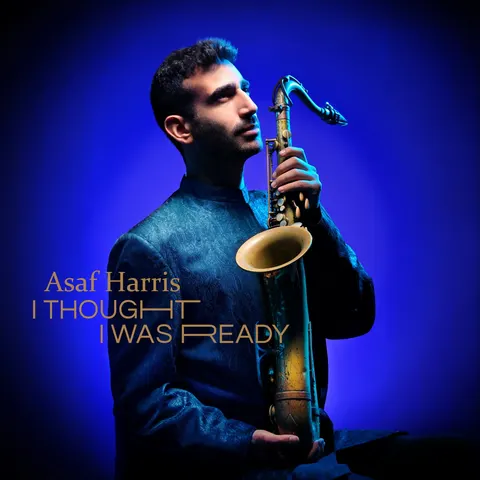
- Asaf Harris - the Israeli saxophonist won a place by audition in the quintet Galper ran at the New School in his final undergraduate year, playing Galper's own book weekly with Galper at the piano.
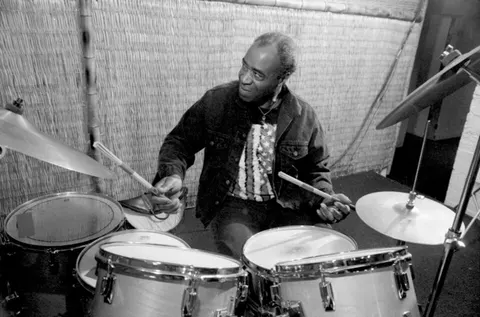
- Wikipedia: Hal Galper
- Discogs: Hal Galper, artist 455255
- AllMusic: Hal Galper biography, by Matt Collar
- halgalper.com: obituary and biography
- halgalper.com: discography
- DownBeat: Pianist, Educator Hal Galper Dies at 87
- Origin Records: Hal Galper
- Wikidata: Hal Galper (Q921190)
- MusicBrainz: Hal Galper
- Secret Eclectic: "True to myself", interview with Asaf Harris, May 14, 2022
- WhoSampled: A Tribe Called Quest, "Steppin' It Up"