 JAZZPROFILES lives in the music 1,572 Jazz Artists fully Profiled!
 Massimo Urbani
Last updated October 1, 2026
Listen on Spotify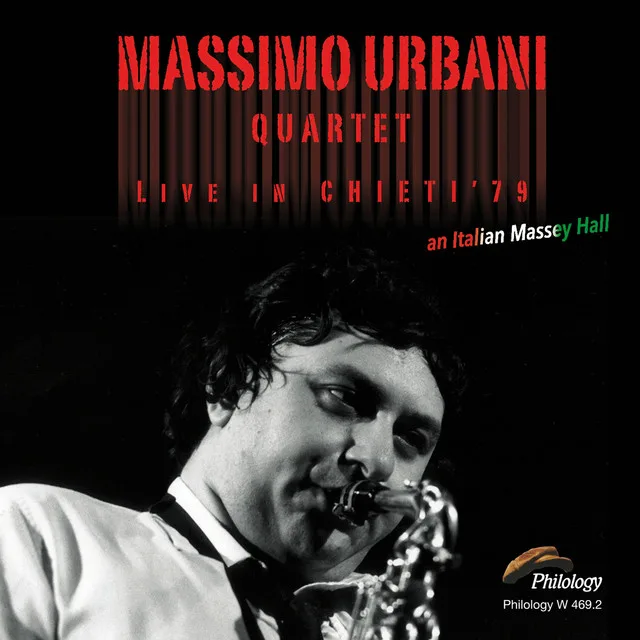
Massimo Urbani playing alto saxophone, from the front cover of the Philology CD *Live in Chieti '79 (An Italian Massey Hall)* (Philology W 469.2, released 2015), which documents his June 9, 1979 concert at the Villa Comunale in Chieti with Franco D'Andrea, Attilio Zanchi, and Giampiero Prina. The cover photograph is uncredited on the release; photographer, exact date, and place of the shot are not documented. Album cover art (not a CC-licensed artist photo), used as the only available image showing the artist. No free-licensed or public-domain photograph of Massimo Urbani was found. Copyright is presumed to rest with Philology Records and the uncredited photographer. — Spotify album art for Live in Chieti '79 (An Italian Massey Hall): https://open.spotify.com/album/4CI9qYZtQxvAfw3LiFscwU (image file https://i.scdn.co/image/ab67616d0000b2738886213053f6f239887892b6). Release verified against Discogs: https://www.discogs.com/release/6829153
Massimo Urbani was born in Rome on May 8, 1957, the eldest of five children of Ugo Urbani and Maria Teresa Tamantini, and grew up in the working-class northwest of the city. His father's record collection got him started: he took up the clarinet at eleven, moved to tenor saxophone and then settled on alto. By fourteen he was sitting in at Roman jam sessions with a command of Charlie Parker's language that startled the musicians around him, and the two players who first put him on a professional stage were alto saxophonist Mario Schiano and bassist Marcello Melis. In 1972 he began attending Giorgio Gaslini's jazz course at Rome's Santa Cecilia conservatory as an outside auditor, alongside Maurizio Giammarco, and was soon working in Gaslini's group.
His recording career began at sixteen. In 1973 he appeared on Schiano's Sud, and in the same year he cut two records with Gaslini, Message for BASF and Favola Pop for Produttori Associati, plus Giancarlo Schiaffini's Jazz a Confronto 5 for the Roman label Horo. In the summer of 1974 he played the second edition of Umbria Jazz; Sonny Stitt, in the audience at St. Andrews in Perugia, congratulated him afterward, an encounter Urbani cited for years as a turning point. That November, still seventeen, he made his own leader debut in Rome for Horo's Jazz a Confronto series with the American bassist Calvin Hill and the Argentine drummer Nestor Astarita, Enrico Rava writing the liner notes. Rava took him to the United States in 1976, where he spent his nights in New York jam sessions; Rava's account of the trip is that Urbani outplayed the local saxophonists who came to hear him.
The stretch between 1977 and 1981 built his reputation. At the Capolinea in Milan in 1977 he met the Bolognese producer Alberto Alberti, who opened doors to the American players then circulating through Italy. Over the following years he shared stages or studios with Chet Baker, Art Farmer, Art Taylor, Lee Konitz, Jack DeJohnette, Steve Grossman, Red Rodney, Lester Bowie, Jackie McLean, Sal Nistico, Donald Byrd, Louis Hayes, Beaver Harris, Tony Scott, Kenny Wheeler, and Steve Lacy. The record that carried his name abroad was 360° Aeutopia, cut at the Barigozzi studio in Milan on June 20, 1979 for Sergio Veschi's Red Records with an all-American rhythm section of Ron Burton, Cameron Brown, and Beaver Harris. Italy's critics voted it record of the year in Musica Jazz's 1980 poll. He followed it in June 1980 with Dedication to A.A. & J.C. / Max's Mood, a title spelling out his two other allegiances beyond Parker, Albert Ayler and John Coltrane, recorded in Bologna with pianist Luigi Bonafede, Furio Di Castri, and drummer Paolo Pellegatti.
From the mid-1980s on his working life split between Veschi's Red Records in Milan and Paolo Piangiarelli's Philology in the Marche, the two labels that between them hold most of what survives of him on tape. Piangiarelli recorded him relentlessly, in clubs and theatres across central Italy, and released the results for decades afterward: the November 24, 1984 concert at the Teatro Comunale in Urbisaglia, a March 1987 duo session with pianist Mike Melillo built entirely around Parker material, and live sets from Chieti, Ancona, Rimini, Turin, Ferrara, and Rome that kept appearing on Philology long after his death. The Red Records side produced Easy to Love, recorded in Rome on January 18, 1987 with pianist Luca Flores, Furio Di Castri, and Roberto Gatto, and his appearance on Giovanni Tommaso's quintet album Via G.T. alongside Danilo Rea and Paolo Fresu. He also turned up on Enrico Pieranunzi's Isis in 1981, on Luca Flores's Where Extremes Meet in 1987, and on Philology's Chet in Italy documenting his encounters with Chet Baker.
His last studio date was The Blessing, made in early 1993 for Red Records with Danilo Rea, Giovanni Tommaso, Roberto Gatto, and his younger brother Maurizio Urbani, a tenor saxophonist, on a session Gatto co-produced. Urbani passed away in Rome on June 24, 1993, at thirty-six, of cardiocirculatory collapse brought on by a heroin overdose; he had been dependent on the drug for much of his adult life, had an autumn tour booked, and was expecting a child. In 1996 Piangiarelli founded the Premio Internazionale Massimo Urbani at Urbisaglia, in the theatre where he had recorded him twelve years earlier. Now run by the Musicamdo association in Camerino, it has become Italy's principal competition for young jazz soloists; among its winners are Francesco Cafiso, Gianluca Petrella, and, in the international category in 2008, the blind Israeli-Italian pianist Yakir Arbib, whose Philology contract followed directly from the prize.
Urbani built his sound out of three sources he never tried to reconcile: Charlie Parker's phrasing, which he had absorbed whole by his mid-teens and could quote at will, and the raw upper-register crying of Albert Ayler and late John Coltrane. What came out was a bebop vocabulary played with a hard, nervous vibrato and a sharply clipped articulation, capable of dropping the changes mid-chorus for a passage of open screaming and then landing back on the form as if nothing had happened. He was a fast, physically forceful improviser who worked best in front of a live audience, which is why so much of his surviving catalog is concert tape rather than studio work, and his readings of standards ("Easy to Love," "Out of Nowhere," "Invitation") tended to leave the melody behind after a single chorus. Enrico Rava, who knew him from his teens, described him as "that eternal sweet boy, unreliable, tender, generous, unbearable and brilliant." Italian critics voted 360° Aeutopia the best record of 1980 in Musica Jazz's annual poll, and Phil Woods, another alto player raised on Parker, wrote the notes for the posthumous Philology anthology Invitation.
- 360° Aeutopia (1979, Red Records) - Recorded in Milan on June 20, 1979 with Ron Burton, Cameron Brown, and Beaver Harris, and voted Italy's record of the year for 1980; the album that established him outside Italy. Spotify - 360 Aeutopia Listen
- Easy to Love (rec. 1987, Red Records) - A quartet date cut in Rome on January 18, 1987 with pianist Luca Flores, Furio Di Castri, and Roberto Gatto, often named as his finest studio recording. Spotify - Easy To Love Listen
- The Blessing (1993, Red Records) - His last studio album, with Danilo Rea, Giovanni Tommaso, Roberto Gatto, and his brother Maurizio Urbani on tenor. Spotify - The Blessing Listen
- Dedications to Albert Ayler and John Coltrane / Max's Mood (1980, Red Records) - Recorded in Bologna in June 1980 with Luigi Bonafede, Furio Di Castri, and Paolo Pellegatti; the clearest statement of his debt to Ayler and Coltrane. Spotify - Dedications To Albert Ayler And John Coltrane
- Live in Chieti '79 (rec. 1979, rel. 2015, Philology) - A June 9, 1979 concert with Franco D'Andrea, Attilio Zanchi, and Giampiero Prina, subtitled "An Italian Massey Hall" and the best-recorded document of him at twenty-two. Spotify - Live in Chieti '79
- Duets for Yardbird (1987, Philology) - A saxophone-and-piano duo with Mike Melillo taped at Recanati on March 23, 1987, given over entirely to Charlie Parker's repertoire. Spotify - Duet For Yardbird
- Jazz a Confronto 13 (1975, Horo) - His leader debut, recorded in Rome on November 12, 1974 at seventeen with Calvin Hill and Nestor Astarita, with liner notes by Enrico Rava. Not confirmed on Spotify.
- Via G.T. (1986, Red Records) - As a sideman: Giovanni Tommaso's quintet album with Danilo Rea, Paolo Fresu, and Roberto Gatto, one of the defining Italian records of the decade. Spotify - Via G.T.
Massimo Urbani: Full Discography
Identity confirmed via the live Discogs API, artist ID 341462 ("Italian jazz saxophonist, born 8 May 1957 in Rome, died 24 June 1993"), which links to the Italian Wikipedia article and matches Wikidata Q981964. Discogs credits him on 78 releases (24 tagged "Main," 47 "Appearance," 7 track-level). Those role tags are unreliable in his case, because many of his own leader dates are filed under separate Discogs artist entities ("Massimo Urbani Quartet," "Massimo Urbani Quintet," "Massimo Urbani Trio"), so the leader/sideman split below was drawn by hand from the actual billing and personnel of each release rather than from the Discogs role field. A separate Discogs artist, Maurizio Urbani (ID 1636447), is his younger brother, a tenor saxophonist; credits to Maurizio have been kept out of the tables except where the two brothers appear together on the same record.
Massimo Urbani led or co-led roughly twenty releases across a twenty-year career, but the majority of them were issued after his death, chiefly by Paolo Piangiarelli's Philology label, which had taped him extensively in concert. The "As Leader / Co-Leader" table below covers his leader catalog including those posthumous concert issues. The Buy column is — throughout; no affiliate program is set up.
As Leader / Co-Leader
| Album Title | Recording Date(s) | Release Date | Label | Catalog Number | Format(s) | Personnel | Role | Reissue History | Spotify | Buy | Notes |
|---|---|---|---|---|---|---|---|---|---|---|---|
| Jazz a Confronto 13 | Recorded November 12, 1974, Rome | 1975 | Horo Records | HLL 101-13 | Vinyl, LP, Album | Massimo Urbani (alto sax), Calvin Hill (bass), Nestor Astarita (drums); liner notes by Enrico Rava | Leader | None found | Not confirmed on Spotify | — | His leader debut, cut at seventeen for Horo's Roman Jazz a Confronto series |
| 360° Aeutopia | Recorded June 20, 1979, Barigozzi Studio, Milan | June 20, 1979 | Red Record | VPA 146 | Vinyl, LP, Album | Massimo Urbani (alto sax), Ron Burton (piano), Cameron Brown (bass), Beaver Harris (drums); produced by Alberto Alberti and Sergio Veschi | Leader (billed to the quartet) | CD reissues on Red | Spotify - 360 Aeutopia | — | Voted best record of the year in Musica Jazz's 1980 Italian critics' poll |
| Dedication to A.A. & J.C. / Max's Mood | Recorded June 1980, Music Center, Bologna | 1980 | Red Record | VPA 160/165 | Vinyl, LP, Album | Massimo Urbani (alto sax, compositions), Luigi Bonafede (piano), Furio Di Castri (bass), Paolo Pellegatti (drums) | Leader | CD reissue as Dedications to Albert Ayler and John Coltrane | Spotify - Dedications To Albert Ayler And John Coltrane | — | Titled for Albert Ayler and John Coltrane; Discogs also carries an Italian critics' award note on this release, but Musica Jazz's 1980 prize is elsewhere attributed to 360° Aeutopia |
| Go Max Go | Recorded live August 7, 1981, San Giuliano a Mare, Rimini | 2001 | Philology | W 187.2 | CD, Album | Massimo Urbani (alto sax), Riccardo Zegna (piano), Luciano Milanese (bass), Gianni Cazzola (drums); produced by Paolo Piangiarelli | Leader | None found | Spotify - Go Max Go | — | Recorded 1981, issued twenty years later |
| Max Leaps In | Recorded live September 26, 1983, Teatro Rossini, Civitanova Marche | 2000 | Philology | W 181.2 | CD, Album | Massimo Urbani (alto sax), Mike Melillo (piano), Massimo Moriconi (bass), Tullio De Piscopo (drums) | Leader (Massimo Urbani Quartet) | Repressed 2006 | Spotify - Max Leaps In | — | Mastered in Naples in 1999; De Piscopo co-produced with Piangiarelli |
| The Urbisaglia Concert | Recorded live November 24, 1984, Teatro Comunale, Urbisaglia (Macerata) | 1994 | Philology | W 70.2 | CD, Album | Massimo Urbani (alto sax), Carlo Gargioni (piano), Andrea Zuppini (guitar), Roberto Giolito (bass), Leo Angeletti (drums) | Leader | None found | Spotify - The Urbisaglia Concert | — | Recorded in the theatre where the award named for him would be founded twelve years later |
| Live in Ancona at Strabacco '84 | Recorded live November 27, 1984, Strabacco, Ancona | 2002 | Philology | Not confirmed | CD, Album | Massimo Urbani Quintet; full personnel not confirmed on Discogs | Leader | None found | Spotify - Live in Ancona at Strabacco | — | One of a long run of posthumous Philology concert issues |
| Easy to Love | Recorded January 18, 1987, Sonic Studio, Rome | 1987 | Red Record | RR 123208.2 | CD, Album | Massimo Urbani (alto sax), Luca Flores (piano), Furio Di Castri (bass), Roberto Gatto (drums); produced by Sergio Veschi | Leader | Later CD pressings on Red | Spotify - Easy To Love | — | Frequently cited as his best studio quartet date |
| Duets for Yardbird (Duets Improvisations for Yardbird) | Recorded March 23, 1987, Malleus Studio, Recanati | 1987 | Philology | 214 W 4 | Vinyl, LP, Album | Massimo Urbani (alto sax), Mike Melillo (piano); produced by Paolo Piangiarelli | Co-leader (with Mike Melillo) | CD reissue as Duet for Yardbird | Spotify - Duet For Yardbird | — | An all-Charlie Parker programme for alto and piano |
| Live at the Supino Jazz Festival 1987 | Recorded live August 6, 1987, Supino | 2002 | Philology | Not confirmed | CD, Album | Massimo Urbani Quartet with Luca Flores (piano); rest of personnel not confirmed on Discogs | Leader | None found | Spotify - Live at the Supino Jazz Festival 1987 | — | |
| Live at Larry's '88 | Recorded live October 13-14, 1988, Larry's Club, Turin | 1999 | Stampa Alternativa | CMCD.04 | CD, Album, Promo | Massimo Urbani (alto sax), Furio Di Castri (bass), Manhu Roche (drums, percussion) | Leader (Massimo Urbani Trio) | Reissued 2016 | Spotify - Live at Larry's '88 | — | Originally sold only with Carola De Scipio's book Vita, Morte, Musica di Massimo Urbani |
| Urlo | Recorded October 9 and 17, 1988, Studio C.I.M., Verona | 1994 | Elicona Edizioni Musicali | 3343-2 | CD, Album | Massimo Urbani (alto sax), Carlo Atti (tenor sax), Massimo Faraò (piano), Piero Leveratto (bass), Gianni Cazzola (drums) | Leader | None found | Spotify - Urlo | — | Italian Wikipedia dates this to 1988; the Elicona CD was issued in 1994 |
| Out of Nowhere | Not specified in Discogs data | 1990 | Splasc(h) Records | CD H 336-2 | CD, Album | Massimo Urbani (alto sax), Giuseppe Emmanuele (piano), Nello Toscano (bass), Pucci Nicosia (drums), Paul Rodberg (trombone) | Leader | 2015 expanded CD adds three bonus tracks | Spotify - Out of Nowhere | — | A Sicilian rhythm section; one of the few leader dates issued in his lifetime |
| Round About Max with String | Recorded November 28, 1991, Matera | 1992 | Sentemo Records | SNT 30392 | CD, Album | Massimo Urbani (alto sax), Gianni Lenoci (piano), Pasquale Gadaleta (bass), Antonio Di Lorenzo (drums), plus string quartet (Marzia Mazzoccoli, Anna Tenore, Vincenzo Longo, Davide Viterbo) | Co-leader (with Gianni Lenoci) | None found | Not confirmed on Spotify | — | His only recording with strings; issued the year before his death |
| The Blessing | Recorded early 1993 | 1993 | Red Record | RR 123257-2 | CD, Album | Massimo Urbani (alto sax), Maurizio Urbani (tenor sax), Danilo Rea (piano), Giovanni Tommaso (bass), Roberto Gatto (drums); produced by Gatto and Sergio Veschi | Leader (Massimo Urbani Quartet) | None found | Spotify - The Blessing | — | His last studio recording; the only one pairing him with his brother |
| Invitation | Various dates, 1980s | October 1995 | Philology / Musica Jazz | W 58.2 | CD, Album | Compiled sessions featuring Massimo Urbani (alto sax) with Enrico Rava (trumpet), Mike Melillo and Carlo Gargioni (piano), Massimo Moriconi, J.-F. Jenny-Clark and Roberto Giolito (bass), Aldo Romano, Leo Angeletti and Paolo Pellegatti (drums); liner notes by Phil Woods | Leader (anthology) | None found | Spotify - Invitation | — | An assembled anthology, not a single session; Italian Wikipedia dates it 1977, which the Discogs release does not support |
| Live at Belzebù | Not specified in Discogs data | 2004 | Philology | Not confirmed | CD, Album | Massimo Urbani Quartet featuring Marcello Tonolo, Aldo Zunino, Gianni Cazzola | Leader | None found | Spotify - Live at Belzebù | — | |
| The Nights of the Buescher | Not specified in Discogs data | 2009 | Philology | W 413.2 | 2xCD, Album, Live | Massimo Urbani (alto sax), Eddie Wied and Giovanni Ceccarelli (piano); produced by Paolo Piangiarelli | Co-leader (with Giovanni Ceccarelli) | None found | Not confirmed on Spotify | — | Named for the Buescher saxophone Urbani played; thanks credited to the Musicamdo association and the University of Camerino |
| Live at Alexanderplatz | Not specified in Discogs data | 2014 | Villa Celimontana Jazz Festival | CO04002 | CD | Massimo Urbani (alto sax), Red Rodney (trumpet), Andrea Beneventano (piano), Dario Rosciglione (bass), Gegè Munari (drums) | Co-leader (with Red Rodney) | None found | Not confirmed on Spotify | — | Documents one of his meetings with an American bebop veteran, at the Rome club Alexanderplatz |
| Live in Chieti '79 (An Italian Massey Hall) | Recorded live June 9, 1979, Villa Comunale, Chieti | 2015 | Philology | W 469.2 | CD | Massimo Urbani (alto sax), Franco D'Andrea (piano), Attilio Zanchi (double bass), Giampiero Prina (drums); liner notes by Enrico Rava, produced by Paolo Piangiarelli | Leader (Massimo Urbani Quartet) | None found | Spotify - Live in Chieti '79 | — | Cover photograph of Urbani used as this profile's portrait image |
| We'll Be Together Again: Live at Jazz Club "La Mela," Ferrara, Spring 1982 | Recorded live spring 1982, Ferrara | 2016 | Philology | Not confirmed | CD, Live | Massimo Urbani Quartet; full personnel not confirmed on Discogs | Leader | None found | Not confirmed on Spotify | — | |
| Live in Mestre Venezia 1982 | Recorded live 1982, Mestre | 2020 | Caligola | Digital | 9 x File, FLAC, Album | Massimo Urbani Quartet; full personnel not confirmed on Discogs | Leader | None found | Not confirmed on Spotify | — | Digital-only issue |
| 30 | Recorded December 15, 1981, Bologna | 2023 | Red Record | 123338-2 | CD, Album | Massimo Urbani (alto sax), Pietro Tonolo (tenor sax), Riccardo Zegna (piano), Luciano Milanese (bass), Gianni Cazzola (drums) | Leader (Massimo Urbani Quintet) | None found | Spotify - 30 | — | Previously unissued 1981 tape released for the thirtieth anniversary of his death |
Further posthumous Philology concert issues not itemized above include Live at the Blue Lab, Rome, March 12, 1988 (2011) and Wild Genius: The Monte Roduni Concert, a quintet date with Bob Mover (2005).
As Sideman (selected major credits)
| Year | Project (Leader) | Title | Label | Catalog | Role | Notes |
|---|---|---|---|---|---|---|
| 1973 | Mario Schiano | Sud | Splasc(h) (H 501-2, later CD) | Alto saxophone | His first appearance on record, at sixteen | |
| 1973 | Giorgio Gaslini | Message | BASF (X 23312) | Alto saxophone | Later collected in Gaslini's L'Integrale chronological anthology (Soul Note) | |
| 1973 | Giorgio Gaslini | Favola Pop: Reportage da "L'Isola di Utopia" | Produttori Associati (PA/LP 48) | Alto saxophone | ||
| 1973 | Giancarlo Schiaffini | Jazz a Confronto 5 | Horo (101-5) | Alto saxophone | ||
| 1974 | Mario Schiano con Giorgio Gaslini | Jazz a Confronto 8 | Horo (101-8) | Alto saxophone | ||
| 1974 | Loy & Altomare | Chiaro | CBS | Saxophone | A pop-side date, cited in every Italian account of his early years | |
| 1975 | Enrico Rava | Jazz a Confronto 14 | Horo (101-14) | Alto saxophone | ||
| 1976 | Gaetano Liguori Collective Orchestra | Collective Orchestra | PDU (PLD A 6051) | Alto saxophone | Recorded February 3-4, 1976; Urbani and Edoardo Ricci are the two altos, with Danilo Terenzi on trombone and Roberto Bellatalla on double bass; Discogs-confirmed | |
| 1978 | Laboratorio della Quercia | Laboratorio della Quercia | Horo (HDP 39-40) | Alto saxophone | ||
| 1981 | Enrico Pieranunzi Quartet & Quintet featuring Art Farmer | Isis | Edi-Pan | Alto saxophone | ||
| 1983 | GND | GND | RCA (PL 70056) | Alto saxophone | ||
| 1984 | Enrico Pieranunzi | Autumn Song / Live at the Berlin Jazz Days '84 | Soul Note | Alto saxophone | Issued under both titles | |
| 1986 | Five For Jazz (Luigi Bonafede) | Live in Sanremo and in Pesaro | Splasc(h) (CD HP 01.2) | Alto saxophone | ||
| 1986 | Giovanni Tommaso Quintet | Via G.T. | Red Record (196.2) | Alto saxophone | With Danilo Rea, Paolo Fresu, and Roberto Gatto | |
| 1987 | Luca Flores / Matt Jazz Quintet | Where Extremes Meet | Splasc(h) (H 123) | Alto saxophone | ||
| 1988 | Chet Baker | Chet in Italy | Philology (W 81.2) | Alto saxophone | Documents their Italian encounters in Baker's last years | |
| 1990 | Rava, Urbani, D'Andrea, Tommaso, Romano | Live at JazzBo' 90 | Philology | Alto saxophone | Issued 2006; the Bologna festival appearance Italian accounts single out as one of his last great performances | |
| 1999 | Gaetano Liguori Idea Quintet | Live | Philology (W 145.2) | Alto saxophone | Recorded live at the Palazzina Liberty, Milan, in March 1979 and issued in 1999, six years after Urbani's death; with Danilo Terenzi (trombone), Roberto Del Piano (bass) and Filippo Monico (drums); Discogs-confirmed |
Discogs also logs Urbani on Gianna Nannini's Sconcerto Rock soundtrack (1983), Ernesto Bassignano's D'Essai (1983), Carla Marcotulli's Flying (1987), Franco Calone's Note d'Amore (1987), Lello Panico & Phoenix's Fronne (1988), the Enrico Rava Quintet reissue Flat Fleet (2005), and various Italian-jazz anthologies (Il Jazz in Italia III, Top Jazz in Italy, Jazz in Italy: Tra i Classici e il Free, Red Records: Un Filo Rosso nel Jazz). Those are not itemized here.
Pietro Tonolo (tenor/soprano saxophone) - Massimo Urbani Quintet: 30 (2023, archival recording).
Maurizio Giammarco (soprano and tenor saxophone) - fellow sideman in the Gaslini/Schiano circle: Message (1973), Sud (1973) and Jazz A Confronto 5 (1973), all Discogs-confirmed.
Mario Schiano - the alto saxophonist who first put Urbani on a professional stage around 1972 and gave him his recording debut on Sud (1973); they recorded together again on Horo's Jazz a Confronto 8 (1974).
Giorgio Gaslini - taught the Santa Cecilia jazz course Urbani audited from 1972, then hired him; they recorded Message and Favola Pop in 1973.
Enrico Rava - wrote the notes to Urbani's 1975 leader debut, employed him on Jazz a Confronto 14, took him to New York in 1976, and played on the material later collected as Invitation; a lifelong advocate.
Sergio Veschi (Red Records) - produced 360° Aeutopia (1979), Dedications (1980), Easy to Love (1987), and The Blessing (1993), the spine of Urbani's studio catalog.
Paolo Piangiarelli (Philology) - recorded Urbani live across the Marche and Abruzzo from the early 1980s, issued most of that material posthumously, and founded the award named after him in 1996.
Roberto Gatto and Furio Di Castri - his most frequent Italian rhythm-section partners in the 1980s, on Dedications, Easy to Love, Live at Larry's '88, and The Blessing.
Luca Flores - pianist on Easy to Love (1987) and the Supino festival tape from the same year, and Urbani's guest on Flores's own Where Extremes Meet (1987). Profiled on JazzProfiles.com.
Danilo Rea and Giovanni Tommaso - the Via G.T. quintet (1986) and, seven years later, the band on The Blessing.
Mike Melillo - pianist on the all-Parker duo Duets for Yardbird (1987) and on the 1983 Civitanova Marche concert issued as Max Leaps In.
Maurizio Urbani - his younger brother, a tenor saxophonist, who played the horn opposite him on The Blessing and spent the following three decades performing his music.
American visitors - Chet Baker, Art Farmer, Art Taylor, Red Rodney, Lee Konitz, Jack DeJohnette, Steve Grossman, Jackie McLean, Lester Bowie, Donald Byrd, and Louis Hayes among the players he worked with on their Italian tours, most of those meetings arranged by Alberto Alberti.
Eugenio Colombo (alto saxophone, flute) - both are on Gaslini's Favola Pop (1973) and Mario Schiano's Sud (1973), and Colombo wrote the liner notes for the Massimo Urbani Quartet's Live At The Blue Lab, Rome March 12, 1988 (Philology, 2011). Discogs-confirmed.
Fabrizio Sferra (drums) - drummer on Enrico Pieranunzi's Autumn Song, recorded live at the Berlin Jazz Days on November 11, 1984, with Urbani on alto saxophone and Enzo Pietropaoli on bass; Discogs-confirmed. Profiled on JazzProfiles.com.
Franco Tonani (drums) - one of two drummers with Urbani in the large ensemble of Giorgio Gaslini's Message (1973). Profiled on JazzProfiles.com.
Gaetano Liguori (piano) - bandleader on the Gaetano Liguori Collective Orchestra (PDU, 1976) and on the Idea Quintet's Live (Philology, 1999, recorded at Milan's Palazzina Liberty in March 1979), both Discogs-confirmed, with Danilo Terenzi on trombone on both.
Giampaolo Ascolese - drummer on Live At The Supino Jazz Festival 1987 (Philology, 2002), Urbani's quartet recorded on August 6, 1987, with pianist Luca Flores and bassist Pino Sallusti; Discogs-confirmed. In a 2013 interview Ascolese also recalls Urbani sitting in with his band Spirale at the Lovere festival on June 16, 1979.
Giancarlo Barigozzi (recording engineer) - credited as recording engineer (Discogs role "Recorded By") on 360º Aeutopia (Red Record RR123146.2, 1994), per Discogs.
Giancarlo Schiaffini (trombone, tuba, euphonium) - credited together on Jazz A Confronto 5 (1973). Discogs-confirmed.
Gianni Cazzola (drums) - on Urlo (1994), Go Max Go (2001, recorded live in 1981), Live at Belzebù (recorded on December 16, 1988 in Cazzola's home town of San Giovanni in Persiceto and issued in 2004) and 30 (2023, recorded in 1981); profiled separately on this site.
Gianni Bedori (tenor saxophone, bass flute) - credited with Urbani on Gaslini Double's Message (1973). Profiled on JazzProfiles.com.
Gianni Lenoci (piano) - Round About Max With Strings (Sentemo, 1992), on which Urbani plays alto saxophone and Lenoci piano, per Discogs.
Giorgio Rosciglione (double bass) - bass on Wild Genius: The Monte Roduni Concert (recorded live at the Eddie Lang Jazz Festival on August 9, 1992, issued by Philology in 2005), with Antonello Vannucchi on piano and Gegè Munari on drums; Discogs-credited. Profiled separately on this site.
Giovanni Ceccarelli (piano) - co-billed on The Nights Of The Buescher (Philology, 2009), the two-CD set of Urbani's live recordings from Macerata on March 12 and 13, 1992, on which Ceccarelli plays piano and wrote liner notes; Discogs-confirmed. Profiled separately on JazzProfiles.com.
Guido Mazzon (trumpet, flugelhorn) - trumpet on Gaslini Double's Message (BASF, 1973), where Urbani plays alto saxophone, and in the front line of the Gaetano Liguori Collective Orchestra (PDU, 1976) with Urbani and Danilo Terenzi; Discogs-confirmed.
Roberto Bellatalla (double bass) - fellow front-line member of the Gaetano Liguori Collective Orchestra (PDU, 1976); Discogs-confirmed.
Marcello Tonolo (piano) - pianist on Live At Belzebù (recorded 1988, issued 2004), plus the archival live albums We'll Be Together Again (2016) and Live In Mestre Venezia 1982 (2020); Discogs-verified across three releases.
Nello Toscano (double bass) - sideman date, Out of Nowhere (1990, Splasc(h) Records), Discogs-verified; Toscano is an Italian double bassist profiled separately on the ItalianJazz vault.
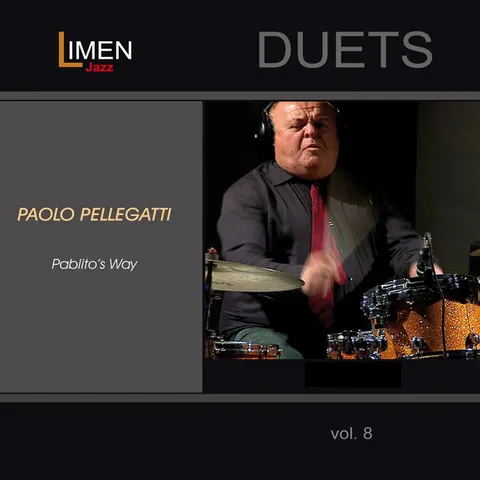
Paolo Pellegatti (drums) - Discogs-confirmed drums on Dedication To A.A. & J.C. / Max's Mood (1980) alongside Luigi Bonafede and Furio Di Castri, and on four of the six tracks of the posthumous anthology Invitation (1995); also drums on the 2018 Red Record retrospective Massimo Urbani, which reissues the 1980 session. Profiled on the ItalianJazz vault.
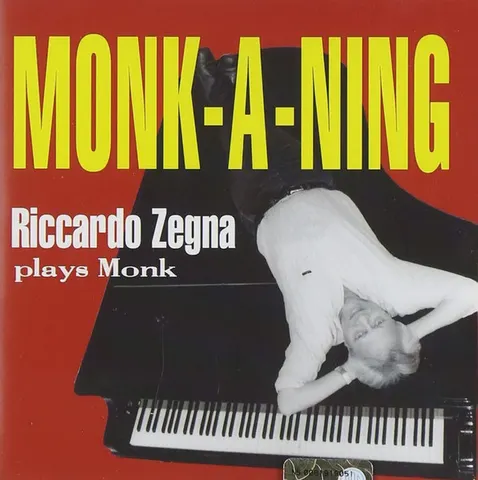
Riccardo Zegna (piano) - pianist on Go Max Go (2001, recorded live in 1981) and the posthumous tribute 30 (2023), both with Gianni Cazzola on drums. Profiled on the ItalianJazz vault.
More Bebop Artists
See all 166 Bebop artists →More Italian Jazz Artists
See all 514 Italian artists →- Wikipedia (Italian): Massimo Urbani
- Treccani, Dizionario Biografico degli Italiani: Urbani, Massimo
- Discogs: Massimo Urbani (artist 341462)
- Premio Massimo Urbani: official biography
- Premio Massimo Urbani: award history and hall of fame
- Premio Massimo Urbani: 2008 edition
- A Proposito di Jazz (Gerlando Gatto): Massimo Urbani, una presenza vitale ancora oggi
- A Proposito di Jazz (Gerlando Gatto): Massimo Urbani
- Il Messaggero, "Accadde oggi": 24 giugno 1993, muore a Roma Massimo Urbani
- Jazzitalia: Addio a Maurizio Urbani
- Umbria Jazz: 1974 edition archive
- Wikidata: Massimo Urbani (Q981964)