 JAZZPROFILES lives in the music 2,059 Jazz Artists fully Profiled!
Lee Pan-geun
Last updated October 27, 2026
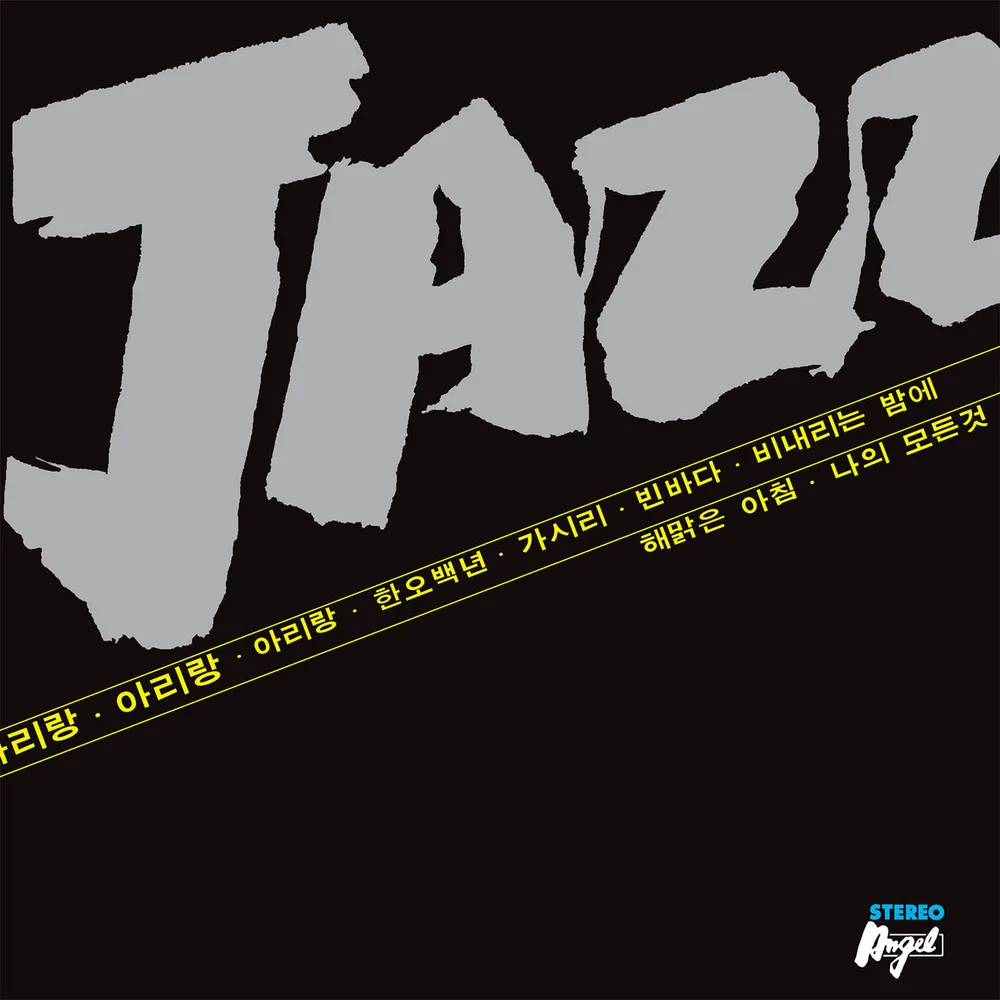
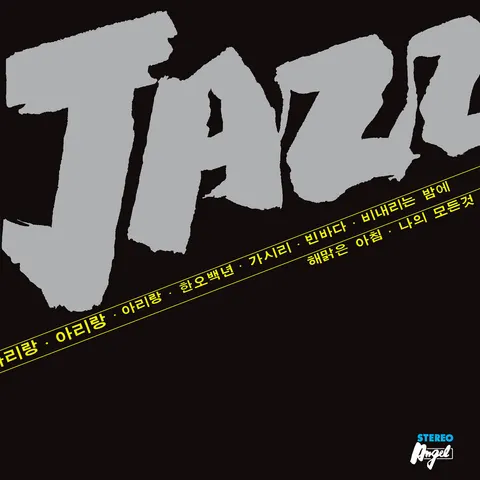
Cover of the 1979 Angel (Dai Han) LP of the 1978 quintet session arranged and produced by Lee Pan-geun, shown as reissued by Cobra Rose Records in 2013 as Plays Arirang & Other Assorted Classics by Lee Pan-geun & The Korean Jazz Quintet '78, the first album recommended in this profile. It is a typographic sleeve, not a photograph of the artist. Standard copyright, all rights reserved (Bandcamp page notice: 1979, 2013 Eom Jin Estate; 2013 Beatball Music Group; Cobra Rose Records is a division of Beatball Music Group). This is not a Creative Commons or public-domain image; it is an album cover shown as an honestly disclosed editorial identification image. — https://leepangeunkoreajazzquintet.bandcamp.com/album/plays-arirang-and-other-assorted-classics-aka-jazz-jazz-wondrous-jazz-jazz (cover art, bcbits image a1990724880)
Lee Pan-geun (이판근) was a saxophonist and electric bassist who became better known as an arranger, composer, jazz theorist and teacher. Korean newspapers call him the "godfather of Korean jazz": the Hankook Ilbo used that title for a long profile in 2010, and the Seoul Shinmun's obituary headline called him a pioneer of Korean jazz while its text repeats that he is regarded as the godfather. He was born in Osaka, Japan, in 1934 and passed away on March 3, 2024, at the age of 90.
Almost none of his own playing was recorded. The Hankook Ilbo noted in 2010 that he had never released an independent album of his own tunes, and the one LP that carries his name, made in 1978, is a session he arranged and produced for other players, not one on which he is credited as a performer. His standing rests on that session, on more than 200 compositions, on a teaching career that reached more than 3,000 students, and on a tribute album made by younger musicians in 2010.
He was born in Osaka and spent his childhood in Kyoto, according to the Hankook Ilbo, which adds that he heard classical music and Korean folk music such as yukjabaegi and pansori as a child. He moved to Masan, on the south coast, in the fifth grade of primary school; the Seoul Shinmun says he returned to Korea after liberation in 1945 and played alto saxophone in the school band at Masan Commercial High School. The Hankook Ilbo says he could write down most tunes after hearing them a few times but could not notate jazz at all, and that the puzzle is what pulled him in: a year after reaching Masan he could notate jazz by ear, and in his last year of middle school he scored jazz tunes for the school band.
He entered the commerce college of Seoul National University and, as the Hankook Ilbo tells it, went straight onto the stages of the United States Eighth Army; the Seoul Shinmun describes the work as part-time. He graduated in 1958. The two papers then tell the next years a little differently. The Hankook Ilbo says he spent about three years in law offices and similar jobs and in 1963 chose jazz as his lifelong profession. The Seoul Shinmun says he left his job and, around 1960, played saxophone in the Eighth Army's "New Star Show" before switching to electric bass and devoting himself to jazz. A 2019 exhibition notice by the photographer Noh Sang-hyun says he changed to bass when the Vietnam War sharply reduced Eighth Army stage work. Looking back in a 2013 GQ Korea interview, he said that at the Eighth Army he transcribed whatever new pop or jazz came over the AFKN broadcasts and played it the next day.
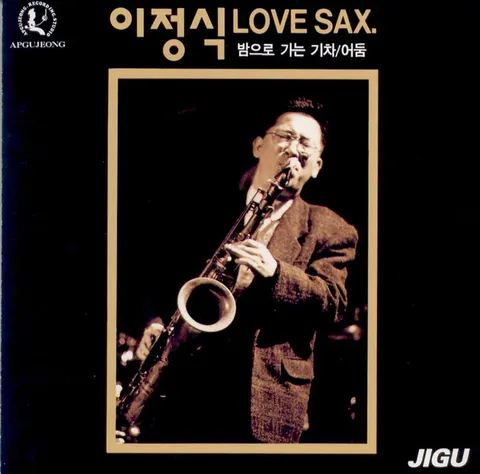
As a bassist and arranger he worked in the band of the saxophonist Lee Jeong-sik (이정식), an older bandleader whom the Hankook Ilbo already called deceased in 2010; he is a different man from the later saxophonist Lee Jung-sik, born in 1961. The Seoul Shinmun adds that he taught himself jazz theory: he travelled to Japan again and again to get Berklee textbooks that Korean musicians trained in the United States had translated, and he began to teach what he learned. In the 1970s, with pop and rock pushing jazz off the stage, most of his first-generation colleagues moved to other genres or left for the United States, the Hankook Ilbo says, and he stayed.
In 1976 he settled in Gijachon, in Seoul's Eunpyeong district, and lived there for 34 years. The two-storey house served as home, recording room and classroom, and his pupils called it the alma mater of Korean jazz. The club Janus, which opened in 1978 and was founded by the singer Park Seong-yeon (박성연), gave him a regular stage. According to the Hankook Ilbo he played a monthly concert there with the trumpeter Kang Dae-gwan (강대관), the drummer Choi Se-jin (최세진), the guitarist Cho Jeong-su (조정수), the saxophonist Kim Soo-yeol (김수열), the pianist Son Soo-gil (손수길), the drummer Yu Yeong-su (유영수) and Park. The Maeil Shinmun adds that he arranged the ten-minute "Miryang Arirang" on Park's first album, Jazz At The Janus Vol. 1 (Jigu Records, 1985).
The record he is best known for was made at a studio in Majang-dong, Seoul, in 1978. Its producer, Eom Jin (엄진), was a pop-record planner of the 1970s who had worked on hit records by Han Dae-soo, Yoon Bok-hee and others; Tenasia reports that he went to Lee, whom he did not know, and asked only that two of his own songs, "Bin Ba-da" and "Gasiri", be played as jazz. The lineup, repertoire and arrangements were left to Lee, who gathered Kang Dae-gwan on trumpet, Kim Soo-yeol on saxophone, Son Soo-gil on piano, Lee Soo-young (이수영) on bass and Choi Se-jin on drums, with Ryu Bok-sung (류복성) credited on percussion on later editions. Lee is credited with the arrangements and as producer, not as a player. In 2013 he told GQ Korea that the electric bass suited the rhythm of an era of go-go and rock, that the bassist Lee Soo-young had come from the popular band Jokers, and and that the pianist Son Soo-gil, who he recalled was about nineteen, was nicknamed McCoy Tyner by the group. He singled out Kim Soo-yeol and Son on "My Favorite Things" and Son on "Bin Ba-da", and said the record was largely built on his expectations for those two.
The album came out in February 1979 on the Dai Han label as 재즈로 들어본 우리 가요 민요 팝송 ("Korean pop songs, folk songs and popular songs heard through jazz") and soon disappeared. The critic Hwang Deok-ho first heard of it from Choi Se-jin in 1999; a cassette later turned up at the magazine MM Jazz, and Lee Bong-soo of Beatball Music reissued it in October 2013 under the name Lee Pan-geun & Korean Jazz Quintet '78, a name the otherwise unnamed group had never had. Hwang called it the first recording of modern jazz in the bebop sense by Korean players, with Coltrane-style modal playing and Miles Davis-style jazz-rock meeting the flavour of Korean folk music. A Japanese edition followed in 2013, a vinyl edition in 2015 and a 40th anniversary edition in 2018. Lee himself said in 2013 that he had lost his own copy long before and had not heard it in decades.
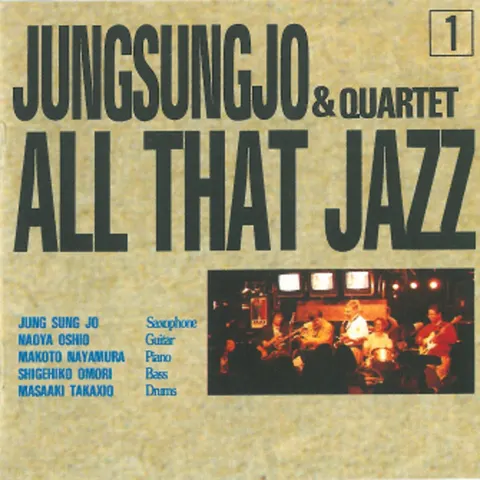
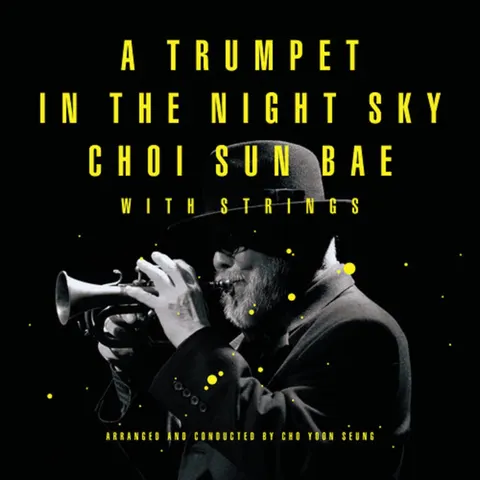
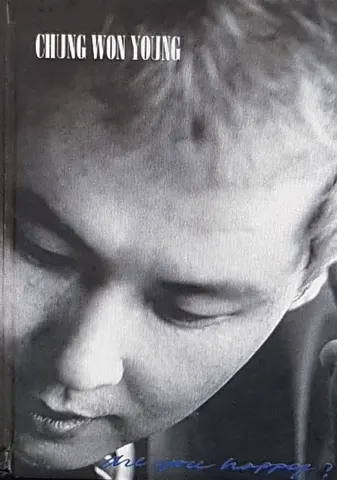
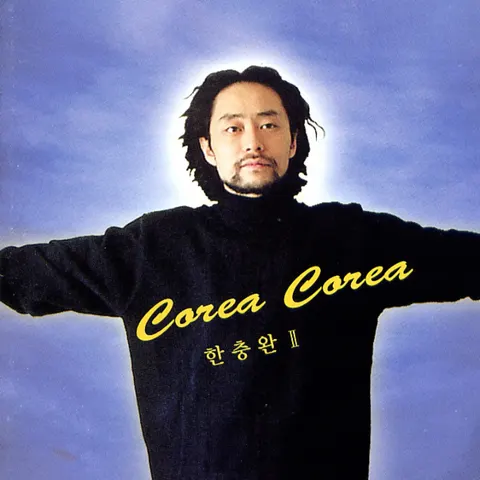
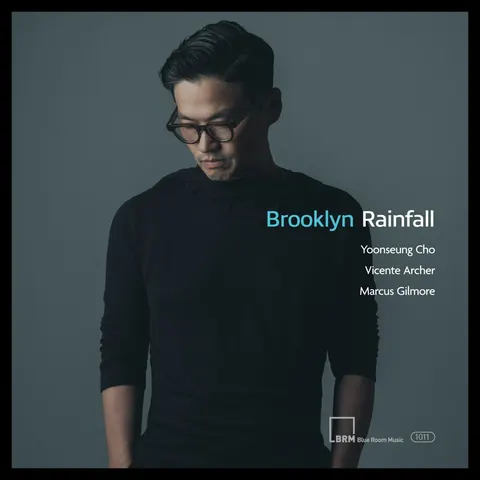
From 1985 he gave up regular performing and put his energy into composing and teaching, the Hankook Ilbo says. The paper counted more than 200 compositions and more than 3,000 students by 2010, and named the saxophonist Kang Tae-hwan (강태환), the pianists Chung Won-young (정원영), Kim Kwang-min (김광민), Hahn Choong-wan (한충완) and Im In-gun (임인건), the saxophonists Lee Jung-sik (이정식) and Jung Sung-jo (정성조) and the singer Yun Hee-jung (윤희정) among his pupils; it also lists the pop stars Kim Su-cheol, Insooni and Park Hak-gi as having studied with him for a time. The liner notes of the 2013 reissue name Choi Sun-bae (최선배) beside Kang Tae-hwan and Jung Sung-jo as musicians he mentored, and the 2019 exhibition notice says he influenced many more, among them Cho Yoon-seung (조윤성), Im In-gun and Jeon Seong-sik (전성식), as well as the pop singers Shim Soo-bong, Insooni, Yoon Su-il and Kim Jong-jin. In his 2013 interview he said he had concentrated on teaching rather than playing because for years no one else in Korea taught jazz, and that the years when he had the most students were his peak. He told students not to repeat the same improvised line twice, asked singers to learn enough piano to play their own chords, and had them copy English pronunciation before singing jazz in English.
His own idea of Korean jazz is the thread through the rest of his work. He told the Hankook Ilbo that blues grew into jazz and that pansori and other Korean music could grow into a new jazz in the same way; Tenasia says he meant the 1978 session to carry what he called Korean spiritual jazz. In 2013 he described his method as building music from Korean polyrhythms, so that a listener who knows nothing about jazz still hears a Korean rhythm go by, and compared the aim to the way Brazilian folk music was turned into bossa nova. He also said he had set about a hundred sijo, the Korean classical verse form, to music as jazz, with 70 to 80 pieces recorded without vocals, and meant to arrange about twenty more folk songs and to write a memoir that could double as a music textbook.
In October 2010 younger musicians put his music on record. The Lee Pan-geun Project, a six-piece group that Indieful ROK says included the guitarist Jean Oh and the pianist John Nam, re-arranged his pieces for the album A Rhapsody in Cold Age (Leeway Music & Media, released October 10, 2010; 45 minutes, eight tracks including "A Farewell to Madness", "The Rhapsody Never Ends" and "소월길"). The Hankook Ilbo reported that it was the first time a Korean jazz project had been built around one person's music. The group appeared as a new act at the 7th Jarasum International Jazz Festival that month, where Lee watched the younger players perform his tunes; his former pupil Jeong Chang-gyun (정창균), a pastor in the United States whom people called the Korean Rahsaan Roland Kirk for playing three saxophones at once, joined the stage. The album won Best Jazz & Crossover Performance at the 8th Korean Music Awards in February 2011, and in 2012 the 9th Korean Music Awards gave Lee its Achievement Award (공로상).
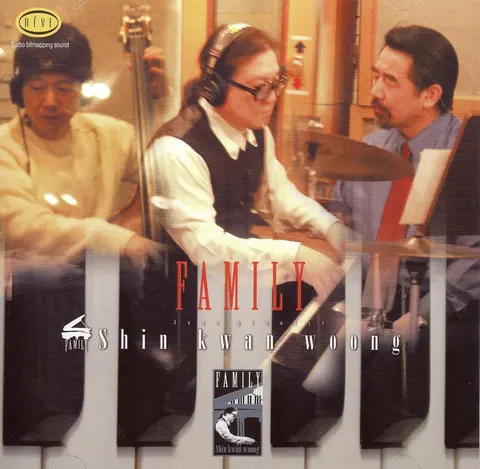
He also appears in the documentary Bravo! Jazz Life (브라보! 재즈 라이프), directed by the critic Nam Mu-seong (남무성), which opened in Korean cinemas on December 16, 2010. Its cast is made up of Korea's first-generation jazz players, among them Kang Dae-gwan, Ryu Bok-sung, Kim Soo-yeol, Park Seong-yeon and Shin Kwan-woong (신관웅), and Indieful ROK reports that its soundtrack won Best Film & TV Music at the same 2011 awards. The film begins with the news that his research lab, as the Gijachon house was known, is to be demolished; young columnists and players then plan a tribute album and concert for the older generation.
That demolition was real. In September 2010 he moved out of the house in Gijachon, which the Eunpyeong New Town development had expropriated, into an apartment in Goyang, where, the Hankook Ilbo found, he kept a piano, guitar and records in one room and gave lessons without instruments, handing pupils scores of his own pieces and having them fill in the improvised sections before he commented. His daughter was campaigning for a jazz memorial hall, but in 2013 he said the three-year fight over the building had failed and the plan was on hold. In January 2019 Noh Sang-hyun showed an online exhibition of photographs of the house in its last days before demolition.
Lee passed away on March 3, 2024. The Seoul Shinmun, in an obituary the same night, noted his Korean Music Awards honour and the more than 200 pieces he left, among them "당신은 나의 누구세요" and "소월길"; the funeral hall was at the National Health Insurance Service Ilsan Hospital, with the funeral procession on March 5.
Little of Lee Pan-geun's own playing exists on record, so this section rests on what his collaborators, critics and his own interviews say.
His starting point was the American jazz he learned from AFKN broadcasts and from the Eighth Army stages, and from the theory books he collected on trips to Japan. The 1978 session shows how he put that to use. Hwang Deok-ho hears Coltrane's modal jazz of the 1960s and Miles Davis's jazz-rock of the 1970s mixed unevenly, with Korean folk music running through both, and the liner notes of the 2013 reissue compare the opening "Arirang" to a spiritual or soul jazz label such as Black Jazz or Strata East: a spiritual introduction leading into jazz-funk drum breaks and a driving electric bass line. Lee chose electric bass for that session on purpose, because he thought its dry sound suited the rhythms of the time better than the double bass.
The Korean side was a lifelong project rather than a flavour. He told the Hankook Ilbo that the blues, with its sorrowful feeling, absence of harmony and simple melody, resembles pansori, and the scales of Korean folk songs such as "Sabal-ga", "Han-o-baek-nyun" and "Kwaejina Chingchingnane" run through "A Farewell to Madness", "The Rhapsody Never Ends" and "River" on the tribute album. The Maeil Shinmun, writing in 2026, hears the 1978 album as jazz finding the sway and space already hidden inside the folk tunes, and credits his arrangement of "Miryang Arirang" for Park Seong-yeon with the same approach. Pop was a side of his work, not its centre. He told GQ Korea that offers of popular-song work came in but that he would not have done music only for the money, and that he encouraged singers to put jazz songs into Korean lyrics so that audiences could follow them. The Seoul Shinmun's list of musicians who came out of his teaching spans jazz and popular music. His own accounts keep returning to jazz, though, and to the scene at Janus.
- Lee Pan-geun & The Korean Jazz Quintet '78, Plays Arirang & Other Assorted Classics (1979, Dai Han AG-0003; reissued 2013, 2015 and 2018) - the 1978 session he arranged and produced, with Kang Dae-gwan, Kim Soo-yeol, Son Soo-gil, Lee Soo-young and Choi Se-jin. Bandcamp - Plays Arirang And Other Assorted Classics · YouTube - full album Listen
- Lee Pan-geun & The Korean Jazz Quintet '78, "Arirang" - the ten-minute opener. YouTube - Arirang Listen
- Lee Pan-geun Project, A Rhapsody in Cold Age (2010, Leeway Music & Media) - younger musicians re-arrange his compositions; Korean Music Awards winner for jazz and crossover performance. Bugs - A Rhapsody In Cold Age
- Park Seong-yeon, 박성연과 Jazz At The Janus Vol. 1 (1985, Jigu Records JLS-1202250) - includes "밀양아리랑", which the Maeil Shinmun says he arranged. Apple Music - Park Sung Yeon and Jazz At the Janus Vol. 1 Listen
- Bravo! Jazz Life (2010, dir. Nam Mu-seong) - the documentary in which he appears among the first-generation players. Watcha Pedia - 브라보! 재즈 라이프
Lee Pan-geun (이판근) - Full Discography
Korean jazz arranger, composer, theorist and teacher; alto saxophonist and electric bassist. Born 1934, Osaka, Japan; passed away March 3, 2024. Discogs artist 4846729 (Lee Pan Geun); the 1978 quintet is held on Discogs as a separate group entry, Lee Pan Geun & The Korean Jazz Quintet '78 (artist 4844658).
Name variations on record: Lee Pan Geun, Lee Pan-geun, Lee Pan-Geun, Lee Pangeun, Pangeun Lee, 이판근, イ・パングン. The 1979 sleeve bills the band as 이판근과 코리안 째즈 퀸텟 '78; later editions give Lee Pan-geun & The Korean Jazz Quintet '78 and, in Japan, Lee Pan-Geun & Jazz Quintet '78.
He recorded very little as a performer, and no album of his own compositions under his own name exists. The list below is the full set found on Discogs and in Korean press: one leader-billed album in several editions, a tribute album of his compositions, one compilation track and one reported arranger credit.
Leader-billed album
| Album | Year | Label | Personnel | Notes | Listen | Buy |
|---|---|---|---|---|---|---|
| 재즈로 들어본 우리 가요 민요 팝송 (billed as 이판근과 코리안 째즈 퀸텟 '78; reissued as Plays Arirang & Other Assorted Classics) | 1979 (recorded 1978) | Dai Han (Angel Production), AG-0003 (LP), AG-111 (cassette) | Lee Pan-geun (arranger, producer; Discogs also credits "directed by" on the 2018 edition), Kang Dae-gwan (trumpet), Kim Soo-yeol (tenor and soprano saxophones), Son Soo-gil (piano), Lee Soo-young (bass), Choi Se-jin (drums), Ryu Bok-sung (bongo, percussion; credited on the 2013 liner credits and the 2018 edition), Eom Jin (producer, designer, composer of "Bin Ba-da" and "Gasiri") | Released February 27, 1979 per Discogs; recorded at Majang-dong Studio, Seoul, in 1978. Seven tracks: "Arirang" (10:18), "Bin Ba-da" (5:42), "Bi Nae-ri-neun Bam-e", i.e. "Rainy Night in Georgia" (5:03), "Hae Mal-geun A-chim", i.e. "Softly, as in a Morning Sunrise" (2:55), "Gasiri" (6:43), "Han-o-baek-nyun" (7:00), "Na-ui Mo-deun-geot", i.e. "My Favorite Things" (8:43). Durations from the 2018 edition. Discogs master 940759; main release 7945983. Genres on Discogs: jazz, funk and soul; styles free jazz, post bop, jazz-funk, modal. | Full album on YouTube · "Arirang" on YouTube · Bandcamp | Bandcamp |
Editions of the 1978 session
| Year | Edition | Label and catalogue number | Format | Notes | Listen | Buy |
|---|---|---|---|---|---|---|
| 1979 | Original LP | Dai Han, AG-0003 | LP, stereo | Discogs release 7945983; the note on the release says it was actually recorded in 1978. | not found | not found |
| 1979 | Original cassette | Dai Han, AG-111 | Cassette | Discogs release 27599958; only Eom Jin is credited (producer, design). | not found | not found |
| 2013 | Cobra Rose reissue, remastered | Cobrarose Records, CR69023 | CD in LP miniature sleeve | Released October 25, 2013 per Discogs (Bandcamp gives October 24). Remastered by Masao Maruyama (Production Dessinée) at Studio Djoke, Japan; liner notes by Hwang Deok-ho and DJ Soulscape; reissue produced by Lee Bong-soo; reissue design by Baek Ji-hoon. The first issue under the name Lee Pan-geun & Korean Jazz Quintet '78. Discogs release 17387890. | Bandcamp | Bandcamp |
| 2013 | Japanese edition, Lee Pan-Geun & Jazz Quintet '78 Jazz Arirang | Production Dessinée PDCD-126; Vivid Sound VSCD-9457 | CD, paper sleeve | Released November 13, 2013. Discogs release 7954167. | not found | not found |
| 2015 | Yellow vinyl | Cobrarose Records, CR69024 | LP | Released February 1, 2015. Discogs release 7576328. A Japanese pressing (Beatball CR 60024, Discogs release 9293020) followed. | not found | Amazon |
| 2018 | 40th anniversary edition | Beatball CR69024-RE; Cobrarose Records CR 69024RE | Gatefold LP with 12-page booklet, transparent blue vinyl | Released November 19, 2018. New artwork by Jaime Zuverza; extensive English liner notes. Also pressed on black vinyl (Cobrarose CR69024, Discogs release 12934972) and as a blue and peach splatter edition. Discogs release 12958294. | Full album on YouTube | Amazon |
Tribute album, compilation and arranger credits
| Year | Release | Billing | Label | Details | Listen | Buy |
|---|---|---|---|---|---|---|
| 1985 | 박성연과 Jazz At The Janus Vol. 1 | Park Seong-yeon (박성연) | Jigu Records, JLS-1202250 (LP); reissued on CD in 1992 as JCDS-0298 | Arranger of "밀양아리랑" (10:17), according to the Maeil Shinmun (June 26, 2026); Discogs does not itemise arranger credits on this release. Eleven tracks in all. Discogs release 16891104. | On Apple Music | not found |
| 2010 | A Rhapsody In Cold Age | Lee Pan-geun Project (이판근 프로젝트) | Leeway Music & Media (distributor) | Released October 10, 2010; 45:03; eight tracks: "Preface To Famellogy", "Famellogy", "A Farewell To Madness", "Preface To 소월 길", "소월 길", "The Rhapsody Never Ends", "江" and "江 (Alternate Take)". A six-piece group of younger musicians playing re-arranged versions of Lee's compositions, including the guitarist Jean Oh and the pianist John Nam (Indieful ROK); full personnel is not itemised in the sources found. Winner of Best Jazz & Crossover Performance at the 8th Korean Music Awards (February 2011). Not on Discogs as a release. | On Bugs | not found |
| 2011 | Rainbow 2010 Korean Jazz Best 27 | Various | jazzpeople, YSRD-13023 and YSRD-13024 (2CD) | Compilation sampler, a supplement to the June 2011 issue of the magazine Jazz People for its fifth anniversary. Disc 2, track 2, "A Farewell To Madness", is billed to Lee Pan Geun on Discogs. Discogs release 30138458. | not found | not found |
Film
Bravo! Jazz Life (브라보! 재즈 라이프), documentary directed by Nam Mu-seong (남무성), released in Korean cinemas on December 16, 2010; Lee Pan-geun is in the main cast with Kang Dae-gwan, Ryu Bok-sung, Kim Soo-yeol, Park Seong-yeon and Shin Kwan-woong. Its soundtrack won Best Film & TV Music at the 8th Korean Music Awards (2011).
Sources
- Discogs: Lee Pan Geun, artist 4846729
- Discogs: Lee Pan Geun & The Korean Jazz Quintet '78, artist 4844658
- Discogs: master 940759, 재즈로 들어본 우리 가요 민요 팝송
- Discogs: Dai Han AG-0003 (1979), release 7945983
- Discogs: Cobrarose CR69023 (2013), release 17387890
- Discogs: Plays Arirang & Other Assorted Classics, 2018 edition, release 12958294
- Discogs: Rainbow 2010 Korean Jazz Best 27, release 30138458
- Bandcamp: Plays Arirang And Other Assorted Classics, credits and liner notes
- Bugs: A Rhapsody In Cold Age
- Indieful ROK: More on the KMA 2011 winners
- Tenasia: 1978 quintet reissue (October 25, 2013)
- Maeil Shinmun: 우리 가락은 어떻게 그루브를 얻었나 (June 26, 2026)
- Kang Dae-gwan (강대관) - trumpeter on the 1978 session, credited on the same Discogs master release as Lee Pan-geun. The two played monthly concerts at Janus, and Kang is a fellow member of the cast of Bravo! Jazz Life (2010).
- Kim Soo-yeol (김수열) - tenor saxophonist on the 1978 session, credited on the Discogs release with Lee as arranger. Lee told GQ Korea that he made the record largely out of his expectations for Kim and Son Soo-gil.
- Choi Se-jin (최세진) - drummer on the 1978 session. Choi told the critic Hwang Deok-ho about the record in 1999, which led to its rediscovery.
- Ryu Bok-sung (류복성) - credited on percussion (bongo) on the 2013 liner credits and on the 2018 Discogs edition; Lee recalled in 2013 that the percussion on the original was played by Choi.
- Park Seong-yeon (박성연) - founder of Janus, where Lee played monthly from 1978; the Maeil Shinmun says he arranged "Miryang Arirang" on her 1985 album. She is named in the 2013 reissue's thanks.
- Son Soo-gil (손수길) and Lee Soo-young (이수영) - pianist and bassist of the 1978 quintet. Tenasia says Son had worked in the band of the saxophonist Lee Jeong-sik in the 1970s.
- Eom Jin (엄진) - producer of the 1978 album, a pop-record planner who passed away in 1988.
- Hwang Deok-ho (황덕호) - critic who traced the 1978 album and wrote the 2013 liner notes.
- Lee Bong-soo (이봉수) - producer of the 2013 reissue for Beatball Music, with liner notes also by DJ Soulscape (Park Min-jun).
- Jean Oh - guitarist, named by Indieful ROK as one of the six musicians of the Lee Pan-geun Project (2010).
- Kang Tae-hwan (강태환), Chung Won-young (정원영), Kim Kwang-min (김광민), Hahn Choong-wan (한충완), Im In-gun (임인건), Lee Jung-sik (이정식) and Jung Sung-jo (정성조) - named by the Hankook Ilbo (2010) as his pupils.
- Choi Sun-bae (최선배) - named in the 2013 reissue liner notes, with Kang Tae-hwan and Jung Sung-jo, among the musicians he mentored.
- Cho Yoon-seung (조윤성) and Shin Kwan-woong (신관웅) - named in a 2019 exhibition notice among the musicians influenced by him.
- Yun Hee-jung (윤희정) - singer whom the Hankook Ilbo (2010) names among his pupils; she began studying with him in 1992, and the Hankook Ilbo (2004) says he wrote the music for "Y.H.J Blues", to her words, on her album C.E.O.J Vol. 1 (2004).
- Jeong Chang-gyun (정창균) - the saxophonist-pastor whom the Hankook Ilbo names as his pupil; Jeon Seong-sik (전성식) is named in the 2019 notice among those he influenced.
- Nam Mu-seong (남무성) - director of Bravo! Jazz Life (2010).
More Modal Jazz Artists
See all 74 Modal Jazz artists →More South Korean Jazz Artists
See all 197 South Korean artists →- Lee Pan-geun and The Korean Jazz Quintet '78 on Bandcamp
- Discogs: Lee Pan Geun
- Discogs: Lee Pan Geun & The Korean Jazz Quintet '78
- Bugs: Lee Pan-geun Project, A Rhapsody In Cold Age
- YouTube: Plays Arirang & Other Classics, full album
- Seoul Shinmun obituary, March 3, 2024
- Hankook Ilbo: 한국 재즈의 대부 이판근씨 (October 28, 2010)
- GQ Korea: 돌아보면 언제나 네가 있었다 (October 25, 2013)
- Lee Pan-geun on JazzProfiles.com
- Seoul Shinmun: 한국 재즈의 선구자 이판근 별세 (March 3, 2024)
- Hankook Ilbo: [사람과 희망] 한국 재즈의 대부 이판근씨 (October 28, 2010)
- GQ Korea: 돌아보면 언제나 네가 있었다, interview (October 25, 2013)
- Tenasia: 1978 quintet reissue (October 25, 2013)
- Bandcamp: Lee Pan-geun & Korean Jazz Quintet '78, Plays Arirang And Other Assorted Classics (credits and liner notes)
- Yeongjong News: 노상현 작가, 코리안 재즈 이판근 사진 전시회 개최 (January 7, 2019)
- Maeil Shinmun: 우리 가락은 어떻게 그루브를 얻었나, 재즈, 아리랑을 번역하다 (June 26, 2026)
- Indieful ROK: More on the KMA 2011 winners
- Wikipedia: Korean Music Awards
- Bugs: A Rhapsody In Cold Age
- Discogs: 재즈로 들어본 우리 가요 민요 팝송, Dai Han AG-0003
- Discogs: Plays Arirang & Other Assorted Classics, 2018 edition
- Wikipedia (Korean): 브라보! 재즈 라이프