 JAZZPROFILES lives in the music 2,059 Jazz Artists fully Profiled!
Ryu Bok Sung
Last updated October 27, 2026
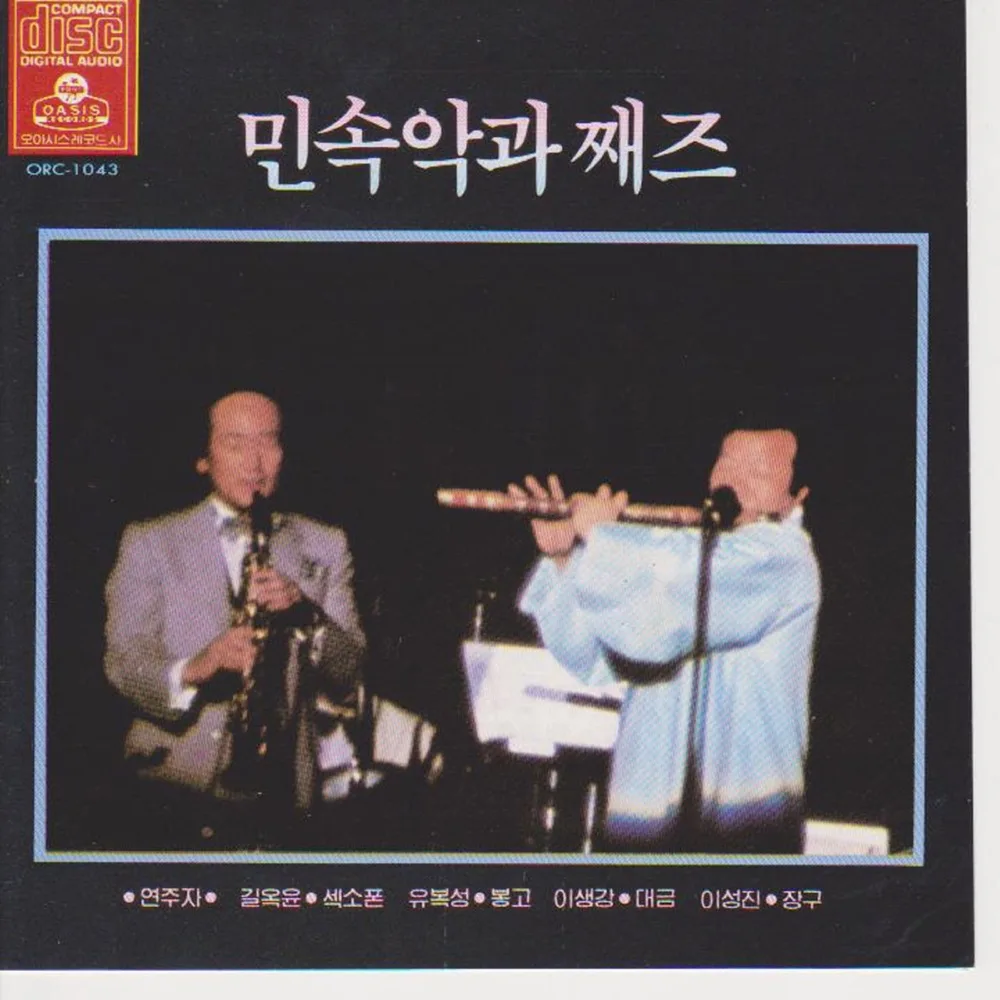
Cover of *민속악과 째즈* (Folk Music and Jazz) (Oasis Records, 1986), one of the albums recommended in this profile. The cover photograph shows the saxophonist Gil Ok-yun and the daegeum player Lee Saeng-kang on stage; Ryu Bok Sung is named in the printed credits as the bongo player but does not appear in the photograph. Standard copyright, all rights reserved, held by Oasis Records (the Apple Music rights line reads ℗ 1987 오아시스레코드 뮤직컴퍼니). This is not a Creative Commons or public-domain image; it is an album cover shown as an honestly disclosed editorial identification image. — https://music.apple.com/us/album/folk-music-and-jazz/1602905396 (Apple Music artwork for the album, 1000 x 1000 version)
Ryu Bok Sung (류복성) is a South Korean percussionist, drummer and bandleader, born in 1941 in Yongin, Gyeonggi Province, and one of the first-generation musicians who built Korean jazz out of the US Eighth Army clubs of the late 1950s. He plays bongos, congas and drum kit, and he is the Latin percussion specialist of that generation. The Seoul Shinmun called him a living witness of Korean jazz history in 2010 and a master of percussion and jazz in 2005. Korean newspapers sometimes print his surname as 유 (Yu Bok-sung), and Discogs files both 류복성 and 유복성 as spellings of the same name; his own English-language releases bill him as Ryu Bok Sung. Most Koreans know him for something else: the bongo-driven theme of the MBC police drama Sujaban (수사반장, roughly "the chief detective"), which ran from 1971 to 1989 and which Korean Wikipedia credits to him as the original source of its theme.
He grew up in a farming village near Yongin and, by his own telling to the Seoul Shinmun, followed the farmers' percussion bands around the neighbourhood from the age of five. In middle school he heard a Miles Davis Quintet recording of "Straight, No Chaser" on the American Forces Korea Network radio and decided on jazz. He moved to Seoul and played in the school band at Dongbuk High School, and in 1958 he joined the US Eighth Army show circuit, starting as a band boy who carried drums and was not taught to play. A bandleader lent him a Buddy Rich drum instruction book, which he copied out by hand into a staff-paper notebook before practising for hours every day. After a national drum contest he met the bandleader Lee Bong-jo, and from 1961 he played in his orchestra for five years. The chronology printed with the 2005 Seoul Shinmun profile adds that in 1966 he played with the saxophonist and composer Gil Ok-yun's Jazz All Stars.
In 1967 the Walkerhill Hotel in Seoul recruited a jazz drummer for its Hilltop Bar, a room described as Korea's first jazz club. There he met the saxophonist Jung Sung-jo, and the Seoul Shinmun says the two formed Ryu Bok-sung and the Jazz Messengers. In 1968, according to the same chronology, he studied Latin percussion with a visiting American percussionist whom the paper names in Korean as 아기콜론, and Money Today puts that study at six months. That year a band he led entered the national light-music contest at Citizens' Hall (now Sejong Center) as the only jazz act and was eliminated in the first round, an episode he still tells with good humour. He decided that the way to reach Korean listeners was to mix Latin rhythms into jazz, and that idea has run through his career since.
Through the 1970s he made his living in the studios and on television. Discogs credits him on congas on the 1971 album Go Go Sound Vol. 1 by the guitarist Kim Hee-gap, and the Seoul Shinmun says he played percussion on pop hits by Nami and Song Dae-gwan before quarrelling with engineers and arrangers and walking away from session work. In 1972 Sung Eum issued the Latin album 안개낀 부두 / 아! 나는 under the name 유복성과 신호등 (also billed as Latin Koreana and Ryu Bok-Sung & The Traffic Lights), and in March 1978 Hit Records released 혼자 걷는 명동길 (Walking Alone on Myeongdong Street), whose title piece is a song he was still playing in concert decades later. He also led the Bongo Orchestra on two 1980 Hyundai Records LPs, Demonstration 오디오 TEST판 and Disco! 나이트크럽, billed with Jung Sung-jo, who is credited with an arrangement on the first. Discogs files all of this under Latin, funk, disco and easy listening, not jazz, and that side of his output is substantial.
The jazz records of the same years are fewer. The 2018 reissue of Lee Pan-geun's 1978 quintet session, first issued in 1979 and now titled Plays Arirang & Other Assorted Classics, credits him on percussion on Discogs; the drummer on it is Choi Se-jin, the pianist is Son Soo-gil (listed there as Sohn Soo-Kil) and the trumpeter is Kang Dae-gwan. In 1986 Oasis Records issued 민속악과 째즈 (Folk Music and Jazz), two side-long pieces, "대금과 봉고" and "사물과 섹소폰", in which his bongos sit beside Gil Ok-yun on saxophone, Lee Saeng-kang on the bamboo flute daegeum and Lee Sung-jin on the hourglass drum janggu. In 1987 he led the Ryu Bok Sung All Stars with the Seoul Philharmonic Orchestra on '88 Jazz Masters, with the pianist Shin Kwan-woong, the tenor saxophonist Kim Soo-yeol, the bassist Ham Ki-ho and the drummer Kim Hee-hyun. It holds his own 17 minute piece "Mut (Charm)", Paul Desmond's "Take Five" and "Tahyang-sari". The Seoul Shinmun says he represented Korea with Gil Ok-yun at the Han River International Jazz Festival in 1988.
From the 1990s he worked as an organiser. He planned and directed the first Korea Jazz Festival (대한민국 재즈페스티벌) in 1992, the Summer Jazz Festival in 1997 and a farewell jazz concert in 1999, and Doremi Records issued the festival on two LPs, with him credited on percussion on the second. He lectured at universities and military bands from 2000, held a 45th anniversary jazz concert in August 2003 at the Youngsan Art Hall in Yeouido with the saxophonist Lee Jung-sik and the vocalists Malo and Woongsan, and that year opened his own Drum & Percussion School in Gui-dong, Seoul, where, at one time, about fifty students were enrolled. In 2005 he played every Thursday night at a jazz cafe in Daehangno with his Latin Jazz All Stars.
Music Zoo Entertainment issued his debut 50th anniversary album, the double CD Jazz Concert Live At Jazz Park, together with a single CD, Live In Seoul, both dated November 12, 2007 on Discogs. The Seoul Shinmun, which dates the CD and DVD of the anniversary concert to June 2009, names Malo, the saxophonist Son Sung-jae and the trumpeter Jung Gwang-jin among the players. In November 2007 the Korea Times listed his Latin Jazz All Stars for two nights, November 15 and 22, at a Seoul art hall.
In 2010 Nam Mu-seong's documentary Bravo! Jazz Life, released on December 16, lists him in its main cast, alongside Kang Dae-gwan, Kim Jun, Choi Sun-bae, Lee Pan-geun, Kim Soo-yeol, Lee Dong-ki, Park Seong-yeon, Shin Kwan-woong and Im Heon-su. On January 28, 2011 he was on drums and bongos at the Seoul Arts Center concert that recreated its soundtrack, with Malo and Lee Jung-sik as guests. In April 2013 the Korean Jazz First Generation Band, with him on percussion, was announced for a UNESCO International Jazz Day concert beside Nah Youn-sun. In an interview published in June 2014, Money Today announced his 57th anniversary Ryu Bok-sung Jazz Concert for June 15 at Blue Square in Hannam-dong, Seoul, with the pianist Kim Kwang-min, Malo, Son Sung-jae and Jung Gwang-jin and a programme that included "Take Five" and "Besame Mucho". His long-held wish, he told the interviewer, is to build a jazz museum.
A November 5, 2022 night at the Jazz Club Paradise Lost in Seoul's Ikseon-dong was billed as the Ryu Bok Sung Jazz All Stars, with 키미 on percussion, 임보라 on piano, 이정윤 on drums, 이준삼 on bass and 김도형 on saxophone. In December 2025 the broadcaster OBS posted a ten minute segment on the story behind the Sujaban theme in its series on Korean legends.
His playing is built on Latin rhythm. He has said that the way he found to make jazz suit Korean listeners was to add Latin rhythms, and the repertoire on his live records shows it: "Take Five", "Cherokee", "Agua de Beber", "One Note Samba", "Quizas Quizas Quizas", "Moliendo Cafe" and "Song for Tito" sit beside his own pieces "Mut", "Come On Jazz Soul" and "Bok-Sung Theme". Bongos and congas lead, with the drum kit as a second voice, and his concerts have long been known for showmanship, including drum battles with younger drummers.
The influences he names are the AFKN radio broadcasts of his school years, the Miles Davis Quintet of the 1950s, Buddy Rich's drum book and the Eighth Army bandstands where he served his apprenticeship. His earliest musical memories are of the farmers' percussion bands of Yongin, and his 1986 record with the daegeum player Lee Saeng-kang is an early meeting of bongos with Korean traditional instruments.
His identity is mixed. A good deal of his recorded output is Latin pop, funk and disco, and the television theme is the work the public knows best. The jazz case rests on the albums of 1986, 1987 and 2007, his festival organising, the first-generation lineups of the 2010s, and the way the Korean press and his fellow musicians describe him: as a jazz percussionist first.
- '88 Jazz Masters (1987, SRB Records SWJ-0010) - the Ryu Bok Sung All Stars with the Seoul Philharmonic Orchestra, three long pieces. YouTube - "Mut (Charm)" Listen
- 민속악과 째즈 (Folk Music and Jazz) (1986, Oasis Records ORC-1043) - bongos with Gil Ok-yun, Lee Saeng-kang and Lee Sung-jin. Apple Music - Folk Music and Jazz Listen
- Lee Pan-geun & The Korean Jazz Quintet '78, Plays Arirang & Other Assorted Classics (recorded 1978, issued 1979, reissued 2018) - the first-generation quintet on which he is credited on percussion. Bandcamp - Plays Arirang & Other Assorted Classics Listen
- Live In Seoul (2007, Music Zoo Entertainment MZD-1076) - eight pieces, among them "Take Five", "Cherokee" and "Come on Jazz Soul". YouTube - "Come on Jazz Soul", drum battle, live Listen · Buy
- Ryu Bok Sung's Bongo Orchestra, "혼자 걷는 명동길" (1980, Hyundai Records) - the 1980 recording of the song that gives his 1978 LP its title. YouTube - 혼자 걷는 명동길 Listen
- "수사반장" (the television theme) - a live performance of the piece by his band. YouTube - 류복성의 수사반장, EBS Space Gong Listen
Ryu Bok Sung (류복성) - Full Discography
South Korean percussionist, drummer and bandleader (bongos, congas, drums), born 1941 in Yongin, Gyeonggi Province. Discogs artist 6839796.
Name variations on record: Ryu Bok Sung, Ryu Bok-sung, Bok Sung Ryu, 류복성, 유복성. Group names on record: 유복성과 신호등 (Latin Koreana, Ryu Bok-Sung & The Traffic Lights, Discogs 4228036), 유복성 봉고오케스트라 (Ryu Bok Sung's Bongo Orchestra, Discogs 8142497) and Ryu Bok Sung All Stars (Discogs 6998291).
What the records are: his own-name releases split in two. The 1972 album, the 1978 LP and the two 1980 Hyundai LPs are filed by Discogs under Latin, funk, disco and easy listening. The 1986 album, the 1987 orchestra record and the two 2007 live CDs are filed under jazz. Several of the Discogs release records carry only a bare track list, so personnel are given only where a record names them.
Leader and co-leader
| Album | Year | Label | Personnel | Notes | Listen | Buy |
|---|---|---|---|---|---|---|
| 안개낀 부두 / 아! 나는 (billed as Latin Koreana = 라틴 코리아나, 유복성) | 1972 | Sung Eum Limited, DG-가-61 | Not named on the release record | Ten tracks: "안개낀 부두", "멀리 멀리", "미야", "Jipsy Moon", "여인", "아! 나는", "만나지 말것을", "비속에 섰다 비속을 가네", "La Playa" and "Manha di Canival". Discogs genres: Latin, pop, folk. Discogs release 27061341. | not found | Amazon |
| 혼자 걷는 명동길 (billed as 유복성과 신호등 and Ryu Bok Sung; English title on the 2019 reissue: Walking The Streets Of Myeong-Dong Alone) | 1978 | Hit Records, HLM-27 | 유복성 봉고오케스트라 credited with arrangements; no other personnel on the release record | Released March 1, 1978. Thirteen tracks, among them "혼자 걷는 명동길", "설마", "파란 행복", "기분이 좋아요", "멋쟁이", "눈이 내리네", "마술사 여인", "권투선수", "햇빛" and "째즈의 혼이여 내게로" (5:00). Discogs genres: Latin, funk, soul, easy listening. Reissued in 2019 by Cobrarose Records (CR69047, red vinyl, edition of 150; Discogs master 1708643). Discogs release 6595011. | not found | Amazon |
| Demonstration 오디오 TEST판 (Ryu Bok Sung's Bongo Orchestra, Sung-Jo Jung and 양키스) | 1980 | Hyundai Records, HDIN-807 | Ryu Bok Sung (bongos); Sung-Jo Jung and 이종식 credited with arrangements | Seven tracks: "치표한장 (One Way Ticket)", "사랑의 춤을 (I Was Made for Dancing)", "혼자 걷는 명동길" (5:47), "그리그 (Grease)", "데낄라 (Tequila)", "슈퍼맨 (Superman)" and "마음이 가는 곳에 나도 있다네 (Don't Let Me Be Misunderstood)". Discogs genres: jazz, funk and soul. Discogs release 15908124. | "혼자 걷는 명동길" (Bongo Orchestra) on YouTube | Amazon |
| Disco! 나이트크럽 (Ryu Bok Sung's Bongo Orchestra, Sung-Jo Jung, Ham Joong Ah and Ra Eum Pa) | 1980 | Hyundai Records, HDIN-805 | Ryu Bok Sung (bongos) with the billed artists | Twelve tracks on two sides, including "슈퍼맨 (Superman)", "멋쟁이 (Oye Como Va)", "마술사의 여인 (Black Magic Woman)", "록키 (Rocky)", "지하실 (Memphis Underground)" and "돌아와요 부산항에". Discogs genres: jazz, Latin, funk and soul. Discogs release 15912606. | not found | Amazon |
| 민속악과 째즈 (Folk Music and Jazz; billed as 길옥윤, 류복성, 이생강 and 이성진) | 1986 | Oasis Records, ORC-1043 | Gil Ok-yun (saxophone), Ryu Bok Sung (bongos), Lee Saeng-kang (daegeum), Lee Sung-jin (janggu) | Two long pieces: "대금과 봉고" (25:36) and "사물과 섹소폰" (24:17; Apple Music titles it "Samul and Saxophone"). Discogs genres: jazz, folk, world. Apple Music lists a release date of April 1, 1987. Discogs master 2359591, release 15626327. | Apple Music | Amazon |
| '88 Jazz Masters (Ryu Bok Sung All Stars With Seoul Philharmonic Orchestra) | 1987 | SRB Records, SWJ-0010 | Ryu Bok Sung (percussion, drums, bongos, congas), Shin Kwan-woong (piano), Kim Soo-yeol (tenor saxophone), Ham Ki-ho (bass), Kim Hee-hyun (drums), with the Seoul Philharmonic Orchestra | Three pieces: "Mut (Charm)" (17:00, written by Ryu Bok Sung), "Take Five" (10:40) and "Tahyang-sari (Vagabond Life)" (10:20). Discogs genres: jazz; styles Latin jazz and contemporary jazz. Discogs master 3772209, release 13244699. | "Mut (Charm)" on YouTube | Amazon |
| Jazz Concert Live At Jazz Park (Debut 50th Anniversary Album) | 2007 | Music Zoo Entertainment, MZD-1075 (2CD) | Not named on the release record | Released November 12, 2007 per Discogs. Disc 1: "류복성의 수사반장", "혼자 걷는 명동길", "Free Work", "Quizas Quizas Quizas", "Moliendo Cafe", "In A Sentimental Mood", "Song For Tito", "Bok-Sung Theme". Disc 2: "사랑하고 싶다 (Mo' Better Blues)", "Tequila", "Blue Rain", "Work Song", "Take Five", "One Note Samba", "Come On Jazz Soul" and "류복성의 수사반장 (원곡)". The Seoul Shinmun dates the CD and DVD of the anniversary concert to June 2009. Discogs release 30148124; MusicBrainz lists the concert album as The 50th Anniversary, Ryu BokSung, Jazz concert. | not found | Amazon |
| Live In Seoul | 2007 | Music Zoo Entertainment, MZD-1076 | Not named on the release record | Released November 12, 2007 per Discogs. Eight tracks: "Take Five", "In-A-Gadda-Da-Vida", "Since I Fell For You", "Come on Jazz Soul", "Summertime", "Cherokee", "Agua De Beber" and "Vagabond Life". Discogs release 30148676. | "Come On Jazz Soul", drum battle, live, on YouTube | Amazon |
Sideman, guest and compilation appearances
Chronological. Discogs credits each of these to artist 6839796.
| Year | Release | Actual leader | Label | Ryu Bok Sung's credit and details | Listen | Buy |
|---|---|---|---|---|---|---|
| 1971 | Go Go Sound Vol.1 | Kim Hee Gap | Universal, KLS-20 | Congas. Band: Kim Hee Gap (guitar), Kang Seong Yong (alto saxophone), Park Nam Soo (electric organ), Jeon Byeong Chan (bongos), Kyung Yoon (bass guitar), Kim In Sung (drums). Five tracks: "커피한잔", "떠나야할 그사람", "빗속에 여인", "님아" and "봄비". Released June 10, 1971. Discogs genres: rock, Latin, funk and soul. | not found | Amazon |
| 1979 | 디스코춤을 그대와 함께 (Non-Stop Disco Party) | Various | Daedo Records, DSAP-79009 | Credited for instruments, with Kim Kwang Seok, Lee Chul Hyuk, Lee Yu Sin and Young-Soo Yoo. Fifteen disco covers, among them "Ring My Bell", "Le Freak", "Hot Stuff" and "Staying Alive". Released October 1, 1979. | not found | Amazon |
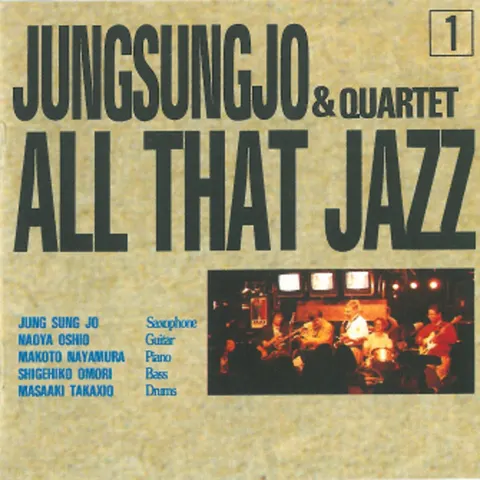
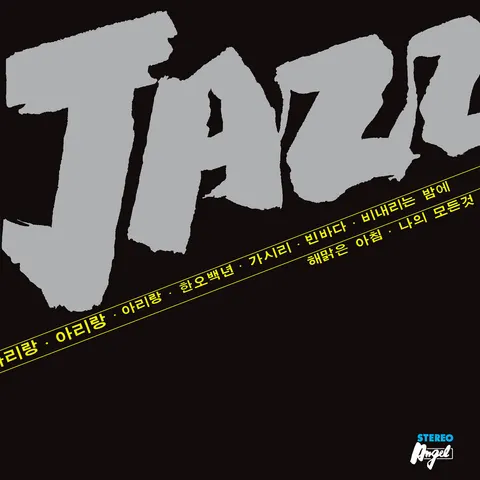
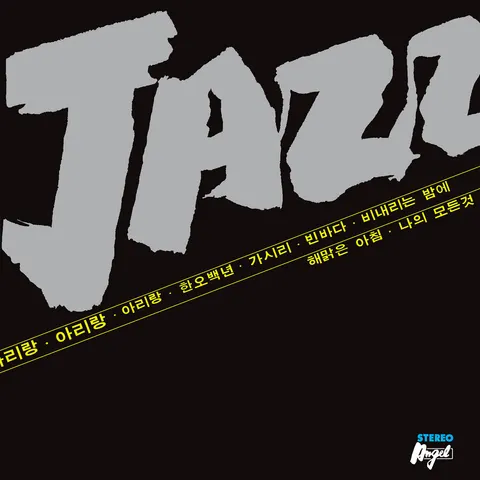
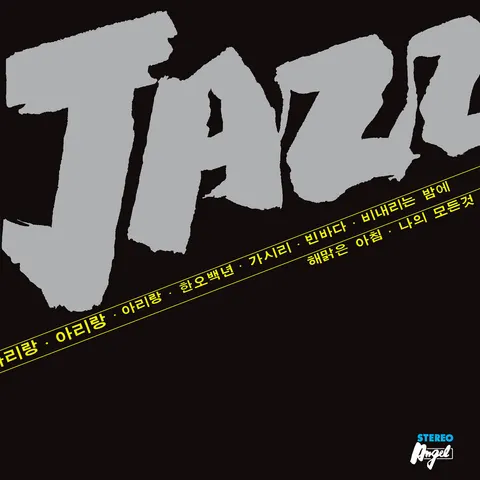
| 1979 (recorded 1978; reissued 2018) | 재즈로 들어본 우리 가요 민요 팝송 (reissued as Plays Arirang & Other Assorted Classics) | Lee Pan Geun & The Korean Jazz Quintet '78 | Dai Han, AG-0003 (1979); Beatball / Cobrarose Records, CR69024-RE (2018) | Percussion, credited on the 2018 reissue (Discogs release 12958294); the 1979 Dai Han pressing (Discogs release 7945983) does not list him. Lee Pan Geun (arrangements, direction), Choi Se-Jin (drums), Sohn Soo-Kil (piano), Kim Soo Yeol (saxophone), Kang Dae-gwan (trumpet). Seven tracks: "Arirang", "Bin Ba-Da", "Bi Nae-Ri-Neun Bam-E (Rainy Night In Georgia)", "Hae Mal-Geun A-Chim (Softly, As In A Morning Sunrise)", "Gasiri", "Han-O-Baek-Nyun" and "Na-Ee Mo-Den-Geot (My Favorite Things)". 40th anniversary reissue on transparent blue vinyl. Discogs master 940759. | Bandcamp | Amazon |
| 1992 | 대한민국재즈페스티발 2 | Various | Doremi Records, DRM-1093 | Percussion. Nine tracks including "Tennessee Waltz", "Summer Time", "혼자걷는 명동길", "Autumn Leaves" and "Take The 'A' Train". Discogs also lists him on tracks A1 "Take Five" and A2 "Memories Of You" of the first volume of the festival recording (대한민국재즈페스티발 1 실황음반, Doremi DRM-1092), where the track billing is 이동기, Lee Young-kyung (이영경), 장응규 and Ryu Bok Sung. | not found | Amazon |
| 2020 | Funky Coup: Korean Soul, Funk & Rare Groove Nuggets 1973-1980 Vol.1 | Various | Cobrarose Records, CR69050 | Track D4, "혼자 걷는 명동길" (5:46), credited to Ryu Bok Sung and Bongo Orchestra. A two LP compilation of 25 Korean rare groove tracks, with liner notes in Korean and English. Discogs master 1874349. | not found | Amazon |
- Jung Sung-jo - saxophonist and arranger billed with Ryu's Bongo Orchestra on the two 1980 Hyundai Records LPs, arranging "Superman" on Demonstration 오디오 TEST판. The Seoul Shinmun says the two met at the Walkerhill Hotel and formed the Ryu Bok-sung Jazz Messengers in 1967.
- Choi Se-jin - drummer on the 1978 Lee Pan-geun quintet session; the 2018 reissue credits Ryu with percussion.
- Lee Young-kyung (이영경) - pianist billed with Ryu on "Take Five" and "Memories Of You" on the 1992 Korea Jazz Festival LP (Doremi DRM-1092).
- Kang Dae-gwan - trumpeter on the same 1978 session and a fellow member of the cast of Bravo! Jazz Life (2010).
- Son Soo-gil - pianist on the same 1978 session; the 2018 edition lists both him (as Sohn Soo-Kil) and Ryu on Discogs.
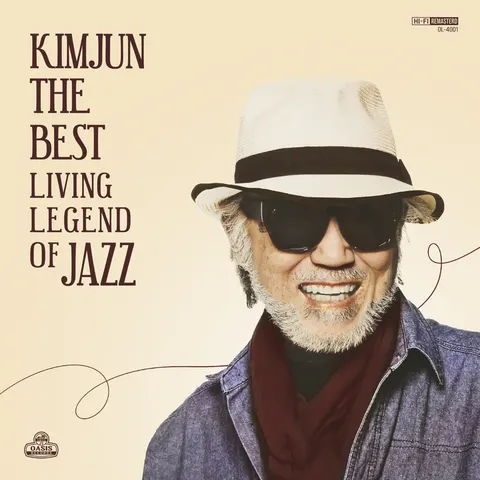
- Kim Jun - vocalist and pianist; both appeared in Bravo! Jazz Life and in its January 28, 2011 soundtrack concert at the Seoul Arts Center.
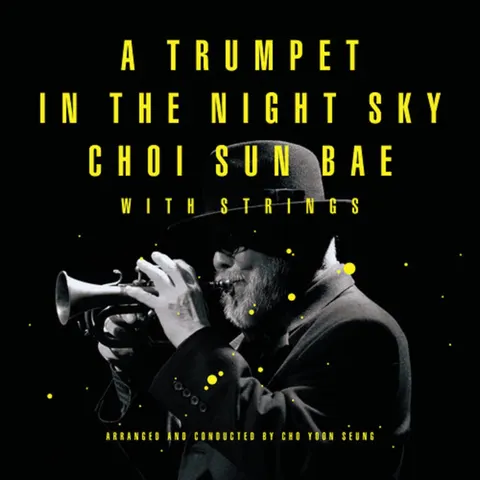
- Choi Sun-bae - trumpeter; both are in the main cast of Bravo! Jazz Life and played its 2011 concert.
- Gil Ok-yun (길옥윤) - saxophonist and composer, leader of the Jazz All Stars he played in from 1966, and his partner on 민속악과 째즈 (1986) and at the 1988 Han River International Jazz Festival.
- Lee Saeng-kang (이생강) and Lee Sung-jin (이성진) - daegeum and janggu players on 민속악과 째즈 (1986).
- Shin Kwan-woong (신관웅) - pianist on '88 Jazz Masters (1987) and a fellow member of the first-generation band that played in the 2010s.
- Kim Soo-yeol (김수열) - tenor saxophonist on '88 Jazz Masters (1987) and on the 1978 Lee Pan-geun session.
- Ham Ki-ho and Kim Hee-hyun - bassist and drummer of the All Stars on '88 Jazz Masters (1987).
- Lee Pan-geun (이판근) - leader of the 1978 quintet session on which Ryu is credited on percussion.
- Lee Bong-jo (이봉조) - bandleader with whom Ryu played from 1961 for five years, by his own account.
- Malo (말로), Woongsan (웅산), Lee Jung-sik (이정식), Son Sung-jae (손성제) and Jung Gwang-jin (정광진) - guests at his anniversary concerts of 2003, 2007 and 2014 and the 2011 soundtrack concert, as reported in the press.
More Latin Jazz Artists
See all 185 Latin Jazz artists →More South Korean Jazz Artists
See all 197 South Korean artists →- Discogs: Ryu Bok Sung
- MusicBrainz: Ryu Bok-Sung
- YouTube: RyuBokSung Official
- Seoul Shinmun: [주말 데이트] 일흔살의 한국 재즈 산증인 류복성 (February 5, 2010)
- Seoul Shinmun: [김문기자가 만난사람] 타악과 재즈의 달인 류복성 (August 31, 2005)
- Money Today: 타악기 거장 류복성, 57주년 기념 콘서트 (June 3, 2014)
- Apple Music: Folk Music and Jazz
- Ryu Bok Sung on JazzProfiles.com
- Discogs: Ryu Bok Sung, artist 6839796
- Discogs: 유복성과 신호등 (Latin Koreana), artist 4228036
- Discogs: 유복성 봉고오케스트라, artist 8142497
- Discogs: Ryu Bok Sung All Stars, artist 6998291
- Discogs: '88 Jazz Masters, release 13244699
- Discogs: 민속악과 째즈, release 15626327
- Discogs: Plays Arirang & Other Assorted Classics, release 12958294
- Discogs: Jazz Concert Live At Jazz Park, release 30148124
- Discogs: Live In Seoul, release 30148676
- Seoul Shinmun: 한국 재즈계의 살아있는 역사 유복성·신관웅 따로 콘서트 (August 13, 2003)
- Seoul Shinmun: [김문기자가 만난사람] 타악과 재즈의 달인 류복성 (August 31, 2005)
- Seoul Shinmun: [주말 데이트] 일흔살의 한국 재즈 산증인 류복성 (February 5, 2010)
- Money Today: "니들이 재즈를 알아?" 늙지않는 한국 재즈의 힘을 말하다 (June 3, 2014)
- The Korea Times: Great Performances at 1,000 Won (October 23, 2007)
- The Korea Times: Local jazz pioneers, intl stars round out January (January 14, 2011)
- Korean Wikipedia: 브라보! 재즈 라이프
- Korean Wikipedia: 수사반장
- Sat Economy: 유네스코 세계 재즈의 날 기념재즈 콘서트 개최 (April 22, 2013)
- Jazz Club Paradise Lost: Ryu Bok Sung Jazz All Stars, November 5, 2022 (YouTube)
- OBS: 수사반장 하면 떠오르는 그 음악! 타악기 연주자 류복성 이야기 (December 15, 2025, YouTube)
- Apple Music: Folk Music and Jazz