 JAZZPROFILES lives in the music 1,572 Jazz Artists fully Profiled!
 Eiji Kitamura
Last updated August 30, 2026
Listen on Spotify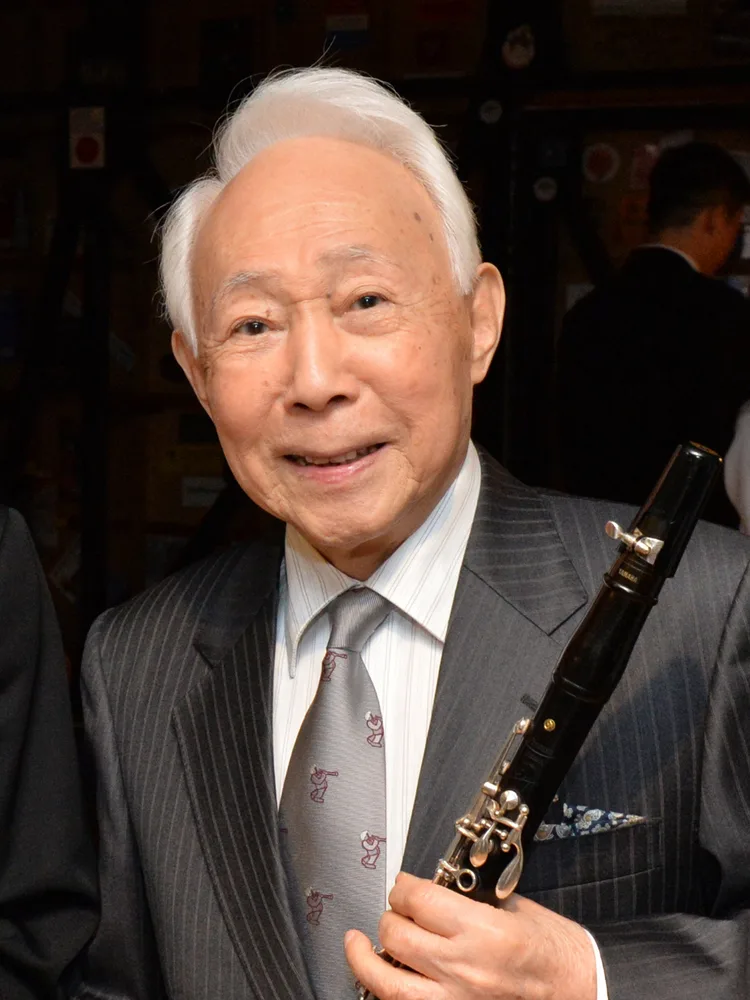
Eiji Kitamura at the Japan Maritime Self-Defense Force Tokyo Band's 58th regular concert, 29 September 2018. CC BY 4.0 — https://commons.wikimedia.org/wiki/File:Eiji_Kitamura_20180929_3_(cropped).jpg
.jpg)
Eiji Kitamura has been making records since 1957 and is still working at 97, which makes him the longest continuously active musician on this site by a wide margin.
He was born in Shibuya, Tokyo, on 8 April 1929, and came to the clarinet late by the standards of most professionals, picking it up as an undergraduate at Keio University's Faculty of Literature. He left before finishing the degree. Nobody taught him jazz; he learned it from records, at an age when the music was arriving in Japan in fragments.
His professional career began in 1950 with Tetsuro Takahama's Esquire Cats and properly in 1951 with the Saburo Nanbu Quintet, where he spent three years. He formed his own group, Cats Herd, in 1954 and led it until 1957, then took a sideman chair with Mitsuru Ono's 6 Brothers Band from 1957 to 1960. From 1960 onward he has led his own quintets and quartets without a substantial break, and his first album under his own name, All About Eiji Kitamura, appeared on Columbia in September 1960 with vibraphonist Ichiro Masuda and tenor saxophonist Satoru Oda in the band.
What separates him from almost every other Japanese jazz musician of his generation is that he never emigrated. Toshiko Akiyoshi left for Boston in 1956 and Aki Takase for Berlin in 1988, because leaving was how a Japanese player built an international reputation. Kitamura stayed in Tokyo, and the Americans came to him.
Benny Goodman, the reason Kitamura had taken up the clarinet at all, toured Japan as a cultural envoy in 1957 and heard him play. The praise Goodman gave him that night remains the anecdote most often told about him in Japan. More consequentially, Goodman's own pianist followed. Teddy Wilson, veteran of the Billie Holiday sessions and the Goodman trio and quartet, recorded Teddy Wilson Meets Eiji Kitamura for Trio Records on 5 October 1970, with Ichiro Masuda on vibraphone, Masanaga Harada on bass and Buffalo Bill Robinson on drums. They continued through Swing Special / Teddy & Eiji Vol. 3 in 1973, the one album where Kitamura is credited on alto and tenor saxophone rather than clarinet, and their material was still being compiled as late as After You've Gone in 2003.
Concord Jazz, the California label built around American swing revivalism, then signed him. Dear Friends (Concord ICJ-80180, 1980) put him with the Concord Jazz All Stars: Warren Vaché on cornet and flugelhorn, Cal Collins on guitar, Phil Flanigan on bass and Jake Hanna on drums. Swing Eiji followed in 1981, arranged by Nat Pierce. Seven Stars assembled the largest billing of his career, with Teddy Wilson, Cal Tjader on vibraphone, Ernestine Anderson singing, Eddie Duran, Bob Maize and Jake Hanna, all seven named on the sleeve. He also appears on Woody Herman's Presents A Concord Jam Volume 1 (1981) and A Great American Evening Vol. 3 (1983), and with the Scott Hamilton Quintet on In Concert. By his own account he appeared at the Monterey Jazz Festival eighteen consecutive times between 1977 and 1996, and co-produced the LA International Jazz Party with trumpeter Bill Berry through the 1990s.
At home his reach extended well past jazz. He recorded with Hibari Misora (ひばりとムード, Columbia, 1961) and Ayumi Ishida (東京の夜は更けて, Victor, 1964), made Farewell in 1975 with Fumio Nanri, the trumpeter of the generation above his, and in 1984 played the clarinet part on Eiichi Ohtaki's Each Time (Niagara Records, released 21 March 1984), one of the most durable Japanese pop albums of its decade. Japanese hi-fi manufacturers used his tone as reference material: Diatone, Technics, Sony, Akai, Pioneer and Sharp all issued demonstration discs featuring him between 1973 and 1985.
In April 2007 he received the Order of the Rising Sun, Gold Rays with Rosette.
He has not stopped. See You Again: Live at Jazz Club Ginza Swing appeared in 2021, credited to Eiji Kitamura & The Swing Supporters, with three clarinets in the front line. In December 2022 he was the featured guest on Makoto Ozone's Park Street Kids, a New Orleans set recorded live at Body & Soul in Shibuya on 25 May 2022, with Ozone producing, playing piano and writing the liner notes. Kitamura was 93. In April 2026 he played a concert in Fukui built around his 97th birthday.
Kitamura is a swing player and has never pretended otherwise. He interprets the traditional swing repertoire rather than the modern one, and the two names invariably attached to his sound are Benny Goodman and Woody Herman, both of whom he eventually recorded alongside or in tribute to. He also studied Buddy DeFranco and Lee Konitz while working out his own approach to improvisation, and after his fifties he took lessons with the classical clarinettist Yuji Murai, which fed a rounder, more even tone into what had been a purely self-taught jazz technique.
The quality most often named is warmth. He is not a player who reaches for velocity or harmonic complication; the appeal is a full, singing sound at moderate tempo, which is precisely why Japanese audio manufacturers kept putting him on their demonstration records. His repertoire has stayed remarkably stable across seven decades, running through the standards, Goodman's book, and Dixieland material he was still playing in 2022.
- All About Eiji Kitamura (1960, Columbia AL-5002) - his first album under his own name, and the start of a partnership with vibraphonist Ichiro Masuda that recurs across three decades. Spotify - 北村英治のすべて Listen
- Teddy Wilson Meets Eiji Kitamura (1970, Trio Records RSP-9015) - the record that began the Teddy Wilson partnership, cut in Tokyo on 5 October 1970. Buy
- Happy Cooking (1973, Trio Records PAP-9176) - his best-known Japanese-label title, with Kazuo Yashiro on piano and Masanaga Harada on bass. Spotify - ハッピー・クッキング Listen · Buy
- Dear Friends (1980, Concord Jazz ICJ-80180) - his first album with the Concord Jazz All Stars, and the point at which an American label took him on directly. Buy
- Seven Stars (1982, Eastworld EWJ-90042 / Concord Jazz CJ-217) - the fullest cast he ever recorded with, and the last substantial setting for Teddy Wilson's playing with him. Buy
- After You've Gone (2003) - the collected Kitamura and Wilson material, with Ichiro Masuda on vibraphone, and the easiest single way to hear that partnership. Spotify - After You've Gone Listen · Buy
- See You Again: Live at Jazz Club Ginza Swing (2021, The Swing City) - his most recent release under his own name, recorded at 92, with Eiji Taniguchi and Misako Kumakura joining him on clarinet. Buy
- Park Street Kids (2022, Eight Islands Records EIRD-8005) - Makoto Ozone's New Orleans session with Kitamura as featured guest, recorded live in Shibuya on 25 May 2022 and released that December. Spotify - Park Street Kids Listen · Buy
Eiji Kitamura (北村英治) - Full Discography
Discogs artist 982465. 161 credits on the main entity (66 Main, 77 Appearance, 17 TrackAppearance, 1 Producer), resolving to 62 distinct titles under his own name, plus a further 73 credits across nine group entities filed under his name. Recording career spans 1957 to 2022.
Leader Releases
| Album | Year | Label | Personnel | Notes | Listen | Buy |
|---|---|---|---|---|---|---|
| All About Eiji Kitamura (北村英治のすべて) | 1960 | Columbia AL-5002 | Kitamura (clarinet), Satoru Oda (tenor sax), Muneyoshi Nishiyo (cornet), Ichiro Masuda (vibraphone), Eiichi Fujii and Toshihiko Ogawa (piano), Hachiro Kurita and Yukio Ikezawa (bass), Sadakazu Tabata and Shoichi Tsujimura (drums) | His first album under his own name, released September 1960. Begins the long partnership with vibraphonist Ichiro Masuda. | Spotify | Amazon |
| Operation Benny Goodman | 1963 | King Records TKS 4014 | Kitamura (clarinet) with Nobuo Hara And His Sharps & Flats, Nobuo Hara conducting | Big band tribute to the player who set him on the instrument. Reissued 2008. | not found | Amazon |
| Memories Of Benny Goodman | 1968 | Eiji Kitamura & All Stars | not found | Amazon | ||
| Teddy Wilson Meets Eiji Kitamura | 1970 | Trio Records RSP-9015 | Teddy Wilson (piano), Kitamura (clarinet), Ichiro Masuda (vibraphone), Masanaga Harada (bass), Buffalo Bill Robinson (drums) | Released 5 October 1970. The first of the Teddy Wilson records. | not found | Amazon |
| Teddy Wilson Meets Eiji Kitamura + This Is Honda | 1972 | Trio Records | Teddy Wilson, Kitamura | not found | Amazon | |
| Golden Jam Session At Junk | 1973 | JVC CD4B-5049E | Kitamura (clarinet), Hidehiko Matsumoto (tenor sax), Akio Mitsui (trumpet), Koichi Kawabe (trombone), Yuzuru Sera (piano), Shuzo Kibo (guitar), Hachiro Kurita (bass), Isamu Harada (drums), Ryusei Matsuzaki | Recorded at the Tokyo club Junk. Shares a bandstand with Hidehiko Matsumoto. | not found | Amazon |
| Eiji Kitamura At The Junk / Vol. 1 | 1973 | Victor | not found | Amazon | ||
| Yuh Sings For You | 1973 | Myuh Records | Kitamura with Isoo Fukui and Tetsujiro Obara | not found | Amazon | |
| Collaboration: Kunihiko Meets Eiji | 1973 | Kunihiko Sugano, Kitamura | not found | Amazon | ||
| Swing Special / Teddy & Eiji Vol. 3 | 1973 | Trio Records PA-7097 | Teddy Wilson (piano), Kitamura (alto and tenor saxophone), Masanaga Harada (bass), Hiroshi Sunaga (drums) | The one record where he is credited on saxophone rather than clarinet. Engineered by Okihiko Sugano. | not found | Amazon |
| On Stage | 1973 | not found | Amazon | |||
| Happy Cooking | 1973 | Trio Records PAP-9176 | Kitamura (clarinet), Kazuo Yashiro (piano), Ikuo Shiosaki (guitar), Masanaga Harada (bass), Taketoshi Igarashi (drums); liner notes by Shoichi Yui | His best-known Japanese title, later revisited under the same name. | Spotify | Amazon |
| Lo-D Master Disc Series | 1974 | Lo-D | Audio demonstration release. | not found | Amazon | |
| Right Oh | 1974 | not found | Amazon | |||
| Optonica Full Extended Tone Disk Vol. 1 | 1975 | Sharp Corporation | Audio demonstration release. | not found | Amazon | |
| Live Session | 1975 | not found | Amazon | |||
| Because Of You | 1976 | not found | Amazon | |||
| E. Kitamura Vs. S. Suzuki | 1976 | Kitamura with Shoji Suzuki (clarinet) | Two-clarinet meeting with the leader of the Rhythm Aces. | not found | Amazon | |
| Pioneering Sounds In Jazz | 1977 | Pioneer | Audio demonstration release. | not found | Amazon | |
| Hit Kit Party | 1977 | not found | Amazon | |||
| Birth Of The Swing | 1978 | not found | Amazon | |||
| Hello Daddy | 1978 | not found | Amazon | |||
| Swing Sessions | 1978 | not found | Amazon | |||
| Sophisticated Lady | 1978 | not found | Amazon | |||
| Song Folio (Nancy / Linda / Diane) | 1978 | Spotify | Amazon | |||
| April Date | 1979 | not found | Amazon | |||
| Bei Mir Bist Du Schoen | 1979 | not found | Amazon | |||
| Sapporo Concert | 1980 | Kitamura with the Happy Cooking All Stars | not found | Amazon | ||
| Dear Friends | 1980 | Concord Jazz ICJ-80180 | Kitamura (clarinet), Warren Vaché (cornet, flugelhorn), Cal Collins (guitar), Phil Flanigan (bass), Jake Hanna (drums); Carl E. Jefferson and Nobuo Ohtani executive producers | His first record with the Concord Jazz All Stars, and the start of the Concord relationship. | not found | Amazon |
| Eight Degrees North | 1980 | not found | Amazon | |||
| Live At Junk | 1981 | Yupiteru Records | not found | Amazon | ||
| Memories Of You | 1981 | Columbia | not found | Amazon | ||
| Eiji Kitamura Meets Bob Greene | 1981 | Kitamura with Bob Greene (piano) | not found | Amazon | ||
| Swing Eiji (スイング・エイジ) | 1981 | Concord Jazz ICJ-90001 | Kitamura (clarinet), Warren Vaché (cornet), Cal Collins (guitar), Brian Torff (bass), Jake Hanna (drums); arranged by Nat Pierce, recorded by Phil Edwards | Concord's second album with him. | not found | Amazon |
| Eastern Exposure | 1982 | Yamaha, Silver Crest | not found | Amazon | ||
| The Swing Session: Ichiro Masuda Meets Friends | 1982 | Ichiro Masuda (vibraphone), Kitamura | not found | Amazon | ||
| Seven Stars | 1982 | Eastworld EWJ-90042 / Concord Jazz CJ-217 | Kitamura (clarinet), Teddy Wilson (piano), Cal Tjader (vibraphone), Ernestine Anderson (vocals), Eddie Duran (guitar), Bob Maize (bass), Jake Hanna (drums); recorded by Phil Edwards | The most heavily billed session of his career, with all seven players named on the sleeve. | not found | Amazon |
| We | 1983 | Eastworld | not found | Amazon | ||
| No Count | 1983 | not found | Amazon | |||
| Impression: Sing A Swing With Digital | 1983 | not found | Amazon | |||
| Swingin' Age Part 1 | 1983 | not found | Amazon | |||
| Swingin' Standard Jazz (スインギン・スタンダード・ジャズ) | 1985 | CBS/Sony | Kitamura, Hidehiko Matsumoto, Hideo Ichikawa | not found | Amazon | |
| Swingin' Season | 1986 | CBS/Sony | not found | Amazon | ||
| Swingin' Life | 1986 | not found | Amazon | |||
| Swingin' Street | 1986 | not found | Amazon | |||
| Golden Christmas Songs | 1988 | GML | not found | Amazon | ||
| Cross & Counter! | 1988 | GML | not found | Amazon | ||
| Our Delight: Many Sides Of Eiji Kitamura | 1989 | GML | not found | Amazon | ||
| Keep On Swingin' | 1992 | GML | not found | Amazon | ||
| Eiji Meets Smokin' | 1996 | Cab Records | not found | Amazon | ||
| Full Clarinet | 1998 | Jazz Cook | First of eight albums for Jazz Cook. | not found | Amazon | |
| Dream Dancing | 1999 | not found | Amazon | |||
| Jazz Party | 2000 | Jazz Cook | not found | Amazon | ||
| Session | 2001 | Jazz Cook | not found | Amazon | ||
| Sketch | 2001 | Jazz Cook | not found | Amazon | ||
| Delivery | 2002 | Jazz Cook | not found | Amazon | ||
| Santa Clarinet | 2003 | Jazz Cook | Eiji Kitamura Quartet | not found | Amazon | |
| Session II | 2004 | Jazz Cook | not found | Amazon | ||
| Delicious | 2004 | Jazz Cook | not found | Amazon | ||
| Cookin' | 2008 | Jazz Cook | not found | Amazon | ||
| See You Again: Live at Jazz Club Ginza Swing | 2021 | The Swing City | Eiji Kitamura & The Swing Supporters: Kitamura, Eiji Taniguchi and Misako Kumakura (clarinets), Kazuhide Takahama (piano, vocals), Yuzo Yamaguchi (bass), Kuniyoshi Yashiro (drums) | His most recent release under his own name, at 92. Three clarinets. | not found | Amazon |
| Immortal Swing Jazz Masterpieces For Two Clarinets | Crown | not found | Amazon | |||
| Teddy Meets Eiji | Teddy Wilson, Kitamura | not found | Amazon |
Co-Led and Featured Guest
| Album | Year | Label | Actual leader | Personnel | Listen | Buy |
|---|---|---|---|---|---|---|
| Park Street Kids | 2022 | Eight Islands Records EIRD-8005 | Makoto Ozone And Park Street Kids Featuring Eiji Kitamura | Makoto Ozone (piano, producer, liner notes), Kitamura (clarinet), Yoshihiro Nakagawa (trumpet, vocals), Eijiro Nakagawa (trombone, vocals), Kengo Nakamura (bass), Shinnosuke Takahashi (drums) | Spotify · Bandcamp | Amazon |
Released 28 December 2022, recorded live at Body & Soul in Shibuya on 25 May 2022.
Compilations
| Album | Year | Personnel | Notes | Listen | Buy |
|---|---|---|---|---|---|
| After You've Gone | 2003 | Eiji Kitamura, Teddy Wilson, Ichiro Masuda | Collects the Kitamura and Wilson material. | Spotify | Amazon |
| 北村英治 不滅のベスト TRIO RECORDS編 | 2020 | Kitamura and others | Sixteen tracks drawn from the Trio Records catalogue. | Spotify | Amazon |
Group Entities Filed Under His Name
Nine group entities on Discogs carry a further 73 credits the main entity does not return.
| Entity | Discogs ID | Credits | Representative releases |
|---|---|---|---|
| Eiji Kitamura Quintet | 4513909 | 39 | 魅惑のクラリネット (Victor, 1965), Cocktails For Two (King, 1961), Eiji Plays Love Ballad (Victor, 1975), Japanese Jazz File (King, 1989) |
| Eiji Kitamura & All Stars | 3167779 | 13 | Memories Of Benny Goodman (1968), Let's Swing Now (Victor, 1975), Nemu Swing Session (Columbia, 1975), 30 Years In 30 Minutes (Toshiba, 1977) |
| Fresh & Noble Orchestra | 3747651 | 11 | This Is Eternal Standard (Columbia, 1975), Sentimental Journey (Denon, 1984), Night Music (Denon, 1986) |
| Eiji Kitamura Quartet | 13591510 | 4 | Santa Clarinet (Jazz Cook, 2003) |
| Eiji And Group | 4515971 | 2 | Eastern Exposure (Yamaha, 1982) |
| Swing Session | 2854915 | 1 | Live At The Junk (1970) |
| Eiji Kitamura Trio | 6462122 | 1 | Quartet-1 Jazz (Onkyo, 1973) |
| Eiji Kitamura & Hello Jazz Band | 6463140 | 1 | My Monday Date (Victor, 1976) |
| Eiji Kitamura & The Swing Supporters | 15483030 | 1 | See You Again (The Swing City, 2021) |
Selected Sideman and Guest Appearances
Chronological. 77 Appearance and 17 TrackAppearance credits on the main entity; the entries below are those with an identifiable leader or a documented significance.
| Year | Release | Leader / Artist | Label | Listen | Buy |
|---|---|---|---|---|---|
| 1957 | Jazz Message From Tokyo, Part 1 | Various | King Records | not found | Amazon |
| 1958 | Dixieland Jazz | The Dixieland All Stars | not found | Amazon | |
| 1958 | Winners Of The Swing Journal Critic Poll, 1958 | Various | not found | Amazon | |
| 1959 | Jazz Festival Of Japan | Swing Journal All-Stars 1958 | Toshiba | not found | Amazon |
| 1961 | ひばりとムード | Hibari Misora | Columbia | not found | Amazon |
| 1961 | 日本ジャズ史 上巻 / 下巻 | Various | Victor | not found | Amazon |
| 1963 | Jazz Festival At Karuizawa Newtown 1 | Various | Victor | not found | Amazon |
| 1964 | 東京の夜は更けて | Ayumi Ishida with the Eiji Kitamura Quintet | Victor | not found | Amazon |
| 1967 | Swing Journal All Stars '67 | Swing Journal All Stars | Takt | not found | Amazon |
| 1968 | All Japan Jazz Festival '68 Vol. 1 & 2 | Various | not found | Amazon | |
| 1971 | All Japan Jazz Festival '71 | Various | not found | Amazon | |
| 1971 | All Star Swing Jam Sessions | SJ Jazz Workshop | not found | Amazon | |
| 1973 | Groovin' With Teddy Wilson | Teddy Wilson | Mastafon | not found | Amazon |
| 1974 | The World Of Kunihiko Sugano, Live | Kunihiko Sugano | Audio Lab. Record | not found | Amazon |
| 1974 | Smoke Rings | Yuzuru Sera & His Friends | not found | Amazon | |
| 1975 | Farewell | Fumio Nanri | Kiva | not found | Amazon |
| 1975 | Nemu Jazz Inn: The 7th Nemu Jazz Inn Live | Various | Yamaha | not found | Amazon |
| 1976 | Sing A Simple Melody | Tib Kamayatsu | Bellwood | not found | Amazon |
| 1977 | Swing On Birdland | Yuzuru Sera & His "Young" Friends | Canyon | not found | Amazon |
| 1978 | Jazz Live and Jazz Live II | Japan All Stars | Yupiteru | not found | Amazon |
| 1979 | Live Happy Jam Session | Various | King Records | not found | Amazon |
| 1980 | Jazz Unlimited Live '80 | Nobuo Hara and His Sharps & Flats | not found | Amazon | |
| 1981 | Presents A Concord Jam Volume 1 | Woody Herman | Concord Jazz | not found | Amazon |
| 1981 | When The Saints Go Marching In | Ken-ichi Sonoda And His Dixie Kings | Express | not found | Amazon |
| 1982 | A Day In Jazz Vol. 1 | Eiji Kitamura & His All-Stars With Orchestra | Atlantic | not found | Amazon |
| 1983 | A Great American Evening Vol. 3 | Woody Herman | not found | Amazon | |
| 1983 | Memories 30th | Martha Miyake | Polydor | not found | Amazon |
| 1983 | Hello Teddy | Yoshitaka Akimitsu (Kitamura credited as producer) | not found | Amazon | |
| 1984 | Each Time (released 21 March 1984; Kitamura is the only clarinet credit on the record) | Eiichi Ohtaki | Niagara Records 28AH 1555 | not found | Amazon |
| 1990 | In Concert | The Scott Hamilton Quintet | not found | Amazon | |
| 1995 | Songs I Love To Sing | Yuki Kugimiya | GML | not found | Amazon |
| 1998 | What A Wonderful World | Martha Miyake | Eastworld | not found | Amazon |
| 1998 | Live In Quest | Aki Yashiro | not found | Amazon | |
| 2008 | Funky Jam Session | Mitsuru Ono | not found | Amazon | |
| 2009 | Gentlemen For Swing | Eiji Taniguchi Sextet | Art Union | not found | Amazon |
| 2009 | 夢のあとに: 羽田健太郎と仲間たち | Kentaro Haneda | Pony Canyon | not found | Amazon |
| 2010 | 昭和ジャズ大全: 幻の名盤・秘蔵盤 | Various | Columbia | not found | Amazon |
| 2016 | Jazz 100年 Part 3: Jazz Vocal Collection | Various | King Records | not found | Amazon |
A further group of credits sits on audio-demonstration and equipment-showcase discs issued by Diatone, Technics, Sony, Akai, Pioneer and Sharp between 1973 and 1985, reflecting how often his clarinet tone was used as reference material by Japanese hi-fi manufacturers.
- Teddy Wilson (piano) - recording partner from 1970, across Teddy Wilson Meets Eiji Kitamura (1970), Swing Special / Teddy & Eiji Vol. 3 (1973), Seven Stars, and the 2003 compilation After You've Gone.
- Ichiro Masuda (vibraphone) - his longest-running Japanese collaborator, present on All About Eiji Kitamura (1960), Teddy Wilson Meets Eiji Kitamura (1970), Happy Cooking (1973, also credited as recording engineer) and The Swing Session: Ichiro Masuda Meets Friends (1982).
- Concord Jazz All Stars - Warren Vaché (cornet), Cal Collins (guitar), Phil Flanigan and later Brian Torff (bass), Jake Hanna (drums), across Dear Friends (1980) and Swing Eiji (1981).
- Masanaga Harada (bass) - the bassist on both the 1970 Wilson session and Happy Cooking (1973).
- Nobuo Hara and His Sharps & Flats - Japan's longest-running big band; Operation Benny Goodman (King Records, 1963, reissued 2008) and Jazz Unlimited Live '80.
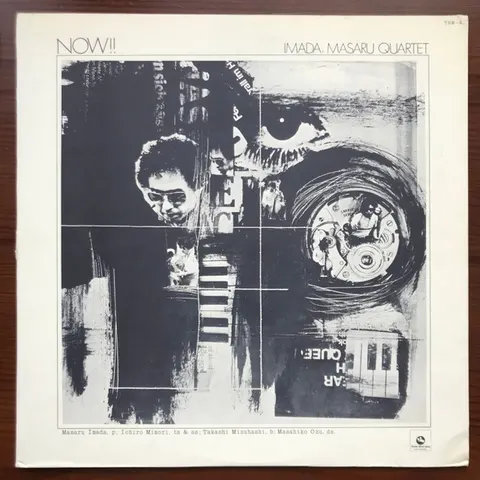
- Masaru Imada (piano) - joined Kitamura's band in 1953, which was Imada's first professional engagement, eleven years before he formed his own trio.
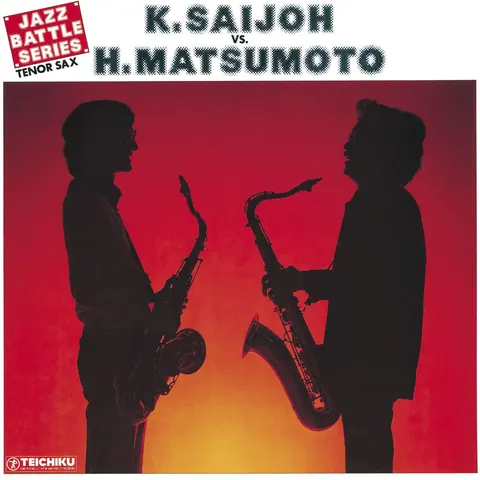
- Hidehiko Matsumoto (tenor saxophone) - Golden Jam Session At Junk (JVC, 1973) and Swingin' Standard Jazz (CBS/Sony, 1985).
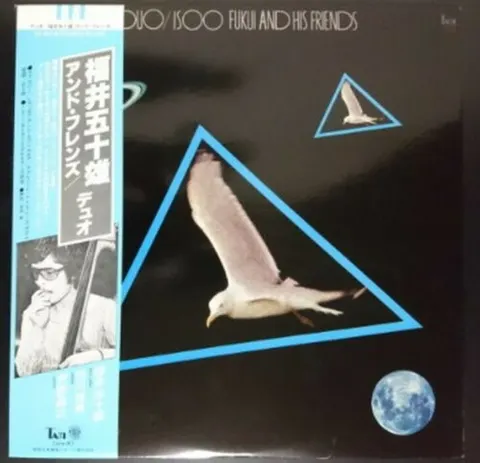
- Isoo Fukui and Tetsujiro Obara - Yuh Sings For You (Myuh Records, 1973).
- Makoto Ozone (piano) - Park Street Kids (2022), which Ozone produced and on which Kitamura is the featured guest.
- Woody Herman - Presents A Concord Jam Volume 1 (1981) and A Great American Evening Vol. 3 (1983).
- Fumio Nanri (trumpet) - Farewell (Kiva, 1975), with the pioneering Japanese trumpeter of the preceding generation.
- Eiji Taniguchi (clarinet) - Gentlemen For Swing (Art Union, 2009), See You Again (2021), and the 2026 Fukui birthday concert.
- Yuzuru Sera (piano) - a recurring partner across Golden Jam Session At Junk (1973), Smoke Rings (1974 and 1976) and the Swing On Birdland series (1977, 1979).
More Swing Artists
See all 134 Swing artists →More Japanese Jazz Artists
See all 70 Japanese artists →- Eiji Kitamura's Official Site
- Eiji Kitamura on Spotify
- Eiji Kitamura on Discogs
- Eiji Kitamura on Wikipedia
- Eiji Kitamura on JazzProfiles.com
- r/JapaneseJazz
- Discogs API, artist 982465, full paginated release list plus nine group entities, retrieved 30 August 2026.
- Discogs release-level credit data for releases 3224603, 1989187, 6355255, 14158316, 23843354, 23142374, 32710860, 4263605, 13282004, 32617281, 25601296 and 5492641.
- Eiji Kitamura official site, profile page (eijikitamura.com/profile.html).
- English and Japanese Wikipedia entries for Eiji Kitamura / 北村英治.
- Encyclopedia.com, "Kitamura, Eiji."
- AllMusic artist entry mn0000180198.
- Eight Islands Records release page for Park Street Kids (EIRD-8005), and the Somethin' Cool Bandcamp listing.
- Cabinet Office of Japan decorations lists for the April 2007 conferral.