 JAZZPROFILES lives in the music 2,303 Jazz Artists fully Profiled!
Hermeto Pascoal
Last updated November 3, 2026
Listen on Spotify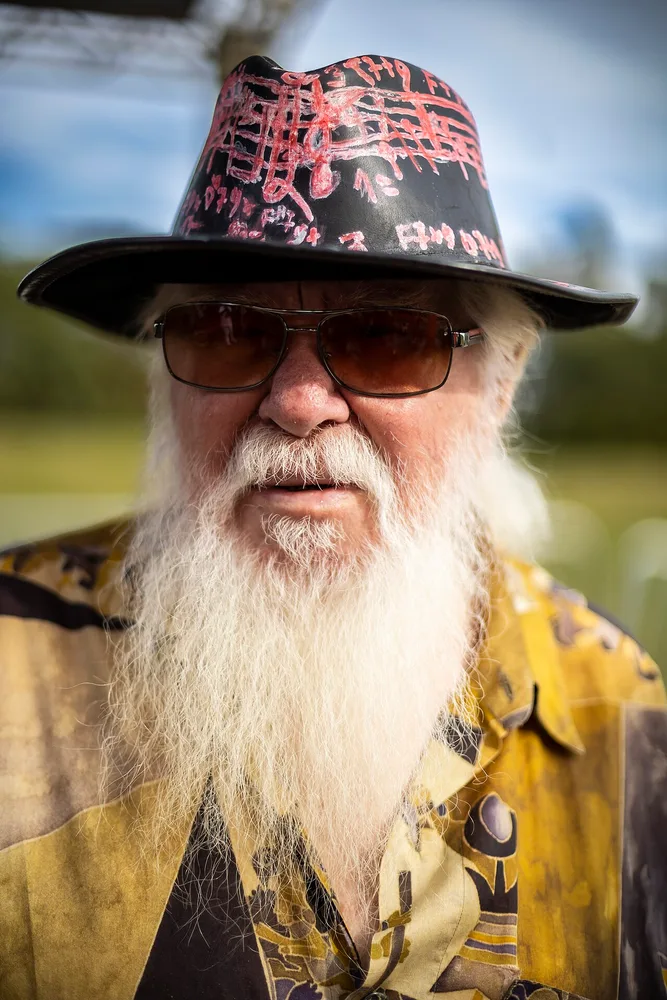
Hermeto Pascoal performing with his group at the Festival Sensacional, Parque Ecológico da Pampulha, Belo Horizonte, June 24, 2023. Photo by Bruno Figueiredo, published by Festival Sensacional CC BY-SA 2.0 (Creative Commons Attribution-ShareAlike 2.0) — Wikimedia Commons — https://commons.wikimedia.org/wiki/File:03_230624_-_Bruno_Figueiredo_-_SENSA_-_082_(53045415791).jpg (originally https://www.flickr.com/photos/festivalsensacional/53045415791/)

Hermeto Pascoal Oliveira da Costa was born on June 22, 1936, in Olho d'Água das Flores, in the northeastern Brazilian state of Alagoas, in a rural area that had no electricity at the time. Because he was born with albinism he could not work the fields with the rest of his family, and he spent his days learning the accordion from his father. He and his brother José Neto both looked up to the baião accordionist Luiz Gonzaga. A self-taught child prodigy, he took up the flute at seven, scat sang, whistled, and imitated birdcalls, and by eleven he was playing in groups with his father and brother while the family moved between Recife and Caruaru. With his brother and the accordionist Sivuca, who also had albinism, he formed a short-lived accordion trio, O Mundo em Chamas.
He taught himself piano, woodwinds, and percussion, and at the end of the 1950s moved south to make a living in Rio de Janeiro and São Paulo. In 1960 he picked up the saxophone and formed the group Som Quatro, which made a Continental LP in 1964. That year he also joined the Sambrasa Trio with Airto Moreira and the bassist Humberto Clayber; the trio left one album, Em Som Maior (1965). He then joined Trio Novo, with Airto, the guitarist Heraldo do Monte, and the bassist Theo de Barros, which became Quarteto Novo when he arrived on flute and piano. The group backed Edu Lobo on "Ponteio," which won best song at the third Festival de Música Popular Brasileira in 1967, and recorded its only album, Quarteto Novo (Odeon, 1967), before disbanding in 1969. The record is credited with bringing the baião of the Northeast to a national audience and with launching the careers of both Pascoal and Airto.
In 1969 Flora Purim and Airto invited him to the United States, where he recorded two Buddah LPs with them as composer, arranger, and instrumentalist. His own debut, Hermeto, followed in 1970 on Cobblestone, recorded in New York with Airto, Flora Purim, Ron Carter on bass, and a studio ensemble of brass, strings, and woodwinds that included Hubert Laws and Joe Farrell. That year he also played flute on "Xibaba" on Donald Byrd's Electric Byrd (recorded May 15, 1970), took a flute solo on Antonio Carlos Jobim's Tide, and played flute, guitar, and bass on Duke Pearson's It Could Only Happen with You, which also carries his composition "Hermeto." The breakthrough abroad came through Miles Davis: three of his pieces, "Little Church," "Nem Um Talvez," and "Selim," were recorded in New York on June 3 and 4, 1970, with Pascoal playing drums, electric piano, whistling, and voice across them, and were released on Davis's double album Live-Evil in November 1971. Davis reportedly called him the most impressive musician in the world.
Back in Brazil he made A Música Livre de Hermeto Pascoal (1973), then returned to the United States in 1976 to record Slaves Mass for Warner Bros., issued in 1977, with Purim, Airto, Ron Carter, the trombonist Raul de Souza, and the bassist Alphonso Johnson. Pascoal plays piano, keyboards, clavinet, melodica, soprano saxophone, flutes, and guitars on it, and live pigs are credited on the title piece. From the late 1970s he mostly led his own band, whose members over the years included bassist Itiberê Zwarg, pianist Jovino Santos Neto, and percussionists Nenê, Pernambuco, and Zabelê. It recorded Zabumbê-bum-á (1979) and played the Montreux Jazz Festival in 1979, a set released as a double album. He also appeared at Montreux with Elis Regina, whose live album from the festival, released in 1982, features him on three tracks. The group's recordings continued with Cérebro Magnético (1980), Hermeto Pascoal & Grupo (1982), Lagoa da Canoa, Município de Arapiraca (1984), Brasil Universo, and Só Não Toca Quem Não Quer (1987), and at the end of the 1980s he made a solo piano album, Hermeto Solo: Por Diferentes Caminhos.
Between 1996 and 1997 he worked on Calendário do Som, a book of pieces with one for every day of the year, including February 29, so that every birthday would have a song; it was published by Senac. He lived for many years in the Jabour neighborhood of Bangu in Rio de Janeiro, composing, rehearsing, and hosting musicians from around the world. He recorded as a duo with his second wife, the singer Aline Morena (Chimarrão com Rapadura, 2006, and Bodas de Latão, 2010), and in 2013 made The Monash Sessions with the Sir Zelman Cowen School of Music at Monash University in Australia. Far Out Recordings issued two archive sets, Viajando com o Som (a 1976 studio session by his group Vice Versa, released in 2017) and Planetário da Gávea (2022). In 2017 he released the double album No Mundo dos Sons and, with a big band, Natureza Universal, which won the Latin Grammy for best Latin jazz album in 2018. A year later Hermeto Pascoal e Sua Visão Original do Forró won the Latin Grammy for best Portuguese language roots album, and in 2024 Pra Você, Ilza, a tribute to his first wife, Ilza da Silva, to whom he was married from 1954 until her death in 2000, won the Latin Grammy for best Latin jazz album. It was the last album released in his lifetime.
Pascoal passed away of multiple organ failure in Rio de Janeiro on September 13, 2025, at 89. He had six children with Ilza. Brazilian audiences knew him as O Bruxo, the Sorcerer.
Pascoal was known above all for orchestration and improvisation, and for a way of making music out of whatever was at hand: besides keyboards, accordions, melodica, saxophones, guitars, flutes, and his own voice, he played teapots, children's toys, and animals, and used nature as a basis for his compositions. In his Música da Lagoa the musicians burble water and play glass bottles and flutes while immersed in a lagoon, and a 1999 Brazilian television broadcast showed him soloing by singing into a cup with his mouth half submerged. His foundation was the rural folk music of the Northeast, the baião and forró of Luiz Gonzaga's tradition, which he set beside samba and the harmonic and improvisational language of jazz, a mix that placed him in Miles Davis's circle and made him a fixture at jazz festivals. By Discogs' count he composed more than two thousand pieces, and they include works for symphony orchestra as well as for his own groups. The Brazilian scholar Luiz Costa-Lima Neto wrote a book-length study of his group's work from 1981 to 1993 (Pendragon Press, 2015). Younger musicians have kept playing his music, among them Mike Marshall and Jovino Santos Neto on Serenata: The Music of Hermeto Pascoal (2003), the Israeli flutist Mattan Klein, whose 2022 album The Long Run is a tribute to him, Diego Urcola, who dedicated one of the nine originals on his album of musician dedications to Pascoal, Hamilton de Holanda, who recorded a tribute album of Pascoal and Egberto Gismonti pieces with the pianist André Mehmari, and the harmonica player Gabriel Grossi, whose 2026 tribute Hermeto Universal was made with Laurent Coulondre and, on bass, Michael League.
- Quarteto Novo (1967, Odeon) - The only album by the quartet with Airto Moreira, Heraldo do Monte, and Theo de Barros, with Pascoal on flute and piano; it carried the baião of the Northeast into modern instrumental music.
- Hermeto (1970, Cobblestone) - His debut as leader, recorded in the United States with Airto, Flora Purim, and Joe Farrell.
- Live-Evil (1971, Columbia) - Miles Davis's double album, which includes three Pascoal compositions recorded in June 1970 with Pascoal playing on them. Spotify - Live-Evil
- Slaves Mass (1977, Warner Bros.) - His best-known leader date, made with Flora Purim, Airto, and Ron Carter, with multi-instrument playing throughout and live pigs on the title piece.
- Zabumbê-bum-á (1979, Warner Brazil) - An early album by his long-running group, with Itiberê Zwarg, Jovino Santos Neto, Nenê, Cacau, Pernambuco, and Zabelê.
- Ao Vivo Montreux Jazz (1979, Atlantic Brazil) - The double live album from the group's 1979 appearance at the Montreux Jazz Festival.
- Natureza Universal (2017) - His big band album, which won the 2018 Latin Grammy for best Latin jazz album.
- Pra Você, Ilza (2024, Rocinante) - A tribute to his first wife, recorded in Araras in the mountains of Rio de Janeiro state, and the winner of the 2024 Latin Grammy for best Latin jazz album. Spotify - Pra você, Ilza Listen
Hermeto Pascoal: Full Discography
Discogs artist ID 256166 ("Hermeto Pascoal," born June 22, 1936, died September 13, 2025 in Rio de Janeiro) lists more than 700 entries, most of them compilations, reissues, and guest appearances. His group and band work is filed under separate Discogs entities, "Hermeto Pascoal E Grupo" (artist ID 2115419), "Hermeto Pascoal & Grupo Vice Versa" (5992704), and "Hermeto Pascoal & Big Band" (6410079), and his early bands under Quarteto Novo (83735), Sambrasa Trio (1132362), Conjunto Som 4 (844596), and Brazilian Octopus (905536); these were checked and are folded into the table below. Because the catalog includes many reissues and the same music appears on several labels, the leader table is a curated selection of 29 landmark and representative releases rather than an exhaustive list, and the sideman table is a representative set of his guest and sideman work rather than every appearance. Catalog numbers are those of the first or best-documented pressing; where a number or date could not be confirmed the cell says so, and where sources disagree the Notes column says so.
As Leader / Co-Leader
| Album Title | Recording Date(s) | Release Date | Label | Catalog Number | Format(s) | Personnel | Role | Reissue History | Spotify | Buy | Notes |
|---|---|---|---|---|---|---|---|---|---|---|---|
| Conjunto Som 4 | Not specified | 1964 | Continental | Not confirmed | Vinyl, LP | Hermeto Pascoal with Conjunto Som 4; lineup not confirmed | Member (Som Quatro) | — | — | — | Listed among his early group albums; he formed the group in 1960. |
| Em Som Maior | Not specified | 1965 | Som Maior | SMLP-1507 | Vinyl, LP, Album, Mono | Hermeto Pascoal (piano, flute), Humberto Clayber (bass, harmonica), Airto Moreira (drums) | Member (Sambrasa Trio) | Reissued on CD in 2006 by Som Livre (0235 2) | — | — | The trio's only album. Hermeto's piece "Coalhada" is on it. |
| Quarteto Novo | Not specified | 1967 | Odeon | MOFB 3503 | Vinyl, LP, Album, Mono | Hermeto Pascoal (flute, piano), Heraldo do Monte (viola caipira, guitar), Theo de Barros (bass, guitar), Airto Moreira (percussion, drums) | Member (Quarteto Novo) | Reissued on CD in 2002 by Odeon in Japan (TOCP-66067) and in 2008 by EMI Music Brasil | — | — | The quartet's only album; includes "O Ovo" and "Canto Geral," both co-written with Geraldo Vandré. |
| Brazilian Octopus | Not specified | 1969 | Fermata | FB-257 | Vinyl, LP, Album, Mono | Brazilian Octopus, with Hermeto Pascoal (flute) | Member (Brazilian Octopus) | — | — | — | Group album; Hermeto's flute credit is confirmed, his other contributions are not itemized. |
| Hermeto | 1970, A&R Recording Studios, New York | 1970 | Cobblestone | CST 9000 | Vinyl, LP, Album | Hermeto Pascoal (keyboards, flute solo, composer, arranger, conductor), Ron Carter (bass), Airto Moreira (drums, percussion, producer), Flora Purim (producer), plus a studio ensemble of strings, brass, and woodwinds including Hubert Laws and Joe Farrell | Leader | Reissued in 1988 on Muse (per Wikipedia) and in 2023 on LP by Far Out Recordings (FORDIS07) | — | — | His debut as leader, recorded in the United States. Wikipedia lists the label as Buddah; Discogs and MusicBrainz list Cobblestone. |
| A Música Livre de Hermeto Pascoal | Not specified | 1973 | Sinter | 1.906 | Vinyl, LP, Album | Hermeto Pascoal (arranger) with his first group; the instrument credits are not itemized | Leader | Reissued in 1986 on Fontana (824 621-1) and in 1990 on CD on Verve (824 621-2) | — | — | Wikipedia gives the 1973 label as Polygram; Discogs lists Sinter. |
| Slaves Mass | 1976 (per Portuguese Wikipedia) | 1977 | Warner Bros. Records | BS 2980 | Vinyl, LP, Album | Hermeto Pascoal (piano, Fender Rhodes, clavinet, flute, recorder, soprano saxophone, guitar), Airto Moreira (drums, percussion), Flora Purim (vocals), Ron Carter (acoustic bass), Chester Thompson (drums, some tracks), Alphonso Johnson (electric bass, some tracks), Raul de Souza (trombone), David Amaro (guitars) | Leader | Reissued on CD in 2004 by Rhino/Warner Bros. (8122-73752-2) and in 2006 in Japan (VICW-60039) | — | — | Live pigs are credited on the title piece. Produced by Airto Moreira and Flora Purim. |
| Zabumbê-bum-á | Not specified | 1979 | Warner Bros. Records | BR 36.104 | Vinyl, LP, Album | Hermeto Pascoal (vocals, flute, clavinet, piano, guitar, saxophones, bass flute, percussion), Itiberê Zwarg (bass), Jovino Santos Neto (clavinet, piano, percussion), Nenê (drums, percussion), Cacau (flute, saxophone, clarinet), Pernambuco (percussion, vocals), Zabelê (vocals, guitar, percussion) | Leader | Reissued on CD in 2011 by Warner Music Brasil (092741436-2) | — | — | Hermeto wrote eight of the nine tracks. |
| Ao Vivo Montreux Jazz | 1979, Montreux Jazz Festival | 1979 | Atlantic | BR 20.052/053 | Vinyl, 2xLP, Album | Hermeto Pascoal (piano, clavinet, flute, saxophones, vocals) and his group | Leader | Reissued on CD in 2011 by Warner Music Brasil | — | — | Double live album; the other players are not itemized. |
| Cérebro Magnético | Not specified | 1980 | Atlantic | BR30.127 | Vinyl, LP, Album | Hermeto Pascoal (piano, flute, clavinet, saxophone, voice, percussion, many other instruments) and his group | Leader | Reissued on CD in 2001 by WEA (092741434-2) | — | — | Hermeto is credited with a long list of instruments, including zabumba, harmonium, cavaquinho, and pump organ. |
| Hermeto Pascoal & Grupo | Not specified | 1982 | Som da Gente | SDG-014 | Vinyl, LP, Album | Hermeto Pascoal (flute, bass flute, clavinet, saxophone, voice, percussion, other instruments) and his group | Leader | — | — | — | First of his Som da Gente albums. |
| Lagoa da Canoa, Município de Arapiraca | Not specified | 1984 | Som da Gente | SDG-021/84 | Vinyl, LP, Album | Hermeto Pascoal (flute, piccolo, clavinet, piano, harmonium, accordion, viola), Fábio Pascoal (percussion) and his group | Leader | Issued on CD in the United States in 1988 by Happy Hour Music (HH5005-2) | — | — | Title refers to the area near Arapiraca in Alagoas. |
| Brasil Universo | Not specified | 1986 | Som da Gente | SDG-027/86 | Vinyl, LP, Album | Hermeto Pascoal (piano, accordion, soprano saxophone, guitar) and his group | Leader | Reissued on CD in 1998 by Rio Records (RICD9.00523O) | — | — | Some sources date the album 1985. |
| Só Não Toca Quem Não Quer | Not specified | 1987 | Som da Gente | SDG-034/87 | Vinyl, LP, Album | Hermeto Pascoal (musical director, performer) and his group | Leader | Issued on CD in 1987 (CDSDG001/87) | — | — | Hermeto is credited as musical director and performer on every track. |
| Hermeto Solo: Por Diferentes Caminhos | Not specified | 1988 | Som da Gente | SDG-039/88 | Vinyl, LP | Hermeto Pascoal (solo piano) | Leader | — | — | — | Solo piano album; some sources date it 1989. |
| Festa dos Deuses | Not specified | 1992 | Philips | 510 407-1 | Vinyl, LP, Album | Hermeto Pascoal (piano, keyboards, cavaquinho, percussion) and his group, with Fábio Pascoal (percussion) | Leader | — | — | — | Recorded with his group. |
| Renato Borghetti e Hermeto Pascoal | Not specified | 1993 | Tom Brasil Produções Musicais | TBCCBB5 | CD, Album | Hermeto Pascoal and the accordionist Renato Borghetti | Co-leader (billed with Renato Borghetti) | — | — | — | Live album. |
| Música Viva: Pau Brasil / Hermeto Paschoal | Not specified | 1993 | Tom Brasil Produções Musicais | TBOC1 | CD, Album | Hermeto Pascoal with the group Pau Brasil | Co-leader (billed with Pau Brasil) | — | — | — | Live album. |
| Eu e Eles | Not specified | 1999 | Rádio MEC | JABOUR99RMEC | CD, Album | Hermeto Pascoal (all instruments) | Leader | — | — | — | Produced by Fábio Pascoal. |
| Mundo Verde Esperança | Not specified | 2003 | Rádio MEC | Not confirmed | CD, Album | Hermeto Pascoal and his group | Leader | — | — | — | Nominated for a Latin Grammy for best Latin jazz album in 2003. Some sources date the release December 2002. |
| Chimarrão com Rapadura | Not specified | 2006 | Self-released | HPAM01 | CD, Album | Hermeto Pascoal (piano, melodica, cavaquinho, flute, trumpet, viola caipira, percussion), Aline Morena | Co-leader (duo with Aline Morena) | — | — | — | Also issued on DVD. |
| Bodas de Latão | Not specified | 2010 | Self-released | HPAM03 | CD, Album | Hermeto Pascoal, Aline Morena | Co-leader (duo with Aline Morena) | — | — | — | Duo album. |
| The Monash Sessions | Not specified | 2013 | Jazzhead | Not confirmed | CD, Album | Hermeto Pascoal with the Sir Zelman Cowen School of Music, Monash University | Leader | — | — | — | Made in Australia. |
| No Mundo dos Sons | Not specified | 2017 | Selo SESC SP | CDSS 0094/17 | CD, Album (2 discs) | Hermeto Pascoal (composer, arranger, music director) and his group | Leader | — | — | — | Double album. |
| Natureza Universal | Not specified | 2017-10-20 | Scubidu Music | SDU-024 | CD, Album | Hermeto Pascoal (composer, arranger, music director) with a big band, Fábio Pascoal (percussion, assistant music director) | Leader (billed with Big Band) | — | — | — | Won the 2018 Latin Grammy for best Latin jazz album. |
| Viajando com o Som (The Lost '76 Vice-Versa Studio Session) | 1976 | 2017-11-03 | Far Out Recordings | FARO 200 LP | Vinyl, LP, Album | Hermeto Pascoal (electric piano, flute, voice) and the group Vice Versa | Leader (billed with Grupo Vice Versa) | — | — | — | Archive studio session issued four decades later. |
| Hermeto Pascoal e Sua Visão Original do Forró | 1999 | 2018-06-01 | Scubidu Music | Not confirmed | CD, Album | Hermeto Pascoal | Leader | — | — | — | Won the 2019 Latin Grammy for best Portuguese language roots album. |
| Planetário da Gávea | 1981 | 2022-02-04 | Far Out Recordings | FARO229DCD | CD, Album (2 discs) | Hermeto Pascoal (piano, baritone horn, tenor saxophone, flute, vocals) and his group | Leader | — | — | — | Archive recording first issued in 2022. |
| Pra Você, Ilza | Araras, Rio de Janeiro state | 2024-05-28 | Rocinante | R020 | CD, LP, Album | Hermeto Pascoal (bass flute, melodica, piano, keyboards, berrante, glass of water, kettle, PVC pipe), Ajurinã Zwarg (drums, percussion), André Marques (piano, keyboards), Fábio Pascoal (percussion), Itiberê Zwarg (electric bass, tuba), Jota P. (saxophones, flute, piccolo) | Leader (billed with Grupo) | — | Spotify - Pra você, Ilza | — | Won the 2024 Latin Grammy for best Latin jazz album; his last album released in his lifetime. |
As Sideman (selected major credits)
| Year | Project (Leader) | Title | Label | Catalog | Role | Notes |
|---|---|---|---|---|---|---|
| 1970 | Airto Moreira (Airto Moreira) | Natural Feelings | Buddah | Not confirmed | Contributor; instruments not itemized | Listed among his contributions on Wikipedia; his specific parts are not itemized. |
| 1970 | Duke Pearson | It Could Only Happen with You | Blue Note | Not confirmed | Flute, guitar, bass (tracks 1 to 6); composer of "Hermeto" | Recorded February 13 and April 10, 1970; released 1974. |
| 1970 | Donald Byrd | Electric Byrd | Blue Note | BST 84349 | Flute ("Xibaba" only) | Recorded May 15, 1970. |
| 1970 | Antonio Carlos Jobim | Tide | A&M | SP 3031 | Flute solo (track 3) | Recorded in 1970 across several sessions. |
| 1970 | Edu Lobo | Sergio Mendes Presents Lobo | A&M | SP 3035 | Arranger, flute, piano, electric piano | Released April 1971. |
| 1971 | Airto Moreira (Airto Moreira) | Seeds on the Ground | Buddah | BDS 5085 | Contributor; instruments not itemized | Listed among his contributions on Wikipedia; his specific parts are not itemized. |
| 1971 | Miles Davis | Live-Evil | Columbia | G 30954 | Composer of "Little Church," "Nem Um Talvez," and "Selim"; drums, electric piano, whistling, voice | Pascoal's three pieces were recorded June 3 and 4, 1970; the live tracks are from the Cellar Door. |
| 1976 | Flora Purim | Open Your Eyes You Can Fly | Milestone | Not confirmed | Electric piano, flute | Released March 1976. |
| 1976 | Taiguara | Imyra, Tayra, Ipy | EMI-Odeon | Not confirmed | Flute | Released in 1976. |
| 1982 | Elis Regina | 13th Montreux Jazz Festival (billed with Hermeto Pascoal) | Elektra | BR 22.032 | Featured on three tracks | Recorded at the 1979 Montreux Jazz Festival, per Portuguese Wikipedia; released 1982. |
| 2018 | Sean Khan | Palmares Fantasy (billed with Hermeto Pascoal) | Far Out Recordings | FARO 203CD | Featured guest | Released May 11, 2018. |
| 2019 | Gabriel Grossi | #motion (featuring Hermeto Pascoal) | Whirlwind Recordings | Not confirmed | Featured guest | Released June 28, 2019. |
- Airto Moreira - drummer and percussionist alongside him in the Sambrasa Trio and Quarteto Novo; with Flora Purim he invited Pascoal to the United States in 1969, and plays drums on most of Slaves Mass.
- Flora Purim - vocalist who brought him to the United States with Airto; she sings on Slaves Mass, and he plays electric piano and flute on her Open Your Eyes You Can Fly (1976).
- Miles Davis - bandleader who recorded three Pascoal compositions for Live-Evil (1971).
- Ron Carter - bassist on "Nem Um Talvez" and "Selim" on Live-Evil, and on most of Slaves Mass.
- Dave Holland, Jack DeJohnette, John McLaughlin, Herbie Hancock, Chick Corea, Keith Jarrett - members of the Davis sessions on which his pieces were recorded: Holland on bass, McLaughlin on guitar, and DeJohnette on drums on "Little Church"; Hancock and Corea on electric piano and Jarrett on organ across the three pieces.
- Donald Byrd - trumpeter on Electric Byrd (Blue Note, 1970), on which Pascoal plays flute on "Xibaba."
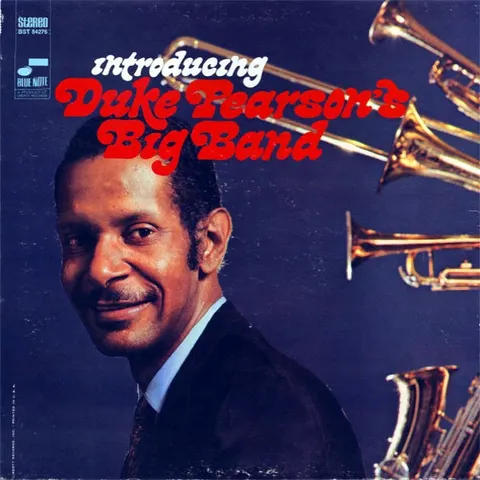
- Duke Pearson - pianist whose Blue Note album It Could Only Happen with You (recorded 1970, released 1974) has Pascoal on flute, guitar, and bass and includes his piece "Hermeto."
- Antonio Carlos Jobim - composer whose Tide (A&M, 1970) has a Pascoal flute solo on one track.
- Edu Lobo, Geraldo Vandré - singer-songwriters he worked with in the 1960s: Quarteto Novo backed Lobo on "Ponteio" in 1967 and toured Brazil with Vandré behind his 1968 album Canto Geral; Pascoal also arranged and played on Lobo's Sergio Mendes Presents Lobo (A&M, 1970).
- Sivuca - accordionist, a partner in his first accordion trio in Pernambuco.
- José Neto - his brother, with whom he played from childhood.
- Heraldo do Monte, Theo de Barros - guitarist and bassist of Trio Novo and Quarteto Novo.
- Itiberê Zwarg, Jovino Santos Neto, Nenê, Pernambuco, Zabelê - members of his group from the late 1970s on.
- Aline Morena - singer and his duo partner on Chimarrão com Rapadura and Bodas de Latão.
- Fábio Pascoal - his son, a percussionist on Pra Você, Ilza.
- Elis Regina - singer who appeared with him at Montreux in 1979.
- Raul de Souza, Alphonso Johnson, Chester Thompson - trombonist, electric bassist, and drummer on Slaves Mass.
- Hubert Laws - flutist among the woodwind players on his 1970 debut and a fellow flutist on Tide.
- Joe Farrell - saxophonist and flutist on his 1970 debut, and a fellow flutist on Tide.
More Avant-Garde Jazz Artists
See all 417 Avant-Garde Jazz artists →More Brazilian Jazz Artists
See all 35 Brazilian artists →- Wikipedia: Hermeto Pascoal
- Wikipedia (Portuguese): Hermeto Pascoal
- Wikipedia: Slaves Mass
- Wikipedia: Live-Evil
- Wikipedia: Quarteto Novo
- Wikipedia: Em Som Maior
- Wikipedia: Pra Você, Ilza
- Wikipedia: Latin Grammy Award for Best Latin Jazz/Jazz Album
- Wikipedia: Latin Grammy Award for Best Portuguese Language Roots Album
- Wikipedia: Electric Byrd
- Wikipedia: Tide (album)
- Discogs: Hermeto Pascoal (artist 256166)
- MusicBrainz: Hermeto Pascoal
- JazzProfiles.com: Hamilton de Holanda
- JazzProfiles.com: Mattan Klein
- JazzProfiles.com: Laurent Coulondre
- JazzProfiles.com: Nilson Matta
- JazzProfiles.com: Diego Urcola