 JAZZPROFILES lives in the music 2,555 Jazz Artists fully Profiled!
Les Double Six
Last updated November 14, 2026
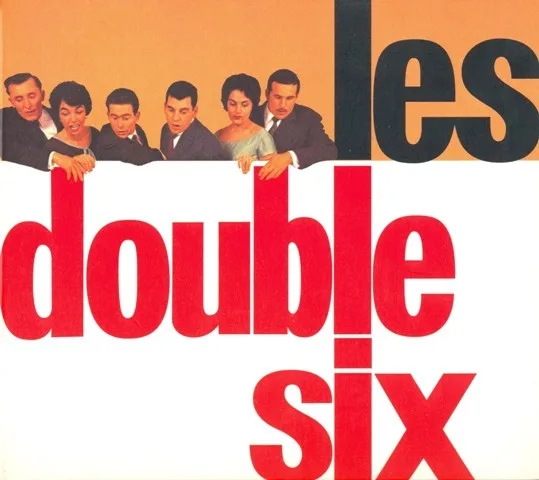
Cover of the compilation *Les Double Six* (RCA Victor 74321 64314 2, France, 1999), which shows a group photograph of the six singers. The people are not individually identified on the cover. Standard copyright, all rights reserved, held by the rights holders of the release. This is not a Creative Commons or public-domain image; it is an album cover shown as an honestly disclosed editorial identification image. — https://coverartarchive.org/release/23c1cb99-9677-4b62-9fd0-2044f38d4290/front-1200 (Cover Art Archive image for the MusicBrainz release Les Double Six, RCA Victor 74321643142, 1999)
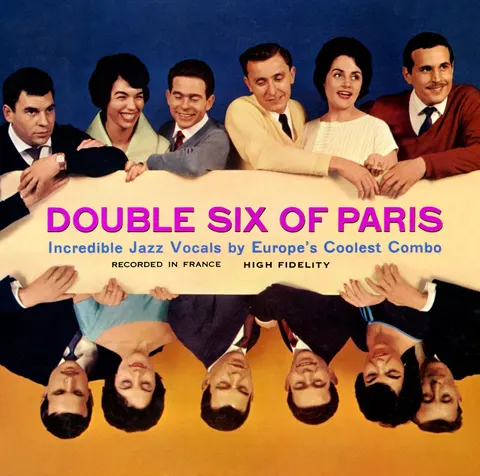
Les Double Six, billed in the United States and on several records as The Double Six of Paris, was a French vocal group founded in 1959 by the singer and pianist Mimi Perrin. It sang jazz in the manner of vocalese: Perrin took the arrangements and solos of American big bands and small groups, wrote French lyrics that fitted them note for note, and had each singer take the part of an instrument. The name came from the studio method, in which two layers of a sextet were recorded over one another so that the result sounded like twelve voices. The group made four albums between 1960 and 1964, its membership changed from session to session, and it came to an end in 1966.
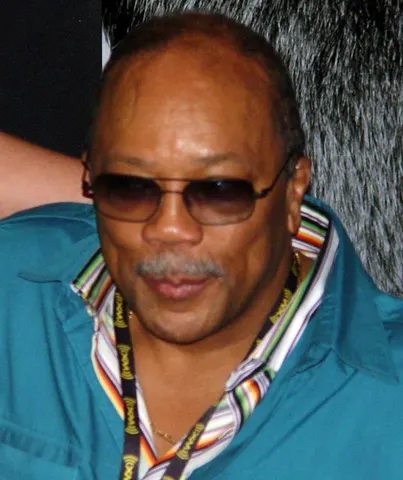
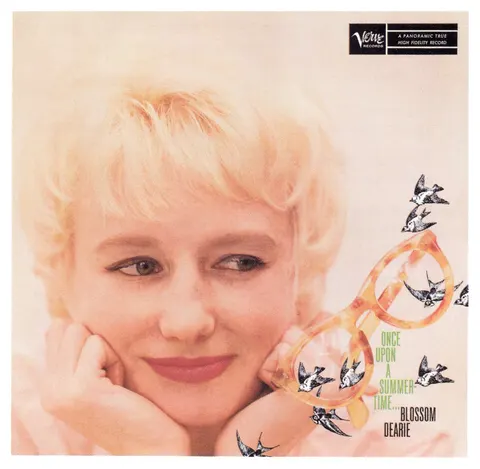
Perrin was born on February 2, 1926 in Saint-Maurice, near Paris, studied piano as a child and took an English degree at the Sorbonne. She caught tuberculosis in 1949 and spent time in a sanatorium; afterwards she played in the cabarets and clubs of Saint-Germain-des-Prés with her own trio and sang in the Blue Stars of France, the vocal group around Blossom Dearie. She also worked as a studio backing singer, and French Wikipedia says that her session work for Henri Salvador led to her meeting Quincy Jones. Her model for the new group was the American trio Lambert, Hendricks & Ross, and French Wikipedia says she found French less suited to the style than English, which makes the closeness of her lyrics to the original solos more striking.
The first record, Les Double Six Meet Quincy Jones, came out on Columbia in France in 1960 and was recorded at the Théâtre des Champs-Élysées in Paris. It puts French words to eight pieces by or associated with Jones, among them "Stockholm Sweetnin'", "Evening in Paris" and "Boo's Bloos", with Perrin, Christiane Legrand, Claude Germain, Jacques Denjean, Jean-Claude Briodin and Ward Swingle singing, and with Art Simmons on piano, the bassists Michel Gaudry and Pierre Michelot and the drummers Christian Garros, Daniel Humair and Kenny Clarke. A sticker on the French sleeve records the Grand Prix du Disque of the Académie Charles Cros, and Capitol released the album in the United States in 1961 as The Double Six of Paris. A four-song EP of 1961 followed with Georges Arvanitas on piano, then the LP Swingin' Singin' in 1962, which turns recordings by Count Basie, Woody Herman, Gerry Mulligan, Miles Davis and Charlie Parker into French, and gives the one solo vocal feature to John Coltrane's "Naima", sung by Perrin.
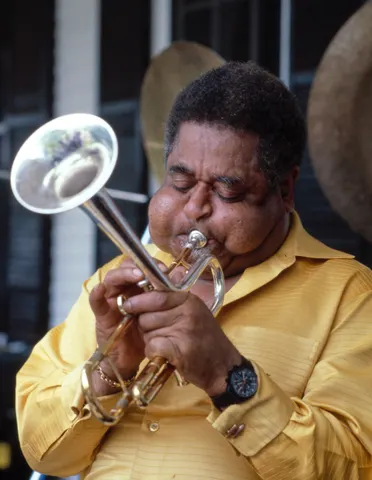
In 1963 the group recorded with Dizzy Gillespie. Wikipedia dates the Paris sessions to July 1963, with Gillespie, Bud Powell, Michelot and Clarke playing first and the Double Six singing over the tape afterwards, and a second session in Chicago in September with James Moody, Kenny Barron, the bassist Chris White and the drummer Rudy Collins. Lalo Schifrin wrote the arrangements, Perrin the French lyrics, and the album carries twelve pieces from the Gillespie repertoire, from "Emanon" and "Tin Tin Deo" to "Con Alma" and "Ow". Leonard Feather gave it five stars in DownBeat. The fourth album, The Double Six of Paris Sing Ray Charles (Philips, 1964), has an American rhythm section led by the tenor saxophonist Jerome Richardson, with Bobby Scott on piano and vibraphone, Milt Hinton on bass and Osie Johnson on drums, and arrangements by Billy Byers and Melba Liston. It was nominated for a Grammy Award in 1965 in the vocal group category, which went to the Beatles.
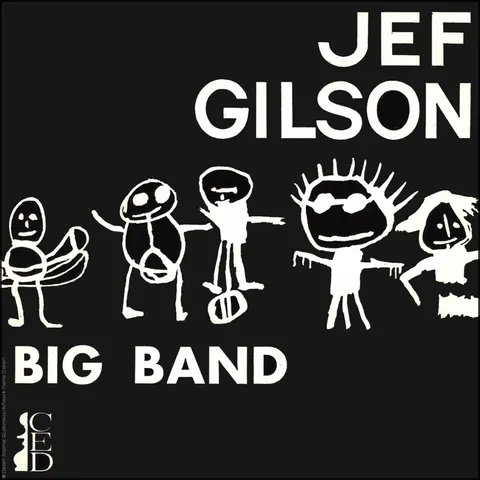
The singers moved in and out. Swingle, an American who had lived in France since 1951, left to found the Swingle Singers, who were established by 1962 and began by singing Bach in the same scat style; French Wikipedia lists Germain, Briodin, Claudine Barge (later Meunier) and Hélène Devos among the Double Six alumni who later sang with them. Besides the singers named on the records, Wikipedia lists the trumpeter Roger Guérin as a member, and Eddy Louiss, who joined by 1961, sang and played vibraphone with the group before he became known as an organist. In 1965 Perrin's health failed again and she tried to put together a new sextet with Bernard Lubat, Jef Gilson, Gaëtan Dupenher, Annie Vassiliu and Hélène Devos; its record was never released, and AllMusic says that Gilson tried to hold the group together until it split in 1966.
Perrin left music and from 1972 worked as a translator, rendering novels by John le Carré, Alice Walker and others, and the autobiographies of Dizzy Gillespie, Nina Simone and Quincy Jones, into French. She passed away in Paris on November 16, 2010. The group's early records were gathered on the 1999 RCA Victor compilation Les Double Six, which holds the whole of the 1960 and 1962 albums, and Dave Hughes, reviewing it for All About Jazz, placed the sextet among the best vocal jazz ensembles of the past half century.
The method was strict. Perrin transcribed the instrumental lines and solos from existing recordings, set them for six voices, and wrote French words that carry the rhythm and the vowels of the original phrasing, sometimes humorous and sometimes poetic, so that a voice stands for a trumpet, a baritone saxophone or a trombone rather than telling a story. The result sits between swing-era big-band singing, bebop and the cool jazz of Mulligan and Davis, which is also the span of its repertoire. The model was the American trio Lambert, Hendricks & Ross, which was reaching its audience at the same time, and the sextet in turn became the model for the Swingle Singers; one reviewer ranks it with Lambert, Hendricks & Ross, the Manhattan Transfer and New York Voices.
- Les Double Six Meet Quincy Jones (1960, Columbia FPX 188) - the debut, eight Quincy Jones pieces with French lyrics by Mimi Perrin and a Grand Prix du Disque sticker on the sleeve. Apple Music - Les Double Six (1999 compilation containing the album) Listen
- Les Double Six (EP, 1961, Columbia ESDF 1350) - "Fascinating Rhythm", "Boplicity", "Early Autumn" and "Moanin'", with Georges Arvanitas on piano. Apple Music - Les Double Six (1999 compilation) Listen
- Swingin' Singin' (1962, Columbia FPX 202; Philips PHS 600-026 in the United States) - eleven vocalese arrangements of Basie, Mulligan, Parker and Davis recordings, plus "Naima". Apple Music - Les Double Six (1999 compilation) Listen
- Dizzy Gillespie + The Double Six of Paris (1963, Philips) - twelve pieces from the Gillespie repertoire with Bud Powell, Pierre Michelot and Kenny Clarke on the Paris tracks and arrangements by Lalo Schifrin. Apple Music - Dizzy Gillespie and the Double Six of Paris Listen
- The Double Six of Paris Sing Ray Charles (1964, Philips) - eleven Ray Charles songs with the Jerome Richardson Quartet, the album that earned the 1965 Grammy nomination. Apple Music - The Double Six of Paris Sing Ray Charles Listen
- Les Double Six (1999, RCA Victor 74321 64314 2) - the 20-track compilation of the first two albums plus "Walkin'", the easiest way to hear the early records. Apple Music - Les Double Six Listen
Les Double Six: Full Discography
French vocal jazz sextet founded in 1959 by Mimi Perrin and active until 1966. Discogs artist 1888362; a second Discogs entry, The Double Six Of Paris (325795), holds a single compilation credit and is covered here. The group made four albums between 1960 and 1964, together with an EP, a few singles and later compilations; its personnel changed from record to record, so each row lists the singers credited on that release.
Name variations on record: The Double Six, The Double Six Of Paris, Les Double Six Of Paris, Les Double Six De Paris, Double Six Of Paris, Les Double-Six, Los Dobles Seis De Paris.
Members credited on its records: Mimi Perrin, Christiane Legrand, Claude Germain, Jacques Denjean, Jean-Claude Briodin, Ward Swingle, Eddy Louiss, Louis Aldebert, Monique Aldebert (credited as Monique Guérin on the 1961 EP), Claudine Barge and Robert Smart. Wikipedia also lists Roger Guérin, Jean-Louis Conrozier, Bernard Lubat and Jef Gilson, the last two with Gaëtan Dupenher, Annie Vassiliu and Hélène Devos in the 1965 reformed group whose recording was not issued.
Albums, EP and compilations
| Album Title | Recording Date(s) | Release Date | Label | Catalog Number | Format(s) | Personnel | Role | Reissue History | Listen | Buy | Notes |
|---|---|---|---|---|---|---|---|---|---|---|---|
| Les Double Six Meet Quincy Jones | Théâtre des Champs-Élysées, Paris; dates not confirmed | 1960 | Columbia (France) | FPX 188 | LP | Singers: Mimi Perrin (also French lyrics), Christiane Legrand, Claude Germain, Jacques Denjean, Jean-Claude Briodin, Ward Swingle. Art Simmons (piano); Michel Gaudry (bass, A1 to B2) and Pierre Michelot (bass, B3 and B4); Christian Garros (drums, A3 to B1), Daniel Humair (drums, A1, A2, B2) and Kenny Clarke (drums, B3 and B4) | Group billed as Les Double Six | Issued in the United States by Capitol in 1961 as The Double Six of Paris (catalogue number not confirmed); reissued in 1998 by Limited Edition (058/M4-98) as Les Double Six rencontrent Quincy Jones; included in the 1999 RCA Victor compilation below | Apple Music (1999 compilation) | — | Eight pieces by or associated with Quincy Jones: "For Lena (En flânant dans Paris)", "Rat Race (La course au rat)", "Stockholm Sweetnin' (Un coin merveilleux)", "Boo's Bloos (Au temps des Indiens)", "Doodlin' (Tout en dodelinant)", "Meet Benny Bailey (Au bout du fil)", "Evening in Paris (Il y a fort longtemps)" and "Count'em (T'as foutu l'camp)". Liner notes by Philippe Adler, photography by Jean-Pierre Leloir. A sticker on the French sleeve records the Grand Prix du Disque of the Académie Charles Cros. |
| Les Double Six (EP) | Not confirmed | 1961 | Columbia (France) | ESDF 1350 | 7" EP, 45 rpm | Singers: Mimi Perrin, Claude Germain, Jean-Claude Briodin, Louis Aldebert, Monique Guérin, Eddy Louiss (also vibraphone on "Early Autumn"). Georges Arvanitas (piano), René Urtreger (piano on "Boplicity"), Michel Gaudry (bass), Daniel Humair (drums) | Group billed as Les Double Six | All four tracks reappear on the 1962 LP and the 1999 compilation | Apple Music (1999 compilation) | — | "Fascinating Rhythm (Le pas qui plaira)", "Boplicity (La légende du troubadour)", "Early Autumn (Finalement l'automne est arrivé)" and "Moanin' (La complainte du bagnard)". Lyrics by Mimi Perrin; produced by Christian Chevallier, engineered by Jean-Michel Pou-Dubois. |
| Les Double Six (issued in the United States as Swingin' Singin'!) | Not confirmed | 1962 | Columbia (France) | FPX 202 | LP, mono | Singers: Mimi Perrin, Christiane Legrand, Claudine Barge, Jean-Claude Briodin, Eddy Louiss, Robert Smart, Ward Swingle. Georges Arvanitas and René Urtreger (piano), Michel Gaudry and Pierre Michelot (bass), Christian Garros and Daniel Humair (drums), Paul Piguillem (guitar), Jean-Pierre Drouet (bongos), Eddy Louiss (vibraphone) | Group billed as Les Double Six | Philips issued it in the United States as PHS 600-026; reissued in 1982 by Open (OP-15); included in the 1999 compilation | Apple Music (1999 compilation) | — | Eleven tracks arranged by Mimi Perrin from recordings by Lester Young and Count Basie, Woody Herman, Shelly Manne, John Coltrane, Gerry Mulligan, J. J. Johnson, Charlie Parker and Miles Davis, Quincy Jones and Stan Kenton: "Tickle-Toe", "Early Autumn", "Sweets", "Naima", "Westwood Walk", "A Night in Tunisia", "A Ballad", "Scrapple from the Apple", "Boplicity", "Moanin'" and "Fascinating Rhythm". Sleeve notes by Maurice Cullaz. |
| Dizzy Gillespie + The Double Six of Paris | Paris, July 8, 1963 (Europasonor studio), and Chicago, September 20, 1963, per Wikipedia | 1963 | Philips | PHS 600-106 (United States); 852 038 BY (Netherlands) | LP, stereo | Singers: Mimi Perrin, Christiane Legrand, Claudine Barge, Jean-Claude Briodin, Eddy Louiss, Robert Smart, Ward Swingle. Dizzy Gillespie (trumpet); Bud Powell (piano, 10 tracks) and Kenny Barron (piano, "Oo-Shoo-Be-Doo-Be" and "Con Alma"); Pierre Michelot and Chris White (bass); Kenny Clarke and Rudy Collins (drums); James Moody (tenor saxophone on "Oo-Shoo-Be-Doo-Be" and "Con Alma", as listed on Discogs). Arranged by Lalo Schifrin | Group billed with Dizzy Gillespie | CD reissue by Philips (830 224-2); Japanese reissue in 2023 (UCCU-6401) | Apple Music | — | Twelve pieces: "Emanon", "Anthropology", "Tin Tin Deo", "One Bass Hit", "Two Bass Hit", "Groovin' High", "Oo-Shoo-Be-Doo-Be", "Hot House", "Con Alma", "Blue 'n' Boogie", "The Champ" and "Ow". Lyrics by Mimi Perrin, liner notes by Nat Hentoff. Wikipedia describes the vocals as overdubbed onto the July recordings. Leonard Feather gave it five stars in DownBeat. |
| The Double Six of Paris Sing Ray Charles | Not confirmed | 1964 | Philips | 652 054 BL (Netherlands, mono); PHS 600-141 (United States) | LP | Singers: Mimi Perrin, Monique Aldebert, Louis Aldebert, Claudine Barge, Jean-Claude Briodin, Robert Smart. Jerome Richardson Quartet: Jerome Richardson (tenor saxophone), Bobby Scott (piano, vibraphone), Milt Hinton (bass), Osie Johnson (drums); Billy Byers (trombone on "Georgia on My Mind") | Group billed as The Double Six of Paris | Digital reissue in 2018 | Apple Music | — | Eleven songs: "One Mint Julep", "Yes, Indeed", "Georgia on My Mind", "Lonely Avenue", "Sherry", "Let the Good Times Roll", "Hallelujah, I Love Her So", "Hit the Road, Jack", "Ruby", "From the Heart" and "Stompin' Room Only". Arranged by Billy Byers and Melba Liston; liner notes by Jean Tronchot. Nominated for a Grammy Award in 1965 in the vocal group category. |
| Les Double Six (compilation) | 1960 to 1962 sessions | 1999 | RCA Victor | 74321 64314 2 (France); 74321 65659-2 (United States) | CD | The singers and players of the 1960 and 1962 albums | Group billed as Les Double Six | - | Apple Music | — | 20 tracks: the eight tracks of the 1960 album, the eleven of the 1962 album and "Walkin'". Reviewed by Dave Hughes for All About Jazz. |
Singles and other releases
| Title | Year | Label | Catalog Number | Notes |
|---|---|---|---|---|
| "Groovin' High" / "Ow" (Dizzy Gillespie and the Double Six) | 1964 | Philips | Not confirmed | Single from the Gillespie album; MusicBrainz dates it April 4, 1964. |
| "Hallelujah, I Love Her So" (The Double Six) | 1964 | Not confirmed | Not confirmed | Single from the Ray Charles album, listed on Discogs. |
| "Rat Race" (single under the name The Double Six of Paris) | 1960 | Not confirmed | Not confirmed | The Jones tune from the debut album, listed on Discogs as "French Rat Race". |
| "Lonely Ave" / "Sherry" | Not confirmed | Philips | Not confirmed | Two tracks from the Ray Charles album, issued as a single. |
| Вокальный ансамбль Шестеро из Парижа (Soviet LP) | 1975 | Melodiya | Not confirmed | Contents not confirmed. |
| Evening in Paris (billed as Double Six) | 1987 | Amplitude | Not confirmed | Contents not confirmed. |
Selected compilation appearances
Tracks by the group appear on many anthologies; Discogs lists several dozen. A selection:
| Year | Compilation | Label | Notes |
|---|---|---|---|
| 1988 | Jazz en Verve Vol. 3 - Chanteurs | Not confirmed | Vocal anthology. |
| 2006 | The Verve / Philips Dizzy Gillespie Small Group Sessions | Not confirmed | Gillespie compilation on which the Double Six are credited. |
| 2010 | Jazz en France | Sony Music, Disques Vogue, Legacy | Anthology of French jazz. |
| 2011 | Voices in Modern | Él | Shared with Blossom Dearie and Lambert, Hendricks & Ross. |
| 2017 | Vocalese - Ces solos qui nous chantent | Jazz Magazine | Anthology of vocalese. |
- Mimi Perrin - founder, lead voice and soloist, and the author of the French lyrics and the vocal arrangements throughout; she led the group from 1959 until her illness ended it in 1965 and 1966.
- Christiane Legrand, Claude Germain, Jacques Denjean, Jean-Claude Briodin and Ward Swingle - the singers on the 1960 Quincy Jones album; Legrand was the sister of the composer Michel Legrand.
- Eddy Louiss - singer and vibraphonist on the 1961 EP, Swingin' Singin' and the Gillespie album.
- Louis Aldebert, Monique Aldebert (Guérin), Claudine Barge and Robert Smart - singers on the 1961 EP and the 1962 to 1964 albums.
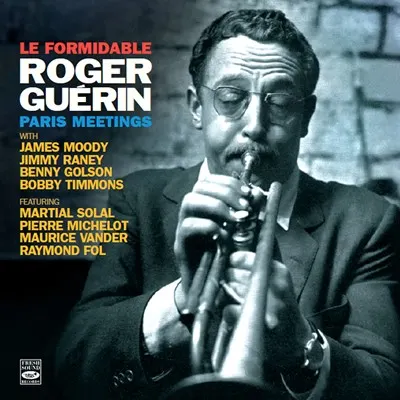
- Roger Guérin - trumpeter, listed by Wikipedia among the members.
- Bernard Lubat and Jef Gilson - the drummer-singer and the arranger who joined Perrin's 1965 reformed sextet; Gilson later served as its musical director.
- Quincy Jones - composer and arranger of the material on the 1960 debut.
- Dizzy Gillespie, Bud Powell, Kenny Clarke and Pierre Michelot - the 1963 sessions; Lalo Schifrin arranged.
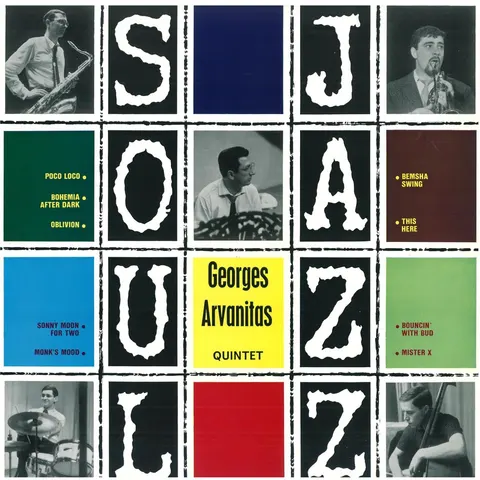
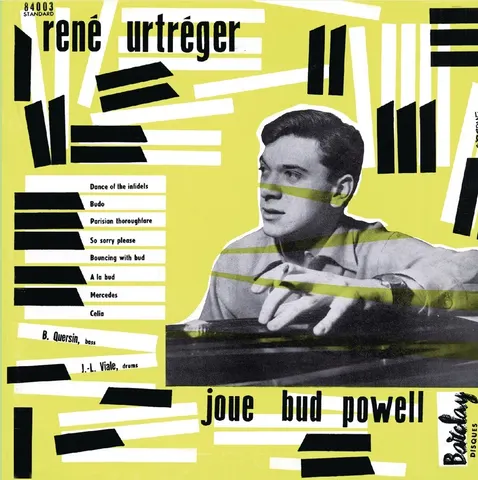
- Georges Arvanitas, René Urtreger and Daniel Humair - pianists and drummer on the 1961 and 1962 records.
- Jerome Richardson, Bobby Scott, Milt Hinton, Osie Johnson, Billy Byers and Melba Liston - the players and arrangers on the Ray Charles album.

More Vocal Jazz Artists
See all 264 Vocal Jazz artists →More French Jazz Artists
See all 170 French artists →- Apple Music: Les Double Six
- Discogs: Les Double Six
- MusicBrainz: Les Double Six
- AllMusic: Les Double Six
- Wikipedia (English): Les Double Six
- Wikipedia (French): Les Double Six
- Les Double Six on JazzProfiles.com
- Wikipedia (English): Les Double Six
- Wikipedia (French): Les Double Six
- Wikipedia (English): Mimi Perrin
- Wikipedia (French): Mimi Perrin
- Wikipedia (English): Dizzy Gillespie and the Double Six of Paris
- Wikipedia (English): Ward Swingle
- Wikidata: Les Double Six (Q1169836)
- Discogs: Les Double Six, artist 1888362
- Discogs: Les Double Six, Meet Quincy Jones, Columbia FPX 188
- Discogs: Les Double Six, Les Double Six, Columbia FPX 202
- Discogs: Dizzy Gillespie + The Double Six Of Paris
- Discogs: Les Double Six, Sing Ray Charles, Philips 652 054 BL
- MusicBrainz: Les Double Six
- AllMusic: Les Double Six biography
- AllMusic: The Double Six of Paris Sings Ray Charles
- All About Jazz: Les Double Six, Les Double Six (RCA Victor), review by Dave Hughes
- Jazz History Online: Les Double Six, Singin' Swingin'
- Universalis: Mimi Perrin