 JAZZPROFILES lives in the music 2,059 Jazz Artists fully Profiled!
André Previn
Last updated October 29, 2026
Listen on Spotify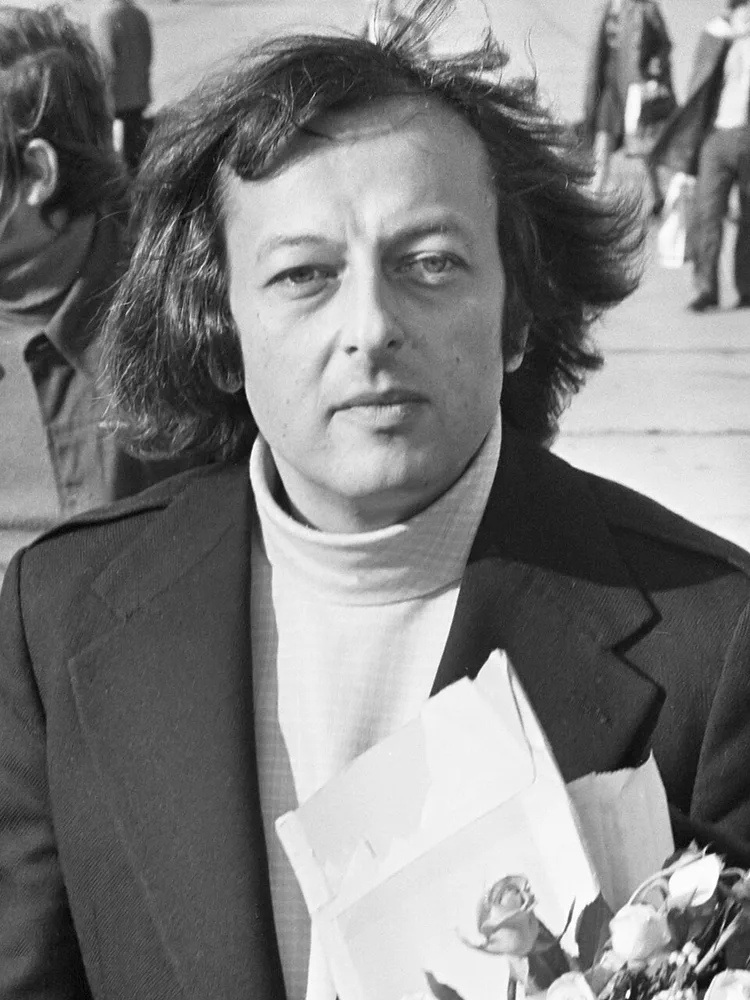
André Previn at Zestienhoven airport, Rotterdam, October 26, 1973 CC BY-SA 3.0 NL — Wikimedia Commons, https://commons.wikimedia.org/wiki/File:Andr%C3%A9_Previn.jpg, photograph by Bert Verhoeff for Anefo, Nationaal Archief (The Hague)

André Previn was born Andreas Ludwig Priwin in Berlin on April 6, 1929. Most published reports give that year, although Previn himself said he was born in 1930. His father, Jack Previn, was a lawyer, judge and music teacher, and the youngest of the three children was the one who took to the piano lessons the whole family received. He entered the Berlin Conservatory at six. In 1938 the conservatory told his father that the boy was no longer welcome because he was Jewish, and the family left for Paris, where he studied theory at the Conservatoire. They sailed for New York on October 20, 1938 and reached Los Angeles on November 26. Previn became a naturalized American citizen in 1943 and taught himself English, his third language, from comic books and films.
His professional life began in the film studios. Metro-Goldwyn-Mayer hired him in 1946, while he was still a student at Beverly Hills High School, after its music department noticed his work for a local radio program, and his first official credit was the Lassie film The Sun Comes Up (1949). Drafted in 1950, he served with the Sixth Army Band at the Presidio of San Francisco and took private conducting lessons from Pierre Monteux. Back at MGM in 1953 he stayed for sixteen years in all. Over a career in which he worked on the music of more than fifty films he was nominated for eleven Academy Awards and won four: Gigi (1958), Porgy and Bess (1959), Irma la Douce (1963) and My Fair Lady (1964).
Jazz ran alongside the studio job from the start. By his own later account he was won over by Art Tatum's recording of "Sweet Lorraine," which his father handed him with an instruction to learn it. Matthew Guerrieri's survey of every jazz and jazz-adjacent record Previn made finds him on radio broadcasts in December 1944, on a Nat Cole-style trio session for the Sunset label in 1945 and 1946, and as a guest on Frank Sinatra's radio program in the autumn of 1946. His first major-label album as a leader, André Previn at the Piano, was recorded for RCA Victor in October and November 1947. In his memoir he wrote that the San Francisco jazz clubs he frequented while stationed there in 1952 changed his view of jazz, introducing him to the new music of Dizzy Gillespie, Charlie Parker, Bud Powell and the Modern Jazz Quartet, and Guerrieri reports that he sat in with Parker and Gillespie.
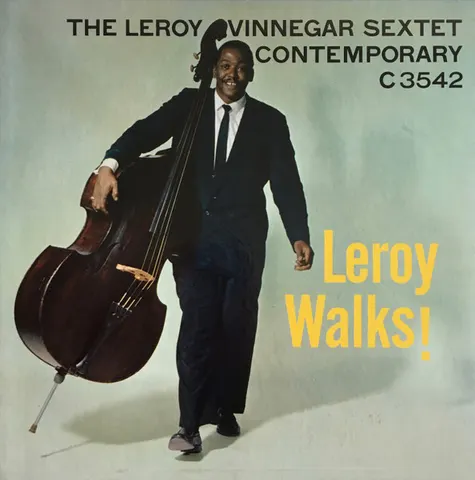
After his discharge he became a fixture of the Los Angeles scene. Collaboration, recorded for RCA Victor in 1954 with the trumpeter and arranger Shorty Rogers, was his first record with the drummer Shelly Manne. On August 17, 1956 Previn, Manne and the bassist Leroy Vinnegar recorded Modern Jazz Performances of Songs from My Fair Lady in one evening at the Contemporary studio in Los Angeles. Billed to Shelly Manne & His Friends, it is generally described as the first jazz album built entirely on one Broadway score, and it was still the best-selling jazz album in the United States two years later according to Billboard. The group went on to record Broadway scores one after another for Contemporary, sometimes under Manne's name and sometimes under Previn's as André Previn & His Pals: Li'l Abner (1957) with Vinnegar, then, with Red Mitchell in the bass chair, Pal Joey, Gigi, Bells Are Ringing and West Side Story. Alongside them came Double Play! (1957) with the pianist Russ Freeman and Manne, solo albums of the songs of Vernon Duke, Jerome Kern and Harold Arlen, and trio dates with Mitchell and the drummer Frankie Capp. West Side Story and André Previn Plays Songs by Harold Arlen won the Grammy for best jazz performance by a soloist or small group at the 1961 and 1962 ceremonies. By Guerrieri's account, a DownBeat readers' poll at the end of 1958 ranked him just ahead of Bill Evans and behind Oscar Peterson, Thelonious Monk, Dave Brubeck and Erroll Garner.
He worked with singers and horn players as well. He accompanied Dinah Shore (Dinah Sings, Previn Plays, 1960) and Doris Day (Duet, 1962), arranged and conducted Julie London's Your Number Please (1959), recorded Kurt Weill songs with the trombonist J. J. Johnson (1962) and made 4 to Go! (1963) with the guitarist Herb Ellis, the bassist Ray Brown and Manne. The film score for The Subterraneans (1960) brought Gerry Mulligan, Russ Freeman, Art Farmer and Carmen McRae into the MGM studio. Then the balance shifted. Previn's formal conducting debut is generally dated to 1963, and he became music director of the Houston Symphony in 1967, principal conductor of the London Symphony Orchestra in 1968 (a post he held until 1979), music director of the Pittsburgh Symphony from 1976 to 1984, music director of the Los Angeles Philharmonic from 1985 to 1989 and chief conductor of the Royal Philharmonic from 1985 to 1992. Television made him famous in Britain, from André Previn's Music Night to a 1971 Morecambe and Wise sketch in which he was billed as "Andrew Preview." He wrote the Broadway musical Coco with Alan Jay Lerner, the West End musical The Good Companions (1974), the operas A Streetcar Named Desire (1998) and Brief Encounter (2009), concertos, chamber music and song cycles, and a memoir of his Hollywood years, No Minor Chords (1991). Jazz recording, which had been concentrated in the years from 1945 to 1967, mostly stopped.
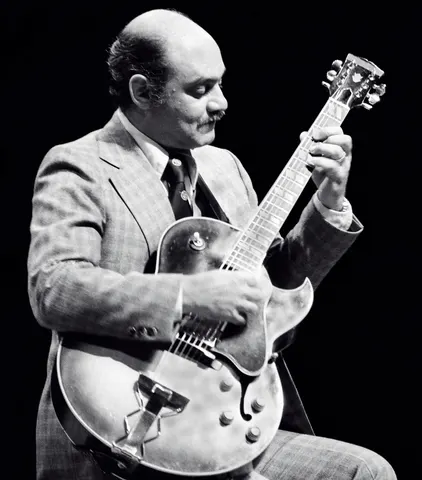
It resumed in the late 1980s. Earlier, in 1983, he had recorded Nice Work If You Can Get It with Ella Fitzgerald and the bassist Niels-Henning Ørsted Pedersen, the only album she made with him. He had also filmed television specials with Peterson in 1974 and with Fitzgerald in 1979. In March 1989 he recorded After Hours for Telarc with Joe Pass and Brown. When the guitarist Mundell Lowe took Pass's chair the trio made Uptown (1990), Old Friends (1992, recorded live in San Diego) and Jazz at the Musikverein (Verve, 1997), and he recorded duo songbooks of Gershwin (1998) and Ellington (1999) with the bassist David Finck, followed by Live at the Jazz Standard (2001) and the solo ballad album Alone (2007). One more album came in 2013, Change of Heart, a set of his own songs with the singer Michael Feinstein. Previn passed away at home in Manhattan on February 28, 2019, at the age of 89. His honors included an honorary knighthood (KBE) in 1996, the Kennedy Center Honors in 1998, the Glenn Gould Prize in 2005, a lifetime achievement Grammy in 2010 and ten competitive Grammy Awards spread across classical, film and jazz recordings.
Previn's career had three sides, film scoring, classical conducting and composing, and jazz, and he kept them apart in his own mind: in a 1986 profile he said he had never considered himself a jazz musician but a musician who occasionally played jazz. The jazz side is nonetheless well documented, with dozens of leader and co-leader albums, two jazz Grammys and a long run of sessions with the first-rank players of the West Coast scene. As a pianist he started from the trio style of Nat Cole and the virtuosity of Art Tatum, then grafted on bebop's touch and articulation after the San Francisco years, and he admired Oscar Peterson and Bill Evans as trio pianists. The critic Ted Gioia, writing about West Coast jazz, found his work uneven in quality and jazz content and often more a popularizer's than a serious practitioner's, but at his best a persuasive player with an earthy, hard-swinging style that at times recalled Horace Silver. Guerrieri's survey values the Broadway-score albums for their wit and Previn's ability to shift idioms at will, notes that he played the blues on almost every record without ever sounding like a native of the idiom, and calls his touch and his reshuffling of harmony recognizably his own. Dizzy Gillespie said Previn had the flow that technique alone does not supply, and Wynton Kelly, asked in a 1964 DownBeat blindfold test which pianists he would go out of his way to hear, named Previn. His easy-listening albums with strings, his vocal accompaniments and the film and classical careers that followed explain why many jazz listeners know him as an outsider, and why he was sometimes criticized for glibness.
- Shelly Manne & His Friends: Modern Jazz Performances of Songs from My Fair Lady (1956, Contemporary) - The trio session with Previn and Leroy Vinnegar, recorded in a single evening, that made jazz versions of a Broadway score a commercial format. Spotify - My Fair Lady
- Double Play! (1957, Contemporary) - Two pianists, Previn and Russ Freeman, with Shelly Manne on drums, trading baseball-themed originals; the Penguin Guide to Jazz singled it out as the most jazz-driven of Previn's early albums.
- West Side Story (1959, Contemporary) - André Previn & His Pals (Previn, Red Mitchell, Shelly Manne) at their best, and a Grammy winner for best jazz performance by a soloist or small group. Spotify - West Side Story Listen
- André Previn Plays Songs by Harold Arlen (1961, Contemporary) - The solo piano album, and the second of his two jazz Grammys.
- 4 to Go! (1963, Columbia) - A quartet of Previn, Herb Ellis, Ray Brown and Shelly Manne, a mainstream summit of the kind Previn would return to in later decades.
- Nice Work If You Can Get It (1983, Pablo) - Ella Fitzgerald's only album with Previn, an all-Gershwin set with bassist Niels-Henning Ørsted Pedersen. Spotify - Nice Work If You Can Get It Listen
- After Hours (1989, Telarc) - The return to jazz recording after two decades, a trio with Joe Pass and Ray Brown recorded in March 1989.
- Live at the Jazz Standard (2001, Decca) - A late duo with bassist David Finck, recorded at the New York club.
André Previn: Full Discography
Discogs artist: André Previn (224329) · Real name André George Previn, born Andreas Ludwig Priwin · Born April 6, 1929, Berlin · Died February 28, 2019, New York City. Further Discogs entries: The André Previn Trio (730445), André Previn & His Pals (1637813), André Previn Quartet (2484160).
Previn made hundreds of recordings across film, jazz and classical music. This file lists his jazz and jazz-adjacent albums as a leader or co-leader and a selection of his jazz and vocal sideman and arranger credits; his film scores and classical work are summarized below the tables. Years are release years; recording dates come from Matthew Guerrieri's survey of Previn's jazz and from Wikipedia. Catalog numbers come from Discogs release data and Wikipedia, and a row says so where a number could not be confirmed.
Jazz Albums as Leader or Co-Leader
| Album | Year | Label (Catalog) | Personnel & Notes | Listen | Buy |
|---|---|---|---|---|---|
| André Previn at the Piano | 1948 | RCA Victor (P 214) | Recorded October to November 1947. Previn (piano) with Al Viola (guitar), Lloyd Pratt (bass) and Jackie Mills (drums); his first major-label album as a leader, issued as a 10-inch 78 rpm set | — | — |
| Plays Harry Warren | 1952 | RCA Victor (LPM 3002) | Recorded August and October 1950. Previn with Bob Bain (guitar), Lloyd Pratt (bass) and Ralph Collier (drums); his first single-songwriter album, issued as a 10-inch LP | — | — |
| Collaboration | 1955 | RCA Victor (LJM-1018) | Co-led with Shorty Rogers (trumpet). Recorded March, June and September 1954 in Hollywood. A nine-piece band including Milt Bernhart (trombone), Bud Shank (alto saxophone, flute), Bob Cooper (tenor saxophone), Jimmy Giuffre (baritone saxophone) and Shelly Manne (drums), the first Previn record with Manne | — | — |
| Let's Get Away from It All | 1955 | Decca (DL 8131) | Recorded April 1955. A round-the-world song cycle with Al Fredrickson (guitar), Red Mitchell (bass) and Irv Cottler (drums) | — | — |
| Shelly Manne & His Friends | 1956 | Contemporary (C3525) | Billed to Shelly Manne, André Previn and Leroy Vinnegar. Recorded February 11, 1956; the first album by the trio | — | — |
| Modern Jazz Performances of Songs from My Fair Lady | 1956 | Contemporary (C3527) | Billed to Shelly Manne & His Friends (André Previn and Leroy Vinnegar). Recorded August 17, 1956 in one evening at the Contemporary studio, Los Angeles; engineer Roy DuNann, producer Lester Koenig. Described as the first jazz album built entirely on one Broadway score | Spotify | — |
| Hollywood at Midnight | 1957 | Decca | Recorded March 1956. Previn with Shelly Manne (drums), Al Fredrickson (guitar) and Carson Smith (bass); a mood-music date with jazz solos. Catalog number not confirmed | — | — |
| Modern Jazz Performances of Songs from Li'l Abner | 1957 | Contemporary (C3533) | Billed to Shelly Manne & His Friends. Recorded February 1957. Previn, Manne and Leroy Vinnegar (bass) | — | — |
| Double Play! | 1957 | Contemporary (C 3537) | Co-led with pianist Russ Freeman, with Shelly Manne (drums). Recorded April 30 and May 11, 1957. Baseball-themed originals by Previn and Freeman plus "Take Me Out to the Ball Game" | — | — |
| Modern Jazz Performances of Songs from Pal Joey | 1957 | Contemporary (C3543) | As André Previn & His Pals. Recorded October 28 and 29, 1957. Previn, Red Mitchell (bass), Shelly Manne (drums) | — | — |
| Modern Jazz Performances of Songs from Gigi | 1958 | Contemporary (C 3548) | As André Previn & His Pals. Recorded April 7 and 8, 1958. Previn, Red Mitchell (bass), Shelly Manne (drums) | — | — |
| Plays Songs by Vernon Duke | 1958 | Contemporary (C3558) | Solo piano. Recorded August 1958 | — | — |
| Modern Jazz Performances of Songs from Bells Are Ringing | 1959 | Contemporary (C 3559) | Billed to Shelly Manne & His Friends (André Previn and Red Mitchell). Recorded April and July 1958 | — | — |
| King Size! | 1959 | Contemporary (M 3570) | As André Previn's Trio Jazz: Previn, Red Mitchell (bass), Frankie Capp (drums). Recorded November 26, 1958 | — | — |
| Plays Songs by Jerome Kern | 1959 | Contemporary (M 3567) | Solo piano. Recorded February and March 1959 | — | — |
| West Side Story | 1960 | Contemporary (M3572 mono, S7572 stereo) | As André Previn & His Pals (Previn, Shelly Manne, Red Mitchell). Recorded August 24 and 25, 1959. Won the Grammy for best jazz performance by a soloist or small group | Spotify | — |
| Like Previn! | 1960 | Contemporary (M3575) | All eight compositions by Previn. Trio with Red Mitchell (bass) and Frankie Capp (drums). Recorded February 20 and March 1, 1960 | — | — |
| Give My Regards to Broadway | 1960 | Columbia | As André Previn and His Trio. Recorded May 1960. Catalog number not confirmed | — | — |
| Play Music from Lerner & Loewe's Camelot | 1961 | Columbia (CS 8369) | As André Previn and His Trio; a trio album of the Camelot score | — | — |
| Plays Songs by Harold Arlen | 1961 | Contemporary (S7586) | Solo piano. Recorded May 4 and 5, 1960. Won the Grammy for best jazz performance by a soloist or small group | — | — |
| A Touch of Elegance: The Music of Duke Ellington | 1961 | Columbia (CS 8449) | Recorded March 1961; an album of Duke Ellington compositions. The catalog number is that of a stereo pressing | — | — |
| The Light Fantastic: A Tribute to Fred Astaire | 1962 | Columbia (CL 1888) | The André Previn Trio with Red Mitchell (bass). Recorded May 1962 | — | — |
| Play Kurt Weill's Mack the Knife & Bilbao-Song | 1962 | Columbia (CL 1741) | Co-led with trombonist J. J. Johnson; Red Mitchell (bass) and Frankie Capp (drums). Recorded December 1961 | — | — |
| 4 to Go! | 1963 | Columbia (CS 8818) | Co-led quartet: Previn, Herb Ellis (guitar), Ray Brown (bass), Shelly Manne (drums). Recorded December 1962 | — | — |
| Soft and Swinging: The Music of Jimmy McHugh | 1964 | Columbia (CL 2114) | Previn's trio with orchestra. Recorded October 1963 | — | — |
| Sound Stage! | 1964 | Columbia (CS 8958) | Piano with John Williams arrangements for big band. Recorded April 1963 | — | — |
| My Fair Lady (André Previn and His Quartet) | 1964 | Columbia | Recorded April 1964. Catalog number not confirmed | — | — |
| All Alone | 1967 | RCA Victor (LSP-3806) | Solo piano; liner notes by Leonard Feather. The Discogs listing is a stereo issue | — | — |
| The Easy Winners | 1975 | Angel / EMI (ASD 3075 in the UK) | With violinist Itzhak Perlman; Scott Joplin rags, a classical and ragtime crossover | — | — |
| Sessions, Live | 1976 | Calliope (CAL 3003) | Previn with Shelly Manne (drums) and Red Mitchell (bass), recorded in August 1958 and issued in 1976 | — | — |
| A Different Kind of Blues | 1980 | Angel (DS-37780) | With Itzhak Perlman (violin), Jim Hall (guitar), Red Mitchell (bass) and Shelly Manne (drums). Recorded at Heinz Hall, Pittsburgh | — | — |
| It's a Breeze | 1981 | Angel (DS-37799) | Second album with Perlman, Jim Hall, Red Mitchell and Shelly Manne | — | — |
| Nice Work If You Can Get It | 1983 | Pablo (D2312140) | Billed to Ella Fitzgerald and Previn, with Niels-Henning Ørsted Pedersen (bass). An all-Gershwin set; Fitzgerald's only album with Previn | Spotify | — |
| After Hours | 1989 | Telarc (CD-83302) | With Joe Pass (guitar) and Ray Brown (bass). Recorded March 1989, Ambassador Auditorium, Pasadena | — | — |
| Uptown | 1990 | Telarc (CD-83303) | With Mundell Lowe (guitar) and Ray Brown (bass) | — | — |
| Old Friends | 1992 | Telarc (CD-83309) | Live in San Diego, August 1991, with Mundell Lowe and Ray Brown | — | — |
| Kiri Sidetracks (The Jazz Album) | 1992 | Philips (434 092-2) | Kiri Te Kanawa (vocals) with Previn, Mundell Lowe and Ray Brown | — | — |
| What Headphones? | 1993 | Angel (CDC 7 54917 2 2) | With Ray Brown, Mundell Lowe, Grady Tate (drums), Warren Vaché (cornet), Richard Todd (French horn) and Jim Pugh (trombone), plus a gospel choir | — | — |
| Sure Thing: The Jerome Kern Songbook | 1994 | Philips (442 129-2) | With soprano Sylvia McNair and bassist David Finck. Recorded September 1993 | — | — |
| André Previn and Friends Play Show Boat | 1995 | Deutsche Grammophon (447 639-2 GH) | With Mundell Lowe, Ray Brown and Grady Tate (drums) | — | — |
| Ballads: Solo Jazz Standards | 1996 | Angel (CDC 555391) | Solo piano | — | — |
| Come Rain or Come Shine: The Harold Arlen Songbook | 1996 | Philips (446 818-2) | With Sylvia McNair and David Finck. Recorded August 1995 | — | — |
| Jazz at the Musikverein | 1997 | Verve (537 704-2) | Live at the Musikverein, Vienna, with Mundell Lowe and Ray Brown. Recorded June 24, 1995 | — | — |
| We Got Rhythm: A Gershwin Songbook | 1998 | Deutsche Grammophon (289 453 493-2) | Duo with bassist David Finck. Recorded August 1997 | — | — |
| We Got It Good and That Ain't Bad: An Ellington Songbook | 1999 | Deutsche Grammophon (463 456-2) | Duo with David Finck | — | — |
| Live at the Jazz Standard | 2001 | Decca (440 013 220-2) | Duo with David Finck, recorded at the Jazz Standard, New York, in October 2000 | — | — |
| Alone: Ballads for Solo Piano | 2007 | Decca / EmArcy | Solo piano, released June 26, 2007 | — | — |
Selected Sideman, Accompanist and Arranger Credits (Jazz and Vocal)
| Year | Project (Leader) | Title | Label | Catalog | Role | Notes |
|---|---|---|---|---|---|---|
| 1955 | Ella Fitzgerald | Sweet and Hot | Decca | not confirmed | Arranger, conductor | Four tracks of this collection of Decca singles; recorded April 1955 |
| 1955 | Betty Bennett (with Shorty Rogers) | Nobody Else But Me | Atlantic | not confirmed | Arranger, piano | Previn arranged the ballads and played piano; recorded September and October 1955 |
| 1955 | Mel Tormé | It's a Blue World | Bethlehem | not confirmed | Arranger | One track, "How Long Has This Been Going On?"; recorded August 1955 |
| 1956 | Barney Kessel | Music to Listen to Barney Kessel By | Contemporary | C3521 | Piano | Tracks 2, 9, 11 and 12; recorded August to December 1956 |
| 1956 | Pete Rugolo | An Adventure in Sound: Brass in Hi-Fi | Mercury | not confirmed | Piano | Solo spots; Previn's tracks recorded October 1956 |
| 1957 | Buddy Bregman | Swinging Kicks | Verve | MGV 2042 | Piano | With a large studio band; recorded December 1956 |
| 1958 | Benny Carter | Jazz Giant | Contemporary | not confirmed | Piano (tracks 1 and 4 to 7) | Carter, Ben Webster, Frank Rosolino, Barney Kessel, Leroy Vinnegar, Shelly Manne; Jimmy Rowles plays piano on tracks 2 and 3 |
| 1959 | The Mitchells (Red, Whitey and Blue) | Get Those Elephants Out'a Here | MetroJazz | E1012 | Guest piano (tracks 1, 2 and 7) | With Red, Whitey and Blue Mitchell, Pepper Adams and Frankie Capp; recorded October 1958 |
| 1959 | Barney Kessel | Modern Jazz Performances from Bizet's Carmen | Contemporary | M3563 | Piano | Recorded December 1958 |
| 1959 | Benny Goodman | Happy Session | Columbia | not confirmed | Piano | Previn's tracks recorded September 1958; the same sessions furnished material for Benny Rides Again! (Chess, 1959) |
| 1960 | Helen Humes | Tain't Nobody's Biz-ness If I Do | Contemporary | not confirmed | Piano | Recorded January and February 1959 |
| 1959 | Diahann Carroll | Porgy and Bess | United Artists | UAS 5021 (stereo) | Piano (the André Previn Trio) | Previn also contributed a harpsichord part |
| 1959 | Betty Bennett | I Love to Sing | United Artists | UAL 3070 | Piano (the André Previn Trio) | |
| 1959 | Julie London | Your Number Please | Liberty | LRP-3130 | Arranger, conductor | Recorded August and September 1959; produced by Bobby Troup |
| 1960 | Dinah Shore | Dinah Sings, Previn Plays | Capitol | T-1422 | Piano (the André Previn Trio) | Previn with Red Mitchell (bass) and Frank Capp (drums); recorded June to August 1959 and March 1960 |
| 1961 | Helen Humes | Songs I Like to Sing! | Contemporary | not confirmed | Piano | Recorded September 1960 |
| 1962 | Doris Day | Duet | Columbia | CL 1752 | Piano (the André Previn Trio) | Previn with Red Mitchell (bass) and Frank Capp (drums); recorded November and December 1961 |
| 1962 | Eileen Farrell | Together with Love | Columbia | not confirmed | Piano (co-billed) | Classical soprano singing standards |
| 1963 | Jackie and Roy Kral | Like Sing: Songs by Dory and Andre Previn | Columbia | not confirmed | Composer (with Dory Previn) | Songs by Dory and Andre Previn; recorded July 1962 |
| 1967 | Leontyne Price | Right as the Rain | RCA Victor Red Seal | LSC-2983 | Piano (co-billed) | Standards by a classical soprano; recorded March and April 1967 |
| 2013 | Michael Feinstein | Change of Heart: The Songs of Andre Previn | Telarc | not confirmed | Piano | With bassist David Finck; songs mostly from the 1960s Previn and Dory Langdon catalog |
Television
Previn appeared in jazz-oriented television specials with Oscar Peterson (1974) and with Ella Fitzgerald (1979).
Film Scores (Selected)
He worked on the music of more than fifty films, as arranger, conductor, composer or performer. Titles include Three Little Words (1950), Gigi (1958, Academy Award), Porgy and Bess (1959, Academy Award), The Subterraneans (1960, with a jazz score band led by Previn at the piano and featuring Gerry Mulligan, Russ Freeman, Art Farmer and Carmen McRae), Elmer Gantry (1960), Irma la Douce (1963, Academy Award), My Fair Lady (1964, Academy Award), Inside Daisy Clover (1965), Valley of the Dolls (1967) and Rollerball (1975). He was nominated for eleven Academy Awards.
Classical and Concert Music (Selected)
As a conductor Previn recorded widely for RCA, EMI, Decca, Telarc and Deutsche Grammophon, including the Vaughan Williams symphonies, Rachmaninoff's Second Symphony, Shostakovich's Fifth, Walton's First, Tchaikovsky ballets and Orff's Carmina Burana with the London Symphony Orchestra, and Strauss horn concertos with the Vienna Philharmonic. As a composer he wrote the operas A Streetcar Named Desire (1998) and Brief Encounter (2009), a Violin Concerto for Anne-Sophie Mutter, a Guitar Concerto for John Williams, chamber music and song cycles, and the musicals Coco and The Good Companions.
Awards
| Year | Award | Work | Result |
|---|---|---|---|
| 1958 | Academy Award, Scoring of a Musical Picture | Gigi | Winner |
| 1959 | Academy Award, Scoring of a Musical Picture | Porgy and Bess | Winner |
| 1961 | Grammy Award, Best Jazz Performance, Soloist or Small Group | West Side Story | Winner |
| 1962 | Grammy Award, Best Jazz Performance, Soloist or Small Group (Instrumental) | André Previn Plays Songs by Harold Arlen | Winner |
| 1963 | Academy Award, Scoring of Music, Adaptation or Treatment | Irma la Douce | Winner |
| 1964 | Academy Award, Scoring of Music, Adaptation or Treatment | My Fair Lady | Winner |
| 1996 | Honorary Knight Commander of the Order of the British Empire | Honored | |
| 1998 | Kennedy Center Honors | Honored | |
| 2005 | Glenn Gould Prize | Honored | |
| 2008 | Gramophone Lifetime Achievement Award | Honored | |
| 2010 | Grammy Lifetime Achievement Award | Honored |
- Shelly Manne - drummer on Collaboration (1955), Double Play!, the Broadway-score albums and 4 to Go!, and the leader of the My Fair Lady session; their partnership was the core of Previn's Contemporary years.
- Leroy Vinnegar - bassist on the My Fair Lady session of August 17, 1956 and on Li'l Abner (1957).
- Red Mitchell - bassist in Previn & His Pals and in his trio from late 1957, on Pal Joey, Gigi, West Side Story and Like Previn!, and on the 1980 album with Itzhak Perlman.
- Russ Freeman - co-pianist on Double Play! (1957) and a member of the Subterraneans score band.
- Shorty Rogers - co-leader of Collaboration (RCA Victor, 1955).
- Ray Brown - bassist on 4 to Go! (1963) and on Previn's Telarc and Verve trio albums from 1989 to 1997.
- Joe Pass - guitarist on After Hours (1989), his only album with the Previn trio.
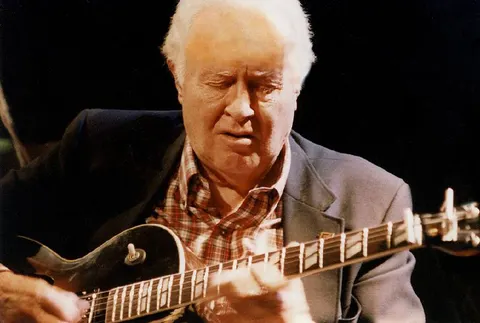
- Mundell Lowe - guitarist on Uptown (1990), Old Friends (1992), Jazz at the Musikverein (1997) and the Kiri Te Kanawa jazz album.
- Herb Ellis - guitarist and co-leader on 4 to Go! (1963).
- Ella Fitzgerald - Previn arranged and conducted four tracks on her 1955 Decca collection Sweet and Hot, appeared with her in a 1979 television special and recorded Nice Work If You Can Get It (1983).
- Oscar Peterson - filmed a television hour with Previn in 1974.
- Gerry Mulligan - baritone saxophone soloist on the score of The Subterraneans (1960).
- J. J. Johnson - co-leader of the Kurt Weill album for Columbia (1962).
- Julie London - Previn arranged and conducted her Liberty album Your Number Please (1959).
- Dinah Shore and Doris Day - the vocalists on Dinah Sings, Previn Plays (1960) and Duet (1962), both with Previn's trio.
- Itzhak Perlman - violinist on three albums with Previn that cross jazz and classical lines, with Jim Hall, Shelly Manne and Red Mitchell on the 1980 date A Different Kind of Blues.
- David Finck - bassist on the Gershwin and Ellington songbooks, Live at the Jazz Standard and the recordings with Sylvia McNair.
- Jim Hall - guitarist on A Different Kind of Blues (1980).
- Jim Pugh - trombonist on What Headphones? (1993).
More West Coast Jazz Artists
See all 26 West Coast Jazz artists →More German Jazz Artists
See all 10 German artists →- Wikipedia: André Previn
- Matthew Guerrieri: André Previn's Jazz, a survey with commentary
- The Guardian: André Previn obituary
- Wikipedia: My Fair Lady (Shelly Manne album)
- Wikipedia: Double Play!
- Wikipedia: Nice Work If You Can Get It (album)
- Wikipedia: 3rd Annual Grammy Awards
- Wikipedia: 4th Annual Grammy Awards
- Wikipedia: The Subterraneans (film)
- Discogs: André Previn
- MusicBrainz: André Previn