 JAZZPROFILES lives in the music 1,002 Jazz Artists fully Profiled!
 Ornette Coleman
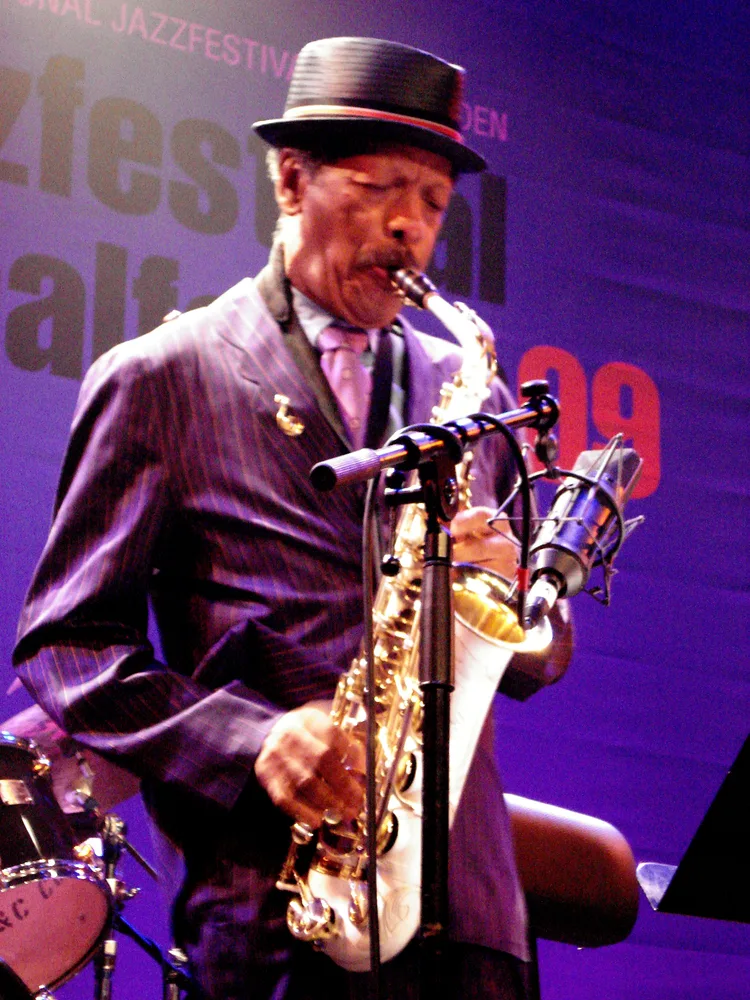
Ornette Coleman performing live at the Saalfelden Jazz Festival, Austria, 2009 CC BY-SA 3.0 — Wikimedia Commons — https://commons.wikimedia.org/wiki/File:Ornette_Coleman_3.JPG

Randolph Denard Ornette Coleman was born March 9, 1930, in Fort Worth, Texas. His father died when Coleman was seven, and the family got by on his mother's work as a seamstress; she saved enough to buy him his first alto saxophone at fourteen. At I.M. Terrell High School he played in the band alongside Dewey Redman and Charles Moffett, and briefly with saxophonist King Curtis, before he was dismissed from the band program for improvising during a John Philip Sousa march. Under the local saxophonist Red Connors he taught himself to read music, and by sixteen he had left school to help support his mother, forming the R&B group the Jam Jivers with Prince Lasha and Moffett. Touring life followed: stints with Silas Green's traveling minstrel show and blues bandleader Pee Wee Crayton took him through the South and eventually to Los Angeles, and it was on the road, playing with bluesman Clarence Samuels, that he met New Orleans drummer Ed Blackwell. In Baton Rouge his freer, self-taught style provoked a beating so severe that his horn was destroyed; he switched permanently to alto and, unable to afford a metal instrument, bought the white plastic Grafton saxophone similar to the one Charlie Parker had used, which became his sonic signature for the next decade.
Coleman settled in Los Angeles in 1953, sharing a house in Watts with Blackwell while working day jobs, since club owners and fellow musicians largely dismissed his playing as untrained. There he met three teenagers who would define his sound for the rest of the decade: drummer Billy Higgins, bassist Charlie Haden, and trumpeter Don Cherry. He also met and fell in love with poet Jayne Cortez; they married in 1954, had a son, Denardo, in 1956, and divorced in 1964, though they stayed close. In 1958, Lester Koenig's Contemporary label signed Coleman, and he recorded his debut, Something Else!!!!, with Higgins, Cherry, bassist Don Payne, and pianist Walter Norris. It unsettled critics and some of his own sidemen, who could not accept his approach to tonality and phrasing. The 1959 follow-up, Tomorrow Is the Question!, dropped the piano and paired Cherry with drummer Shelly Manne and bassists Percy Heath and Red Mitchell; it drew a more sympathetic hearing, with John Coltrane and Cecil Taylor among its early champions.
Coleman signed with Atlantic Records in April 1959 and that May recorded The Shape of Jazz to Come with Higgins, Haden, and Cherry, an album carrying "Lonely Woman" and "Peace," two of his most enduring compositions. Its release that November coincided with the start of a residency at Manhattan's Five Spot Café, arranged by pianist John Lewis, that was meant to last two weeks and stretched to ten under the weight of controversy: Leonard Bernstein, Sonny Rollins, and Coltrane championed the music, while Miles Davis said Coleman was "all screwed up inside" and Dizzy Gillespie claimed not to recognize it as jazz at all; Charles Mingus admitted he didn't understand it but was moved by it regardless. Change of the Century followed in 1960, and on December 21 of that year Coleman assembled a "double quartet" for Free Jazz: A Collective Improvisation, adding bassist Scott LaFaro, trumpeter Freddie Hubbard, and bass clarinetist Eric Dolphy to his working group for a single-take, 37-minute improvisation that gave the emerging movement its name, a term Coleman himself never fully embraced. This Is Our Music, Ornette!, and Ornette on Tenor rounded out the Atlantic run before the label dropped him in 1962; the label's complete recordings of his were later assembled as the 1993 box set Beauty Is a Rare Thing.
Discouraged by the music business and convinced racism played a role in his treatment, Coleman largely withdrew from performing for two years, during which he taught himself violin and trumpet and kept refining a theory he called harmolodics, an approach that let ensemble members improvise simultaneously around shared melodic and rhythmic material rather than take turns soloing over fixed chords. He returned with a trio featuring bassist David Izenzon and Moffett, recording the film score Chappaqua Suite in 1965 with tenor saxophonist Pharoah Sanders added to the group, and signed with Blue Note that fall. A December 1965 engagement at Stockholm's Gyllene Cirkeln club was recorded and issued in 1966 as the two-volume At the "Golden Circle" Stockholm. His first Blue Note studio date, The Empty Foxhole, controversially featured his ten-year-old son Denardo on drums, a choice critics mocked but Coleman defended as the right melodic counterpart to where his music was heading; Denardo went on to become his father's regular drummer, music director, and manager. New York Is Now! and Love Call, both cut in 1968 with Elvin Jones and Jimmy Garrison from Coltrane's rhythm section and tenor saxophonist Dewey Redman, closed out the Blue Note years.
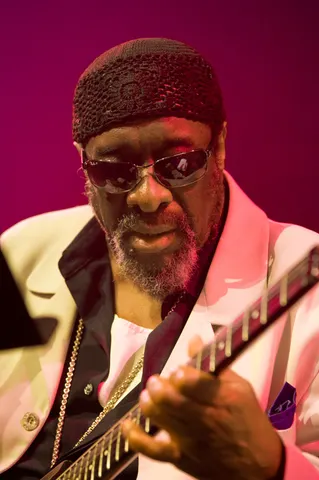
Coleman signed with Columbia in 1971, and sessions that April with Haden, Redman, Cherry, and others produced Science Fiction, his most acclaimed album since leaving Atlantic. In 1972 he recorded Skies of America with the London Symphony Orchestra, his first large-scale orchestral application of harmolodics. The following years brought his most sustained stylistic shift: in 1975 he formed the electric band that became Prime Time, and 1977's Dancing in Your Head, featuring guitarists Bern Nix and Charles Ellerbee, bassist Jamaaladeen Tacuma, and drummer Ronald Shannon Jackson alongside Denardo, fused vanguard harmolodic composition with funk grooves in a style that came to be called free funk; guitarist James Blood Ulmer, whom Coleman mentored and later recorded with, absorbed the same vocabulary. Body Meta (1978) and Of Human Feelings (1982, one of the first digitally recorded jazz albums) extended the Prime Time sound.
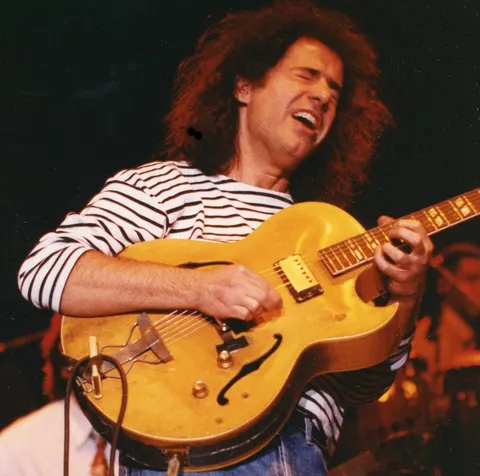
Coleman's later career brought wider recognition without ever going mainstream. In 1985 he recorded the co-billed Song X with guitarist Pat Metheny, Haden, Denardo, and drummer Jack DeJohnette, and 1988's Virgin Beauty included three tracks with Grateful Dead guitarist Jerry Garcia as a guest. He received a MacArthur Fellowship in 1994 and, the year before, had already been named an NEA Jazz Master (1984, alongside Miles Davis and Max Roach). He founded the Harmolodic label with a distribution deal through Verve, releasing Tone Dialing (1995) and the paired Sound Museum: Hidden Man and Sound Museum: Three Women (1996) with pianist Geri Allen, bassist Charnett Moffett, and Denardo. In 1991 he composed and recorded the score for David Cronenberg's film Naked Lunch with composer Howard Shore and the London Symphony Orchestra, and in 1996 he recorded a duo concert with pianist Joachim Kühn, issued as Colors: Live from Leipzig. His final studio album, Sound Grammar (2006), recorded live two years earlier in Ludwigshafen, Germany, won the 2007 Pulitzer Prize for Music, making Coleman only the second jazz musician, after Wynton Marsalis, to receive it. Ornette Coleman died of cardiac arrest in Manhattan on June 11, 2015, at eighty-five; his funeral included performances by Pharoah Sanders and Cecil Taylor.
Coleman's harmolodic theory, developed over the two years he spent largely off the bandstand in the early 1960s, rejected the idea that a jazz group needed a single soloist supported by chordal accompanists; instead every player improvised simultaneously around shared melodic and rhythmic material, with pitch, harmony, and rhythm treated as equally negotiable. His keening, vocalized alto tone, first heard on the plastic Grafton horn he adopted after his own metal saxophone was destroyed, carried the vocabulary of Texas blues and gospel shouting straight into a music that had otherwise abandoned fixed chord changes. Critical reaction split sharply for years: trumpeter Roy Eldridge called his music fraudulent, while Coltrane and Leonard Bernstein championed it from the start, and 1961's Free Jazz directly inspired both Coltrane's Ascension and Peter Brötzmann's Machine Gun, cementing Coleman's status as free jazz's principal founder even though he coined the term only as an album title and remained uneasy with it. His 1970s turn to electric harmolodic funk with Prime Time proved just as influential on a younger generation of guitar-based improvisers, James Blood Ulmer chief among them, and by the time of his 2007 Pulitzer Prize for Sound Grammar the same playing once dismissed as untrained was being taught in conservatories as a foundational twentieth-century American music.
- Something Else!!!! (1958, Contemporary) - Coleman's debut as a leader, with Don Cherry, Billy Higgins, Don Payne, and Walter Norris, already showing his radical approach to tonality. Spotify - Something Else!!!! Listen
- The Shape of Jazz to Come (1959, Atlantic) - The album that announced free jazz's arrival, carrying "Lonely Woman" and "Peace," with Charlie Haden on bass. Spotify - The Shape Of Jazz To Come Listen
- Change of the Century (1960, Atlantic) - The classic quartet's second Atlantic date, released amid the controversy of the Five Spot residency. Spotify - Change Of The Century Listen
- Free Jazz: A Collective Improvisation (1961, Atlantic) - A "double quartet" including Eric Dolphy and Freddie Hubbard, improvised in one continuous take and the album that gave the movement its name. Spotify - Free Jazz Listen
- At the "Golden Circle" Stockholm, Vol. 1 (1966, Blue Note) - A trio date with David Izenzon and Charles Moffett, showing Coleman's music at its most harmonically open after his mid-decade return to performing. Spotify - At The "Golden Circle" Stockholm Vol. 1 Listen
- Dancing in Your Head (1977, Horizon/A&M) - The debut recording of Prime Time, fusing harmolodic composition with funk rhythm and launching the "free funk" style.
- Song X (1986, Geffen) - A co-billed collaboration with Pat Metheny, also featuring Haden, Denardo Coleman, and Jack DeJohnette. Spotify - Song X Listen
- Sound Grammar (2006, Sound Grammar) - Coleman's final studio album, recorded live in Ludwigshafen, Germany, and winner of the 2007 Pulitzer Prize for Music.
Ornette Coleman: Full Discography
Identity confirmed via the live Discogs API: artist ID 224506 ("Ornette Coleman," realname Randolph Denard Ornette Coleman, born March 9, 1930, Fort Worth, died June 11, 2015, New York City, matching Wikipedia and AllMusic exactly). Discogs credits this artist ID with 1,986 catalogued items once every reissue, compilation, and various-artists appearance is counted; the great majority of those are repackagings of the same underlying studio and live sessions across seven decades of reissue history. The table below itemizes every studio and live album Coleman released under his own name or as an equal co-leader, plus a representative set of his most significant sideman credits; it is not an attempt to list every one of the 1,986 catalogued items.
As Leader / Co-Leader
| Album Title | Recording Date(s) | Release Date | Label | Catalog Number | Format(s) | Personnel | Role | Reissue History | Spotify | Buy | Notes |
|---|---|---|---|---|---|---|---|---|---|---|---|
| Something Else!!!! | Recorded 1958, Los Angeles | 1958 | Contemporary Records | C 3551 | Vinyl, LP, Album, Mono | Ornette Coleman (alto sax), Don Cherry (trumpet), Walter Norris (piano), Don Payne (bass), Billy Higgins (drums) | Leader | Reissued on Original Jazz Classics and Concord Jazz | Spotify - Something Else!!!! | — | Coleman's debut as a leader |
| Tomorrow Is the Question! | Recorded 1959, Los Angeles | 1959 | Contemporary Records | S7569 | Vinyl, LP, Album | Coleman (alto sax), Cherry (trumpet), Percy Heath and Red Mitchell (bass), Shelly Manne (drums) | Leader | Reissued on Original Jazz Classics | — | — | Drops the piano for the first time; early champions included John Coltrane and Cecil Taylor |
| The Shape of Jazz to Come | Recorded May 1959, NYC | 1959 | Atlantic | SD 1317 | Vinyl, LP, Album | Coleman (alto sax), Cherry (cornet), Charlie Haden (bass), Higgins (drums) | Leader | Included in the 1993 box set Beauty Is a Rare Thing; reissued individually many times | Spotify - The Shape Of Jazz To Come | — | Contains "Lonely Woman" and "Peace"; released alongside the start of the Five Spot residency |
| Change of the Century | Recorded October 1959, NYC | 1960 | Atlantic | 1327 | Vinyl, LP, Album | Coleman, Cherry, Haden, Higgins | Leader | Included in Beauty Is a Rare Thing | Spotify - Change Of The Century | — | |
| This Is Our Music | Recorded 1960, NYC | 1961 | Atlantic | SD 1353 | Vinyl, LP, Album | Coleman, Cherry, Haden, Ed Blackwell (drums, replacing Higgins) | Leader | Included in Beauty Is a Rare Thing | Spotify - This Is Our Music | — | |
| Free Jazz: A Collective Improvisation | Recorded December 21, 1960, NYC | 1961 | Atlantic | SD 1364 | Vinyl, LP, Album | Double quartet: Coleman (alto sax), Cherry (pocket trumpet), Freddie Hubbard (trumpet), Eric Dolphy (bass clarinet), Haden and Scott LaFaro (bass), Higgins and Blackwell (drums) | Leader | Included in Beauty Is a Rare Thing | Spotify - Free Jazz | — | A single continuous 37-minute improvisation, recorded in stereo with one quartet per channel; the album that gave the free jazz movement its name |
| Ornette! | Recorded January 1961, NYC | 1962 | Atlantic | SD 1378 | Vinyl, LP, Album | Coleman, Cherry, LaFaro (bass), Blackwell (drums) | Leader | Included in Beauty Is a Rare Thing | Spotify - Ornette! | — | |
| Ornette on Tenor | Recorded 1961, NYC | 1962 | Atlantic | SD 1394 | Vinyl, LP, Album | Coleman (tenor sax), Cherry, Jimmy Garrison (bass), Blackwell (drums) | Leader | Included in Beauty Is a Rare Thing | Spotify - Ornette On Tenor | — | Coleman's only album playing tenor exclusively |
| Town Hall, 1962 | Recorded December 21, 1962, NYC | 1965 | ESP-Disk' | ESP-1006 | Vinyl, LP | Coleman (alto sax), David Izenzon (bass), Charles Moffett (drums), plus a string quartet on one piece | Leader | Reissued multiple times on ESP-Disk' | — | — | Self-produced concert recording, issued independently after Coleman left Atlantic |
| Chappaqua Suite | Recorded 1965, NYC | 1966 | CBS | S 62.896 / S 62.897 | Vinyl, 2xLP | Coleman (alto sax, trumpet), Pharoah Sanders (tenor sax), Izenzon (bass), Moffett (drums) | Leader | Reissued on CD | — | — | A rejected score for Conrad Rooks's film Chappaqua, released only in Europe |
| At the "Golden Circle" Stockholm, Vol. 1 | Recorded December 1965, Stockholm | 1966 | Blue Note | BLP 4224 | Vinyl, LP | Coleman (alto sax), Izenzon (bass), Moffett (drums) | Leader | Reissued on CD (Rudy Van Gelder edition) | Spotify - At The "Golden Circle" Stockholm Vol. 1 | — | Coleman's first Blue Note release |
| At the "Golden Circle" Stockholm, Vol. 2 | Recorded December 1965, Stockholm | 1966 | Blue Note | BLP 4225 | Vinyl, LP | Same trio | Leader | Reissued on CD (Rudy Van Gelder edition) | Spotify - At The "Golden Circle" Stockholm Vol. 2 | — | |
| The Empty Foxhole | Recorded 1966, NYC | 1966 | Blue Note | BLP 4246 | Vinyl, LP | Coleman (alto sax, trumpet, violin), Haden (bass), Denardo Coleman (drums, age 10) | Leader | Reissued on CD | Spotify - The Empty Foxhole | — | Denardo Coleman's recording debut |
| New York Is Now! | Recorded April 1968, NYC | 1968 | Blue Note | BST 84287 | Vinyl, LP | Coleman (alto sax), Garrison (bass), Elvin Jones (drums), Dewey Redman (tenor sax) | Leader | Reissued on CD | Spotify - New York Is Now! | — | |
| Love Call | Recorded April 1968, NYC | 1971 | Blue Note | BST 84356 | Vinyl, LP | Same personnel as New York Is Now! | Leader | Reissued on CD | Spotify - Love Call | — | Drawn from the same 1968 sessions as New York Is Now!, held back for later release |
| Ornette at 12 | Recorded 1968, NYC | 1969 | Impulse! | AS-9178 | Vinyl, LP | Coleman (alto sax, violin, trumpet), Haden (bass), Redman (tenor sax), Denardo Coleman (drums, age 12) | Leader | Reissued on CD | — | — | Title marks Denardo's second recorded appearance |
| Crisis | Recorded live June 1969, New York University | 1972 | Impulse! | AS-9187 | Vinyl, LP | Coleman (alto sax, violin), Cherry (trumpet, flute), Haden (bass), Redman (tenor sax, clarinet), Denardo Coleman (drums) | Leader | Reissued on CD | — | — | Held unreleased for three years |
| Friends and Neighbors: Ornette Live at Prince Street | Recorded 1970, NYC | 1970 | Flying Dutchman | FDS-123 | Vinyl, LP | Coleman (alto sax, trumpet, violin), Haden (bass), Blackwell (drums), Redman (tenor sax), with a vocal chorus | Leader | Reissued on CD | — | — | Recorded at Coleman's own Prince Street loft |
| Science Fiction | Recorded April 1971, NYC | 1972 | Columbia | KC 31061 | Vinyl, LP | Coleman with rotating personnel including Cherry, Haden, Redman, Blackwell, Higgins, trumpeter Bobby Bradford, and vocalist Asha Puthli | Leader | Expanded as The Complete Science Fiction Sessions, 1982/2000, adding unreleased material | Spotify - The Complete Science Fiction Sessions | — | Linked Spotify release is the expanded compilation; the original single LP was not found on Spotify separately |
| Skies of America | Recorded April 1972, London | 1972 | Columbia | C 31562 | Vinyl, LP | Coleman (alto sax) with the London Symphony Orchestra, David Measham conducting | Leader | Reissued on CD | Spotify - Skies Of America | — | British musicians' union rules barred Coleman's own working band from performing alongside the orchestra, limiting him to solo interludes |
| Dancing in Your Head | Recorded 1973 and 1976 | 1977 | Horizon / A&M | SP-722 | Vinyl, LP | Prime Time: Coleman (alto sax), Bern Nix and Charles Ellerbee (guitars), Jamaaladeen Tacuma (bass), Ronald Shannon Jackson (drums), with the Master Musicians of Jajouka | Leader | Reissued on CD | — | — | Prime Time's debut recording, launching the "free funk" style; the B-side is a collaboration with Morocco's Master Musicians of Jajouka |
| Soapsuds, Soapsuds | Recorded 1977 | 1979 | Artists House | AH6 | Vinyl, LP | Duo: Coleman (tenor sax, trumpet), Haden (bass) | Co-leader (duo with Charlie Haden) | None found | — | — | |
| Body Meta | Recorded 1976, Paris | 1978 | Artists House | AH1 | Vinyl, LP | Prime Time: Coleman (alto sax), Nix and Ellerbee (guitars), Tacuma (bass), Ronald Shannon Jackson (drums) | Leader | Reissued on CD | — | — | Named for Coleman's own term for his Prince Street loft |
| Of Human Feelings | Recorded 1979, NYC | 1982 | Antilles | AN-2001 | Vinyl, LP | Prime Time: Coleman (alto sax), Nix and Ellerbee (guitars), Tacuma (bass), Calvin Weston and Denardo Coleman (drums) | Leader | Reissued on CD | Spotify - Of Human Feelings | — | One of the first digitally recorded jazz albums |
| Opening the Caravan of Dreams | Recorded 1983, Fort Worth | 1985 | Caravan of Dreams Productions | CDP85001 | Vinyl, LP | Prime Time: Coleman (alto sax), Nix and Ellerbee (guitars), Al MacDowell and Tacuma (bass), Denardo Coleman and Kamal Sabir (drums) | Leader | None found | — | — | Recorded at the inaugural concert of Coleman's own Caravan of Dreams performing arts space in Fort Worth |
| Song X | Recorded December 1985, Bearsville, NY | 1986 | Geffen Records | GHS 24096 | Vinyl, LP | Coleman (alto sax, violin), Pat Metheny (guitar, guitar synthesizer), Haden (bass), Jack DeJohnette and Denardo Coleman (drums, percussion) | Co-leader (with Pat Metheny) | Expanded 20th-anniversary edition, 2005, adds unreleased tracks | Spotify - Song X | — | |
| In All Languages | Recorded 1987 | 1987 | Caravan of Dreams Productions | CDP85008 | Vinyl, 2xLP | Disc one: Coleman's original 1959 quartet (Coleman, Cherry, Haden, Higgins); disc two: Prime Time | Leader | Reissued 1994 on Verve/Harmolodic | — | — | Reunited the 1959 Atlantic quartet on record for the first time since that era |
| Virgin Beauty | Recorded 1987, NYC | 1988 | Portrait | R 44301 | Vinyl, LP | Prime Time: Coleman (alto sax), Nix and Ellerbee (guitars), Al MacDowell and Chris Walker (bass), Calvin Weston and Denardo Coleman (drums, keyboards, percussion); Jerry Garcia (guitar, three tracks) | Leader | Reissued on CD | Spotify - Virgin Beauty | — | Coleman's best-selling album; Grateful Dead guitarist Jerry Garcia guests on three tracks |
| Tone Dialing | Recorded 1995 | 1995 | Harmolodic / Verve Records | 314 527 483-2 | CD | Prime Time lineup including Denardo Coleman (drums), Chris Rosenberg and Ken Wessel (guitars), Al MacDowell and Brad Jones (bass), Dave Bryant (keyboards) | Leader | None found | — | — | Includes a harmolodic arrangement of a Bach prelude |
| Sound Museum: Hidden Man | Recorded 1996 | 1996 | Verve Records / Harmolodic | 531 914-2 | CD | Coleman (alto sax, trumpet, violin), Geri Allen (piano), Charnett Moffett (bass), Denardo Coleman (drums) | Leader | None found | — | — | Thirteen compositions recorded twice by the same quartet in one week; the alternate takes appear on Sound Museum: Three Women |
| Sound Museum: Three Women | Recorded 1996 | 1996 | Verve Records / Harmolodic | 531 657-2 | CD | Same quartet, plus vocalists Chris Walker and Lauren Kinhan on one track | Leader | None found | — | — | Companion volume to Sound Museum: Hidden Man |
| Colors: Live from Leipzig | Recorded 1996, Leipzig | 1997 | Harmolodic | 537 789-2 | CD | Duo: Coleman (alto sax, violin, trumpet), Joachim Kühn (piano) | Co-leader (duo with Joachim Kühn) | None found | Spotify - Colors | — | Spotify lists this recording simply as Colors |
| Sound Grammar | Recorded live 2005, Ludwigshafen, Germany | 2006 | Sound Grammar | SG 11593 | CD | Coleman (alto sax, violin, trumpet), Greg Cohen and Tony Falanga (bass), Denardo Coleman (drums) | Leader | None found | — | — | Winner of the 2007 Pulitzer Prize for Music; Coleman's first new studio release in a decade and his final album |
As Sideman (selected major credits)
| Year | Project (Leader) | Title | Label | Catalog | Role | Notes |
|---|---|---|---|---|---|---|
| 1958 | Paul Bley Quintet | Complete Live at the Hillcrest Club (reissue title) | Gambit Records (2007 reissue) | 69272 | Alto Saxophone | Recorded months before Coleman's own Contemporary debut, with Don Cherry, Charlie Haden, and Billy Higgins also in the group |
| 1960 | John Lewis / Gunther Schuller | Jazz Abstractions | Atlantic | SD 1365 | Alto Saxophone | Third Stream session also featuring Eric Dolphy, Jim Hall, Bill Evans (piano), and Scott LaFaro |
| 1967 | Jackie McLean | New and Old Gospel | Blue Note | BST 84262 | Trumpet | Confirmed at track level: Coleman plays trumpet, not alto sax, on 2 of the album's 3 tracks, the whole of side two ("Old Gospel" and "Strange as It Seems"), while side one is McLean's own long-form title suite, "Lifeline"; his only recorded sideman appearance on trumpet |
| 1968 | Yoko Ono / Plastic Ono Band | Yoko Ono / Plastic Ono Band (track "AOS") | Apple Records | SAPCOR 17 | Trumpet | A February 1968 rehearsal recording made with the Ono/Lennon circle in London, released on Ono's 1970 album; Charlie Haden, David Izenzon, and Ed Blackwell also appear on the same track |
| 1991 | Howard Shore, conducting the London Symphony Orchestra | Naked Lunch (film score) | Milan | 73138 35614-2 | Alto Saxophone, featured soloist | Composed jointly with Shore for David Cronenberg's film; includes a rare recorded Coleman performance of a jazz standard, Thelonious Monk's "Misterioso" |
| 1996 | Geri Allen | Eyes... in the Back of Your Head | Somethin' Else / Blue Note | TOCJ-5589 | Alto Saxophone | Guest appearance; Discogs' credit block carries no track restriction |
| 2001 | Joe Henry | Scar | Mammoth Records | MR-65507-2 | Alto Saxophone (guest) | Coleman initially declined the session, then agreed after Henry played him a demo; neither Discogs' release-level nor track-level data credits performers for this release, so the guest appearance (reported by AllMusic and Wikipedia sources on the title track) could not be independently confirmed against Discogs |
Coleman's broader Discogs sideman log also includes guest and tribute-album appearances not itemized here, among them Jamaaladeen Tacuma's 2011 tribute For the Love of Ornette and a 2010 guest turn at Sonny Rollins's 80th-birthday concert (released on Rollins's Roadshow, Vol. 2), playing "Sonnymoon for Two" with bassist Christian McBride and drummer Roy Haynes.
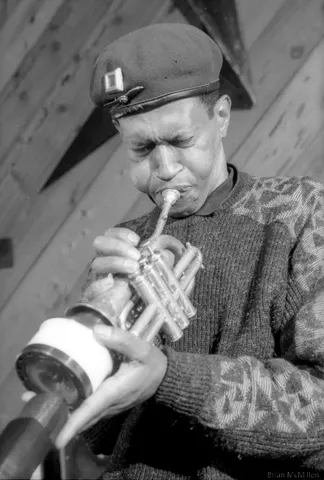
- Don Cherry - trumpeter and cornetist in Coleman's classic quartet from 1958 through the Atlantic years, and an on-and-off collaborator into the 1990s.
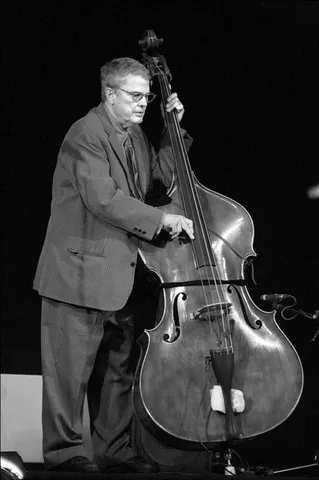
- Charlie Haden - bassist across the Atlantic quartet, the 1985 Song X session, the 1977 duo album Soapsuds, Soapsuds, and numerous later reunions.
- Billy Higgins - drummer on Coleman's earliest Contemporary and Atlantic leader dates, including Something Else!!!! and The Shape of Jazz to Come.
- Denardo Coleman - Coleman's son, who debuted on drums at age ten on The Empty Foxhole (1966) and became his father's regular drummer, music director, and manager from the late 1970s onward.
- Prime Time - the electric harmolodic-funk band Coleman led from 1975 into the 1990s, anchored by guitarists Bern Nix and Charles Ellerbee, bassist Jamaaladeen Tacuma, and Denardo Coleman, and documented on Dancing in Your Head, Body Meta, Of Human Feelings, and Virgin Beauty.
- Pat Metheny - co-billed collaborator on the 1985 studio album and tour Song X.
- James Blood Ulmer - guitarist Coleman mentored in harmolodic playing; Coleman, Denardo, and Tacuma backed Ulmer on his 1978 Artist House debut, Tales of Captain Black.
- Pharoah Sanders, Elvin Jones, Jimmy Garrison, Eric Dolphy, Freddie Hubbard - among the many musicians who joined Coleman's working groups or the Free Jazz double quartet for a single significant session.
- Wikipedia: Ornette Coleman
- Discogs: Ornette Coleman (artist 224506)
- AllMusic: Ornette Coleman biography
- Wikipedia: NEA Jazz Masters
- Wikipedia: The Shape of Jazz to Come
- Wikipedia: Free Jazz: A Collective Improvisation
- Wikipedia: Skies of America
- Wikipedia: Dancing in Your Head
- Wikipedia: Song X
- Wikipedia: Sound Grammar