 JAZZPROFILES lives in the music 2,059 Jazz Artists fully Profiled!
Jan Hammer
Last updated October 29, 2026
Listen on Spotify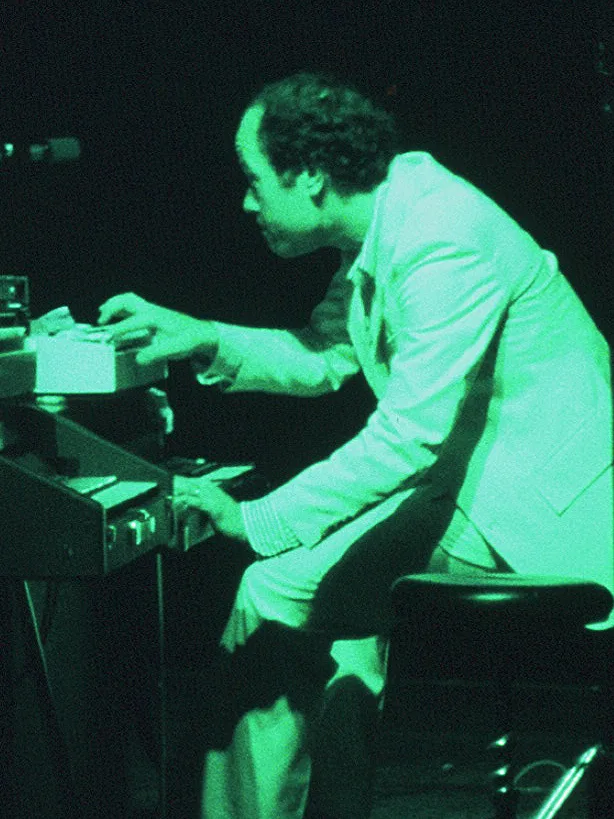
Jan Hammer playing keyboards on stage, 1977 CC BY-SA 3.0 — Wikimedia Commons - https://commons.wikimedia.org/wiki/File:Jan_Hammer_2_-_1977_(cropped).jpg - Jim Summaria, http://www.jimsummariaphoto.com (cropped from File:Jan Hammer 2 - 1977.jpg)

Jan Hammer was born in Prague on April 17, 1948, when the city was the capital of Czechoslovakia. His mother, Vlasta Průchová, was a well-known Czech singer, and his father was a doctor who paid his way through school playing vibraphone and bass guitar. Hammer started piano at four, had formal lessons from six, and by fourteen was leading a jazz trio that played and recorded across Eastern Europe. At eighteen he was the pianist in violinist Stuff Smith's quartet at the 1966 Jazz Jamboree in Warsaw, with Kurt Lindgren on bass and Franco Manzecchi on drums, and the festival's releases credit him on "Perdido" and "Lady Be Good." He entered the Prague Academy of Musical Arts, where his coursework included harmony, counterpoint and classical composition.
The Warsaw Pact invasion of August 20, 1968 ended his studies. Ten days later he recorded a live trio set at the Domicile club in Munich with the bassist George Mraz, another young Czech musician who had left, and the drummer Cees See. MPS issued it as Malma Maliny (1969). He stayed in Munich long enough to play on the actress Kai Fischer's debut album, then took a scholarship at Berklee College of Music in Boston with the plan of becoming an American citizen, which he did in 1978. After Berklee he spent about a year as keyboardist and conductor with Sarah Vaughan, and he recorded with Elvin Jones and with the flutist Jeremy Steig before settling in New York. Steig's Energy (Capitol, 1971) has him on electric piano alongside Don Alias, Gene Perla and Eddie Gómez.
In 1971 he joined the original Mahavishnu Orchestra, which guitarist John McLaughlin built from violinist Jerry Goodman, bassist Rick Laird, Billy Cobham on drums and Hammer. He was found through a mutual friendship with Miroslav Vitouš of Weather Report. The band's The Inner Mounting Flame (1971) and Birds of Fire (1973, No. 15 on the Billboard 200) set the template for loud, fast, odd-metre jazz-rock, and Hammer was an early pioneer of playing a Minimoog live. The group played some 530 shows before its final concert on December 30, 1973; Hammer and Goodman had aired frustrations with McLaughlin's leadership in a magazine interview that year. Their last studio sessions, cut at Trident Studios in London in June 1973, stayed in the vault until The Lost Trident Sessions appeared in 1999. In the same year Hammer played piano and Moog on Cobham's debut Spectrum, including an unaccompanied piano piece, "To the Women in My Life."
Out of the band he made Like Children (Nemperor, 1974) with Goodman, then played organ, piano and synthesizer on guitarist John Abercrombie's ECM debut Timeless (1975) with Jack DeJohnette on drums, and keyboards on Stanley Clarke's second solo album (1974). His own The First Seven Days (1975) was recorded at Red Gate Studio, which he had built in a farmhouse in Kent, New York. It is a seven-part musical telling of the Genesis creation story, and the sleeve notes assure listeners that there is no guitar on it, even though some of the lead lines sound like one. The same studio hosted Elvin Jones Is "On the Mountain" (PM, 1975), on which Hammer plays acoustic and electric pianos and Moog, engineers, and wrote three tracks for the drummer's group with bassist Gene Perla.
The partnership that carried his name furthest in the 1970s was with the guitarist Jeff Beck. Hammer wrote "Blue Wind," plays synthesizer on four other tracks of Beck's platinum album Wired (Epic, 1976), produced by George Martin, and plays drums and keyboard bass on "Blue Wind" itself. A 117-date tour followed from June 1976 to February 1977, and it became Jeff Beck with the Jan Hammer Group Live (1977), which reached No. 23 on the Billboard 200 and went gold. The Jan Hammer Group, with Steve Kindler on violin, Fernando Saunders on bass and Tony Smith on drums, made Oh, Yeah? (1976) and Melodies (1977). Around them came Al Di Meola's Elegant Gypsy (1977), the albums Black Sheep (1978) and Hammer (1979), three pieces on Beck's There and Back (1980), the duo records Untold Passion (1981) and Here to Stay (1982) with Neal Schon of Santana and Journey, and the jazz-leaning Finger Dancing (1981), a co-billed album with the guitarist Yoshiaki Masuo on which Hammer wrote the first five tracks. He also plays on Tony Williams's The Joy of Flying (1979), where he is the keyboardist on four tracks, wrote three of them and engineered two.
In the fall of 1984 the producers of Miami Vice asked him to score the series every week. "Miami Vice Theme" was released as a single in 1985 and went to No. 1 on the Billboard Hot 100, the last instrumental to do so until Baauer's "Harlem Shake" in 2013, and the series soundtrack album spent 11 weeks at No. 1 on the Billboard 200 and sold more than four million copies in the United States. At the Grammy Awards in February 1986 the theme won both Best Pop Instrumental Performance and Best Instrumental Composition, and he had Emmy nominations in 1985 and 1986. He wrote the music for about 90 episodes and stepped back from the weekly schedule in 1988, keeping the theme in use to the end of the run. "Crockett's Theme," the slower piece from the show, became a European hit and was re-released in the UK in 1991, after a bank used it in a series of television commercials. He also wrote "Escape," which Beck recorded on Flash (1985) and which won Beck the 1986 Grammy for Best Rock Instrumental Performance.
Television and film took most of his time afterwards. He scored the British series Chancer (20 episodes), Vanishing Son, the film I Come in Peace, and from late 1993 through 2000 wrote the music for TV Nova, the first commercial television network in his native Czech Republic, which launched in February 1994. His computer-animation video album Beyond the Mind's Eye (1992) was one of the best-selling music videos on Billboard's chart in 1993. He still played with jazz musicians in this period, touring in the early 1990s with Tony Williams, including a July 4, 1991 set at the Montreal International Jazz Festival that was released on audio and video, and Drive (1994), his first album of new non-soundtrack material in several years, brought Beck and Michael Brecker back as guests. After a gap of more than a decade he released Seasons, Pt. 1 (2018), Sketches in Jazz (2020) and Seasons, Pt. 2 (2022), all on his own Red Gate label, and has since issued new versions of "Crockett's Theme" with the group The Second Sight, including one in 2023. His son Paul is a musician who has fronted the band Savoir Adore.
Hammer's playing came out of the Bill Evans, Erroll Garner and Paul Bley piano tradition and the Hammond organ of Jimmy Smith and Larry Young, and he has named the drummers Jo Jones, Philly Joe Jones, Elvin Jones and Tony Williams among his influences, two of whom he later recorded with. His own sound is something else: a keyboardist who treats the synthesizer as a lead voice and puts it in dialogue with a guitarist, McLaughlin in Mahavishnu, Beck on tour, Di Meola and Schon on record. The 1974 organ playing on Timeless is the closest he came to a conventional jazz-trio setting. The Rolling Stone Jazz Record Guide singled it out as some of the best organ playing he has recorded, and the Penguin Guide to Jazz called him underrated and credited him and Jack DeJohnette with giving the date its drive.
Most of his career lies outside that mainstream. His best-known work is television music, and his most widely heard recordings are a pop-chart instrumental, a rock guitarist's tour album and a run of soundtrack albums. Critics file the Mahavishnu Orchestra and his own groups under jazz fusion or jazz-rock, and he has described his own taste as sitting somewhere between experimental music and progressive rock. What ties the later screen work to the earlier jazz is method: he has said he scored Miami Vice on a Fairlight CMI sampler, sampling acoustic drums and percussion into it, and he made the music largely by himself in his own studio on a weekly deadline. The jazz side of his record is documented in the Prague trio, the 1966 Stuff Smith date, the Sarah Vaughan year, the Elvin Jones, Jeremy Steig, Charlie Mariano and Tony Williams sessions, an ECM album, and a 2020 solo album called Sketches in Jazz.
- Malma Maliny (1969, MPS) - The Jan Hammer Trio, recorded live at the Domicile in Munich on August 30, 1968, ten days after the invasion, with George Mraz on bass and Cees See on drums. His earliest piano-trio record.
- Birds of Fire (1973, Columbia) - The Mahavishnu Orchestra's second album and the last made by the original five, with Hammer on keyboards, Moog and Fender Rhodes. Spotify - Birds of Fire Listen
- Like Children (1974, Nemperor) - A two-man album with Jerry Goodman, who plays violin, guitars and mandolin against Hammer's keyboards, with the two of them playing every instrument. Spotify - Like Children Listen
- Timeless (1975, ECM) - John Abercrombie's debut as a leader, a guitar, organ and drums trio with Jack DeJohnette, recorded in June 1974.
- The First Seven Days (1975, Nemperor) - His first solo album, built on synthesizers, a Mellotron and a pair of guest players, and a musical retelling of the Genesis creation story.
- Wired (1976, Epic) - Jeff Beck's platinum instrumental album, with Hammer's "Blue Wind" and his synthesizer on four other tracks. Spotify - Wired Listen
- Jeff Beck with the Jan Hammer Group Live (1977, Epic) - The document of the 117-date tour, with Hammer's group as the band and four of his own pieces in the set.
- Escape From Television (1987, MCA) - His own collection of the Miami Vice music, including "Miami Vice Theme" and "Crockett's Theme." Spotify - Escape From Television Listen
Jan Hammer: Full Discography
Discogs artist: Jan Hammer (21073) · Born April 17, 1948, Prague. Discogs files some of his work under separate entries: Jan Hammer Group (325164), Hammer (477100), Schon & Hammer (598738), The Jan Hammer Trio (2098007) and, for his Prague years, Jan Hammer Jr. Trio (3498054). Those entries are included below.
Hammer has released about twenty-five albums under his own name or group names, and Discogs credits him on more than 1,500 releases, many of them compilations. The tables below list his albums as leader or co-leader, a selection of records he plays on, his production credits for other artists, his film and television scores, and his best-known singles. Chart peaks are Billboard 200 positions unless marked otherwise. Cells marked with a dash are not confirmed.
Leader and Co-leader Albums
| Album | Year | Label | Personnel & Notes | Charts | Listen | Buy |
|---|---|---|---|---|---|---|
| Malma Maliny | 1969 | MPS (MPS 15 217 ST) | Billed to The Jan Hammer Trio. Recorded live at the Domicile, Munich, on August 30, 1968. Jan Hammer (piano, organ), George Mraz (bass), Cees See (drums). | — | — | |
| Turtles: Live at Domicile 1968 | 2007 | Enja (ENJ-9512 2) | Billed to Olaf Kübler and the Jan Hammer Trio. Olaf Kübler (soprano and tenor saxophones), Hammer (piano; organ on tracks 8 and 10), Mraz (bass), Cees See (drums), Michael Dennert (drums on tracks 8 and 10). Recorded live at the Domicile in 1968. | — | — | |
| Like Children | 1974 | Nemperor (NE 430) | Billed to Jerry Goodman and Jan Hammer, who play every instrument. Recorded at Caribou Ranch, Colorado, and Trident Studios, London. Hammer: keyboards, piano, Moog synthesizers, drums, percussion, vocals. Goodman: violin, viola, guitars, mandolin, vocals. | Spotify | — | |
| The First Seven Days | 1975 | Nemperor (NE 432) | Recorded at Red Gate Studio, Kent, New York. Hammer: piano, electric piano, Moog, Oberheim and Freeman string synthesizers, digital sequencer, Mellotron, drums, percussion; produced and engineered by Hammer. Steven Kindler (violin), David Earle Johnson (congas and percussion). Cover illustration by Milton Glaser. Reissued by Columbia/Legacy in 2003. | — | — | |
| Timeless | 1975 | ECM (ECM 1047 ST) | Billed to John Abercrombie. Trio of Abercrombie (guitar), Hammer (organ, piano, synthesizer) and Jack DeJohnette (drums), recorded June 21 and 22, 1974. Produced by Manfred Eicher. Hammer composed two tracks. | — | — | |
| Oh, Yeah? | 1976 | Nemperor (NE 437) | The Jan Hammer Group: Hammer (electric piano, synthesizer), Steven Kindler (violin, guitar), Fernando Saunders (bass, vocals), Tony Smith (drums, lead vocals), David Earle Johnson (percussion). Produced and engineered by Hammer. | — | — | |
| Jeff Beck with the Jan Hammer Group Live | 1977 | Epic | Billed to Jeff Beck. Live recording from the 117-show tour of June 1976 to February 1977, mixed by Hammer and Dennis Weinreich at Scorpio Sound, London. Hammer (Moog, Oberheim and Freeman synthesizers, electric piano, timbales, lead vocal on "Earth (Still Our Only Home)"), Steve Kindler (violin), Fernando Saunders (bass), Tony Smith (drums). | No. 23 US (gold) | — | — |
| Melodies | 1977 | Nemperor (JZ 35003) | The Jan Hammer Group: Hammer (piano, synthesizer, drums, vocals; producer, engineer), Steven Kindler (violin, vocals), Fernando Saunders (electric bass, guitar, lead vocals), Tony Smith (drums, lead vocals). | — | — | |
| Black Sheep | 1978 | Asylum (6E-173) | Billed to Hammer. Music by Hammer, with lyrics by Hammer, Ivona Reich and Tony Smith; recorded and mixed at Red Gate Studio; produced and engineered by Hammer. Reissued with Hammer on one CD by Wounded Bird in 2005. | — | — | |
| Hammer | 1979 | Asylum (6E-232) | Billed to Hammer. Hammer (keyboards, vocals; producer, engineer), Glen Burtnick (lead vocals, guitar), Colin Hodgkinson (bass, vocals), Gregg Carter (drums). | — | — | |
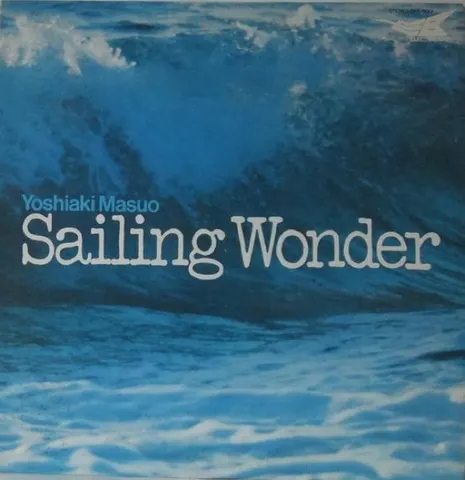
| Finger Dancing | 1981 | Electric Bird (K28P-6071) | Billed to Yoshiaki Masuo with Jan Hammer. Hammer (Oberheim, Mini Moog, Yamaha CP70), Masuo (electric guitar, producer), Russell Blake (electric bass), Tony Cintron Jr. (drums). Hammer wrote the first five of the six tracks. | Spotify | — | |
| Untold Passion | 1981 | Columbia (FC 37600) | Billed to Neal Schon and Jan Hammer. Hammer (keyboards, synthesizer, drums, engineer), Schon (guitar, guitar synthesizer, vocals), Colin Hodgkinson (bass). | — | — | |
| Here to Stay | 1982 | Columbia (FC 38428) | Billed to Schon & Hammer, who also produced it. Hammer (keyboards, synthesizer, drums, engineer), Schon (guitar, guitar synthesizer, lead vocals). | — | — | |
| Escape From Television | 1987 | MCA (MCA-42103) | Hammer's own collection of the Miami Vice music, all written and performed by him. Includes "Miami Vice Theme" and "Crockett's Theme." | Spotify | — | |
| Snapshots | 1989 | MCA | The first full album from the rebuilt Red Gate Studio, with Hammer composing, performing and producing every track. "Too Much to Lose" had a video with Jeff Beck, David Gilmour and Ringo Starr. Reissued in 2000 as Snapshots 1.2, with two bonus tracks. | — | — | |
| Beyond the Mind's Eye | 1992 | Miramar | Score for the computer-animation video album of the same name, released in October 1992. | Spotify | — | |
| Drive | 1994 | Miramar (MPCD 2501) | Produced, written and performed by Hammer, with Jeff Beck (guitar, tracks 3 and 5), Michael Brecker (saxophone, tracks 1 and 8) and Stan Harrison (saxophone, track 6). | — | — | |
| Miami Vice: The Complete Collection | 2002 | — | Two-CD set: the first disc collects 20 compositions from five earlier MCA releases, and the second has 22 cues not previously released. | — | — | |
| Seasons, Pt. 1 | 2018 | Red Gate (RGR 92912) | Released July 20, 2018. | — | — | |
| Sketches in Jazz | 2020 | Red Gate | Released March 27, 2020. | — | — | |
| Seasons, Pt. 2 | 2022 | Red Gate (RGR 92914) | Released August 2022. | Spotify | — |
As Sideman (selected major credits)
| Year | Project (Leader) | Title | Label | Catalog | Role | Notes |
|---|---|---|---|---|---|---|
| 1966 | Various (Stuff Smith Quartet) | Jazz Jamboree 66 Vol. 1 | Polskie Nagrania Muza | XL 0342 | Piano | Tracks A3 "Perdido" and A4 "Lady Be Good," with Stuff Smith (violin), Kurt Lindgren (bass) and Franco Manzecchi (drums); recorded in Warsaw. The full quartet set appears on Jazz Jamboree '66 Volume 03 (Polskie Radio, PRCD 2076, 2018). |
| 1971 | Mahavishnu Orchestra | The Inner Mounting Flame | Columbia | KC 31067 | Keyboards | The first album by the original lineup. |
| 1971 | Jeremy Steig | Energy | Capitol | ST-662 | Electric piano, gong | With Don Alias, Gene Perla and Eddie Gómez. Reissued as part of Fusion (Groove Merchant, GM 2204, 1972). |
| 1973 | Mahavishnu Orchestra | Birds of Fire | Columbia | — | Keyboards, Moog synthesizer, Fender Rhodes | No. 15 on the Billboard 200. Spotify |
| 1973 | Billy Cobham | Spectrum | Atlantic | — | Electric and acoustic piano, Moog synthesizer | Cobham's debut. Hammer plays the solo piano piece "To the Women in My Life." With Tommy Bolin, Leland Sklar, Joe Farrell, Jimmy Owens, John Tropea, Ron Carter and Ray Barretto on various tracks. |
| 1973 | Mahavishnu Orchestra | Between Nothingness & Eternity | Columbia | — | Keyboards | Live album recorded at the Schaefer Music Festival, Central Park, in August 1973. Spotify |
| 1974 | Stanley Clarke | Stanley Clarke | Nemperor | — | Keyboards | With Bill Connors (guitar), Tony Williams (drums) and string and brass arrangements by Michael Gibbs. Spotify |
| 1975 | Elvin Jones | Elvin Jones Is "On the Mountain" | PM | PMR-005 | Piano, electric piano, Moog synthesizer, engineer | Recorded at Hammer's Red Gate Studio in 1975, with bassist Gene Perla. Hammer wrote three tracks, Perla three. |
| 1976 | Charlie Mariano | Helen 12 Trees | MPS / BASF | G-22941 | Piano, electric piano, Moog synthesizer | Recorded May 6 to 8, 1976 in Munich, with Jack Bruce, John Marshall, Nippy Noya and Zbigniew Seifert. Spotify |
| 1976 | Jeff Beck | Wired | Epic | — | Synthesizer, drums, keyboard bass | Hammer wrote "Blue Wind" and plays synthesizer on four other tracks. Produced by George Martin. No. 16 on the Billboard 200 and certified platinum. Spotify |
| 1977 | Al Di Meola | Elegant Gypsy | Columbia | — | Keyboards | On "Flight Over Rio" and "Elegant Gypsy Suite." |
| 1979 | Tony Williams | The Joy of Flying | Columbia | JC 35705 | Keyboards and synthesizer (tracks 1, 2, 6 and 7), engineer (tracks 1 and 6) | Hammer wrote "Going Far," "Eris" and "Coming Back Home." The album also features Herbie Hancock, Stanley Clarke, George Benson, Tom Scott, Cecil Taylor and a horn section including David Sanborn and Michael Brecker. |
| 1980 | Jeff Beck | There and Back | Epic | — | Keyboards | Hammer wrote and performed three songs, including "Star Cycle," later the theme of the British television programme The Tube. |
| 1980 | Yoshiaki Masuo | The Song Is You And Me | Electric Bird | K28P-6043 | Electric piano, Mini Moog | Fusion session with Michael Brecker, Randy Brecker and Alan Rubin. |
| 1985 | Mick Jagger | She's the Boss | Columbia | — | Keyboards | Jagger's first solo album. |
| 1985 | Jeff Beck | Flash | Epic | — | Composer ("Escape") | Hammer wrote "Escape," which won Beck the 1986 Grammy for Best Rock Instrumental Performance. Spotify |
| 1999 | Mahavishnu Orchestra | The Lost Trident Sessions | Columbia | — | Electric piano, synthesizer | Recorded June 1973 at Trident Studios, London, and released September 21, 1999. |
Producer and Engineer Credits (non-performing roles)
These are records on which Hammer produced, recorded or mixed but is not credited as a player.
| Year | Artist | Title | Label | Catalog | Role | Notes |
|---|---|---|---|---|---|---|
| 1977 | David Earle Johnson | Time Is Free | Vanguard | VSD 79401 | Producer, recording, mixing | Recorded and mixed at Red Gate Studio. Johnson is the percussionist from The First Seven Days. |
| 2004 | Paul Hammer | 19 | — | — | Producer | The debut album of Hammer's son, who wrote and played everything on it. |
Film and Television Music (selected)
| Year | Title | Notes |
|---|---|---|
| 1968 | The Incredibly Sad Princess (Czech fairy-tale film) | Music and songs, written before he left Prague. |
| 1984 to 1988 | Miami Vice | Theme and weekly score for about 90 episodes. |
| 1988 | Clinton and Nadine (HBO) | The first project from the rebuilt Red Gate Studio. |
| Late 1980s | Eurocops | Theme and music for the pan-European series. |
| 1990 | Chancer | Music for all 20 episodes of the British series. |
| 1990 | I Come in Peace | Feature film, composed in 1989. |
| 1992 | Beyond the Mind's Eye | Score for the computer-animation video album. |
| 1993 to 2000 | TV Nova | All music for the Czech commercial network, including themes for 23 original programs and 50 station identifications. |
| 1995 | Vanishing Son | Theme and score for 13 episodes. |
| 2006 | Cocaine Cowboys | Score for the documentary. |
Selected Singles
| Year | Single | Notes |
|---|---|---|
| 1985 | "Miami Vice Theme" (MCA) | No. 1 on the Billboard Hot 100, No. 5 in the UK and No. 4 in Canada. Won two Grammys in 1986. |
| 1986 | "Crockett's Theme" | A European hit, re-released in the UK in 1991 alongside the Chancer theme. |
| 1987 | "Tubbs and Valerie" | From the Miami Vice music. |
| 1989 | "Too Much to Lose" | First European single from Snapshots. |
| 2006 | "Crockett's Theme" (The Jan Hammer Project featuring TQ) | A new version that reached No. 1 on the iTunes Europe download list. |
Awards
| Year | Category | Work | Result |
|---|---|---|---|
| 1986 | Grammy: Best Pop Instrumental Performance | "Miami Vice Theme" | Winner |
| 1986 | Grammy: Best Instrumental Composition | "Miami Vice Theme" | Winner |
| 1985 and 1986 | Emmy: Outstanding Achievement in Music Composition | Miami Vice | Nominee |
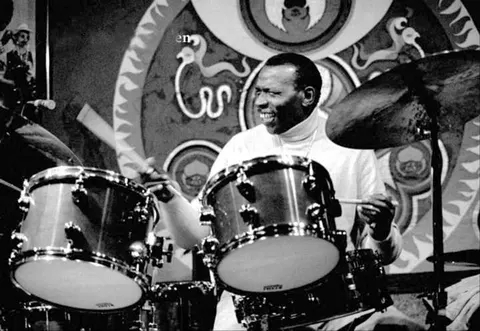
- John McLaughlin, Jerry Goodman, Rick Laird and Billy Cobham - the original Mahavishnu Orchestra (1971 to 1973). Cobham's Spectrum (1973) has Hammer on electric and acoustic pianos and Moog.
- Jerry Goodman - violinist and Hammer's duo partner on Like Children (1974).
- Jeff Beck - the guitarist behind Wired (1976), the 117-show tour, There and Back (1980), Flash (1985), and the studio and stage reunions that followed through the 1990s and 2000s.
- Steve Kindler, Fernando Saunders and Tony Smith - the Jan Hammer Group of the later 1970s.
- Tony Williams - drummer on whose The Joy of Flying (1979) Hammer plays, wrote and engineers, and with whom he toured in the early 1990s. The same record also features Herbie Hancock, Stanley Clarke, George Benson, Tom Scott, Ralph MacDonald, David Sanborn, Michael Brecker, Randy Brecker, and Cecil Taylor on other tracks.
- Elvin Jones and Gene Perla - the drummer and bassist of Elvin Jones Is "On the Mountain" (1975), recorded at Hammer's studio.
- John Abercrombie and Jack DeJohnette - the guitar and drums of Timeless (1975).
- Stanley Clarke - bassist on whose second solo album (1974) Hammer plays keyboards.
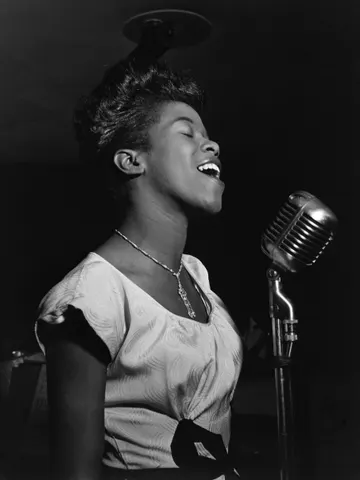
- Sarah Vaughan - the singer he accompanied as keyboardist and conductor after Berklee.
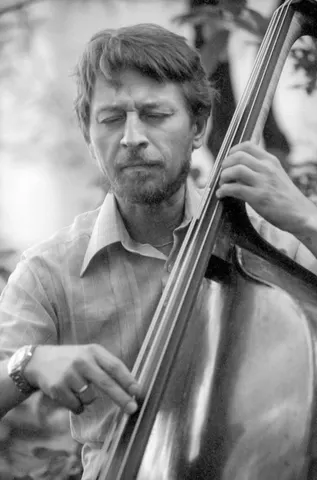
- George Mraz and Cees See - bassist and drummer of the 1968 Munich trio.
- Stuff Smith and Franco Manzecchi - the violinist and drummer of the Warsaw festival quartet in 1966.
- Jeremy Steig - the flutist on Energy (1971), with Don Alias and Eddie Gómez.
- Charlie Mariano - saxophonist on whose Helen 12 Trees (1976) Hammer plays piano, electric piano and Moog, with Jack Bruce on bass.
- Yoshiaki Masuo - Japanese guitarist and co-leader of Finger Dancing (1981); Hammer also plays on his The Song Is You And Me (1980).
- Neal Schon - guitarist of Journey and Santana, Hammer's partner on Untold Passion (1981) and Here to Stay (1982).
- Al Di Meola (guitarist, Elegant Gypsy, 1977), Mick Jagger (She's the Boss, 1985), Tommy Bolin (guitarist on Spectrum) and Olaf Kübler (saxophonist on Turtles) - other leaders on whose records Hammer plays.
- Michael Mann - the creator and executive producer of Miami Vice.
More Jazz Fusion Artists
See all 379 Jazz Fusion artists →- Spotify artist page
- Official site
- YouTube channel
- Discogs
- His profile on jazzprofiles.com
- r/CrossoverJazz
- Wikipedia: Jan Hammer
- Wikipedia (Czech): Jan Hammer
- Official site: Biography
- Wikipedia: Miami Vice Theme
- Wikipedia: Mahavishnu Orchestra
- Wikipedia: Birds of Fire
- Wikipedia: Like Children
- Wikipedia: The First Seven Days
- Wikipedia: Timeless (John Abercrombie album)
- Wikipedia: Wired (Jeff Beck album)
- Wikipedia: Jeff Beck with the Jan Hammer Group Live
- Wikipedia: Flash (Jeff Beck album)
- Wikipedia: Spectrum (Billy Cobham album)
- Wikipedia: The Joy of Flying
- Wikipedia: The Lost Trident Sessions
- Discogs: Jan Hammer
- Discogs: Jan Hammer Group
- Discogs: The Jan Hammer Trio
- Discogs: Schon & Hammer
- MusicBrainz: Jan Hammer
- George Mraz on jazzprofiles.com