 JAZZPROFILES lives in the music 1,002 Jazz Artists fully Profiled!
 Cedar Walton
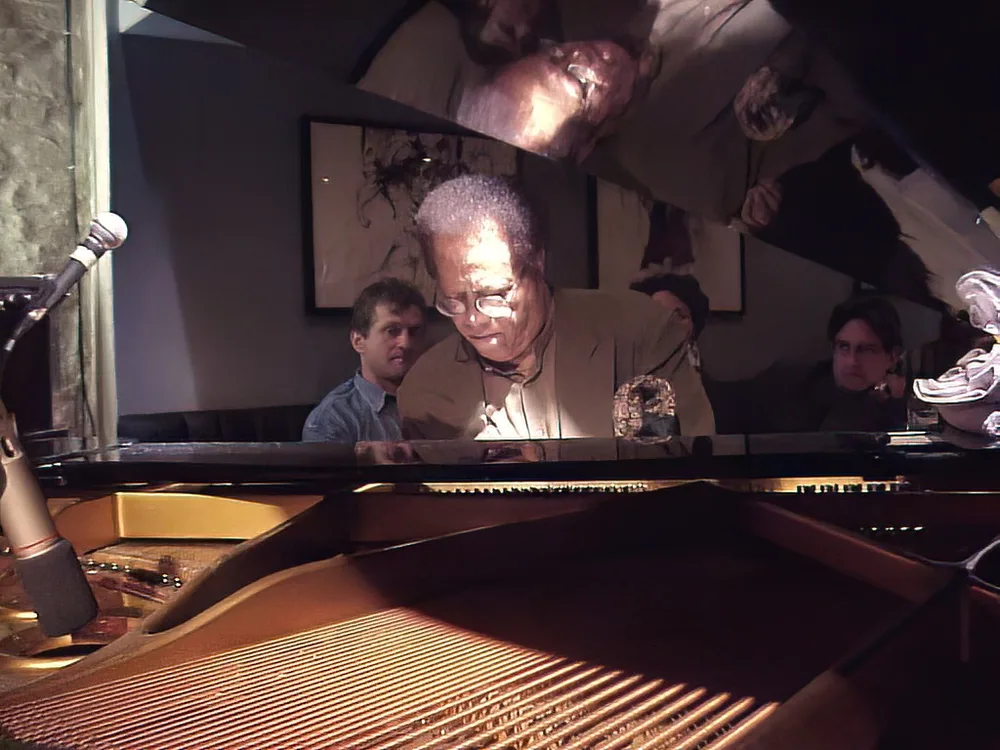
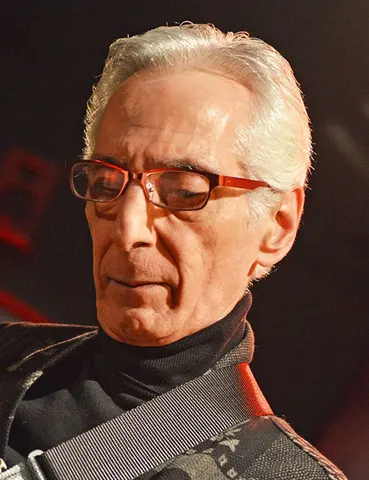
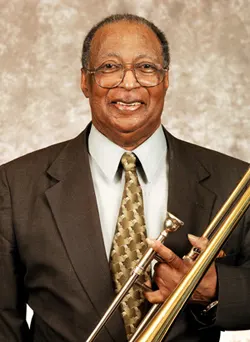
Cedar Walton, photographed March 21, 2001, at Dachau, Germany. Public Domain (PD-self) — Wikimedia Commons — https://commons.wikimedia.org/wiki/File:Cedar_Walton_Dachau_2001.JPG

Cedar Anthony Walton Jr. was born January 17, 1934, in Dallas, Texas. His mother, Ruth, a concert pianist, gave him his first lessons and took him to hear touring jazz musicians around the city; he later named Nat King Cole, Bud Powell, Thelonious Monk and Art Tatum as his primary pianistic models. He briefly attended Dillard University in New Orleans before transferring to the University of Denver as a composition major, where his coursework in arranging for other instruments shaped the writing he would do throughout his career. Late-night sessions around Denver put him in the same rooms as John Coltrane and Charlie Parker, and in 1955 he moved to New York City, where Birdland's manager Johnny Garry took an early interest in him. A stretch of U.S. Army service in Germany interrupted his rise, though it kept him playing, alongside Leo Wright, Don Ellis and Eddie Harris.
Back in New York, Walton made his recording debut in 1958 on Kenny Dorham's This Is the Moment! and spent the same period as the house pianist for the Jazztet, the group Benny Golson and Art Farmer co-led from 1959 to 1962. With that band he sat in on the April 1959 session that produced an alternate take of Coltrane's "Giant Steps," though he does not solo on it. His own leader debut, Cedar!, followed in 1967 on Prestige, a trio, quartet and quintet date built around Kenny Dorham and Junior Cook with Leroy Vinnegar on bass and Billy Higgins on drums, produced by Don Schlitten.
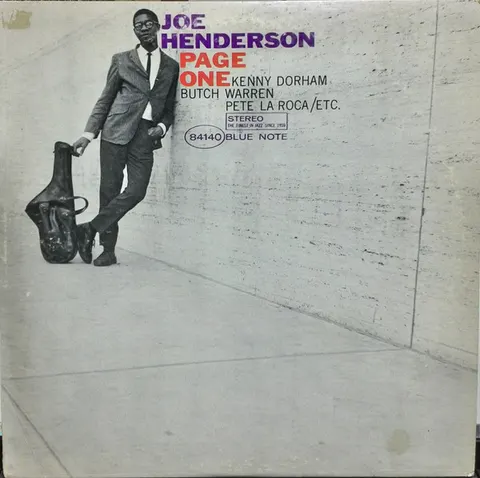
Walton joined Art Blakey's Jazz Messengers in the early 1960s, arriving the same day as trumpeter Freddie Hubbard, and stayed roughly three years as the group's pianist and staff arranger. His compositions from that tenure became two of the band's signature titles: "Mosaic," recorded on Blakey's 1961 Blue Note album of the same name, and "Ugetsu," recorded on the 1963 Riverside live album Ugetsu (his original title for the tune was "Fantasy in D"; Hubbard later recorded the same piece under a third name, "Polar AC"). Through the mid and late 1960s Walton became one of Prestige's house rhythm-section pianists, recording behind Sonny Criss, Pat Martino, Eric Kloss and Charles McPherson, spending a year accompanying Abbey Lincoln, and working regularly with Lee Morgan from 1966 to 1968. He also appears on Joe Henderson's 1966 Blue Note album Mode for Joe, and on a 1972 pair of Prestige sessions with Dexter Gordon issued as two separate albums, Generation (1973) and Tangerine (1975); he also appears alongside Gordon, Percy Heath and Art Blakey on the 1980 Columbia album Gotham City.
In 1975, Walton co-founded the collective Eastern Rebellion with bassist Sam Jones and drummer Billy Higgins, a piano trio that regularly expanded into a quartet behind a rotating cast of saxophonists including George Coleman, Bob Berg and Ralph Moore, along with trombonist Curtis Fuller and, on later editions, trumpeter Alfredo "Chocolate" Armenteros. The group's self-titled debut appeared on Timeless in 1976, and it went on to release albums into the 1990s, becoming one of the most durable working units of Walton's career. In the same period he led the funk-oriented group Mobius, documented on the 1975 RCA album of the same name, showing a side of his writing that moved well outside hard bop. From the mid-1990s he arranged and recorded for Etta James, contributing to her 1994 album Mystery Lady: Songs of Billie Holiday, which won a Grammy Award.
Walton continued recording prolifically as a leader into his final decade, with albums including Cedar Walton at Maybeck (1992, a solo entry in Concord's Maybeck Recital Hall series), St. Thomas (1996, Astor Place, with Ron Carter and Billy Higgins as the Sweet Basil Trio), The Promise Land (2001, HighNote, with Kenny Washington on drums) and Seasoned Wood (2008, HighNote, with Jeremy Pelt on trumpet, Peter Washington on bass and Al Foster on drums). In January 2010 he was named an NEA Jazz Master by the National Endowment for the Arts, the country's highest honor in the field. Cedar Walton passed away August 19, 2013, in Brooklyn, at age 79.
Walton's playing fused Bud Powell's and Thelonious Monk's bebop vocabulary with the harmonic depth he drew from Art Tatum, producing a percussive, blues-rooted touch that made him one of the most reliable and heavily recorded pianists of the hard bop and post-bop eras. As a composer he left an unusually durable mark on the jazz repertoire: "Bolivia," "Mosaic," "Holy Land," "Mode for Joe," "Firm Roots" and "Cedar's Blues" have all become standards recorded across generations of players. He moved comfortably between settings that many pianists of his generation treated as separate worlds, from the driving big-band framework of the Jazz Messengers to the stripped-down interplay of the Eastern Rebellion trio and quartet to the electric funk of Mobius, without losing the identifiable touch and voicings that made his comping instantly recognizable behind dozens of different leaders.
- Cedar! (1967, Prestige) - Walton's debut as a leader, a trio, quartet and quintet session with Kenny Dorham and Junior Cook.
- Mosaic (1961, Blue Note) - As a sideman: Art Blakey's Jazz Messengers album whose title track is Walton's own composition.
- Ugetsu (1963, Riverside) - As a sideman: another Blakey live date built around a Walton original, this one first titled "Fantasy in D."
- Eastern Rebellion (1976, Timeless) - The debut album of the trio and quartet collective Walton co-founded with Sam Jones and Billy Higgins.
- A Night at Boomer's, Vol. 1 (1973, Muse) - A trio date with Sam Jones and Billy Higgins, with Clifford Jordan as a guest, recorded live at the Greenwich Village club.
- Mode for Joe (1966, Blue Note) - As a sideman: Joe Henderson's album, whose title track is another Walton composition.
- The Promise Land (2001, HighNote) - A late-career quartet leader date widely cited among his strongest post-2000 recordings.
Cedar Walton: Full Discography
Identity confirmed via the live Discogs API: artist ID 135873. That entry alone carries well over a thousand release credits spanning 1958 to the 2020s reissue market, so this table does not attempt exhaustive coverage. It curates the leader and co-led albums that define each phase of a career running from his 1967 Prestige debut to his final HighNote recordings, plus the sideman dates with the most bearing on his story, particularly his work with Art Blakey's Jazz Messengers and Dexter Gordon. Every row below was verified against an individual Discogs release rather than the coarser artist-level listing.
Not covered here: the very large secondary catalog of trio and quartet live dates issued and reissued by Red Record, Delos, Evidence and similar labels through the 1990s and 2000s, the numerous compilations drawn from his Prestige years, and Eastern Rebellion's later, less widely documented volumes (5 and 6).
As Leader / Co-Leader
| Album Title | Recording Date(s) | Release Date | Label | Catalog Number | Format(s) | Personnel | Role | Reissue History | Spotify | Buy | Notes |
|---|---|---|---|---|---|---|---|---|---|---|---|
| Cedar! | 1967 | 1967 | Prestige | PR 7519 | Vinyl, LP, Album | Cedar Walton (piano), Kenny Dorham (trumpet), Junior Cook (tenor saxophone), Leroy Vinnegar (bass), Billy Higgins (drums) | Leader | Reissued on CD by Original Jazz Classics | — | — | Walton's debut as a leader, produced by Don Schlitten; a trio, quartet and quintet session across its program |
| Spectrum | 1968 | 1968 | Prestige | PRST 7591 | Vinyl, LP, Album, Stereo | Cedar Walton (piano), Blue Mitchell (trumpet), Clifford Jordan (tenor saxophone), Richard Davis (bass), Jack DeJohnette (drums) | Leader | Reissued on CD by Original Jazz Classics | — | — | Recorded in New York for Prestige |
| Soul Cycle | recorded through January 1970 | 1970 | Prestige | PRT 7693 | Vinyl, LP, Album | Cedar Walton (piano, electric piano), James Moody (tenor saxophone, flute), Rudy Stevenson (guitar), Reggie Workman (bass, electric bass), Albert "Tootie" Heath (drums) | Leader | Reissued on CD by Original Jazz Classics | — | — | Liner notes dated January 1970 and written by Walton himself; the Discogs release carries no more precise session date |
| A Night at Boomer's, Vol. 1 | 1973 | 1973 | Muse | MR 5010 | Vinyl, LP, Album | Cedar Walton (piano), Clifford Jordan (tenor saxophone), Sam Jones (bass), Louis Hayes (drums) | Leader | Reissued on CD by 32 Jazz and Savoy Jazz | — | — | Recorded live at Boomer's, a Greenwich Village club, produced by Don Schlitten; a second volume followed in 1974 |
| Eastern Rebellion | 1975 | 1976 | Timeless | SJP 101 | Vinyl, LP, Album | Cedar Walton (piano, producer), Sam Jones (bass), Billy Higgins (drums), George Coleman (tenor saxophone) | Co-leader | Reissued on CD by Timeless and later Ultra-Vybe | — | — | The debut album of the collective Walton co-founded with Sam Jones and Billy Higgins; a series that continued into the 1990s |
| Firm Roots | 1976 | 1976 | Muse | MR 5059 | Vinyl, LP, Album | Cedar Walton (piano, electric piano, producer), Sam Jones (bass), Louis Hayes (drums) | Leader | Reissued on CD by 32 Jazz | — | — | A trio session, produced by Walton himself |
| Eastern Rebellion 2 | 1977 | 1977 | Timeless | SJP 106 | Vinyl, LP, Album | Cedar Walton (piano, producer, composer), Sam Jones (bass), Billy Higgins (drums), Bob Berg (tenor saxophone) | Co-leader | Reissued on CD by Timeless | — | — | Bob Berg's entry into the group as its saxophonist |
| Eastern Rebellion 3 | 1979 | 1980 | Timeless | SJP 143 | Vinyl, LP, Album | Cedar Walton (piano, composer), Sam Jones (bass), Billy Higgins (drums), Bob Berg (tenor saxophone), Curtis Fuller (trombone) | Co-leader | Reissued on CD by Timeless | — | — | Expanded to a quintet with the addition of Curtis Fuller on trombone |
| The Maestro | 1980 | 1981 | Muse | MR 5244 | Vinyl, LP, Album | Cedar Walton (piano, producer), Bob Berg (tenor saxophone), David Williams (bass), Billy Higgins (drums), Abbey Lincoln (vocals, guest) | Leader | Reissued on CD by 32 Jazz | — | — | Abbey Lincoln guests as vocalist on part of the program |
| Eastern Rebellion 4 | 1983 | 1984 | Timeless | SJP 184 | Vinyl, LP, Album | Cedar Walton (piano), David Williams (bass), Billy Higgins (drums), Bob Berg (tenor saxophone), Curtis Fuller (trombone), Alfredo "Chocolate" Armenteros (trumpet) | Co-leader | Reissued on CD by Timeless | — | — | The quintet expands again with the addition of trumpeter Alfredo "Chocolate" Armenteros |
| Cedar Walton at Maybeck | June 1991 | 1992 | Concord Jazz | CCD-4546 | CD, Album | Cedar Walton (piano) | Leader | — | — | — | A solo piano recital, part of Concord's Maybeck Recital Hall series recorded at Berkeley's Maybeck Recital Hall |
| St. Thomas | 1996 | 1996 | Evidence | ECD 22161-2 | CD, Album | Cedar Walton (piano), Ron Carter (bass), Billy Higgins (drums) | Leader | — | — | — | Billed as the Sweet Basil Trio, recorded live at the New York club of that name |
| The Promise Land | 2001 | 2001 | HighNote | HCD 7081 | CD, Album | Cedar Walton (piano, leader), Vincent Herring (alto saxophone, flute), David Williams (bass), Kenny Washington (drums) | Leader | — | — | — | Recorded and mixed by Rudy Van Gelder |
| Seasoned Wood | 2008 | 2008 | HighNote | HCD 7185 | CD, Album | Cedar Walton (piano), Jeremy Pelt (trumpet, flugelhorn), Vincent Herring (alto and tenor saxophone), Peter Washington (bass), Al Foster (drums) | Leader | — | — | — | Recorded and mixed by Rudy Van Gelder |
| The Complete Recordings (Eastern Rebellion, live) | not confirmed | 2009 | Jazz Lips | JL766 | 2xCD, Compilation | Cedar Walton (piano), Art Farmer (flugelhorn), Clifford Jordan (tenor saxophone), Sam Jones (bass), Billy Higgins (drums) | Leader / co-leader | Compilation | — | — | A live Eastern Rebellion-era compilation with Art Farmer added on flugelhorn; exact recording date not given on the release |
As Sideman (selected major credits)
| Year | Project (Leader) | Title | Label | Catalog | Role | Notes |
|---|---|---|---|---|---|---|
| 1958 | Kenny Dorham | This Is the Moment! | Riverside | RLP 12-267 | Piano | Walton's recording debut |
| 1959-1961 | Benny Golson / Art Farmer (The Jazztet) | Various Jazztet recordings | Argo / Chess | — | Piano | House pianist during his tenure with the co-led group; present for the April 1959 session that produced an alternate take of John Coltrane's "Giant Steps," on which Walton does not solo |
| 1961 | Art Blakey | Mosaic | Blue Note | BLP 4090 | Piano, composer | Title track is a Walton original; recorded during his roughly three-year run as the Jazz Messengers' pianist and staff arranger |
| 1963 | Art Blakey | Ugetsu | Riverside | RM 464 | Piano, composer | Live at Birdland; the title track is another Walton composition, originally called "Fantasy in D" |
| 1966 | Joe Henderson | Mode for Joe | Blue Note | BLP 4227 | Piano | Title track is a Walton composition |
| 1966-1968 | Lee Morgan | Various Blue Note sessions | Blue Note | — | Piano | Regular sideman relationship through Morgan's mid-to-late-1960s Blue Note dates |
| 1972 | Dexter Gordon | Generation | Prestige | P-10069 | Piano | Recorded at Van Gelder Studios with Freddie Hubbard, Buster Williams and Billy Higgins |
| 1972 | Dexter Gordon | Tangerine | Prestige | P-10091 | Piano | From the same 1972 sessions as Generation; Walton, Buster Williams and Billy Higgins appear only on the title track |
| 1980 | Dexter Gordon | Gotham City | Columbia | JC 36853 | Piano | Quartet date with Percy Heath and Art Blakey; the original pressing's credit block names only the four players |
| 1985 | Dexter Gordon | The Other Side of Round Midnight | Blue Note | BT 85135 | Piano | One of two pianists on the album, alongside Herbie Hancock, recorded during the Paris sessions for the film's score |
| late 1960s | Sonny Criss, Pat Martino, Eric Kloss, Charles McPherson | Various Prestige sessions | Prestige | — | Piano | Part of Prestige's late-1960s house rhythm section |
| c. 1968-1969 | Abbey Lincoln | Touring and recording work | — | — | Piano | Approximately a year as Lincoln's accompanist |
Notes on this table
Recording dates are given where the original pressing or a verified reissue carries one; where only a release year could be confirmed, that year stands alone. No Spotify links are asserted in this table: Spotify's catalogue could not be confirmed for these specific releases, so an empty cell reads —, the same placeholder used in the Buy column throughout.
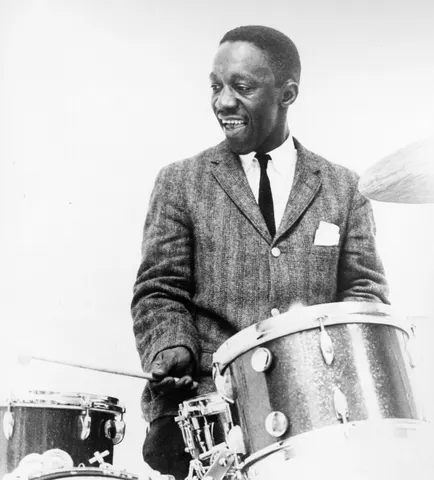
- Art Blakey - pianist and staff arranger in the Jazz Messengers for roughly three years in the early 1960s, contributing the compositions "Mosaic" and "Ugetsu."
- Sam Jones and Billy Higgins - co-founders with Walton of Eastern Rebellion in 1975, and his trio partners on club dates including A Night at Boomer's.
- Benny Golson and Art Farmer - leaders of the Jazztet, where Walton served as house pianist from 1959 to 1961.
- Dexter Gordon - sideman connection spanning three albums: the 1972 Prestige sessions issued as Generation and Tangerine, and the 1980 Columbia album Gotham City.
- Lee Morgan, Joe Henderson, Charles McPherson - among the leaders Walton recorded with regularly as a Prestige house-rhythm-section pianist in the 1960s.
- George Coleman, Bob Berg, Ralph Moore, Curtis Fuller - rotating members of Eastern Rebellion across its various editions from 1975 into the 1990s.
- Jeremy Pelt, Peter Washington, Al Foster - band on the 2008 HighNote leader date Seasoned Wood, alongside saxophonist Vincent Herring.
- Kenny Washington - drummer on the 2001 HighNote leader date The Promise Land.
- Wikipedia: Cedar Walton
- Discogs: Cedar Walton (artist 135873)
- Verified against the live Discogs API for release-level personnel on Mosaic, Ugetsu, Cedar!, Generation, Tangerine and Eastern Rebellion.