 JAZZPROFILES lives in the music 2,303 Jazz Artists fully Profiled!
Abdullah Ibrahim
Last updated November 2, 2026
Listen on Spotify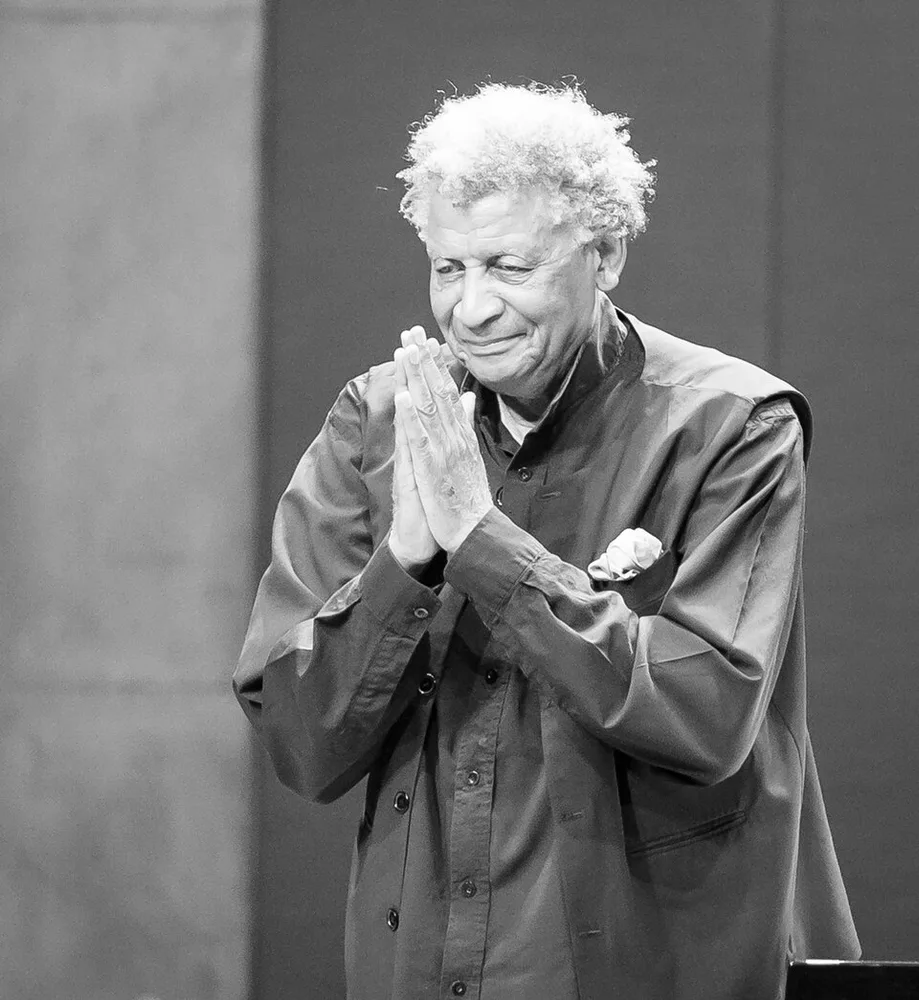
Abdullah Ibrahim acknowledging the audience at the University Aula, Oslo Jazz Festival, Norway, August 16, 2016, photographed by Tore Sætre CC BY-SA 4.0 (Creative Commons Attribution-ShareAlike 4.0 International) — Wikimedia Commons — https://commons.wikimedia.org/wiki/File:Abdullah_Ibrahim_Oslo_Jazzfestival_(191335).jpg

Abdullah Ibrahim was born Adolph Johannes Brand in Cape Town on October 9, 1934, and was long known as Dollar Brand. He grew up in the port districts of the city and attended Trafalgar High School in District Six. He began piano lessons at seven and made his professional debut at fifteen. Under apartheid he was classified as Coloured. His mother played piano in a church, and the gospel of the AME Church stayed with him alongside marabi, mbaqanga, and the American jazz records he learned from. By the late 1950s he was a recognized name in the jazz scenes of Cape Town and Johannesburg.
In 1959 and 1960 he played in the Jazz Epistles in Sophiatown, a sextet with altoist Kippie Moeketsi, trombonist Jonas Gwangwa, trumpeter Hugh Masekela, bassist Johnny Gertze, and drummer Makaya Ntshoko, drawn largely from the orchestra of the musical King Kong. In January 1960 they recorded Jazz Epistle Verse 1 at the Gallo studio, a pressing of 500 copies that is generally described as the first full-length jazz LP by Black South African musicians. After the Sharpeville massacre in March 1960 the authorities cracked down on jazz groups and the band broke up. Brand left South Africa in 1962 for Europe. In February 1963 the singer Sathima Bea Benjamin, whom he married in 1965, persuaded Duke Ellington, who was on tour in Zürich, to hear the Dollar Brand Trio at the Africana Club. Ellington then helped arrange a session for Reprise Records in Paris, issued as Duke Ellington Presents the Dollar Brand Trio, and the trio went on to play European festivals.
He and Benjamin moved to New York in 1965, the year he played the Newport Jazz Festival and made his first American tour. In 1966 he stood in for Ellington on five dates, leading the Duke Ellington Orchestra, and that March he played on drummer Elvin Jones's Atlantic album Midnight Walk, which includes his tune "Tintiyana." A Rockefeller Foundation grant paid for study at the Juilliard School in 1967. In New York he met many of the music's progressives, including Don Cherry, Ornette Coleman, John Coltrane, Pharoah Sanders, Cecil Taylor, and Archie Shepp, and the cultural nationalism of the Black Power years pushed him to bring African material into his jazz. He recorded Hamba Khale! in 1968 with tenor saxophonist Gato Barbieri.
Later in 1968 he made a short return to Cape Town, converted to Islam, and took the name Abdullah Ibrahim, and in 1970 he made the pilgrimage to Mecca. In the early 1970s he met Rashid Vally, who ran the Kohinoor record shop in Johannesburg and produced his South African albums. Underground in Africa (1974), made with the band Oswietie, moved away from his earlier folk-inflected jazz toward a mix of jazz, rock, and township pop, and it sold well. In June 1974, on a visit home, he recorded "Mannenberg" in a Cape Town studio in one take with a band assembled by tenor saxophonist Basil Coetzee that included altoist Robbie Jansen. The piece takes its name from the Cape Flats township where many families removed from District Six were resettled. It was issued in the United States as "Capetown Fringe," became widely regarded as the unofficial national anthem of South Africa and the theme of the anti-apartheid movement, and helped define the style called Cape jazz. After the Soweto Uprising began on June 16, 1976, he and Benjamin publicly backed the then-banned African National Congress and helped organize an illegal benefit concert. Back in New York, they founded the Ekapa record label in 1981, and from 1983 he led the band Ekaya, alongside trios, occasional big bands, and special projects.
He returned to South Africa in the early 1990s after Nelson Mandela urged him to in a 1990 meeting in Germany, and played symphony-orchestra concerts, one in honor of Mandela's 1994 inauguration as president; Mandela reportedly called him South Africa's Mozart. He toured with Max Roach in 1997, went on a world tour with the Munich Radio Philharmonic Orchestra in 1998, founded the M7 academy for South African musicians in Cape Town in 1999, and started the 18-piece Cape Town Jazz Orchestra in 2006. He wrote the scores for Claire Denis's films Chocolat (1988) and No Fear, No Die (1990). In 2016 he and Masekela played together for the first time in sixty years at Emperors Palace in Johannesburg, reuniting the Jazz Epistles for the 40th anniversary of the Soweto uprising. His last albums were The Balance (2019, with Ekaya), Solotude, and 3 (2024), and his last public performance was at the Cape Town International Jazz Festival on March 27, 2026.
Ibrahim passed away on June 15, 2026, at a hospital in Prien am Chiemsee, Bavaria, Germany, at the age of 91, after a short illness; his partner, Marina Umari, said in tribute that he died peacefully with South Africa and its people in his heart. He was the father, with Benjamin, of the rapper Jean Grae (Tsidi) and of the artist Tsakwe. His honors include the South African Music Lifetime Achievement Award (2007), the Order of Ikhamanga in Silver and an honorary doctorate of music from the University of the Witwatersrand (both 2009), the German Jazz Trophy (2017), and an NEA Jazz Masters Fellowship (announced in 2018 and celebrated at the Kennedy Center on April 15, 2019). For his solo album Senzo he won Best Male Artist at the 2009 MTN South African Music Awards.
Ibrahim's music drew on the sounds of his Cape Town childhood: church hymns, marabi and township song, ragas, and the modern jazz of the American records he collected. His writing reflects Thelonious Monk and Duke Ellington above all, and he counted Fats Waller among his idols. A London critic once called him an African Duke Ellington and Thelonious Monk combined. In his solo concerts he often played without pause, in unbroken sets that echoed the old marabi pianists and the classical impressionists and ran his own pieces into snatches of Ellington, Monk, and Waller. His small groups and his Ekaya band, usually a septet with several horns, carried the same themes into ensemble form. Moving between township music, gospel, and the New York avant-garde of the 1960s and 70s, he is considered the leading figure of Cape jazz, and "Mannenberg" remains his best-known piece.
- Jazz Epistle Verse 1 (1960, Continental) - The Jazz Epistles' album, recorded in January 1960 with Kippie Moeketsi, Jonas Gwangwa, Hugh Masekela, Johnny Gertze, and Makaya Ntshoko; a landmark of Black South African jazz.
- Duke Ellington Presents the Dollar Brand Trio (1964, Reprise) - The Paris trio date, set up through Duke Ellington, with Gertze and Ntshoko, that introduced him to American and European listeners.
- Mannenberg 'Is Where It's Happening' (1974, The Sun) - The one-take Cape Town session with Basil Coetzee and Robbie Jansen that produced the anti-apartheid anthem.
- The Journey (1977, Chiaroscuro) - A long-form studio piece made in New York the day after an Alice Tully Hall concert, with Don Cherry, Carlos Ward, and bassist Johnny Dyani.
- Ekaya (1983, Ekapa) - The septet album that gave his New York band its name, released on the label he founded with Sathima Bea Benjamin, with Carlos Ward, Charles Davis, and Cecil McBee.
- Water from an Ancient Well (1986, Blackhawk) - A septet date with "Mandela" and "The Wedding" among its pieces, later included in the book 1001 Albums You Must Hear Before You Die. Spotify - Water from an Ancient Well Listen
- Mantra Mode (1991, Enja) - A septet recording with South African musicians including Robbie Jansen, Basil Coetzee, trumpeter Johnny Mekoa, and guitarist Errol Dyers.
- 3 (2024, Gearbox) - His final album, a trio date, with one volume recorded live. Spotify - 3 Listen
Abdullah Ibrahim: Full Discography
Discogs artist ID 248560 ("Abdullah Ibrahim," born Adolph Johannes Brand, October 9, 1934, in Cape Town, died June 15, 2026, in Prien am Chiemsee, Germany) and its alias Dollar Brand (artist ID 338287), under which he recorded until the mid-1970s and often later, were both read in full. Between them they list several hundred entries, most of them reissues, compilations and track appearances of the same sessions. Discogs also keeps his groups as separate entries: The Abdullah Ibrahim Trio, the Dollar Brand Trio (artist ID 2125458), the Dollar Brand Quartet (artist ID 675535), Abdullah Ibrahim & Ekaya and the Max Roach/Dollar Brand Duet (artist ID 8830957); their releases are folded into the table below. Because his catalog runs past sixty years and is thick with reissues, the leader table is a curated selection of 33 releases rather than an exhaustive list: the Jazz Epistles and Ellington-era trio dates, the 1970s Cape Town and New York records, the Ekaya albums, the solo piano sets, and his final albums. Catalog numbers and formats are those of the first or best-documented pressing on Discogs; where Discogs lists a later reissue as its main release for an album, the Reissue History column says so. Recording dates come from Wikipedia's discography and album articles and from documented sessions; where a date could not be confirmed, the cell says so.
As Leader / Co-Leader
| Album Title | Recording Date(s) | Release Date | Label | Catalog Number | Format(s) | Personnel | Role | Reissue History | Spotify | Buy | Notes |
|---|---|---|---|---|---|---|---|---|---|---|---|
| Jazz Epistle Verse 1 | January 1960, Gallo studio, Johannesburg (some discographies say September 1959) | 1960 | Continental | CONT 14 | Vinyl, LP, Album | Dollar Brand (piano), Kippie Moeketsi (alto saxophone), Jonas Gwangwa (trombone), Hugh Masekela (trumpet), Johnny Gertze (bass), Makaya Ntshoko (drums) | Co-leader (billed as the Jazz Epistles) | Paired with Dollar Brand Plays Sphere Jazz on a 2015 reissue | — | — | Pressed in a run of 500 copies; generally described as the first full-length jazz LP by Black South African musicians. |
| Dollar Brand Plays Sphere Jazz | February 4, 1960 | 1962 | Continental Records | ZB 8047 | Vinyl, LP, Album | Dollar Brand (piano), Johnny Gertze (bass), Makaya Ntshoko (drums) | Leader (billed as the Dollar Brand Trio) | Discogs master 411906 | — | — | Trio date first issued in South Africa on Continental. |
| Duke Ellington Presents the Dollar Brand Trio | February 23, 1963, Paris | 1964 | Reprise | R 6111 / RV 6027 | Vinyl, LP, Album, Mono | Dollar Brand (piano), Johnny Gertze (bass), Makaya Ntshoko (drums); Duke Ellington (presenter) | Leader (billed as the Dollar Brand Trio) | Discogs master 569666 | — | — | Arranged after Ellington heard the trio in Zürich; includes Thelonious Monk's "Brilliant Corners," which the original sleeve credited to Brand. |
| Anatomy of a South African Village | January 30, 1965, Montmartre Jazzhus, Copenhagen | 1965 | Fontana | 888 314 ZY | Vinyl, LP, Album, Stereo | Dollar Brand (piano), Johnny Gertze (bass), Makaya Ntshoko (drums) | Leader (billed as the Dollar Brand Trio) | Discogs master 340751; later issued by Black Lion | — | — | Live trio concert; other selections from the same night appeared as The Dream. |
| Hamba Khale! | 1968 | 1968 | Togetherness | MN 004 | Vinyl, LP, Album | Gato Barbieri (tenor saxophone), Dollar Brand (piano, cello) | Co-leader (billed with Gato Barbieri) | Reissued as Confluence; Discogs master 298007 | — | — | Duo recording first issued in Italy; Discogs credits Brand on cello as well as piano. |
| African Sketchbook | 1969 | 1973 | Enja Records | 2026 / 2026 ST | Vinyl, LP, Album | Dollar Brand (piano, flute) | Leader | Discogs master 221863 | — | — | Mostly solo piano; one track is solo flute. |
| African Piano | 1969 | 1970 (Spectator LP per Discogs); JAPO LP 1973 | Spectator (first LP per Discogs); JAPO | SL 1005 (Spectator) | Vinyl, LP, Album | Dollar Brand (piano) | Leader | First issued on CD in 1991; Discogs master 68257 | — | — | Solo piano. A different album of the same title, a 1973 compilation on Sackville, draws on Sangoma and African Portraits. |
| Ancient Africa | 1972, in concert | 1974 | Japo Records | JAPO 60005 | Vinyl, LP, Album, Stereo | Dollar Brand (piano, flute) | Leader | Discogs master 807080 | — | — | Mostly solo piano, in concert; one part is solo flute. |
| The Third World-Underground | November 14, 1972, Café Montmartre, Copenhagen (live) | 1974 | Trio Records | PAP-9018 | Vinyl, LP, Album | Dollar Brand (piano), Don Cherry (trumpet, vocals, percussion), Carlos Ward (alto saxophone, vocals, percussion) | Co-leader (trio billed as Dollar Brand / Don Cherry / Carlos Ward) | First issued in Japan; Discogs master 530324 | Spotify - The Third World-Underground | — | Live trio recording; the start of the long partnership between Ibrahim and Carlos Ward. |
| Good News from Africa | December 10, 1973, Tonstudio Bauer, Ludwigsburg | 1974 | Cameo Records | 102 / cameo 102 ST | Vinyl, LP, Album, Stereo | Dollar Brand (piano, vocals, flute), Johnny Dyani (bass, vocals, bells) | Co-leader (duo with Johnny Dyani) | Issued in Switzerland by Cameo and in Germany by Enja; Discogs master 235911 | — | — | Duo set blending traditional African pieces with originals. |
| African Space Program | November 7, 1973 | 1974 | Enja Records | enja 2032 | Vinyl, Album, LP | Dollar Brand (piano, composer), Hamiet Bluiett (baritone saxophone), Roland Alexander (tenor saxophone, harmonica), John Stubblefield (tenor saxophone), Sonny Fortune and Carlos Ward (alto saxophone, flute), Cecil Bridgewater, Enrico Rava and Charles Sullivan (trumpet), Kiani Zawadi (trombone), Cecil McBee (bass), Roy Brooks (percussion) | Leader (billed as the Dollar Brand Orchestra) | Discogs master 180592 | Spotify - African Space Program | — | Large-ensemble date. |
| Underground in Africa | 1974 | 1974 | Soultown | KRS 114 | Vinyl, LP, Album | Dollar Brand (piano), Basil Coetzee (tenor saxophone), Arthur Jacobs (tenor saxophone), Robbie Jansen (alto saxophone), Lionel Beukes (electric bass), Nazier Kapdi (drums), with the band Oswietie | Leader | Discogs master 235909 | — | — | Produced by Rashid Vally; a fusion of jazz, rock, and South African popular music that sold well. |
| Mannenberg 'Is Where It's Happening' | June 1974, Cape Town | 1974 | The Sun | SRK 786134 | Vinyl, LP, Album | Dollar Brand (piano), Basil Coetzee (tenor saxophone, flute), Robbie Jansen (alto saxophone, flute), Paul Michaels (bass), Monty Weber (drums) | Leader | Issued in the United States as Capetown Fringe (Chiaroscuro); Discogs master 235571 | — | — | The title piece was recorded in a single take and became an anti-apartheid anthem. Produced by Rashid Vally. |
| Black Lightning | 1976 | 1976 | The Sun | SRK 786138 | Vinyl, LP, Album | Dollar Brand (piano), Basil Coetzee (tenor saxophone, flute), Duku Makasi (tenor saxophone), Kippie Moeketsi (alto saxophone), Basil Moses and Sipho Gumede (bass), Gilbert Matthews and Monty Weber (drums) | Leader | Discogs master 363206; US issue on Chiaroscuro | — | — | Released in South Africa on The Sun; personnel as credited on Discogs. |
| Banyana: The Children of Africa | 1976 | 1976 | Enja Records | enja 2070 | Vinyl, LP, Album | Dollar Brand (piano, soprano saxophone, vocals), Cecil McBee (bass), Roy Brooks (drums) | Leader (trio) | Discogs master 68264 | — | — | Reissued in the 2018 Enja Heritage Collection. |
| The Journey | September 18, 1977 | 1977 | Chiaroscuro Records | CR 187 | Vinyl, LP, Album | Abdullah Ibrahim (piano, soprano saxophone), Don Cherry (trumpet), Carlos Ward and Talib Rhynie (alto saxophone), Hamiet Bluiett (baritone saxophone, clarinet), Johnny Dyani (bass), Ed Blackwell and Roy Brooks (drums), John Betsch and Claude Jones (percussion) | Leader | Discogs master 529781 | — | — | Studio date made the day after the September 17, 1977 Alice Tully Hall concert. |
| Streams of Consciousness | 1977 | 1978 | Baystate | RVJ-6016 | Vinyl, LP, Album | Dollar Brand (piano), Max Roach (drums) | Co-leader (billed as the Max Roach/Dollar Brand Duet) | Discogs master 574285 | — | — | Duo album; the Discogs main release is the Japanese Baystate pressing. |
| Duet | 1978, Tokyo | 1978 | Denon | YX-7532-ND | Vinyl, LP, Album | Dollar Brand (piano), Archie Shepp (tenor, alto and soprano saxophone) | Co-leader (duo with Archie Shepp) | Discogs master 559387 | — | — | Recorded for the Japanese Denon label. |
| Autobiography | June 18, 1978, Switzerland (in concert) | 1983 | Plainisphare | PL 1267-6/7 | Vinyl, LP, Album, Stereo | Dollar Brand (piano, flute) | Leader | Originally a two-LP set, later on CD; Discogs master 1019393 | — | — | Solo concert in which he moves from the songs of his childhood to his own compositions. |
| African Marketplace | 1979 | 1980 | Elektra | 6E-252 | Vinyl, LP, Album, Stereo | Dollar Brand (piano) with a 12-piece band including Carlos Ward (alto and soprano saxophone), Cecil McBee (bass), Andrei Strobert (drums, percussion), Kenny Rodgers (baritone saxophone), Lawrence Lucie (banjo), Miguel Pomier (percussion) | Leader | Discogs master 301766 | — | — | Title piece is one of his best-known compositions. |
| Ekaya | 1983 | 1983 | Ekapa | E.K. 005 / EKAPA-005 | Vinyl, LP, Album | Dollar Brand (piano), Charles Davis (baritone saxophone), Ricky Ford (tenor saxophone), Carlos Ward (alto saxophone), Dick Griffin (trombone), Cecil McBee (bass), Ben Riley (drums) | Leader | Discogs master 394881 | — | — | Released on Ekapa, the label Ibrahim founded with Sathima Bea Benjamin. |
| Water from an Ancient Well | 1985 | 1986 | Blackhawk (first release per Discogs); Tiptoe | BKH 50207 | Vinyl, LP | Abdullah Ibrahim (piano), Carlos Ward (alto saxophone, flute), Dick Griffin (trombone), Ricky Ford (tenor saxophone), Charles Davis (baritone saxophone), David Williams (bass), Ben Riley (drums) | Leader | Discogs master 254599 | Spotify - Water from an Ancient Well | — | Septet date; its pieces include "Mandela" and "The Wedding." |
| Mindif | 1988 | 1988 | Enja Records | R2 79601 | CD, Album | Abdullah Ibrahim (piano, flute, voice), Craig Handy (flute, tenor saxophone), Ricky Ford (soprano and tenor saxophone), Benny Powell (trombone), David Williams (bass), Billy Higgins (drums, percussion) | Leader | Discogs master 592923 | — | — | Music recorded for Claire Denis's film Chocolat. |
| African River | 1989 | 1989 | Enja Records | ENJA LP 6018 1 / 6018 1 | Vinyl, LP, Album | Abdullah Ibrahim (piano), John Stubblefield (tenor saxophone, flute), Horace Alexander Young (alto and soprano saxophone, piccolo), Howard Johnson (tuba, baritone saxophone, trumpet), Robin Eubanks (trombone), Buster Williams (bass), Brian Abrahams (drums) | Leader | Discogs master 394598 | — | — | — |
| Mantra Mode | 1991 | 1991 | African Echoes (South Africa); Enja | AE 7867 | Vinyl, LP | Abdullah Ibrahim (piano), Robbie Jansen (alto saxophone, baritone saxophone, flute), Basil Coetzee (tenor saxophone), Johnny Mekoa (trumpet), Errol Dyers (guitar), Spencer Mbadu (bass), Monty Webber (drums) | Leader | Discogs master 530230 | — | — | Septet recording with South African musicians. |
| Knysna Blue | 1993 | 1994 | Tiptoe | ENJA-TIP TOE 888 816 2 | CD, Album | Abdullah Ibrahim (piano and other instruments) | Leader | Discogs master 1190004 | — | — | Solo piano with other instruments. |
| Yarona | 1995, Sweet Basil, New York (live) | 1995 | Tiptoe | TIP-888820 2 | CD, Album | Abdullah Ibrahim (piano), Marcus McLaurine (bass), George Johnson (drums) | Leader (billed as The Abdullah Ibrahim Trio) | Discogs master 1365765 | — | — | Recorded live over two nights; the title is the Setswana word for abundance. |
| Senzo | 2008 | 2008 | Intuition (Germany); Sunnyside (US) | INT 3428 2 | CD, Album | Abdullah Ibrahim (piano) | Leader | Discogs master 1089906 | — | — | Solo piano album named for his father; won Best Male Artist at the 2009 MTN South African Music Awards. |
| Sotho Blue | 2010 | 2010 | Intuition (Germany); Sunnyside (US) | INT 3433 2 | CD, Album | Abdullah Ibrahim (piano), Jason Marshall (baritone saxophone), Keith Loftis (tenor saxophone), Cleave Guyton (alto saxophone, flute), Andrae Murchison (trombone), Belden Bullock (bass), George Gray (drums) | Leader (billed as Abdullah Ibrahim & Ekaya) | Discogs master 1738111 | — | — | — |
| The Balance | 2019 | June 28, 2019 | Gearbox Records | GB1554 | Vinyl, LP, Album | Abdullah Ibrahim (piano) with Ekaya: Noah Jackson, Alec Dankworth, Will Terrill, Adam Glasser, Cleave Guyton Jr., Lance Bryant, Andrae Murchison, Marshall McDonald | Leader (with Ekaya) | Discogs master 1561912 | — | — | Praised by DownBeat for spanning big band, township music, and solo piano. |
| Dream Time | 2019, in concert | September 2019 | Enja Records | ENJ-9676 2 | CD, Album | Abdullah Ibrahim (piano) | Leader | Discogs master 1773390 | Spotify - Dream Time | — | Solo piano in concert. |
| Solotude | 2020 | 2021 | Gearbox Records | GB1575CDOBI | CD, Album | Abdullah Ibrahim (piano) | Leader | Discogs master 2581931 | — | — | Solo piano. |
| 3 | 2023 | January 26, 2024 | Gearbox Records | GB1591 | Vinyl, LP, 45 RPM, Stereo | Abdullah Ibrahim (piano), Noah Jackson (double bass, cello), Cleave Guyton (flute) | Leader (trio) | Discogs master 3403216 | Spotify - 3 | — | His final album; one volume was recorded in concert. |
As Sideman (selected major credits)
His sideman work is slight beside his leader catalog. These three credits are the documented ones.
| Year | Project (Leader) | Title | Label | Catalog | Role | Notes |
|---|---|---|---|---|---|---|
| 1966 | Elvin Jones | Midnight Walk | Atlantic | SD 1485 | Piano (as Dollar Brand) | Recorded in New York on March 23 and 24, 1966, and released in 1967, with Hank Mobley, Thad Jones, and bassist Don Moore; includes his composition "Tintiyana." |
| 1976 | Sathima Bea Benjamin | African Songbird | The Sun | GL 1839 | Piano, electric piano, arranger and conductor (as Dollar Brand) | Album by his wife, produced by Rashid Vally, with Basil Coetzee on tenor saxophone and flute. |
| 1977 | Buddy Tate | Buddy Tate Meets Dollar Brand | Chiaroscuro | CR 165 | Piano (as Dollar Brand) | Tenor saxophonist Tate with Brand, Cecil McBee on bass, and Roy Brooks on drums; reissued in 1996 as Buddy Tate Meets Abdullah Ibrahim. |
- Sathima Bea Benjamin - singer and his wife; she brought Ellington to hear his trio in 1963, they founded Ekapa Records in 1981, and he played on her album African Songbird (1976).
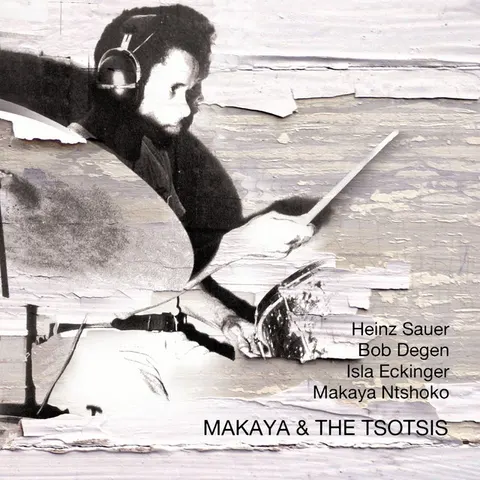
- Johnny Gertze, Makaya Ntshoko - bassist and drummer of the Dollar Brand Trio in the early 1960s, on Dollar Brand Plays Sphere Jazz, the Reprise date, and the 1965 Copenhagen concert issued as Anatomy of a South African Village.
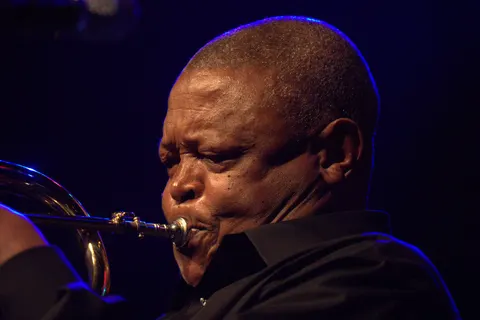
- Hugh Masekela, Kippie Moeketsi, Jonas Gwangwa, Mackay Davashe - fellow members of the Jazz Epistles; he and Masekela played together again at the 2016 reunion concert in Johannesburg.
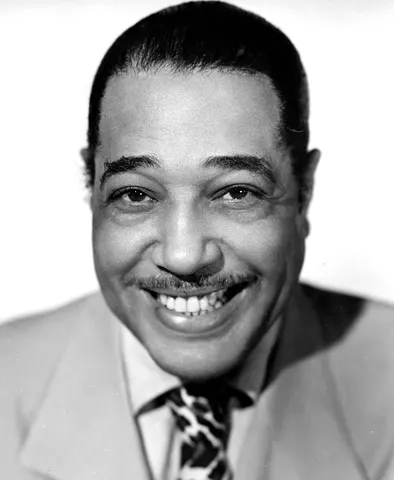
- Duke Ellington - champion of the Dollar Brand Trio in 1963 and an enduring model; Ibrahim led the Ellington orchestra for five dates in 1966 and recorded Ode to Duke Ellington and Duke's Memories.
- Elvin Jones - drummer on whose 1966 album Midnight Walk Ibrahim played piano, alongside Hank Mobley and Thad Jones.
- Gato Barbieri - tenor saxophonist, co-leader on Hamba Khale! (1968).
- Carlos Ward - alto saxophonist and flutist, a recurring partner on African Space Program, The Journey, and the Ekaya recordings of the 1980s.
- Don Cherry - trumpeter on The Journey (1977).
- Cecil McBee - bassist on African Space Program, Banyana - Children of Africa, and Ekaya.
- Max Roach - drummer; duo album Streams of Consciousness (1977) and a 1997 tour.
- Archie Shepp - saxophonist; duo album Duet, recorded in Tokyo in 1978.
- Johnny Dyani - bassist; duo albums Good News from Africa (1973) and Echoes from Africa (1979).
- Basil Coetzee, Robbie Jansen, Rashid Vally - the two saxophonists and the producer behind "Mannenberg" and Underground in Africa (1974).
- Charles Davis, Buster Williams - baritone saxophonist on Ekaya (1983) and bassist on African River (1989).
- Buddy Tate - tenor saxophonist; Buddy Tate Meets Dollar Brand (1977).
- Cleave Guyton, Belden Bullock, George Gray, Noah Jackson - bandmates on his records from the late 1990s to 2023.
More South African Jazz Artists
See all 4 South African artists →- Wikipedia: Abdullah Ibrahim
- Wikipedia: The Jazz Epistles
- Wikipedia: Water from an Ancient Well
- Wikipedia: The Journey (Abdullah Ibrahim album)
- Wikipedia: Midnight Walk
- Daily Maverick: Abdullah Ibrahim, the pianist who turned Mannenberg into an anthem of the freedom struggle (June 18, 2026)
- Eyewitness News: South African jazz legend Abdullah Ibrahim dies (June 15, 2026)
- Discogs: Abdullah Ibrahim (artist 248560)
- Discogs: Dollar Brand (artist 338287)
- MusicBrainz: Abdullah Ibrahim
- JazzProfiles.com: Makaya Ntshoko
- JazzProfiles.com: Carlos Ward
- JazzProfiles.com: Hugh Masekela