 JAZZPROFILES lives in the music 1,765 Jazz Artists fully Profiled!
Masato Honda
Last updated October 21, 2026
Listen on Spotify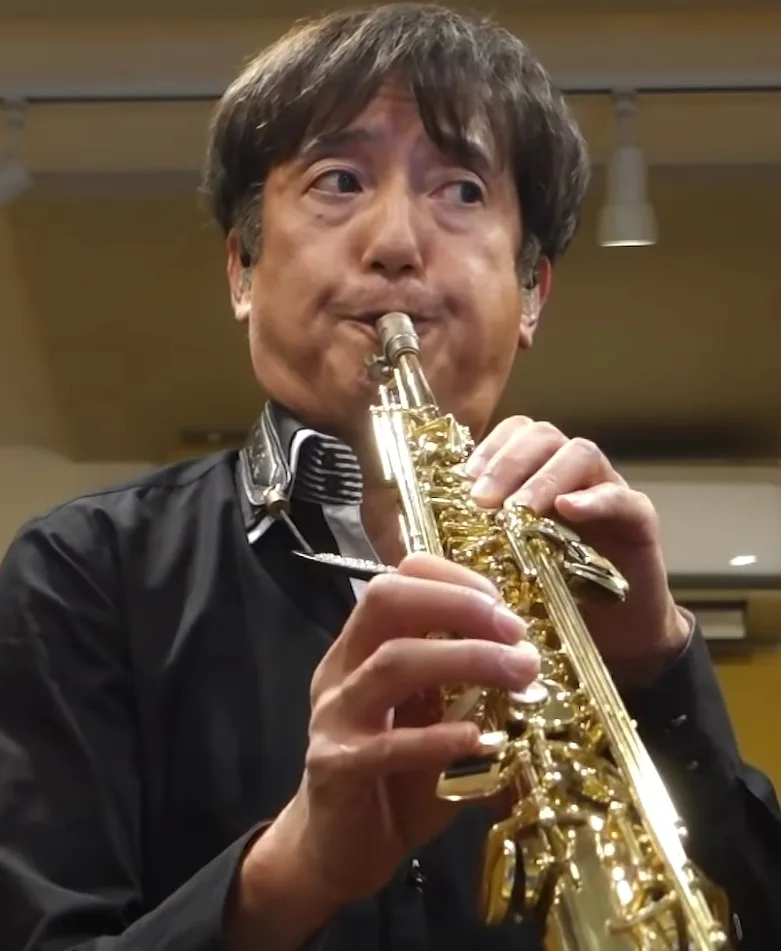
Masato Honda playing soprano saxophone, 2020. CC BY 3.0 — https://commons.wikimedia.org/wiki/File:Masato_Honda,_2020.png

Masato Honda (本田雅人) is a saxophonist, flutist and wind-synthesizer player who spent seven years in the front line of T-Square, played in the saxophone section of the Cowboy Bebop band The Seatbelts, and has led his own fusion groups and big band since 1998. He was born on 13 November 1962 in Nakamura, a town in Kochi Prefecture on Shikoku that is now part of Shimanto.
He grew up in a rural area with little live music around. In a 2020 interview with Billboard Japan he said he began on piano, moved to the recorder, and settled on the saxophone because it looked like the easiest of the instruments on offer. In his teens he was more interested in singing, songwriting and arranging, first in Japanese folk and then in the fusion sound that folk backing bands were drifting toward, with Kazumi Watanabe, Lee Ritenour and Larry Carlton among his early favourites.
At Kunitachi College of Music in Tokyo, he has said, the curriculum at the time was classical only, and jazz and pop session work came afterward. In his first year he became the first leader of the school's student big band, the Newtide Jazz Orchestra, and in 1983 he won the 14th Yamano Big Band Jazz Contest. His earliest credit on Discogs predates his graduation: saxophone on Act 13 (Invitation, 1984) by the singer Naomi Akimoto. He graduated in 1985 and joined Nobuo Hara and His Sharps & Flats the same year.
Through the late 1980s and early 1990s he was a first-call studio saxophonist in Tokyo. Discogs credits him on Hiroshi Sato's Aqua (1988) and Touch the Heart (1989), Toshiki Kadomatsu's Legacy of You (1990) and the Horii Katsumi Project's Summer's (1990) and Sky Cruisin' (1991), among many others. In that period he also formed the band Witness with the guitarist Jun Kajiwara and Masaharu Ishikawa. Kajiwara stayed on his side for decades and is the guitarist on What Is Fusion (2001), Assemble a Crew (2004) and the 1998 B.B. Station live album.
He first worked with T-Square as a session player on T-Square Live featuring F-1 Grand Prix Theme (1990). In 1991 he became a full member, taking over the saxophone chair from Takeshi Itoh: Discogs credits both men on alto saxophone and EWI on the live album Farewell & Welcome (Sony, 1991), which marked the changeover. His first studio album with the band was New-S (CBS/Sony, March 21, 1991), on which he is credited on saxophone, EWI and synthesizer programming and wrote the opening track, "Megalith." He stayed through Human (1993), Solitude (1994), Miss You in New York (1995), B.C. A.D. (1996) and Blue in Red (1997), with the bassist Mitsuru Sutoh and the drummer Hiroyuki Noritake as his rhythm section. He left after Blue in Red, and a live album, Farewell & Welcome Live 1998, followed. He returned as a guest in the 2020s, playing on Wish (2022), the live album Welcome Back, Masato Honda! (2023), Vento de Felicidade (2023) and the 45th Anniversary Celebration Concert (2024).
Leaving T-Square gave him room for his own records. Growin' (A-Pro C&C, 1998) came first, followed by Carry Out (JVC, July 23, 1999), his first album for JVC, which Wikipedia describes as a record on which he played every instrument and wrote every song. Illusion (JVC, 2000) went in a different direction: an acoustic quartet in which he plays alto saxophone beside the drummer Shuichi "Ponta" Murakami, the bassist Vagabond Suzuki and the pianist Masahiro Sayama, with Honda writing and arranging all of it. He followed it with Real-Fusion (JVC, August 23, 2000) and the live set What Is Fusion (JVC, April 21, 2001), recorded with Noritake on drums, Tomohito Aoki on electric bass, Kajiwara on guitar and Keiji Matsumoto on keyboards.
The big band came in 1998 as well. B.B. Station (the name is written Masato Honda B.B.Station on its records) recorded Live at Roppongi Pit Inn for Village Records, with Eric Miyashiro among its four trumpets, and in 2007 it backed the vocalist Marlene on Jazz'n Out (RCA), a set of standards that includes "Sing Sing Sing" and "Tennessee Waltz." In 2002 he formed the quartet Four of a Kind with the pianist Satoru Shionoya, the bassist Tomohito Aoki and the drummer Takashi Numazawa, which made Four of a Kind (JVC, January 23, 2002), the live Live at Blue Note Tokyo and Osaka Blue Note (August 21, 2002) and 2 (October 21, 2004). Assemble a Crew (JVC, July 21, 2004) is the record where he plays most of the horn parts himself, on saxophone, EWI, flute and trumpet. Between 2005 and 2006 he fronted a second project, Masato Honda with Voice of Elements, which made an album for Kang & Music with Noritake, Matsumoto and Sutoh in the band. In 2004 Four of a Kind played the JVC Jazz Festival in Seoul, he played the Bangkok Jazz Festival in December 2005, and in November 2012 B.B. Station shared a Montreux Jazz Festival Japan in Kawasaki bill with the saxophonist David Sanborn.
The 2008 album Across the Groove (RCA) paired him with an American rhythm section: Bob James on grand piano and keyboards, Nathan East on bass, Harvey Mason on drums and Mike Miller on guitars, with Honda on saxophones, flute, flugelhorn, trumpet, keyboards and guitar and also composing, arranging and producing. James returned on Solid State Funk (Sony, December 23, 2009), where the bassist Tetsuo Sakurai is among the rhythm section. Saxes Street (GRP/Universal, June 24, 2015) is his most recent studio album on Discogs.
Outside the fusion catalogue he has an unusually long session credit list, with 228 appearance credits on Discogs. Those include Naoya Matsuoka (alto saxophone on five tracks of Dance Upon a Time, Warner, 1992), with Jimsaku (Wind Loves Us, Polydor, 1993, where Toshiyuki Honda is also credited on saxophones), on Ponta Murakami's own Welcome to My Life (JVC, 1998), on Kazumi Watanabe's Jazz Impression (EWE, 2009), and on Dynamogenic (King, 2020) by the drummer Senri Kawaguchi. The same listings carry pop and rock sessions for Mariya Takeuchi, Kome Kome Club, Aiko, Ai Otsuka and Ado, anime and television scores including Ghost in the Shell: Stand Alone Complex, Kids on the Slope and Sound! Euphonium, and game soundtracks such as Gunstar Heroes (1993) and Rockman X (1994).
His best-known work outside T-Square is the Cowboy Bebop soundtrack. Discogs credits him on saxophone on the first original soundtrack album (Victor, May 21, 1998) and on the later Future Blues (2001), and lists him as a member of The Seatbelts, the band led by the composer Yoko Kanno that made the jazz and blues score.
He teaches as a visiting professor at Showa University of Music in Kawasaki, and previously held a post as professor of saxophone and jazz at Kunitachi. He is still touring at 63. B.B. Station played two Big Band Night shows at Blue Note Tokyo on July 26 and 27, 2019, and he played a sold-out "Autumn Special Jazz-Fusion Night" at Teatro Giglio Showa for the Kawasaki Jazz festival on November 7, 2020. In 2025 he appeared on trumpeter Eric Miyashiro's album Blue Horizon, and listings show him booked for JAZZ-FUSION SUMMIT 2026 at Kanadevia Hall in Tokyo on November 1, 2026, and for a Yokosuka concert with Miyashiro and the trombonist Eijiro Nakagawa on January 16, 2027. He is not to be confused with the saxophonist Toshiyuki Honda, the pianist Takehiro Honda or the drummer Tamaya Honda.
Honda is a fusion player first. Discogs files nearly all of his own releases under the Jazz genre, most of them with the Fusion style, and two of his JVC albums carry the word in the title. His records lean on dense written horn arrangements, layers of EWI and synthesizer, and technically demanding saxophone lines; the nickname used for him in Japan is "hyper sax player," a reference to his technique. A reviewer covering a 2019 Blue Note Tokyo show described the music as catchy and pop-minded but technically tricky, with special praise for the T-Square rhythm section of Sutoh and Noritake.
He has been candid about where his jazz sits. In the 2020 Billboard Japan interview he said he rarely plays traditional or swing jazz himself, because he did not grow up with it, though he enjoys it when invited, and that he wants to reach listeners beyond his core audience. The records bear that out: Illusion and Jazz'n Out are his two nods to acoustic and big-band jazz, and most of the rest lean on electric bass, synthesizers and funk rhythms. He plays soprano, alto, tenor and baritone saxophones, flute and the EWI, and on his own albums often adds trumpet, flugelhorn, keyboards or guitar. He used the Akai EWI through his T-Square years and moved to the NuRAD wind synthesizer around 2021; a customised version led to the limited NuRAD R2 model released in 2025.
His credits are weighted toward pop, anime and game music as much as toward jazz, which is the reason his place in the jazz catalogue rests on the fusion records, B.B. Station and T-Square rather than on the session work.
- Carry Out (1999, JVC VICJ-60392) - His first album for JVC, and the one Wikipedia describes as an all-himself record. Spotify - Carry Out Listen · Buy
- Illusion (2000, JVC VICJ-60553) - The acoustic quartet date with Ponta Murakami, Vagabond Suzuki and Masahiro Sayama. Spotify - Illusion Listen · Buy
- Real-Fusion (2000, JVC VICJ-60653) - The first of two JVC albums with the genre in the title. Spotify - Real-Fusion Listen · Buy
- What Is Fusion (2001, JVC VICJ-60736) - The live album with Noritake, Aoki, Kajiwara and Matsumoto, including his T-Square-era "Megalith." Spotify - What Is Fusion (Live) Listen · Buy
- Assemble a Crew (2004, JVC VICJ-61209) - The record where he plays saxophone, EWI, flute and trumpet himself. Spotify - Assemble a Crew Listen · Buy
- Across the Groove (2008, RCA BVCJ-34035) - Made with Bob James, Nathan East and Harvey Mason, with Honda on the horns, keyboards and guitar and writing the music. Discogs - Across the Groove Buy
- Saxes Street (2015, GRP UCCJ-2126) - His most recent studio album on Discogs, on the GRP jazz imprint. Spotify - Saxes Street Listen · Buy
- New-S (1991, T-Square, CBS/Sony CSCL-1691) - His first studio album with the band, opening with his "Megalith." Spotify - New-S Listen · Buy
- Miss You in New York (1995, T-Square, Sony SRCL 3330) - A mid-period T-Square album. Spotify - Miss You In New York Listen · Buy
- Cowboy Bebop original soundtrack (1998, Victor VICL-60201, Yoko Kanno and The Seatbelts) - Honda is one of the four saxophonists credited on it. Spotify - Cowboy Bebop Original Soundtrack Listen
Masato Honda (本田雅人) - Full Discography
Japanese saxophonist, flutist, EWI player and composer. Born 13 November 1962, Nakamura (now Shimanto), Kochi. Discogs artist 296777.
Name variations on record: Honda Masato, M. Honda, 本田 雅人, 本田雅人.
Group affiliations: T-Square (member 1991 to 1997, guest from 2022), The Seatbelts, Four of a Kind, Masato Honda B.B.Station, State Of The Rhythm.
Leader (own-name releases)
| Album | Year | Label | Personnel | Notes | Listen | Buy |
|---|---|---|---|---|---|---|
| Growin' | 1998 | A-Pro C&C Corp., APCP-1026 | Masato Honda (saxophones) | Ten tracks, including "Smack Out", "Joy", "Condolence" and a "Sonata No.18 for the Favorite Saxophone Repertories". CD. | Spotify | Amazon |
| Carry Out | 1999 | JVC, VICJ-60392 | Masato Honda (saxophones and all other instruments, per Wikipedia) | Released 23 July 1999. Eleven tracks, from "Calling the Sun" to "夏の終わりに". | Spotify | Amazon |
| Real-Fusion | 2000 | JVC, VICJ-60653 | Masato Honda (saxophones) | Released 23 August 2000. Ten tracks, including "Step Up Action", "Grand Blue" and "Tokyo Train". | Spotify | Amazon |
| Illusion | 2000 | JVC, VICJ-60553 | Masato Honda (alto saxophone, composer, arranger, producer), Masahiro Sayama (piano), Vagabond Suzuki (acoustic bass), Shuichi Murakami (drums) | Released 21 January 2000. Ten tracks, including "Little Finger", "Last Clear Stream" and "Swing". Wikipedia bills it as a collaboration with Ponta Box. 3-panel Digipak. | Spotify | Amazon |
| What Is Fusion | 2001 | JVC, VICJ-60736 | Masato Honda (saxophone, EWI), Jun Kajiwara (electric guitar), Keiji Matsumoto (keyboards), Tomohito Aoki (electric bass), Hiroyuki Noritake (drums) | Live album, released 21 April 2001. Nine tracks, including "Joy", "Megalith" and "Traffic Jam". | Spotify | Amazon |
| Cross Hearts | 2001 | JVC, VICJ-60838 | Masato Honda (saxophones) | Released 24 October 2001. Eleven tracks, including "Parallelogram", "K2" and "Techno Mambo". | Spotify | Amazon |
| The Best and More | 2002 | JVC, VICJ-60895 | Masato Honda (saxophones) | Compilation of tracks from his first albums, thirteen tracks. | Spotify | Amazon |
| Crowded Colors | 2003 | JVC, VICJ-61093 | Masato Honda (saxophones; producer, composer, arranger) | Released 21 May 2003. Ten tracks, including "Eye Power = 10.00", "Slow Wave" and "Retro Cat". | Spotify | Amazon |
| Assemble a Crew | 2004 | JVC, VICJ-61209 | Masato Honda (saxophone, EWI, flute, trumpet, synthesizer programming), Jun Kajiwara (guitar), Keiji Matsumoto (keyboards), Tomohito Aoki (bass), Hiroyuki Noritake (drums), Ogimi Gen (percussion), Satoshi Sano (trombone), Shiro Sasaki (trumpet) | Released 21 July 2004. Ten tracks, including "Athlete", "Orange" and "Yellow Bird". | Spotify | Amazon |
| Across the Groove | 2008 | RCA, BVCJ-34035 | Masato Honda (alto and soprano saxophones, flute, flugelhorn, muted trumpet, keyboards, guitar), Bob James (grand piano, keyboards), Nathan East (bass), Harvey Mason (drums), Mike Miller (electric and acoustic guitars) | Released 24 September 2008. Ten tracks, including "Captain Giovanni", "Heart of Zipangu" and "My Ballad". Honda composed, arranged and produced; recorded and mixed by Geoff Gillette. | not found | Amazon |
| The Best and More II | 2008 | Victor Entertainment, VIC PMDCD-9219 | Masato Honda (saxophones) | Compilation, fourteen tracks, including a new recording of "Tomorrow Is Another Day" in an a cappella version. | Spotify | Amazon |
| Solid State Funk | 2009 | Sony, SICL-224 | Masato Honda (saxophone), Bob James (piano, keyboards), Keiji Matsumoto (piano, keyboards), Satoru Shionoya (piano), Jun Kajiwara and Yuji Toriyama (guitars), Tetsuo Sakurai and Gregg Lee (bass), Hiroyuki Noritake and Hideo Yamamoto (drums) | Released 23 December 2009. Ten tracks, including "Funky Monsters", "Laughter of Dragon" and "Walk the Walk". | not found | Amazon |
| Saxes Street | 2015 | GRP, UCCJ-2126 | Masato Honda (saxophones; composer, arranger, producer) | Released 24 June 2015. Eight tracks, including "Seven", "Sax Street" and "See You Tomorrow". | Spotify | Amazon |
Co-leader and group releases
| Album | Year | Label | Co-billed with | Notes | Listen | Buy |
|---|---|---|---|---|---|---|
| Live at Roppongi Pit Inn (as Masato Honda B.B.Station) | 1998 | Village Records, VRFL 0019 | Big band: Masato Honda and Hiroshi Sugano (alto saxophones), Ryoji Soyama and Tadashi Sakamoto (tenor saxophones), Kazuki Nagashima (bass saxophone), Eric Miyashiro, Tadayuki Iwata, Tomoyuki Yasuda and Tsuyoshi Koyama (trumpets), Akimune Kimura, Atsushi Goto, Hidetaka Yamawaki and Tatsuya Miyashita (trombones), Takeshi Fuse (piano), Jun Kajiwara (guitar), Tomohito Aoki (bass), Hiroyuki Noritake (drums) | Ten tracks, including "Theme for B.B.S.", "Condolence", "Fair Affection" and "Megalith". | not found | Amazon |
| Four of a Kind | 2002 | JVC, VICJ-60886 | Four of a Kind: Satoru Shionoya (piano, keyboards), Tomohito Aoki (electric bass), Takashi Numazawa (drums); Honda on alto, tenor, soprano and baritone saxophones, trumpet and flute | Released 23 January 2002. Nine tracks, including "Fast Track", "What's Going On" and "Egret". | not found | Amazon |
| Live at Blue Note Tokyo and Osaka Blue Note (as Four of a Kind) | 2002 | JVC, VICJ-60968 | Satoru Shionoya (piano, keyboards), Tomohito Aoki (electric and fretless bass), Takashi Numazawa (drums); Honda on alto saxophone and flute | Released 21 August 2002. Seven tracks. Live. | not found | Amazon |
| 2 (as Four of a Kind) | 2004 | JVC, VICJ-61239 | Satoru Shionoya (piano, electric piano, synthesizer, percussion), Tomohito Aoki (electric bass), Takashi Numazawa (drums); Honda on alto, soprano, tenor and baritone saxophones, flute and clarinet | Released 21 October 2004. Ten tracks, including "Get Up 'n' Go", "Dubai" and "Jerash". | not found | Amazon |
| Masato Honda with Voice of Elements | 2006 | Kang & Music, KACD 0631 | Voice of Elements; Hiroyuki Noritake, Keiji Matsumoto and Mitsuru Sutoh credited as performers | Eleven tracks, including "4P Layers", "Bop Factory" and "Mandrake". | Spotify | Amazon |
| Jazz'n Out (Marlene meets Masato Honda B.B.Station) | 2007 | RCA, BVCJ-34032 | Marlene (vocals); B.B.Station including Masato Honda and Shuuichi Kuwata (alto saxophones), Kazuhiko Kondo (baritone saxophone), Masakuni Takeno and Yuta Yoneda (tenor saxophones), Shinji Akita (piano), Jun Kajiwara (guitar), Kiichiro Komobuchi (bass), Setsu Fujii (drums) | Released 25 April 2007. Ten tracks, including "Sing Sing Sing", "Tennessee Waltz" and "Can't Take My Eyes Off of You". Honda produced and directed. | not found | Amazon |
With T-Square (guest and member)
Masato Honda was a session player on the band's 1990 live album, a full member from 1991 to 1997, and a guest from 2022. Rows below are the releases on which Discogs lists him; he is credited individually on Live "Farewell & Welcome" (alto saxophone, EWI), New-S (saxophone, EWI, programming), Human (woodwinds, brass, EWI, voice, synthesizer programming) and Miss You in New York (saxophone, EWI).
| Album | Year | Actual leader | Notes | Listen | Buy |
|---|---|---|---|---|---|
| Live Featuring F-1 Grand Prix Theme | 1990 | T-Square | Session saxophone, before he joined. | Spotify | Amazon |
| Live "Farewell & Welcome" | 1991 | T-Square | Honda and Takeshi Itoh both credited on alto saxophone and EWI. | not found | Amazon |
| Megalith | 1991 | T-Square | not found | Amazon | |
| New-S | 1991 | T-Square | Released 21 March 1991, CBS/Sony CSCL-1691. His first studio album with the band; opens with "Megalith". | Spotify | Amazon |
| Refreshest | 1991 | T-Square And Friends | not found | Amazon | |
| Truth | 1991 | T-Square | not found | Amazon | |
| Truth (1991 New Version) | 1991 | T-Square | not found | Amazon | |
| Chaser | 1992 | T-Square | not found | Amazon | |
| Impressive | 1992 | T-Square | not found | Amazon | |
| Megalith | 1992 | T-Square | not found | Amazon | |
| Harmony | 1993 | T-Square & Royal Philharmonic Orchestra | not found | Amazon | |
| Human | 1993 | T-Square | Released 21 April 1993, Sony SRCL 2613. | Spotify | Amazon |
| Solitude | 1994 | T-Square And Friends | not found | Amazon | |
| Twilight In Upper West (幕末高校生 メインテーマ曲) | 1994 | T-Square & Munich Symphonic Orchestra | not found | Amazon | |
| 夏の惑星 | 1994 | T-Square | not found | Amazon | |
| Miss You In New York | 1995 | T-Square | Released 21 September 1995, Sony SRCL 3330. | Spotify | Amazon |
| Takarajima = 宝島 | 1995 | T-Square With Munchen Symphony Orchestra And City Of London Wind Ensemble | not found | Amazon | |
| Welcome To The Rose Garden | 1995 | T-Square | Spotify | Amazon | |
| B.C. A.D. | 1996 | T-Square | not found | Amazon | |
| Blue In Red | 1997 | T-Square | not found | Amazon | |
| Gravity | 1998 | T-Square | not found | Amazon | |
| Brasil | 2001 | T-Square | not found | Amazon | |
| F-1 Grand Prix World | 2001 | T-Square | not found | Amazon | |
| Truth 21century | 2001 | T-SQUARE plus | not found | Amazon | |
| Classics | 2006 | Royal Philharmonic Orchestra Plays T-Square | not found | Amazon | |
| T-Square 35th Anniversary The Box More | 2013 | T-Square | not found | Amazon | |
| Crème De La Crème~Édition Spéciale~特別篇@The Square~T-Square "1978~2021"作品集 | 2021 | T-Square | not found | Amazon | |
| Wish | 2022 | T-Square | not found | Amazon | |
| Vento De Felicidade = しあわせの風 | 2023 | T-Square | not found | Amazon |
Other credits (sideman, guest, session and soundtrack)
Chronological list of every other release on which Discogs lists Masato Honda as a performer, as a guest, or on a compilation or soundtrack. Credits on these releases range from a single saxophone track to a full section part. Releases that Discogs files as unofficial are included where they carry his credit.
- 1984: Act 13 - Naomi Akimoto = 秋本奈緒美
- 1985: Jet Finger - Atsushi Yokozeki
- 1986: Key Of Gold - Yoco Obata With Look Out
- 1987: Alive And Well - Tatsuhiko Yamamoto
- 1987: Get The Black - Shady Dolls
- 1988: A Lie - Jadoes
- 1988: Aqua - Hiroshi Satoh
- 1988: Blow Session - Naoyuki Fujii
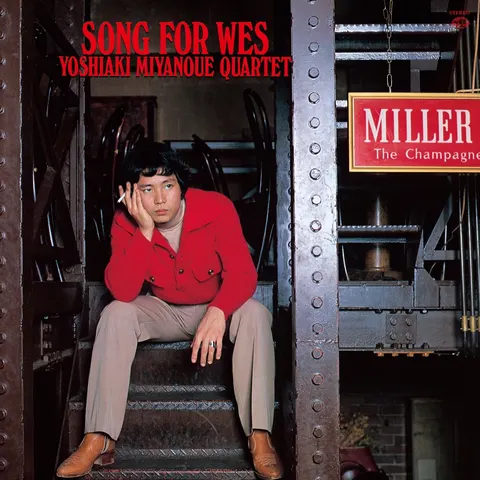
- 1988: Foxy Eyes - Yoshiaki Miyanoue
- 1988: Montage - Chiyono Yoshino
- 1988: Moon Light - Sidevision
- 1988: Transfusion - Yuji Toriyama
- 1988: Vocu - Kanako Wada
- 1989: C'est La Vie - Megumi Shiina
- 1989: Café 1984 - Keiko Kimura
- 1989: Double Face - Tomohito Aoki
- 1989: Fuck Off Die - Devils
- 1989: Half Moon - Kiyomi Suzuki
- 1989: More Thrill - Shady Dolls
- 1989: Touch The Heart - Hiroshi Sato
- 1990: Angel Touch - Cindy
- 1990: Clear - Ken-ichiro Kikuchi
- 1990: Colors Of Love - Tomoko Fujita
- 1990: I Must Change My Life & Love For Me - Toshiki Kadomatsu
- 1990: It's Just Only Rock'n Roll - Devils
- 1990: Japaneska - The Boom
- 1990: Legacy Of You - Toshiki Kadomatsu = 角松敏生
- 1990: Love Somebody - Twiggy
- 1990: Matière = マチエール - 井上昌己 = Shoko Inoue
- 1990: Melody Go Round - Masahiro Andoh
- 1990: Misato・bornIV 愛と感動の超青春ライヴ - Misato Watanabe
- 1990: Odoru Ponpocorin - TF Production
- 1990: Parasail~シュールホワイトのテーマ - 角松敏生
- 1990: Princess Princess - Princess Princess
- 1990: Silhouette '90 - Mami Imazu
- 1990: Summer's - Horii Katsumi Project
- 1990: あなたが宇宙 〜By My Side〜 - 日高のり子
- 1990: フェイント勝ちね = Feint Gachine - Mika Chiba = 千葉美加
- 1990: 天使の気持ち - Cindy
- 1990: 矩形波倶楽部 - Kukeiha Club
- 1991: All Is Vanity - Toshiki Kadomatsu
- 1991: Crocodile Tears - Bad Messiah
- 1991: Galaxy Girl - Toshiki Kadomatsu
- 1991: Higher Self = ハイヤー・セルフ - Kyosuke Himuro = 氷室京介
- 1991: Jessica - Ribbon
- 1991: Les Filles = レ・フィーユ - Qlair = クレア
- 1991: No One Sees No One Hears No One Speaks - Pearl
- 1991: Points-3 - Amii Ozaki = 尾崎亜美
- 1991: Pop The Top! - Miho Morikawa
- 1991: Sky Cruisin' - Horii Katsumi Project
- 1991: Solid Brass - Yoichi Murata
- 1991: この駅から・・・ - Toshiki Kadomatsu
- 1991: 冬の予感 - 藤田朋子
- 1992: 1992 Nouvelle Vague - Seiko Matsuda
- 1992: Cute = キュート - Mikiko Noda = 野田幹子
- 1992: Dance Upon A Time - Naoya Matsuoka
- 1992: Docile - Yumi Tanimura
- 1992: Freestyle - 森川美穂
- 1992: Jade - Jimsaku
- 1992: No Exit = 出口なし - Junko Miyagi = 宮城純子
- 1992: Nudist - Yoko Oginome
- 1992: Perfect Selection Gradius 第2章 - コナミ矩形波倶楽部
- 1992: Quiet Life = クワイエット・ライフ - Mariya Takeuchi = 竹内まりや
- 1992: R753 - Ribbon
- 1992: Sanctuary - Qlair
- 1992: Somos Diferentes - Orquesta De La Luz
- 1992: Sound Locomotive - Motoaki Furukawa
- 1992: あるがままに - 角松敏生
- 1992: ヌーベルヴァーグ -G.S.M. Taito 7- = Nouvelle Vague -G.S.M. Taito 7- - Zuntata
- 1993: A Time For Love - Seiko Matsuda
- 1993: Alquimist - Carlos Toshiki
- 1993: Dancin’ To Solid Brass - Solid Brass
- 1993: Gunstar Heroes = ガンスターヒーローズ - NON
- 1993: KM 93.11 - dip in the pool
- 1993: Neo History = ネオ・ヒストリー - Junko Ohashi = 大橋 純子
- 1993: Solid Brass II - Yohichi Murata
- 1993: Wind Loves Us - Jimsaku
- 1993: どんなに打ちのめされても - 橘いずみ
- 1993: 恋人になりたい = Koibito Ni Naritai - 遠藤響子 = Kyoko Endo
- 1993: 海へたどりつくルート = Route For The Sea To Follow - 近藤千鶴 = Chizuru Kondo
- 1994: Beach Hippies - Brand New Omega Tribe = BNOT
- 1994: Beyond The Light... - To Be Continued
- 1994: Impressions = インプレッションズ - Mariya Takeuchi = 竹内まりや
- 1994: Make Merry - Yuzo Hayashi
- 1994: Puff - Sara Hamamoto
- 1994: Rockman X - Alph Lyla with Toshiaki Ohtsubo
- 1994: The First Question Award - Cornelius
- 1994: Try This At Home - Various
- 1994: 別冊モダチョキ臨時増刊号 - モダンチョキチョキズ
- 1994: 心田 - 倫永亮
- 1995: Hadaka De Aimashou = 裸であいましょう - Cano Caoli
- 1995: Wind Climbing - Aki Okui
- 1995: 両想いのススメ - Gen Taneichi = 種市 弦
- 1995: 禁じられた生きがい - Yasuyuki Okamura
- 1996: Double Edge - Yohichi Murata Solid Brass
- 1996: H2O - Kome Kome Club
- 1997: What's Bop? - Yoichi Murata Solid Brass
- 1998: Cowboy Bebop - The Seatbelts
- 1998: Cowboy Bebop = カウボーイ ビバップ - Yoko Kanno = 菅野よう子, The Seatbelts = シートベルツ
- 1998: Cowboy Bebop: No Disc - The Seatbelts
- 1998: Cowboy Bebop: No Disc = カウボーイビバップ オリジナルサウンドトラック2 No Disc - Yoko Kanno = 菅野よう子, The Seatbelts = シートベルツ
- 1998: Live At Roppongi Pit Inn - Masato Honda B.B.Station
- 1998: Welcome To My Life - 村上"ポンタ"秀一
- 1998: 永遠 - Origa
- 1999: 999.9 (Four Nine) - Various
- 1999: F-Zero X Guitar Arrange Edition - Ryuichi Katsumata, Taro Bando
- 1999: Historia De La Luz - Orquesta De La Luz
- 1999: Soul Lovers - Soul Lovers
- 1999: Voices Under The Water / In The Hall - Toshiki Kadomatsu
- 1999: ふわり - Megumi Hayashibara
- 2000: Experience - Tomohito Aoki
- 2000: Memories Of Bill Evans (A Tribute To Bill Evans) - Various
- 2000: New Age Channel - Soul Lovers
- 2001: Cowboy Bebop: Future Blues - The Seatbelts
- 2001: Cowboy Bebop: Knockin' On Heaven's Door (O.S.T. Future Blues) - The Seatbelts
- 2001: Future Blues - Yoko Kanno, The Seatbelts
- 2001: 幻想水滸伝音楽集 - 難波弘之, 野獣王国
- 2002: Cowboy Bebop CD Box - The Seatbelts
- 2002: Four Of A Kind - Four Of A Kind
- 2002: Introducing - Four Of A Kind
- 2002: Live At Blue Note Tokyo And Osaka Blue Note - Four Of A Kind
- 2002: Ray Parker Jr. With State Of The Rhythm - Ray Parker Jr. With State Of The Rhythm
- 2002: 秋そばにいるよ - Aiko
- 2003: Summer 4 Rhythm - Toshiki Kadomatsu
- 2004: 2 - Four Of A Kind
- 2004: Cowboy Bebop: Tank! The! Best! - Yoko Kanno & Seatbelts
- 2004: Ghost In The Shell: Stand Alone Complex O.S.T. 2 - Yoko Kanno
- 2004: Message En Rouge + Anniversaire - Carole Serrat
- 2004: Songs And Melodies - Soul Bossa Trio
- 2004: 疾風乱舞 -Episode II- - Da Pump
- 2005: Boy Meets Girl - Dream
- 2005: Cowboy Bebop: Tank! The! Best! - Yoko Kanno & Seatbelts
- 2005: The Selection Of Salt - Satoru Shionoya
- 2005: 夢の中のまっすぐな道 - Aiko
- 2006: Angel Heart Original Soundtrack = エンジェル・ハート オリジナル・サウンドトラック - Taku Iwasaki = 岩崎琢
- 2006: Chronochroma - Nozomu Kumagai
- 2006: Fine - Kaori Kobayashi
- 2006: Wild Arms Music The Best -Rocking Heart- - Michiko Naruke
- 2007: Bmg魂 apr.2007 - Various
- 2007: Castle In The Air - Castle In The Air
- 2007: Cosmicolor - m-flo
- 2007: Ever - Jun Kajiwara
- 2007: Jazz'n Out - Marlene Meets Masato Honda B.B.Station
- 2007: Time - Arashi
- 2007: ジルデコ - JiLL-Decoy association
- 2008: 3rd - Battle Jazz Big Band Conducted By Osamu Yoshida
- 2008: Across The Groove - Fourplay Featuring Masato Honda
- 2008: Love Letter - Ai Otsuka
- 2008: 鉄腕バーディー Decode Original Soundtrack - 菅野祐悟
- 2009: Evangelion Wind Symphony 01 - Shiro Sagisu
- 2009: Jazz Impression - Kazumi Watanabe
- 2009: My Dear Musiclife - Tetsuo Sakurai
- 2009: Napple Tale 怪獣図鑑 - Yoko Kanno
- 2009: Pandora Hearts Original Soundtrack 1 - Yuki Kajiura
- 2009: Pandora Hearts Original Soundtrack 2 - Yuki Kajiura
- 2009: 男と女2 -Two Hearts Two Voices- - Junichi Inagaki
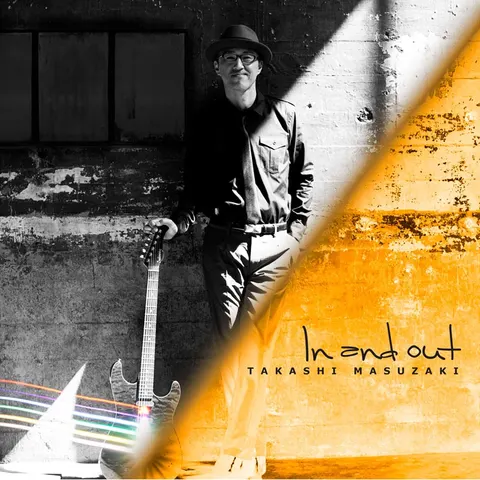
- 2011: In And Out - Takashi Masuzaki
- 2011: Stone Cold - FictionJunction
- 2012: Ask DNA (Cowboy Bebop -Knockin'On Heaven's Door-) = Ask DNA (カウボーイビバップ -Knockin'On Heaven's Door-) - Seatbelts
- 2012: Kids On The Slope (Original Soundtrack Plus More & Rare) - Various
- 2013: Lyrics - Takeshi Nakatsuka
- 2013: Tokio Covers - Hiroshi Takano
- 2014: The World! Evangelion Jazz Night =The Tokyo III Jazz Club= - Shiro Sagisu
- 2015: Sound! Euphonium Original Soundtrack: Memories of Music - Akito Matsuda
- 2015: Universal Sound Message June & July 2015 - Various
- 2015: ハートクチュール = Heart Couture - Chay
- 2016: 20世紀の逆襲 - 上坂すみれ
- 2016: Activeraid 2nd O.S.T. - 中川幸太郎
- 2016: Eye - Nakatsuka Takeshi
- 2016: SEDAR - Sedar Chin
- 2017: Iterations - Jonathan Lundberg
- 2017: Sea Is A Lady 2017 - Toshiki Kadomatsu
- 2017: Square Enix Jazz -Final Fantasy- = スクウェア・エニックス ジャズ ―ファイナルファンタジー― - Eijiro Nakagawa, Ryu Kawamura
- 2017: TVアニメ『ACCA13区監察課』オリジナルサウンドトラック "Smoke And Mirrors" = ACCA Jusan-ku Kansatsu-ka Original Soundtrack "Smoke And Mirrors" - 高橋 諒
- 2018: 17才が美しいなんて、誰が言った。 - JUNNA
- 2018: Breath From The Season 2018~Tribute to Tokyo Ensemble Lab~ - Toshiki Kadomatsu
- 2018: The Games -East Meets West 2018- - Minoru Mukaiya
- 2019: Acoustic Weather Report 2 - Acoustic Weather Report
- 2019: Area - Dezolve
- 2019: Don't Stop Me Now
Cornerstones EP- Chikuzen Satō - 2019: ラジオな曲たち II - 南佳孝
- 2020: Dynamogenic - Senri Kawaguchi
- 2020: Gundam Song Covers 2 - 森口博子
- 2020: 蓮の花がひらく時 - 柴田 淳
- 2021: Cowboy Bebop: Soundtrack From The Netflix Series - Extended - Y.K. & Seatbelts
- 2021: In My World - Maoki Yamamoto = 山本真央樹
- 2021: Re:Sense - King & Prince
- 2021: どぉなっちゃってんだよ - 岡村靖幸
- 2022: Gundam Song Covers 3 - Hiroko Moriguchi = 森口博子
- 2022: Inherit The Life - Toshiki Kadomatsu
- 2022: Unforgotten Saga - Izumi Hirotaka & Friends
- 2022: 東京SNG - Shingo Katori
- 2023: Cowboy Bebop LP-Box - The Seatbelts
- 2023: Parade - 中塚武
- 2023: Rockman X Arranged - Alph Lyla and Toshiaki Ohtsubo
- 2023: U30 Contract - Takashi Utsunomiya Anthology 1992-2023 - Takashi Utsunomiya
- 2024: A Night In New York - Asako Toki
- 2024: Magic Hour ~Lovers At Dusk~ - Toshiki Kadomatsu
- 2024: Tiny Scandal - Toshiki Kadomatsu
- 2024: Tonight / Half Moon - Yumi Tanimura
- 2024: 残夢 - Ado
- 2025: Adoのベストアドバム - Ado
- 2025: Blue Horizon - Eric Miyashiro
- 2025: Forgotten Shores - Toshiki Kadomatsu
- 2025: Super Mario RPG Original Sound Box = スーパーマリオRPG Original Sound Box - Yoko Shimomura
- 2025: Super Mario RPG Original Soundtrack - Yoko Shimomura
- 2026: Tank! Extended - Yoko Kanno & The Seatbelts
- n.d.: Mazda/Next Veículos - Japão Contemporâneo - Various
- n.d.: 天地無用!魎皇鬼のクリスマス = TenchiMuyo! Ryo Oh Ki Christmas Album - Various
Also credited as a performer on the Yoko Kanno and The Seatbelts soundtracks Cowboy Bebop (Victor VICL-60201, 21 May 1998) and Future Blues (Victor VIBL-38, 7 November 2001, tracks 2 to 6): Spotify - Cowboy Bebop Original Soundtrack.
Discogs describes Masato Honda Group (artist 5084532) as the saxophone ensemble he usually leads within The Seatbelts, with Shigeo Fuchino, Naruyoshi Kikuchi, Osamu Koike, Masakuni Takeno and Takuo Yamamoto.
- T-Square - his band from 1991 to 1997 and a guest in the 2020s. Discogs credits him on Live "Farewell & Welcome" (1991), New-S (1991), Human (1993) and Miss You in New York (1995), and he plays on Wish (2022) and Welcome Back, Masato Honda! (2023).
- Shuichi "Ponta" Murakami - drummer on Honda's Illusion (2000), and Honda plays alto saxophone on four tracks of Murakami's Welcome to My Life (1998).
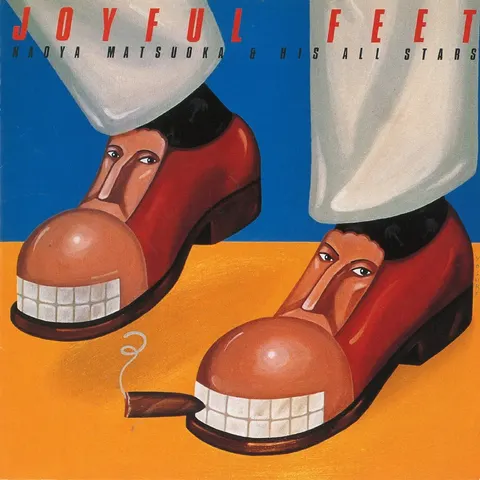
- Naoya Matsuoka - Honda plays alto saxophone on five tracks of Matsuoka's Dance Upon a Time (Warner, 1992).
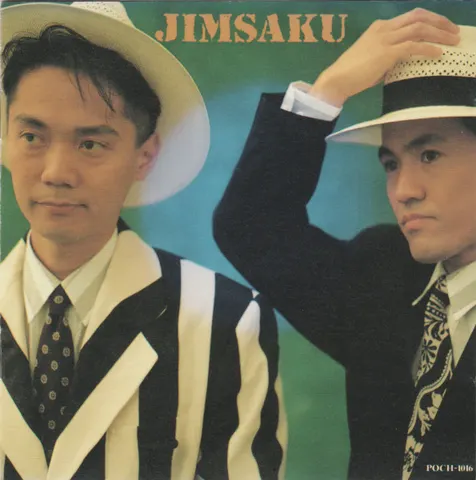
- Jimsaku - Honda plays alto, soprano and tenor saxophones and flute on Wind Loves Us (Polydor, 1993).
- Tetsuo Sakurai - bass on Honda's Solid State Funk (2009); Sakurai also plays bass on Wind Loves Us (1993) and on Senri Kawaguchi's Dynamogenic (2020), both of which feature Honda.
- Kazumi Watanabe - Honda plays soprano saxophone on a track of Watanabe's Jazz Impression (EWE, 2009).
- Toshiyuki Honda - a different saxophonist who is credited with Honda on Wind Loves Us (1993).
- Bob James - grand piano and keyboards on Across the Groove (2008) and piano and keyboards on Solid State Funk (2009).
- Harvey Mason and Nathan East - drums and bass on Across the Groove (2008).
- Jun Kajiwara, Hiroyuki Noritake, Tomohito Aoki, Keiji Matsumoto - the core of his fusion band on What Is Fusion (2001) and Assemble a Crew (2004).
- Satoru Shionoya, Tomohito Aoki and Takashi Numazawa - his partners in Four of a Kind (2002 to 2004).
- Eric Miyashiro - trumpeter and flugelhorn player on B.B.Station's Live at Roppongi Pit Inn (1998), and the partner on Blue Horizon (2025) and the Yokosuka concert booked for January 2027.
- Hirotaka Izumi - T-Square keyboardist and composer. Both men are credited on Megalith (Columbia, 1992), where Izumi wrote four tracks and Honda one, and Izumi plays piano on "Turning of the Dream" on Honda's Growin' (A-Pro C&C, 1998).
- Takeshi Itoh - the T-Square saxophonist he replaced in 1991.
- Satoshi Bandoh - T-Square drummer since the end of 2004; both are credited on Vento de Felicidade (2023).
- Nobuo Hara - the bandleader whose Sharps & Flats he joined in 1985.
- Yoko Kanno and The Seatbelts - Cowboy Bebop (1998) and Future Blues (2001).
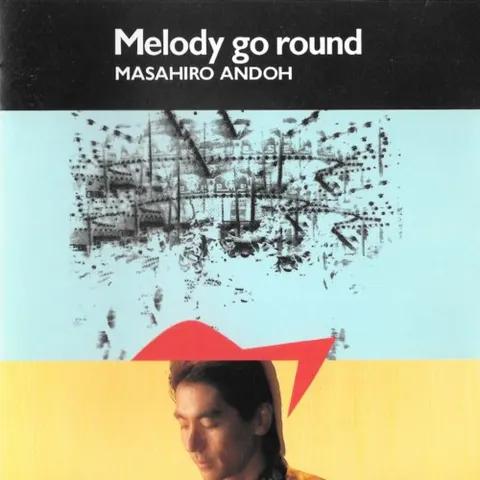
- Masahiro Andoh - T-Square's founder and guitarist; Honda plays saxophone on four tracks of Andoh's solo album Melody Go Round (CBS/Sony, 1990) and is credited with him on T-Square's Megalith (1992).
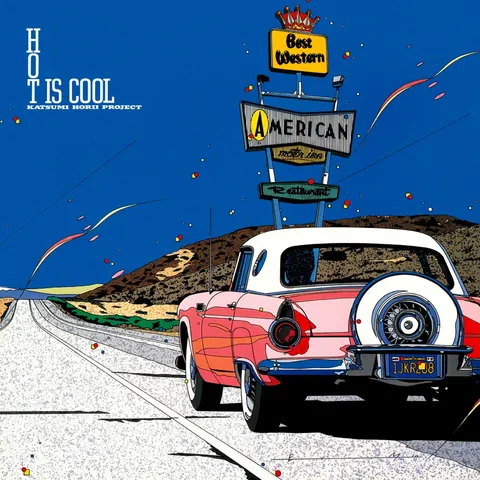
- Katsumi Horii - keyboardist, composer and leader of the Horii Katsumi Project; Honda is credited on saxophone on its album Sky Cruisin' (Air Records, 1991), and Japanese Wikipedia lists him among the participants on Summer's (1990).
- Miku Yonezawa - tenor saxophonist and flautist; she and Honda are both credited on "Blue Horizon," "Catch the Rainbow" and "Spain" on Eric Miyashiro's Blue Horizon (2025).
- Luna Watanabe - alto saxophonist and flautist; she and Honda are both credited on "Blue Horizon", "Catch the Rainbow" and "Spain" on Eric Miyashiro's Blue Horizon (2025).
- Mitsuru Sutoh - T-Square bassist through Honda's years in the band and a regular in his own groups; Discogs credits him on bass on Growin' (1998), Crowded Colors (2003), Masato Honda With Voice Of Elements (2006) and Saxes Street (2015).
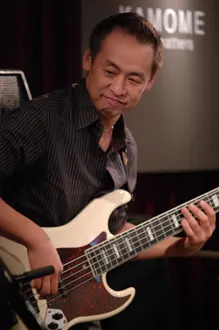
- Takashi Masuzaki - guitarist and Dimension leader; Honda plays saxophone on Masuzaki's solo album In and Out (Zain Records, 2011).
- Takahiro Miyazaki - his successor in the T-Square saxophone chair in 1998; both are credited on saxophone on "Japanese Soul Brothers," the bonus-disc studio recording on Gravity (1998), alongside Takeshi Itoh.
- Yuji Toriyama - Honda plays alto saxophone on Toriyama's Transfusion (CBS/Sony, 1988); Toriyama is one of the guitarists on Honda's Solid State Funk (2009), and both are credited on T-Square's Vento De Felicidade (2023).
- Yoshiaki Miyanoue - guitarist; Honda is credited on synthesizer on Miyanoue's Foxy Eyes (Toshiba EMI, 1988).
More Jazz Fusion Artists
See all 351 Jazz Fusion artists →More Japanese Jazz Artists
See all 262 Japanese artists →- Wikipedia: Masato Honda
- Wikipedia (Japanese): 本田雅人
- Wikidata: Q11286968
- Discogs: Masato Honda, artist 296777
- Discogs: Four Of A Kind, artist 5172114
- Billboard Japan: 本田雅人と中川英二郎が【かわさきジャズ2020】で共演
- Blue Note Tokyo: Masato Honda B.B.STATION Big Band Night, live report (July 2019)
- eplus: 本田雅人 upcoming performances
- Flickr: Montreux Jazz Festival Japan in Kawasaki 2012 notice board (CC BY 2.0)
- Wikimedia Commons: File:Masato Honda, 2020.png
- Discogs: Across The Groove, RCA BVCJ-34035, 2008
- Discogs: Illusion, JVC VICJ-60553, 2000
- Discogs: New-S, T-Square, 1991