 JAZZPROFILES lives in the music 3,006 Jazz Artists fully Profiled!
Leo Mathisen
Last updated November 18, 2026
Listen on Spotify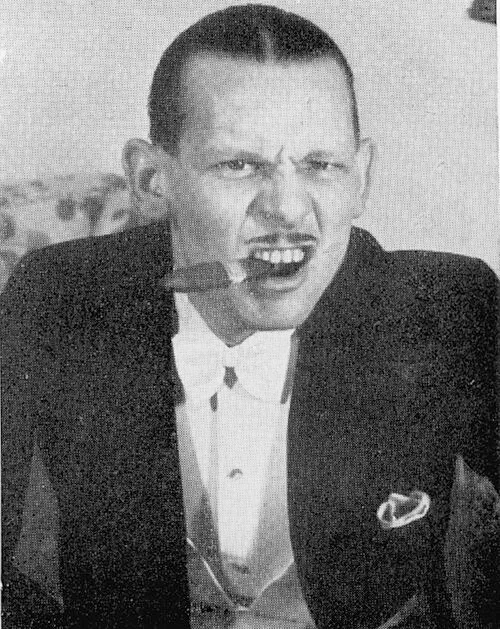
Leo Mathisen (1906 to 1969), Danish jazz pianist, in a photograph reproduced in Otto Lington's book *Jazz skal der til* (Copenhagen, 1941). Public domain in Denmark. The Wikimedia Commons file page uses the PD-Denmark50 tag: under section 91(5) of the Danish Consolidated Act on Copyright (2010), photographs that are not "photographic works" and were created before January 1, 1970 are not protected. The Commons page carries no separate United States public-domain tag. — Wikimedia Commons, https://commons.wikimedia.org/wiki/File:Leo_Mathisen.jpg (uploaded August 26, 2008; the file is the image used on the English Wikipedia article)

Leo Mathisen was a Danish pianist, singer, composer, arranger and bandleader, born Hans Leo Mathiassen in Copenhagen on October 10, 1906, and known to his audience as "Leo the Lion". English Wikipedia counts him a leading figure of the Danish scene around the Second World War, the period often called the Golden Age of Danish Jazz. Dansk Biografisk Leksikon says he started on the piano as a boy and, before music became his living, managed Gravengaards Musikforretning, a Copenhagen music shop popular with the city's dance musicians. From 1922 to 1923 he played in an amateur quintet that was broadcast on the radio in 1924, which the same source calls the first Danish jazz ensemble to be transmitted.
In 1927 he left business for good. That year he made his first record, accompanying the singer Victor Cornelius on "The More We Are Together", and he became the intermission pianist in Kai Ewans's orchestra at the Arena. In the autumn he formed the trio We Three with the violinist Otto Lington and the drummer Anker Skjoldborg at the Adlon nightclub, and the Danish Jazz Discography lists a duo session by Lington and Mathisen (piano and goofus) in the summer of 1928. From 1928 to 1931 he worked in Germany and Sweden with Max Lefkos's orchestra, briefly played with Kaj Julian, and from 1932 to 1936 belonged to Erik Tuxen's orchestra, where his arrangements helped shape the band's sound. In August 1936 Benny Carter recorded in Copenhagen with Kai Ewans's orchestra, and the Danish Jazz Discography credits Mathisen with arrangements on "Bugle Call Rag" and "Memphis Blues"; Carter was still praising him as pianist and arranger in 1980, according to Dansk Biografisk Leksikon. The critic Timme Rosenkrantz called him "the Danish Benny Carter", and in 1938 a Mathisen composition first published in the United States in 1935, "Anytime", was recorded as "Is This To Be My Souvenir" by American musicians Rosenkrantz had gathered.
After Tuxen's orchestra broke up in 1936 he led his own groups until 1951. His first sessions under his own name in the Danish Jazz Discography are from October 1937 and January 1938, as Leo Mathisen's Band at the Ciro Club, for HMV, with the vocalist Grete Hemmeshøj Frederiksen. The recordings that made his reputation came in the occupation years. On July 26, 1940 he played piano in a Copenhagen session for the American trumpeter and singer Valaida Snow with Winstrup Olesen's Swingband; Dansk Biografisk Leksikon says she was the soloist on four sides, including the first recording of his "Take It Easy", and the Norwegian singer Cecil Aagaard fronted eight others. His own orchestra's Odeon recordings, as listed in the Danish Jazz Discography, begin in March 1941 with "Anita" and "I Cover the Waterfront", followed by "Take It Easy" in September 1941 (the discography marks the date as uncertain) and "To Be or Not to Be" that November. The band on those later sessions included the trumpeter and singer Erik Parker, the tenor saxophonist Henry Hagemann, the guitarist Børge Ring, the bassist Carlo Jensen and the drummer John Steffensen. Dansk Biografisk Leksikon rates his version of "Anita" as equal to the original by Fats Waller. In July 1942 he recorded "Long Shadows" with an eleven-piece studio orchestra, a showcase for his arranging, and in November 1942 "Hot Spot Blues" and "How-How". "Crazy Boogie Woogie" (September 1943) was made with a larger band that Danish sources call his wish orchestra ("ønskeorkester").
Through the occupation he played regularly at Restaurant München in Copenhagen and in the Glassal at Tivoli, where he built a loyal audience. English Wikipedia says that when he was forbidden to sing in English he turned to scat singing with a distinctive Copenhagen-English sound, and a 2022 public radio feature describes him as a cigar-smoking showman on the Waller model whose club nights felt like America. He appeared as himself in the films 5 raske piger (1933), 7-9-13 (1934), Teatertosset (1944) and Mit liv er musik (1944), and the Danish Jazz Discography has Svend Asmussen playing violin on the Mit liv er musik soundtrack session, which it dates to November 1944. On September 8, 1944 his orchestra recorded "Take the A Train", written by Billy Strayhorn for Duke Ellington, his own "Eps" and "De 24 røvere", the Danish version of a Waller tune with lyrics by Erik Parker.
After the war he toured Scandinavia and Germany, backed popular singers, and recorded for Tono, among them covers of American hits of the day such as Lionel Hampton's "Hey! Ba-Ba-Re-Bop" (1947), and with Erik Parker he wrote Danish lyrics for songs including "The Key's in the Mailbox". According to Discogs, on January 26, 1950 Coleman Hawkins was the tenor soloist with Mathisen's orchestra, with Mathisen on piano, on "The Man I Love" and "It's the Talk of the Town", recorded at Odd Fellow Palæet in Copenhagen and issued on the Circle label in 1951. From 1951 he played as a solo pianist around Denmark, and in spring 1953 he withdrew from music for health reasons. He passed away in Ballerup on December 16, 1969, and is buried at Mariebjerg Cemetery in Gentofte. His records have stayed in print since: Little Beat Records reissued them in a series from 2006, Storyville issued the 1944-1948 collection in 2007, and Naxos put out Greatest Hits, Original Recordings 1941-1944 in 2002. The 1986 Danish film Take It Easy, named after his best-known song, has Eddie Skoller playing him. The Leo Mathisen Prize, awarded annually since 2009 by DR Big Band and the association How How, honors a Danish jazz musician rooted in the golden-age jazz he represented. Among its recipients are Ib Glindemann, Tomas Franck and Alex Riel (2017).
Mathisen's main model, according to English Wikipedia, was Fats Waller, in his piano playing and in his singing, though bebop influences show up in his later years. Dansk Biografisk Leksikon singles out his improvisation, rhythmic drive and arranging, and Lex adds that he was a lively entertainer with a surreal, baroque sense of humor. His own vocals, sung, spoken and scatted, run through the records, and Danish lyrics by Erik Parker sit beside the American standards and his own songs. His recordings from about 1941 to 1943 are widely regarded as the finest Danish swing, and "Long Shadows", with its larger studio orchestra, is the usual example of his original arranging. Lex ranks him among the most important and original jazz artists of his time, and the prize that carries his name is given to Danish jazz musicians.
- "Take It Easy" / "What Shall I Say" (1941, Odeon D 504) - his best-known song, recorded in September 1941 by a band that included Erik Parker, Henry Hagemann, Børge Ring, Carlo Jensen and John Steffensen; the Danish Jazz Discography marks the date as uncertain. Also on Leo Mathisen: Take It Easy. Listen
- "Anita" / "I Cover the Waterfront" (1941, Odeon D 481) - from the March 1941 session, with Mathisen singing "Anita", the number Dansk Biografisk Leksikon rates as equal to Waller's original. Compilation: Take It Easy. Listen
- "To Be or Not to Be" / "Little Girl" (1941, Odeon D 513) - recorded November 11, 1941; "To Be or Not to Be" is, with "Take It Easy", named by English Wikipedia as his most famous song. Compilation: To Be or Not to Be: 1941-42. Listen
- "Long Shadows" / "Terrific Rhythm" (1942, Odeon D 820) - recorded July 13, 1942 with an enlarged orchestra, the piece Lex and English Wikipedia cite as the example of his arranging. Compilation: How How. Listen
- "Hot Spot Blues" / "How-How" (1942, Odeon D 847) - recorded November 17, 1942, with Mathisen and the band singing on "How-How". Compilation: How How. Listen
- "Crazy Boogie Woogie" (1943, Odeon D 913) - a two-part boogie-woogie feature for his wish orchestra, recorded September 28, 1943. Compilation: Take It Easy. Listen
- "Take the A Train" / "Eps" (1944, Tono Z 18013) - the larger band of September 1944, playing Billy Strayhorn's tune and his own "Eps". Both also appear on the Storyville collection Leo Mathisen 1944-48 (Storyville, 2007).
- Valaida Snow with Winstrup Olesen's Swingband, "You're Driving Me Crazy" / "Take It Easy" (1940, Ekko 280) - the July 26, 1940 session on which Mathisen plays piano behind the American trumpeter and singer.
Leo Mathisen: Full Discography
Danish pianist, singer, composer and bandleader, born October 10, 1906 in Copenhagen. Discogs lists Leo Mathisen as artist 1003836 and files his orchestras under separate entries (Leo Mathisens Orkester, Leo Mathisens Ønskeorkester and Leo Mathisens Band, among others). Almost all of his own records were issued as 78 rpm singles between 1937 and 1948, so this list gives the singles as sessions, drawn from the Danish Jazz Discography 1900-1944 of the Center for Dansk Jazzhistorie (dates, matrices and personnel), with catalog numbers and years for the later singles and the LP and CD issues from Discogs release pages. It is a selection of the best-documented recordings rather than every title. Where a detail could not be checked the cell reads "Not confirmed". A fuller list is on Discogs.
78 rpm records and sessions as leader (selection)
| Record | Year | Label and catalog | Personnel | Notes | Listen | Buy |
|---|---|---|---|---|---|---|
| Toodle-Oo / Buksetrold (Leo Mathisen's Band, Ciro Club) | 1937 | HMV, X 4970 and X 4971 (78 rpm) | Ragnar Ballieu Petersen (clarinet, tenor saxophone), Kai Mortensen (violin), Leo Mathisen (piano, celeste, vocals), Berthel Skjoldborg (guitar), William Svendborg (bass), Grete Hemmeshøj Frederiksen (vocals) | Recorded October 20, 1937 in Copenhagen; the earliest sessions under his own name in the Danish Jazz Discography. | not found | - |
| Anytime / You Can't Stop Me from Dreaming, Roser i december / Stakkels lille klovn | 1938 | HMV, X 6011 and X 6013 (78 rpm) | Same band with Helge Rungwald added on vocals | Recorded January 11, 1938; the Danish Jazz Discography lists the vocalists by title. | not found | - |
| Banjo, guitar og gårdsang / Man bli'r saa køn af kærlighed | 1938 | HMV, X 6133 and X 6132 (78 rpm) | Erik Parker (trumpet), Ragnar Ballieu Petersen (tenor saxophone), Kai Mortensen (violin), Leo Mathisen (piano), a guitarist (Svend Hauberg or possibly Helge Jacobsen), William Svendborg (bass), probably Olaf Jepsen (drums), with vocal groups | Recorded August 25, 1938; the Danish Jazz Discography lists parts of the personnel as unknown or uncertain. | not found | - |
| I Cover the Waterfront / Anita | 1941 | Odeon, D 481 (78 rpm) | Erik Parker (trumpet, vocals), Børge Roger Henrichsen (trumpet), Børge Holm (alto saxophone, clarinet), Peter Sieben (tenor saxophone), Leo Mathisen (piano, arrangements, vocals), Helge Jacobsen (guitar, vocals), Carlo Jensen (bass), Erik Frederiksen (drums) | Recorded March 1941. "Anita" was Mathisen's vocal feature; Dansk Biografisk Leksikon rates it as equal to Fats Waller's original. | Apple Music: Take It Easy | - |
| Stormy Weather / Pardon Me, Pretty Baby | 1941 | Odeon, D 482 (78 rpm) | Same band as D 481 | Recorded March 1941; Helge Jacobsen sings with the band on "Stormy Weather". | not found | - |
| Take It Easy / What Shall I Say | 1941 | Odeon, D 504 (78 rpm) | Erik Parker (trumpet, vocals), Tage Rasmussen (trumpet), Henry Hagemann (tenor saxophone, clarinet), Peter Sieben (tenor saxophone), Leo Mathisen (piano, arrangements, vocals), Børge Ring (guitar), Carlo Jensen (bass), John Steffensen (drums) | Recorded in September 1941; the Danish Jazz Discography marks the date as uncertain. Mathisen sings "Take It Easy", with spoken dialogue by Mathisen and Parker on that title and on "I Want to Be Happy". | Apple Music: Take It Easy | - |
| Laughing Up My Sleeve (Ha-Ha-Ha) / I Want to Be Happy | 1941 | Odeon, D 505 (78 rpm) | Same band as D 504 | Same session as D 504. | not found | - |
| To Be or Not to Be / Little Girl | 1941 | Odeon, D 513 (78 rpm) | Erik Parker (trumpet, vocals), Tage Rasmussen (trumpet), Cosper Cornelius (clarinet, alto and baritone saxophone), Henry Hagemann (tenor saxophone, clarinet), Valdemar Nielsen (tenor saxophone), Leo Mathisen (piano, arrangements, vocals), Børge Ring (guitar), Carlo Jensen (bass), John Steffensen (drums) | Recorded November 11, 1941. English Wikipedia names "To Be or Not to Be" with "Take It Easy" as his most famous songs. | Apple Music: To Be or Not to Be: 1941-42 | - |
| Corrine Corrina / By the Fireside | 1941 | Odeon, D 514 (78 rpm) | Same band as D 513 | Same session as D 513. | Apple Music: To Be or Not to Be: 1941-42 | - |
| Lonely Cabin / A Wee Bit of Swing | 1941 | Odeon, D 515 (78 rpm) | Leo Mathisen (piano solos) | Recorded November 12, 1941. | Apple Music: To Be or Not to Be: 1941-42 | - |
| Harlem / It's the Talk of the Town, Whisper Sweet / I Wonder Where My Baby Is Tonight | 1942 | Odeon, D 520 and D 521 (78 rpm) | Erik Parker (trumpet, vocals), Cosper Cornelius (clarinet, alto and baritone saxophone), Henry Hagemann (tenor saxophone, clarinet), Leo Mathisen (piano, arrangements, vocals), Børge Ring (guitar), Carlo Jensen (bass), John Steffensen (drums), with extra brass and reeds on two titles | Recorded January 23, 1942. | Apple Music: To Be or Not to Be: 1941-42 | - |
| Ain't She Sweet / It All Depends on You | 1942 | Odeon, D 776 (78 rpm) | Leo Mathisen (piano, vocals) | Recorded January 29, 1942. | Apple Music: How How | - |
| Tippin' at the Terrace / Ah-Ha, My Baby Just Cares for Me / Jungle Party | 1942 | Odeon, D 791 and D 792 (78 rpm) | Erik Parker (trumpet, vocals), Henry Hagemann (tenor saxophone, clarinet), Leo Mathisen (piano, arrangements, vocals), Børge Ring (guitar), Carlo Jensen (bass), John Steffensen (drums) | Recorded April 29, 1942, with extra trumpets, tenor saxophone, baritone saxophone and trombone on two titles. | Apple Music: How How | - |
| Believe It Beloved / Dr. Heckle and Mr. Jibe; Josephine / Walking Skies | 1942 | Odeon, D 804 and D 827 (78 rpm) | Leo Mathisen and Kjeld Bonfils (pianos), Erik Frederiksen (drums) on D 804; Mathisen and Bonfils (pianos) on D 827 | Two-piano sides recorded April 29 and October 2, 1942. | not found | - |
| Long Shadows / Terrific Rhythm, Got a Red Nose / Call It What You Like | 1942 | Odeon, D 820 and D 821 (78 rpm) | Erik Parker (trumpet, vocals), Henry Hagemann (tenor saxophone, clarinet), Leo Mathisen (piano, arrangements, vocals), Børge Ring (guitar), Carlo Jensen (bass), John Steffensen (drums); on "Long Shadows" and "Terrific Rhythm" the band is enlarged with extra trumpets, trombone, clarinet and tenor saxophone | Recorded July 13, 1942. "Long Shadows" is the piece Lex and English Wikipedia cite as an example of his arranging. | Apple Music: How How | - |
| Leo's Idea / We're Muggin' Lightly, Hot Spot Blues / How-How | 1942 | Odeon, D 846 and D 847 (78 rpm) | Erik Parker (trumpet, vocals), Poul Clemensen (clarinet, alto and baritone saxophone), Henry Hagemann (tenor saxophone, clarinet), Leo Mathisen (piano, arrangements, vocals), Helge Jacobsen (guitar), Carlo Jensen (bass), John Steffensen (drums) | Recorded November 17, 1942. On "Hot Spot Blues" Mathisen plays trombone and Børge Nordlund piano. This "Leo's Idea" is a different composition from the one broadcast in 1939. | Apple Music: How How | - |
| I Can Hop, I Can Run, Swing the Bells, Opus Hansen, Music of the Night | 1943 | Odeon, D 855 and D 856 (78 rpm) | The 1942 band with Helge Jacobsen as above, extra brass and reeds on "Music of the Night" | Recorded January 20, 1943. | Apple Music: Take It Easy | - |
| I Met Her on Monday, Watch the Birdie, My Devotion, Soft Shoe Shuffle | 1943 | Odeon, D 905 and D 906 (78 rpm) | The same band, with added brass and reeds on "I Met Her on Monday" | Recorded August 10, 1943. | Apple Music: Take It Easy | - |
| Crazy Boogie Woogie (parts 1 and 2), as Leo Mathisen med sit Ønske-Orkester | 1943 | Odeon, D 913 (78 rpm) | Erik Parker, Tage Rasmussen, Kai Hill, Leif Johansen (trumpets), Palmer Traulsen, Carl Fries (trombones), Poul Christiansen, Poul Clemensen (clarinets, alto saxophone), Henry Hagemann, Egon Esbensen (tenor saxophones), Aage Voss (baritone saxophone), Leo Mathisen (piano, arrangements, vocals), Jørn Grauengaard (guitar), Carlo Jensen (bass), John Steffensen (drums) | Recorded September 28, 1943. | Apple Music: Take It Easy | - |
| Take the "A" Train / Eps | 1944 | Tono, Z 18013 (78 rpm) | A larger band including Erik Parker (trumpet), Henry Hagemann and Knut Knutssøn (tenor saxophones), Aage Voss (baritone saxophone), Leo Mathisen (piano, arrangements), Jørn Grauengaard (guitar), Carlo Jensen (bass) and John Steffensen (drums) | Recorded September 8, 1944; the session was originally scheduled for June 28. Both titles are on the Storyville collection 1944-1948. | Apple Music: Leo Mathisen 1944-48 | - |
| I Don't Want to Walk Without You, Baby / De 24 røvere | 1944 | Tono, Z 18014 (78 rpm) | A smaller band from the same session: Erik Parker (trumpet), Poul Clemensen (clarinet, alto saxophone), Knut Knutssøn and Henry Hagemann (tenor saxophones), Aage Voss (baritone saxophone), Leo Mathisen (piano, arrangements), Jørn Grauengaard (guitar), Carlo Jensen (bass), John Steffensen (drums); "De 24 røvere" adds a third trumpeter and Mathisen's vocal with the band | Recorded September 8, 1944. "De 24 røvere" is the Danish version of a Fats Waller tune, with lyrics by Erik Parker according to English Wikipedia. | Apple Music: Leo Mathisen 1944-48 | - |
| Bugle Call Rag / Midnight in Munich | 1945 | Tono, Z 18039 (78 rpm) | Not confirmed | Year from the Discogs release page. | Apple Music: Leo Mathisen 1944-48 | - |
| Copenhagen Blues / Sentimental Journey | 1945 | Tono, Z 18043 (78 rpm) | Not confirmed | Year from the Discogs release page. | Apple Music: Leo Mathisen 1944-48 | - |
| Jive at Volga / Slow Motion | 1947 | Tono, Z 18049 (78 rpm) | Not confirmed | Year from the Discogs release page. | Apple Music: Leo Mathisen 1944-48 | - |
| Hey-Ba-Ba-Re-Bop / Five Minutes More | 1947 | Tono, Z 18051 (78 rpm) | Not confirmed | Mathisen's cover of a Lionel Hampton hit. Year from the Discogs release page. | Apple Music: Leo Mathisen 1944-48 | - |
| Near You / Painted Rhythm | 1948 | Tono, Z 18057 (78 rpm) | Not confirmed | Year from the Discogs release page. | Apple Music: Leo Mathisen 1944-48 | - |
| The Key's in the Mailbox / Makin' Whoopee | 1948 | Not confirmed | Not confirmed | Danish lyrics to "The Key's in the Mailbox" by Mathisen and Erik Parker according to English Wikipedia. Year from a Discogs master entry. | Apple Music: Leo Mathisen 1944-48 | - |
LP and CD issues of his recordings
| Album | Year | Label and catalog | Personnel | Notes | Listen | Buy |
|---|---|---|---|---|---|---|
| Take It Easy | 1963 | Odeon, MOCK 1003 (LP) | Leo Mathisen and his orchestra | Sixteen tracks from 1941 to 1943, including "Take It Easy", "Anita" and "To Be or Not to Be". | not found | - |
| How-How | 1968 | Odeon, MOCK 1005 (LP) | Leo Mathisen and his orchestra | Year from Discogs; AllMusic dates a How How album to 1963. The 2009 digital remaster is on Apple Music. | Apple Music: How How | - |
| Leo "The Lion" | Not confirmed | Odeon, MOCK 1012; EMI, 6E 062-37043M (LP) | Leo Mathisen and his orchestra | Year not shown on the Discogs release page. The 2009 digital edition carries the 1940 Cecil Aagaard sides with Mathisen on piano. | Apple Music: Leo The Lion | - |
| Den Gyldne Swingtid (Leo Mathisen, Kai Ewans, Peter Rasmussen) | 1969 | Tono, LPM 30007 (LP) | Shared album; Discogs also credits Svend Asmussen | Mathisen's tracks include the 1944 sides "Eps" and "De 24 røvere" according to the Danish Jazz Discography. | not found | - |
| "Live" i Danmarks Radio | 1989 | Harlekin, HMLP 3546 (LP) | Leo Mathisen (piano, vocals), Poul Thaulow (trumpet), Knut Knutsson (tenor saxophone, vocals), Carlo Jensen (bass), John Steffensen (drums) | A radio studio broadcast recorded July 3, 1946 at Danmarks Radio and heard the same day on the British Forces Network. | not found | - |
| Take It Easy | 1997 | Disky, DDC 882012 (CD) | Leo Mathisen and his orchestra | CD album; the Danish Jazz Discography shows this catalog number on many of the 1941 to 1943 titles. | Apple Music: Take It Easy | - |
| Greatest Hits, Original Recordings 1941-1944 | 2002 | Naxos Jazz Legends, 8.120646 (CD) | Leo Mathisen and his orchestra | Twenty-three tracks from the Odeon sessions; the release notes call it the first digital restoration (24 bit). | not found | - |
| Song of Souvenirs 1928-38 | 2006 | Little Beat Records, LBR CD 06001 (CD) | Various; Leo Mathisen (piano, vocals) | Opens with "The More We Are Together" and includes the 1928 Lington duo "Blue River" and "Wild Cow", and the 1936 Benny Carter arrangements "Bugle Call Rag" and "Memphis Blues". | not found | - |
| Leo's Idea 1938-40 | 2006 | Little Beat Records, LBR CD 06003 (CD) | Various; Leo Mathisen (piano, vocals) | Includes the 1939 live "Leo's Idea", the Valaida Snow session of July 1940 and the 1938 band sides. | not found | - |
| Take It Easy 1940-41 and Terrific Rhythm 1942-43 | 2007 and 2008 | Little Beat Records (catalog numbers not confirmed) | Leo Mathisen and his orchestra | Two volumes of the series named on Danish Wikipedia, not checked on Discogs. Apple Music carries a Little Beat volume from 2008 titled To Be or Not to Be: 1941-42. | Apple Music: To Be or Not to Be: 1941-42 | - |
| Leo Mathisen 1944-1948 | 2007 | Storyville, 102 5542 (CD) | Leo Mathisen and his orchestra | Twenty-four tracks from "Take the A Train", "Eps" and "De 24 røvere" (1944) through the Tono singles to 1948. | Apple Music: Leo Mathisen 1944-48 | - |
| Leo Mathisen 1946 (Meet the Duke) | 2013 | Little Beat Records, LBR CD 13001 (CD) | Leo Mathisen (piano), Poul Thaulow and Tage Rasmussen (trumpets), Knut Knutsson (clarinet, tenor saxophone), Carlo Jensen (bass), John Steffensen (drums) | CD with a 108-page booklet: the July 3, 1946 radio broadcast with four extra takes and a September 9, 1946 session with interviews. | not found | - |
| Leo Mathisen 1947-51 (Long Shadows) | 2015 | Little Beat Records, LBR CD 15001 (2 CDs) | Leo Mathisen and his orchestra, with Coleman Hawkins on two tracks | Boxed set with a 76-page booklet; includes the January 1950 "The Man I Love" and "It's the Talk of the Town". | Apple Music: Long Shadows: 1947-51 | - |
As accompanist, arranger and guest (selected)
| Year | Leader | Title | Label and catalog | Role | Notes |
|---|---|---|---|---|---|
| 1927 | Victor Cornelius | The More We Are Together | Polyphon (catalog number not confirmed) | Piano, goofus | Dated February 28, 1927 in the Danish Jazz Discography; the first record on which he appears. Reissued on Little Beat LBR CD 06001. |
| 1928 | Otto Lington (with Leo Mathisen) | Blue River / Wild Cow | Columbia (Denmark), J 26 (78 rpm) | Piano, goofus | Recorded in June or July 1928; reissued on Little Beat LBR CD 06001. |
| 1936 | Benny Carter with Kai Ewans's orchestra | Bugle Call Rag / Memphis Blues | HMV, X 4698 (78 rpm) | Arranger | Recorded in Copenhagen on August 25 and 29, 1936; the Danish Jazz Discography credits Mathisen with the arrangements and lists Christian Jensen on piano. |
| 1937 | Gerda and Ulrik Neumann | Star Dust / Nobody's Sweetheart, It Don't Mean a Thing / St. Louis Blues | HMV, X 4976 (78 rpm) | Piano | Accompaniment billed as "Leo Mathisen's Rytme"; recorded December 9, 1937. |
| 1938 | Timme Rosenkrantz and His Barrelhouse Barons | Is This to Be My Souvenir? / A Wee Bit of Swing | Victor (78 rpm) | Composer | Not a performing credit. Dansk Biografisk Leksikon says this was his composition "Anytime" (published in the United States in 1935) under a new title, recorded by American musicians gathered by the critic Timme Rosenkrantz. |
| 1940 | Valaida (Queen of the Trumpet) with Winstrup Olesen's Swingband | You're Driving Me Crazy / Take It Easy; I Can't Give You Anything but Love | Tono, T 21165 and T 21166; Ekko, 280 and 281 (78 rpm) | Piano | Recorded July 26, 1940 with Valaida Snow (trumpet, vocals), Kaj Møller (clarinet), Winstrup Olesen (tenor saxophone), Helge Jacobsen (guitar), Christian Jensen (bass) and Kai Fischer (drums); the first recording of "Take It Easy". |
| 1940 | Cecil Aagaard and His Swingsters | I Can't Love You Anymore, Baby Won't You Please Come Home, Nagasaki, Blues Upstairs; Marie, Exactly Like You, My Bonnie Is Over the Ocean, Chinatown | Odeon, D 423, D 424, D 444 and D 445 (78 rpm) | Piano | Eight sides recorded October 15 and November 29, 1940 with Erik Parker, Henry Hagemann, Kjeld Bonfils (vibraphone on the first session), Helge Jacobsen, Carlo Jensen and Erik Frederiksen. On the later pressing D 444 was withdrawn and replaced by D 301 because the occupation authorities banned music by Jewish composers. Apple Music: Leo The Lion. |
| 1944 | Film soundtracks (Teatertosset; the Kai Ewans film; Mit liv er musik) | To unge hjerter; Take It Easy, To Be or Not to Be, I Can Hop, I Can Run; Det er dig jeg vil jinge med, Hot Spot Blues | Little Beat Records, LBR CD 11002 (CD) | Piano, vocals | Soundtrack takes from early and spring 1944 and from the Mit liv er musik session dated November 1944, on which Svend Asmussen plays violin. |
| 1950 | Coleman Hawkins with Leo Mathisen's orchestra | The Man I Love / It's the Talk of the Town | Circle, R-3010 (78 rpm, issued 1951) | Piano; leader of the orchestra | Recorded at Odd Fellow Palæet in Copenhagen on January 26, 1950; Hawkins is the tenor saxophone soloist, with Frank Jensen (tenor saxophone), Erick "Skippy" Hansen (trumpet), Erik W. Kirschner (bass) and Gorm Lertoft (drums) uncredited on the label. Apple Music: Long Shadows: 1947-51. |
- Benny Carter - American saxophonist and arranger; Mathisen arranged for his August 1936 Copenhagen recordings with Kai Ewans's orchestra.
- Fats Waller - American pianist; his main model for both piano and singing, and the source of "De 24 røvere", which Mathisen recorded in Danish in 1944.
- Coleman Hawkins - American tenor saxophonist; American tenor saxophonist; soloist with Mathisen's orchestra in Copenhagen on January 26, 1950 ("The Man I Love" / "It's the Talk of the Town", Circle R-3010, issued 1951).
- Svend Asmussen - Danish violinist; plays on the Mit liv er musik soundtrack session of November 1944.
- Valaida Snow - American trumpeter and singer; July 26, 1940 session in Copenhagen with Winstrup Olesen's Swingband, with Mathisen on piano.
- Erik Parker - trumpeter, singer and lyricist; trumpet and second voice on the orchestra's recordings from 1938 to 1944, and the writer of Danish lyrics for several of its numbers.
- Henry Hagemann - tenor saxophonist; in the orchestra from 1939 to 1944, according to the Danish Jazz Discography.
- Børge Ring, Carlo Jensen and John Steffensen - guitarist, bassist and drummer of the orchestra at its 1941 to 1944 recording sessions.
- Kjeld Bonfils - pianist; two-piano Odeon sides with Mathisen on April 29 and October 2, 1942, including "Josephine".
- Otto Lington and Anker Skjoldborg - violinist and drummer; the trio We Three of 1927 and 1928.
- Kai Ewans, Erik Tuxen and Kaj Julian - bandleaders whose orchestras he played in or arranged for between 1927 and 1936.
- Cecil Aagaard - Norwegian singer; soloist on eight sides in 1940, according to Dansk Biografisk Leksikon.
- Victor Cornelius - singer; Mathisen accompanied him on his first record, "The More We Are Together" (1927).
- Timme Rosenkrantz - Danish jazz critic and promoter; coined the nickname "the Danish Benny Carter" and organized the 1938 American recording of Mathisen's "Anytime".
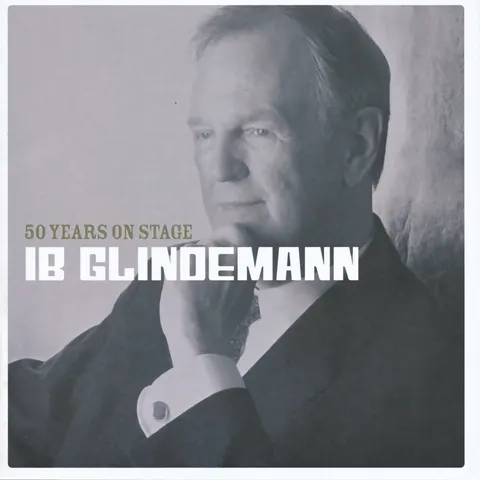
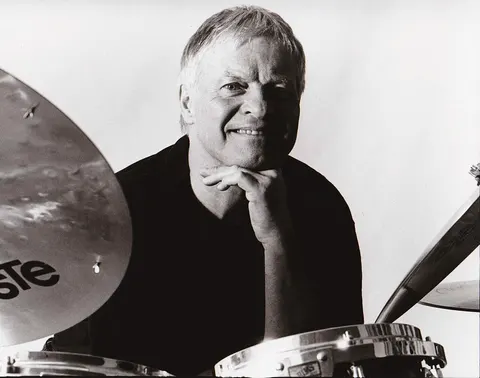
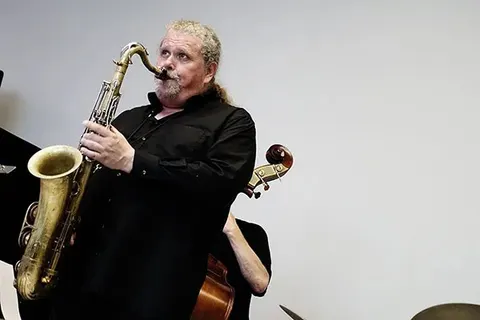
- Ib Glindemann, Tomas Franck and Alex Riel - later Danish jazz musicians honored with the Leo Mathisen Prize.
More Swing Artists
See all 363 Swing artists →More Danish Jazz Artists
See all 114 Danish artists →- Spotify artist page
- Discogs: Leo Mathisen
- AllMusic: Leo Mathisen
- MusicBrainz: Leo Mathisen
- Lex: Leo Mathisen
- Wikipedia: Leo Mathisen
- Leo Mathisen on JazzProfiles.com
- English Wikipedia: Leo Mathisen
- Danish Wikipedia: Leo Mathisen
- Lex (Den Store Danske): Leo Mathisen
- Dansk Biografisk Leksikon: Leo Mathisen
- Center for Dansk Jazzhistorie: Danish Jazz Discography 1900-1944
- DR: Leo Mathisen Prisen til trommeslageren Alex Riel, 2017
- DR: DR Big Bandet giver Leo Mathisen Prisen til Mads Mathias, 2016
- WRTI: Leo the Lion and Jazz in Denmark during the Nazi Occupation, 2022
- Discogs: Leo Mathisen and the individual release pages cited
- AllMusic: Leo Mathisen
- MusicBrainz: Leo Mathisen
- Wikidata: Leo Mathisen