 JAZZPROFILES lives in the music 1,765 Jazz Artists fully Profiled!
Kyoko Kuroda
Last updated October 21, 2026
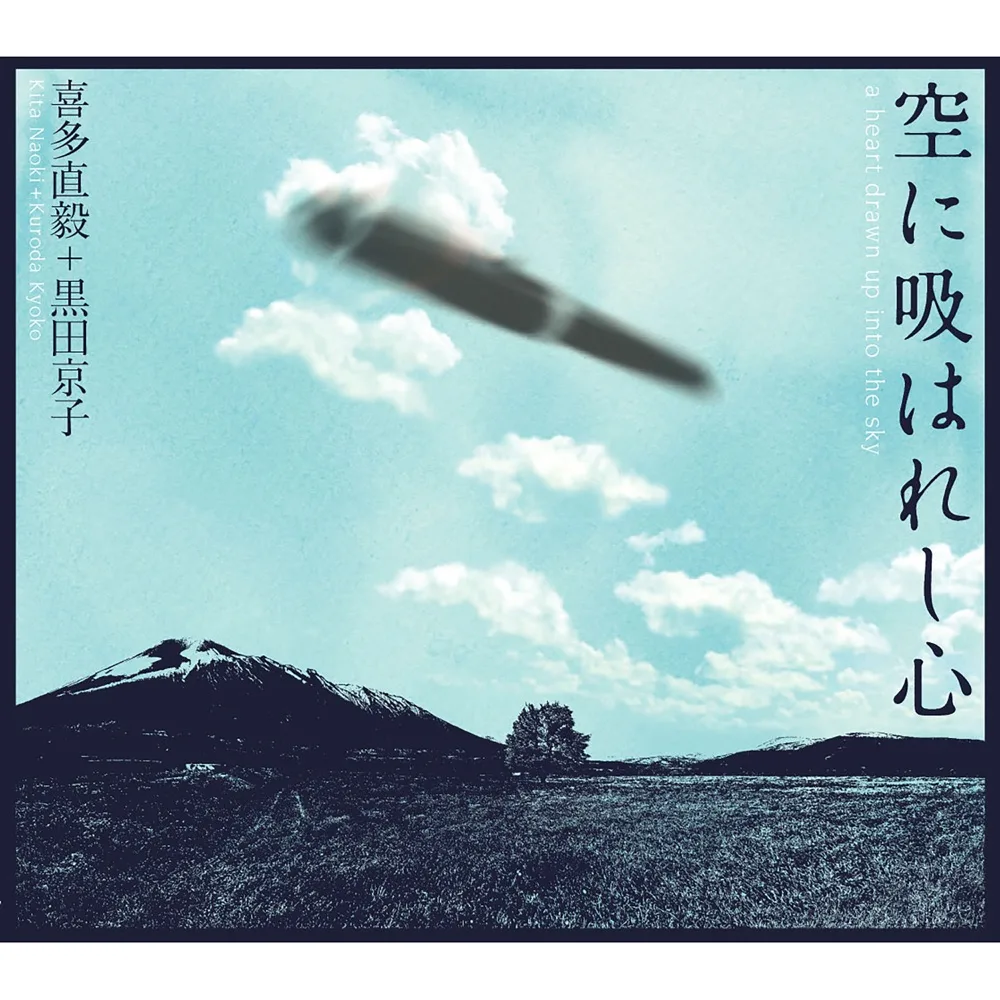
Cover of *A Heart Drawn Up Into the Sky* (空に吸はれし心) by Naoki Kita and Kyoko Kuroda (Airplane Label, APX1004, 2008). It is the cover of one of the albums recommended in the profile, not a photograph of the artist. Standard copyright, all rights reserved, held by the label or rights holder of the release. This is not a Creative Commons or public-domain image; it is an album cover shown as an honestly disclosed editorial identification image. — https://music.apple.com/us/album/%E7%A9%BA%E3%81%AB%E5%90%B8%E3%81%AF%E3%82%8C%E3%81%97%E5%BF%83/1457644305 (Apple Music artwork, 1000 x 1000 version)
Kyoko Kuroda (黒田京子) is a Tokyo pianist and accordionist whose career runs through jazz clubs, free improvisation, theatre pits and film scores. Her official profile gives her birth as 20 November 1957 in Fuchu, the city in western Tokyo where she grew up and still organises concerts; her biography page and an English-language profile written for the Improvised Music from Japan website say simply Tokyo.
She came to jazz late and from the side. She played piano as a child and studied with a classical teacher until she was 17. At university, where she read Japanese literature, she became fascinated by Noh and learned its singing and dance, an experience she says still shapes her music. After graduating she worked for a publishing house, and in April 1982, at 24, she began two years of jazz piano lessons with Aki Takase. From about 1984 she was sitting in at jam sessions; in 1985 she played duo with the bassist Yoshio Ikeda; and in January 1986 she made her first appearance in the morning session at Shinjuku Pit Inn with her own quartet, BAHR, with Atsushi Ikeda on alto and soprano saxophone, Shinichi Kato on bass and Masayuki Kume on drums. She later left the publisher to play full time.
In autumn 1987 she began running a workshop called ORT. It drew the saxophonists Atsushi Ikeda and Makoto Oka, the trombonist Yoichi Murata, the turntable and guitar player Otomo Yoshihide and actresses from Tokyo theatre companies, and it worked from Brecht songs and the music of Carla Bley with the aim of making music that crossed genre lines. In 1988 she also ran a series called Brecht a la Machine with Otomo, the saxophonist and instrument builder Junji Hirose and Masami Shinoda. Three cassettes on Omba Records document that year: Ort, recorded live at Shinjuku Pit Inn on 24 April 1988; Brecht a la Machina; and Duo, a live set with Shinoda recorded on 30 August 1988 at Manda-La2 in Kichijoji. ORT's one released studio recording is three tracks, all written by Kuroda, on the compilation Now's the Time Workshop (Fun House, 1990). The group ended with a New Year's Eve concert on 31 December 1990 at Parthenon Tama, with the saxophonist Kazutoki Umezu as guest.
From 1989 she played regular solo concerts, and in 1990 she worked almost entirely alone, adding synthesizer, voice and poetry reading to the piano. A cassette, Solo: Singing, Playing and Dancing, collects live recordings from Pit Inn on 28 January, 29 April and 1 July 1989. Her first CD, Something Keeps Me Alive (Omba, 1991), was recorded on 27 and 28 April 1991 at a hall in Yugawara and released that September. Its twelve tracks are six of her own pieces, Charlie Parker's "Confirmation," Thelonious Monk's "Monk's Dream" and "'Round Midnight," two Carla Bley pieces and a traditional French song. Discogs credits her there on piano, accordion, voice and small instruments, and the booklet carries liner notes by Bert Noglik in Japanese, German and English.
Through the 1990s she was a frequent sideperson in Tokyo's improvising scene. In autumn 1989 she had joined Akira Sakata's group Mitochondria and Sachi Hayasaka's band Stir Up!, and with Hayasaka's group she toured Germany in summer 1992 and autumn 1994, with festival dates in Nuremberg, Moers and Leverkusen, according to her biography. Milagros (Off Note, recorded in June and July 1995, released 1996) has her on piano and accordion beside Toshiki Nagata on bass, Ken Tsunoda on drums, Asuka Kaneko on electric violin and Tomohiro Yahiro on percussion. She is also on Nano Space Odyssey (NEC Avenue, 1992), Sakata's soundtrack for an NHK science programme, with Kiyohiko Senba and Kaneko.
Her credits from these years reach well past jazz. She played on the voice artist Tenko's At the Top of Mt. Brocken (RecRec) and on the Bunt compilation, and in January 1992 she was in New York to play piano, voice and chorus on one track of the vocalist Koichi Makigami's Koroshi no Blues, produced by John Zorn. She is credited with solo piano on "Maogai," a track on Zorn's Filmworks IV: S/M + More (Tzadik) that was recorded at Romanisches Cafe in Tokyo, and her biography adds that she took part in Zorn's projects Cobra and Bezique in Tokyo in November 1994. With Otomo she joined the Mosquito Paper session in September 1994 and the silent-film projects that followed, and she plays piano and backing vocals on "Sohran Shopping" on Tatakiuri, the 1995 album Otomo made with the violinist Jon Rose. For the bassist Tetsu Saitoh she played in his Piazzolla unit and on Stone Out (Omba, 1996), recorded in December 1995 with the koto quartet Koto Vortex, and on the tango album Ausencias (Jabara, 1998).
Theatre ran alongside all of it. From January 1993 she was musical director for the Trunk Theater company, beginning with Yamaneko Restaurant, a play drawn from a Kenji Miyazawa story, and she went with the company to the Kurt Weill Festival in Dessau in 1995 and 1998. For the Weill centenary in October 2000 she led her own Ortpera Ensemble, ten performers in all, in a two-act music drama, The Way of Kurt Weill, at the Yokohama Jazz Promenade. In October 1997 she played the Leipzig Jazz Festival's programme "Jazz Japan / The Music World of Yosuke Yamashita," where she appeared with Yosuke Yamashita and her former teacher Aki Takase, including a performance on three pianos. From 1997 to 2001 she also gave a five-year jazz lecture course for the city of Fuchu.
In January 2000 she joined Sakata and the bassist Bakabon Suzuki (Vagabond Suzuki on Discogs) in a trio that later became Akira Sakata mii. She describes about twelve years of steady work with Sakata, much of it touring Japan by car, plus a European tour in May 2003 that took the trio to Dusseldorf and Paris, and wrote in her 2020 profile that the partnership continued. The trio's records with her are Akatombo (Daphnia, recorded 27 February 2004), Der Traum (Daphnia, recorded in Kyoto on 4 November 2006) and Omusubi (Ganbaranai / JCF, 2008), a charity CD for children's medical care in Chernobyl and Iraq on which she also sings. With Hiroaki Mizutani replacing Suzuki on bass, the Akira Sakata Trio recorded Chotto! (I'm Here!) (Daphnia, 2010).
In January 2004 she formed a piano trio with the cellist Keiki Midorikawa and the violinist Keisuke Ohta. It began as a project to play Brahms's first piano trio, took the name Kyoko Kuroda Trio in 2004, and played improvised programmes built from the members' own pieces, pieces by the percussionist Masahiko Togashi, Hindemith and Brahms. It made two CDs, Do You Like B? (Greobla, 2005) and Horutonoki (Greobla, 2008), and ended in the last days of February 2010. A second version with the violinist Naoki Kita in place of Ohta played from spring 2011 until June 2012.
Kita has been her longest-running partner outside Sakata. They met at the club inF in Oizumi-gakuen in November 2002, began playing as a duo soon after, and have recorded three albums: A Heart Drawn Up Into the Sky (Airplane Label, 2008), which Kita led; Hymne a l'amour (ORT Music, 2014), a program of film music, chanson and Showa-era Japanese songs; and Nokosareta Sora (ORT Music, 2019), which pairs original pieces with songs such as "Lili Marleen" and "Die Rote Rosa" and includes what the duo describes as a requiem for people lost to war. Since 2010 the pair has also staged an occasional experimental series of words and music called Kishimu Oto. In 2006 Kuroda launched ORT Music to produce her own concerts, and since 2019 she has run a series in Fuchu called Mimi no Gochiso ("a feast for the ears").
Her solo record The Very Voice of Silence (Airplane Label / ORT Music, 2013) came twenty-two years after her solo debut: eleven pieces, all composed and played by her, recorded in November 2012. In 2013 she was also music director and arranger, as well as pianist, on the vocalist Masaki Kanamaru's string-backed ballad album These Foolish Things. She wrote and played the music for the documentaries Sakubei-san to Nihon wo Horu (2019, directed by Hiroko Kumagai, with Kita) and Kazue-teki (2024, also Kumagai), the second of which was released on DVD in August 2026, and in 2024 she and Midorikawa released Wishing, a duo album of Masahiko Togashi's compositions recorded live at inF on 15 April 2023.
She is still working. Jazz Shiryokan, the Japanese live-music database, lists her at a solo concert billed as the 60th anniversary special at the Yoyogi club Naru on 9 October 2026, and her own schedule lists a duo with the baritone saxophonist Ryuichi Yoshida in Jimbocho on 23 November and the next Mimi no Gochiso in Fuchu on 28 November. She also teaches jazz and popular piano.
She is not the footballer Kyoko Kuroda, who has a Wikipedia article under the same name, nor the classical and contemporary pianist Aki Kuroda. Most of what is documented about her career comes from her own published biography and discography, backed by Discogs credits, film and venue listings and the Wikipedia articles of her collaborators.
Kuroda's own descriptions of her work keep returning to music beyond genre, and the records bear that out. The jazz grounding is real: she studied with Aki Takase, plays Parker, Monk and Bley on her first CD, made her debut at Shinjuku Pit Inn and has worked with Akira Sakata since 2000. Around it sits a wider vocabulary: Brecht and Weill songs, Piazzolla-era tango with Saitoh, the Showa-era popular songs and film themes of the duo with Kita, free duo improvisation with a long list of partners, and scores for stage and screen.
Her early solo work used the piano as one voice among several. On the 1991 CD she also plays accordion and small instruments, and she describes herself as singing and dancing; in 1990 she added synthesizer and poetry reading. She credits the Noh she studied at university with a lasting effect on her music.
By the time of The Very Voice of Silence her stated focus had narrowed to the piano itself. She writes that the album faces the instrument head on, attending to resonance, overtones, tone, the touch of the fingers and the work of the pedal, and that each piece was given its own method. In a 2026 note on her website she recalls the pianist Takeshi Shibuya telling her, after hearing that album, that no other jazz pianist thinks about tone the way she does.
She has also made a case for her trio's instrumentation. Violin, cello and piano is an ordinary classical combination, she notes, but was unusual as a vehicle for jazz and improvisation, and her trio's page describes live sets built on improvisation that take an unpredictable shape from night to night. Kita and Kuroda's duo is described on a Tokyo gig listing as approaching music from a free perspective and mixing original pieces, film music, Showa-era songs and European popular songs with a good deal of free improvisation.
- Something Keeps Me Alive (1991, Omba OMBA CD-001) - Her first CD, a solo record: piano, accordion, voice and small instruments, with her own pieces next to Parker, Monk and Carla Bley. YouTube - "Ondine" (listener upload) Listen · Buy
- Do You Like B? (2005, Greobla GOBCD-01) - The first Kyoko Kuroda Trio record, with Keiki Midorikawa on cello and Keisuke Ohta on violin: originals by all three members, three Togashi pieces, Hindemith and a closing Brahms piece.
- Horutonoki (2008, Greobla GOBCD-02) - The same trio three years on, named for one of Kuroda's own pieces.
- A Heart Drawn Up Into the Sky (空に吸はれし心) (2008, Airplane Label APX1004) - The first Kita and Kuroda duo record, recorded in March 2008. Apple Music Listen
- The Very Voice of Silence (2013, ORT Music / Airplane Label APX1013) - Solo piano, eleven original pieces.
- Hymne a l'amour (2014, ORT Music ORTM-001) - Kita and Kuroda on film music, chanson and Showa-era songs. Apple Music · Spotify (listed under Naoki Kita) Listen
- Akatombo (Akira Sakata mii, 2004, Daphnia DPCD-0003) - The first of three albums with Akira Sakata mii, with Bakabon Suzuki on bass. Bandcamp Listen
- Chotto! (I'm Here!) (Akira Sakata Trio, 2010, Daphnia DPCD-0005) - The trio with Hiroaki Mizutani on bass. YouTube - live in October 2010 (listener upload) Listen
Kyoko Kuroda (黒田京子) - Full Discography
Japanese pianist, accordionist, composer and arranger. Born 20 November 1957, Fuchu, Tokyo. Discogs artist 374480.
Name variations on record: K. Kuroda, Kuroda, Kuroda Kyoko, 黒田京子.
Group affiliations: Akira Sakata Trio, Akira Sakata mii, Kyoko Kuroda Trio, ORT (Kyoko Kuroda Ort), 機械じかけのブレヒト (Brecht a la Machine), Naoki Kita and Kyoko Kuroda duo.
Releases that Discogs does not list are marked in the Notes column and are taken from the artist's own published discography.
Leader
| Album | Year | Label | Personnel | Notes | Listen | Buy |
|---|---|---|---|---|---|---|
| Ort (cassette) | 1988 | Omba Records, OMBA-001 | Kyoko Kuroda (piano, vocals), Atsushi Ikeda (alto and soprano saxophone), Makoto Oka (tenor saxophone, flute), Yoichi Murata (trombone), Yasuo Shimada (bass), Kei Wada (drums), Otomo Yoshihide (noises), Sachiko Kikuchi (vocals) | Recorded live at Shinjuku Pit Inn, 24 April 1988. Six tracks: "Four Generals", "Song of Eight Elephants", "Song of Peace", "Liturgy of Breath", "Cannon Song", "Lost in the Stars". Discogs release 612886. | not found | Amazon |
| Brecht a la Machina (cassette, sleeve title Ort Live: Brecht a la Machina) | 1988 | Omba Records, OMBA-003 | Kyoko Kuroda (piano, vocals, synthesizer), Masami Shinoda (alto, tenor and bass saxophone), Otomo Yoshihide (turntables, noises, tape), Junji Hirose (soprano and tenor saxophone, instruments) | Billed on Discogs to the group 機械じかけのブレヒト (Brecht a la Machine). Six tracks, music by Hanns Eisler and Paul Dessau, words by Bertolt Brecht: "Grandfather Stoffel", "About Suicide", "Gray Geese", "Song of Moldau", "Ballad of a Forester and a Countess", "Children's Hymn". Discogs release 612895. A second listing, catalogue lesk014 (Discogs 27731421), gives the recording as live at Manda-La, Kichijoji, on 30 May 1988. | not found | Amazon |
| Solo: Singing, Playing and Dancing (cassette) | 1989 | Omba Records, OMBA-007 | Kyoko Kuroda (piano, vocals, synthesizer) | Recorded live at Shinjuku Pit Inn on 28 January, 29 April and 1 July 1989. Nine tracks: "Lamia", "March", "My Finger Is Dancing", "Grandfather Stoffel", "AI", "Kanawa", "Well, You Needn't", "Friday the 13th", "Walking Batterie Woman". Discogs release 614251. | not found | Amazon |
| Something Keeps Me Alive | 1991 | Omba Records, OMBA CD-001 | Kyoko Kuroda (piano, accordion, voice, small instruments) | Recorded 27 and 28 April 1991 at Kuchu-Sanpo-Kan, Yugawara; released September 1991. Twelve tracks, 65:26: "Bird", "Ondine", "Confirmation", "Monk's Dream", "'Round Midnight", "Guilhon Pren Ton Tamborin" (traditional), "Kimagure", "Senmenki ~ Alone II", "Baka na Watashi", "Walking Batterie Woman" and "Reactionary Tango" (both Carla Bley), "I Feel You"; six are her own compositions. Produced by Yoshiyuki Kitazato, liner notes by Bert Noglik in Japanese, German and English, engineered by Katsumi Kawasaki, cover drawing by Takao Akaba. Discogs release 12721616. | "Ondine" on YouTube (listener upload) | Amazon |
| Do You Like B? (as Kyoko Kuroda Trio) | 2005 | Greobla, GOBCD-01 | Kyoko Kuroda (piano, accordion), Keiki Midorikawa (cello), Keisuke Ohta (violin, voice) | Recorded December 2004; released June 2005. Eleven tracks: "Para Cruces", "Nijuoku-Konen no Kodoku", "Check 1", "Anohi", "Haze", "Waltz Step", "Valencia", "Hindehinde", "Moko-haan", "Baka na Watashi", "Do You Like B?". "Haze", "Waltz Step" and "Valencia" are Masahiko Togashi compositions; "Hindehinde" is by Paul Hindemith and the title track by Johannes Brahms. "Anohi" (by Midorikawa) was later included on a film soundtrack anthology. Discogs release 16136154. | not found | Amazon |
| Horutonoki (as Kyoko Kuroda Trio) | 2008 | Greobla, GOBCD-02 | Kyoko Kuroda (piano), Keiki Midorikawa (cello), Keisuke Ohta (violin) | Recorded May 2008; released October 2008. Ten tracks: "Link", "Egg" (improvised), "May 3rd", "Zephyrus", "Inharmonicity", "Chotto Be-Bop", "Gambo Soup", "Die Weisse Rose", "Horutonoki", "With You". The title is taken from her composition, named for a horutonoki tree estimated at 400 to 500 years old that the painter Fumiko Hori saved by buying the land it stood on. Not listed on Discogs. | not found | Amazon |
| The Very Voice of Silence (沈黙の声) | 2013 | ORT Music / Airplane Label, APX1013 | Kyoko Kuroda (piano) | Solo piano, recorded November 2012; released 29 May 2013. Eleven pieces, all composed by Kuroda: "Inharmonicity II", "Song of Okina-gusa", "The End of Sunflower", "Horutonoki", "Die Weisse Rose", "For You Having a Dark Night", "A Broken Dish ~ The Road", "Burn the Flowers", "With You", "Inharmonicity I", "Candle". Not listed on Discogs. | not found | Amazon |
Co-Leader and Co-Billed
| Album | Year | Label | Co-billed with | Personnel | Notes | Listen | Buy |
|---|---|---|---|---|---|---|---|
| Duo (cassette) | 1988 | Omba Records, OMBA-005 | Masami Shinoda | Kyoko Kuroda (piano, vocals, synthesizer), Masami Shinoda (alto and tenor saxophone) | Recorded live on 30 August 1988 at Manda-La2, Kichijoji, Tokyo. Nine tracks including "Improvisation", "Pitter Patter", "Ballad of a Forester and a Countess", "Fiesta", "Shinda Otoko-no Nokoshita Mono-wa" ("What the Dead Man Left"), "Joshua Fit the Battle of Jericho", "Song of Moldau" and "Hymn to Freedom". Discogs release 614247. | not found | Amazon |
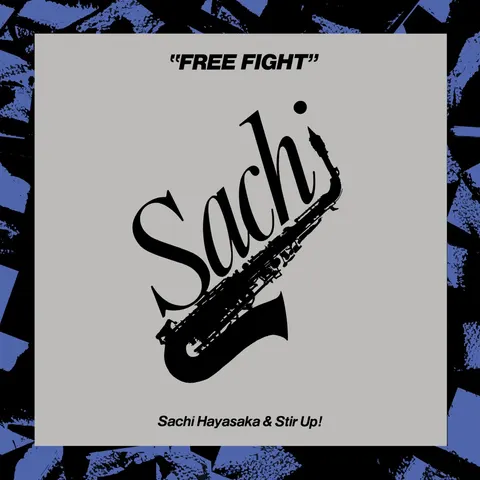
| Beat Beat Jazz Beat! | 2005 | Nbagi Record, N-006 | Sachi Hayasaka, Toshiki Nagata, Pheeroan akLaff, Wagane Ndiaye Rose | Sachi Hayasaka (saxophones), Kyoko Kuroda (piano; also vocals on "Yeye Boye Balma"), Toshiki Nagata (bass), Pheeroan akLaff (drums), Wagane Ndiaye Rose (percussion) | Recorded at GOK Sound on 18 and 19 August 2004; mastered December 2004. Nine tracks: "I Mean You", "Cai Dentro", "Peace Warriors", "Intersong", "Yeye Boye Balma", "Latin Genitics", "In Walked Bud", "My Favorite Things", "Good Bye". Kuroda plays on tracks 1, 2, 5, 7, 8 and 9. Produced by Hayasaka and Nagata. Discogs release 36987954. | not found | Amazon |
| A Heart Drawn Up Into the Sky (空に吸はれし心) | 2008 | Airplane Label, APX1004 | Naoki Kita | Naoki Kita (violin), Kyoko Kuroda (piano) | Recorded March 2008 at Himawari-no-Sato Hall; released 11 November 2008. Nine tracks: "Spring", "Kishin" (by Kuroda), "Una Santateresa Negra", "Moon River", "Women's Dance", "Muddy River", a medley of "Jugoya Otsukisan", "Chiisana Sora" and the title piece, "Furusato", and "What Are You Doing the Rest of Your Life?". The first of three duo albums; Kita is the named leader. Producer Shin-ichiro Tokunaga. Discogs release 31489553. | Apple Music | Amazon |
| Hymne a l'amour (愛の讃歌) | 2014 | ORT Music, ORTM-001 | Naoki Kita | Naoki Kita (violin), Kyoko Kuroda (piano) | Recorded August 2014; released 24 October 2014. Film music, chanson and Showa-era songs, including "Autumn Leaves", "Tasogare no Beguine", "Ame no Blues", Toru Takemitsu's "Tanin no Kao", "Toku e Ikitai", "Gelsomina", "Last Tango in Paris", "Sunflower", the title song and "The Summer Knows". Not listed on Discogs; MusicBrainz and Apple Music list it. | Apple Music · Spotify (listed under Naoki Kita) | Amazon |
| Nokosareta Sora (残された空) | 2019 | ORT Music, ORTM-002 | Naoki Kita | Naoki Kita (violin), Kyoko Kuroda (piano) | Recorded August 2019; released 1 October 2019. Ten tracks including "Nokosareta Sora", "Chi no Soko", "Yodaka no Hoshi", "Lili Marleen", "Die Rote Rosa" and "Namida"; the duo describes the album as including a requiem for people lost to war. Not listed on Discogs. | not found | Amazon |
| Wishing (dedicated to Masahiko Togashi) | 2024 | inF, inF-01 | Keiki Midorikawa | Keiki Midorikawa (cello), Kyoko Kuroda (piano) | Recorded live at the club inF, Oizumi-gakuen, on 15 April 2023; released 8 May 2024 as the first release on the club's own label. Eight Masahiko Togashi compositions: "Valencia", "Drum Motion", "Passing", "Waltz Step", "Wishing", "Bura-Bura", "My Wonderful Life", "Spiritual Nature". Not listed on Discogs. | not found | Amazon |
Guest, sideman and compilation appearances
Chronological. Rows marked as not listed on Discogs are taken from the artist's own discography page.
| Year | Release | Actual leader | Label | Role and notes | Listen | Buy |
|---|---|---|---|---|---|---|
| 1986 | "Nagara Jazz Ondo" / "Lonely Lullaby" (single) | Yoji Miyoshi | not given | Recorded 22 September 1986 at Studio Dig, Shinjuku, by the Kyoko Kuroda Quartet line-up (Atsushi Ikeda on alto saxophone, Shinichi Kato on bass and arrangement, Masayuki Kume on drums). Not listed on Discogs. | "Nagara Jazz Ondo" on YouTube | Amazon |
| 1990 | Now's the Time Workshop | Various | Fun House, FHCF-1084 (25 October 1990) | Piano and toy on tracks 7 to 9, the ORT tracks, all written by Kuroda: "March for Ort in C", "Casa Batllo", "The Destroyed Machine Blues". ORT on this album: Atsushi Ikeda, Yoichi Murata, Yasuo Shimada (bass), Kaoru Kida (drums), Otomo Yoshihide (turntables, guitar, toys). Recorded August 1990. Discogs release 2995406. | not found | Amazon |
| undated | Hideki Kato (cassette) | Hideki Kato | not on label | Piano on A3, "Azanaeru Nawa". The cassette also credits Tenko and the artists Player Piano and Utility. Discogs release 10746148. | not found | Amazon |
| 1991 | Bunt | Various | AMF Music, amf 1029 | Piano on track 3, "Bunt T", a duo with the voice artist Tenko. Discogs release 2667701. | not found | Amazon |
| 1992 | Nano Space Odyssey | Akira Sakata | NEC Avenue, NACL-1071 | Piano. Soundtrack to the NHK Science Special "Nano Space", recorded December 1991. With Sakata (soprano and alto saxophone, synthesizer), Asuka Kaneko (violin), Kiyohiko Semba (drums, percussion), Hiroshi Yoshino (contrabass), Yu Fujii (electric bass) and three voices. Discogs master 1586864. | not found | Amazon |
| 1992 | Koroshi no Blues (殺しのブルース) | Koichi Makigami | Eastworld / Toshiba EMI, TOCT-6496 (17 June 1992) | Piano, voice and chorus on track 8, "Kaette Kita Yopparai (New York version)". Recorded in January 1992 in New York and produced by John Zorn; the other players include Marc Ribot, Steven Bernstein and David Hofstra. Discogs master 499136. | not found | Amazon |
| 1992 | At the Top of Mt. Brocken | Tenko | RecRec Music, ReCDec 48 | Piano on "Moonlight Waltz", "Interwoven" and the title track. Recorded at GOK Sound, Tokyo, 1990 and 1991. Discogs master 433147. | not found | Amazon |
| 1993 | CHITOTIHC | Chito Kawachi | Victor, VICL-487 (November 1993) | One track. Not listed on Discogs. | not found | Amazon |
| 1995 | Tatakiuri | Jon Rose and Otomo Yoshihide | Sank-Ohso Discs / Creativeman Disc, CMDD-00017 | Piano and backing vocals on track 16, "Sohran Shopping", recorded at Manda-la, Minami-Aoyama, in April 1994. Discogs release 1817197. | not found | Amazon |
| 1996 | Milagros | Sachi Hayasaka and Stir Up! | Off Note, on-14 | Piano and accordion. With Sachi Hayasaka (alto and soprano saxophone), Toshiki Nagata (bass), Ken Tsunoda (drums), Asuka Kaneko (electric violin, voice), Tomohiro Yahiro and Yoichi Okabe (percussion) and Febian Reza Pane (piano, synthesizer). Recorded 13, 21 and 22 June and 19 July 1995. Discogs release 31132790. | not found | Amazon |
| 1996 | Stone Out | Tetsu Saitoh | Omba Records, OMBA-002 CD | Piano, ching and glockenspiel. With Tetsu Saitoh and Keita Itoh (contrabass) and the koto quartet Koto Vortex; recorded December 1995. Also includes "Just Accept" (1994). Discogs release 6664349. | not found | Amazon |
| 1996 | Niji to Iu Na no Shojo | Solongo | Toshiba EMI, TOCT-9839 | Two tracks, on an album of Mongolian songs produced by Koichi Makigami. Recorded November and December 1996. Not listed on Discogs. | not found | Amazon |
| 1997 | Filmworks IV: S/M + More | John Zorn | Tzadik, TZ 7310 (first issued in Japan by Eva Records, 1996) | Solo piano on "Maogai", recorded at Romanisches Cafe, Tokyo. Discogs master 1607479. | not found | Amazon |
| 1998 | Ausencias: Astor Piazzolla | Tetsu Saitoh Tango Groove Collective | Jabara, JAB-07 | Piano. Recorded December 1997. With Saitoh and Masaharu Iida (contrabass), Ryota Komatsu (bandoneon) and Kumiko Kondoh (violin); arranged by Masami Noda. Discogs release 4892214. | not found | Amazon |
| 1998 | Jazz Age (Gershwin Song Book) I | Yuki Maeda | EWE Records, EWCD0002 | Track 12, "I Found a Four Leaf Clover": piano, voice, toy and arrangement. Recorded November 1997 to February 1998. Discogs release 28208452. | not found | Amazon |
| 1998 | Jazz Age (Gershwin Song Book) II | Yuki Maeda | EWE Records, EWCD0003 | Track 1, "Lorelei": duo with Maeda, piano, accordion, voice and arrangement. Discogs release 28209415. | not found | Amazon |
| 1998 | Jazzmen in Minamiosawa | Hideto Kanai | self-produced | With the double bassist Hideto Kanai's unit and the percussionist Takamochi Baba. Not listed on Discogs. | not found | Amazon |
| 1999 | 1989.6.2 Crocodile | Lapis Lazuli (ラピス・ラズリ) | Cragale, CRD-2073 (CDr) | Piano, with Tenko on vocals. The title points to a 1989 concert; Discogs dates the release 1999. Discogs release 30447848. | not found | Amazon |
| 2000 | Cotyledon | Kumi Tomita | TK-101 | Backing for the vocalist: the Kyoko Kuroda Trio with Teiji Sasaki (bass) and Yoshihiro Okada (drums). Eight standards, recorded November and December 2000. Not listed on Discogs. | not found | Amazon |
| 2001 | Yonchome no Inu (四丁目の犬) | Shun Sakai | SS, RO-2005; reissued by Mock Hill Records, MH-1115 (July 2013) | Piano and accordion in Sakai's Yonchome Band, with Keisuke Ohta (violin), Takero Sekijima (tuba) and, on six tracks, Nao Takeuchi (tenor saxophone, flute). Live recordings made at Shinjuku Pit Inn on 14 September 2000 and at Space Alta, Shin-Yokohama, on 15 December 2000. Discogs release 17189755 is the 2013 reissue. | not found | Amazon |
| 2001 | I Am You (あいあむゆう) | Shun Sakai | SS, RO-2004 | Two tracks, one with the Yonchome Band and one in duo with Nao Takeuchi. Recorded December 2000. Not listed on Discogs. | not found | Amazon |
| 2001 | Improvised Music from Japan (10-CD box set) | Various | Improvised Music from Japan, IMJ-10CD (25 December 2001) | Disc 10: a duo with the guitarist Kazuhisa Uchihashi, from a live recording of December 1997. Discogs release 534701. | not found | Amazon |
| 2004 | Akatombo (赤とんぼ) | Akira Sakata mii | Daphnia, DPCD-0003 | Piano. With Akira Sakata (alto saxophone, clarinet, bells, bird call) and Vagabond Suzuki (bass). Recorded 27 February 2004 at Warabi Civic Hall. Discogs release 10412496. | Bandcamp | Amazon |
| 2004 | Hypertango II | Naoki Kita | Airplane Label, APX-1002 | Plays on the last track, "Oblivion". Not listed on Discogs. | not found | Amazon |
| 2004 | In a Silent Flow | Shizuru Ohtaka | PTCK-1009 (May 2004) | Plays on one song, "Warabegami: Ten no Komoriuta". Not listed on Discogs. | not found | Amazon |
| 2006 | Viohazard | Naoki Kita | Airplane Label, APX1003 | Piano on tracks 2 to 4, 6, 8, 10 and 12; Masaki Hayashi plays piano on tracks 9 and 11. Recorded September and November 2005. With Kita (violin), Yoshiaki Sato (accordion), Christopher Hardy (percussion), and guitarists. Discogs release 6286594. | not found | Amazon |
| 2006 | Best of Hayasaka Sachi 1996-2005 | Sachi Hayasaka | PZN-003 | Plays on five of the eleven tracks. Not listed on Discogs. | not found | Amazon |
| 2006 | jazzing (book with CD) | Yoko Yamamoto (art and text) | Kodansha (first edition October 2006) | Plays "Smile" in duo with Keisuke Ohta; the music was produced by Kensaku Tanikawa. Not listed on Discogs. | not found | Amazon |
| 2007 | Der Traum (ゆめ) | Akira Sakata mii | Daphnia, DPCD-0004 | Piano. With Akira Sakata (alto saxophone, vocals) and Vagabond Suzuki (bass). Recorded in Kyoto on 4 November 2006; issued 19 September 2007. Discogs release 13057660. | Bandcamp | Amazon |
| 2007 | Sekai wa Tokidoki Utsukushii: Music Anthology | Various | Omagatoki, OMCA-1061 (21 February 2007) | Soundtrack anthology that includes the Kyoko Kuroda Trio's "Anohi", taken from Do You Like B?. Not listed on Discogs. | not found | Amazon |
| 2008 | Omusubi | Akira Sakata | Ganbaranai / JCF, GNCD-0002 (28 January 2008) | Piano and vocals. Charity CD for medical care for children in Chernobyl and Iraq; the regular trio of Sakata, Kuroda and Vagabond Suzuki with Manabu Sakata on drums. Recorded December 2007. She sings "Hoshi Meguri no Uta". Discogs release 17076930. | not found | Amazon |
| 2009 | Persona (ペルソナ) | Carmen Maki | Zipangu label, ZIP-0030 | Backing for the singer's anniversary album: Kuroda's trio with Keisuke Ohta (violin), with Masaki Yoshimi (tabla) and Yoshiaki Sato (accordion) as guests. Recorded April 2009. Not listed on Discogs. | not found | Amazon |
| 2009 | 10 Fragments | Hisashi | Zipangu label, ZIP-0035 | The last track, "Nante Suteki na Hi": a vocal-and-piano duo; the album pairs the singer with ten pianists. Recorded October and November 2009. Not listed on Discogs. | not found | Amazon |
| 2010 | Chotto! (I'm Here!) (チョット!) | Akira Sakata Trio | Daphnia, DPCD-0005 | Piano and vocals. With Akira Sakata (alto saxophone, alto clarinet, clarinet, vocals, bells) and Hiroaki Mizutani (bass, vocals). Six tracks including "Lonely Woman". Recorded July 2010. Discogs release 4824170. | Live video, October 2010 (listener upload) | Amazon |
| 2010 | All Kinds of People: Love Burt Bacharach | Jim O'Rourke | B.J.L. / AWDR-LR2, DDCB-13010 (7 April 2010) | Piano on tracks 1, 3, 4, 5 and 10: "Close to You" (Haruomi Hosono, vocals), "Anonymous Phone Call" (Etsuko Yakushimaru), "After the Fox" (Masaya Nakahara, with Akira Sakata on clarinet and vocals), "You'll Never Get to Heaven" (Yoichi Aoyama) and "Trains and Boats and Planes" (O'Rourke). Satoko Fujii and Makoto Kuriya are the pianists on the other tracks. Discogs release 2365506. | not found | Amazon |
| 2012 | Ikor | Shizuru Ohtaka | Song X Jazz, SONG X 011 (23 July 2012) | Piano on track 7, "Sunshine". Discogs release 18232459. | not found | Amazon |
| 2012 | Mimi-Nuki: Secondary Works of Satoshi Sonoda 1982-1989 | Satoshi Sonoda | P.S.F. Records, PSFD-203 (25 June 2012) | Piano and synthesizer on track 8, "Mimi-Nuki". Discogs release 3713563. | not found | Amazon |
| 2013 | These Foolish Things | Masaki Kanamaru | XQAM-1810 (recorded August 2013, released November 2013) | Music director, arranger and pianist. Twelve ballads with Naoki Kita (violin; arrangements on two tracks), Yuriko Mukojima (violin, viola), Keiki Midorikawa (cello), Tetsu Nishijima (contrabass) and Mutsuki Kinu (guitar). Not listed on Discogs. | not found | Amazon |
| 2014 | Juncomodo | Junko Tanaka | SORS-4043 (May 2014) | Plays on four of ten tracks, with Yasushi Yoneki (bass) and Shinji Ando (drums). Not listed on Discogs. | not found | Amazon |
| 2015 | Tsumugu | Ami Yamamoto | TSUM-0001 | Guest on one of six tracks on the first album of the 25-string koto player. Recorded March 2015. Not listed on Discogs. | not found | Amazon |
| 2018 | Kalavinka | Taeko Sawa | BKL-001 (September 2018) | Performance and arrangements, with Tomo Yamaguchi (percussion) and Tamiki Sawa (violin). Not listed on Discogs. | not found | Amazon |
| 2020 | Mariko Hamada Live 2017-2019 vol. 2 | Mariko Hamada | CAM-002 (February 2020) | Track 6, "Lili Marleen", with Naoki Kita on violin; recorded at Meguro Persimmon Hall in July 2018. Not listed on Discogs. | not found | Amazon |
Film and screen music
| Year | Title | Director | Role and notes | Listen | Buy |
|---|---|---|---|---|---|
| 2003 | Shirakami no Yume (白神の夢) | 小池征人 (Koike) | Feature-length documentary (about 200 minutes) with music by Akira Sakata; the Sakata trio, with Kuroda on piano, recorded the soundtrack in July 2003. | not found | not found |
| 2019 | Sakubei-san to Nihon wo Horu (作兵衛さんと日本を掘る) | Hiroko Kumagai | Music by Kyoko Kuroda and Naoki Kita (violin). Produced 2018, released 25 May 2019; DVD January 2021. | Trailer | Office Kumagai shop |
| 2024 | Kazue-teki (かづゑ的) | Hiroko Kumagai | Music by Kuroda, played by a piano trio of Kuroda, Naoki Kita (violin) and Keiki Midorikawa (cello); Kita's "Nokosareta Sora" plays over the closing credits. Produced 2023, released 2 March 2024; 119 minutes; DVD August 2026. | Trailer | Office Kumagai shop |
| 2025 | La Campanella (ら・かんぱねら) | not given | Part of the music is by Akira Sakata, and Kuroda plays piano on the tracks he performs; recorded summer 2024, film released spring 2025. | not found | not found |
- Akira Sakata - her bandleader from 2000 in the Sakata trio and Akira Sakata mii. She plays on Akatombo (2004), Der Traum (2007), Omusubi (2008) and Chotto! (2010), on Sakata's Nano Space Odyssey (1992), and on "After the Fox" on Jim O'Rourke's 2010 Bacharach album, where Sakata sings and plays clarinet.
- Sachi Hayasaka - saxophonist; Kuroda joined her band Stir Up! in 1989 and plays on Milagros (1996) and on Beat Beat Jazz Beat! (2005), which Discogs bills under five names: Hayasaka, Kuroda, Nagata, Pheeroan akLaff and Wagane Ndiaye Rose.
- Toshiki Nagata - bassist on Milagros and Beat Beat Jazz Beat!, and co-producer of both with Hayasaka.
- Masami Shinoda - saxophonist; co-leader of the 1988 cassette Duo and a member of the 1988 Brecht a la Machina line-up.
- Otomo Yoshihide - a member of ORT and Brecht a la Machine, on the ORT tracks of Now's the Time Workshop, and her partner in his silent-film and Mosquito Paper projects; they share Tatakiuri (1995), made with Jon Rose.
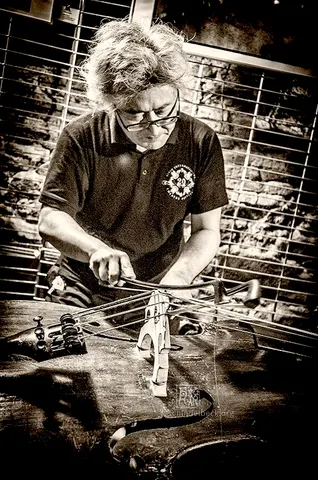
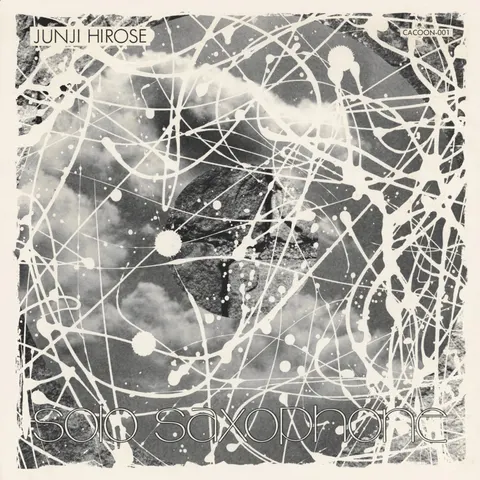
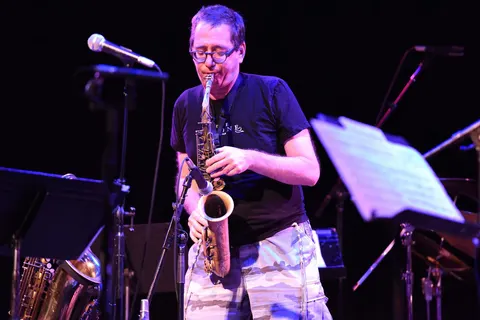
- Junji Hirose - saxophonist and instrument builder on Brecht a la Machina (1988).
- Tetsu Saitoh - bassist; she plays on his Stone Out (1996) and Ausencias (1998) and in his Piazzolla unit.
- Hiroaki Mizutani - bass and vocals on Chotto! (I'm Here!) (2010).
- Asuka Kaneko - violinist on Milagros (1996) and Nano Space Odyssey (1992).
- Kiyohiko Senba - percussionist on Nano Space Odyssey (1992).
- Tomohiro Yahiro - percussionist on Milagros (1996). Her biography adds a duo performance with him at the Nuremberg festival in 1992.
- John Zorn - she plays solo piano on "Maogai" on his Filmworks IV: S/M + More, and he produced the January 1992 New York sessions for Koichi Makigami's Koroshi no Blues on which she played.
- Satoko Fujii - fellow pianist on Jim O'Rourke's All Kinds of People: Love Burt Bacharach (2010); Kuroda plays on five tracks and Fujii on three others.
- Aki Takase - her piano teacher from 1982 to 1984, according to her biography; they played a piano duo in August 1999 and appeared together at Leipzig in 1997.
- Yosuke Yamashita - the centre of the Leipzig Jazz Festival programme she joined in 1997, per her biography.
- Kazutoki Umezu - guest at the last ORT concert in December 1990, and she took part in his Oshigoto project in April and June 1991, per her biography.
- Itaru Oki - trumpeter with whom she played a session in January 1996, per her biography.
- Natsuki Tamura - trumpeter in an improvised session with Fritz Hauser and Kumiko Takara at Space Alta, Yokohama, in December 1999, per her biography.
- Masahiko Togashi - the composer of three pieces on Do You Like B? and every piece on Wishing (2024).
- Naoki Kita - violinist, duo partner since 2002 and leader of Viohazard (2006), on which she plays on seven tracks.
- Keiki Midorikawa - cellist in the Kyoko Kuroda Trio (2004 to 2012) and her duo partner on Wishing (2024).
- Keisuke Ohta - violinist in the first Kyoko Kuroda Trio (2004 to 2010).
- Bakabon Suzuki (Vagabond Suzuki) - bassist in the Sakata trio and Akira Sakata mii.
- Tenko, Koichi Makigami, Jim O'Rourke, Masaki Kanamaru, Carmen Maki, Shun Sakai and Shizuru Ohtaka - vocalists and leaders on whose albums she plays (see the full discography).
- Ken Tsunoda - drummer on Milagros (1996).
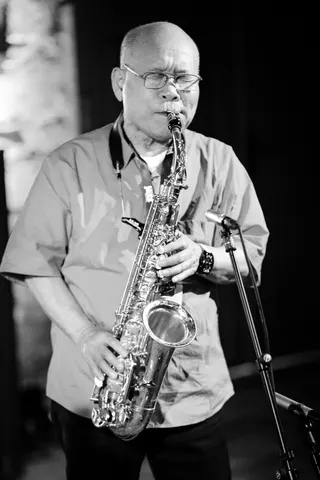
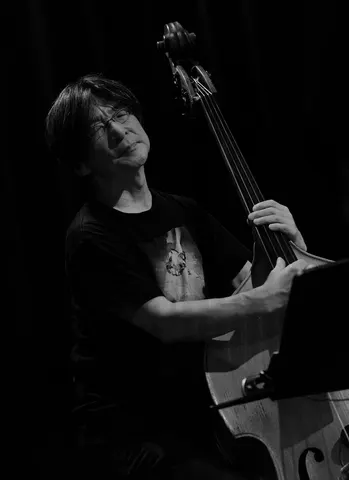
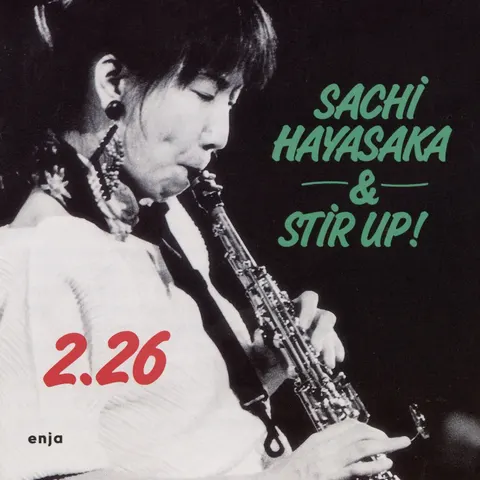
More Free Jazz Artists
See all 298 Free Jazz artists →More Japanese Jazz Artists
See all 262 Japanese artists →- Kyoko Kuroda Official Web
- Official profile in English
- Improvised Music from Japan: Kyoko Kuroda profile
- Discogs: Kyoko Kuroda
- MusicBrainz: 黒田京子
- Apple Music artist page
- Jazz Shiryokan performer page
- Kyoko Kuroda on JazzProfiles.com
- r/JapaneseJazz
- Kyoko Kuroda Official Web: biography (Japanese), the year-by-year activity record to 2004
- Kyoko Kuroda Official Web: profile (Japanese) and discography page
- Kyoko Kuroda Official Web: Kyoko Kuroda Trio archive
- Kyoko Kuroda Official Web: 2026 topics
- Improvised Music from Japan: Kyoko Kuroda profile (English, to 1996) and discography
- Discogs: Kyoko Kuroda, artist 374480
- Discogs: Something Keeps Me Alive, Omba OMBA CD-001
- Discogs: Jim O'Rourke, All Kinds of People
- MusicBrainz: Kuroda, Kyoko (1957-11-20)
- Wikipedia (Japanese): 喜多直毅, which describes the Kita and Kuroda duo and the second Kyoko Kuroda Trio
- Wikipedia (Japanese): 翠川敬基, which dates the Kyoko Kuroda Trio from 2004 to 2010
- eiga.com: 作兵衛さんと日本を掘る and かづゑ的, film credits
- Jazz Shiryokan: 黒田京子, performer and live listings
- Tokyo Gig Guide: Naoki Kita and Kyoko Kuroda duo
- Apple Music: Kyoko Kuroda