JAZZPROFILES lives in the music 2,555 Jazz Artists fully Profiled!
Jula De Palma
Last updated November 11, 2026
Listen on Spotify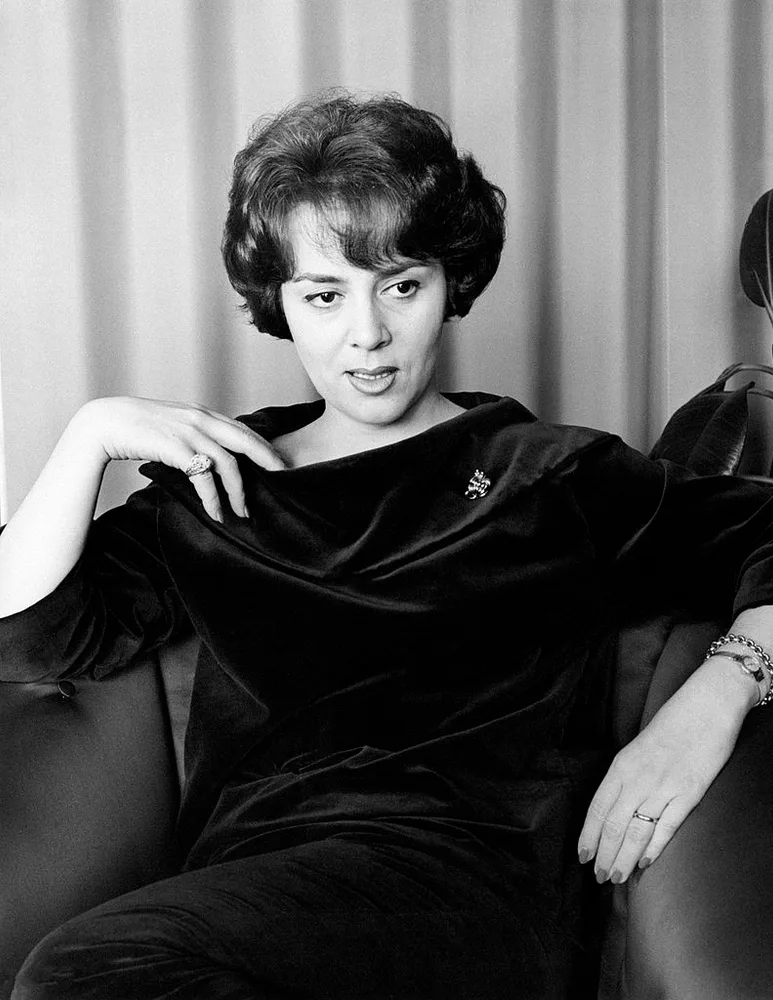
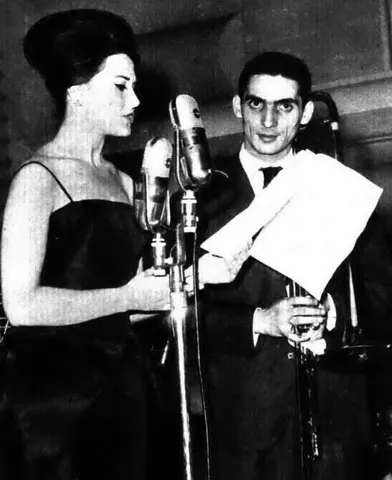
Jula De Palma, 1961 (photograph by Marisa Rastellini for Mondadori Publishers) Public domain (PD-Italy: Italian simple photograph from 1961, more than 20 years old and out of copyright in Italy before 1996; stated on the Commons file page) — Wikimedia Commons: https://commons.wikimedia.org/wiki/File:Jula_de_Palma_1961.jpg

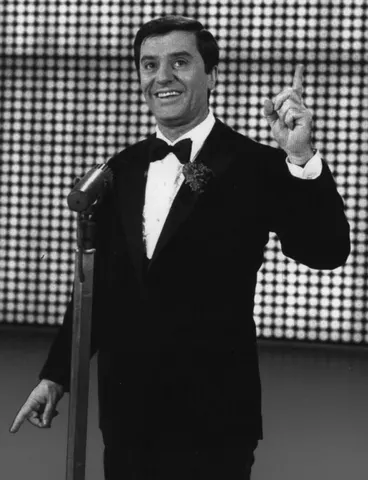
Jula De Palma was born Iolanda Maria Palma in Milan on April 21, 1931. She was discovered by the pianist and bandleader Lelio Luttazzi, who got her a recording contract with CGD, the label Teddy Reno had founded, and she made her radio debut in 1949 at about eighteen. Her first records were French songs on CGD 78s, among them "Douce France" and "Danse avec moi" (1949), and for the first part of her career she leaned on a French repertoire, a language she spoke fluently along with English. In 1950 she recorded "Cheveux dans le vent" and "September Song" with Luttazzi's small group, and over the next few years she sang with his rhythmic string orchestra on the radio.
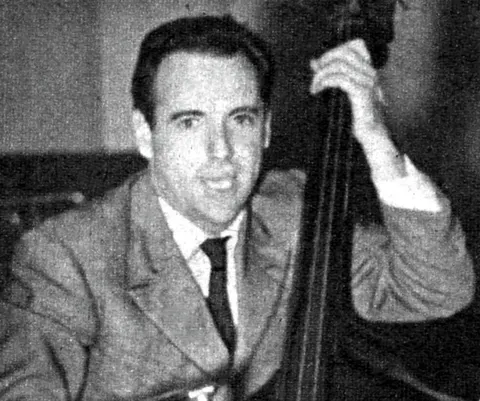
She also became the featured vocalist of the group led by bassist Carlo Loffredo and of the orchestra of Gorni Kramer, both fixtures of Italian radio. In 1954 she won a Venetian song contest with the group Radio Boys, singing "Marieta monta in gondola". From 1955 to 1961 she took part in the Sanremo festival, and she recorded songs written by Luttazzi and Kramer ("Quando una ragazza (a New Orleans)", "Souvenir d'Italie", "Mia vecchia Broadway"), film themes such as "Que sera, sera", French songs, Neapolitan songs, and American standards including "That Old Black Magic" and "All the Way". In June 1957 she married the composer Carlo Lanzi, who later produced her live album.
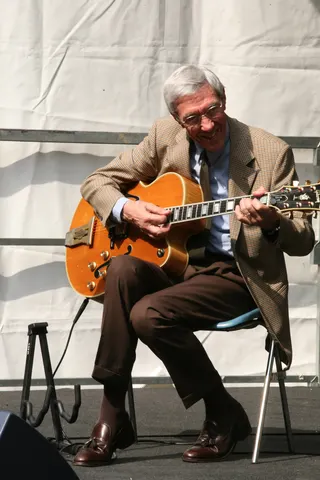
The jazz records came at the end of the 1950s. Columbia issued two English-language EPs, In Jazz (1958) and In Jazz N° 2 (1959). The first was recorded with a quartet led by Luttazzi at the piano, with Franco Chiari on vibraphone, Giovanni Alceo Guatelli on bass and Lionello Bionda on drums, and covers "Just One of Those Things", "Blues in the Night", "The Nearness of You" and "Pennies from Heaven". The second pairs her with the trio of guitarist Franco Cerri, with Renato Sellani on piano, Giorgio Azzolini on bass and Gianni Cazzola on drums, for "One for My Baby", "Cheek to Cheek", "Everything Happens to Me" and "I've Got You Under My Skin".
Her best-known record has nothing to do with jazz. "Tua", which she sang with Tonina Torrielli at Sanremo in 1959, finished fourth with the juries and sold well, but RAI officials and parts of the press judged her delivery too sensual, and the record was kept off the air. Italian accounts say she received thousands of angry letters. The episode did not end her career: she returned to Sanremo in 1960 and 1961, and she kept working through Canzonissima, the Naples song festivals and a series of tours abroad that took in Brazil, Egypt and Cuba, singing in several languages.
The 1960s brought two long-players that lean toward jazz. Hello Jula (Surf, 1965) mixed Italian pop with standards such as "I Left My Heart in San Francisco". Whisky e Dixie (Cetra, 1967) is a Dixieland album recorded with Carlo Loffredo's New Orleans-style band: Gianni Sanjust on clarinet, Marcello Rosa on trombone, Piero Saraceni on trumpet, Carlo Sili on tuba, Rodolfo Mattozzi on piano and Antonio Golino on drums, working through "Night and Day", "Mon homme", "Moritat" and "Mister Paganini". In April 1970 she became the first woman to give a solo recital at the Teatro Sistina in Rome, with the orchestra of Gianni Ferrio and soloists she chose herself. RAI broadcast the concert more than once and RCA Italiana issued it as Jula al Sistina (Dal Vivo), a mix of Italian songs (including two associated with Mina) and "St. Louis Blues", "That Old Black Magic", "I Won't Dance" and the bossa nova "Desafinado". Jula presenta (RCA Italiana, 1974) reissued most of that program and added three new tracks with a small group that included Dino Piana on trombone, Livio Cerveglieri on tenor saxophone and clarinet, and Antonello Vannucchi on organ and piano, with arrangements by Ferrio.
Italian sources date her retirement from the stage to between 1972 and 1974. Her last television appearance was the 1974 variety show Milleluci, after which she moved with her family to Toronto, Canada, where Italian sources continue to place her. She came back to public attention from the late 1990s, helped by a renewed interest in jazz, when her long-unavailable records began circulating among collectors. In 2001 she sang a medley on a pair of RAI programs devoted to her career, hosted by Paolo Limiti. Her autobiography, Tua per sempre, subtitled as the life story of the lady of Italian jazz, was published by Coniglio Editore in November 2009. In 2010 she received the honorary career award at the fourth Italian Jazz Awards. Sonorama issued a compilation of her jazz sides, Jula in Jazz, in 2011. She also sings two songs on Speciale per Lelio, a tribute to Luttazzi by the swing group Voci di Corridoio, and in 2015 the digital album Unforgettable Jula finally released ten tracks she had recorded in London in 1972, several with English lyrics by Norman Newell.
De Palma is a pop singer with a jazz side rather than a jazz specialist. Most of her recordings are Italian light song, French chanson, Neapolitan songs and Sanremo entries, and "Tua" remains the title she is known for. What set her apart in the Italy of the early 1950s was her phrasing: she brought a sense of swing and a modern, speech-like delivery to a scene dominated by melodic, ornamented singing, and she sang American standards, which was unusual for the Italian radio repertoire of the time. The jazz repertoire is concentrated in a handful of releases, the two English-language EPs, the Dixieland LP with Loffredo, and the 1970 and 1974 recital records, which blend swing, blues and bossa nova into Italian and French material. Her closest musical relationship was with Lelio Luttazzi, who found her, arranged and conducted for her, and wrote "Eccezionalmente sì" for her. Her official website calls her the lady of Italian jazz, and the Italian Jazz Awards honored her with a career prize in 2010.
- In Jazz (1958, Columbia) - Her first jazz EP, four standards with a quartet led by Lelio Luttazzi, sung in English.
- In Jazz N° 2 (1959, Columbia) - The second EP, with the Franco Cerri trio, Renato Sellani, Giorgio Azzolini and Gianni Cazzola, including "One for My Baby" and "I've Got You Under My Skin".
- Tua (1959, Columbia) - The Sanremo 1959 EP built around her most famous song, the performance that caused the controversy. It is her pop signature rather than a jazz record.
- Whisky e Dixie (1967, Cetra) - A Dixieland album with Carlo Loffredo's New Orleans-style band and trad-jazz soloists from Rome.
- Jula al Sistina (Dal Vivo) (1970, RCA Italiana) - The recital at Rome's Teatro Sistina with Gianni Ferrio's orchestra, mixing Italian songs with swing and blues standards and a bossa nova.
- Jula presenta (1974, RCA Italiana) - The Sistina program plus three new tracks with a jazz sextet, recorded shortly before she left Italy.
- Jula in Jazz (2011, Sonorama) - A compilation gathering the jazz recordings of the late 1950s and 1960s.
- Unforgettable Jula (2015, La Cupula Music) - Ten studio tracks recorded in London in 1972 and unreleased for more than forty years, including English versions of her Sistina material.
Jula De Palma: Full Discography
Discogs artist: Jula De Palma (361419) · Real name Iolanda Maria Palma · Born April 21, 1931, Milan
Discogs lists about 120 releases billed to her, the great majority of them 78 rpm and 45 rpm singles and EPs from the 1949 to 1964 years, plus compilation appearances. The tables below follow the albums and EPs that matter for her jazz side, with the pop records that defined her career listed alongside so the proportions are clear. Personnel is given only where Discogs credits it; the jazz sessions are the best documented.
Leader: Albums and EPs
| Title | Year | Label (catalog) | Personnel & Notes | Listen | Buy |
|---|---|---|---|---|---|
| Strettamente confidenziale, album n. 1 | 1955 | CGD (MV 0194) | Ten-inch LP. Personnel not itemized. | — | — |
| Jula De Palma | 1956 | Columbia (33 QS 6082) | Ten-inch LP, orchestra directed by Lelio Luttazzi. French and Italian songs. | — | — |
| Strettamente confidenziale | 1957 | Columbia (QS 6087) | Ten-inch LP, orchestrated by Lelio Luttazzi. | — | — |
| Italy Sings! (with Enzo Amadori) | 1957 | Capitol (10098) | Two US seven-inch EPs of Italian popular song, recorded in Milan. | — | — |
| Quando una ragazza si chiama Jula | 1958 | Columbia (33 QP 4030) | Ten-inch LP. Lelio Luttazzi conducts all but one track; Pino Calvi's orchestra plays on the other. | — | — |
| In Jazz | 1958 | Columbia (SEMQ 81) | Seven-inch EP, four standards sung in English: "Just One of Those Things", "Blues in the Night", "The Nearness of You", "Pennies from Heaven". Lelio Luttazzi (piano, leader), Franco Chiari (vibraphone), Giovanni Alceo Guatelli (bass), Lionello Bionda (drums). | — | — |
| In Jazz N° 2 | 1959 | Columbia (SEMQ 149) | Seven-inch EP, issued November 1959: "One for My Baby", "Cheek to Cheek", "Everything Happens to Me", "I've Got You Under My Skin". Franco Cerri (guitar), Renato Sellani (piano), Giorgio Azzolini (bass), Gianni Cazzola (drums). | — | — |
| Tua | 1959 | Columbia (SEMQ 108) | Seven-inch EP from the 1959 Sanremo festival, with Pino Calvi's orchestra. The song that made her famous and caused the controversy. | — | — |
| Jula De Palma a Sanremo | 1959 | Columbia (QP 4034) | Ten-inch LP, orchestra directed by Pino Calvi. | — | — |
| Jula De Palma | 1959 | Columbia (QP 4038) | Ten-inch LP; the back sleeve is dated December 1959. | — | — |
| Hello Jula | 1965 | Surf (EAR 41005) | LP directed by Giampiero Boneschi: Italian pop and standards including "I Left My Heart in San Francisco". | — | — |
| Whisky e Dixie | 1967 | Cetra (LPP 106) | Dixieland LP. Carlo Loffredo (contrabass, guitar, banjo), Gianni Sanjust (clarinet), Marcello Rosa (trombone), Piero Saraceni (trumpet), Carlo Sili (bass tuba), Rodolfo Mattozzi (piano), Antonio Golino (drums). Includes "Night and Day", "Un vecchio Dixieland", "Mon homme", "Moritat", "Mister Paganini". | — | — |
| Jula al Sistina (Dal Vivo) | 1970 | RCA Italiana (PSL 10456) | Live recital issued April 1970. Gianni Ferrio conducts his orchestra; produced by Carlo Lanzi. Includes "St. Louis Blues", "That Old Black Magic", "I Won't Dance", "Desafinado", "Mister Paganini". | — | — |
| Jula presenta | 1974 | RCA Italiana (TPL1-1032) | Issued February 1974. Nine tracks from the Sistina concert plus three new 1974 recordings arranged by Ferrio: Dino Piana (trombone), Livio Cerveglieri (tenor saxophone, clarinet), Antonello Vannucchi (organ, piano), Angelo Baroncini (guitar), Mario Scotti (bass), Sergio Conti (drums). | — | — |
| Unforgettable Jula | 2015 | La Cupula Music | Digital album released April 21, 2015: ten tracks recorded in London in 1972, many remakes of the Sistina repertoire. | — | — |
Compilations
Le più belle di Jula De Palma (EMI, 1990) · Made in Italy (EMI, 2004) · I successi di Jula De Palma (Replay Music, 2007) · Jula De Palma (Edizioni del Tima Club, 2009) · In Jazz (Sonorama, C-57, issued May 17, 2011; fourteen tracks gathering the jazz EP material and related sides) · Jula De Palma (Calle Mayor, 2017). A Brazilian LP, No Copacabana (Odeon, with Lelio Luttazzi's orchestra), carries no year on Discogs. Year not confirmed.
Guest and Sideman Appearances (selected)
| Year | Project (Leader) | Title | Label | Catalog | Role | Notes |
|---|---|---|---|---|---|---|
| 1949 | Teddy Reno and Jula De Palma | "Nature Boy" / "La vie en rose" / "Long Ago" | CGD | PV 1421 | Vocals | 78 rpm with Lelio Luttazzi conducting a string orchestra. |
| 1950 | Jula De Palma with Lelio Luttazzi e il suo Complesso | "Cheveux dans le vent" / "September Song" | CGD | PV 1568 | Vocals | 78 rpm, accompanied by Luttazzi's small group. |
| 2010 | Voci di Corridoio | Speciale per Lelio | Zanetti Records | ZR004 | Guest vocals | Swing tribute to Luttazzi; she sings "Eccezionalmente sì" and "Mi piace". Year as listed on Discogs. |
| 2011 | Various | Il cinema di Lelio Luttazzi | Blue Serge / Fondazione Lelio Luttazzi | Not confirmed | Vocals | Two-disc compilation of Luttazzi's screen music. |
Singles and Sanremo years (selection)
She recorded for CGD from 1949, Columbia from 1956, and then for Durium, Circus, RCA Italiana, Karim, Surf and others in the early 1960s. Among the singles are "Souvenir d'Italie" (CGD, 1954), "Piccolissima serenata" (Columbia, 1957), "Tua" (Columbia, 1959), "Quando una ragazza (a New Orleans)" backed with "Mia vecchia Broadway" (Columbia, 1959), "Il cielo in una stanza" (Adventure, 1960) and "1000 ragazzi fa" (Surf, 1964). She appeared at Sanremo from 1955 to 1961.
- Lelio Luttazzi - pianist, arranger and conductor who discovered her, led the quartet on In Jazz (1958), conducted her 1956 Columbia album, and wrote "Eccezionalmente sì" for her. Their work together began in the first years of her radio career.
- Franco Cerri - guitarist whose trio backed her on In Jazz N° 2 (1959), with Renato Sellani (piano), Giorgio Azzolini (bass) and Gianni Cazzola (drums).
- Carlo Loffredo - bassist and bandleader whose New Orleans-style group accompanied her on Whisky e Dixie (1967), with Gianni Sanjust (clarinet) and Marcello Rosa (trombone). His group was also her featured backing band on radio in the 1950s.
- Gianni Ferrio - conducted the orchestra at her 1970 Teatro Sistina recital and arranged her 1974 sessions.
- Gorni Kramer - bandleader whose orchestra she fronted on Italian radio in the 1950s and whose songs she recorded.
- Dino Piana, Livio Cerveglieri and Antonello Vannucchi - trombone, saxophone and organ on the new 1974 tracks of Jula presenta.
- Carlo Lanzi - her husband from 1957, a composer, and the producer of Jula al Sistina.
- Teddy Reno - founder of CGD, her first label, and her duet partner on early 78s.
- Voci di Corridoio and Paolo Mosele - Italian swing group and arranger with whom she recorded two songs for the Luttazzi tribute Speciale per Lelio.