 JAZZPROFILES lives in the music 1,002 Jazz Artists fully Profiled!
 Esther Phillips
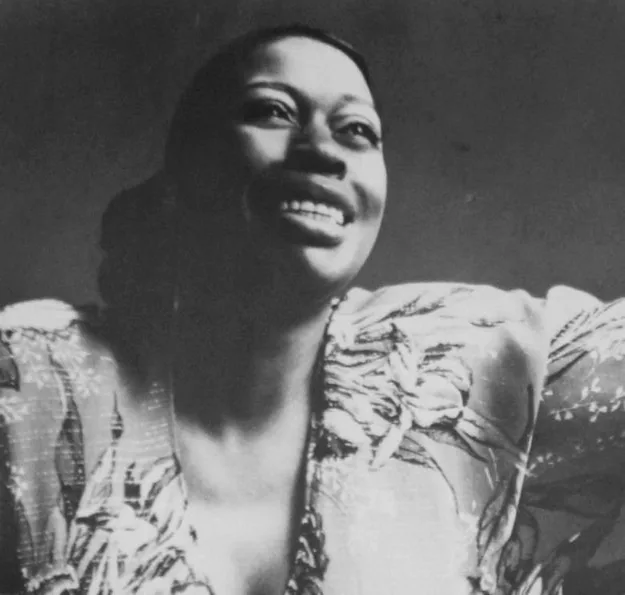
Esther Phillips, publicity photograph, October 1976 Public domain — Wikimedia Commons - https://commons.wikimedia.org/wiki/File:Esther_Phillips_1976.jpg (credited to Irene Pinn Inc; dated 1976-10-04; 117,670 bytes, 625 x 595, verified under the 20MB ceiling via an HTTP HEAD request returning Content-Length: 117670). Saved locally as portrait.jpg in this folder.

Esther Phillips was born Esther Mae Jones in Galveston, Texas, on December 23, 1935. Her parents separated while she was a child and she divided her time between her father in Houston and her mother in the Watts district of Los Angeles. It was in Watts, in 1949, that Johnny Otis heard her win an amateur talent contest at his own club, the Barrelhouse. He put her in his California Rhythm and Blues Caravan and billed her as "Little Esther."
The records came immediately. "Double Crossing Blues," cut for Savoy with the Johnny Otis Quintette and the Robins, went to number 1 on the Billboard rhythm and blues chart in 1950, when she was 14. Four more of her sides reached the R&B top ten in that same year: "Mistrustin' Blues" and "Cupid's Boogie" both went to number 1, "Deceivin' Blues" reached number 4 and "Wedding Boogie" reached number 6. She left Otis and Savoy at the end of 1950 and signed with Federal, where she recorded more than thirty sides and charted only once, with "Ring-A-Ding-Doo" at number 8 in 1952.
Then it fell apart. Heroin addiction, which had begun in her teens, took over. She left the business in 1954, went home to Houston, worked small clubs when she worked at all, and was treated repeatedly at the federal narcotics hospital in Lexington, Kentucky. Eight years passed without a hit.
The comeback came in 1962, and it came from an unlikely direction. Kenny Rogers heard her singing in a Houston club and helped get her signed to Lenox Records, run by his brother Lelan. She recorded a country song, "Release Me," and it went to number 1 R&B and number 8 pop. It also marked the moment she stopped being Little Esther. Atlantic signed her, and the mid-1960s produced a string of albums and singles including "Try Me," with King Curtis on saxophone, and a 1965 reading of the Lennon and McCartney song "And I Love Her" with the pronouns reversed, released as "And I Love Him," which reached number 54 pop, number 11 R&B and number 14 easy listening. Her one official live album, Burnin', was recorded at Freddie Jett's Pied Piper in Los Angeles and released by Atlantic in 1970. That year she was also nominated for her first Grammy Award, for "Set Me Free."
In 1969, between contracts, she recorded something that sits apart from the rest of the catalogue. The Sounds of Synanon were the band and choir of Synanon, the California drug rehabilitation organisation, and Epic released their album The Prince of Peace: A Rock-Jazz Cantata that year, following a Metromedia television special. Phillips sings the solo on its closing piece, "I Will Greatly Rejoice," alongside Wendell Harrison on tenor saxophone. On the single Epic drew from the album, her lead vocal carries no credit at all.
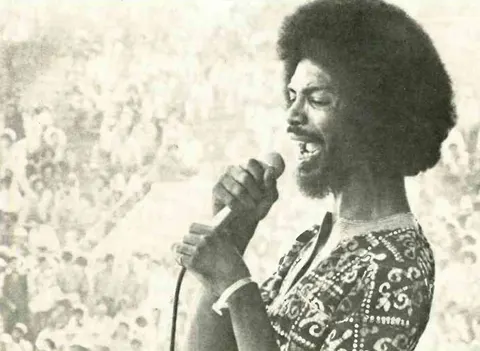
The chapter she is remembered for began in 1971, when she signed to Kudu, the rhythm and blues and soul label Creed Taylor had set up alongside CTI. From a Whisper to a Scream was the first album Kudu released, in January 1972, and its centrepiece was Gil Scott-Heron's "Home Is Where the Hatred Is," a song written from inside heroin addiction and sung by a woman who had lost a decade of her career to it. The record brought a Grammy nomination for Best Rhythm & Blues Vocal Performance, Female. Aretha Franklin won the category that year for Young, Gifted and Black, and then handed the trophy to Phillips, saying Phillips should have won it instead.
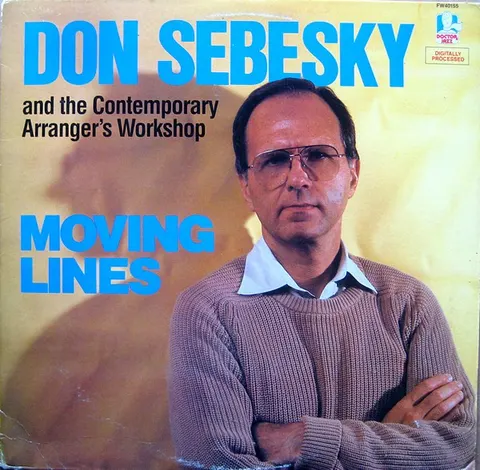
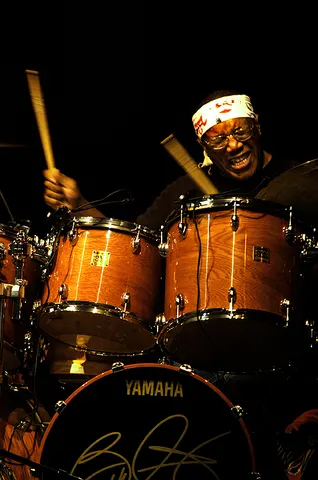
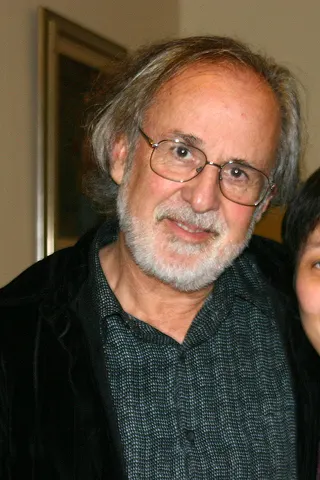
Seven albums followed for Kudu between 1972 and 1976, and the personnel on them reads like a directory of the CTI house style. Alone Again, Naturally (1972) has George Benson, Ron Carter, Billy Cobham, Eric Gale, Hank Crawford, Cornell Dupree, Richard Tee, Bernard Purdie and Maceo Parker on it, with Don Sebesky writing the strings. Black-Eyed Blues (1973) has Bob James arranging strings. Performance (1974) puts Bob James at the piano, Hubert Laws on flute, Steve Gadd and Purdie both behind drum kits, Michael Brecker taking the tenor solo, and Patti Austin and Deniece Williams in the background vocal section. Rudy Van Gelder's name is on all seven.
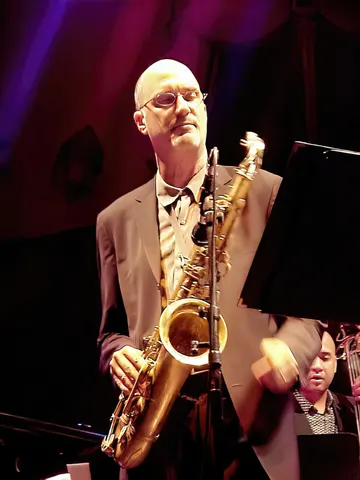
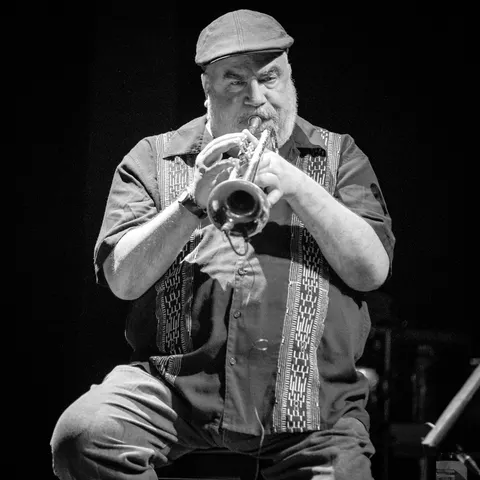
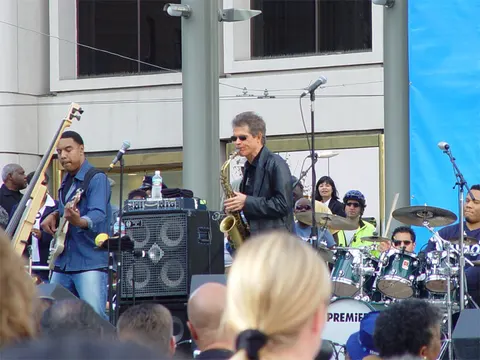
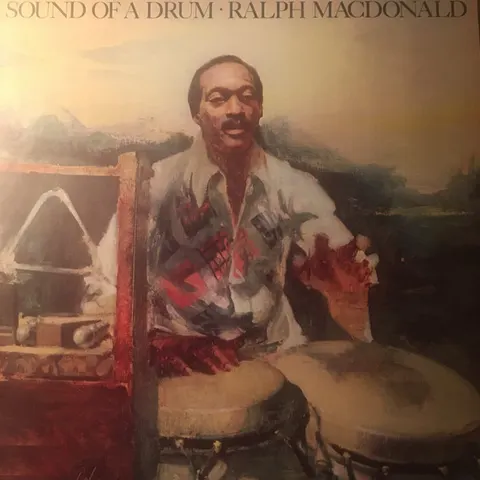
The commercial peak arrived in 1975. "What a Diff'rence a Day Makes" began life in 1934 as "Cuando vuelva a tu lado," a bolero by the Mexican songwriter Maria Grever. Joe Beck arranged it as a disco record and played lead guitar on it, with David Sanborn on alto saxophone, Michael Brecker on tenor, Randy Brecker on trumpet, Don Grolnick on keyboards, Steve Khan on rhythm guitar, Will Lee on bass, Chris Parker on drums and Ralph MacDonald on percussion. It reached number 20 on the pop chart, number 10 rhythm and blues, number 2 on the US dance chart and number 6 in the United Kingdom, and brought a fourth Grammy nomination. On November 8, 1975 she sang it on Saturday Night Live, in the fourth episode of the show's first season, on a night hosted by Candice Bergen.
She left Kudu after Capricorn Princess in late 1976 and made four albums for Mercury between 1977 and 1981, beginning with the well-received You've Come a Long Way, Baby. Her final chart entry was "Turn Me Out," which reached number 85 rhythm and blues in 1983. She completed a last album, A Way to Say Goodbye, in the months before she passed away on August 7, 1984, at UCLA Medical Center in Carson, California, at 48, of liver and kidney failure. Muse Records released it in 1986. She had been nominated for four Grammy Awards and won none of them.
Johnny Otis, who had found her in 1949, conducted her funeral. She was buried in an unmarked pauper's grave at Lincoln Memorial Park in Compton. In April 1985 Otis organised a benefit at the Vine St Bar & Grill in Hollywood and raised the money to move her to Forest Lawn Memorial Park in the Hollywood Hills, where a bronze marker now stands. She was inducted into the Blues Hall of Fame in 2023.
Phillips had one of the most immediately identifiable voices in American popular music: a thin, nasal, slightly frayed tone with a pronounced vibrato and a habit of bending into a note from underneath rather than landing on it cleanly. It is a voice that carries wear in it, and she used that rather than hiding it. Dinah Washington is the reference point most often reached for, and Phillips's 1975 version of "What a Diff'rence a Day Makes" is a direct engagement with Washington's 1959 hit reading of the same song.
What separates her from her contemporaries is repertoire rather than technique. She moved between blues, country, soul, pop and jazz standards without treating any of them as a departure, and she did it from the beginning: a jump blues singer at 14, a country singer at 26, a soul singer at 30, and a jazz-backed pop singer at 36. The country records are not a novelty in her catalogue, they are a third of it. That refusal to stay inside one market is exactly what made her right for Kudu, where the working method was to put a singer with jazz players on material from anywhere and aim the result at radio.
- From a Whisper to a Scream (1972, Kudu) - The first album Kudu released, and the one to start with. Her reading of Gil Scott-Heron's "Home Is Where the Hatred Is" is the performance her reputation rests on. Spotify - From a Whisper to a Scream Listen · Buy
- Alone Again, Naturally (1972, Kudu) - The deepest session band of the Kudu run, opening with Bill Withers's "Use Me." The Spotify link is to the 2014 expanded edition, the only version on the service. Spotify - Alone Again, Naturally Listen · Buy
- What a Diff'rence a Day Makes (1975, Kudu) - Her biggest seller, and the clearest single example of the crossover method: a 1934 Mexican bolero, arranged as disco, played by jazz musicians, aimed at pop radio. Spotify - What a Diff'rence a Day Makes Listen · Buy
- Release Me! Reflections of Country and Western Greats (1962, Lenox) - The comeback record, and the one that retired "Little Esther." Spotify - Release Me! Listen · Buy
- Burnin' (Live at Freddie Jett's Pied Piper, L.A.) (1970, Atlantic) - Her only official live album, and the best surviving record of what she did in a room. Spotify - Burnin' Listen · Buy
Esther Phillips: Full Discography
Esther Phillips, born Esther Mae Jones (Galveston, Texas, 23 December 1935 to Carson, California, 7 August 1984). Discogs artist 86339.
Every Spotify link below was opened and confirmed to resolve to the named release before it was included. Where no release could be confirmed, the cell reads "not found" rather than carrying a guess.
Albums as Leader
| Album | Year | Label | Personnel | Notes | Listen | Buy |
|---|---|---|---|---|---|---|
| Release Me! Reflections of Country and Western Greats | 1962 | Lenox Records LX-227 | Esther Phillips (vocals); produced for Lenox by Lelan Rogers | Her comeback album, and the first issued as Esther Phillips rather than Little Esther. The title track went to number 1 R&B and number 8 pop. Discogs release 3135566. | Spotify | Amazon |
| Esther | 1966 | Atlantic 587010 | Esther Phillips (vocals); Atlantic studio personnel not itemised at release level | One of the Atlantic albums from her 1960s run. Opens with "It's All Right With Me." Discogs release 3594129. | Spotify | Amazon |
| Burnin' (Live at Freddie Jett's Pied Piper, L.A.) | 1970 | Atlantic SD 1565 | Esther Phillips (vocals), recorded live in Los Angeles | Her only official live album. Nine tracks, including "And I Love Him," "Release Me" and "Makin' Whoopee." Discogs release 7148095. | Spotify | Amazon |
| From a Whisper to a Scream | 1972 (released January) | Kudu KU-05 | Esther Phillips (lead vocals, uncredited on the sleeve); Hank Crawford (alto sax); Pee Wee Ellis (arranged, conducted); Jack Wilson (rhythm arrangement); Don Sebesky (string arrangement); David Liebman (baritone sax, flute); Frank Vicari (tenor sax, flute); Gordon Edwards (bass); Bernard Purdie (drums); Cornell Dupree and Eric Gale (guitar); Richard Tee (organ, piano); Airto Moreira (percussion); Rudy Van Gelder (engineer); Creed Taylor (producer) | The first album released on Kudu. Contains Gil Scott-Heron's "Home Is Where the Hatred Is," which brought a 1972 Grammy nomination for Best Rhythm & Blues Vocal Performance, Female. Track A4, "That's All Right With Me," was later sampled by Mobb Deep in 1995 and J. Cole in 2014. Discogs release 368973. | Spotify | Amazon |
| Alone Again, Naturally | 1972 | Kudu KU-09 | Esther Phillips (vocals); George Benson, Cornell Dupree and Eric Gale (guitar); Ron Carter and Gordon Edwards (bass); Bernard Purdie and Billy Cobham (drums); Hank Crawford (alto sax); Maceo Parker (tenor sax); Cecil Payne (baritone sax); Richard Tee (organ, piano); Richard Wyands (piano); Ralph MacDonald (percussion); Pee Wee Ellis (arranged, conducted); Don Sebesky (string arrangements); Rudy Van Gelder (engineer); Creed Taylor (producer) | The deepest session band of the Kudu run. The title track brought a 1973 Grammy nomination. Opens with Bill Withers's "Use Me." Discogs release 629911. Spotify carries only the 2014 expanded edition, which is what the Listen link points to. | Spotify | Amazon |
| Black-Eyed Blues | 1973 | Kudu KU-14 | Esther Phillips (vocals); Bob James (string arrangements); Pee Wee Ellis (alto sax, arranged, conducted); Jerry Dodgion (alto sax); Pepper Adams (baritone sax); Ron Carter and Boz Burrell (bass); Ian Wallace (drums); Charlie Brown (guitar); Tim Hinkley (piano); Jon Faddis and Marvin Stamm (trumpet); Arthur Jenkins (percussion); Rudy Van Gelder (engineer); Creed Taylor (producer) | Six tracks. The rhythm section is unusual for a Kudu date: Boz Burrell and Ian Wallace had both played in King Crimson, and both are credited here at release level. Discogs release 576638. | Spotify | Amazon |
| Performance | 1974 | Kudu KU-18 | Esther Phillips (vocals); Bob James (piano, electric piano); Hubert Laws (flute); Michael Brecker (tenor sax soloist); Richard Tee (organ, piano, tack piano); Richard Wyands (piano); Steve Gadd and Bernard Purdie (drums); Gary King and Gordon Edwards (bass); Charlie Brown, Richard Resnicoff and Jon Sholle (guitar); Eric Weissberg (steel guitar); Ralph MacDonald (percussion); Jon Faddis, Marvin Stamm and John Gatchell (trumpet, flugelhorn); Urbie Green (trombone); Pepper Adams (baritone sax); Jerry Dodgion (alto sax); Patti Austin, Deniece Williams, Tasha Thomas, Lani Groves, Carl Caldwell and Robin Clark (background vocals); Don Sebesky (string arrangement); Gary King (arranged, conducted); Pee Wee Ellis and Eugene McDaniels (associate producers); Rudy Van Gelder (engineer, vinyl mastering); Creed Taylor (producer) | Seven tracks. Patti Austin and Deniece Williams both sing background here, each before her own solo career took hold. Discogs release 1143553. No Spotify release could be confirmed. | not found | Amazon |
| What a Diff'rence a Day Makes | 1975 | Kudu KU-23 | Esther Phillips (vocals); Joe Beck (arranged, lead guitar); David Sanborn (alto sax); Michael Brecker (tenor sax); Randy Brecker, Jon Faddis, Alan Rubin and John Gatchell (trumpet); Don Grolnick (keyboards); Steve Khan (rhythm guitar); Will Lee (bass); Chris Parker (drums); Ralph MacDonald (percussion); Eric Weissberg (pedal steel guitar); Barry Rogers and Tony Studd (trombone); Brooks Tillotson and Jim Buffington (french horn); Rudy Van Gelder (engineer, mastering); Creed Taylor (producer) | Her biggest seller. The title track, a disco reading of Maria Grever's 1934 bolero "Cuando vuelva a tu lado," reached number 20 pop, number 10 R&B, number 2 on the US dance chart and number 6 in the UK, and brought a 1975 Grammy nomination. She sang it on Saturday Night Live on 8 November 1975. Discogs release 551467. | Spotify | Amazon |
| For All We Know | 1976 (released January) | Kudu KU-28 | Esther Phillips (vocals); Joe Beck (arranged, guitar, all solos); Michael Brecker (tenor sax, solos); Randy Brecker (trumpet); Steve Khan (guitar); Don Grolnick, Bobby Lyle and Leon Pendarvis (piano); Gary King and Will Lee (bass); Andy Newmark and Chris Parker (drums); Ralph MacDonald, Nicky Marrero and George Devens (percussion); Ronnie Cuber (baritone sax); Frank Vicari (tenor sax); Fred Wesley and Barry Rogers (trombone); Patti Austin and Tasha Thomas (background vocals and vocal arrangement); Rudy Van Gelder (engineer); Creed Taylor (producer) | Spotify files this one as "For All We Know (with Joe Beck)," which reflects how much of the record is his. Discogs release 1330751. | Spotify | Amazon |
| Capricorn Princess | 1976 (released October) | Kudu KU-31 | Esther Phillips (vocals); Dave Matthews (arranged); Chuck Israels (bass); Babi Floyd, Frank Floyd, William Eaton and Zachary Sanders (background vocals); full string, viola and cello section; Rudy Van Gelder (vocals recorded at Van Gelder Studios, mixing, mastering); Alan Varner and Joe Jorgensen (engineers, Mediasound); Creed Taylor (producer) | Her last album for Kudu, and the only one of the seven whose instrumental tracks were not cut in Van Gelder's room. Discogs release 416458. Spotify carries the 2016 expanded edition, which is what the Listen link points to. | Spotify | Amazon |
| You've Come a Long Way, Baby | 1977 | Mercury SRM-1-1187 | Esther Phillips (vocals); Mercury session personnel not itemised at release level | Her first album after leaving Kudu. Discogs release 1403645. | Spotify | Amazon |
| All About Esther Phillips | 1978 | Mercury SRM-1-3733 | Esther Phillips (vocals); Mercury session personnel not itemised at release level | Second of four Mercury albums. Discogs release 1762328. Spotify files it as All About. | Spotify | Amazon |
| Here's Esther...Are You Ready | 1979 | Mercury SRM-1-3769 | Esther Phillips (vocals); Mercury session personnel not itemised at release level | Discogs release 2151581. | Spotify | Amazon |
| Good Black Is Hard to Crack | 1981 | Mercury SRM-1-4005 | Esther Phillips (vocals); Mercury session personnel not itemised at release level | Her last album for Mercury. Discogs release 1303158. | Spotify | Amazon |
| A Way to Say Goodbye | 1986 (completed 1984, released posthumously) | Muse Records MR 5302 | Esther Phillips (vocals) | Finished in the months before she passed away on 7 August 1984, and issued by Muse in March 1986. Discogs release 2615836. No Spotify release could be confirmed. | not found | Amazon |
Label Albums and Compilations Issued in Her Lifetime
| Album | Year | Label | Notes | Listen | Buy |
|---|---|---|---|---|---|
| The Country Side of Esther | 1966 | Atlantic | Atlantic album of country material, the same territory as the 1962 Lenox comeback record. | Spotify | Amazon |
| And I Love Him | 1966 | Atlantic | Carries the 1965 single of the same name, her gender-flipped reading of the Lennon and McCartney song, which reached number 54 pop, number 11 R&B and number 14 easy listening. | Spotify | Amazon |
| Confessin' the Blues | 1976 | Atlantic SD 1680 | Atlantic compilation drawn from her 1960s recordings for the label, issued while she was signed to Kudu. Opens with "I'm Gettin' 'Long Alright." Discogs release 9080325. | Spotify | Amazon |
Selected Singles
Her singles catalogue runs to well over a hundred entries across Savoy, Modern, Federal, King, Lenox, Atlantic, Roulette, Kudu and Mercury, plus decades of reissues. Listed below are the charting sides and the ones that mark a turn in the career. Listening and purchase links for this material are best reached through the album and compilation tables above, since most of these sides are only available now as part of a collection.
| Single | Year | Label | Notes |
|---|---|---|---|
| "Double Crossing Blues" / "Back Alley Blues" | 1950 | Savoy | Credited to the Johnny Otis Quintette with the Robins and Little Esther. Number 1 on the Billboard R&B chart. Discogs master 878893. |
| "Mistrustin' Blues" / "Misery" | 1950 | Savoy | Number 1 R&B. Discogs master 3838950. |
| "Just Can't Get Free" / "Cupid's Boogie" | 1950 | Savoy | "Cupid's Boogie" went to number 1 R&B. Discogs master 709725. |
| "Deceivin' Blues" / "Lost Dream Blues" | 1950 | Savoy | Number 4 R&B. Discogs master 729301. |
| "Wedding Boogie" / "Far Away Blues" | 1950 | Savoy | Number 6 R&B. Discogs release 6090883. |
| "Ring-A-Ding-Doo" / "The Crying Blues" | 1952 | Federal | Number 8 R&B, and her only chart entry of the Federal years. Discogs master 1631415. |
| "Hound Dog" / "Sweet Lips" | 1953 | Federal | Recorded the same year as Big Mama Thornton's version. Discogs master 2136997. |
| "Release Me" / "Don't Feel Rained On" | 1962 | Lenox | The comeback. Number 1 R&B, number 8 pop. Discogs master 570185. |
| "And I Love Him" / "Shangri La" | 1965 | Atlantic | Number 54 pop, number 11 R&B, number 14 easy listening. Discogs master 246803. |
| "Try Me" / "Fever" | 1966 | Atlantic | Features King Curtis on saxophone. Discogs master 908269. |
| "Set Me Free" / "Brand New Day" | 1970 | Atlantic | Brought her first Grammy nomination, in 1970. Discogs master 497117. |
| "Home Is Where The Hatred Is" / "'Til My Back Ain't Got No Bone" | 1972 | Kudu | The Gil Scott-Heron song. Reissued as a 7-inch single by Kudu in 2018 (Discogs release 12654371). Discogs master 330015. |
| "What A Diff'rence A Day Makes" | 1975 | Kudu | Number 20 pop, number 10 R&B, number 2 US dance, number 6 UK. Discogs release 6617040. |
| "Turn Me Out" | 1982 | Mercury | Her last chart entry, reaching number 85 R&B in 1983. Discogs master 307347 dates the release to 1982. |
Guest Appearances
| Release | Artist | Year | Label | Her credit | Listen | Buy |
|---|---|---|---|---|---|---|
| The Prince of Peace: A Rock-Jazz Cantata | Sounds of Synanon and The Synanon Choir | 1969 | Epic BN 26475 | Voice, solo, on "I Will Greatly Rejoice" (track B3), alongside Wendell Harrison on tenor saxophone. Synanon was the California drug rehabilitation organisation; the album followed a Metromedia television special. Credited at track level on Discogs release 7144871. | not found | Amazon |
| I Will Greatly Rejoice (single) | Sounds of Synanon | 1969 | Epic 5-10483 | The single pulled from the cantata above. Her credit on Discogs release 6435852 reads "Lead Vocals [Uncredited]": she sings the record and the label does not name her. | not found | Amazon |
| The Johnny Otis Show Live at Monterey! | The Johnny Otis Show | 1970 | Epic | Recorded at the Monterey Jazz Festival, with the man who discovered her twenty-one years earlier. Discogs master 295307. | not found | Amazon |
| CTI Summer Jazz at the Hollywood Bowl | CTI All-Stars | 1977 | CTI | Credited at release level for vocals. She is also listed on Discogs as a member of the CTI All-Stars group entity (924190). Discogs release 1088377. | not found | Amazon |
| I'm Not Selling Out / I'm Buying In! | Swamp Dogg | 1981 | Takoma | Discogs master 297025. | not found | Amazon |
Sampled By
| Track | Artist | Album | Year | Notes |
|---|---|---|---|---|
| "Give Up the Goods (Just Step)" | Mobb Deep | The Infamous | 1995 | Built on "That's All Right With Me" from From a Whisper to a Scream. Credited at track level on Discogs release 223127 as "Performer [Sample From "That's Alright With Me" By]". |
| "St. Tropez" | J. Cole | 2014 Forest Hills Drive | 2014 | The same source song, nineteen years later. Credited at track level on Discogs release 6401788 as "Performer [That's Alright With Me]". |
Scale of the Catalogue
The Discogs entity for Esther Phillips carries 1,365 credit rows: 174 filed under Main, 55 under Appearance, 1,079 under TrackAppearance and 57 under UnofficialRelease. The Main rows resolve to 164 distinct titles, the large majority of them 7-inch singles from the Savoy, Federal and Atlantic years and posthumous compilations rather than albums. The TrackAppearance figure is almost entirely various-artists compilations carrying one or two of her sides, which is why it is not itemised here. Fifteen albums as leader are listed above, of which seven are the Kudu run of 1972 to 1976.
Johnny Otis discovered her in 1949, recorded her first hits, employed her in the California Rhythm and Blues Caravan, appeared with her at the Monterey Jazz Festival in 1970, conducted her funeral in 1984 and raised the money to move her grave in 1985. No other relationship in her life comes close in length.
Creed Taylor produced all seven of her Kudu albums and built the label's opening release around her. Rudy Van Gelder engineered them. Pee Wee Ellis, previously James Brown's musical director, arranged and conducted the first three; Joe Beck arranged What a Diff'rence a Day Makes and For All We Know; Dave Matthews arranged Capricorn Princess; Don Sebesky and Bob James wrote strings across the run.
The Kudu house band across those seven albums included Hank Crawford (alto saxophone), Eric Gale and Cornell Dupree (guitar), Richard Tee (keyboards), Gordon Edwards (bass) and Bernard Purdie (drums), which is the Stuff rhythm section in all but name; George Benson, Ron Carter, Billy Cobham, Hubert Laws, Airto Moreira, Ralph MacDonald, Pepper Adams, Steve Gadd, Jon Faddis, Marvin Stamm, Urbie Green, Maceo Parker and Fred Wesley; and on the two Joe Beck albums, Michael Brecker, Randy Brecker, David Sanborn, Don Grolnick, Steve Khan, Will Lee and Chris Parker.
Patti Austin and Deniece Williams both sang background vocals on Performance (1974). King Curtis played saxophone on her Atlantic single "Try Me." Kenny Rogers and his brother Lelan Rogers were responsible for the 1962 comeback contract with Lenox. Gil Scott-Heron wrote the song that defined her second career, though the two did not record together.

- Esther Phillips on Discogs
- Esther Phillips on Wikipedia
- Esther Phillips on AllMusic
- Esther Phillips on All About Jazz
- Esther Phillips's jazzprofiles.com profile
- r/CrossoverJazz
- Discogs API, artist 86339 (profile, name variations, group affiliations, and the complete paginated release list), plus release-level credit data for releases 3135566, 3594129, 7148095, 368973, 629911, 576638, 1143553, 551467, 1330751, 416458, 1403645, 1762328, 2151581, 1303158, 2615836, 9080325, 7144871, 6435852, 223127, 6401788 and 1088377.
- Wikipedia, "Esther Phillips" (biography, chart positions, Grammy nominations, burial and reinterment).
- Wikipedia, "And I Love Her" (chart positions for her 1965 cover).
- Wikipedia, "Saturday Night Live season 1" (November 8, 1975 appearance, episode four, hosted by Candice Bergen).
- AllMusic and All About Jazz artist biographies.
- Creed Taylor Produced, "Remembering Esther Phillips."
- Spotify, for the album identities behind every listening link.