 JAZZPROFILES lives in the music 3,006 Jazz Artists fully Profiled!
Alain Debiossat
Last updated November 16, 2026
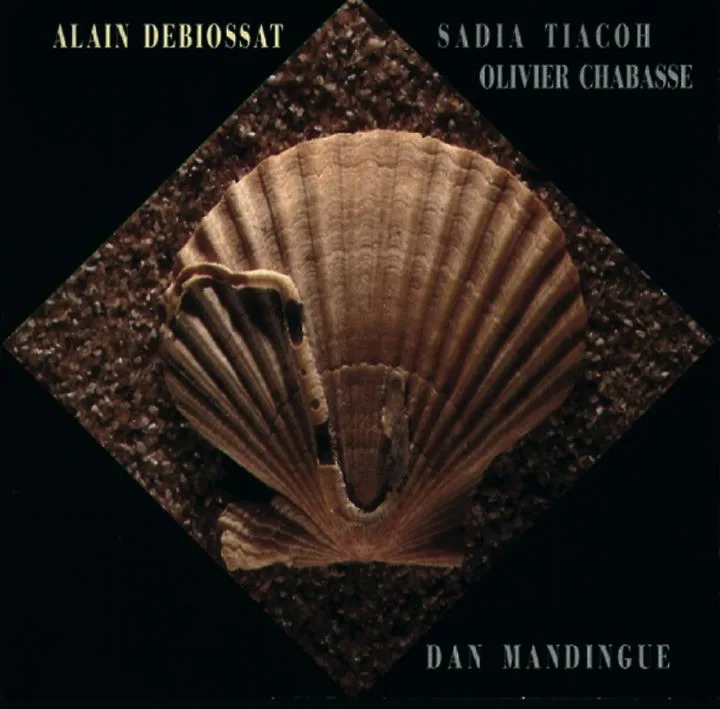
Cover of *Dan Mandingue* (Bleu Citron, 1990) by Alain Debiossat, Sadia Tiacoh and Olivier Chabasse, the first album recommended in this profile. It is an illustrated sleeve showing a scallop shell on sand, not a photograph of the artist. Standard copyright, all rights reserved, held by the label and the rights holders of the release. This is not a Creative Commons or public-domain image; it is an album cover shown as an honestly disclosed editorial identification image. — https://music.apple.com/fr/album/dan-mandingue/269330788 (Apple Music artwork for the digital edition, enlarged to 1000 px; the sleeve image is the same as the 1990 CD)
Alain Debiossat is a French saxophonist, best known as a founding member of the jazz-fusion band Sixun and, since the late 1990s, a member of the Orchestre National de Barbès. He was born in 1958 in the Charentes in western France; French Wikipedia and Discogs both give the Charentes, German Wikipedia and Wikidata the wider region of Poitou-Charentes, and no source found names his town. He plays mainly tenor and soprano saxophone, with baritone, alto, flute and bass clarinet on some records.
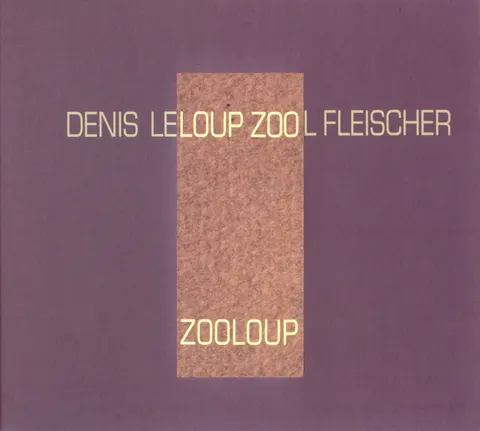
French Wikipedia says he moved to Paris in 1980 and studied guitar and saxophone at the Centre d'informations musicales, with arranging lessons from Ivan Jullien. In 1984 he won the soloist prize at the Concours national de jazz de la Défense, the national competition run alongside the Paris-area La Défense jazz festival, and the festival's list of past laureates names him among the winners that year. The prize, French Wikipedia says, let him play in many Paris clubs with his quartet Point G. He then played in the quintet of Zool Fleischer and in the big band of Antoine Hervé. The earliest record credit found is Fleischer's Picnic Tragic (Ecorce, 1986), where Discogs lists him on saxophone and whistle in a quintet with the guitarist Lionel Benhamou.
Sixun came out of the same Paris scene in the autumn of 1984. Debiossat is one of its five founding players, with the drummer Paco Séry, the keyboard player Jean-Pierre Como, the guitarist Louis Winsberg and the bassist Michel Alibo. He is on every studio album of the group's first period, from Nuit blanche (Open, 1985) through Pygmées, Explore, L'Eau de là (where he also sings backing vocals) and Nomad's Land (1993, where he plays tenor, soprano and baritone), to Lunatic Taxi (Verve, 1995) and Nouvelle Vague (1998). After a break that French and German Wikipedia place after 1998, the band re-formed in 2005 and he is on Palabre (2008, saxophone and flute) and Unixsity (Dreyfus Jazz, 2022). In 2023 the Sacem named Sixun the winner of its Grand Prix du jazz, with Debiossat among the six musicians credited, and he was in the line-up that played the Saint-Louis Jazz festival in Senegal on May 31, 2025.
His own records are few and sit alongside the band. Dan Mandingue (Bleu Citron, 1990) is billed to Alain Debiossat, Sadia Tiacoh and Olivier Chabasse: he plays tenor and soprano saxophone, Chabasse double bass and voice and Tiacoh drums, in thirteen pieces that include "Blues tzigane" and "Gimmick Blues". L'Or du temps (Bleu Citron, 1995) adds the accordionist Marc Berthoumieux and the drummer Thierry Arpino, with Debiossat on baritone, tenor and soprano. Valse & Attrape (2010) is a trio date with the bassist Diego Imbert and the percussionist Stéphane Edouard, on which he plays saxophone, flute and guitar; the distributor's page describes it as a record of waltzes that grew out of years of work with his musical partners. In 2017 Cristal Records released Fragile, credited to the band Post Image with the singer and lyricist John Greaves and with Debiossat, who plays alto and soprano saxophones, flute and bass clarinet on it; he had already appeared on two earlier Post Image albums, Caldeira (Fnac Music, 1994) and 87/2012 (Cristal Records, 2012).
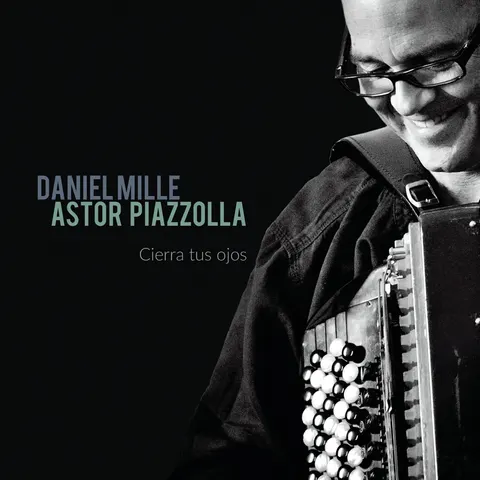
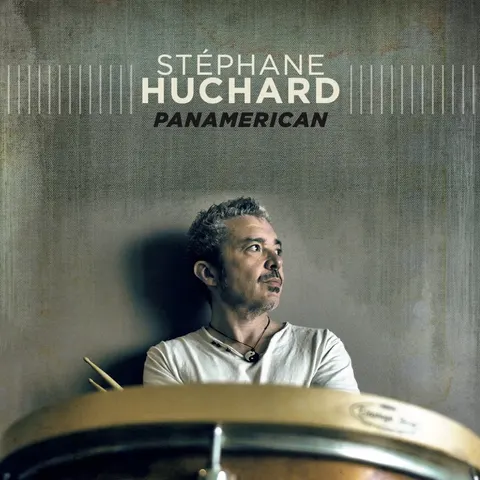
Outside Sixun and his own groups he is a working sideman in French and North African-influenced music. Discogs lists the Orchestre National de Barbès among his groups, and German Wikipedia dates his membership from 1997 and says he has composed for it. Discogs credits him on its album Bobine 1 (1997), an eight-piece album whose Discogs listing names twelve performers including him and carries no label or year of its own (Discogs files the album under 1997). He plays soprano saxophone on Nguyên Lê's Maghreb & Friends (ACT, 1998), baritone and soprano on four tracks of Daniel Mille's accordion album Les Heures tranquilles (Saravah, 1998), and baritone saxophone as a guest on one track of Stéphane Huchard's Tribal Traquenard (Blue Note, 1999). Later credits include Jean-Marie Ecay's World Energy Blues (Janvier Records, 2001) and Coco Mbassi's Sisea (Tropical Music, 2003), and German Wikipedia adds that he has worked with Karim Ziad, Michel Alibo and the singers Élisabeth Caumont and Cheb Mami. No source found says he has stopped performing, and Sixun's own recent dates list him as a current member.
Debiossat's saxophone work sits in the rhythm-driven French jazz-fusion tradition that Sixun helped define: a tenor and soprano voice used over African, Caribbean and Maghrebi rhythm sections, with flute and baritone for colour. His own trio records are quieter, built on waltz and blues forms with bass and percussion or accordion in place of a full band, and Fragile places his reeds in an electric band with a singer-lyricist. His Orchestre National de Barbès and Nguyên Lê credits tie him to the Maghrebi side of Paris music in the late 1990s. No interview in which he names his own influences was found, so this section sticks to what the records and the encyclopedias show; his studies at the Centre d'informations musicales and with Ivan Jullien are the only formative detail on record.
- Dan Mandingue (1990, Bleu Citron BLC D 008) - his first record under his own name, a saxophone, bass and drums trio date with Olivier Chabasse and Sadia Tiacoh. Apple Music - Dan Mandingue Listen
- L'Or du temps (1995, Bleu Citron BLCD020) - a quartet record with accordion, Chapman Stick and drums, with Debiossat on three saxophones. Apple Music - L'Or du temps Listen
- Valse & Attrape (2010) - his latest record under his own name, a trio with bass and percussion built around waltzes.
- Fragile (2017, Cristal Records CR256) - Post Image with John Greaves, recorded in 2015 and 2016, with Debiossat on alto and soprano saxophones, flute and bass clarinet.
- Nuit blanche (1985, Open JZ 06) - Sixun's debut, the first record of the band he co-founded. Apple Music - Nuit blanche Listen
- Nomad's Land (1993, PolyGram Jazz and EmArcy 514 474-2) - Sixun's first major-label album, where he plays tenor, soprano and baritone saxophones. Apple Music - Nomads' Land Listen
- Maghreb & Friends (1998, ACT 9261-2) - Nguyên Lê's album of Maghrebi collaborations, with Debiossat on soprano saxophone.
- Unixsity (2022, Dreyfus Jazz) - Sixun's return after twelve years, the album behind the 2023 Sacem prize. Apple Music - Unixsity Listen
Alain Debiossat: Full Discography
French saxophonist, born 1958 in the Charentes, co-founder of the jazz-fusion band Sixun. Discogs artist 695761 (Alain Debiossat); the entry carries 84 release listings, and a Discogs search on his surname found no split or numbered entity for him. Each release described below was opened on Discogs and its credits read, and the label and catalog number are those printed there; where a source gave a different year, the note says so. Where a detail could not be confirmed, the cell says "Not confirmed". His Sixun albums are itemized on the band's own page; they are listed here in a short table for completeness.
As Leader or Co-Leader
| Album | Year | Label and catalog | Personnel | Notes | Listen | Buy |
|---|---|---|---|---|---|---|
| Dan Mandingue (Alain Debiossat / Sadia Tiacoh / Olivier Chabasse) | 1990 | Bleu Citron BLC D 008 (CD) | Alain Debiossat (tenor and soprano saxophones), Olivier Chabasse (double bass, vocals), Sadia Tiacoh (drums) | Thirteen pieces including "En devenant", "Blues tzigane", "Gimmick Blues" and the title track. Engineered by Hervé Le Guil; layout and photography by Daniel Jan. Discogs release 5587254. Apple Music dates its digital edition to 1998. | Apple Music | — |
| L'Or du temps (Alain Debiossat, with Thierry Arpino and Olivier Chabasse) | 1995 | Bleu Citron BLCD020 (CD) | Alain Debiossat (baritone, tenor and soprano saxophones), Marc Berthoumieux (accordion), Olivier Chabasse (double bass, Chapman Stick, voice), Thierry Arpino (drums, percussion) | Ten pieces including "Derrière la vitre", "Antsavana", "Tiacoh" and "Jeux de mains". Recorded at Studio Sous la Ville by Marc Berthoumieux. Discogs release 12596664. Apple Music dates its digital edition to 1998. | Apple Music | — |
| Valse & Attrape | 2010 | Not on a label on Discogs (F217); the distributor's page gives reference 212VAL and a 2011 copyright to Futur Acoustic | Alain Debiossat (saxophone, flute, guitar), Diego Imbert (double bass), Stéphane Edouard (percussion) | Eleven pieces including "Zanao", "Troubadour Blues", "Sommeil de l'ange", "Valseria" and "La Joliette", with an eight-page booklet. The year follows Discogs; the distributor's page says 2011. Discogs release 12623064. | — | — |
| Fragile (Post Image with John Greaves, Alain Debiossat) | 2017 | Cristal Records CR256 (CD) | Alain Debiossat (alto and soprano saxophones, flute, bass clarinet), Jean-Christophe Jacques (soprano and tenor saxophones), Frédéric Buzon (trumpet, bugle), Frédéric Feugas (keyboards), Patricio Lameira (guitars, vocals), Dany Marcombe (bass), Eric Perez (drums, sampler, vocals), John Greaves (vocals, lyrics) | Ten pieces including "Petit citron", "Telmine", "Troubadour" and "Sous le soleil d'Ars", released on March 10, 2017; recorded in 2015 and 2016. Billed jointly to the band, Greaves and Debiossat. Discogs release 10151325. | — | — |
With Sixun
Debiossat is a founding member of Sixun and is credited on the band's records from Nuit blanche (1985) to Unixsity (2022). The table lists the albums on which Discogs and the band's own page credit him; full personnel, guests and notes are on the band's profile.
| Album | Year | Label and catalog | Notes |
|---|---|---|---|
| Nuit blanche | 1985 | Open JZ 06 | Debut album. |
| Pygmées | 1987 | Open OP 20 | |
| Explore | 1988 | Open COP 24D | |
| Live | 1989 | Open OP 27 | Recorded on tour in the winter of 1989. |
| L'Eau de là | 1990 | Bleu Citron BLC D007 | He also sings backing vocals. |
| Nomad's Land | 1993 | PolyGram Jazz and EmArcy 514 474-2 | Tenor, soprano and baritone saxophones. |
| Lunatic Taxi | 1995 | Verve 528 785-2 | |
| Nouvelle Vague | 1998 | Birdology FDM 37011-2 (2002 reissue; original Warner Music France per MusicBrainz) | |
| Sixun fête ses 20 ans: Live à La Cigale | 2006 | Futur Acoustic F201 | Recorded in Paris on September 30, 2005. |
| Palabre | 2008 | Futur Acoustic F 203 | Saxophone and flute. |
| Live in Marciac | 2010 | Futur Acoustic | From a 2009 concert; personnel not itemized on Discogs. |
| Unixsity | 2022 | Dreyfus Jazz 538844462 | Credited to the six-piece line-up; track-level personnel not itemized on Discogs. |
As Sideman (selected credits opened on Discogs)
| Year | Project (Leader) | Title | Label | Catalog | Role | Notes |
|---|---|---|---|---|---|---|
| 1986 | Zool Fleischer | Picnic Tragic | Ecorce | Eco ZF 4 (LP) | Saxophone, whistle | Discogs release 2957809. |
| 1993 | Élisabeth Caumont | Ciao mon cœur | Productions Bleu Citron | BLC D014 (CD) | Saxophone (tracks 1, 5 and 6), backing vocals (track 6) | Discogs release 9385399. |
| 1994 | Post Image | Caldeira | Fnac Music | 662 108 (CD) | Tenor and soprano saxophones, guest | Credited on tracks 1 and 9. Discogs release 9722567. |
| 1997 | Orchestre National De Barbès | Bobine 1 | Not on a label on Discogs | No number | Performer | Eight pieces including "Zawiya", "Labou" and "Mimouna". The Discogs release carries no year; its master listing is dated 1997. Discogs release 36954021. |
| 1998 | Daniel Mille | Les Heures tranquilles | Saravah | SHL 2075 (CD) | Baritone and soprano saxophones | Credited on tracks 1, 2, 4 and 6. Discogs release 2546276. |
| 1998 | Marc Berthoumieux | Les Couleurs d'ici | Sous La Ville | 591402/1 (CD) | Soprano and baritone saxophones, flute, piccolo flute | Berthoumieux is the accordionist on Debiossat's own L'Or du temps. Discogs release 8131176. |
| 1998 | Nguyên Lê | Maghreb & Friends | ACT | 9261-2 (CD) | Soprano saxophone | Discogs release 5586491. |
| 1999 | Stéphane Huchard | Tribal Traquenard | Blue Note | 7243 4 99908 2 1 (CD) | Guest, baritone saxophone | Credited on track 3. Discogs release 12802295. |
| 2001 | Jean-Marie Ecay | World Energy Blues | Janvier Records | JAN CD 02 (CD) | Soprano saxophone | Credited on track 10. Discogs release 8027411. |
| 2003 | Coco Mbassi | Sisea | Tropical Music | 68.830 (CD) | Saxophone | Discogs release 14634729. |
| 2012 | Post Image | 87/2012 | Cristal Records | CR 204.05 (CD) | Tenor and soprano saxophones | Discogs release 7878254. |
Other releases listed on Discogs, credits not opened
Discogs also lists him, in most cases under the coarse label "Appearance", on releases by Elisabeth Caumont (1986, 1989, 1997 and 2009), the Orchestre National de Barbès (the albums En Concert and Poulina), Michel Alibo (Kintetik, 1991, and a 1996 album with New Sakiyo Corporation), Karim Ziad (Ifrikya, 2001, Chabiba, 2005, Dawi, 2007), Cheb Mami (Meli Meli, 1998), Idir (Identités, 1999), Jean-Pierre Como (Empreinte, 1999), Touré-Touré (Laddé, 1999), Takfarinas (2004), Oum (Soul of Morocco, 2013) and Garou (Soul City, 2019), among others. Those entries were not opened, so his instrument and the extent of his part on each are Not confirmed; the Appearance label on Discogs is sometimes used for non-playing credits, and one of the Caumont entries lists him as producer.
- Sixun - the band he co-founded in 1984 and has played in since, apart from the break after 1998; he is credited on its studio albums and live records from Nuit blanche (1985) to Unixsity (2022).
- Paco Séry and Michel Alibo - drummer and bassist, fellow founding members of Sixun; Alibo is also among the musicians German Wikipedia says Debiossat has worked with outside the band.
- Jean-Pierre Como and Louis Winsberg - the keyboard player and guitarist among Sixun's founders.
- Stéphane Edouard - Sixun's percussionist since the 2005 re-formation and Debiossat's percussionist on Valse & Attrape (2010).
- Olivier Chabasse and Sadia Tiacoh - bassist and drummer on Dan Mandingue (1990); Chabasse is also on L'Or du temps (1995), which has a track titled "Tiacoh".
- Marc Berthoumieux and Thierry Arpino - accordion and drums on L'Or du temps (1995).
- Diego Imbert - double bassist on Valse & Attrape (2010).
- Post Image and John Greaves - the band and the singer-lyricist behind Fragile (2017); Debiossat also plays on the band's Caldeira (1994) and 87/2012 (2012).
- Zool Fleischer - leader of the quintet Debiossat joined in the mid-1980s; he is credited on Fleischer's Picnic Tragic (Ecorce, 1986).
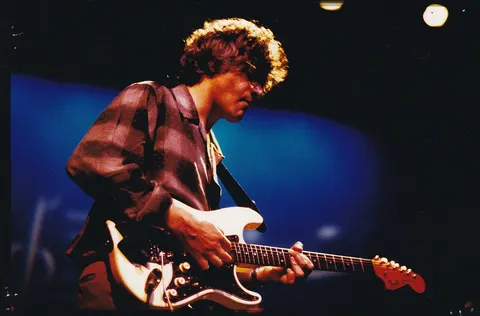
- Lionel Benhamou - guitarist and banjo player in the quintet on Fleischer's Picnic Tragic (1986).
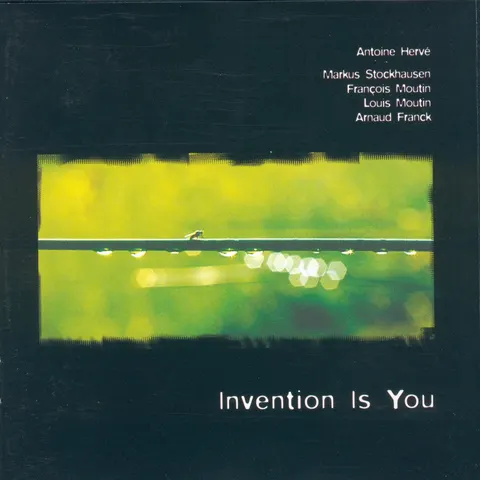
- Antoine Hervé - pianist and bandleader; French Wikipedia says Debiossat played in his big band.
- Nguyên Lê - guitarist whose Maghreb & Friends (ACT, 1998) credits Debiossat on soprano saxophone.
- Daniel Mille - accordionist on whose Les Heures tranquilles (Saravah, 1998) Debiossat plays baritone and soprano saxophones on four tracks.
- Stéphane Huchard - drummer on whose Tribal Traquenard (Blue Note, 1999) Debiossat is a guest baritone saxophonist on one track.
- Orchestre National de Barbès - the Paris band, rooted in North African music, that lists him among its members; Discogs credits him on its album Bobine 1 (1997).
More Jazz Fusion Artists
See all 554 Jazz Fusion artists →More French Jazz Artists
See all 511 French artists →- Alain Debiossat on Apple Music
- Discogs: Alain Debiossat
- MusicBrainz: Alain Debiossat
- Wikipedia (French): Alain Debiossat
- Wikipedia (German): Alain Debiossat
- Wikidata: Alain Debiossat (Q2829712)
- Alain Debiossat on JazzProfiles.com
- Wikipedia (French): Alain Debiossat
- Wikipedia (German): Alain Debiossat
- Wikipedia (French): La Défense Jazz Festival, section on the Concours national de jazz de la Défense
- Wikidata: Alain Debiossat (Q2829712)
- MusicBrainz: Alain Debiossat, member of Sixun since 1984
- Discogs: Alain Debiossat, artist 695761
- Discogs: Dan Mandingue, Bleu Citron BLC D 008
- Discogs: L'Or Du Temps, Bleu Citron BLCD020
- Discogs: Valse & Attrape
- Discogs: Fragile, Cristal Records CR256
- Discogs: Picnic Tragic, Ecorce Eco ZF 4
- Discogs: Maghreb & Friends, ACT 9261-2
- Discogs: Bobine 1, Orchestre National De Barbès
- Discogs: Les Heures Tranquilles, Saravah SHL 2075
- Discogs: Tribal Traquenard, Blue Note 7243 4 99908 2 1
- Discogs: World Energy Blues, Janvier Records JAN CD 02
- Discogs: Sisea, Tropical Music 68.830
- Discogs: Caldeira, Fnac Music 662 108
- Discogs: 87/2012, Cristal Records CR 204.05
- Laterit: Valse et attrape, product page
- Sixun on JazzProfiles.com
- Sixun biography on HighResAudio
- Apple Music: Dan Mandingue, cover artwork