 JAZZPROFILES lives in the music 1,002 Jazz Artists fully Profiled!
 Tetsuo Sakurai
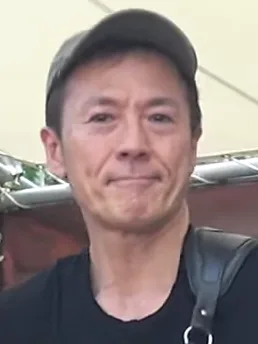
Tetsuo Sakurai, Japanese jazz-fusion bassist and co-founder of Casiopea, performing live, 2019. CC BY 3.0 — Wikimedia Commons — https://commons.wikimedia.org/wiki/File:Tetsuo_Sakurai,_2019.png (photo by nexcomvisual)
Tetsuo Sakurai, born in Tokyo on November 13, 1957, started playing bass at thirteen and co-founded Casiopea with guitarist Issei Noro in the band's earliest lineup. In 1983, a trip to Brazil permanently reshaped his playing: he discovered samba and Brazilian rhythm, an influence that runs through his later Casiopea work, the Shambara side project he formed with drummer Akira Jimbo, and on into his post-Casiopea career.
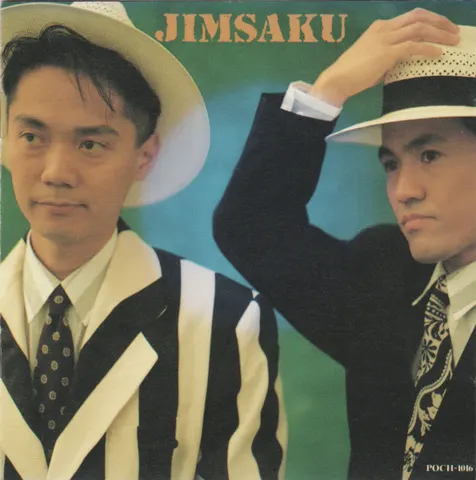
In 1990, when Noro demanded Shambara be dissolved, Sakurai and Jimbo refused and left Casiopea instead, forming the duo Jimsaku. Jimsaku disbanded in 1998; unlike Jimbo, who eventually rejoined Casiopea, Sakurai never returned to the band.
His Brazilian influence never faded. His fifth solo album, Cartas do Brasil (2003), is a self-cover vocal record recorded in Rio de Janeiro with a serious roster of Brazilian musicians — Djavan, Ivan Lins, Rosa Passos, Filo Machado, and others — the work of someone who'd spent two decades genuinely inside that tradition rather than sampling it from a distance.
Alongside his solo and Casiopea/Jimsaku work, Sakurai built an extensive international career as a session and collaborating bassist: Discogs's own profile for him names the Brecker Brothers, Bob James, guitarist Lee Ritenour, drummer Harvey Mason, Vinnie Colaiuta, Dennis Chambers, and drummer Senri Kawaguchi among his collaborators, with Chambers appearing directly on his own Gentle Hearts Tour 2004 and Vital World (2010). He has also led a Jaco Pastorius tribute project. He now plays with Jimbo and former Casiopea keyboardist Minoru Mukaiya in the Katsushika Trio, revisiting 1980s Casiopea material.
Sakurai's playing is defined by its genuine, sustained Brazilian influence, traced directly to a 1983 trip that reshaped his approach for the rest of his career — a real point of stylistic difference from the more straight-fusion-oriented playing of many of his Japanese fusion contemporaries.
Tetsuo Sakurai: Full Discography
Discogs artist ID 639934. Identity confirmed via the entity's own detailed profile text (listing Casiopea, Jimsaku, and named international collaborators via linked entities) plus a WebSearch synthesis independently corroborating and expanding the record. 163 credits total: 16 Main, 82 Appearance, 2 Producer.
As Leader (solo)
| Album | Year | Label | Notes | Listen | Buy |
|---|---|---|---|---|---|
| Dewdrops | 1986 | — | Amazon | ||
| A Gate of the 21st Century | 1999 | Crown | Amazon | ||
| TLM20 (Live Memories 20 Years) | 2000 | — | Amazon | ||
| Gentle Hearts | 2001 | — | Spotify | Amazon | |
| Cartas do Brasil | 2003 | — | 5th solo album; self-cover vocal record recorded in Rio de Janeiro with Djavan, Ivan Lins, Rosa Passos, Filo Machado, and others | Spotify | Amazon |
| Gentle Hearts Tour 2004 | 2005 | JVC | With Greg Howe & Dennis Chambers | Spotify | Amazon |
| Brasil Connection Vol. 1 / Vol. 2 | 2006 | Sakuravibe | Amazon | ||
| My Dear Musiclife | 2009 | Electric Bird | Amazon | ||
| Vital World | 2010 | Electric Bird | Featuring Greg Howe & Dennis Chambers | Amazon | |
| Talking Bass | 2012 | Seven Seas | Spotify | Amazon | |
| Nothin' but the Bass | 2015 | Seven Seas | Amazon | ||
| 黒田節:佐々木久美 / Kimono 櫻井哲夫 | 2025 | Chiyoda Hotel Records / Fourth Wave Record Company | With Kumi Sasaki | Amazon |
Casiopea and Jimsaku
His principal body of recorded work is split across Casiopea (as co-founding bassist) and Jimsaku (the duo he formed with Akira Jimbo in 1990). See those profiles' own discographies rather than duplicating them here.
International collaborators (named directly in Discogs's profile text)
The Brecker Brothers, Bob James, Lee Ritenour, Harvey Mason, Vinnie Colaiuta, Dennis Chambers, and Senri Kawaguchi. Dennis Chambers is independently confirmed via direct credits on Gentle Hearts Tour 2004 (2005) and Vital World (2010); the others were not individually cross-checked against specific dated Discogs credits beyond the profile text's own linked entities.
Katsushika Trio
Formed 2021/2022 with Akira Jimbo and former Casiopea keyboardist Minoru Mukaiya, initially focused on revisiting 1980s Casiopea material. See this project's builds 38 (Jimsaku) and 39 (Issei Noro) for further context.
Scale note
The tables above cover his leader-role solo discography in full (16 Main credits). His 82 Appearance credits — largely reflecting his Casiopea membership and extensive international session work — were not individually catalogued given the volume, particularly since the Casiopea portion is already covered by that band's own profile.
- Issei Noro - Co-founded Casiopea with him.
- Akira Jimbo - Co-founded Jimsaku with him and is now his Katsushika Trio bandmate.
- Minoru Mukaiya - Katsushika Trio bandmate.
- Dennis Chambers - Appears directly on Gentle Hearts Tour 2004 and Vital World.
- The Brecker Brothers, Bob James, Lee Ritenour, Harvey Mason, Vinnie Colaiuta, Senri Kawaguchi - Named international collaborators.

- Tetsuo Sakurai's full profile on JazzProfiles.com
- r/JapaneseJazz
- Discogs artist page
- Spotify — Cartas do Brasil
- WebSearch synthesis of markbass.it, labella.com, thejakartapost.com, allaboutjazz.com, and Wikipedia's Casiopea and Jimsaku articles
- Tetsuo Sakurai — Discogs artist 639934 (profile and full paginated release list retrieved via the Discogs API)
- Spotify Web API catalog lookups