 JAZZPROFILES lives in the music 393 Artists Catalogued, 362 fully Profiled!
 Donald Byrd
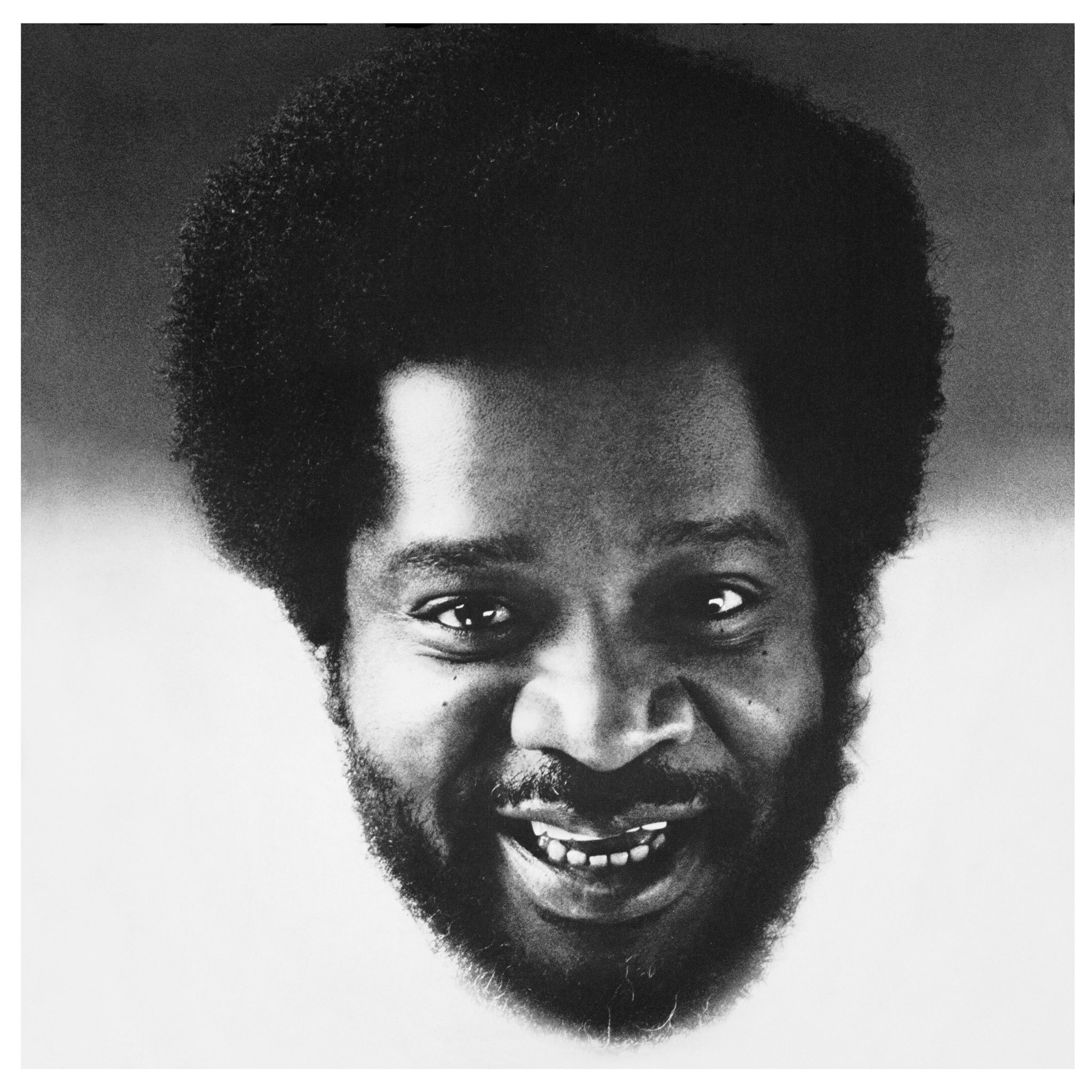
Donald Byrd, publicity photo distributed by Blue Note Records, 1975. Public domain (published in the US without a copyright notice, 1931-1977) — Wikimedia Commons — https://commons.wikimedia.org/wiki/File:Donald_Byrd_press_photo_1975.jpg
Donaldson Toussaint L'Ouverture Byrd II was born December 9, 1932, in Detroit, into a middle-class family; his father was a Methodist minister who valued education highly, and it was his mother's brother who put his first trumpet in his hands. He came up through Cass Technical High School under band director Harry Begian, and was already good enough to perform with Lionel Hampton's orchestra before he had finished high school.
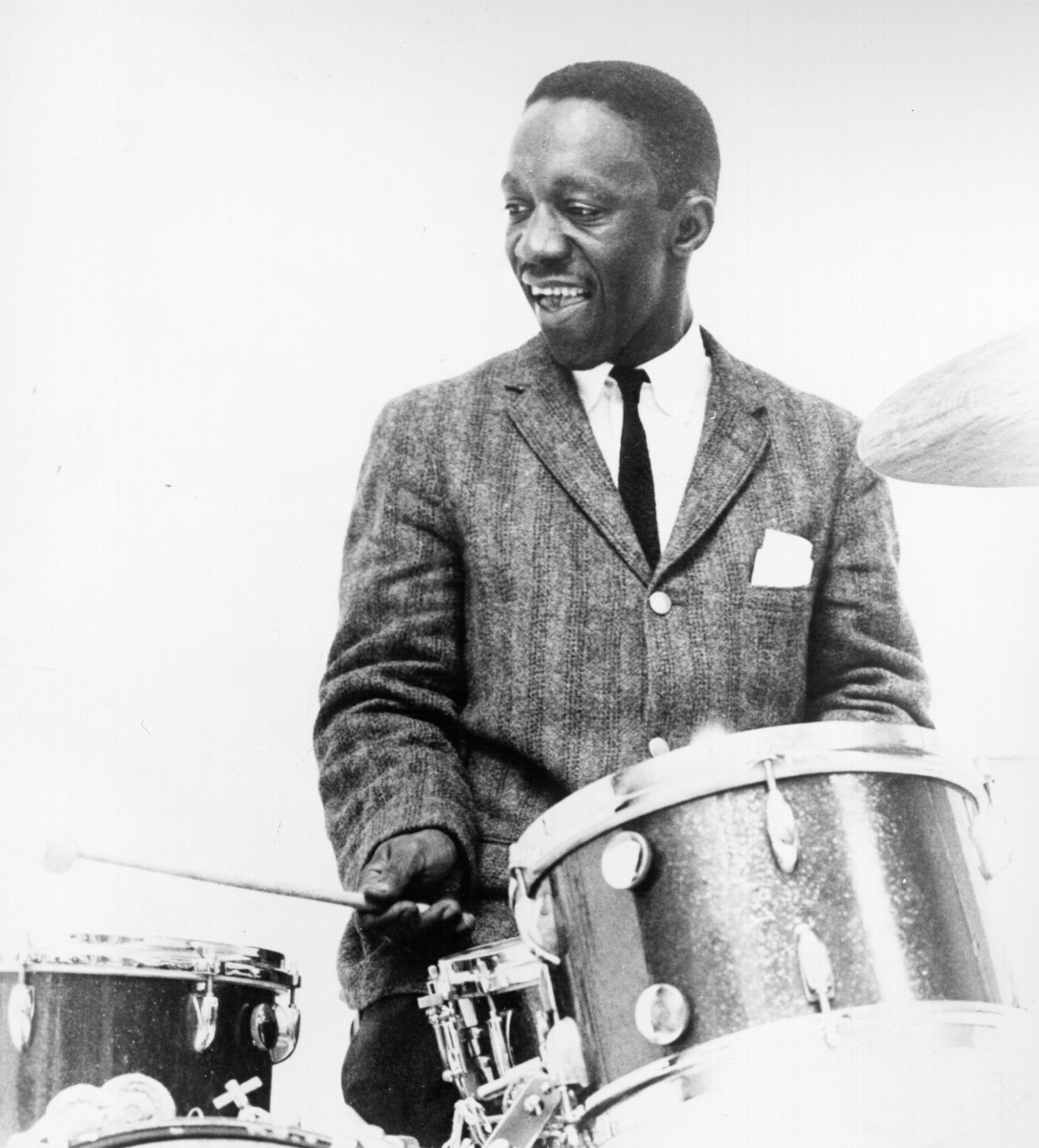
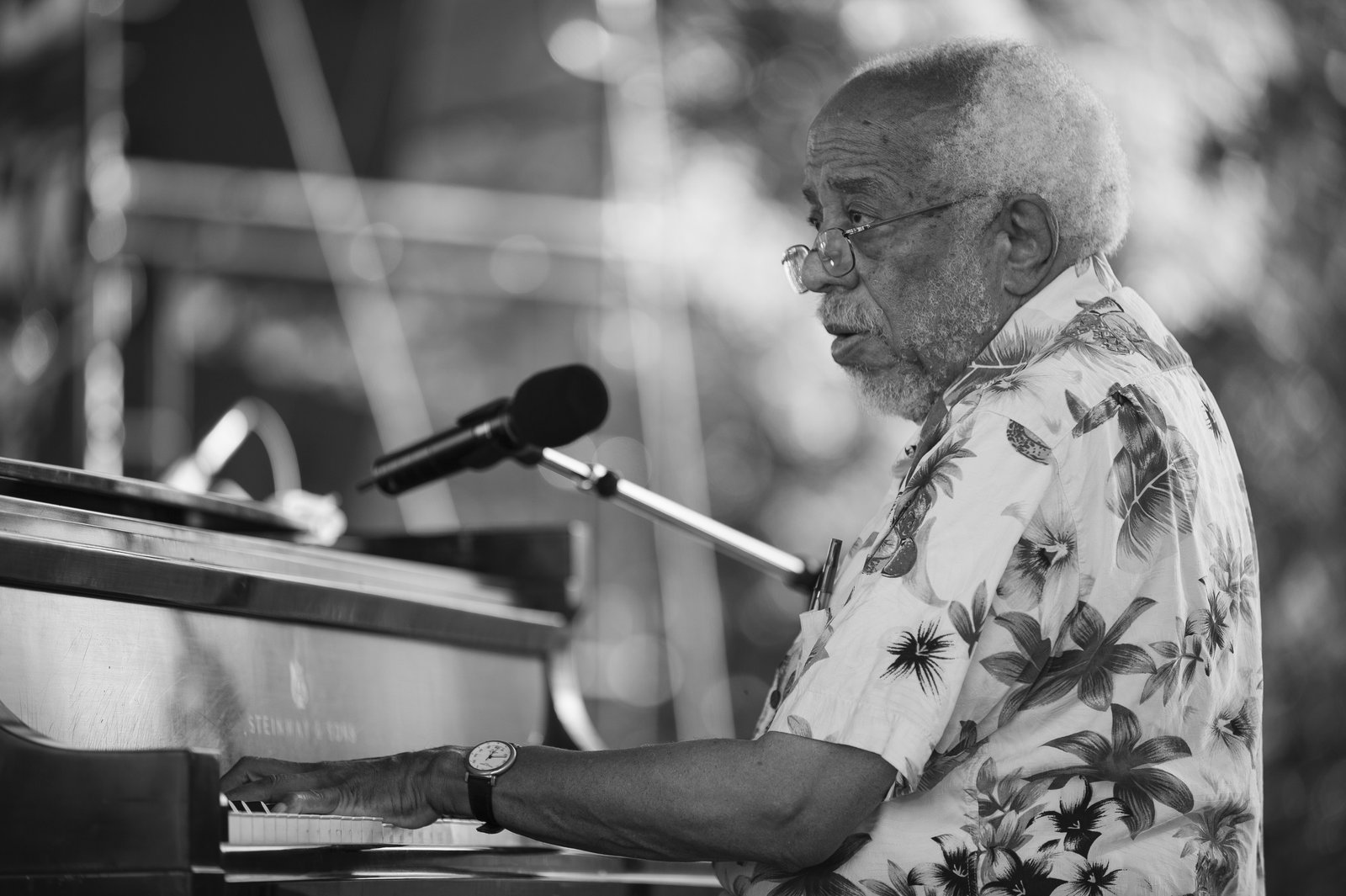
He served in the Air Force from 1951 to 1953, playing in military bands, then returned to Detroit to study music at Wayne State University, graduating in 1954. While still in Detroit he studied bebop with pianist Barry Harris, a fellow Detroit musician who would go on to play piano on Byrd's own recording debut as a leader. In 1955 Byrd moved to New York to pursue a master's degree at the Manhattan School of Music, and it didn't take long for the city's jazz scene to pull him in: he began working with pianist George Wallington's group almost immediately, and within the year he had replaced the late Clifford Brown in Art Blakey's Jazz Messengers. Brown's sound stayed with him: Byrd's own warm, fluent tone was rooted in Brown's style, but his gangly, rhythmically loose phrasing was distinctly his own from the start.
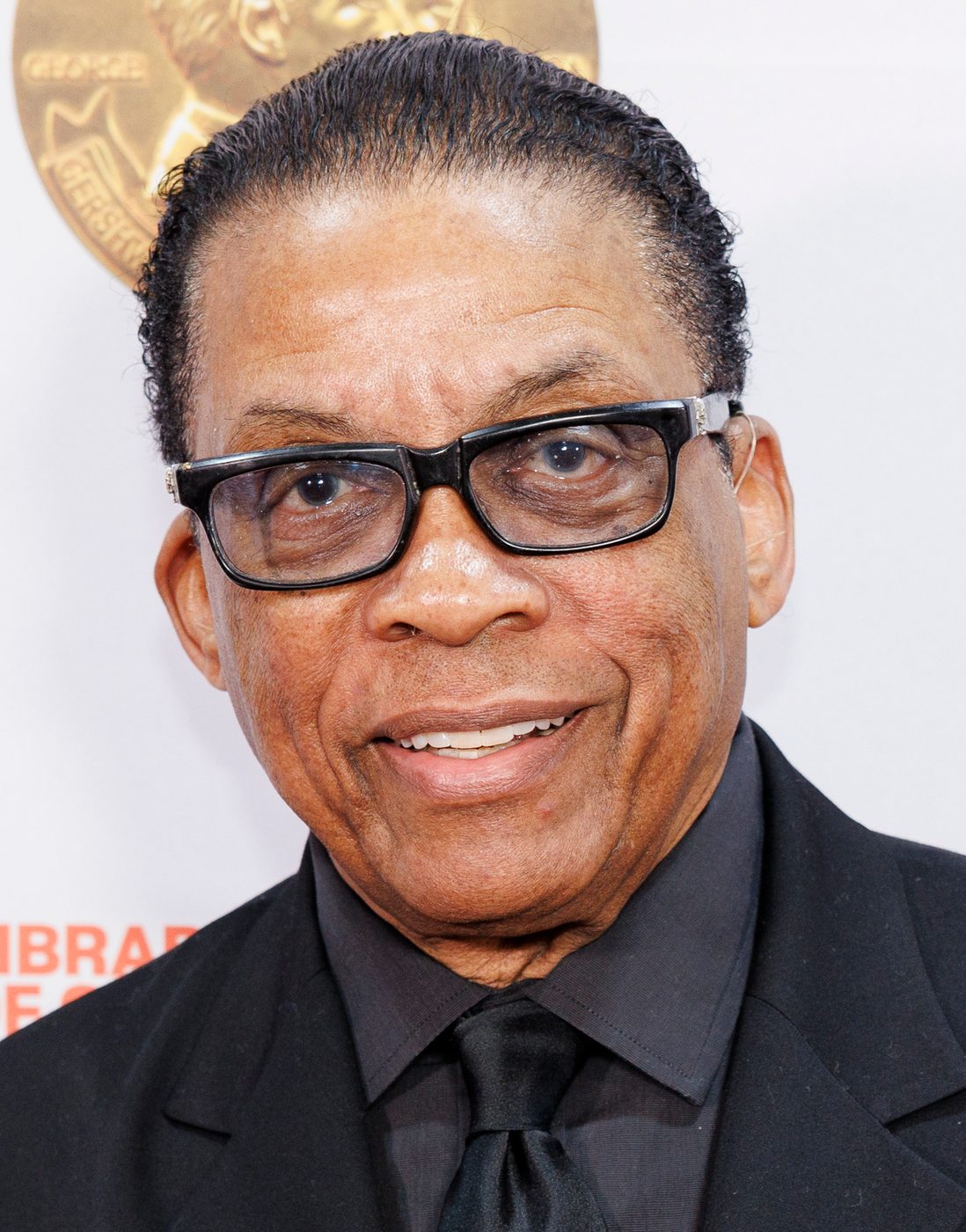
The rest of the 1950s and early 1960s were a run of near-constant sideman and leader dates, mostly for Blue Note, alongside John Coltrane, Sonny Rollins, and Thelonious Monk. From 1958 to 1961 he co-led a quintet with his old friend from Detroit, baritone saxophonist Pepper Adams, a partnership that produced some of his most enduring hard-bop records, including two volumes recorded live at the Half Note Cafe. In 1961 he hired a young pianist named Herbie Hancock into his touring band, giving Hancock his first real national exposure and some of his first advice about publishing rights, guidance Hancock has credited him for ever since. That same year, on Royal Flush, Hancock made his recording debut under Byrd's leadership. Byrd kept pushing his own vision outward, too: he studied composition with the classical pedagogue Nadia Boulanger in Paris in the early 1960s, and 1964's A New Perspective, built around the original "Cristo Redentor," married his working group with a gospel choir.
His turn toward fusion started quietly with 1969's Fancy Free, then accelerated once producers Larry and Fonce Mizell came aboard. 1973's Black Byrd, the first and biggest of the Mizell Brothers albums, moved more than 100,000 copies in six weeks and became Blue Note's best-selling record to that point in the label's history, reaching No. 36 on the Billboard 200. Jazz critics called it a sellout for trading hard bop's edges for funk, soul, and R&B grooves; listeners didn't share the hesitation. Three more Mizell-produced records followed on the same formula: Street Lady (1973), Places and Spaces (1975), and Stepping into Tomorrow (1975), with Caricatures (1976) closing out the run.
In the middle of all of it, in 1973, Byrd formed a band out of his own students at Howard University, where he was teaching and chairing the black music department. He named them The Blackbyrds, produced their records himself, and watched them become hitmakers in their own right: "Walking in Rhythm" reached No. 4 R&B and No. 6 pop, "Happy Music" hit No. 3 R&B and No. 19 pop. Byrd kept recording under his own name too, moving to Elektra for Thank You... For F.U.M.L. (Funking Up My Life) (1978) and, billed with his vocal group Donald Byrd and 125th Street, N.Y.C., Love Byrd (1981, with the single "Love Has Come Around") and Words, Sounds, Colors and Shapes (1982, produced by Isaac Hayes).
Somewhere in the middle of the touring and recording, Byrd found time to earn a law degree from Howard in 1976 and a Ph.D. in music education from Columbia's Teachers College in 1982, on top of teaching posts at Rutgers, Hampton Institute, Howard, NYU, Queens College, Oberlin, Cornell, North Carolina Central, and Delaware State over the course of his career.
By the late 1980s Byrd returned to straight-ahead acoustic jazz for the first time in over fifteen years, recording a run of albums for Landmark Records (Harlem Blues, 1988; Getting Down to Business, 1990; A City Called Heaven, 1991) that paired him with younger players like Kenny Garrett alongside contemporaries such as Joe Henderson and Bobby Hutcherson. The National Endowment for the Arts named him a Jazz Master in 2000. He died February 4, 2013, in Dover, Delaware, at 80, having spent his last decades doing what he'd always done: making records and building the next generation of players.
Byrd's foundational influence was Clifford Brown, whose warm, fluent, aggressive-yet-graceful sound he inherited directly (he was, after all, the player who stepped into Brown's chair in the Jazz Messengers). But Byrd's own phrasing was looser and more rhythmically unpredictable than Brown's from the beginning, and as he matured through the late 1950s and early 1960s he layered in a cooler, more restrained sensibility of his own. His training ran wider than most of his hard-bop peers: bebop lessons with Detroit's Barry Harris, a master's at the Manhattan School of Music, and composition study with the classical pedagogue Nadia Boulanger in Paris, a combination that shows up in the structurally ambitious writing and gospel-choir instrumentation of 1964's A New Perspective.
That same appetite for range is what makes his catalog so hard to summarize in one genre. The same trumpeter who built a reputation on hard-bop dates with Pepper Adams, Coltrane, and Monk also produced, a decade later, some of the most influential jazz-funk records of the 1970s once he began working with producers Larry and Fonce Mizell: records built on dense electric arrangements, vocal hooks, and dance-floor grooves rather than post-bop harmony. Byrd never treated that shift as a rejection of what came before; he treated it, consistently, as the next thing worth trying.
- At The Half Note Cafe, Volume 1 (1961, Blue Note) - Recorded live at the Half Note in Manhattan with the Pepper Adams co-led quintet, this is the hard-bop foundation underneath everything that came later. Spotify - At The Half Note Cafe, Volume 1 Listen · Buy
- Royal Flush (1961, Blue Note) - The session that gave a young Herbie Hancock his recording debut, with Byrd on trumpet, Pepper Adams on baritone, and Billy Higgins on drums. Spotify - Royal Flush Listen · Buy
- A New Perspective (1964, Blue Note) - Byrd's most structurally ambitious Blue Note date, marrying his working group with a gospel choir on the original "Cristo Redentor." Spotify - A New Perspective Listen · Buy
- Black Byrd (1973, Blue Note) - The crossover moment: the first and biggest of the Mizell Brothers-produced records, and Blue Note's best-selling album to that point in the label's history. Spotify - Black Byrd Listen · Buy
- Places and Spaces (1975, Blue Note) - The deep cut of the Mizell Brothers run, and the record most often cited by later hip-hop and neo-soul producers who sampled it. Spotify - Places and Spaces Listen · Buy
Donald Byrd: Full Discography (Discogs-Verified)
Verified against the Discogs API (artist ID 20956). Real name: Donaldson Toussaint L'Ouverture Byrd II.
LEADER (solo): full detail
Personnel pulled directly from each release's Discogs extraartists credits. One representative release per title/year was used, not every pressing/reissue.
| Album | Year | Label / Catalog | Personnel (selected) | Notes | Listen | Buy |
|---|---|---|---|---|---|---|
| Byrd Jazz | 1956 | Transition, TRLP 5 | Yusef Lateef (tenor sax), Bernard McKinney (euphonium), Barry Harris (piano), Alvin Jackson (bass), Frank Gant (drums) | Recorded August 23, 1955, Detroit. Byrd's first-ever leader session. | Not found | Amazon |
| Byrd's Eye View | 1956 | Transition, TRLP J-4 | Hank Mobley (tenor sax), Horace Silver (piano), Doug Watkins (bass), Art Blakey (drums), Joe Gordon (trumpet); Rudy Van Gelder (mastering) | Recorded 1955. | Spotify | Amazon |
| Byrd's Word | 1956 | Savoy, MG 12032 | Frank Foster (tenor sax), Hank Jones (piano), Paul Chambers (bass), Kenny Clarke (drums); Rudy Van Gelder (engineer), Ozzie Cadena (supervision) | Recorded September 29, 1955, Van Gelder Studio, Hackensack. | Spotify (remastered comp.) | Amazon |
| Byrd Blows On Beacon Hill | 1957 | Transition, TRLP 17 | Ray Santisi (piano), Doug Watkins (bass), Jimmy Zitano (drums); Tom Wilson (producer) | Recorded live/studio, Boston. | Spotify | Amazon |
| Byrd In Paris / Parisian Thoroughfare | 1958 | Brunswick, 87 903 / 87 904 | Bobby Jaspar (tenor sax, flute), Walter Davis Jr. (piano), Doug Watkins (bass), Art Taylor (drums) | Recorded live October 22, 1958, at the Olympia, Paris. Issued in France as two volumes; reissued 2000 on Gitanes Jazz/EmArcy, and again by Sam Records (2014, 2019, 2021, all limited vinyl repress). | Spotify — Byrd In Paris / Spotify — Parisian Thoroughfare | Amazon |
| Off To The Races | 1959 | Blue Note, BLP 4007 | Jackie McLean (alto sax), Pepper Adams (baritone sax), Wynton Kelly (piano), Sam Jones (bass), Art Taylor (drums); Alfred Lion (producer), Rudy Van Gelder (recording) | Recorded December 21, 1958. His Blue Note debut as leader. | Spotify | Amazon |
| Byrd In Hand | 1959 | Blue Note, BLP 4019 | Pepper Adams (baritone sax), Charlie Rouse (tenor sax), Walter Davis Jr. (piano), Sam Jones (bass), Art Taylor (drums); Alfred Lion (producer) | Recorded May 31, 1959, Van Gelder Studio. | Spotify | Amazon |
| Fuego | 1960 | Blue Note, BLP 4026 | Jackie McLean (alto sax), Duke Pearson (piano), Doug Watkins (bass), Lex Humphries (drums); Alfred Lion (producer) | Recorded October 4, 1959; released July 1960. | Spotify | Amazon |
| Byrd In Flight | 1960 | Blue Note, BLP 4048 | Jackie McLean (alto sax), Hank Mobley (tenor sax), Duke Pearson (piano), Doug Watkins / Reggie Workman (bass), Lex Humphries (drums); Alfred Lion (producer) | Sessions January and July 1960. | Spotify | Amazon |
| At The Half Note Cafe, Volume 1 | 1961 | Blue Note, BLP 4060 | Pepper Adams (baritone sax), Duke Pearson (piano), Laymon Jackson (bass), Lex Humphries (drums); Rudy Van Gelder (recording) | Recorded live November 11, 1960, at the Half Note, Manhattan. First of the Pepper Adams co-led live document. | Spotify | Amazon |
| Royal Flush | 1961 | Blue Note, BLP 4101 | Pepper Adams (baritone sax), Herbie Hancock (piano), Butch Warren (bass), Billy Higgins (drums); Alfred Lion (producer) | Recorded September 21, 1961. Herbie Hancock's recorded debut — Byrd hired him into his touring band this same year, per Discogs' own artist bio for Byrd. | Spotify | Amazon |
| The Cat Walk | 1962 | Blue Note, BLP 4075 | Pepper Adams (baritone sax), Duke Pearson (piano), Laymon Jackson (bass), "Philly" Joe Jones (drums); Alfred Lion (producer) | Recorded 1961. | Spotify | Amazon |
| At The Half Note Cafe, Vol. 2 | 1963 | Blue Note, BLP 4061 | Pepper Adams (baritone sax), Duke Pearson (piano), Laymon Jackson (bass), Lex Humphries (drums) | Same November 11, 1960 live date as Vol. 1, held back for release until 1963. | Spotify | Amazon |
| A New Perspective | 1964 | Blue Note, BLP 4124 | Herbie Hancock (piano), Kenny Burrell (guitar), Hank Mobley (tenor sax), Butch Warren (bass), Lex Humphries (drums), Donald Best (vibes), plus a gospel choir directed by Coleridge-Taylor Perkinson; Duke Pearson (arranger), Alfred Lion (producer) | Recorded January 1964. Contains "Cristo Redentor," Byrd's best-known original composition. | Spotify | Amazon |
| I'm Tryin' To Get Home (Brass With Voices) | 1965 | Blue Note, BLP 4188 | Herbie Hancock (piano), Grant Green (guitar), Stanley Turrentine (tenor sax), Bob Cranshaw (bass), Grady Tate (drums), large brass section and voices; Coleridge-Taylor Perkinson (conductor) | Recorded 1964. | Spotify | Amazon |
| Up With Donald Byrd | 1965 | Verve, V6-8609 | Herbie Hancock (piano, co-arranger), Kenny Burrell (guitar), Jimmy Heath / Stanley Turrentine (tenor sax), Ron Carter / Bob Cranshaw (bass), Grady Tate (drums), Candido (percussion), The Donald Byrd Singers; Claus Ogerman (arranger/conductor), Creed Taylor (producer) | His only Verve leader date. | Spotify | Amazon |
| Mustang! | 1966 | Blue Note, BLP 4238 | Sonny Red (alto sax), Hank Mobley (tenor sax), McCoy Tyner (piano), Walter Booker (bass), Freddie Waits (drums) | Spotify | Amazon | |
| Blackjack | 1967 | Blue Note, BLP 4259 | Sonny Red (alto sax), Hank Mobley (tenor sax), Cedar Walton (piano), Walter Booker (bass), Billy Higgins (drums); Alfred Lion (producer) | Spotify | Amazon | |
| Slow Drag | 1968 | Blue Note, BST 84292 | Sonny Red (alto sax), Cedar Walton (piano), Walter Booker (bass), Billy Higgins (drums, vocals); Alfred Lion (producer) | Recorded May 12, 1967. | Spotify | Amazon |
| Fancy Free | 1969 | Blue Note, BST 84319 | Frank Foster (tenor sax), Julian Priester (trombone), Lew Tabackin / Jerry Dodgion (flute), Jimmy Ponder (guitar), Duke Pearson (electric piano, producer) | The start of his turn toward fusion, per final-blog.md. |
Spotify | Amazon |
| Electric Byrd | 1970 | Blue Note, BST 84349 | Pepper Adams (baritone sax, clarinet), Lew Tabackin / Frank Foster (tenor sax), Hermeto Pascoal (flute), Duke Pearson (electric piano, producer), Ron Carter (bass), Airto Moreira (percussion) | Recorded May 15, 1970. | Spotify | Amazon |
| Ethiopian Knights | 1972 | Blue Note, BST-84380 | Harold Land (tenor sax), Bobby Hutcherson (vibes), Joe Sample (organ), William Henderson (piano), David T. Walker (guitar); George Butler (producer) | Recorded 1971; released April 1, 1972. | Spotify | Amazon |
| Black Byrd | 1973 | Blue Note, BN-LA047-F | Roger Glenn (flute, sax), David T. Walker / Dean Parks (guitar), Wilton Felder / Chuck Rainey (bass), Joe Sample (piano, electric piano), Fonce Mizell (trumpet, vocals); Larry Mizell (producer, arranger) | First of the Mizell Brothers albums. Moved 100,000+ copies in six weeks; Blue Note's best-selling record to that point, per final-blog.md. |
Spotify | Amazon |
| Street Lady | 1973 | Blue Note, BN-LA140-F | Roger Glenn (flute), David T. Walker (guitar), Jerry Peters (piano, Fender Rhodes), Chuck Rainey (bass), Harvey Mason (drums), Fonce Mizell (clavinet, trumpet); George Butler (executive producer) | Spotify | Amazon | |
| Places And Spaces | 1975 | Blue Note, BN-LA549-G | Craig McMullen / John Rowin (guitar), Chuck Rainey (bass), Harvey Mason (drums), Skip Scarborough (Fender Rhodes), Fonce Mizell (clavinet, trumpet); Larry Mizell (arranger), Wade Marcus (string arranger) | Spotify | Amazon | |
| Stepping Into Tomorrow | 1975 | Blue Note, BN-LA368-G | Gary Bartz (alto sax, clarinet), David T. Walker (guitar), Chuck Rainey (bass), Harvey Mason (drums), Fonce Mizell (clavinet, trumpet); Larry Mizell (arranger/conductor), George Butler (executive producer) | Recorded Nov–Dec 1974, Sound Factory, Hollywood. Contains "Think Twice," later sampled by A Tribe Called Quest and Erykah Badu. | Title track on Spotify; full album not confirmed as a single Spotify entity | Amazon |
| Caricatures | 1976 | Blue Note, BN-LA633-G | James Jamerson / Scott Edwards (bass), David T. Walker / John Rowin / Bernard Taylor (guitar), Alphonse Mouzon / Harvey Mason (drums), Gary Bartz / Ernie Watts (horns); Wade Marcus (string arranger), George Butler (executive producer) | Recorded April–May 1976. His fifth and final Mizell Brothers-produced Blue Note album. | Spotify | Amazon |
| Thank You … For F.U.M.L. (Funking Up My Life) | 1978 | Elektra, 6E-144 | Melvin "Wah Wah" Watson / Paul Jackson Jr. (guitar), Eddie N. Watkins Jr. (bass); Wade Marcus (arranger/conductor), Donald Byrd (executive producer) | First post-Blue Note album; cover art collage by Romare Bearden. | Spotify | Amazon |
| Donald Byrd And 125th Street, N.Y.C. | 1979 | Elektra, 6E-247 | Clare Fischer (keyboards, sax), Ronnie Garrett (bass), William Duckett (guitar), Butch Azevedo (drums); Don Mizell (executive producer), Wade Marcus (arranger) | Self-titled debut of the vocal/funk group formed from his own students, billed on Discogs as its own artist entity (ID 277812). | Spotify | Amazon |
| Chant | 1979 | Blue Note, LT-991 | Pepper Adams (baritone sax), Herbie Hancock (piano), Doug Watkins (bass), Ted Robinson (drums); Alfred Lion (original producer), Michael Cuscuna (vault-release producer) | Recorded 1961, held in the vault until 1979. | Spotify | Amazon |
| Love Byrd | 1981 | Elektra, 5E-531 | Ronnie Garrett (electric bass), William Duckett (guitar), Eric Hines (drums); Isaac Hayes (arranger/producer/conductor), Donald Byrd (executive producer) | Billed to Donald Byrd And 125th Street, N.Y.C. Contains "Love Has Come Around," his best-known post-disco single. | Spotify | Amazon |
| The Creeper | 1981 | Blue Note, LT-1096 | Sonny Red (alto sax), Pepper Adams (baritone sax), Chick Corea (piano), Miroslav Vitous (bass), Mickey Roker (drums); Alfred Lion, Duke Pearson, Francis Wolff (original producers), Michael Cuscuna (vault-release producer) | Recorded October 1967, released 1981. | Spotify | Amazon |
| September Afternoon | 1982 | Discovery Records, DS-869 | Clare Fischer (arranger), Milt Hinton (bass), Osie Johnson (drums), Julius Baker (flute), string section led by Harry Lookofsky; Albert Marx (producer) | Billed "Donald Byrd With Clare Fischer." | Not found | Amazon |
| Words, Sounds, Colors And Shapes | 1982 | Elektra, 60188-1 | Ronnie Garrett (electric bass), William Duckett (guitar), Eric Hines (drums); Isaac Hayes (arranger/producer), Donald Byrd (executive producer) | Billed to Donald Byrd And 125th Street, N.Y.C. His last Elektra studio album. | Spotify | Amazon |
| Harlem Blues | 1988 | Landmark Records, LCD-1516-2 | Kenny Garrett (alto sax), Mulgrew Miller (piano), Rufus Reid (bass), Marvin "Smitty" Smith (drums); Donald Byrd, Orrin Keepnews (producers) | Recorded Sept 22 & 24, 1987. His first straight-ahead jazz album in over 15 years, marking the acoustic comeback. | Not found | Amazon |
| Getting Down To Business | 1990 | Landmark Records, LLP-1523 | Kenny Garrett (alto sax), Joe Henderson (tenor sax), Donald Brown (piano), Peter Washington (bass), Al Foster (drums); Donald Byrd, Orrin Keepnews (producers) | Recorded Oct 10 & 12, 1989, Van Gelder Studio. Billed "Donald Byrd Sextet Featuring Joe Henderson." | Not found | Amazon |
| A City Called Heaven | 1991 | Landmark Records, LCD-1530-2 | Joe Henderson (tenor sax), Bobby Hutcherson (vibes), Donald Brown (piano), Carl Allen (drums); Donald Byrd, Orrin Keepnews (producers) | Recorded January 17-19, 1991, Fantasy Studios, Berkeley. | Not found | Amazon |
| Kofi | 1995 | Blue Note, CDP 7243 8 31875 2 2 | Lew Tabackin (flute, tenor sax), Wally Richardson (guitar), Duke Pearson (electric piano, producer), Ron Carter / Bob Cranshaw (bass), Airto Moreira / Mickey Roker (drums) | Recorded December 1969 and December 1970, released 1995 as part of Blue Note's Rare Groove vault series. | Spotify | Amazon |
CO-LEADER (Pepper Adams collaboration, studio billing)
| Album | Year | Co-billed with | Label | Notes | Listen | Buy |
|---|---|---|---|---|---|---|
| Out Of This World | 1961 | Pepper Adams | Warwick, W2041ST | Recorded March 2, 1961. Herbie Hancock's first-ever studio recording, predating his own Royal Flush debut as Byrd's own leader date the same year. Teddy Charles produced. | Spotify | Amazon |
Compilations, reissue packages, and vault-material anthologies (not new studio sessions)
These carry Discogs' "Main" role tag for artist ID 20956 because Byrd is the sole or primary billed name, but each repackages material already listed above rather than presenting a new recorded session:
- Early Byrd (1973, Columbia, 2xLP) — compiles Byrd/Gigi Gryce Jazz Lab-era material.
- Donald Byrd's Best (1976, Blue Note) — compilation.
- Two Sides Of Donald Byrd (1974, TRIP, 2xLP) — compilation.
- House Of Byrd (1976, Prestige, LP) — Discogs-tagged "Compilation," repackaging pre-Blue Note Savoy/Transition-era material.
- The Blue Note Collection (1983) — compilation.
- Byrd Blows On Beacon Hill (1994 CD reissue, Transition) — reissue of the 1957 title above.
- Attitude (1999, Camden Deluxe) and Winterset (1999, West Wind) — compilations.
- Landmarks (1998, 32 Jazz) — compilation drawing on his Landmark Records catalog.
- Birdhouse (2000, Hallmark Jazz) — compilation.
- The Third World (TCB Records reissue) — a 1966-era Blue Note studio recording with Booker Little, reissued by TCB Records.
- The Transition Sessions (2002, Blue Note, "Donald Byrd & Doug Watkins") — reissue compilation of Transition-label sessions, remastered.
- Timeless: Donald Byrd (2002, Savoy Jazz) — compilation.
- Donald Byrd With Strings (2006, Lone Hill Jazz) — compilation.
- The Complete Blue Note Donald Byrd/Pepper Adams Studio Sessions (2000, Mosaic Records, 4xCD box) — a limited-edition box set collecting the Blue Note studio sessions already itemized individually above.
Additional Main-role titles
Discogs' /artists/20956/releases endpoint lists 214 distinct titles under the "Main" role for artist ID 20956, reflecting a 60-year discography across a dozen-plus labels. Full session-level detail is pulled above for the historically significant run — the acknowledged studio/live leader albums, the Pepper Adams co-led quintet, and every major-label era (Transition/Savoy, Blue Note, Verve, Elektra, Discovery, Landmark). The remaining titles are singles/EPs already tied to an album above, regional/format variant pressings, later box-set repackagings (Eight Classic Albums, Four Classic Albums, Eleven Classic Albums, Milestones Of A Jazz Legend), and posthumous archival/broadcast releases (Paris '58, Cannes '58, The Berlin Studio Session 1963, Flight Time To Landing – The '73 Boston Broadcast, Cookin' With Blue Note At Montreux).
Notable sideman / appearance credits (curated, chronological)
The genuine original-session sideman work that traces Byrd's early career, out of Discogs' much larger raw appearance-credit list for artist ID 20956 (overwhelmingly repackaged compilation and various-artist sampler placements of the same underlying original sessions):
- Jackie McLean — sideman on McLean's own debut as leader, Presenting… Jackie McLean: The New Tradition (1955/56), plus 4, 5 and 6 (1956), New Soil (1959), and Jackie's Bag (1961).
- Art Blakey & The Jazz Messengers — The Jazz Messengers (1956, Columbia), from the period Byrd replaced Clifford Brown in the group, per
final-blog.md. - Horace Silver Quintet — 6 Pieces Of Silver (1956) and Silver's Blue (1956).
- John Coltrane — sideman credits later compiled as Black Pearls (recorded 1958, released 1964) and The Believer / Dakar (1957 Prestige sessions).
- Sonny Rollins — Sonny Rollins, Volume 2 (1957), the same session that also features Coltrane and Thelonious Monk on different tracks.
- Thelonious Monk — At Town Hall (1959), the Monk Orchestra big-band session arranged by Hall Overton.
- Kenny Burrell — 2 Guitars (1957), with Jimmy Raney.
- Pepper Adams Quintet — 10 To 4 At The 5-Spot (1958), predating their own co-led quintet billing.
- Herbie Hancock — My Point Of View (1963), Hancock's second Blue Note leader album — Byrd appearing as a sideman on Hancock's own date two years after hiring the pianist into his touring band.
- George Wallington Quintet (with Phil Woods) — several Metronome-label live EPs (1957) and The New York Scene (1959).
- Gigi Gryce — the co-led "Jazz Lab" series (1957, Prestige/Columbia/Jubilee), billed jointly rather than to Byrd alone, so kept out of the Leader table above.
The complete raw list is available via https://api.discogs.com/artists/20956/releases for anyone who wants the exhaustive, unfiltered version; it was not reproduced here in full since the overwhelming majority are repackaged samplers of the same handful of original sessions, not new information.
- Pepper Adams - baritone saxophonist and Byrd's closest Detroit-born musical partner; co-led a quintet together from 1958 to 1961, and continued recording together into the vault-release Blue Note albums of the late 1970s and 1981 (Chant, The Creeper).
- Herbie Hancock - pianist Byrd hired into his touring band in 1961, giving Hancock his first major national exposure and early advice about publishing rights; Hancock made his recording debut that same year on Byrd's own Royal Flush.
- Larry Mizell and Fonce Mizell - the producer-brother team behind Byrd's entire 1970s jazz-funk run, starting with Black Byrd (1973) through Caricatures (1976).
- The Blackbyrds - the group Byrd formed in 1973 out of his own students at Howard University, produced by Byrd himself and charting independently with "Walking in Rhythm" and "Happy Music."
- Duke Pearson - pianist, arranger, and frequent producer across Byrd's 1960s Blue Note catalog (Fuego, Byrd In Flight, Fancy Free, Electric Byrd, Kofi).
- Barry Harris - the Detroit bebop pianist Byrd studied under before leaving for New York, and who played piano on Byrd's first-ever leader session, Byrd Jazz (1956).
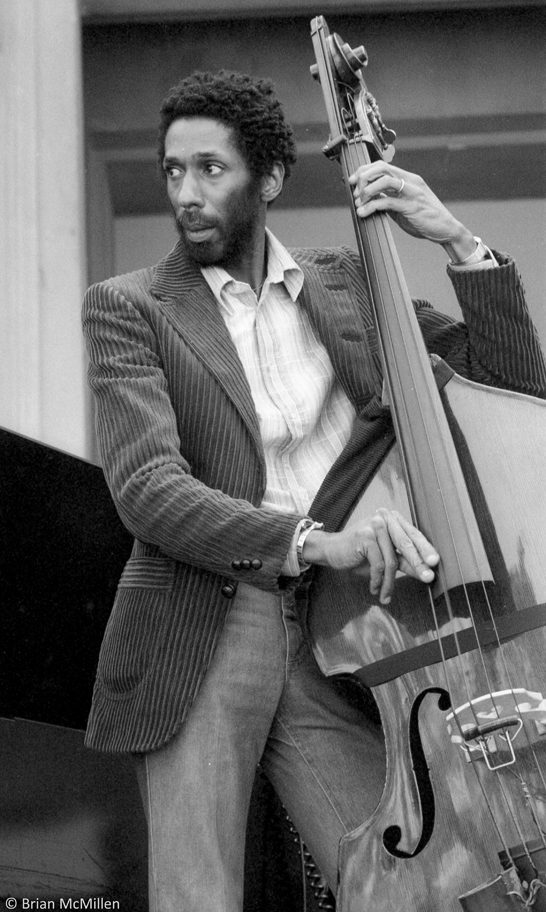
- Ron Carter - bassist on several of Byrd's Blue Note dates, including I'm Tryin' to Get Home (1965), Electric Byrd (1970), and Kofi (recorded 1969-70).
- Chick Corea - pianist on The Creeper (recorded 1967, released 1981).
- Isaac Hayes - arranger and producer on Love Byrd (1981) and Words, Sounds, Colors and Shapes (1982), both billed to Byrd's vocal/funk group Donald Byrd and 125th Street, N.Y.C.
- Kenny Garrett - the young alto saxophonist featured across Byrd's late-1980s/early-1990s Landmark Records comeback (Harlem Blues, Getting Down to Business).
- Joe Henderson and Bobby Hutcherson - fellow veterans who joined Byrd on his Landmark-era acoustic comeback records (Getting Down to Business, A City Called Heaven).